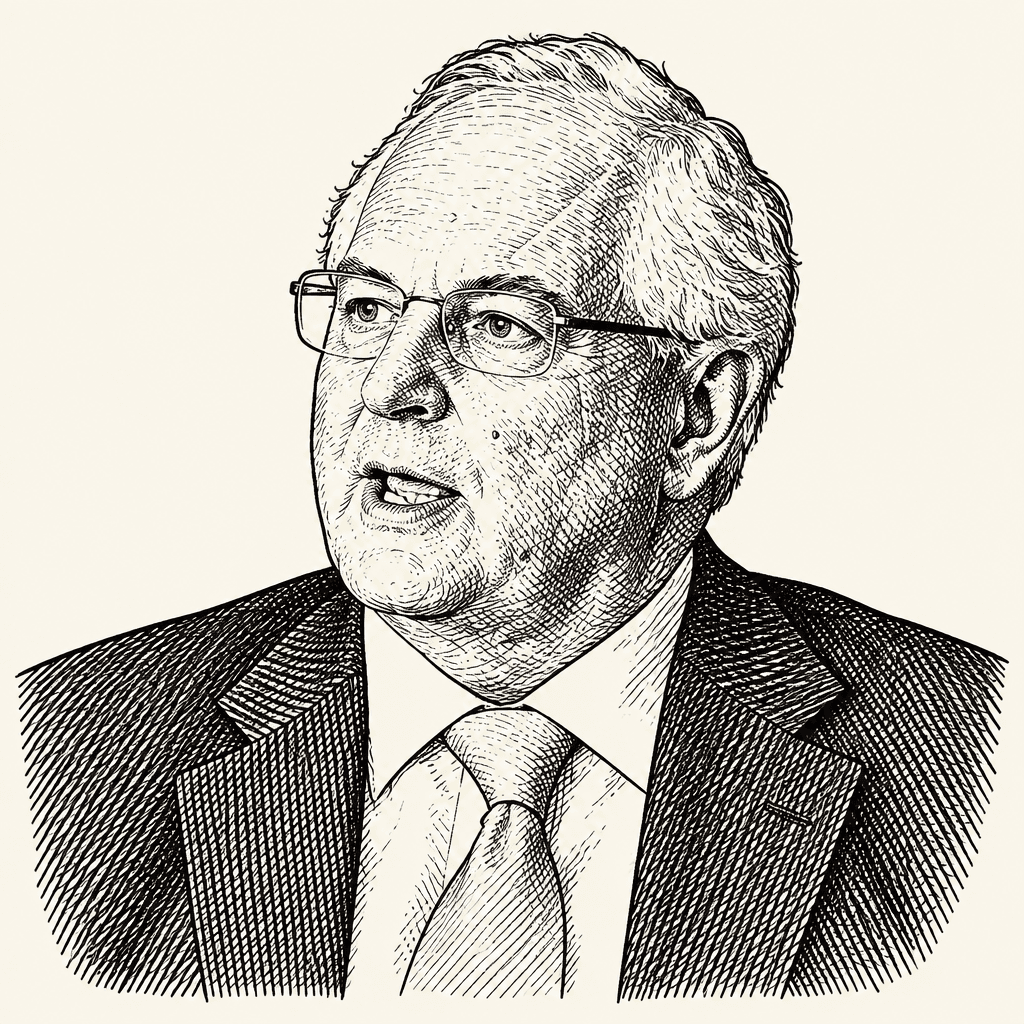
Martin Wolf
Martin Wolf is associate editor and chief economics commentator at the Financial Times. He joined the FT in 1987 and is known for his commentary on economics and global affairs.
Investigations and Popular Bills Offer Democrats a Path to Durable Opposition
Historian Heather Cox Richardson argues that the Democrats’ victory was a rebuke not only to Donald Trump but also to an economic order she says has concentrated wealth and left voters with too little control over their lives. Speaking with Financial Times columnist Martin Wolf, she urges Democrats to use their new congressional power to investigate the administration and advance popular, practical legislation, while resisting what she calls a constitutional crisis. Richardson says the election creates an opening for a broader political coalition, but does not guarantee that MAGA’s influence will fade.
A Democratic Midterm Win Would Constrain Trump, Not End Europe’s Populist Surge
Timothy Garton Ash argues that a sweeping Democratic victory in the US midterms would show that a damaged democracy can recover, but would not end Europe’s exposure to Donald Trump or the rise of nationalist parties. In his discussion with Financial Times columnist Martin Wolf, Ash warns that European populists are likely to gain ground in coming elections, even as he sees scope for liberal parties to recover. He says Europe must strengthen its own defence and political capacity while rebuilding support among voters who feel liberalism has left them behind.
Democrats’ Midterm Landslide Rejected Trump but Did Not End Trumpism
Paul Krugman argues that the Democrats’ sweeping midterm victory was a broader rejection of Donald Trump’s politics, not simply a protest over prices—but it does not amount to a settled mandate for a new Democratic programme. In a discussion with Martin Wolf, he says control of Congress gives Democrats tools to investigate alleged wrongdoing and challenge the administration, while warning that the result neither secures American democracy nor repairs institutions weakened under Trump.
The 2028 Election Is the Critical Test for U.S. Democracy
Political scientist Barbara F. Walter argues that the United States is becoming more vulnerable to political violence as democracy weakens and political parties increasingly align around racial and religious identity. She expects the November midterms to be relatively peaceful if Democrats win decisively, but says the deeper risk will persist: efforts to hold on to political power could make the 2028 election a more dangerous test of whether American democracy remains competitive.
A Democratic Midterm Win Would Not Restore Allied Trust in the United States
Historian Anne Applebaum argues that the US midterms will test whether voters and Congress can constrain an administration she says is weakening democratic checks at home and treating traditional allies as expendable abroad. A Democratic victory could show that Trump-aligned politics is not inevitable, she tells FT chief economics commentator Martin Wolf, but would not by itself restore the trust or reliability allies once associated with the United States.
The Midterms Could Test Whether American Democracy Can Still Transfer Power
Robert Kagan argues that the United States is moving toward dictatorship, though the transition is not complete, and that the midterms will test whether power can still change hands. In his conversation with Financial Times chief economics commentator Martin Wolf, Kagan warns that the greater danger is not simply Trump rejecting a clear defeat, but officials disrupting the count or preventing a newly elected Congress from taking office. A Democratic victory could constrain Trump, he says, but would not undo the damage to government institutions or resolve the deeper conflict over American democracy.
The Hormuz Shock Is Raising the Cost of Energy Security
The Financial Times’ analysis of the Iran war argues that the disruption to energy supplies through the Strait of Hormuz has exposed how quickly a regional conflict can raise prices and strain economies. Its contributors differ on whether the shock marks a new normal, but several warn that governments may need to pay more for backup supplies, diversified energy sources and greater resilience, even if the conflict ends.