The Midterms Could Test Whether American Democracy Can Still Transfer Power
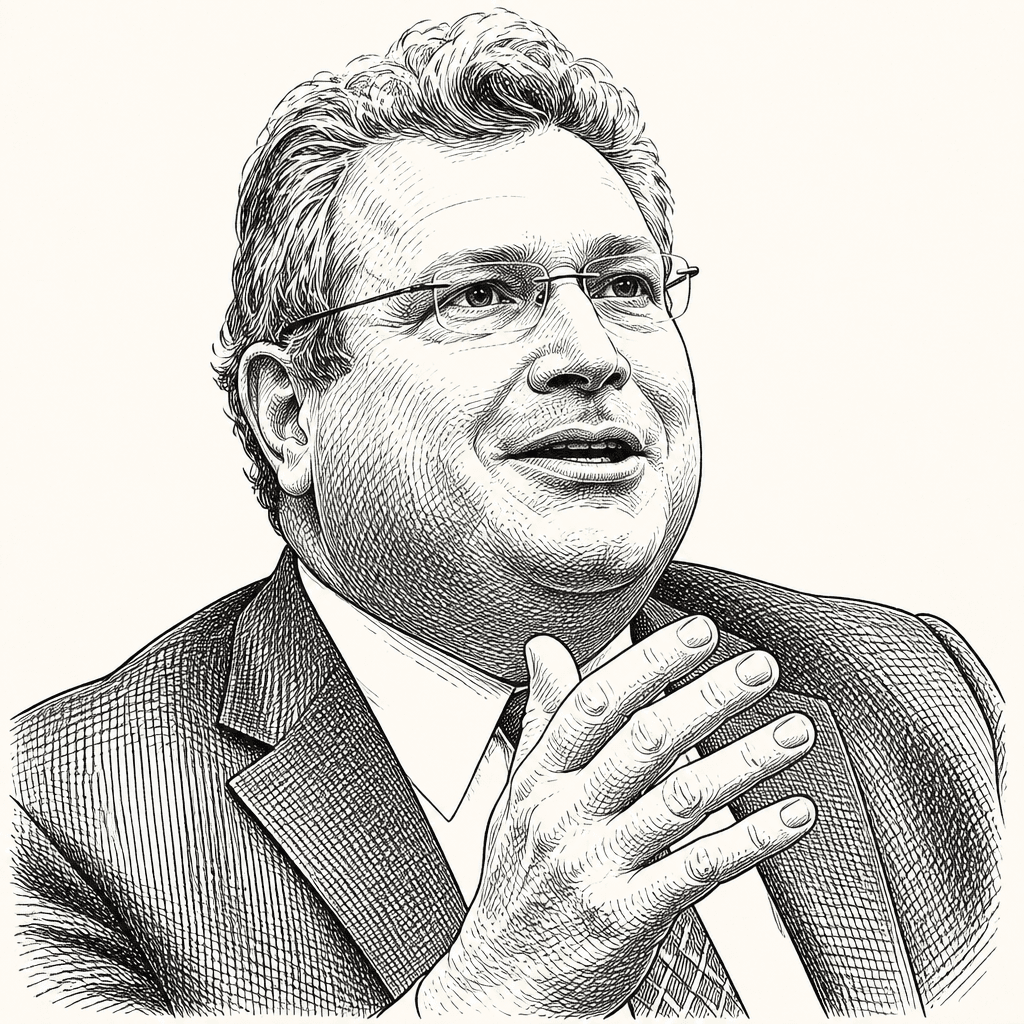
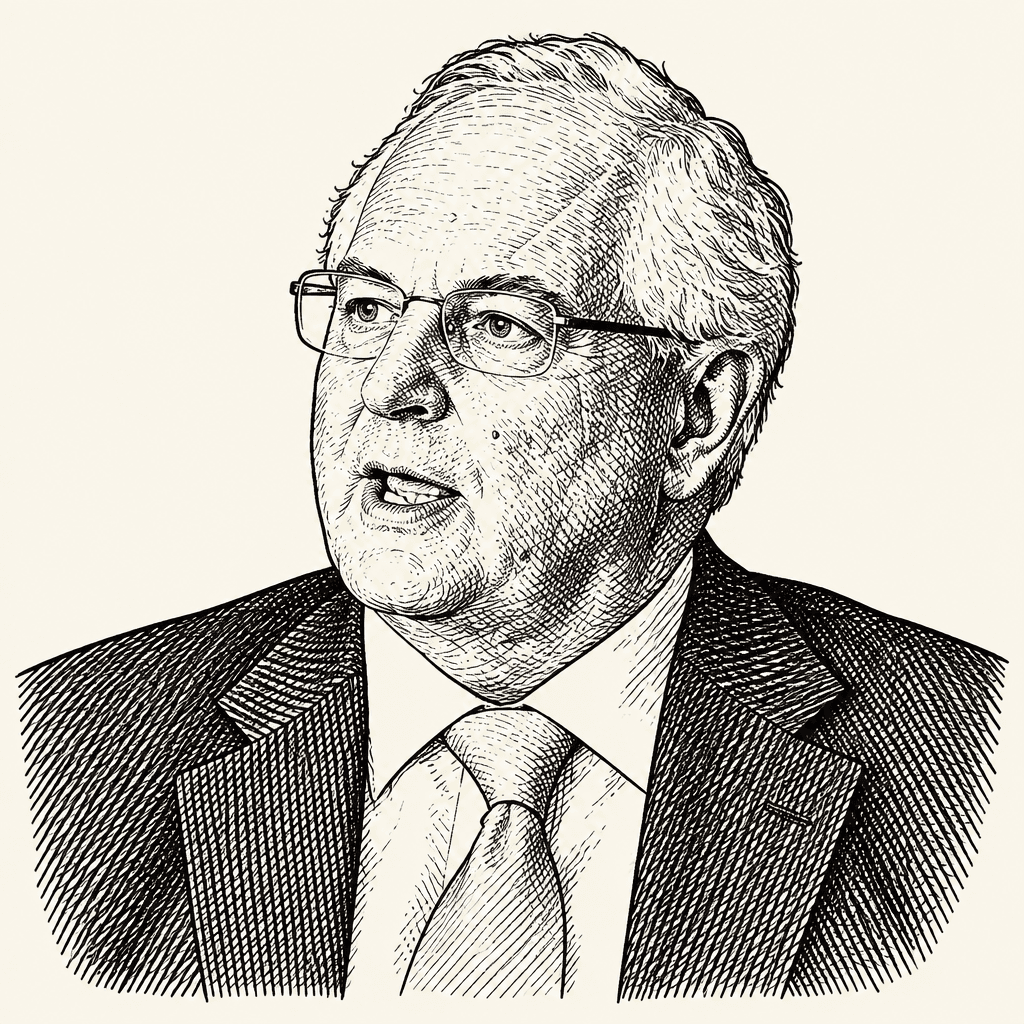
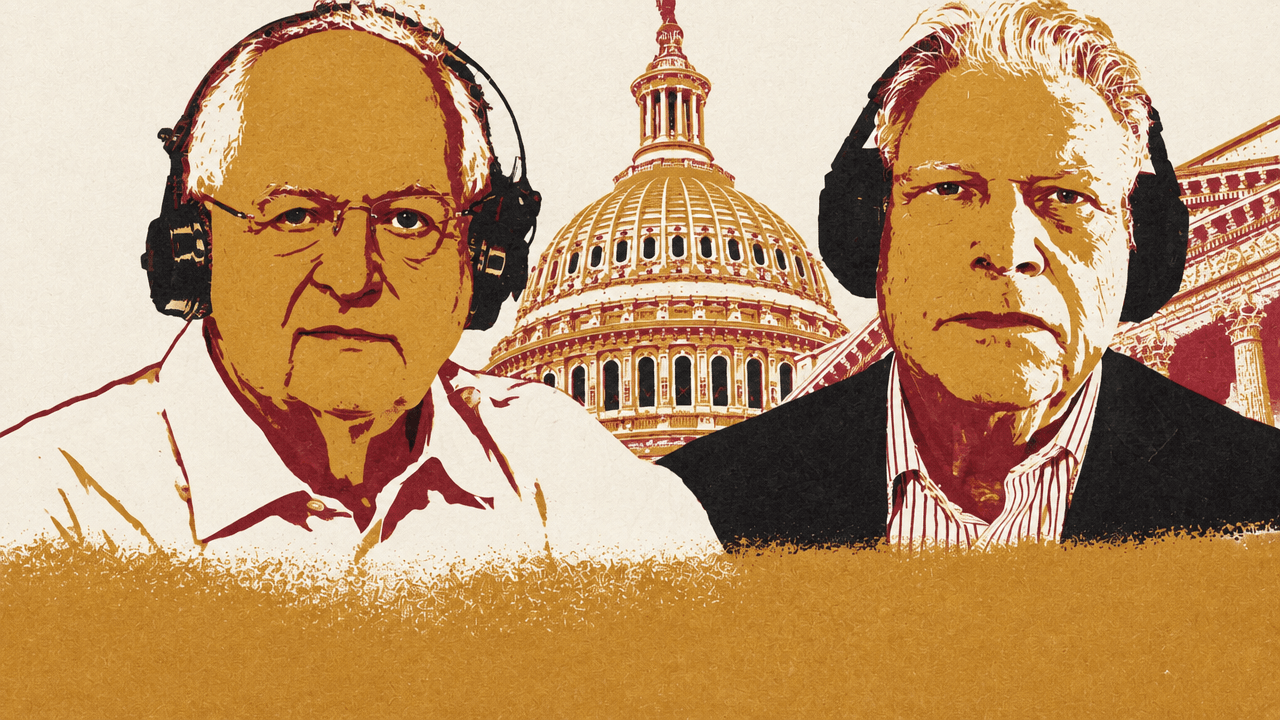
Robert Kagan argues that the United States is moving toward dictatorship, though the transition is not complete, and that the midterms will test whether power can still change hands. In his conversation with Financial Times chief economics commentator Martin Wolf, Kagan warns that the greater danger is not simply Trump rejecting a clear defeat, but officials disrupting the count or preventing a newly elected Congress from taking office. A Democratic victory could constrain Trump, he says, but would not undo the damage to government institutions or resolve the deeper conflict over American democracy.
The immediate danger is a transfer of power that never takes place
Robert Kagan says the United States has moved well into a transition toward dictatorship, though he does not call it a completed one. He points to the Justice Department, which he describes as a personal instrument of Donald Trump, the FBI under administration control, a military being turned into the president’s personal arm, and major parts of the federal bureaucracy dismantled. In his view, the midterms matter because a bad result for Trump could still test whether power can change hands.
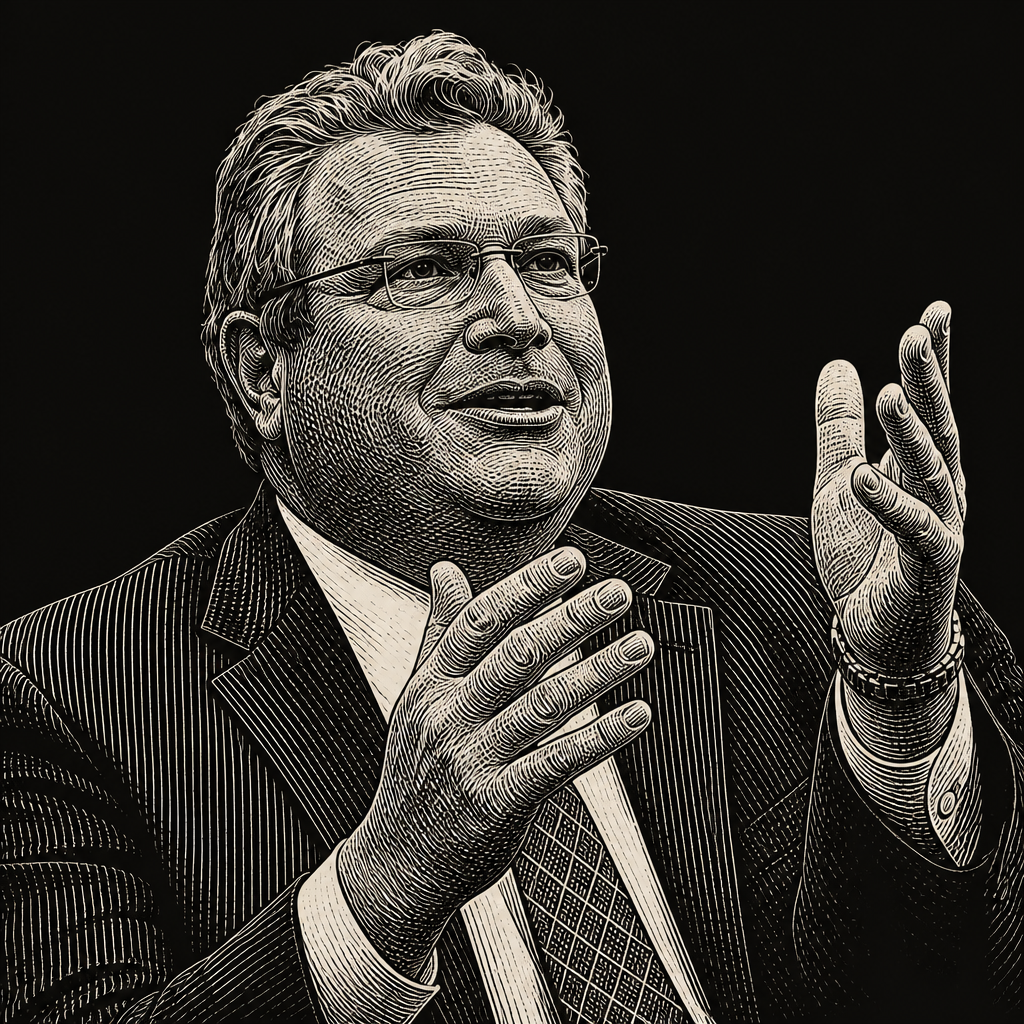
Kagan’s concern is not principally that Trump will formally annul an election. He thinks overturning a decisive loss would be difficult. He is more worried that the administration could disrupt vote counting or prevent a newly elected Congress from being seated. He notes that the Justice Department has said it will send a historic number of election monitors, and says officials under the administration have taken steps that could disrupt voting, including questioning people’s voting rights and possibly intimidating them.
Martin Wolf presses Kagan on the evidence that the system still has checks: elections are being held, courts have blocked the administration, state officials have resisted federal demands, and the press continues to criticize Trump. Kagan accepts that the transition is incomplete. But, he says, elections have taken place during transitions to dictatorship before; their existence does not establish that the system is safe. He says the question is whether Trump will accept a result that weakens his power.
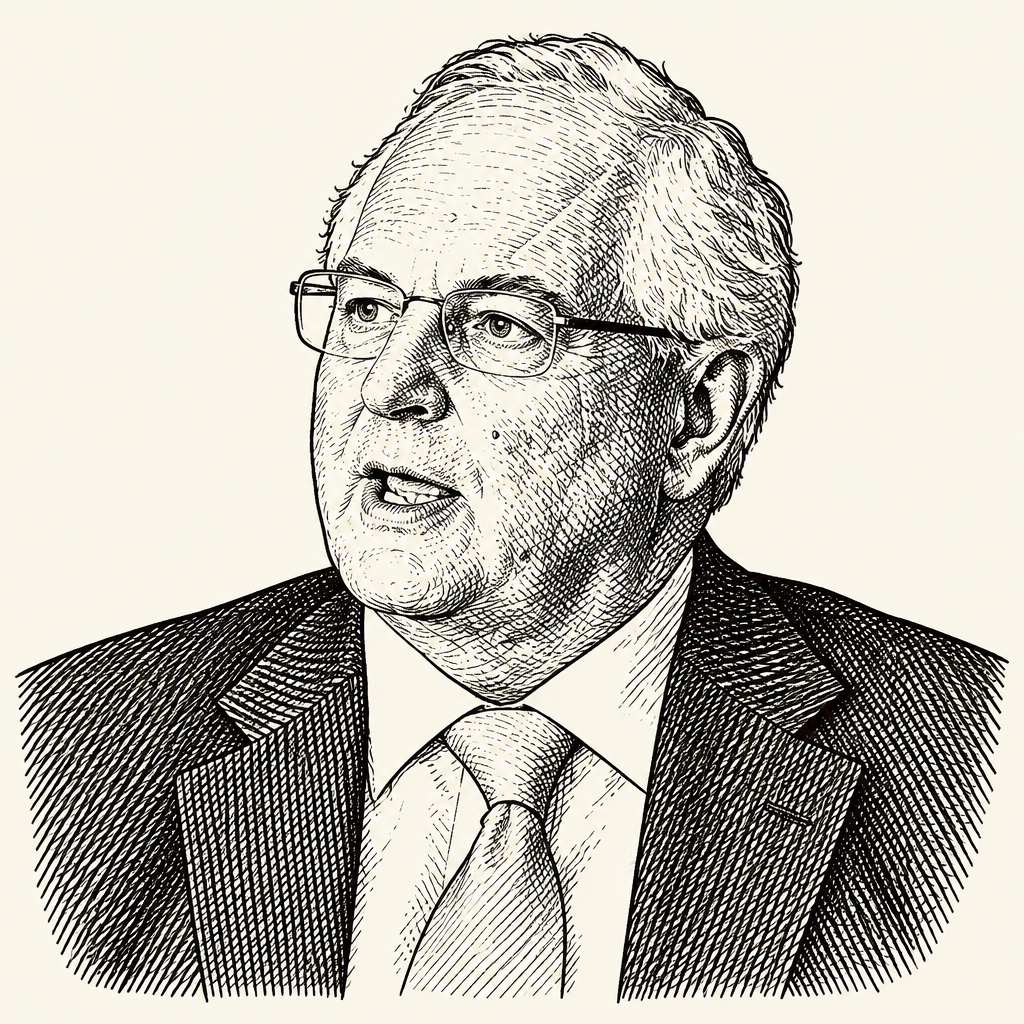
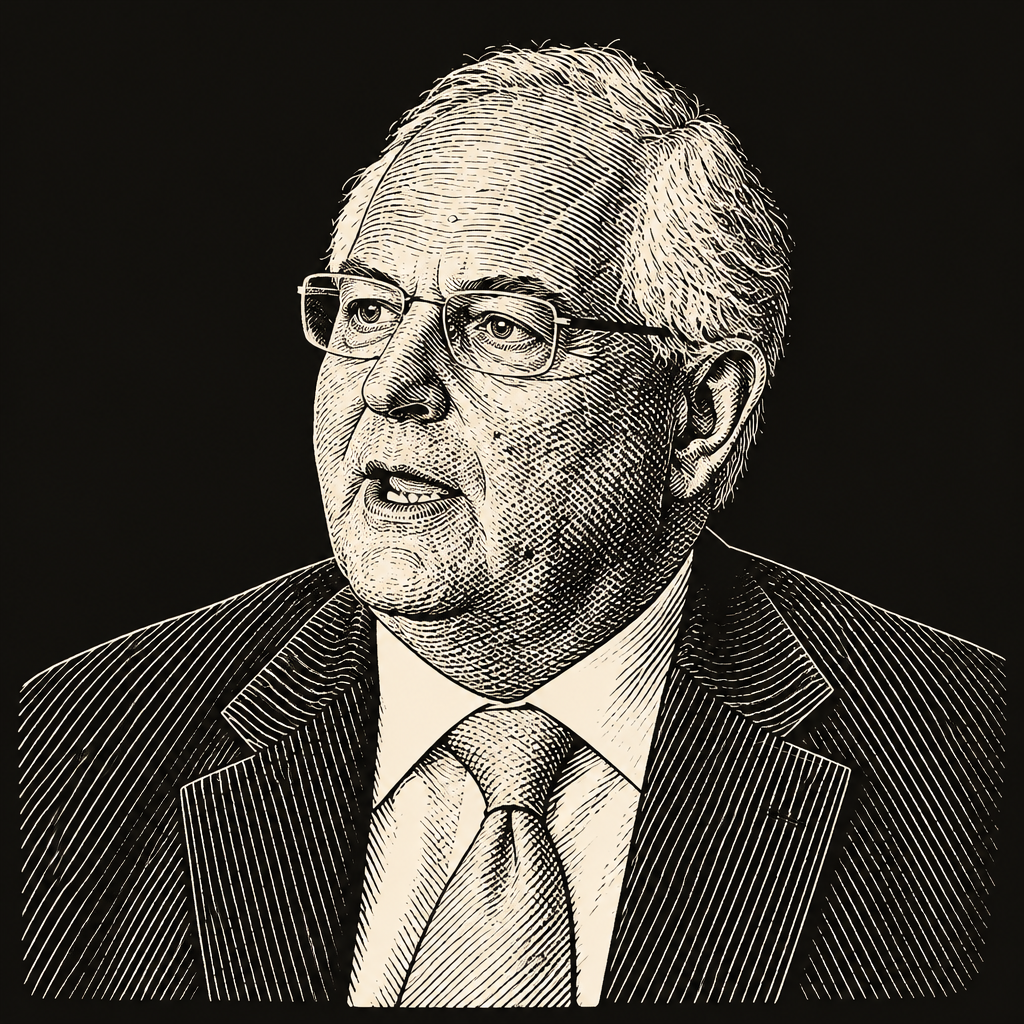
Kagan offers possible scenarios, not predictions. The administration might allege voting irregularities and delay the results while they are investigated. He imagines the Justice Department or FBI seeking to seize ballot boxes, leaving election results on hold and delaying the seating of a new Congress. A more worrying possibility, he says, is that ICE or the National Guard might be near polling places in ways that intimidate voters. Protests could follow; Republicans might describe them as an attempt by the radical left to overturn the election. Kagan says that kind of sequence could take the country outside ordinary democratic politics and into an extra-constitutional conflict.
A decisive result would make it harder to explain away a loss as a surprise or as the product of irregularities. Wolf points out that states administer elections and that Trump does not control everything. Kagan agrees that a clear loss would be difficult to overturn. But, he says, the system could still be thrown into turmoil. If the House speaker refused to seat a new Congress while irregularities were investigated, the country would enter what Kagan calls a “no man’s land.” He cannot predict how such a crisis would end. Trump, he adds, would remain president while Congress was not seated.
Once you’ve cracked the system, then once you’ve sort of moved past having a fair election that is tabulated and the results are announced and the new Congress is seated, once you’re out of that lane and now you’re into a kind of a nether area between what should happen and what is happening, I don’t know how you get out of that necessarily.
For Kagan, preventing Congress from being seated would mark a decisive break, even if the immediate outcome remained uncertain. He says a constitutional crisis would itself be a form of civil conflict, with no guarantee of how it would end. He does not need to see the United States become equivalent to a consolidated dictatorship to say it is moving in that direction.
Constitutional limits depend on people willing to enforce them
Kagan’s explanation for Trump’s power begins with a weakness in the constitutional system: its institutions are not self-enforcing. They depend on people to carry out their duties. Political parties can support democracy, he says, but party solidarity can also supersede fidelity to the Constitution. He sees that in congressional Republicans’ continued support for Trump.
Trump’s second election victory gave him democratic legitimacy, Kagan argues. He also points to the Supreme Court’s declaration about presidential power, which he says matters more than the limits courts have imposed since. In combination with Trump’s personal drive for power, those factors help explain why the second term has been different from the first.
Kagan says Trump entered his first term without a prepared group of people to carry out his mission. In the second, he has what Kagan calls “true believers”: people committed to Trump and to changing the American system. He describes their outlook as anti-liberal or post-liberal, seeking a society organized around hierarchies of race, religion and sex. Their project, he says, is hostile not only to the Constitution but to the principles of the Declaration of Independence that the Constitution was designed to protect.
Trump’s personal motive is not identical to that broader project. Kagan says Trump is chiefly interested in himself, while the movement around him is pursuing an ideological goal. Trump is a vehicle for that goal, but an imperfect one: his egomania can obstruct its achievement. Kagan contrasts him with a leader whose personal ambition and political mission are fused. Trump, he says, is more a vessel than the author of these ideas.
Kagan also argues that this movement’s politics should not be treated as empty of ideology. He describes Vladimir Putin as representing a fundamental anti-liberal outlook and a form of traditional conservatism. Some American post-liberal anti-liberals, Kagan says, see Putin as a model rather than an enemy; he argues that the administration does not regard what Putin stands for as inherently bad.
Republican accommodation has helped weaken the checks on Trump. Kagan describes party members facing a choice between remaining in the power structure by going along and becoming irrelevant or ostracized. He sees different motives at work: careerism and the desire to belong, financial ambition among senior Republicans, fear of losing a livelihood, and fear of becoming a target of government action. “Fear is a big part of it,” he says, “but so is ambition and greed.”
He calls the broader response of American elites a collapse. Kagan says major law firms reached agreements with the administration and universities yielded to federal pressure on grounds he considers specious. He is surprised that retired military figures have not spoken more forcefully about the military being turned into a personal arm of Trump. He singles out journalists as the group that has fought back most, while wishing they were tougher and clearer about their role. He also points to corporate leaders who signalled, before Trump’s election, that they were prepared to accommodate him.
A Democratic Congress could constrain Trump, but would not restore the old order
Kagan sees an elected Democratic Congress—especially one controlling both houses—as the strongest opportunity so far to change the direction of events. It could demand hearings and pursue impeachment, and a decisive victory would register a national repudiation of Trump and the movement behind him. He thinks a large loss could also unsettle Republicans who still need to win elections. If Trump does not run in 2028, Kagan expects the party to fracture among its competing factions.
That possibility is not a guarantee of cooperation from Trump. Kagan says the president has operated largely without Congress and may continue to ignore it. Nor does a Democratic victory ensure that a new Congress will be seated: Kagan’s warning about disruption remains. But if the election proceeds normally and Democrats win, he thinks they would be in a much stronger position to challenge the administration.
Kagan is wary of treating Trump’s unpopularity as proof that Americans are defending democratic principles. He attributes some of the discontent to the Iran war and Trump’s tariff policy, which he says have worsened economic conditions. He speculates that resistance might be weaker if gas prices were lower and the economy were doing better. In Virginia, he says, Democratic campaign advertisements have focused on issues such as dynamic pricing and data centres rather than presenting the election as a referendum on Trump or a constitutional crisis.
Wolf asks whether protests in Minnesota against ICE’s actions showed ordinary Americans beginning to resist. Kagan welcomes the response there but says he did not see people elsewhere taking to the streets in solidarity. He describes a pattern in which people object when government action affects them or someone they know, but may accept it when they believe it is happening to others who deserve it. He mentions people of Latin descent who voted for Trump and, he says, may have assumed deportations would affect only people who should be deported. Some object, he says, when the policy comes close to them.
For Kagan, that response points to a shallow commitment to the principles of the Declaration of Independence and the Constitution. He wishes Americans were concerned about those principles in themselves, rather than only when policies affect their own costs or communities.
I don’t feel I need to be living under Vladimir Putin tomorrow in order to say that we’re heading in the direction of dictatorship.
A Democratic victory would not, in Kagan’s view, reverse the damage already done to federal institutions, universities, the law and science. A new administration might feel it had to remove people brought into the Justice Department, FBI and State Department, including people Kagan describes as election deniers or as appointed for their loyalty. That would create a difficult problem: rebuilding an independent civil service after a period in which administrations have replaced staff, when a new government might feel compelled to do the same. Kagan calls the near-term process a possible “bloodbath” and asks how a Democratic president could make the Justice Department independent of the presidency when presidents still want to be able to use it.
He also doubts that the country can return to its former role in the world. His most optimistic scenario is a less dominant United States that remains broadly aligned with liberal values—a more limited superpower that other countries cannot depend on for their fundamental security as they once did. Other countries, he says, will need to find ways to look after their own security. Even that outcome would be complex, and Kagan believes Trump has already damaged the international order.
The discussion of Russia and Ukraine gives that concern a concrete focus. Wolf says the question being asked by people responsible for the conflict appears to be how to make a profitable deal with Russia, regardless of the consequences for those affected. Kagan adds that people close to the president stand to have their wallets fattened. He describes the United States as having become a “predatory criminal enterprise,” in which government power is used to find money and get it. That damage might be overcome, he says, but the harm done in the meantime is extraordinary.
The crisis reflects an unresolved conflict over American identity
Kagan describes American history as a pattern of oscillation between competing ideas of the country. Domestically, he sees a struggle between the identity of a white Christian nation and that of a nation of immigrants committed to universal human rights. He recalls that the 1920s and 1930s were a high point of American racism. In foreign policy, he says, some Americans and members of the elite in the 1930s decided democracy did not work: some looked to communism, while others saw fascism as the future. Members of the America First movement were willing to do business with Hitler and Mussolini, though they were not then in power.
In Kagan’s account, the liberal ascendancy that followed the Great Depression and the Second World War was a consequence of events, not proof that the country had permanently resolved those conflicts. He sees that period eroding from the 2000s onward, and describes the present as a period of reaction. If a Democratic victory is respected and popular will is expressed, he does not rule out another phase in the country’s political oscillation. But he warns that a consolidated dictatorship could interrupt those cycles by preventing institutions from permitting change.
The possibility of a new domestic political phase does not, for Kagan, mean the United States can recover its former standing abroad. He says the most that other countries can hope for is a more benevolent America, no longer the global hegemon it once was. Nor does he expect a clean restoration at home. Americans chose Trump and continued to support him, he says; they are not simply victims of what followed. He questions whether the public’s commitment to constitutional and liberal principles can be renewed, and hesitates to speculate about what kind of crisis might be necessary.
The midterms could therefore open a path to contesting Trump’s power and rejecting the movement behind him, but they would not settle the underlying conflict or erase the damage. For Kagan, the longer-term challenge is both institutional and civic: rebuilding a government whose limits depend on people willing to enforce them, and restoring a public commitment to the principles those limits are meant to protect.