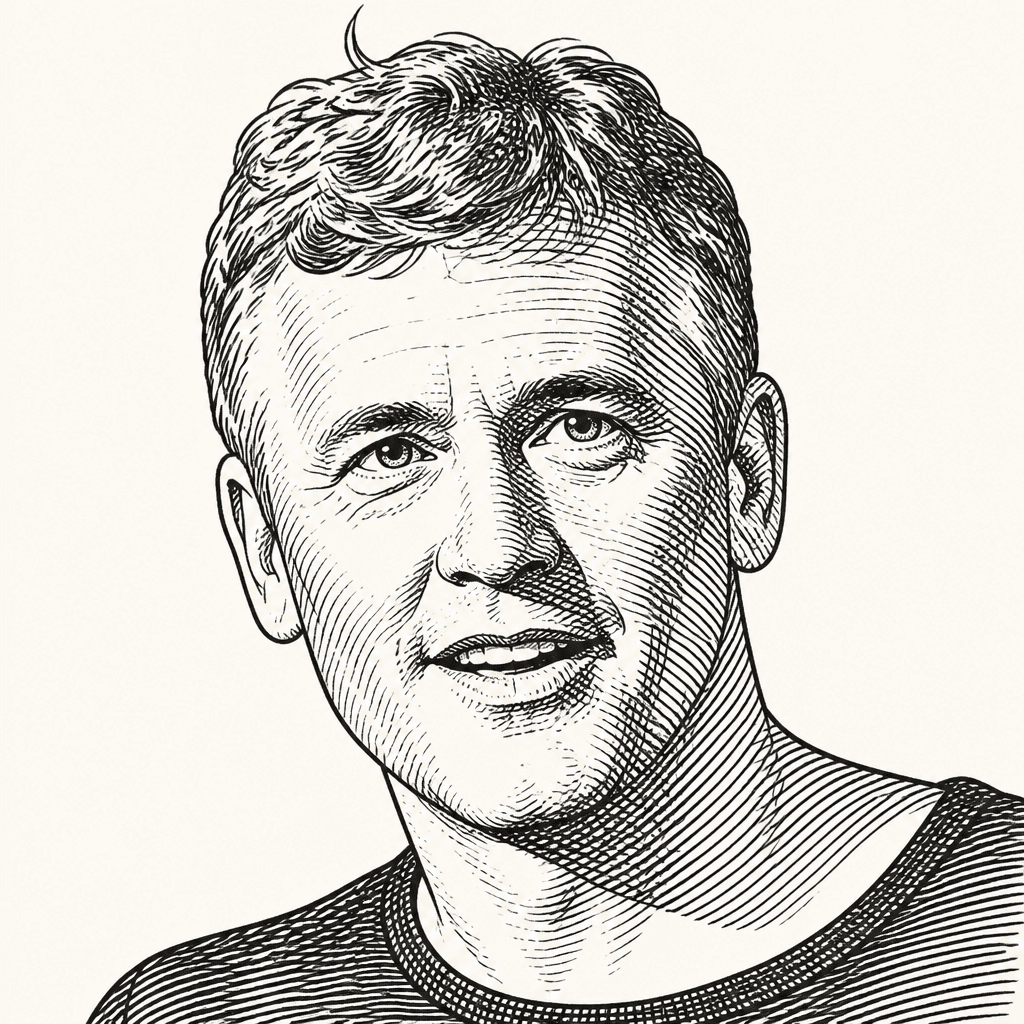
Matt McCusker
American comedian, writer, and co-host of Matt and Shane’s Secret Podcast.
A Weight-Based Alimony Clause Shows How Specific Prenups Can Get
Divorce attorney James Sexton argues that a prenup should be a negotiation about what both partners need, not a set of terms imposed by the wealthier person. He illustrates the stakes with an enforceable clause that reduced alimony by $50,000 a year for every 10 pounds a wife gained, and says couples should discuss their expectations and changing needs before they become points of conflict.
Unspoken Expectations Turn Small Relationship Changes Into Private Tests
James Sexton argues that relationships depend in part on small, unrequested gestures of attention, while Rick Glassman questions the test of waiting for a partner to notice an unspoken need. The New York divorce attorney uses a client’s story about granola to frame a tension between asking directly for what you need and hoping a partner will notice on their own. A request may get the job done, Sexton suggests, but it does not carry the same meaning as a gesture freely offered.
Escaping Ordinary Work Turned Freedom Into Constant Vigilance
Comedian and writer Matt McCusker argues that much of adult life involves choosing among forms of hardship rather than escaping hardship altogether. Drawing on his years selling drugs, his experience of fatherhood and his changing view of conventional work, McCusker tells Chris Williamson that safety, family and ordinary responsibility became more meaningful after he learned what a life organized around avoiding discomfort could cost. Their discussion also tests that moral framework against severe mental illness, particularly in the Lindsay Clancy case, where explanation and public protection remain in tension.
Military Force Depends on Selection, Command and Restraint
Retired Navy SEAL officer Jocko Willink argues that military effectiveness depends less on raw toughness or aggression than on an institution’s ability to select, direct and restrain it. Drawing on SEAL selection, hazing, difficult personnel and working dogs, he says physical capability and willingness to fight become useful only when they are tied to a defined mission, accountable leadership and clear limits.
Love on the Spectrum Faces Claims of Condescension and Exploitation
Comedian Jeff Dye argues that Love on the Spectrum turns autistic adults’ dating lives into sentimental entertainment, inviting viewers to call them “cute” and subjecting intimate encounters to the pressures of reality-TV production. Dye says the participants’ candor deserves respect rather than a 10-camera shoot, even as Matt McCusker sees genuine warmth and opportunity in the show. The dispute is less over whether its subjects are likable than over whether viewers can enjoy their openness without reducing it to something consumable.
Hunter Biden Says Public Exposure Forced a Choice Between Secrecy and Sobriety
Hunter Biden argues that the laptop scandal turned authentic records of his addiction and private life into a durable political label, making later allegations about Burisma, White House cocaine and his father’s presidency seem credible before their details were tested. Speaking with Chris Williamson, Matt McCusker and Duncan Trussell, he accepts responsibility for his conduct and calls his Burisma board role politically reckless, while contending that shame, secrecy and public exposure shaped both his addiction and recovery. He extends that account into a critique of political and corporate power, particularly Donald Trump’s use of the presidency and social platforms’ product design.
Hunter Biden Cites Access and Monitoring in White House Cocaine Denial
Hunter Biden says he does not know who left cocaine near the White House Situation Room, but argues that the allegation does not fit his access to the building, his absence from it in the preceding weeks, or the probation drug testing he says he faced while under Secret Service protection. In a conversation with Chris Williamson and Matt McCusker, Biden says his public history of addiction makes such suspicions predictable, while also arguing that candour about that history can demonstrate the possibility of recovery.
AI Replicas of Ex-Partners Turn Breakup Archives Into Training Data
Chris Williamson, Matt McCusker, Andrew Huberman and Tom Segura examine a use of AI built from intimate archives: people feeding old texts, photos and potentially recordings into chatbots that imitate ex-partners. Williamson frames the practice as a way users present as coping after a breakup, but the speakers largely argue it risks preserving the emotional pattern a breakup is meant to end, while raising unresolved questions about consent, ownership and the repurposing of private relationship data.
Conspiracy Thinking Spreads as Institutions Fail to Settle Public Doubt
Chris Williamson, Andrew Huberman, Tom Segura and Matt McCusker use the Epstein case to examine why conspiratorial explanations now appeal to people they consider otherwise rational. Huberman argues that Epstein’s death is not plausibly explained by suicide, while the group’s wider discussion moves between skepticism of sprawling government cover-ups and concern that institutions have left too many public questions unanswered.
Synthetic Intimacy, Surveillance, and Stimulation Are Raising the Cost of Impulse
Chris Williamson’s inaugural Mostly Wise conversation with Andrew Huberman, Matt McCusker and Tom Segura uses health advice, comedy, AI replicas and conspiracy talk to examine where useful tools become distortions. Huberman repeatedly argues for moderation and mechanism over slogans — from low-dose tadalafil and sleep protocols to cannabis, sunscreen and self-control — while Segura and McCusker test those claims against comedy, parenting and lived experience. The broader case is that modern life increasingly requires judgment about thresholds: when optimization becomes rumination, evidence becomes pattern-seeking, and synthetic intimacy or surveillance starts to reshape ordinary behavior.
Orgasm May Help Performers Downshift After Post-Show Arousal
Matt McCusker describes the “fap nap” as a practical touring-comedian habit: masturbation after a high-adrenaline show to fall asleep alone in a hotel room. Andrew Huberman treats the routine as biologically plausible, arguing that orgasm can push the body from catecholamine-driven arousal into a lower-arousal refractory state. The discussion separates that short-term downshift from Huberman’s broader warning that pornography can train users, especially younger men, toward ever-higher stimulation without the constraints of a relationship.
Constant Self-Analysis Can Become a Substitute for Necessary Action
Andrew Huberman uses the crude meme “retardmaxxing” to make a narrower argument about self-improvement: introspection becomes harmful when it turns into rumination and replaces action. In a discussion with Chris Williamson, Matt McCusker and Tom Segura, Huberman links that idea to Marc Andreessen and Dana White’s critiques of excessive emotional processing, while acknowledging that the posture can sound dismissive of mental health. The conversation extends the same concern to public judgment of high achievers, where Huberman argues that resentment and secondhand reputational claims can also become substitutes for doing something concrete.