Reserve Bank Removal Powers Could Expose the Fed to Presidential Control
 John Cochrane
 Michael BordoEdward Nelson
 Volker Wieland
 Gary Richardson
 David Wilcox
 Austan Goolsbee
 Jeffrey Lacker
 Torsten Slok
 Jim BullardHoover InstitutionMonday, June 1, 202620 min read
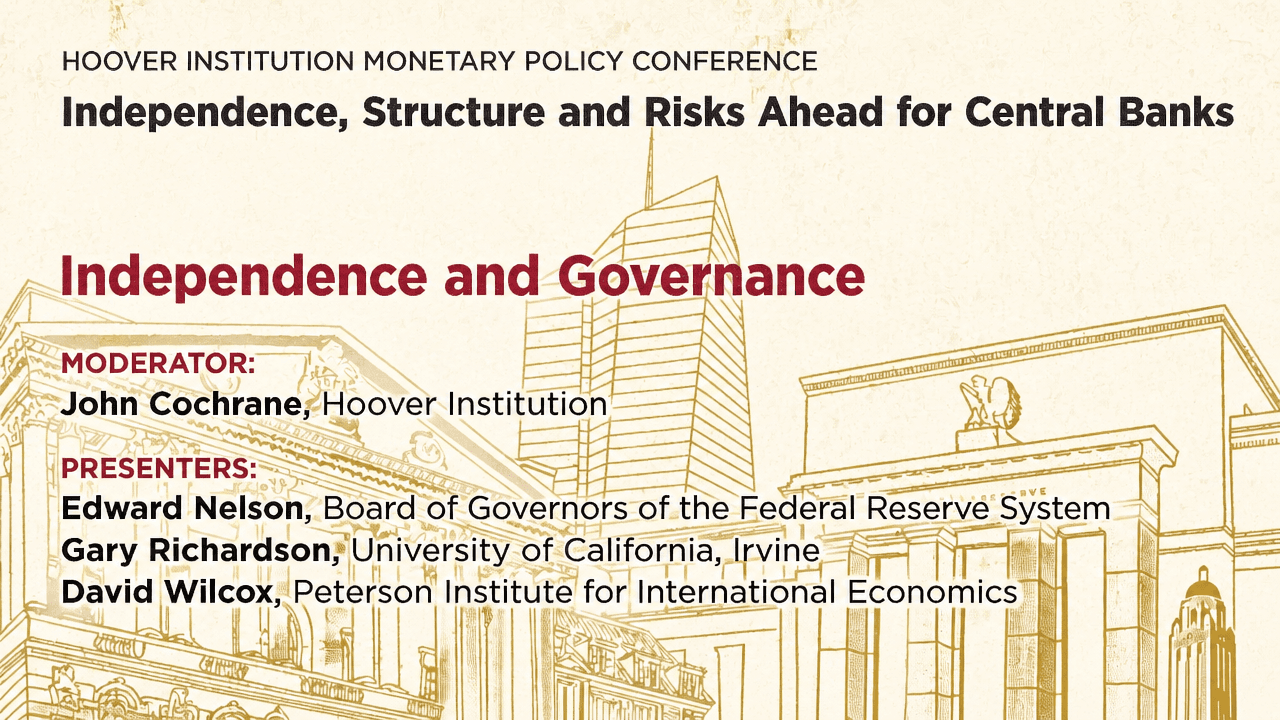
At a Hoover Institution conference on central-bank governance, John Cochrane, Edward Nelson, Gary Richardson and David Wilcox treated Federal Reserve independence as a delegated legal structure rather than a self-executing norm. Richardson argued that Congress designed the Fed to frustrate presidential control, while Wilcox warned that ambiguous authority over Reserve Bank presidents could still give a determined president a path into the FOMC. Nelson added that independence protects the Fed’s operational judgment, not the quality of its monetary doctrine.
The system is designed to frustrate a president, but not every route is closed
The live governance tension is between two claims that can both be true. Gary Richardson argued that Federal Reserve independence has so far withstood recent attacks because the institution was designed to make presidential control difficult. David Wilcox warned that a determined president may still have a route into monetary policy through the Reserve Banks, if ambiguities in the Federal Reserve Act are read the wrong way.

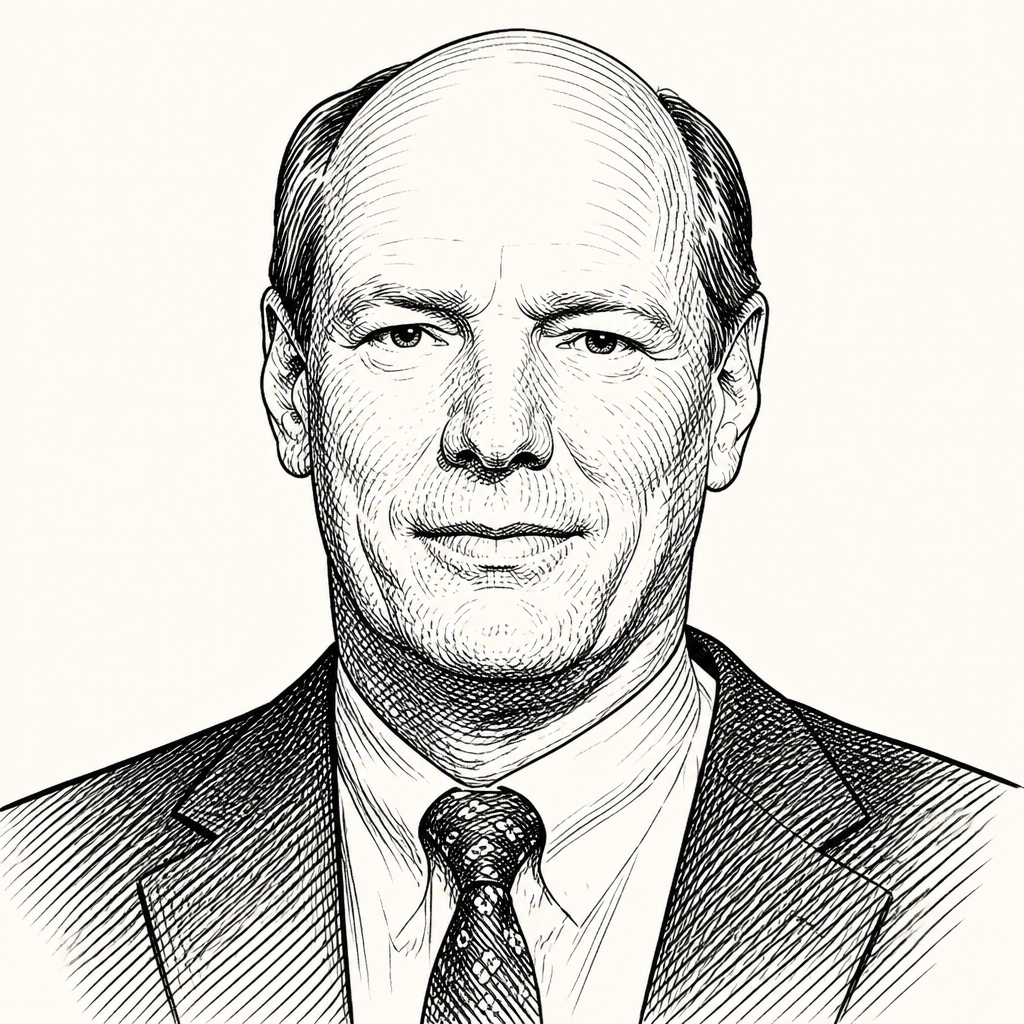
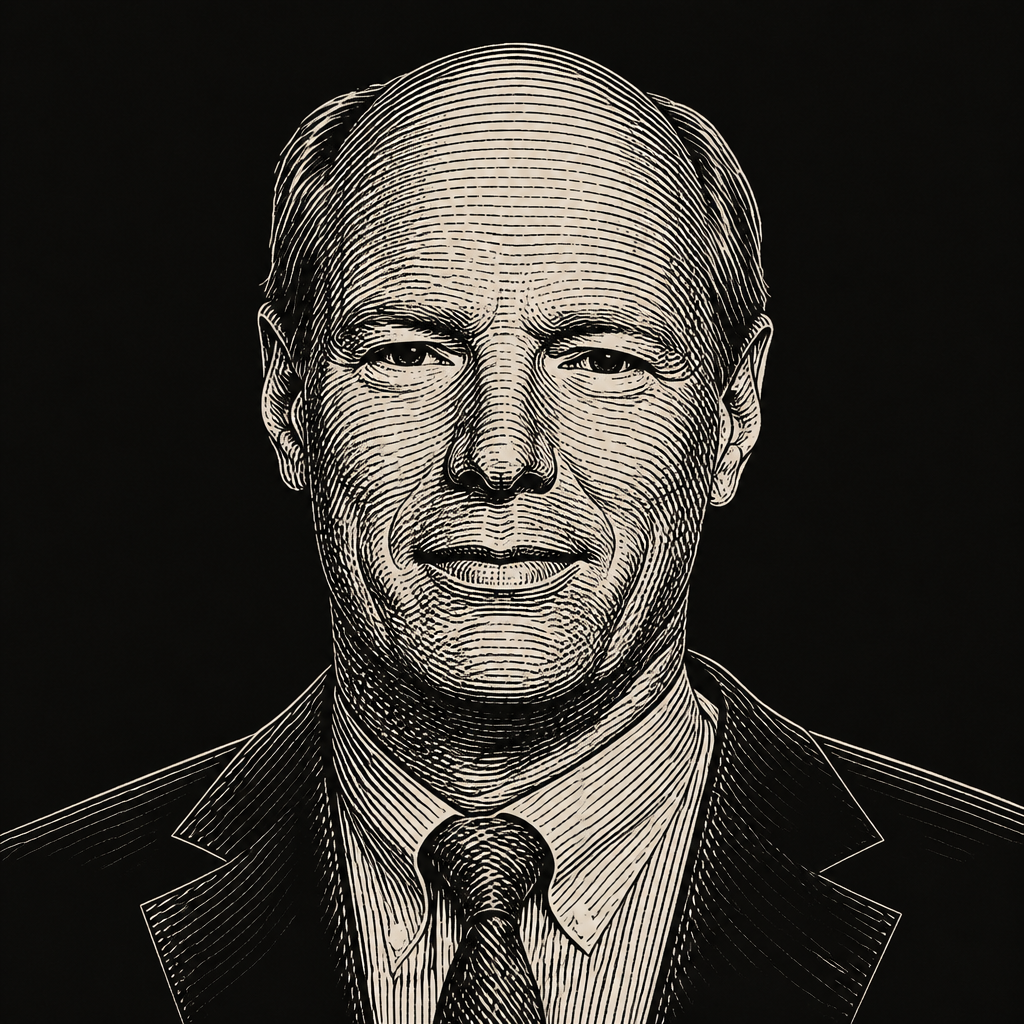
Richardson’s account was the more reassuring one. His core claim was that Fed independence is not just a norm or an economic doctrine; it is a political and legal structure built to withstand demagogues. Congress, especially in the 1935 redesign of the Federal Reserve System, made it difficult for a president to intervene in the relationship between Congress and the Fed. There are no acting governors on the Board of Governors. A person serves on the Board only with Senate consent. If a governor’s term ends and the Senate has not confirmed a replacement, the governor can continue in office. Board terms are long, fixed, and staggered. Governors have for-cause protection.
For Richardson, that design explains why recent efforts to pressure or seize the levers of monetary policy have not succeeded. In his summary, the Board of Governors did its job, the Senate did little, the Supreme Court did little, and the system worked as designed. The point was not that every institution loudly defended the Fed. It was nearly the opposite: if the Senate and the Supreme Court sit on their hands, the president cannot easily take control.
Wilcox did not dispute the force of those familiar protections. His concern was that they may not protect the whole monetary-policy apparatus. The conventional pillars of Federal Reserve independence are rooted in Washington: governors’ 14-year overlapping terms, the Fed’s insulation from the appropriations process, and for-cause protection for members of the Board. But the FOMC is not only the Board. Reserve Bank presidents participate in monetary-policy deliberations and votes, and the Federal Reserve Act gives the Board of Governors power to remove officers and directors of Federal Reserve Banks.
That creates the possible playbook Wilcox described. A two-term president is guaranteed at least four appointments to the Board of Governors, and likely more in practice because governors often do not serve their full terms. A president determined to control monetary policy could select Board nominees on a litmus test: whether they would be willing, if circumstances arose, to remove Reserve Bank presidents. If a Board so constituted could remove presidents over policy disagreement, presidential control would reach into the FOMC itself.
Wilcox stressed that this remains a tail risk, perhaps far in the future. But he insisted it is not idle theorizing. He said that at what he described as Jerome Powell’s most recent and presumably last press conference as Federal Reserve chair, Powell volunteered that removing Federal Reserve Bank presidents from office over different views on monetary policy would be “the beginning of the end” of the Fed’s ability to make monetary policy independently. Wilcox called that scenario a “hair on fire” concern.
The legal issue turns on language that is less clear than the protection Congress wrote for Board members. Section 10(2), as shown in Wilcox’s presentation, says each member of the Federal Reserve Board holds office for 14 years “unless sooner removed for cause by the President.” Section 11(f), by contrast, authorizes the Board “to suspend or remove any officer or director of any Federal reserve bank,” with “the cause of such removal” communicated in writing to the removed officer or director and the bank. Wilcox’s question was whether that phrase is equivalent to for-cause protection, or whether it means something different.
“The cause of such removal to be forthwith communicated in writing” is the ambiguous phrase at the center of the Reserve Bank vulnerability.
Wilcox’s reason for treating the ambiguity seriously was that Congress knew how to write clearer rules. It used explicit “removed for cause” language for Board members. It also knew how to create at-will employment and used that concept elsewhere in the Federal Reserve Act, including for local Reserve Bank boards’ power over employees. The Reserve Bank president language sits between those poles: not clearly at-will, not clearly protected in the same way as governors.
If courts were definitively to rule that Reserve Bank presidents lack effective for-cause protection against removal by the Board, Wilcox argued, the implications would be severe. The result would not merely be a personnel dispute. It would create a hardwired route for a determined president to influence interest-rate decisions by shaping the Board and then using the Board to reshape the FOMC.
The vulnerability has three distinct parts. The first is Board capture: over two terms, a president can make at least four Board appointments and perhaps more. The second is Reserve Bank removal: Section 11(f) may or may not give Reserve Bank presidents protection equivalent to for-cause protection. The third is synchronized reapproval: under a separate provision, all Reserve Bank presidents come up for Board approval on a March 1 deadline in years ending in one and six, and that provision does not use the word “cause.”
Richardson emphasized that the constitutional and statutory structure forces a president to obtain cooperation from other institutions. Wilcox warned that one path of cooperation may already be embedded in the Board’s authority over Reserve Bank officers, awaiting judicial interpretation.
Independence means delegated authority, not silence from elected officials
John Cochrane framed central-bank independence as a delegated institution rather than a natural right of the Federal Reserve. Congress grants independence for Congress’s purposes: to pre-commit the government against future actions that would be politically tempting but economically damaging. The Fed has no freestanding right to be independent of democratic government. Its independence is conferred, structured, and limited by law.
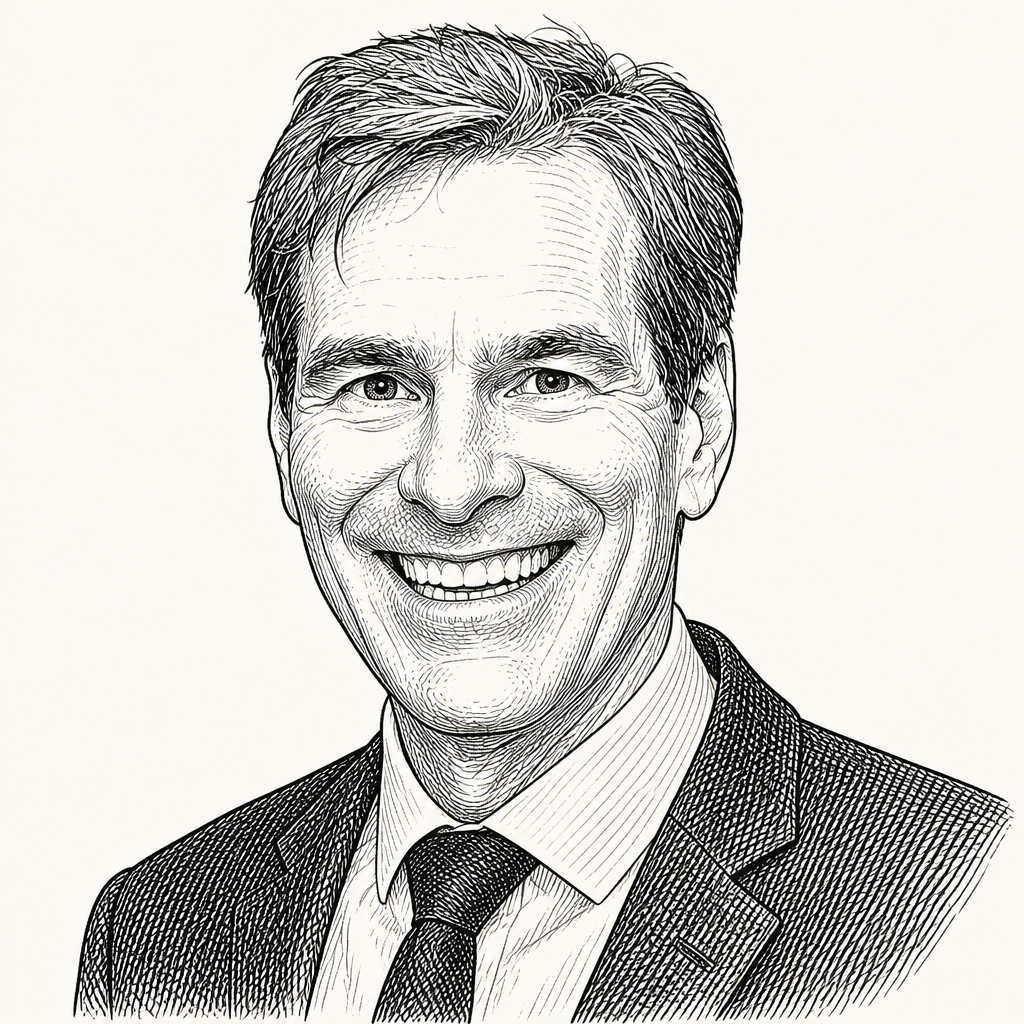
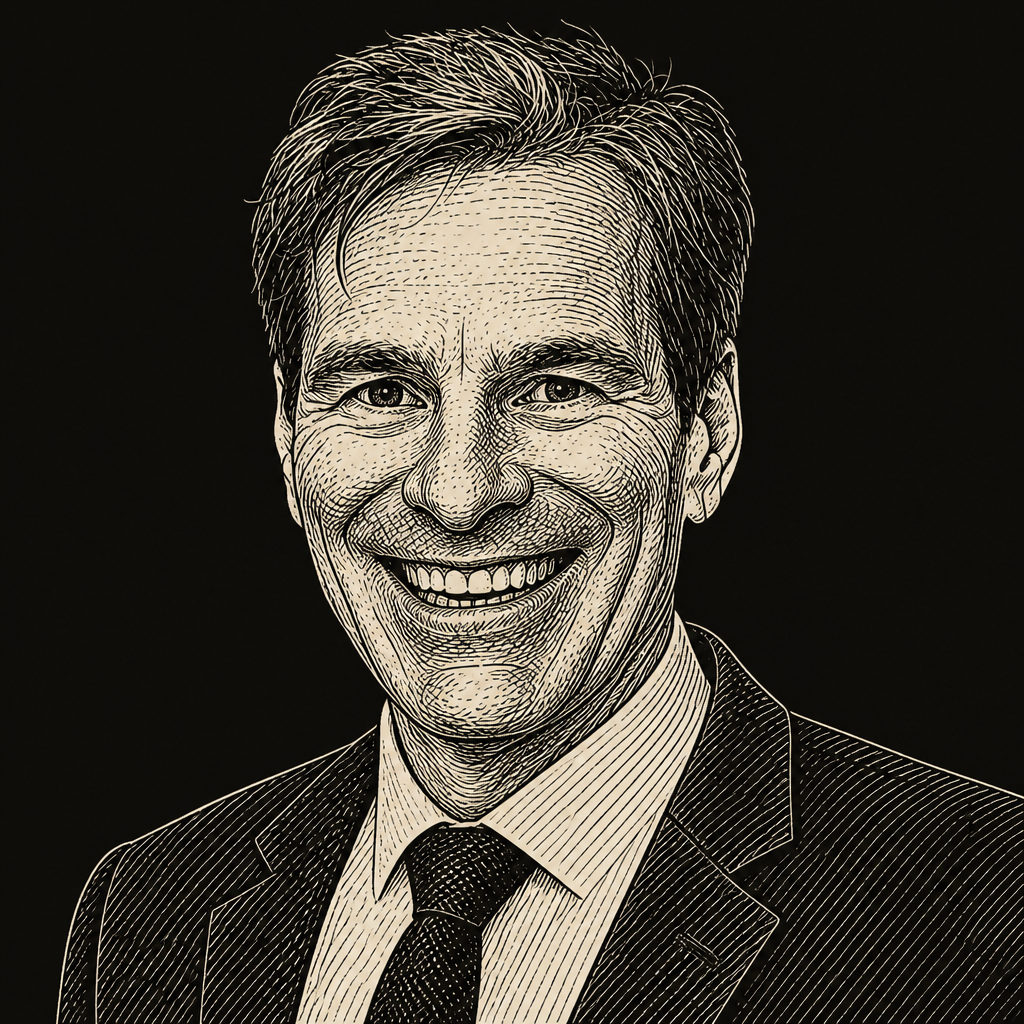
Cochrane broke that independence into three parts. The first is operational independence: the mechanisms that allow Fed leaders, once in place, to make decisions without immediate political interference. The second is a limited mandate: the Fed can be independent only within a defined mission. The third is historical development: independence did not appear fully formed, but emerged through law, institutional practice, and political conflict.
Edward Nelson used the words of Federal Reserve chairs from William McChesney Martin through Alan Greenspan to clarify what that delegated independence meant in practice. Nelson described his paper as a factual compendium of how Fed independence operated through the Greenspan period, with particular attention to how chairs themselves defended it.
The central clarification was that independence does not mean silence from Congress, the White House, or the public. Nelson argued there is no “gag order” implied by central-bank independence. Public criticism, policy prescriptions, and communication between the administration and the Fed are not themselves violations of independence. Indeed, Nelson suggested that in the 1970s political discussion of inflation may have erred by talking too much about non-monetary causes and too little about the relationship between inflation and monetary policy.
The chairs’ own language supported that distinction. Martin said in 1955 that, under existing law, even if the White House brought “all the pressure in the world” to bear, the Fed had authority to act as it believed necessary. Volcker described the Federal Reserve as accountable directly to Congress and independent from the administration, reflecting Congress’s constitutional authority over money and the desire to insulate that authority from executive power. Greenspan said in 1990 that it was “wholly appropriate” for the Fed to hear from legislators, the White House, and others who might offer insight or evidence relevant to the Fed’s job.
That formulation separates communication from control. Volcker said he strongly favored keeping communication with the administration as open as possible, so each side understood the other’s thinking. But, when the day was done, the Fed had to make its own judgments.
Nelson organized the economic rationale for independence into three overlapping but separable ideas. First, monetary policy should not be used to overstimulate the economy for temporary gains that carry longer-term costs. Martin warned that employment produced by “creeping inflation” would be temporary; Volcker warned that efforts to force interest rates down artificially could end with higher rates later. Second, monetary policy should not be subordinated to Treasury financing needs. Volcker put the danger in historical terms: “All of human history, economically, is the sovereign clipping the coinage to meet his expenses.” Greenspan’s version was that fiscal pressures have often led to monetary excess and inflation. Third, monetary policy requires a long horizon, because households and businesses make long-horizon decisions and because some policies, such as disinflation, may impose short-run costs before producing long-run benefits.
Nelson was careful to distinguish that third rationale from the academic time-inconsistency argument. In his reading, the chairs’ case for a long horizon was broader: a separation between short-run political pressures and long-run monetary goals, not merely a formal model of inconsistent preferences over time.
The result is a narrower but more durable definition of independence. Congress defines the mission. Congress oversees the Fed. The administration may communicate. Elected officials may criticize. But the Fed’s operational judgment over monetary instruments must not be overridden by the executive or converted into a tool of fiscal finance or short-run political advantage.
A bad policy record is not the same as a loss of independence
Edward Nelson’s most pointed historical claim was that several standard examples of lost Federal Reserve independence do not survive careful inspection. He identified one clear case: the pre-1951 pegging period, before the Treasury-Fed Accord. In that period, the Fed had formal independence but de facto non-independence because it acquiesced in gearing monetary policy to Treasury financing requirements, especially through interest-rate pegs.
He rejected two other frequently cited cases.
The first was Lyndon Johnson’s criticism of the Federal Reserve Board’s December 1965 discount-rate increase. Nelson acknowledged the public dispute, but argued that it did not cause the Board or FOMC to change policy in the direction Johnson wanted. The tightening cycle proceeded. For Nelson, presidential criticism did not equal a loss of instrument independence.
The second was the more famous claim that Arthur Burns subordinated monetary policy to Richard Nixon’s reelection effort in 1971–72. Nelson did not deny the broader facts that make the episode suspicious. He said the Nixon administration did “untoward things” to secure reelection, with Watergate as the obvious example. He also said Burns was far too close to the administration in his broader involvement in executive-branch policy discussions. But Nelson warned against assuming that monetary policy itself was part of the reelection scheme.
His alternative account was that the 1971–72 policy mix was Burns’s own preferred policy mix. Burns viewed inflation as cost-push and pressed the Nixon administration for wage and price controls. The administration, in Nelson’s telling, bent toward Burns’s interpretation. George Shultz and others lost the internal argument. Burns believed that controls would reduce inflation pressure and allow lower interest rates; he had said as much to policymakers before his central White House conversations with Nixon. If rates fell afterward, Nelson argued, that was consistent with Burns’s own policy doctrine, not proof that he had been forced into a policy he rejected.
Nelson was skeptical of treating either FOMC transcripts or Nixon-Burns tapes as decisive evidence of the mechanism behind policy. The tapes, in his view, do not show that Burns did something on monetary policy that he did not want to do. The problem was not that Burns lacked independence. The problem was that Burns had the wrong economic model.
Independence is not a guarantee of appropriate monetary policy. What tends to guide monetary policy strategy is doctrine.
That distinction became central in the exchange with Cochrane. Cochrane observed that if the Fed’s major policy failures were not primarily failures of independence, then independence may have worked reasonably well even when policy did not. Nelson accepted the broad point while adding a qualification: independent central banks can make serious mistakes when their doctrine is wrong, and political critics can sometimes have the better economic model.
He pointed to the early 1930s, when Congress pressured the Fed toward easier policy, a development Milton Friedman and Anna Schwartz treated as important. He also pointed again to 1971, when some people in the Nixon administration, especially Shultz, had better economics than Burns on some issues. The uncomfortable implication is that central-bank independence protects the central bank’s ability to act on its own framework; it does not guarantee that the framework is right.
The same distinction also limits simplistic defenses of independence. If bad monetary policy can be fully independent, then defending the Fed’s autonomy does not require defending every Fed decision. Independence is a governance arrangement, not an epistemic guarantee.
Congress designed independence against private interests as well as presidential power
Gary Richardson argued that central-bank independence is a political idea broader than the economic concept typically discussed by economists. The president is only one influence from which Congress sought to insulate the central bank. The older debates were also about banks, businesses, regional interests, personal enrichment, corruption, and the redistributive power of money and credit.
Richardson traced the issue back to the founding. The founders argued over the benefits, costs, and independence of a national bank. They did not use the modern term “independence,” but those who favored a national bank wanted it kept at a distance from politicians because the Revolutionary War experience showed how politician-run monetary policy could generate inflation. The Constitution was deliberately ambiguous because the founders could not agree. Article I gave Congress powers to coin money, regulate commerce, and collect taxes, and it prohibited states from coining money, emitting bills of credit, or making anything but gold and silver coin legal tender. But the national-bank question was left open enough to sustain later conflict.
McCulloch v. Maryland became pivotal because, in Richardson’s account, it established two broad propositions: Congress has implied powers necessary to carry out its explicit constitutional powers, and states cannot infringe those powers. A central-bank dispute thus became a foundation for much larger questions about the structure of federal authority. That is why Richardson believes courts understand that cases touching Federal Reserve structure can have consequences far beyond the Fed.
The political definition of independence that emerged in the debates over the Federal Reserve Act was not simply “independent from the president.” Congress wanted policymakers to pursue the public interest as defined by Congress and to be independent of all other influences. Richardson’s slide listed the president, other politicians, personal interests, other private interests, and banking and business interests.
The fears were broad. Congress worried that central-bank structure could generate inflation or deflation. It worried about redistribution between creditors and debtors, regions of the country, bankers, and businessmen. It worried about political power: the ability to manipulate credit and the economy around elections or to create flows of money that benefited political campaigns. It worried about corruption, because a central bank creates opportunities for officials to enrich themselves, their families, or their allies.
The original 1913 solution was institutional complexity. The Federal Reserve was quasi-private and regional. It had limited powers and, originally, a limited corporate lifespan. It was subject to federal supervision but not federal control. The Reserve Banks had important operational authority and could set independent monetary and lending policies. The Board in Washington supervised, but operational decisions were largely in the regional system.
The Great Depression drove the 1935 reformulation. Monetary policy became more centralized under the FOMC, which increased concern about presidential influence. The response was the modern structure: an FOMC with Reserve Bank presidents, an FOMC that chooses its own chair, and a Board of Governors with long fixed staggered terms and for-cause protection.
The 1977 reformulation clarified the mandate and strengthened the reporting relationship with Congress. Richardson presented this as the eventual adoption of Robert Owen’s old view that the Fed needed a clear written mission and that Fed leaders should come before Congress often enough that they could not forget their job. The statutory phrase became “maximum employment, stable prices, and moderate long-term interest rates.”
Richardson emphasized why that mandate remains short and general. Congress spent decades trying to write a central-bank mandate and repeatedly confronted the same problem. The optimal mandate might be complicated, state-contingent, changing over time, or not fully known. Even if economists could formulate it, translating it into legal language would raise uncertainty about how courts might read it. The practical compromise was a short mandate plus recurring dialogue between Fed leaders and Congress.
That recurring dialogue raised the question of who speaks for Congress. Nelson clarified that the late-1970s framework involved two laws. The 1977 law changed the mandate; the 1978 Humphrey-Hawkins Act introduced the monetary policy report. Testimony by the chair developed in practice. After Humphrey-Hawkins expired around 1999–2000, the reporting requirements were placed in the Federal Reserve Act. Nelson identified the Senate Banking, Housing, and Urban Affairs Committee as the central committee for the monetary policy report.
Richardson added that the effectiveness of congressional oversight depends heavily on who sits on the banking committees. In the 1930s, some senators had been Treasury secretary, chaired the Federal Reserve Board, or helped write the Act. They knew the institution well and could use hearings effectively even before a regular reporting requirement existed.
Making the Reserve Banks less dependent on Wall Street can make them more exposed to Washington
The Reserve Bank problem reveals a second governance tradeoff: independence from banking interests can collide with independence from presidential politics. John Cochrane raised the issue by noting that in 1913, part of the case for central-bank independence was independence from banks. Since then, the Fed has taken on a major regulatory role, lender-of-last-resort functions, and financial-market support on a scale the original designers may not have contemplated. The question was whether bank regulation and financial stability should be as independent as monetary policy.
Gary Richardson answered that independent bank regulation is essential. He said the American experience with politically subordinate bank regulators shows bank failures being shifted dramatically around elections: few failures before an election, many after. He cited his work on the first banking crisis of the Great Depression beginning the day after gubernatorial elections in fall 1930, and said the timing was not accidental in his account.
He also noted that most state bank regulators have been independent since the 1940s because of the problems the United States experienced with politically subordinate regulators in the 1920s and 1930s. The Comptroller of the Currency, he said, was the first federal employee given employment protections, with a fixed term and removal only for cause and not without approval of the Senate Banking Committee. Whether that protection would survive current Supreme Court doctrine, Richardson said, is unknown.
But Richardson’s concern was that the effort to reduce Wall Street influence may have created a different risk. For most of the Fed’s history, Class A, B, and C directors chose Reserve Bank presidents. Class A directors are appointed by financial institutions to represent financial institutions. In Dodd-Frank, Congress worried that Reserve Banks had been too subservient to Wall Street and that this lack of independence may have contributed to financial-risk buildup. The law changed so that only Class B and C directors choose Reserve Bank presidents. Those six directors represent the public interest rather than banks’ interests; three are appointed by the Federal Reserve Board and three by member banks.
Richardson said he worried when Dodd-Frank passed that this could reduce monetary-policy independence over the long run by making Reserve Bank president selection more subject to politics. If the Board of Governors became beholden to a president, then the Board’s role in appointing three of the directors involved in choosing Reserve Bank presidents would matter. In his formulation, the risk Wilcox identified may have been created partly by an effort to make Reserve Banks more independent from Wall Street. That was Richardson’s interpretation of a design tradeoff, not a fully adjudicated causal chain.
David Wilcox rejected the idea that this risk is less important because Reserve Bank presidents are merely advisory. Cochrane had asked whether the increasing centralization of power in Washington might limit the damage if a president gained leverage over the Reserve Banks. Wilcox said he would “strenuously” reject the suggestion that Reserve Banks are afterthoughts in monetary-policy deliberation. They are critical to preventing groupthink on the FOMC. Many Reserve Banks have developed intellectual identities distinct from the Washington consensus, and those differences have mattered.
Austan Goolsbee sharpened that point by invoking work by Michael Bordo and Ned Prescott on Reserve Banks as sources of alternative policy frameworks. Goolsbee said many ideas now taken for granted entered the system as “rogue ideas” from Reserve Banks because their organizational independence protected them from central suppression.


Wilcox said he found it hard to imagine the Board of Governors taking “thought control” of the Reserve Banks, perhaps because he came up in a tradition of independent thought across the system. But he did not treat that tradition as self-executing. He cited Patrick Harker’s point that Federal Reserve independence is achieved by individual actions and by what people inside the institution do. If Reserve Bank presidents value the intellectual freedom of their researchers, they must exercise leadership to preserve it. Independence can be lost if conceded.
Cochrane distilled the point: independence must be regularly exercised, not just written down.
The chair’s formal powers are thinner than the office’s public image
Torsten Slok asked what an incoming Fed chair could do, acting alone, that would lower the institution’s credibility or damage independence. Wilcox’s answer was that the chair has very little unilateral statutory authority.


Few responsibilities are specifically assigned to the Federal Reserve chair in the Act. One is delivering the semiannual Monetary Policy Report. Wilcox described the remaining list of legal responsibilities as “thin gruel.” The Board can delegate responsibilities to the chair, but the posted delegations are limited. Statutory authority resides with the Board of Governors or the FOMC, not with the chair personally.
That does not mean the chair is unimportant. It means the chair’s power runs mainly through persuasion, agenda-setting, institutional trust, committee leadership, and delegated authority rather than broad legal command. The law does not make the chair an autocrat; the institution’s culture can still magnify or constrain the chair’s influence.
Jim Bullard raised a related question about removal protections. He suggested that “for cause” may be the ambiguous part of the system and asked whether the Fed’s independence could be strengthened by using an impeachment standard, as with judges. Richardson replied that this idea was discussed in 1935. Henry Morgenthau, then Treasury secretary, favored protecting FOMC members at the level of Supreme Court justices, removable only by impeachment. But senators chose the narrower “for cause” wording.


Richardson and Wilcox’s reading of Carter Glass’s correspondence was that lawmakers knew for-cause protections were before the Supreme Court and chose language they believed the Court would uphold. Richardson said that, given recent Supreme Court decisions concerning independent agencies and employment protections for political appointees, it may be worth considering whether monetary-policy and regulatory independence need to be strengthened.
Wilcox was skeptical that impeachment-only removal protection for Fed officials would survive constitutional challenge, while explicitly saying a legal scholar was needed. The issue, as he understood it, is the president’s constitutional duty to faithfully execute the laws and the gray line around executive authority.
Volker Wieland asked why a president who wanted control could not simply change the Federal Reserve Act. Richardson’s answer depended on the American separation of powers. The president alone cannot do it. Amending the Act would require the House and Senate, and likely 60 senators. Alternatively, a president would need the Supreme Court to invalidate large portions of the Act and effectively rewrite it. In a parliamentary system, an executive often controls a legislative majority. In the United States, even unified party government does not guarantee that a president can obtain the necessary statutory changes. Cochrane put the point more generally: rewriting large sections of foundational law is very hard.

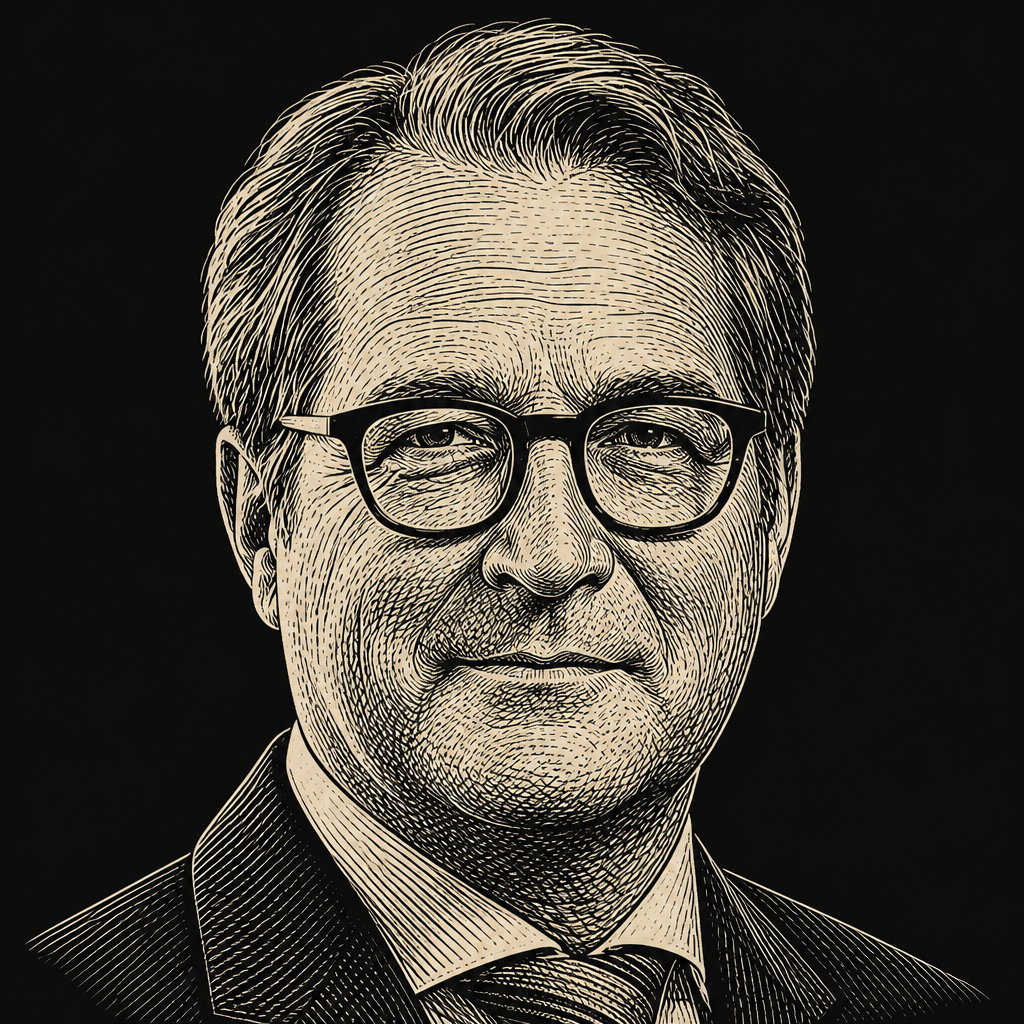
Jeffrey Lacker offered another explanation for Wilcox’s concern about the synchronized reappointment of Reserve Bank presidents. Under a different provision of the Act, the Board approves Reserve Bank presidents for five-year terms, with a March 1 deadline in years ending in one and six. Wilcox viewed that synchronization as a recurring moment of fragility because all presidents come up for reapproval at once and the relevant provision does not use the word “cause.”
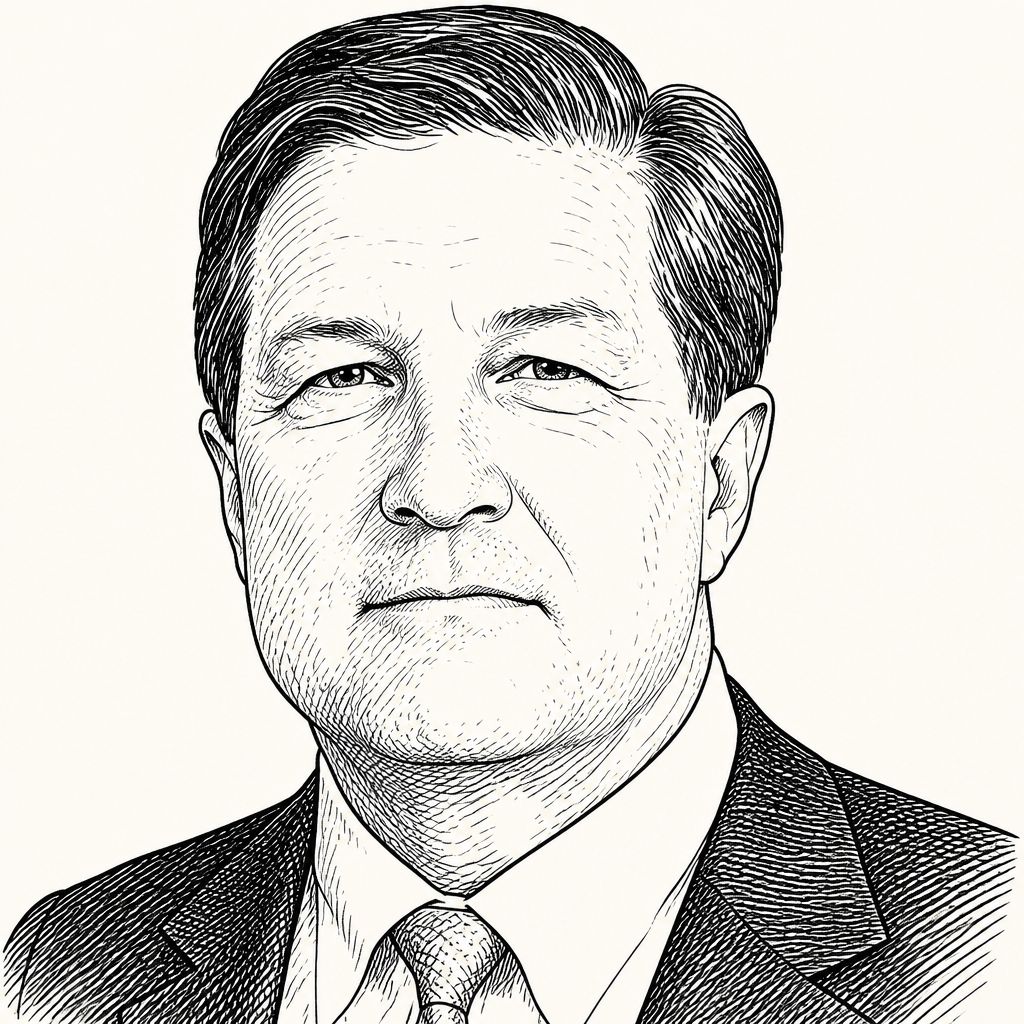
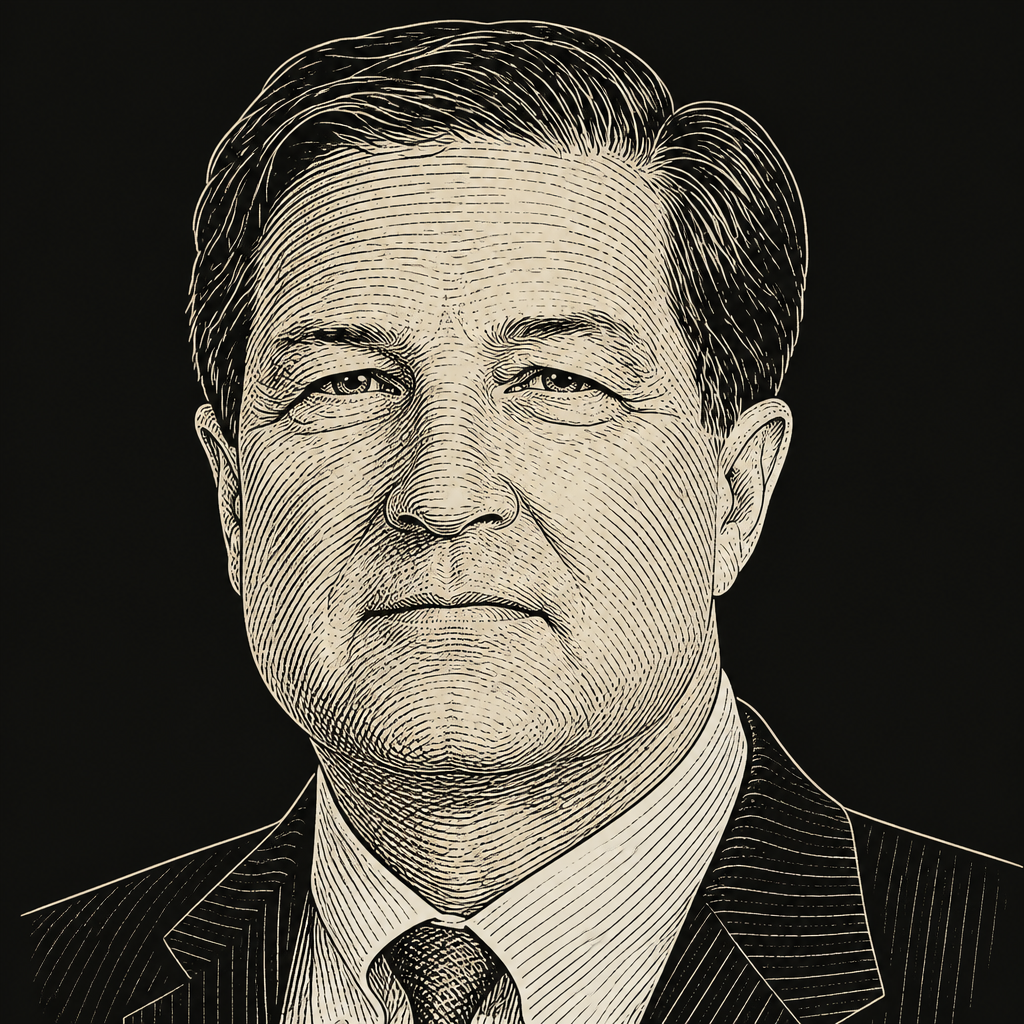
Lacker suggested that this may have seemed less dangerous when Reserve Bank president selection was expected to be a local process run by local Reserve Bank boards, with the Board of Governors merely approving or rejecting a name. Today, he said, the Board has used its approval authority to make the search process co-run with Washington and deeply influenced by the Board. Under the original expectation, a wholesale purge over policy views may not have seemed plausible.
Wilcox did not resolve the puzzle. He compared the statutory language to a party game with several clues and one solution. He was convinced that the March 1 deadline in years ending in one and six is the only solution to the statutory puzzle, but he did not know whether the designers understood the permanent consequence they were creating.
Wilcox’s historical explanation for Section 11(f) remained explicitly tentative. He had only begun to work through the record and said the drafting was difficult to read even after repeated attempts. He identified Senator James A. Reed of Missouri as a possible figure in the removal-language compromise, but described that as one theory among others. In the House version associated with Carter Glass, the removal provision listed specific grounds: incompetency, dereliction of duty, fraud, or deceit. As the bill moved through the House, Wilcox said, the protection became stronger, adding an opportunity for a hearing and requiring presidential approval of removal. All of that disappeared in the Senate version. Wilcox’s bottom line was not a settled legal conclusion, but a “highly tentative and still speculative” view that Congress landed in an ambiguous middle ground likely to be litigated if the issue ever becomes live.