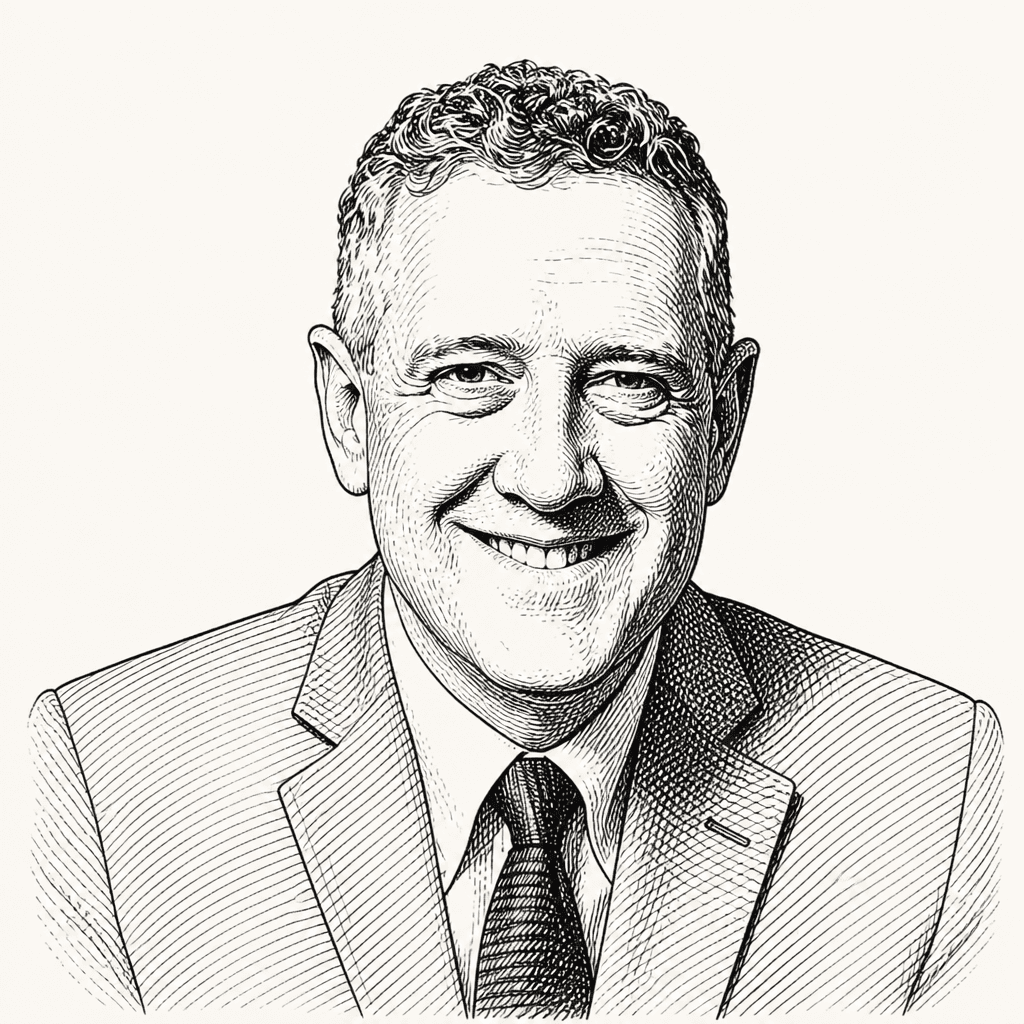
Jim Bullard
Jim Bullard is an economist, former president and CEO of the Federal Reserve Bank of St. Louis, and the Dr. Samuel R. Allen Dean of Purdue University’s Mitch Daniels School of Business, where he is also a Distinguished Professor of Service and Professor of Economics.
Dollar Dominance Could Erode Without a Clear Successor Currency
At a Hoover Institution conference on central-bank independence and international risks, Condoleezza Rice, Arvind Krishnamurthy, Stephen Redding and Kenneth Rogoff argued that dollar dominance can no longer be analyzed apart from U.S. security commitments, fiscal policy, technology competition and trade frictions. The central claim running through the discussion was that the United States still benefits from a powerful reserve-currency position, but that privilege depends on confidence in safe dollar assets and stable institutions. Krishnamurthy quantified the reserve-currency asset as a large interest-rate benefit, while Redding and Rogoff warned that tariffs, fiscal strain and political pressure on the Federal Reserve could make erosion costly even without a clear successor to the dollar.
Fed Officials Call for Better Classification Tools Under Economic Uncertainty
At a Hoover Institution policy panel on central-bank independence, structure and emerging risks, Federal Reserve officials Michelle Bowman, Mary Daly, Austan Goolsbee and Christopher Waller each argued that the Fed’s next problems turn on classifying risks before they are obvious in hindsight. Bowman focused on capital rules and private credit, Daly on distinguishing temporary from persistent inflation shocks, Goolsbee on whether expected AI productivity gains lower or raise the appropriate rate path, and Waller on which Fed functions require regional autonomy rather than centralized operations.
Reserve Bank Removal Powers Could Expose the Fed to Presidential Control
At a Hoover Institution conference on central-bank governance, John Cochrane, Edward Nelson, Gary Richardson and David Wilcox treated Federal Reserve independence as a delegated legal structure rather than a self-executing norm. Richardson argued that Congress designed the Fed to frustrate presidential control, while Wilcox warned that ambiguous authority over Reserve Bank presidents could still give a determined president a path into the FOMC. Nelson added that independence protects the Fed’s operational judgment, not the quality of its monetary doctrine.