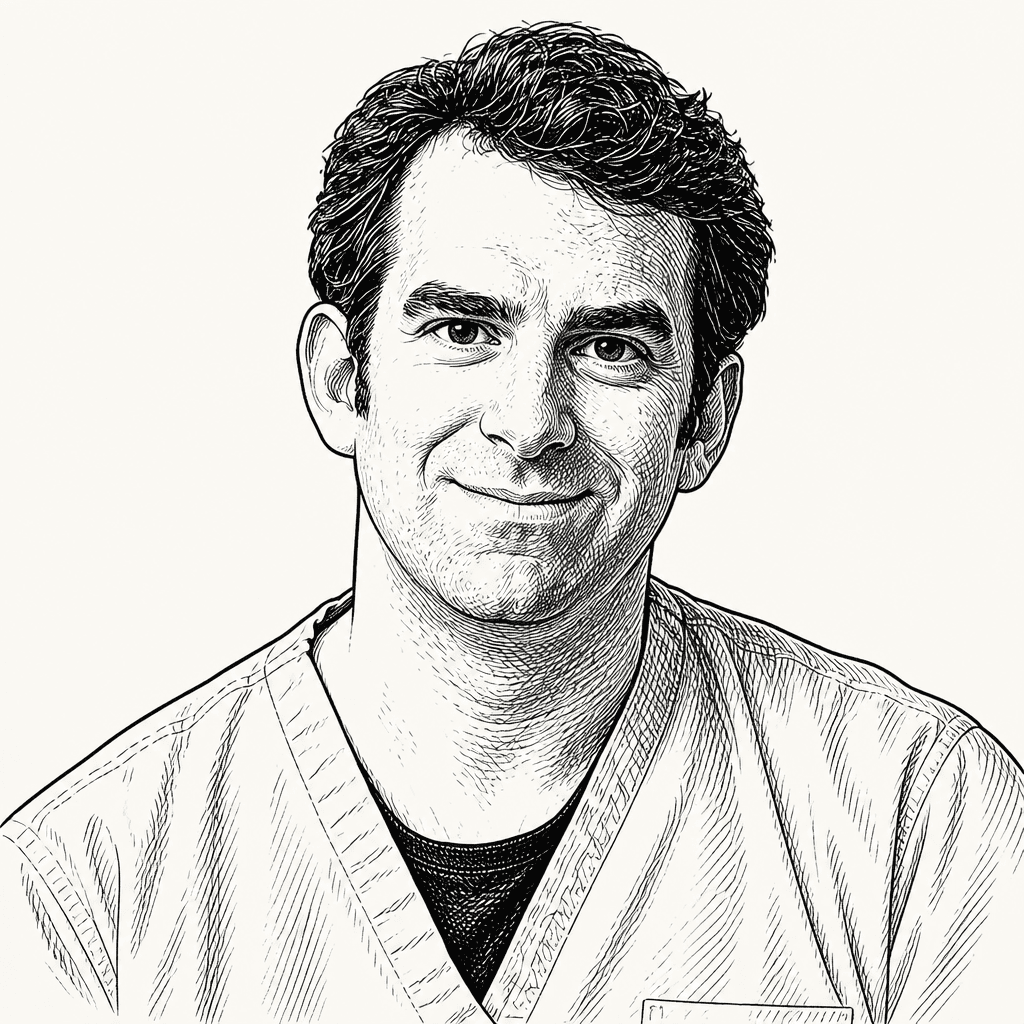
Jeremy Faust
Emergency physician at Brigham and Women’s Hospital, Assistant Professor at Harvard Medical School, Editor-in-Chief of MedPage Today, and author of the Inside Medicine newsletter on Substack, focused on health policy, evidence, clinical practice, epidemiology, and public health communication.
South Texas Longevity Project Could Reach 1 Million Residents
Methodist Healthcare Ministries chief executive Jaime Wesolowski and Blue Zones founder Dan Buettner argue that a longevity effort in South Texas should start from the Rio Grande Valley’s existing strengths, not from a deficit model. In an Aspen Ideas: Health session, they make the case that poverty, uninsurance, chronic disease, and infrastructure gaps coexist with family, faith, social connection, and food traditions that can support longer, healthier lives if local institutions change the environments shaping daily behavior. The project, initially imagined for one city, may expand to seven cities and reach at least 1 million people.
Pandemic Preparedness Is Being Built and Dismantled at Once
At Aspen Ideas: Health, Blythe Adamson, Ashish Jha, John Nkengasong and Jessica Malaty Rivera argued that the world is still not ready for the next fast-moving infectious threat, even as WHO members negotiate the first legally binding pandemic agreement. Their case was that preparedness now depends as much on early detection, engineered-biology safeguards, regional response capacity, trusted communication and global financing as on vaccines and stockpiles — and that several of those systems are being weakened at the same time they are supposed to be built.
South Texas Cities Test Blue Zones Prevention at Million-Person Scale
Methodist Healthcare Ministries chief executive Jaime Wesolowski and Blue Zones founder Dan Buettner argue that South Texas can become a large-scale test of longevity work built around prevention rather than clinical care. In a session at Aspen Ideas: Health, they described a potential seven-city Rio Grande Valley effort that would use local institutions, city policy, food environments, walkability, faith groups and social networks to make healthier daily choices easier for roughly 1mn people. Their case is that the region’s severe chronic-disease burdens coexist with cultural assets — family, faith, connection and traditional foodways — that could be amplified rather than replaced.
Art Is Moving From Amenity to Measurable Health Intervention
At Aspen Ideas: Health, Jeremy Faust, Jane Golden, Tiffany Ortiz, and David Leventhal made the case that art is increasingly being treated as a health intervention rather than a cultural amenity. Drawing on mural-making in behavioral health, lullaby-writing for stressed parents, and dance for people with Parkinson’s, they argued that artistic practice can change movement, bonding, stress regulation, identity, and community ownership. The discussion also turned on evidence: how to measure these effects rigorously enough for clinicians, insurers, funders, and public systems without reducing the work to a simple dose or stripping it of meaning.
Communal Singing Reframes Illness as a Shared Practice of Care
At Aspen Ideas: Health, emergency physician and musician Jeremy Faust joined Patrick and Daniel Lazour to make the case behind their cancer musical Night Side Songs: communal singing can turn private illness into shared care. The Lazours argue that patients, caregivers, and clinicians do not need forced optimism or perfect language so much as practices that help them remain present with one another through treatment, grief, remission, and ordinary life.