South Texas Longevity Project Could Reach 1 Million Residents
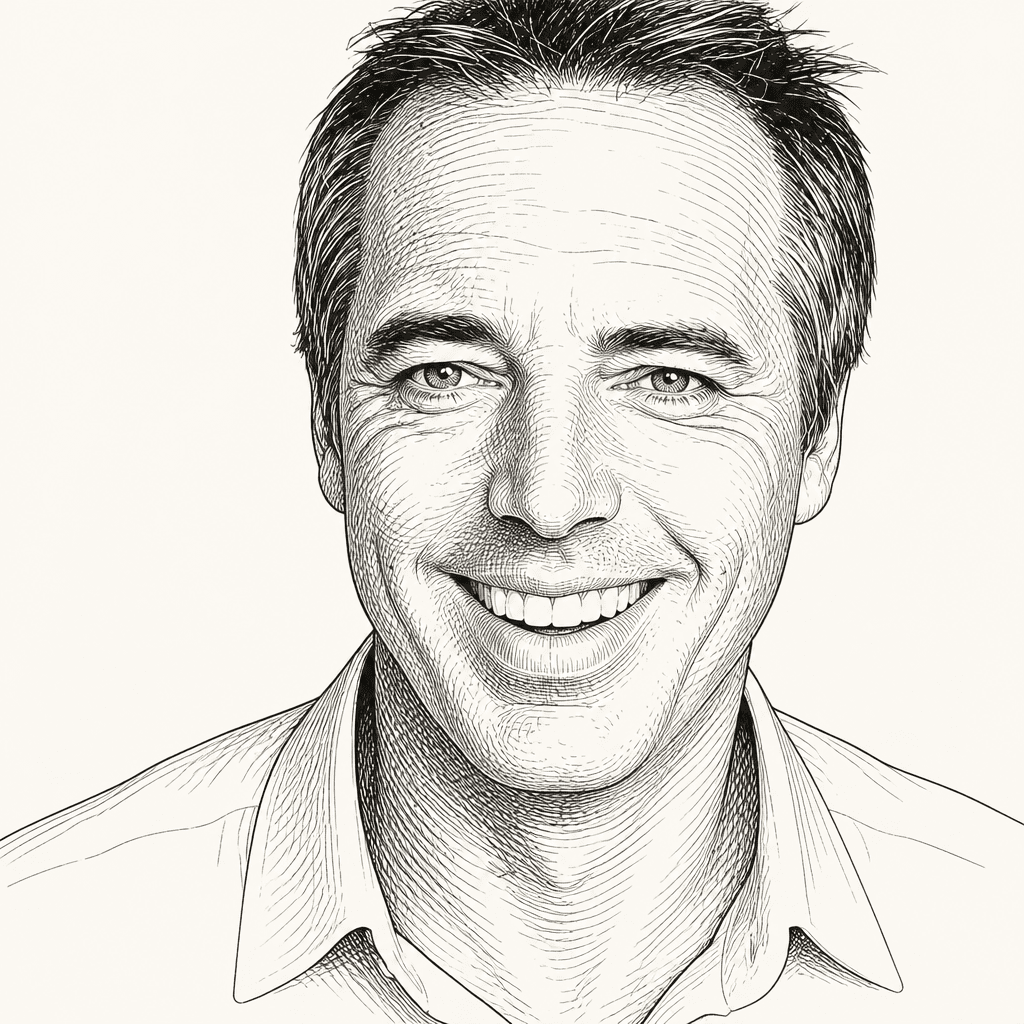 Dan Buettner
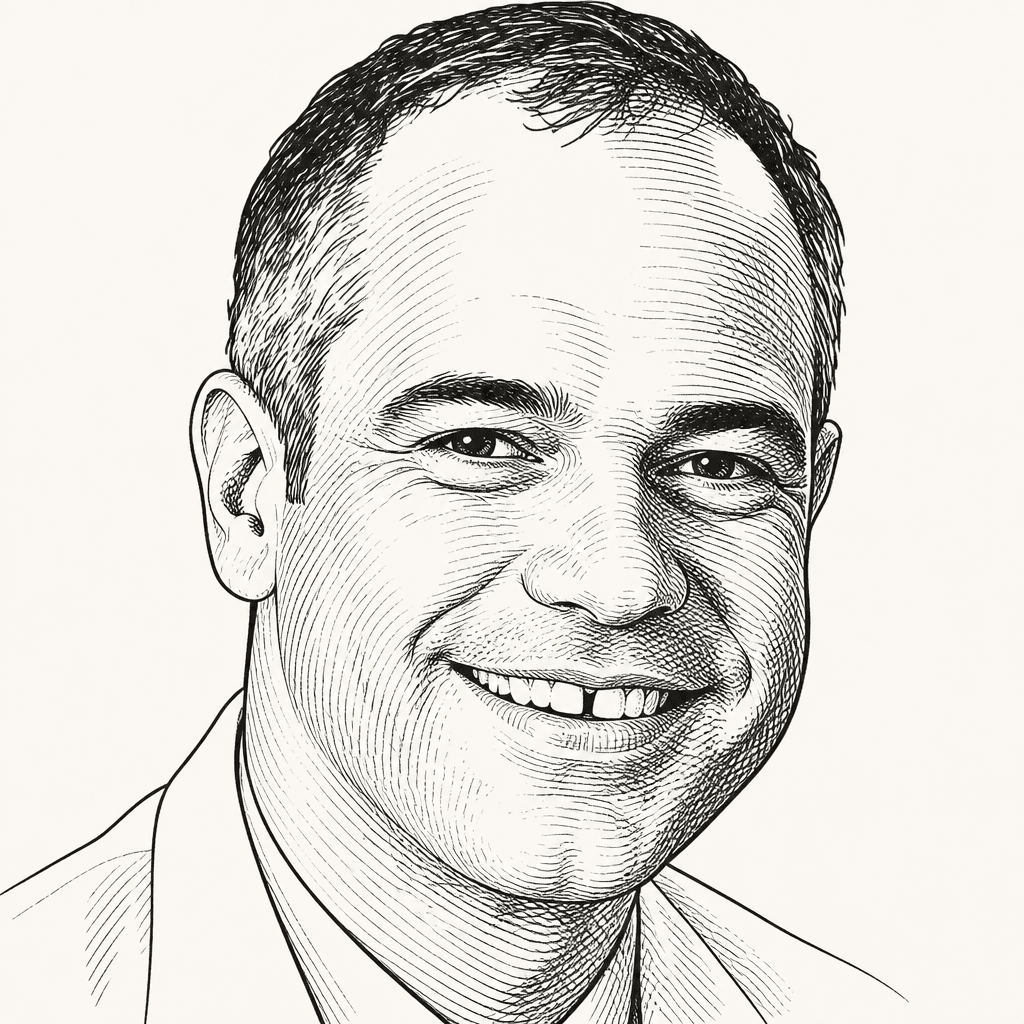 Nigel Girgrah
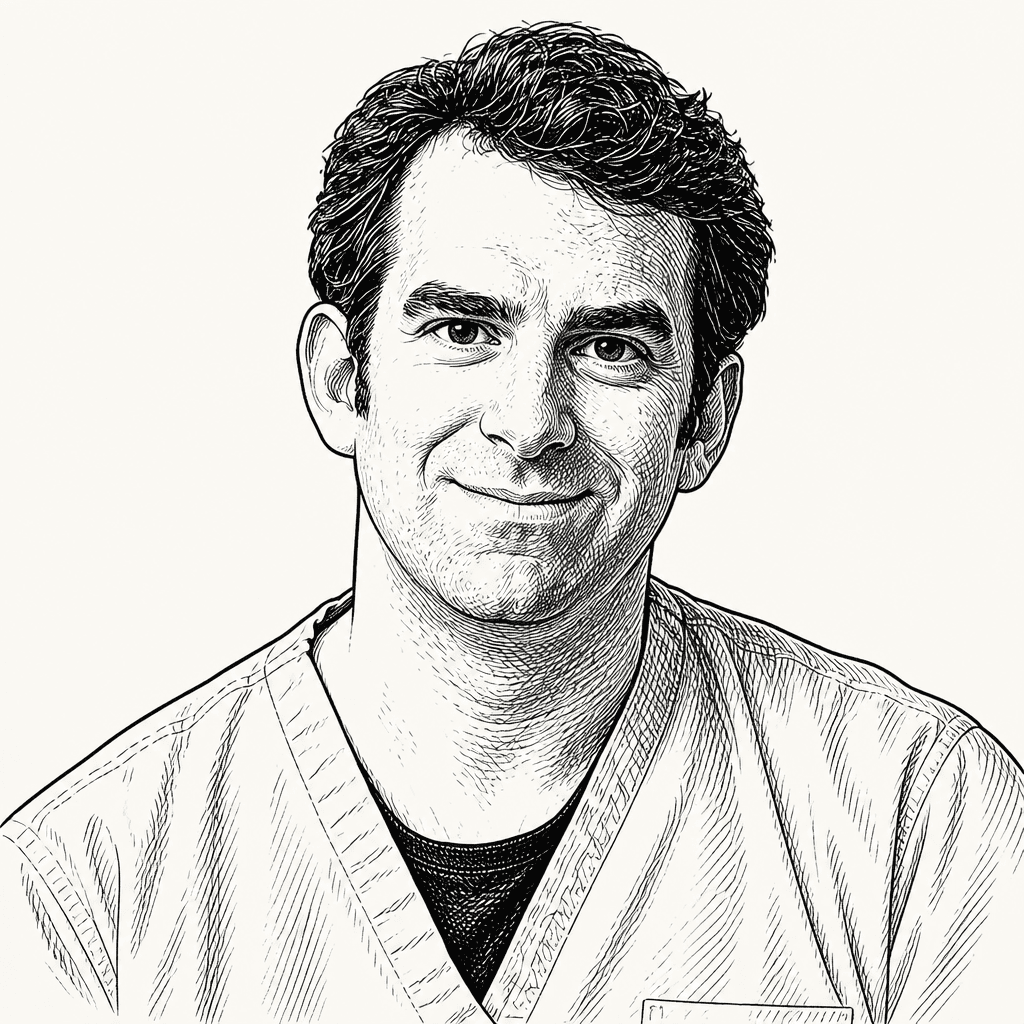 Jeremy Faust
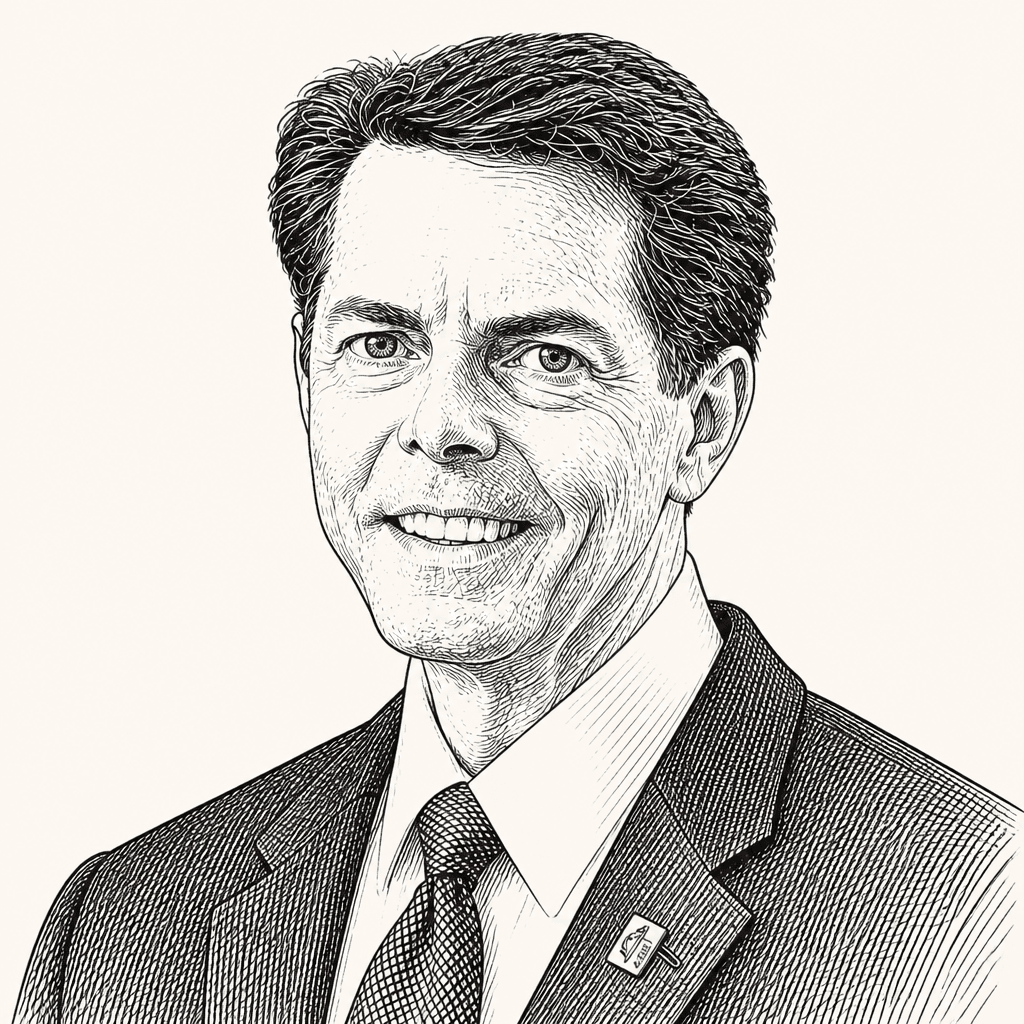 Jaime Wesolowski
 Mani KeitaThe Aspen InstituteTuesday, June 30, 202619 min read
Methodist Healthcare Ministries chief executive Jaime Wesolowski and Blue Zones founder Dan Buettner argue that a longevity effort in South Texas should start from the Rio Grande Valley’s existing strengths, not from a deficit model. In an Aspen Ideas: Health session, they make the case that poverty, uninsurance, chronic disease, and infrastructure gaps coexist with family, faith, social connection, and food traditions that can support longer, healthier lives if local institutions change the environments shaping daily behavior. The project, initially imagined for one city, may expand to seven cities and reach at least 1 million people.
The South Texas longevity project that began as a possible one-city Blue Zones effort may now reach seven cities and at least 1 million people in the Rio Grande Valley. The premise is not that the region lacks health assets. It is that severe poverty, uninsurance, chronic disease, and infrastructure gaps coexist with unusually strong family, faith, and social networks — and that longevity work has to build from those strengths rather than arrive as a medical rescue mission.
Longevity work is prevention work, not medical rescue
The practical premise behind the South Texas longevity effort is that mortality is modifiable before people become patients. Jeremy Faust, an emergency physician who studies population mortality, framed the stakes with two state-level figures: Utah’s annual mortality rate is 613 deaths per 100,000 people, while West Virginia’s is 1,371 per 100,000. Age adjustment changes the state rankings, he noted, with Hawaii leading and Mississippi at the bottom, but not the underlying point: how Americans live and die varies sharply by place, and those differences are not fixed.
Faust reduced part of the national mortality gap to a blunt set of preventable drivers: “don’t smoke, wear a seatbelt, don’t drink and drive, take care of your metabolic health, don’t get shot.” He said Megan Ranney and Atul Grover had argued that if the United States closed gaps with peer nations on firearm safety, alcohol use disorder, and opioid use disorder, the country would begin to perform more like its better international counterparts. But that was the macro view. The practical question was how to change the environments and community conditions that shape daily behavior.
Jaime Wesolowski described Methodist Healthcare Ministries as a faith-based nonprofit that owns Methodist Healthcare System, which he called the largest health care system in South Texas. The organization has long provided downstream medical, dental, and behavioral health services for uninsured people. In 2020, its board “totally shifted gears” to focus, in addition, on health equity and on helping people before they get sick. That shift led the organization to Blue Zones.
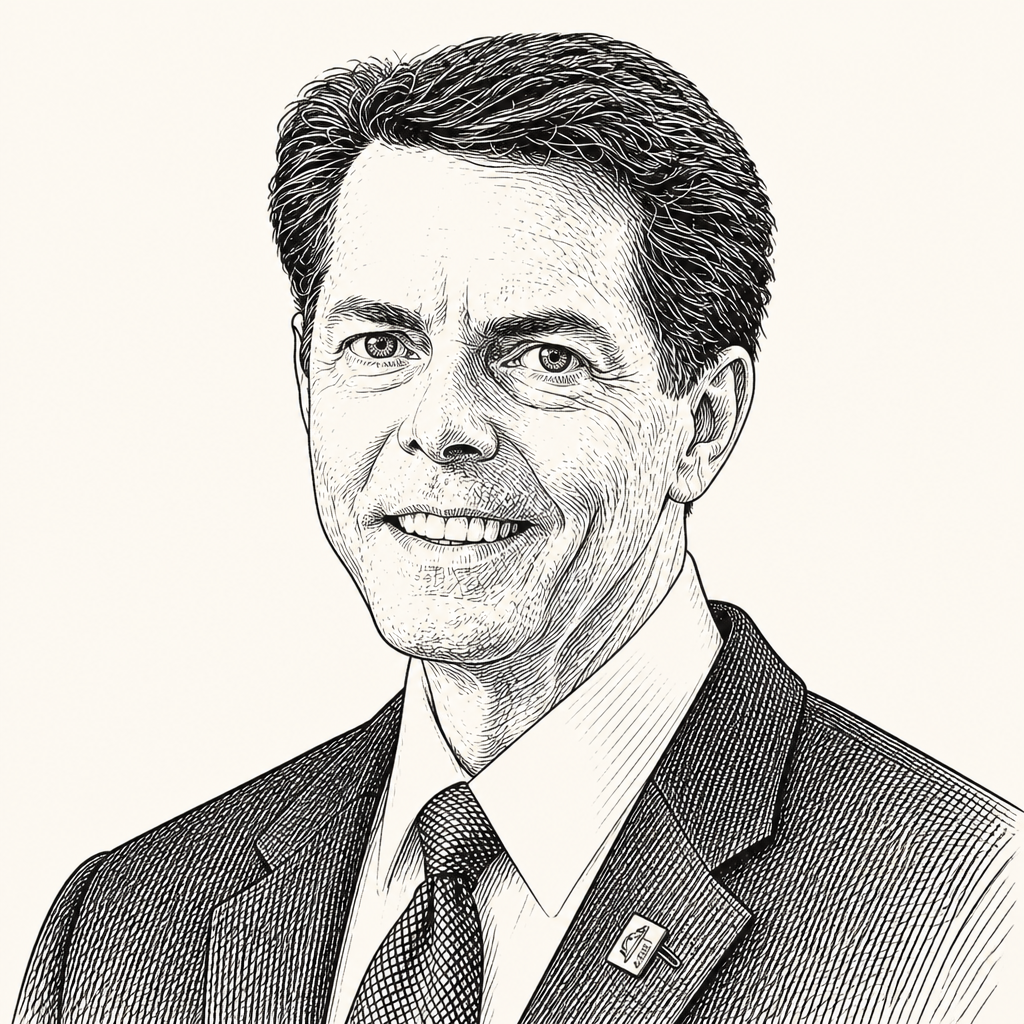
Dan Buettner sharpened the distinction. Most American hospitals, he said, wait for people to get sick, then sell services to make them well “most of the time.” Methodist Healthcare Ministries, in his telling, is unusual because it owns hospitals and uses much of the profit to keep people out of hospitals. Buettner presented Blue Zones as the operating framework for that kind of prevention: ideas drawn from the longest-lived places in the world, adapted for American communities.
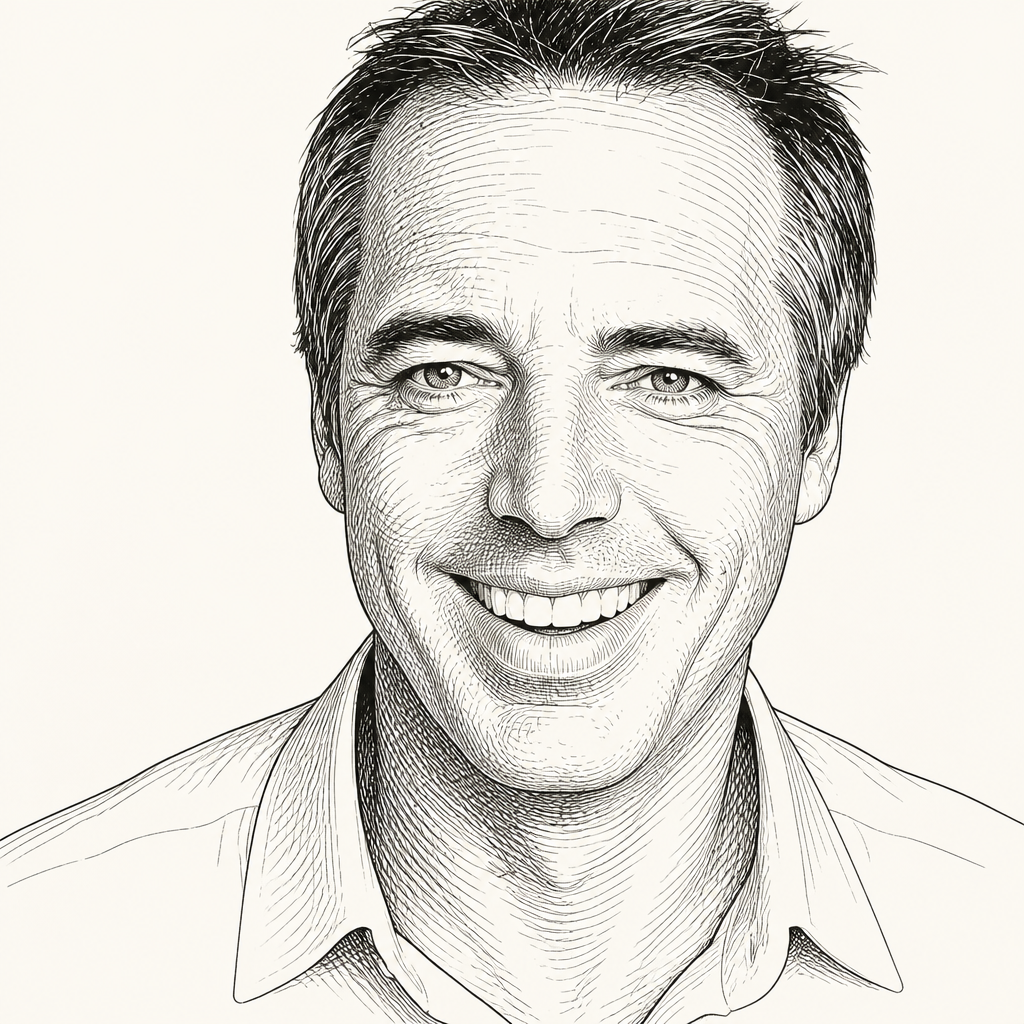
The partnership between Methodist Healthcare Ministries and Blue Zones began at Aspen Ideas: Health two years earlier, in a meeting that Wesolowski said was scheduled for 30 minutes and ran to an hour and a half. Wesolowski saw a fit between Methodist Healthcare Ministries’ 31 years of trust-building and convening power in the Rio Grande Valley, and Blue Zones’ framework for changing the conditions around health. His board then approved funding for an assessment in Hidalgo County, Texas, focused on four cities, with the hope that one would prove ready to become a Blue Zones area.
The project is explicitly located in a place not usually held up as a model of longevity: the Rio Grande Valley along the U.S.–Mexico border. But “unexpected” is not a simple label here. The Valley has high poverty, high uninsurance, high obesity, and high chronic disease. It also has strong families, deep social connection, and strong faith communities — attributes that map directly onto several of the longevity factors Buettner emphasizes. Faust put the tension directly: is the Rio Grande Valley an unexpected place for this work, or “the perfect laboratory”?
The Blue Zones claim is that environment beats willpower
Dan Buettner’s central claim was that durable longevity does not come from silver bullets, biohacking, or short bursts of individual discipline. It comes from living in places where healthy behaviors are the default.
He began with an audience exercise: eight questions that he said can estimate life expectancy within about 10 percent of “the best biometrics” when combined with an assumed average age of 50. The questions were not about annual physicals or advanced medical testing. They were about whether people move at least 45 minutes per day; eat at least five servings of fruits, vegetables, or grains; sleep at least seven hours most nights; avoid unprotected sex with strangers; belong to and show up for a faith; have three friends with whom they can have meaningful conversations, who care about them on a bad day, and whom they actually like; have not smoked in the last five years; and rate their own health as above average or excellent.
Buettner said seven hours of sleep is a “sweet spot,” adding that mortality is higher for people sleeping longer than eight hours. He called self-assessed health the most powerful questionnaire-based predictor of longevity. He then translated the score into rough life expectancy estimates: with two affirmative answers, a man’s life expectancy would be 72 and a woman’s 77; with at least five, 81 for men and 86 for women; with at least seven, 90 for men and 95 for women. Only a couple of people in the Aspen audience raised their hands for all eight.
Jeremy Faust noted what was missing: access to primary care. As a physician, he said he might have expected it to appear as one of the major predictors. He emphasized that he believes primary care matters, while also saying that a JAMA review found annual checkups do not add life expectancy. Faust also described an analysis in which people with primary care doctors were slightly more likely to die earlier; his explanation was that people with doctors may be more likely to have goals of care clarified, decline years on machines, and choose quality of life over prolonged biological survival. Buettner offered another possible explanation: healthy people often do not bother with doctors.
Buettner then placed the eight-question exercise inside the larger Blue Zones argument. Talks at the same conference, he said, had converged around similar principles: eat mostly a whole-food, plant-based diet; move naturally for 30 to 60 minutes a day; know and use a sense of purpose; connect socially with healthy people; and get enough sleep. Against that, he contrasted what he called the “biohacking bro culture” around rapamycin, metformin, stem-cell tourism, and other silver-bullet interventions. Buettner said the $84 billion anti-aging industry has failed to produce even one human intervention shown to reverse, stop, or slow aging. Those interventions, in his words, offer “some theoretical promise” but mostly “marketing hooey.”
The only thing that works with longevity are the things you’re going to do almost every day for decades.
Buettner said his work with demographers identified five Blue Zones, the places where people “manifestly live the longest life,” measured by low rates of middle-aged mortality. In some of these places, he said, a 60-year-old can expect to live up to 10 years longer than a 60-year-old in the United States. He rejected explanations based on superior genes, superior exercise programs, superior discipline, or greater individual responsibility. The populations are not rich, he said; they have about one-third of U.S. GDP, and many do not have concierge doctors or even routine primary care. They go to the doctor when they are sick.
They live in environments where the healthy choice is the easy choice.
Longevity, in Buettner’s formulation, is not something a healthy person can meaningfully purchase or hack over a week, month, or year. It is the compound result of daily actions repeated over decades, which makes the decisive question whether a place makes those actions likely without requiring heroic effort.
The first American Blue Zones experiment, Buettner said, began about 16 years ago in Albert Lea, Minnesota, in partnership with AARP. The goal was not to persuade 19,000 people one by one to eat better, walk more, or take medications. Instead, Blue Zones worked with the city council on policies that favored healthy food over junk food marketing, non-smokers over smokers, and pedestrians over motorists. It then offered Blue Zones certification to restaurants, grocery stores, workplaces, schools, and faith-based organizations that changed their policies and designs so people would “unconsciously” make better choices.
Buettner reported that the Albert Lea project produced a 2.3-year increase in life expectancy as measured by the University of Minnesota School of Public Health, removed two tons from residents’ collective waistlines, and saved 40 percent in health care dollars according to the city’s own statistics. He presented it as the first test of translating Blue Zones principles into an American town.
The Rio Grande Valley combines severe disadvantage with built-in strengths
Jaime Wesolowski’s description of the Rio Grande Valley was deliberately concrete. About 25 percent of the population lives in poverty, he said, roughly double the national rate of 12.5 percent. Thirty percent are uninsured, and in some pockets of the target area the rate reaches 40 percent, compared with an American uninsured rate of roughly 8 to 10 percent. One in two people are obese, compared with 34 percent nationally. One in three has type 2 diabetes, which he described as triple the national rate.
He also emphasized the region’s colonias: unincorporated areas where many residents lack running water, sewage, paved streets, and streetlights. These residents are, in his words, “vast majority United States citizens” who bought land in places where no incorporated local government is coming to provide basic services. Methodist Healthcare Ministries has close relationships in these communities, and Wesolowski said he especially wants to see what Blue Zones can change there.
| Measure | Rio Grande Valley figure cited | U.S. comparison cited |
|---|---|---|
| Population living in poverty | 25% | 12.5% |
| Uninsured population | 30%; up to 40% in some pockets | 8% to 10% |
| Obesity | 1 in 2 people | 34% |
| Type 2 diabetes | 1 in 3 people | Triple the U.S. rate |
The point was not that life expectancy is already low there. Wesolowski complicated that assumption by invoking the “Hispanic paradox,” the population-level observation Jeremy Faust also discussed: Hispanic populations in the United States can show lower mortality rates than expected despite socioeconomic disadvantage. Faust attributed part of that pattern to the healthy immigrant effect: people who immigrate are often healthy enough to travel and work, and people in the middle of chemotherapy or too sick to make the trip generally are not the typical immigrant population. When looking at Hispanic populations born in the United States, he said, expected disparities become more visible.
Wesolowski said the Rio Grande Valley’s life expectancy is actually a little higher than the U.S. average, even though its poverty, uninsurance, obesity, diabetes, and infrastructure conditions might lead an observer to expect the opposite. He connected that to Blue Zones’ “Power 9” elements. The community, he said, may be a role model in social connection, family strength, multigenerational households, care for one another, and faith.
That distinction matters because Wesolowski argued the core problem is not only lifespan. It is “living longer, better.” The Blue Zones tagline, he said, captures the two sides of the coin. In the Rio Grande Valley, the challenge is the chronic illness that people live with during those years: type 2 diabetes, heart disease, cancer, and other preventable or modifiable conditions. Wesolowski also said 50 percent of cancers are preventable, connecting cancer risk to environment and lifestyle alongside other chronic conditions.
Faust reinforced the environmental framing with examples from population health. He repeated the common line that zip code is more determinant than genetic code. He also pointed to pollution as a major driver of mortality, saying the American Heart Association has connected particulate matter reductions with mortality improvement. During the early pandemic, he said, pollution fell sharply; outside COVID hot zones in early 2020, cardiovascular mortality went down. His point was that environmental changes can show up as mortality changes.
The Rio Grande Valley therefore sits at the center of two realities: severe structural need and deep underinvestment on one side; social and cultural assets that outsiders should not try to overwrite on the other. The Blue Zones project, as Wesolowski described it, is meant to amplify those strengths while changing the conditions that make chronic disease more likely.
Communities are assessed before they are chosen
The implementation model begins with a refusal to “Blue Zone” a place from above. Jaime Wesolowski said Methodist Healthcare Ministries has learned to listen to communities and not enter with a predetermined prescription. Its existing Communities of Thriving Together program brings organizations together to learn, form coalitions, and work on community improvements, but the ideas and implementation come from the communities themselves. Methodist Healthcare Ministries “walks alongside them.”
For the Rio Grande Valley effort, he framed the community as the third leg of a stool. Methodist Healthcare Ministries can convene and bring trust. Blue Zones can bring a proven framework. But the cities, municipalities, churches, health care organizations, grocery stores, restaurants, nonprofits, and residents must want the work and hold themselves accountable for it. The current assessment is designed to test that readiness.
Dan Buettner described this as an audition process. Blue Zones does not arrive and announce that it will transform a community. It sends a team for three months, talks to the mayor and city council about specific policies, and asks whether leaders are willing to spend political capital on them. If the answer is skepticism or resistance — if officials dismiss the work as “nanny state,” for example — Blue Zones moves on.
The same readiness test applies institution by institution. At churches, Blue Zones asks pastors whether they will remove Coke machines, serve healthier food, host purpose workshops, help connect people socially through moais, and offer one-pot cooking classes. At workplaces, it asks employers whether they will pursue Blue Zones certification by changing the environment to favor employee health and well-being. Restaurants and grocery chains are similarly asked whether they are willing to change. If enough institutions fold their arms, Buettner said, Blue Zones tells the funder it will not waste the money.
The assessment also looks for unofficial power. Buettner distinguished formal leaders — mayors, CEOs, chamber heads — from “activators,” the people others call when they need volunteers or help with a fundraiser. The way to find them is simple: ask many people in the community whom they would call for help or attendance. The same names converge. Blue Zones then explains the project, the benefits, and the responsibilities, and asks for a direct yes or no: if this city is chosen, can we count on your participation? On day one of implementation, Buettner wants to know the first 50 people to call.
Jeremy Faust connected that model to COVID vaccine uptake. Early vaccine rollout showed disparities, he said, but he credited a later success in Black communities to thought leaders who activated locally and helped wipe out disparities. Those leaders were not all of one type; they might have been pastors, celebrities, or other trusted figures. The common trait was the ability to get a community moving.
Measurement is the second nonnegotiable in Buettner’s account. Blue Zones brings in Gallup to measure baseline and follow-up indicators: population-level BMI, subjective well-being or life satisfaction, emotional health, fruit and vegetable intake, and walking. Those measures become the report card. Blue Zones puts its fees at risk, he said: if it does not achieve the agreed outcomes, it does not get paid.
The readiness screen is partly fiscal discipline. Buettner said less than 3 percent of the United States’ $5 trillion health care budget goes to prevention, so scarce prevention dollars should not be spent in communities that are not prepared to act. More than 400 cities have applied, he said, but Blue Zones has worked in only 70.
The example Buettner used for a high-readiness city was Fort Worth, Texas. He said a Blue Zones project there lowered BMI by about 3 percent, which he equated to roughly 7,000 fewer heart attacks per year. Fort Worth, he said, calculated that the environmental approach saved the city $250 million per year in projected health care costs. The mayor, he added, said she was re-elected on implementing Blue Zones.
The intervention is institutional as much as personal
Making the healthy choice easy for organizations requires changing ordinary business routines: what is stocked, what is served, how employees commute, and whether employers see prevention as tied to retention and cost. That was the business implication raised by Mani Keita, a Deloitte researcher focused on making data matter to people in power: many health systems and businesses may want healthier communities, but their incentives make the healthy choice difficult.
Dan Buettner answered with audits, thresholds, and incentives rather than exhortation. For each business, Blue Zones uses a checklist-driven audit. It examines snacking policies, vending machines, whether employees see Coke and candy bars or water, what is served at meetings and in conference rooms, and whether the workplace encourages walking, driving, or public transportation. Buettner said regular bus commuters have about 19 percent lower cardiovascular mortality than people who drive every day, and he framed commuting policy as a legitimate part of workplace health.
Employers are given about 30 possible changes and a concierge to help implement them. If they achieve 75 percent, they receive Blue Zones certification. Buettner acknowledged the certification itself is only part of the appeal. The stronger business case, he said, is lower health care costs, better retention, and better employee satisfaction. In a Blue Zones project, employers are not charged directly for the certification work; their incentive is to invest time and resources because the changes serve organizational interests.
Food at home is another institutional target, not simply an individual preference. Buettner said it is almost impossible for middle-class and lower-income people to eat healthily outside the home. On average, he said, each restaurant meal adds about 250 calories compared with eating at home. A major Blue Zones strategy is therefore teaching people how to cook at home, especially with one-pot meals. The keys are hardware, skills, and taste: give people a pressure cooker such as an Instant Pot; let them practice cooking several meals; and make sure the food is enjoyable. “Deliciousness,” he said, is the number one longevity ingredient.
The Rio Grande Valley food strategy is not presented as changing Hispanic culture, but as recovering healthier parts of it. Buettner argued that the healthiest diet humans have invented has three ingredients: corn, squash, and beans — the “Three Sisters.” He connected that diet to Hispanic food traditions and suggested that first-generation Hispanic immigrants often arrive with a pattern of home cooking that is affordable, delicious, and healthy. Later generations, he said, can move from that diet toward fast food.
Jaime Wesolowski made the same point from the community side. He tells people the effort is not trying to change their culture. Rather, many people are no longer eating as their grandparents and great-grandparents did. Processed flour tortillas and unhealthy meat have displaced more traditional beans, corn tortillas, and related foods. In poorer parts of the Valley, food deserts make fast food the default. If the available cheap food is heavily processed and unhealthy, obesity follows.
That framing avoids treating residents as deficient. The project’s food strategy is to make traditional, affordable, healthy cooking visible and desirable again. Buettner said Blue Zones had succeeded with a similar cultural reclamation strategy in Hawaii.
Walkability is both a health strategy and a political boundary
Jeremy Faust raised a second-order challenge: if healthier, greener, more walkable neighborhoods become more desirable, do they also become more expensive, pushing residents out to places with the same conditions the intervention tried to fix? He also raised a climate concern: if Americans live longer while consuming more energy than people in many other countries, could longevity itself worsen the climate crisis, which then feeds back into mortality through wildfires, emphysema flare-ups, heart attacks, and strokes?
Dan Buettner answered that the behaviors associated with longevity are generally lower-carbon behaviors. Long-lived people, he said, are more likely to walk to work, have children who walk to school, live in walkable neighborhoods, and eat mostly whole-food, plant-based diets. He attributed about 60 percent of the American carbon footprint to meat eating and frequent driving. The average American eats about 230 pounds of meat per year, he said, while people in Blue Zones eat about 20 pounds per year. A person eating beans and grains and driving less, in his view, would contribute much less carbon even with a longer life.
On displacement, Buettner resisted the idea that walkable neighborhoods are inherently for rich people, while acknowledging that walkable places often are more expensive. He cited advice from former Iowa governor Terry Branstad: “You cannot do everything, but you can do what you want to do.” The Blue Zones project, Buettner said, is focused on making a population measurably healthier, not controlling rents. But he also argued that making neighborhoods greener and more walkable helps existing homeowners by raising property values and helps businesses by slowing traffic and increasing stops. If residents own homes in improved neighborhoods, he framed the increase in value as a benefit.
That answer defined the project’s boundary rather than a housing solution. Buettner did not claim Blue Zones would control rents or prevent displacement; he defined the work as measurable population health improvement.
Jaime Wesolowski answered from the physical realities of the Rio Grande Valley. The region has many vacant lots, he said, and converting them into parks with trees, walking areas, and biking areas is far less expensive than many health interventions. The space exists. The intervention, in his view, is not an expensive amenity layer but a practical use of available land.
The trade-off remained a boundary question for the project. Faust pressed the risk that neighborhood improvement can price people out. Buettner narrowed Blue Zones’ role. Wesolowski’s answer suggested that, in the Rio Grande Valley, abundant vacant land may make basic green infrastructure less costly than in denser or already expensive urban markets.
The South Texas project may scale from one city to seven
The most concrete announcement was that the Rio Grande Valley effort appears likely to become much larger than originally imagined. Jaime Wesolowski said Methodist Healthcare Ministries and Blue Zones initially hoped one of four assessed Hidalgo County cities would show readiness. Instead, all four seem to want the project “in the worst way.”
Two additional nonprofit organizations have since become interested. Baptist Legacy Foundation approved an assessment in neighboring Cameron County, which includes Brownsville and Harlingen. Knapp Community Care Foundation persuaded its board to assess Weslaco, still in Hidalgo County. What began as a dream of one city in the Rio Grande Valley may become seven cities.
Wesolowski estimated that the seven cities alone would include 850,000 people. Including people just outside those cities, he said the project could affect at least 1 million people. The generational ambition is explicit: changing environments now could change what children learn as normal, reversing unhealthy patterns that have accumulated over time.
For Dan Buettner, the size and location make the announcement significant. A project reaching roughly a million people in one of the most health-challenged parts of America has, in his words, a larger “delta for improvement.” He also said that although the approach is agnostic, it disproportionately favors poor people because environmental barriers weigh more heavily on them.
The funding implications are substantial because the model is not a short campaign. Nigel Girgrah, a physician executive at Ochsner Health in Louisiana and Mississippi, pressed on what it would take for another health system to get involved. Buettner’s answer was duration and staffing. A community cannot be changed in a year, he said; anyone promising that is lying. Blue Zones learned that “the hard way” by fumbling early. The model requires five years and a team of 15 to 20 professional people with wages, office space, retirement, training, and mentorship.
Wesolowski compared that cost with the cost of disease. Caring for cardiovascular disease can run into hundreds of thousands of dollars, he said, and preventing or delaying those costs makes the intervention a bargain. Buettner had just cited an average heart attack cost of $120,000 and asked how to compare the relative costs of prevention and treatment. Wesolowski’s answer was that prevention is a small cost relative to the chronic disease burden already being paid.
Be better ancestors.
That was Wesolowski’s closing formulation. The project, as he presented it, is not only an effort to improve current health metrics. It is an effort to change the conditions future generations inherit.