Pandemic Preparedness Is Being Built and Dismantled at Once
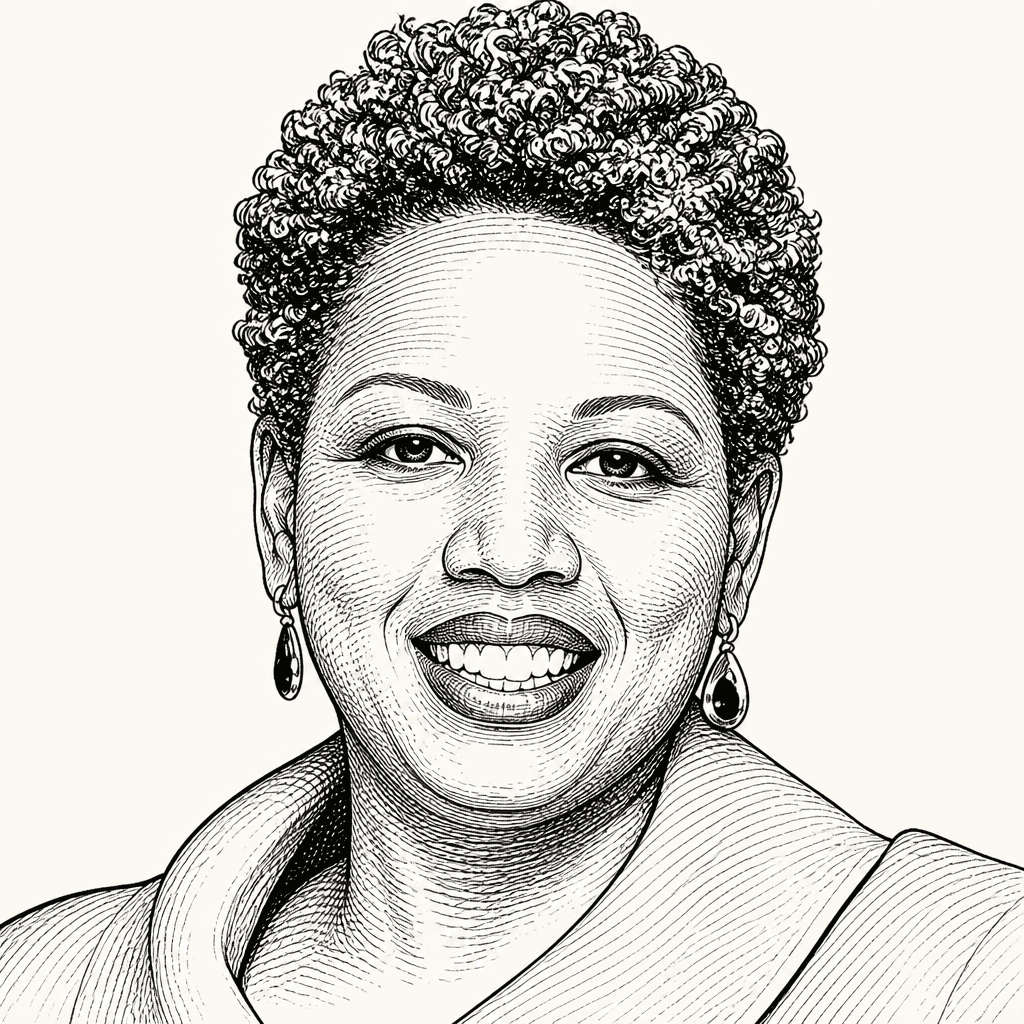 Charlotte Jones-Burton
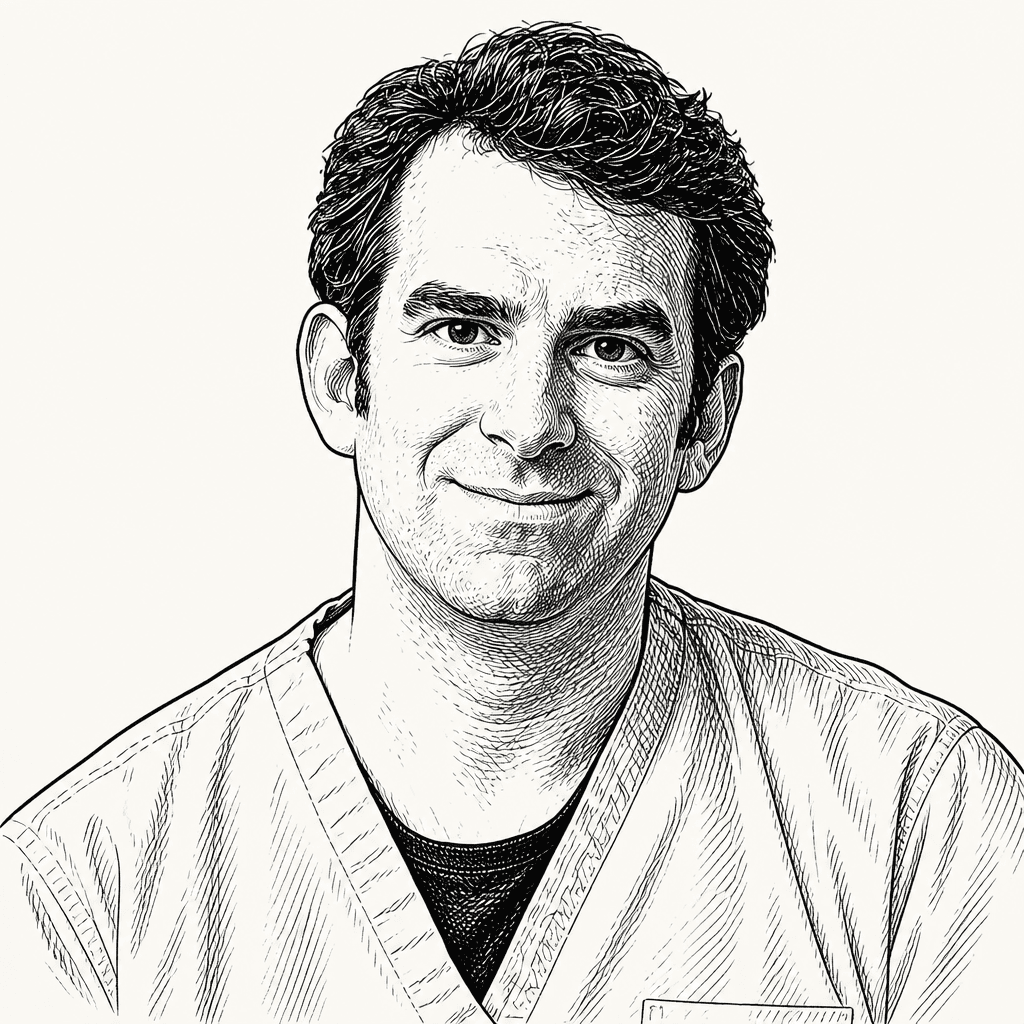 Jeremy Faust
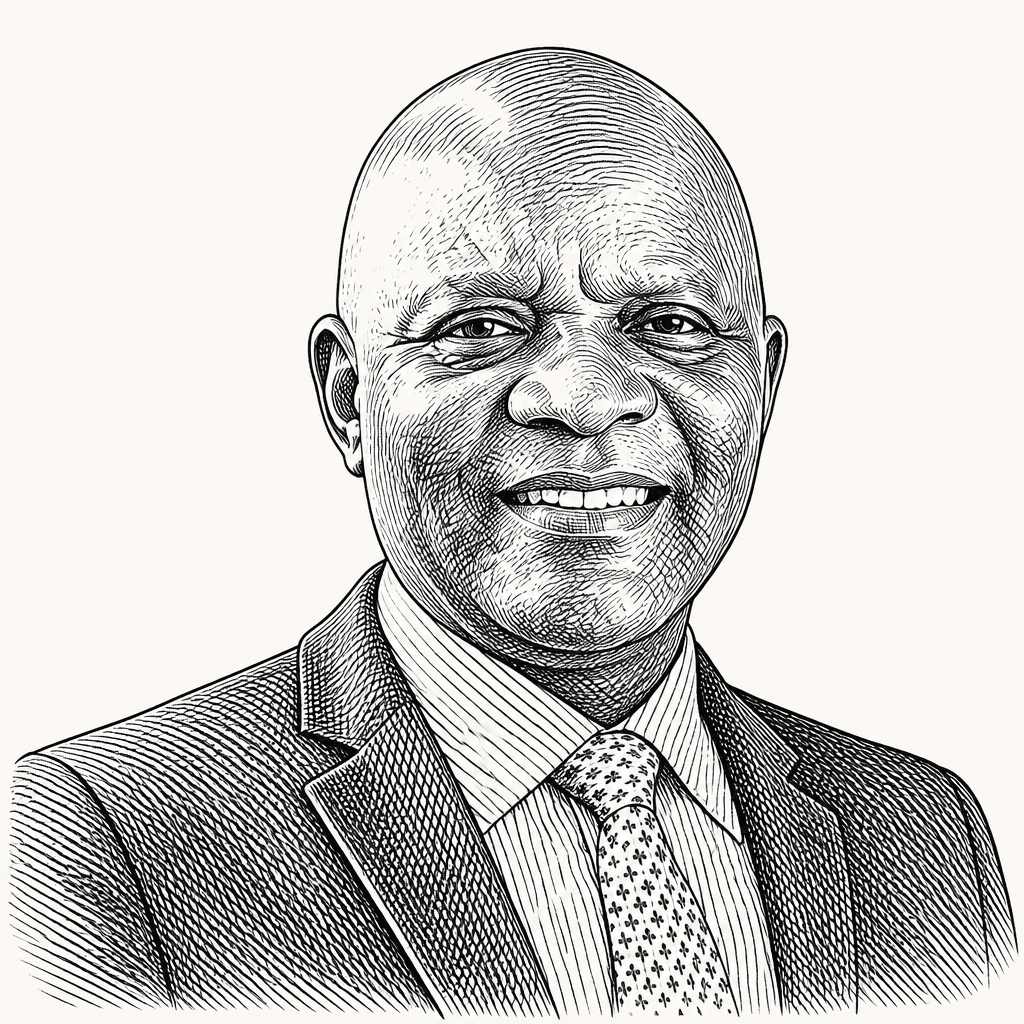 John Nkengasong
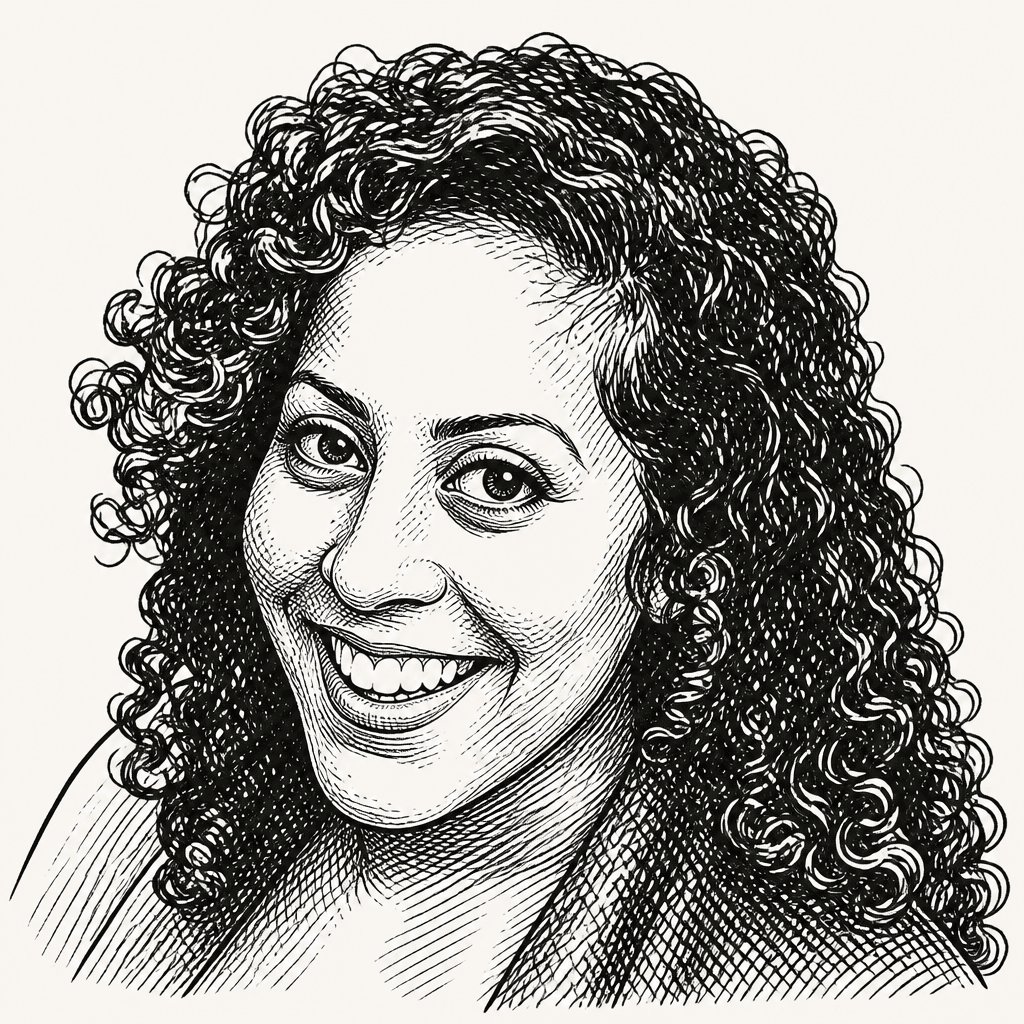 Jessica RiveraThe Aspen InstituteThursday, June 25, 202620 min read
At Aspen Ideas: Health, Blythe Adamson, Ashish Jha, John Nkengasong and Jessica Malaty Rivera argued that the world is still not ready for the next fast-moving infectious threat, even as WHO members negotiate the first legally binding pandemic agreement. Their case was that preparedness now depends as much on early detection, engineered-biology safeguards, regional response capacity, trusted communication and global financing as on vaccines and stockpiles — and that several of those systems are being weakened at the same time they are supposed to be built.
The preparedness problem is simultaneous construction and retreat
? blythe-adamson framed the next pandemic as a timing problem, not a possibility problem. The immediate examples were different in character — a hantavirus scare on a cruise ship, Ebola flaring again in Africa, and the persistent risk that avian flu could acquire mutations enabling human-to-human spread — but she treated them as the same kind of warning: partial drills for a system that has not finished learning from COVID.
Five years after COVID, Adamson said, the harder question is whether the systems meant to meet the next threat are stronger or weaker than they were in 2020. WHO members are negotiating what she described as the first legally binding pandemic agreement in history. At the same time, she said, public health budgets, data systems, and global institutions are being cut back. “We’re building and dismantling at once,” she said.
That contradiction ran through the main claims. Preparedness was not reduced to stockpiles, laboratories, vaccines, or surveillance alone. The speakers put different parts of the system under stress: engineered biology, outbreak response abroad, global institutions, federalism, public communication, trust, and the ability to detect threats early enough for any countermeasure to matter.
? ashish-jha put the sharpest warning on engineered biology. The former White House COVID-19 Response Coordinator said the odds of an engineered pathogen being used against people within roughly five years are “very, very high.” His reasoning was historical and technological. Around the turn of the twentieth century, he said, scientists learned to engineer chemistry; about a decade later, chemical weapons were used in World War I. In the 1930s, humans learned to engineer physics; about a decade later came nuclear weapons.
Biology, in Jha’s account, is now at a comparable point, but with one important difference: biological engineering is arriving at the same time as artificial intelligence. Chemical and nuclear weapons required state actors, large infrastructure, and concentrated scientific capacity. Jha described the nuclear bomb as a project involving billions of dollars and hundreds of scientists. AI, he argued, changes the scale and accessibility of the problem.
He said there is “very good data intelligence” that both state and non-state actors are working on engineered biology, and he warned that this threat “looks nothing like anthrax or other things we have seen.” In his view, it would be “a historical anomaly” and “a pleasant surprise” if such an event did not occur in the next five or so years.
Jha stressed that the warning was not meant to be fatalistic. When John Nkengasong reacted that the engineered-threat scenario was frightening enough to make him want to leave the room, Jha interjected: “There’s a lot we can do. So this is positive.” But his baseline was that preparedness planning can no longer treat engineered biology as a remote tail risk.
The tools he returned to were detection, vaccine platforms, therapeutics, and public confidence. Detection came first. Jha said preparedness and response begin with the ability to identify the next biological threat, whether natural or human-made. The hard version of that problem is not finding a known pathogen in an expected place; it is “how do you find things you’re not looking for?” He called that fundamentally hard but solvable, and argued for global biodetection capabilities rather than a domestic-only approach.
Rapid medical-countermeasure capacity matters because engineered respiratory pathogens are among his concerns. During the Biden administration, he said, the government invested in a $5 billion program called Project NextGen, formally focused on future generations of COVID vaccines but built around technologies relevant to respiratory viruses more broadly. He described mRNA as central because, in his view, it is “how you get out of a pandemic”: rapid enough to build vaccines quickly once a threat is identified.
Jha’s account of the current U.S. posture was not one of steady progress. He said that in January 2023, as the winter COVID wave was receding, he told President Biden it was time to end the national and public health emergencies and pivot toward future outbreaks. That led, in his telling, to a dedicated White House pandemic office focused full time on pandemics and biosecurity risks, investments in testing scale-up, respiratory-virus vaccines, medical countermeasures, and public health confidence.
Most of that, he said, is now dormant, pulled back, or unstaffed. Jha said “there is no one in the pandemic office right now.” Congress had required an annual report on pandemic and biosecurity preparedness, but he said that report had not been written in two years and that Congress was not demanding what it had required. Investments in mRNA vaccines, he said, had been pulled back. He described the result as a “massive vulnerability.”
His limited optimism came from two places outside the main civilian U.S. public health apparatus. Other countries, especially in Europe, are continuing to invest in relevant capacities, he said, which means vaccines may still be built even if the United States is not first in line. And the Department of Defense, he said, still understands the importance of vaccine and therapeutic capacity and continues to invest. That does not close the gap. It only means Jha would not say that nowhere in the U.S. government is doing the work.
An outbreak abroad is already a security problem at home
John Nkengasong rejected the narrow American habit of asking, when an outbreak appears elsewhere, “Is it going to come here?” He did not deny that the question is natural. In a security frame, people ask how a threat affects themselves, their families, their communities, their country, and their economy. But he distinguished concern from sympathy. Sympathy is what people feel when disease affects others far away; solidarity may move them to help. Concern is the recognition that the threat is already connected to one’s own security.
COVID, Nkengasong said, taught that “it takes less than 30 days for a virus to emerge anywhere in the world and affect everywhere in the world.” For that reason, he argued, an infectious-disease threat anywhere is a threat everywhere. Supporting outbreak response in another country is not charity. It is self-protection.
That point became most concrete in his discussion of Ebola in the Democratic Republic of Congo. Nkengasong said he had spoken that morning with Roger Kamba, the DRC health minister, and praised the Congolese government’s leadership. He emphasized that the response is now nationally led in ways that would not have been possible in an earlier era. There was a time, he said, when an outbreak in Congo required someone such as Pierre Rollin from the U.S. CDC to fly in and start the response. “No more.”
Congolese teams, Nkengasong said, sequenced the virus and identified that the strain was not typical. Congolese teams were deploying community workers. The missing pieces, in his telling, were not leadership or basic technical competence; they were money and commodities.
Nkengasong was confident the DRC outbreak would be controlled, though it would take time. He said responders do not have an effective vaccine against the strain involved and do not have monoclonal antibodies or other advanced tools. They are therefore left with “traditional old tools”: community detection, contact tracing, and deployment of community health workers.
He described a ring-like community worker strategy analogous to ring vaccination: surrounding affected areas and neighboring communities with people who notice when someone is missing from church, when a child does not come to school, or when illness appears in an expected social pattern. That local awareness becomes an early warning system.
He also placed the outbreak in the history of American global health leadership. Without U.S. leadership, he said, he doubted the world would be where it is today on HIV/AIDS, polio, or smallpox. The retreat of U.S.-supported systems, in his view, is not only painful; it is self-defeating. Nkengasong said a case had been reported in France in a person who had worked in the affected region. “That’s how it starts,” he said: with one case, then several, then many.
This was also his answer to the charity frame. Supporting the DRC government, he argued, would be less costly than allowing the outbreak to expand. The best way to protect people in the United States is to help fight the outbreak where it is.
The old global health architecture worked, but not for this world
John Nkengasong argued that the postwar global health system created around 1947 and 1948 should not be dismissed as a failure. It served the world well, he said, by helping with sanitation, policies, guidelines, vaccines, antibiotics, and standardization. But the world of 1948 had roughly 2.5 to 2.6 billion people, many fewer independent countries, and very different national capacities. Today’s world has 8 billion people, stronger national systems in many places, declining global health financing, and sharper geopolitical dynamics.
The old model, in his view, should be strengthened and redefined rather than defended unchanged. He described the needed architecture as three-level: global, regional, and national.
At the global level, Nkengasong said a central body such as WHO should still exist, but not necessarily as the same institution carrying the same 23 functions listed in its constitution. “If there was no WHO,” he said, “we all would say we need a WHO. But the question should be what type of a WHO?”
Asked which functions a central body must retain, Nkengasong did not present a closed list. He said multiple groups, including WHO itself, were debating the question. From where he sat, he named WHO’s convening power: its ability to bring countries together in a neutral way. He also pointed to data and science — a place countries can go to understand that an outbreak is happening — and to some forms of coordinated workforce development. But he questioned whether WHO should handle functions that other organizations already do as core work, giving pooled procurement and UNICEF as an example.
Regionalization was his second layer. Regions, he said, want security needs closer to them rather than determined only from Geneva or elsewhere. He pointed to the spread of CDC-style institutions — European CDC, China CDC, Singapore CDC, South Korea CDC — inspired in part by the U.S. CDC model. That history, for him, is one reason the U.S. CDC should be protected even if it needs reform. The model worked for decades, but “no model is static.”
The national layer is where leadership must originate during outbreaks. DRC’s Ebola response was his example of capacity built over years by the global health community. The countries affected are not waiting passively for foreign experts. They are leading and need support.
? ashish-jha pushed the reform argument further, especially on regional institutions. He said he blamed Nkengasong for his own views because Africa CDC showed during the pandemic that regional entities can do things global entities struggle to do. WHO, Jha said, should do only what only WHO can do. In his examples, that includes norm-setting and functions requiring global legitimacy. It should not behave as though Gavi, the Global Fund, UNAIDS, and other institutions do not exist.
His advice to the Trump administration during the transition, he said, was: “Don’t leave it, reform it.” The issue is not simply whether institutions survive; it is whether they become narrower, smaller, and more focused.
Jha applied the same anti-nostalgia principle to CDC. He said he does not want to rebuild CDC exactly as it was. He interacted with the agency several times a day while running the Biden COVID response, and he described it as an agency created for a different era. His criticism, he stressed, was not of the “awesome people” who work there but of the institutional model.
A future CDC, in his view, should be more engaged, less isolated in Atlanta, more distributed around the country, and more politically sophisticated. “Politics and public health do go together whether we like it or not,” he said. The strategic test, for Jha, is whether an institution can say what it does not do. He said he has asked WHO and CDC leaders what they do not do when it comes to health, and they largely cannot answer. That, he said, means they do not have a strategy. Without a strategy, they cannot be effective organizations.
Nkengasong’s account of Gavi illustrated both the fragility of global arrangements and the practical need for platforms. Adamson noted that the United States had recently moved back toward reengaging with Gavi after stepping away. Nkengasong said that, in his view, the reversal spoke to necessity: Ebola was raging in Congo, and the United States was looking for a platform through which to contribute. The point was not that every existing institution is adequate. It was that when an outbreak demands a response, the question becomes where countries can actually act together.
The practical indicators each speaker named for the next year matched this architecture. Nkengasong said he would watch “regional production of biomedical countermeasures.” Jessica Malaty Rivera said she would watch whether official public health departments genuinely prioritize communication roles, especially science communication. Jha said preparedness and response begin with detection, and he would watch whether detection of the next biological threat — natural or human-made — becomes a priority. The implied test was whether the system can see the threat early, produce or access tools close enough to where they are needed, and persuade people to use them.
The information system is part of the response system
Jessica Rivera argued that pandemic preparedness cannot be separated from “infodemic resilience.” For people who think of preparedness as laboratories, vaccines, stockpiles, testing, and therapeutics, Jessica Malaty Rivera insisted that the information ecosystem belongs on the same list.
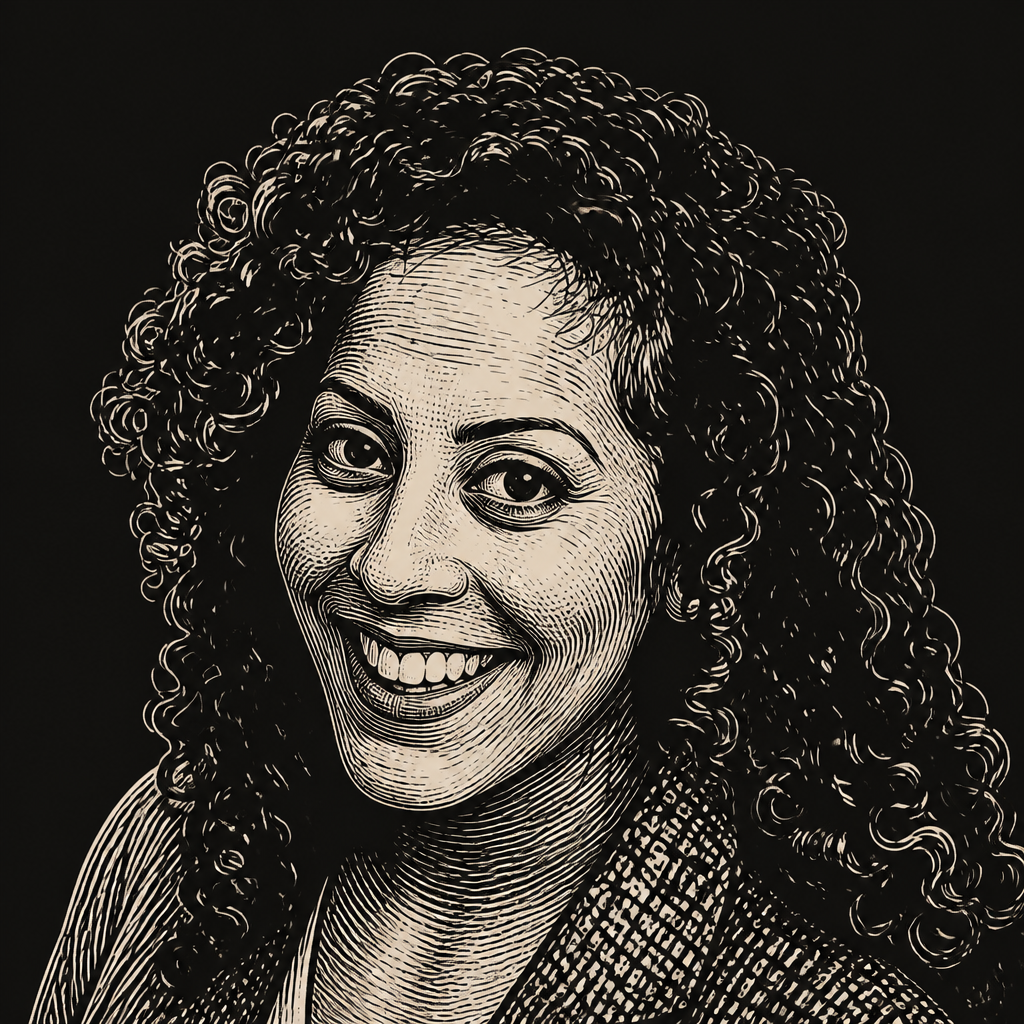
Outbreaks almost always come with information outbreaks, she said. The word “twindemic” was widely used during COVID to describe simultaneous respiratory viruses, but she applied the concept to the pairing of biological outbreaks with misinformation, disinformation, rumor, and distrust. In her view, communication is too often treated as an afterthought: officials assume the expertise and recommendations will be enough, or that leaders will align around timely, trustworthy messaging. The pandemic showed that assumption to be false.
The health of the information ecosystem can accelerate the biological consequences of an outbreak, she said, and make them worse. If public health authorities do not explain an outbreak properly, they will not have the public’s trust when they need to prepare people for what comes next. Recent responses to hantavirus and Ebola gave her what she described as a post-COVID test run of public willingness to comply with or accept outbreak management. She saw a legitimate traumatic response, but also deep distrust and obstinance toward public health messaging.
Engineered biology would likely intensify that problem. A natural outbreak can be framed as bad luck; an engineered one is someone’s deliberate act. Rivera said that would make the trust problem “much more difficult.” Claims that an outbreak was intentionally created, aimed at a particular group, designed for a government purpose, or animated by some spiritual force are already predictable features of misinformation playbooks. If biological research and AI collide in ways that make deliberate events more plausible, she expects the claims to become wilder and fears to grow.
She also tied this to what she called pandemic “misremembering” and revisionist history. Claims about COVID’s origins, who financed relevant research, and whether the virus could have arisen naturally have created a narrative that she said is playing out in Congress. In that environment, many people already assume the worst of government and science, partly as a trauma response to the pandemic and partly because political actors seek someone to blame.
Her prescription was not simply “better messaging” after decisions are made. She called for funding and professionalizing public health communication as a core competency. The COVID Tracking Project, where she worked, became her central example. She said it had to exist because of federalism and because the CDC at the time could not make sense of highly complicated, state-by-state data fast enough. An 800-person volunteer organization went to each state separately, extracted data, encouraged standardization, and turned that data into dashboards that local journalists, community organizers, and policy stakeholders could use.
Adamson underscored the point from her own experience: she said she used those datasets as inputs into models advising the president because they were the highest-quality, most recent data available, and they were not available from CDC.
Rivera described that work as “sensemaking.” It was not just data collection; it was turning fragmented inputs into usable tools for public decisions and public behavior. That, she said, is a learned skill. Public health systems spend billions on research and development but often fail to spend even “a single dollar on a comms plan” capable of turning interventions into something people will believe and adopt.
“A vaccine doesn’t save a life, a vaccination does,” Rivera said. “And the difference between those two is a message.”
For Rivera, the next Operation Warp Speed would need a communications infrastructure built alongside the scientific one. It would need trained communicators, trusted messengers, curriculum in public health and medical education, and a culture that treats science communication as a serious field rather than a side task for a press office. She said the CDC has tried to communicate well but has been constrained and sometimes silenced by politics. That is why she argued for a broader workforce of communicators, not a single institutional voice expected to carry the whole burden.
Her view of training was practical. Medical students and future public health leaders need classes and curriculum, but not merely lessons in simplifying complicated information. Science communication requires understanding the psychology of science, the underlying biology, and how to turn knowledge into tools people can use. It also requires practice in writing, storytelling, and making scientific work accessible beyond peer-reviewed journals.
Jha added that the most important communication skill may be listening. Public health spends too much time refining the supply of information, he said, and too little time understanding demand: what people are hungry for, what they are worried about, what they are trying to decide. He connected that to clinical training. Medical students are taught not to interrupt patients and not to give advice before listening. Public health communication requires the same discipline.
Rivera extended that point by warning against defining science communication as reactive debunking. Debunking misinformation matters, but the work also includes proactive “information inoculation”: preparing people to be more resilient to harmful information before the crisis arrives. That depends on knowing where the questions, fears, and information gaps already are.
Federalism turns one national outbreak into many local ones
Jessica Rivera located a major U.S. preparedness failure in the constitutional structure of public health. Federal agencies, she said, cannot compel states to standardize data or adopt uniform approaches. Public health is a state issue, which means that a national outbreak becomes, operationally, many outbreaks.
During COVID-19, she said, “there were 50 different outbreaks.” States with different resources experienced them very differently. California, where she lives, could not be compared with Arkansas or Mississippi in data reporting capacity, communication management, message alignment, or vaccination campaigns. That unevenness is not incidental; it is built into the system.
The COVID Tracking Project existed, in her telling, because federalism left no single national source able to produce timely, standardized data. Volunteers had to gather information state by state and normalize it enough to be useful. The same fragmentation affected messaging and implementation. If states experience outbreaks differently, national communication cannot simply be broadcast uniformly and expected to work. Preparedness has to think locally from the beginning.
Rivera did not offer an easy fix. She said she does not think the problem will be solved unless the country changes federalism constitutionally as the way it manages public health. Short of that, the implication is to build local capacity deliberately: local messaging, local messengers, local data interpretation, and local implementation strategies.
That local focus does not mean ignoring national or global coordination. It means recognizing that the last mile of a response is not a slogan. A vaccine allocation plan, a testing protocol, a data dashboard, or a public health recommendation becomes operational only when state and local systems can implement it and when communities understand why it matters.
A biological attack would still be fought with public health tools
John Nkengasong accepted that the political and defense implications would be larger in a human-made event, but he argued that the core response capabilities would remain the same. Whether a pathogen is natural or engineered, responders still need to diagnose it, understand who is affected, identify clinical symptoms, assess treatment options, and deploy epidemiological tools. The basic questions do not change: who is sick, how are they affected, how does it spread, what can be done clinically, and what can be done in the community?
The coordination, however, changes. A deliberate event becomes more political and more defense-oriented. Public health may be pushed into a back-end role. But Nkengasong added that even natural outbreaks quickly become political when they reach sufficient scale. COVID was not run purely as a health issue anywhere, he said; it was managed at the highest political levels across the world because it became an economic threat and a national security threat.
He distinguished health security from national security, but said large outbreaks can become both. A human-made event would magnify the political implications rather than replace the public health work. That distinction matters because if preparedness is built only around intelligence and defense, the response may neglect the on-the-ground systems that determine whether cases are found, contacts traced, clinical care delivered, and communities engaged.
? ashish-jha said much of what can be said publicly about state and non-state activity in engineered biology comes through the intelligence community, and that the intelligence community is doing substantial work to understand what such actors are building. But catching “mischief” before disaster is only one part of the agenda.
The response also requires global detection, planning for non-pharmaceutical interventions, rapid monoclonal antibodies or other short-term therapeutics to bridge until vaccines become available, vaccine confidence, and the communications infrastructure Rivera described. Jha said the Biden White House tried to lay out and invest in that agenda, but those efforts need ongoing work. “That ongoing work is not happening right now,” he said, so other places will have to carry some of it.
The engineered-threat scenario therefore did not lead Jha away from public health. It broadened the institutions involved. Intelligence may help identify intent or activity. Defense may continue investing in countermeasures. But the response still comes down to whether public health systems can detect the pathogen, communicate uncertainty, deploy interventions people will accept, and maintain enough trust to keep communities engaged.
Trust has to be built before the emergency
John Nkengasong said the best time to build trusted voices is “peace time,” when there is no outbreak. Once an outbreak starts, the opening phase is chaotic. People ask what is happening, whether it will affect them, and whether they will die. In that atmosphere, “any information is some information.” If credible voices have already been identified and trusted, they can be leveraged when the emergency arrives.
Jessica Rivera made humility central to early outbreak communication, especially in a scenario involving a novel or engineered threat where experts may know very little. Jeremy Faust asked how officials should communicate when online influencers are certain and the scientific community is not. Rivera said the answer is not to match the confidence of “armchair experts.” It is to practice saying what is known and what is not known.
Scientists, she said, often squirm when talking about uncertainty. But acknowledging uncertainty is trust-building. In an emerging situation, no one can know everything about origin, pathogenicity, mortality, or trajectory. If officials pretend otherwise and then revise their statements, trust erodes. Rivera said there is “tons of data” showing that when policies, opinions, or statements shift, trust is lost. The way to preserve trust, in her view, is to invite people into the discomfort of uncertainty rather than sending them elsewhere to find certainty.
? ashish-jha connected trust to authenticity. Asked whether public health can learn anything from Donald Trump’s communication strategy, he said there are people inside the Trump administration who care about preparedness issues and that he has spent much of the previous 16 months speaking and working with some of them, often quietly because they do not want to be publicly associated with “Biden’s COVID guy.” He argued that engagement with people trying to do good work inside government remains necessary.
On Trump’s communication style, Jha said he is not a supporter of the president or his policies, but that Trump comes across to his supporters as “incredibly authentic.” In a fragmented information environment where people struggle to make sense of the information explosion, authenticity matters enormously. Jha argued that authenticity can be paired with scientific rigor and honest communication. For many Americans, he said, Trump has authenticity, and public health should understand the lesson even if it rejects the politics.
Rivera answered the same question by looking for common ground. She said there are opportunities to make outbreak prevention less “flaming red and cobalt blue.” Not long ago, she said, preventing illness in children and reducing collective harm from emerging infectious diseases were “extremely purple” issues, not radical ones. She pointed to messaging around health security as national security, including the argument that cuts to global vaccination efforts can affect Americans, American security, and troops overseas. Those messages, she said, have resonated on Capitol Hill in debates over reinvesting in Gavi and resisting cuts to global vaccines.
? janusz-kaleta asked what ordinary people can do with the tools in their pockets to monitor signals, detect early clusters, and connect as citizens. Jha said bad information thrives in information vacuums. Everyone has some obligation to spread good information, though not everyone needs to appear on television or social media. He paired that with listening and engagement across information bubbles.
The information landscape, Jha said, is fragmented and broken, and “there is no solution coming” from algorithms that increasingly drive people into bubbles. His individual advice was for people to commit to talking with those outside their bubbles, listening, and sharing good information.
Rivera added that open-source information and media monitoring can produce important signals, but those signals need to be connected to epidemiological data. She said she worked 20 years ago on a project using open-source clues to identify early signs of emerging threats. The problem is that systems remain siloed. Communicators, epidemiologists, data scientists, and biostatisticians need to be connected if the system is to see the whole picture.