Art Is Moving From Amenity to Measurable Health Intervention
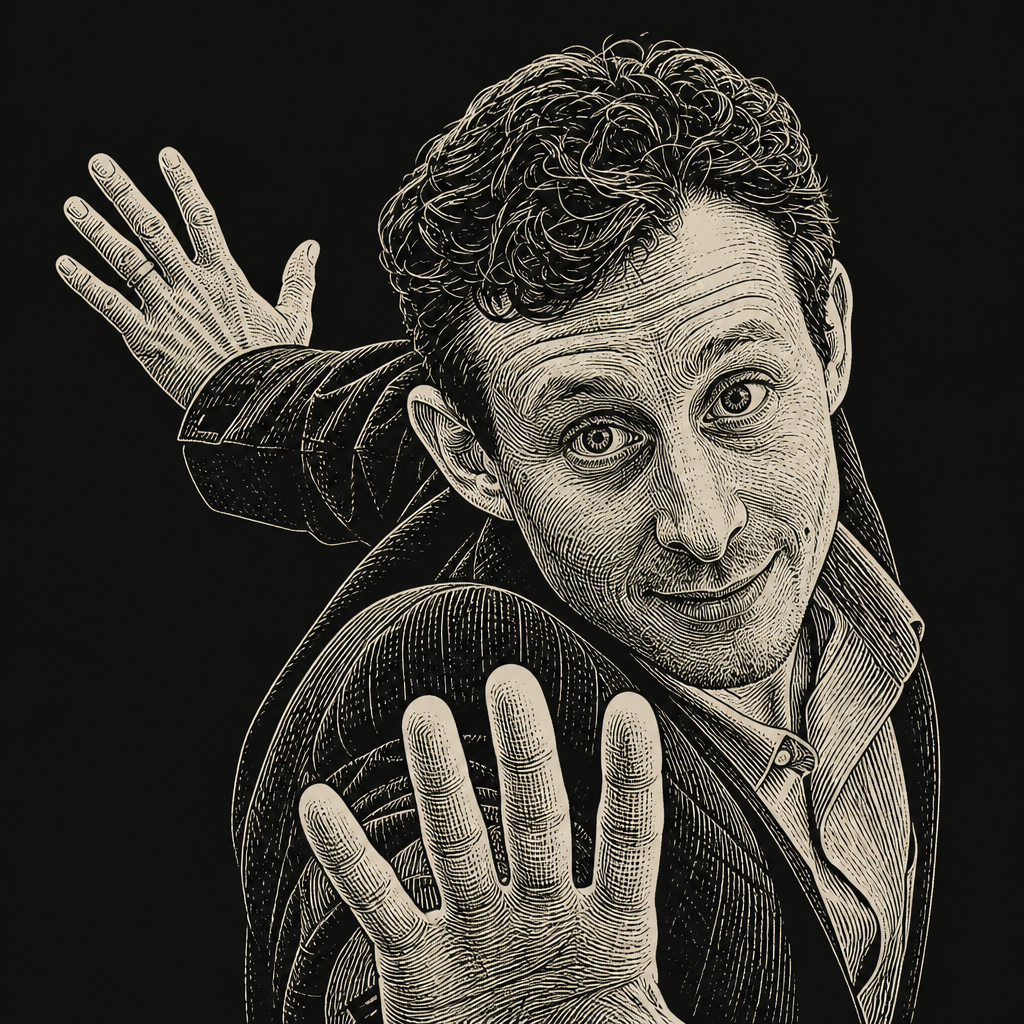
 Jeremy Faust
 David Leventhal
 Alexis CarielloCindy
 Tiffany Ortiz
 Jane GoldenThe Aspen InstituteWednesday, June 24, 202621 min read
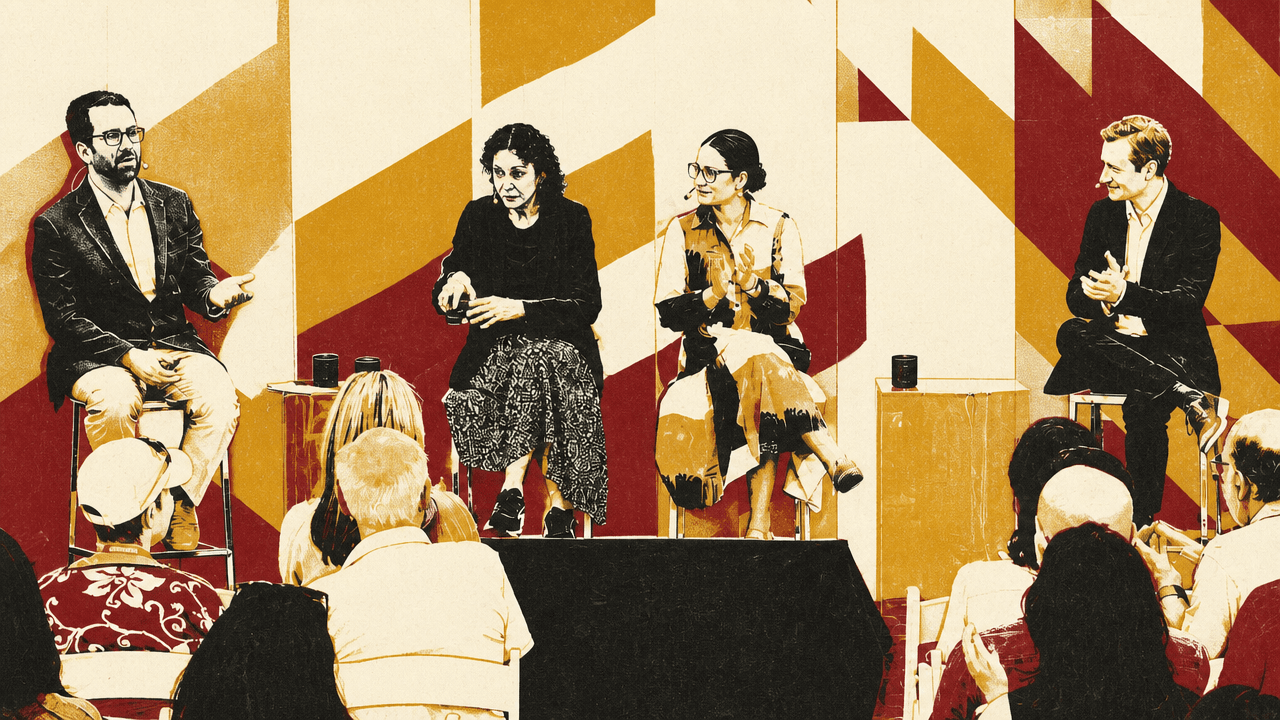
At Aspen Ideas: Health, Jeremy Faust, Jane Golden, Tiffany Ortiz, and David Leventhal made the case that art is increasingly being treated as a health intervention rather than a cultural amenity. Drawing on mural-making in behavioral health, lullaby-writing for stressed parents, and dance for people with Parkinson’s, they argued that artistic practice can change movement, bonding, stress regulation, identity, and community ownership. The discussion also turned on evidence: how to measure these effects rigorously enough for clinicians, insurers, funders, and public systems without reducing the work to a simple dose or stripping it of meaning.
Art is being treated less as an amenity than as a health intervention
Specific artistic practices — dance, music, mural-making — were described as ways to change how people move, bond, regulate stress, recover identity, and organize community life. Jane Golden defined “neuroarts” as the relationship between the brain and “our ability to create, to make a mark, and to feel differently in some way.” The term mattered less as branding than as a claim about connection: art is not only an experience adjacent to health; in these models, it becomes part of how health changes are pursued.
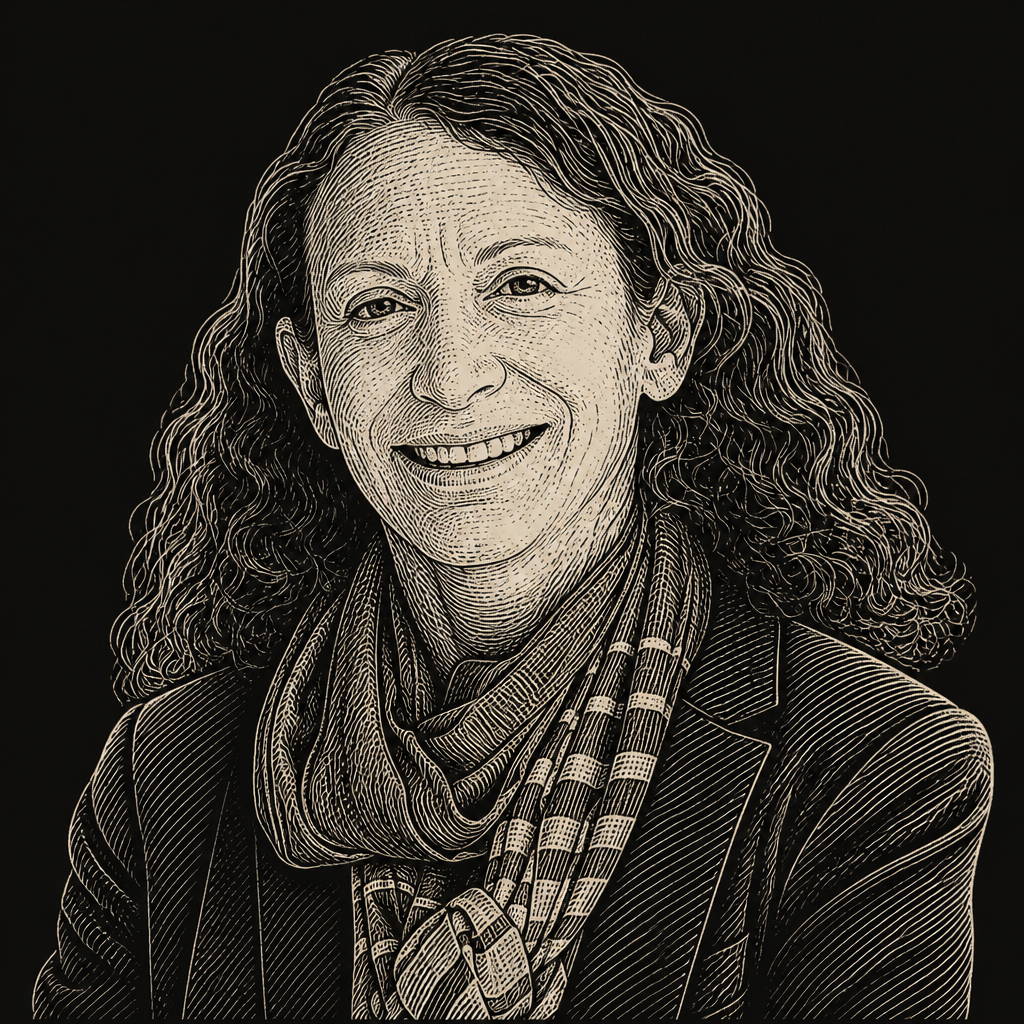
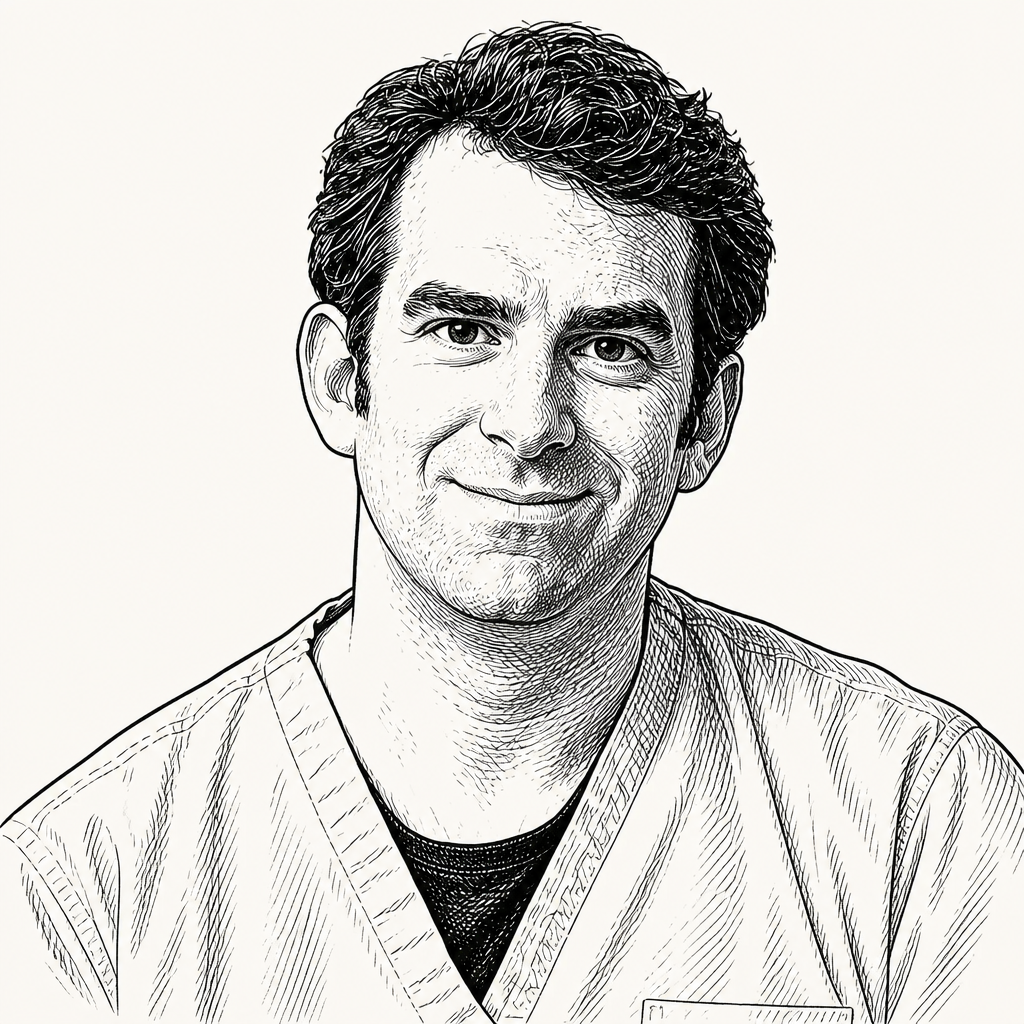
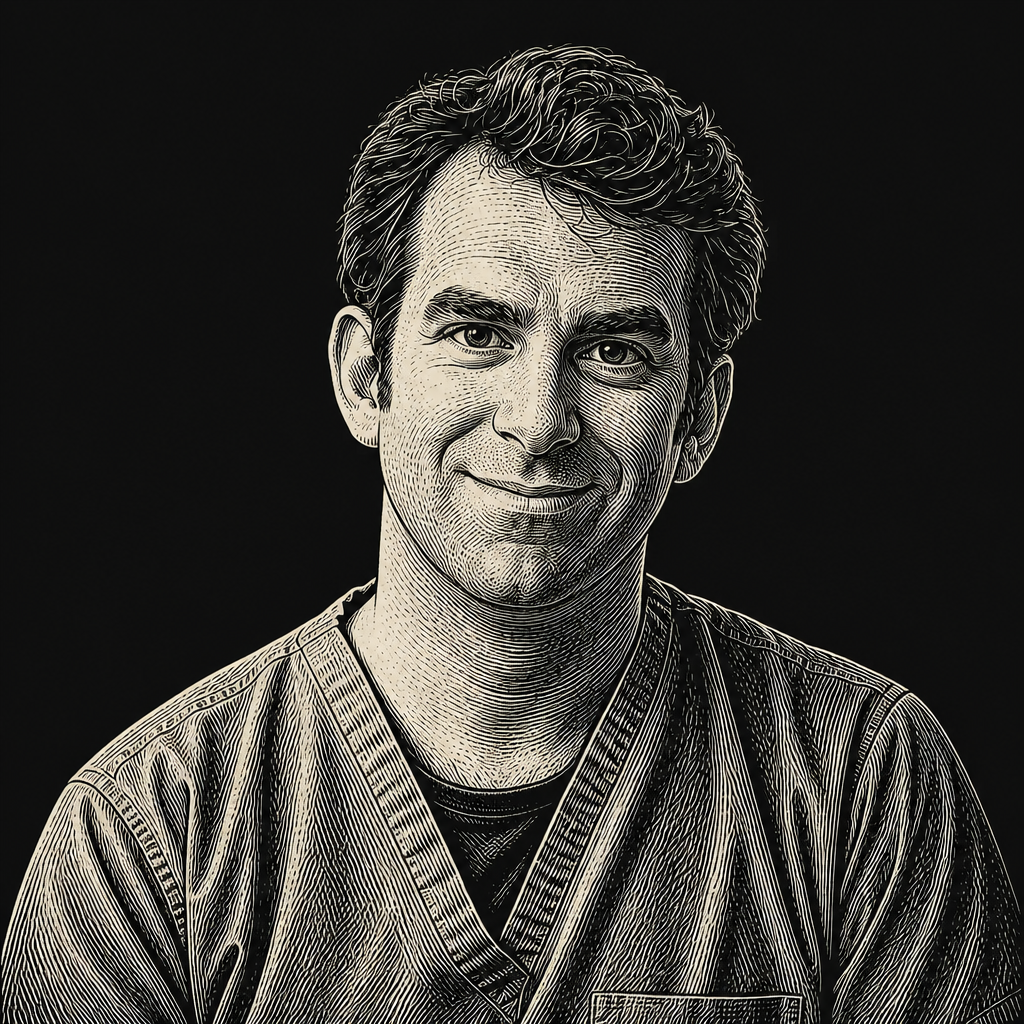
Jeremy Faust, an emergency physician, writer, and musician, opened with a clinical story that made the point at a small scale. About a decade earlier, he said, he treated a man being admitted for a complication related to Parkinson’s disease. The man was struggling to speak; his words were low, garbled, and hard to release. Faust had learned from his own voice teacher, Catherine Krasovec, to move resonance forward and create more space in the mouth — a technique she called “angry bunny.” He asked the patient to show his teeth and then say anything. The man responded, “Hello. Hi. Oh, that’s fantastic.” Faust’s point was not that a vocal exercise cured a disease. It was that an artistic technique, learned in the context of singing, entered a medical encounter and changed what the patient could do in that moment.
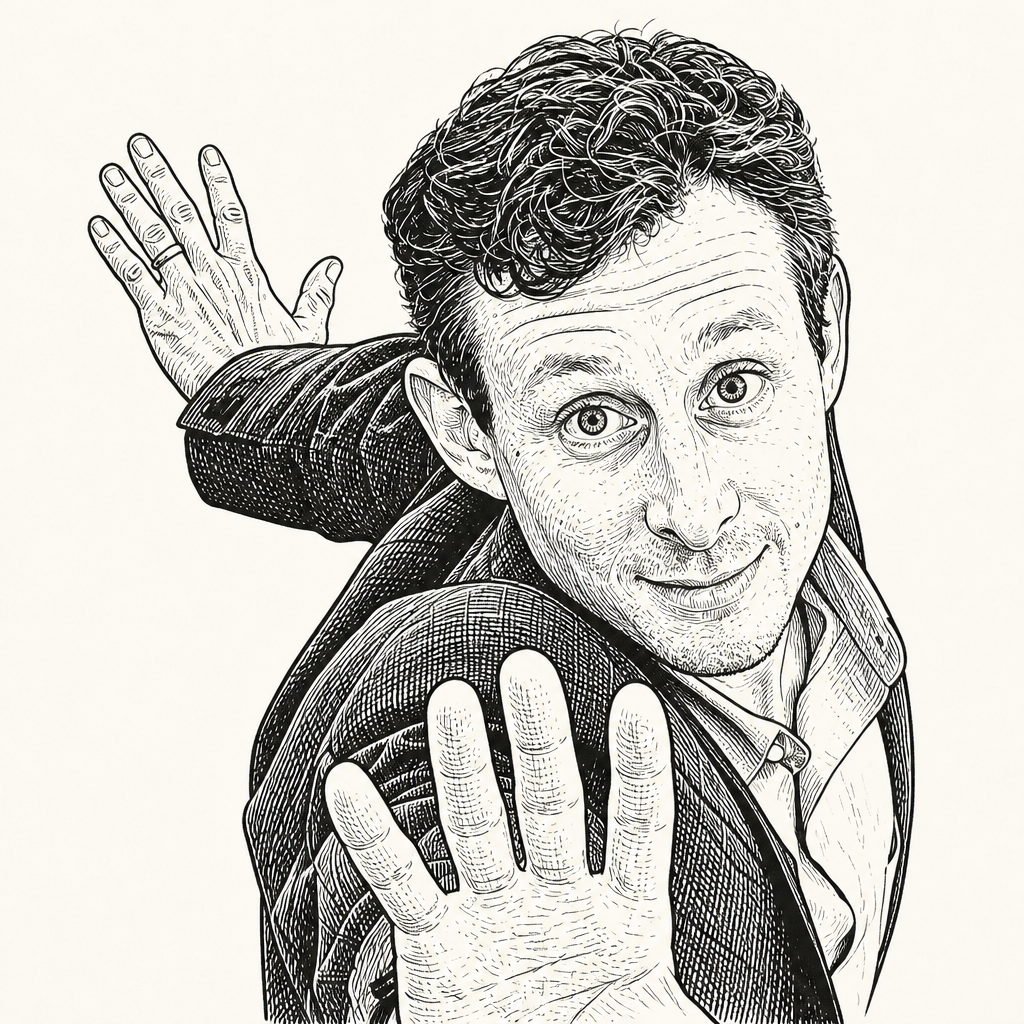
The three practitioners on stage work at larger scales. David Leventhal teaches, designs, and trains teachers to bring dance to people living with Parkinson’s disease through Dance for PD. Tiffany Ortiz directs early childhood programming at Carnegie Hall, with a focus on music as a tool for human development, creativity, caregiving, and family connection. Golden leads Mural Arts Philadelphia, a community-based public art program that works across restorative justice, behavioral health, community development, and education.
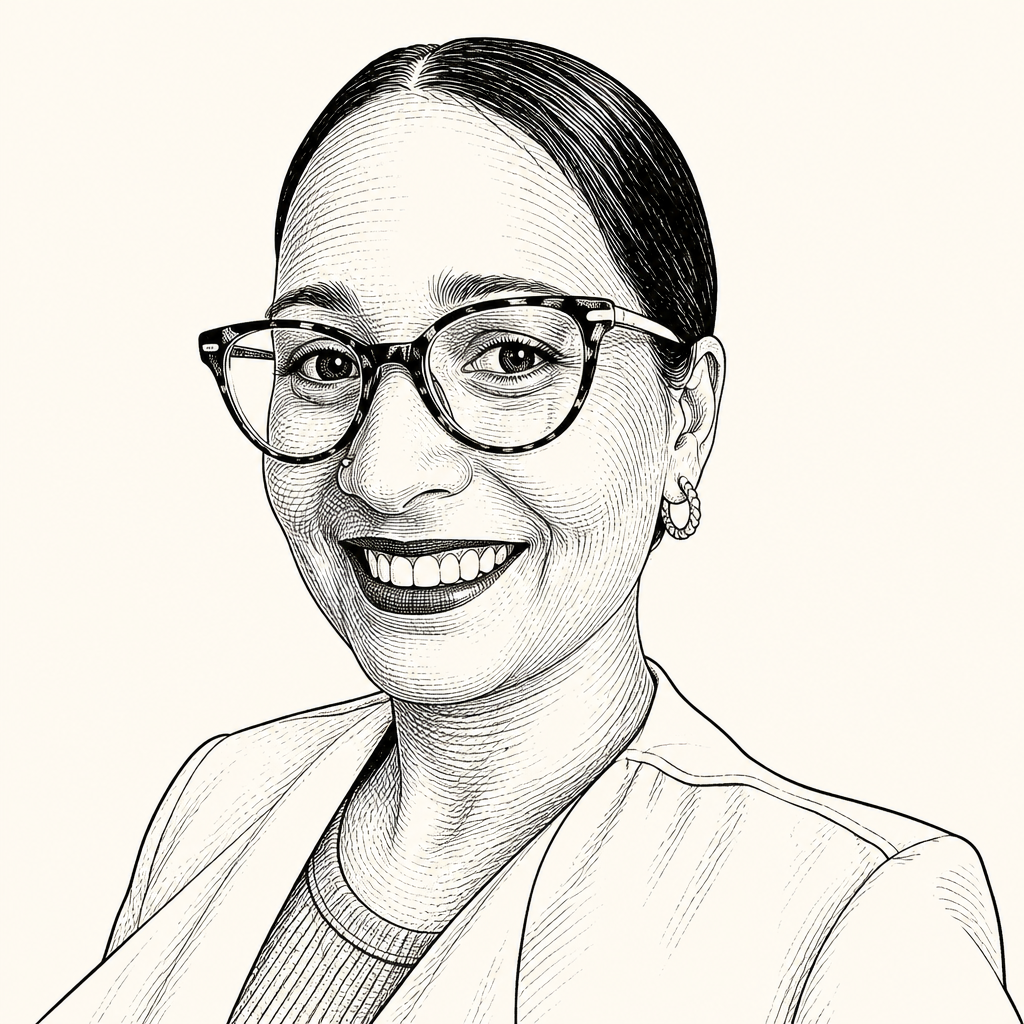
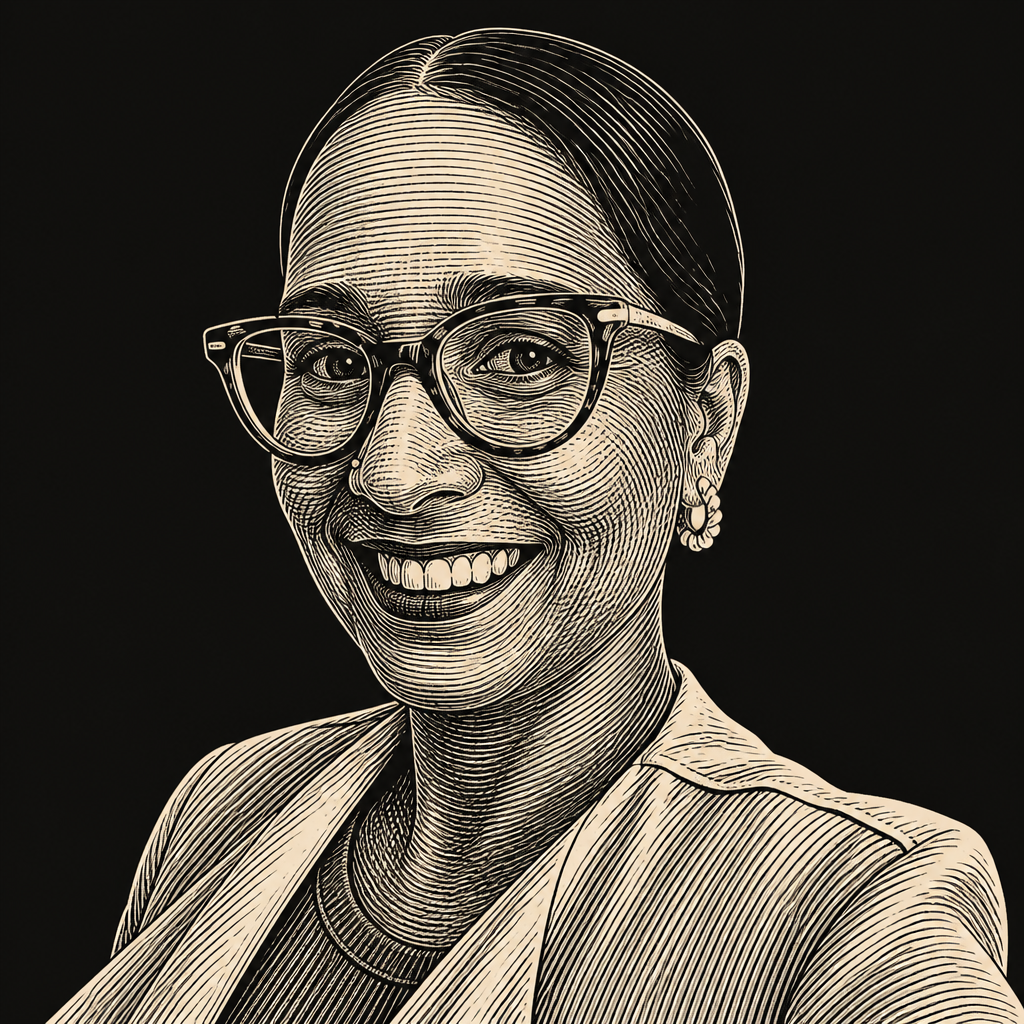
Golden’s premise was the broadest civic claim: art should not belong only in galleries and museums. “Everyone everywhere should have access to art,” she said. Her organization’s work is built on the idea that art can “permeate its way into people’s lives” and operate in places where conventional systems have stalled.
Faust repeatedly returned to the counterfactual: what would these environments and encounters look like without the artistic intervention? A blank wall, a stigmatized clinic, a prison unit, a family in distress, a person with Parkinson’s stuck in a medicalized identity. The examples offered a consistent change in role: patient into dancer, parent into songwriter, person in recovery into collaborator, neighborhood resident into co-owner of public space.
Mural-making becomes behavioral health work when the process builds ownership
Jane Golden described Mural Arts Philadelphia as both visible infrastructure and social process. The organization has created 4,445 murals, she said — indoor and outdoor, large and small, distributed throughout the city. But the examples that mattered most were not murals as objects. They were murals as the endpoint of collective work among people facing substance use disorder, housing insecurity, trauma, PTSD, incarceration, immigration stress, suicide loss, and community violence.
The clearest model was Porch Light, Mural Arts Philadelphia’s partnership with the Department of Behavioral Health. Golden traced it to a behavioral health commissioner who recognized that official outreach often failed at the front door. When workers arrived in neighborhoods saying, “Hi, we’re from DBH. We’re here to help you,” residents frequently rejected them because they had received either no services or bad services. After hearing Golden speak, the commissioner asked to work with Mural Arts and assigned the organization complicated situations.
Golden was careful about the boundary: “We’re not art therapists.” But she said that in partnership with therapists and clinicians, the program found it could change what people were willing to say, ask for, and join. The first assignment was a methadone clinic in North Philadelphia where the relationship between the clinic and neighborhood was hostile. Mural Arts took over the basement and turned it into an artist studio. People began coming before group therapy. Therapists told Golden’s team they were “onto something.” A small grant allowed Yale Medical School to evaluate the work, and Golden said the data was “really promising.” That led to a large mural on the building’s side, structured paint days with clinic participants and neighborhood residents, and eventually, according to Golden, a Robert Wood Johnson Foundation local partnership grant that helped establish Porch Light.
The name mattered to Golden: a porch light is “luminous and warm and welcoming.” Porch Light now works with people struggling with substance use disorder, housing insecurity, mental health issues, trauma, and related challenges.
The images made the work concrete. One mural showed a colorful multi-story scene of community life on the side of a brick building. Another, with the words “VISIBLE” and “ONE,” placed an open hand beside community members. A large “RISE” mural appeared in the skyline at sunset, visible, Golden said, from the Amtrak train. She described herself as a “wall hunter,” always thinking about visibility and where a mural will be encountered.
Her account of “Rise and Shine” emphasized participation. Hundreds of people worked on it, each making a square. Some were people whose lives, she said, felt closed in. She connected that condition to a former commissioner’s language: people feeling surrounded by darkness without a path to light. For Golden, this is where conventional interventions falter.
When it comes to sort of intractable, complex problems that cities face, our traditional interventions fail us. And so we have to hold on to the arts and creativity to crack the code.
The murals also became occasions for people to reconsider what they could do next. Golden described “Resilience,” in Kensington, a part of Philadelphia she said had been decimated by the heroin and opioid crisis. The mural was created collaboratively with people who were struggling, and at its dedication some told her that the intensive process of working together had led them to consider recovery.
Another mural, made with veterans experiencing PTSD, was about “finding home,” which Golden defined as finding the light within oneself. In the image, camouflage appeared in the bushes around a waterfall and foliage. Golden said the social service agency connected to the project felt warm, welcoming, and important to participants.
The Porch Light work extends into employment. Color Me Back, Mural Arts Philadelphia’s same-day work program, emerged when homelessness rose in the city and Golden’s team looked at same-day work programs elsewhere. Those programs, she said, often centered on picking up litter. Her response was, “We can do better. We could have it around public art making.” When the city was initially uninterested, Mural Arts got a grant and proceeded. Since April 2019, Golden said, Color Me Back has worked with 2,500 people and distributes about $150,000 in wages each year. The program includes social services, trainings, low-barrier employment, and a pathway to other jobs or continued work with Mural Arts.
Golden’s examples widened from behavioral health to immigration and violence prevention. In Northeast Philadelphia, Mural Arts worked with women from Syria, Iraq, Afghanistan, and more recently Ukraine on a mural at a site with social service agencies serving immigrant populations. In South Philadelphia, its Southeast by Southeast program works with people from Mexico and Southeast Asia. The Northeast mural was shown stretching along a low wall under a double rainbow, with portraits, landscapes, and floral elements. Golden described it as a beacon during a difficult period for immigrant communities.
A Peace Park project involved artists who melt down guns and turn them into benches, furniture, and jewelry. The park sits in an area with substantial violence, next to a faith-based organization. Golden framed it as reclaiming space: murals, in her view, create both individual and communal impact.
One of the most charged examples involved suicide. Mural Arts had created a mural with people experiencing suicidal ideation and people who had lost loved ones to suicide. When developers planned to build in front of it, Golden’s team fought the plan at zoning hearings and brought hundreds of people. The developers eventually settled for $100,000, which funded a new eight-story mural on the side of St. Christopher’s Hospital. Golden said the project brought together hundreds of people and produced a community that continued doing advocacy work after the mural was completed. Some projects remain connected to Mural Arts, she said; others grow on their own. She called the work “generative.”
Faust’s response was to imagine the absence of the murals. Without them, he said, the spaces would be blank or worse. People who walk by an image of someone moving from a neighborhood into a future role — he mentioned a mural that seemed to show a person becoming a scientist — encounter a role model every day. The built environment, like music, cues attention and self-conception. “We comport ourselves by our surroundings,” he said.
A lullaby can restore the parent as a creator, not just a patient or caregiver under stress
Tiffany Ortiz said Carnegie Hall’s Lullaby Project began from a healthcare request. About 15 years earlier, healthcare staff working with young teenage mothers experiencing high stress approached Carnegie Hall. The stress, Ortiz said, was affecting those mothers’ ability to bond and connect with their babies. The question was what music might do collectively to support them.
The Lullaby Project invites families, caregivers, and parents to write bespoke lullabies for their children. Those songs can express hopes, dreams, wishes, culture, wisdom, and language. Ortiz described the musicians in the program as “musical doulas” because they center the parents and help usher the song into being. The program uses infant-directed singing to support bonding, reduce stress, and improve family wellbeing.
Ortiz placed this work in a wider public health frame. In 2024, she said, parental mental health and wellbeing were declared a national health crisis needing collective support. Carnegie Hall, as a cultural institution, is “leaning into this” by considering music’s role in that support. Ortiz said the project has shown impact across healthcare and social service organizations, prisons, and refugee camps. More than 70 organizations around the world now adapt the model to their own families and communities.
The most concrete testimony came from Alexis Cariello, a parent who participated at a maternal mental health clinic in New York City. In a Carnegie Hall video, Alexis described pregnancy as a period of illness, anxiety, and depression. She could not believe she was not feeling what she thought a “normal expectant parent” felt and concluded that something must be wrong with her.
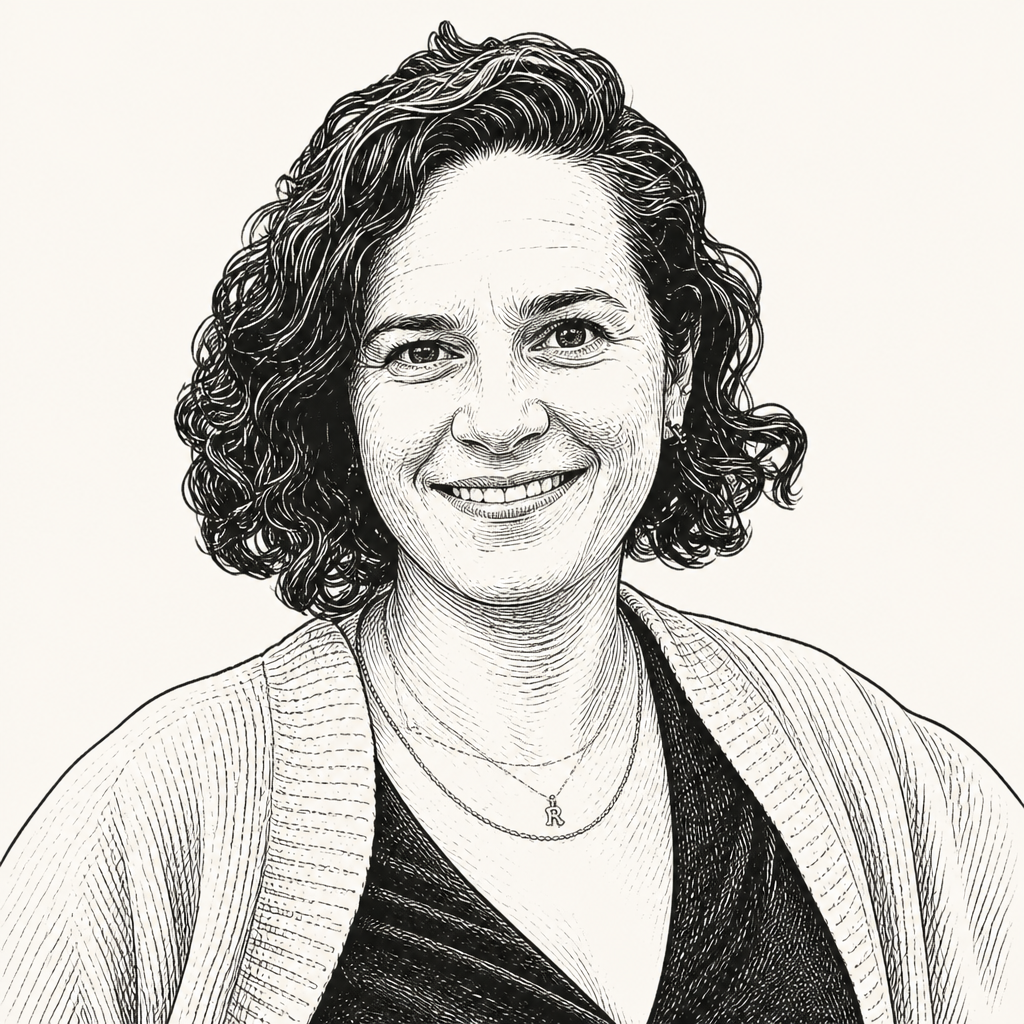
The songwriting session changed that experience. Working with John and Eleni, she said, restored her creativity and her sense of self. She was treated not only as a soon-to-be parent but as a co-creator and, “most of all,” as herself. She and her husband played the song every night to Nico through her belly; she whispered the lyrics until he was born; and he has heard it every day since. It became the last part of his bedtime routine and calms him.
The refrain was simple and psychologically direct: “I trust you.” Alexis said the process gave her words to share with Nico, and even more with herself — “a deep trust in the journey of parenthood, of growing, and of creating.” The song’s lyrics, performed in the video, included: “I trust you, you know what to do. And even if it’s dark, you have the light coming through. Always remember that you can be tender, give and receive, and lead with love.”
Ortiz described Alexis’s story as one among “many thousands” that have come through the program. The same model, she said, can support women navigating perinatal mood and anxiety disorders, caregivers in prison trying to reconnect with children or family outside, and immigrant and refugee families seeking a safe space to share language and culture.
What Ortiz emphasized was not simply exposure to music. It was agency, meaning, connection, and the portability of song. A lullaby can be carried across places, repeated across routines, and passed generation to generation. Unlike a service appointment, it remains available to the family after the program ends.
For Parkinson’s, dance offers a different pathway to movement and identity
David Leventhal began with identity, not exercise. The core of Dance for PD is a group experience that brings people living with Parkinson’s, care partners, and families together to learn the skills, craft, and choreography a dancer would learn. For the hour or hour and a quarter they are in class, he said, they are not treated as patients or as people with Parkinson’s. They are “de-medicalized,” “destigmatized,” and welcomed as artists.
That reframing is intended to travel outside the class. Leventhal wants participants to walk through life with a reminder that their humanity, creativity, agency, and sense of control remain part of them even as Parkinson’s pulls at them and as the medical framing of the disease changes self-esteem and self-identity.
The strongest demonstration came through a documentary clip from “Capturing Grace,” featuring Cindy in her living room. Cindy described a freezing experience familiar in Parkinson’s: “my feet feel like glue and they’re stuck on the floor.” At times, she said, she cannot walk. In the clip, she was “off,” visibly shaking, and had difficulty walking. But when she pretended she was dancing, her movement changed.
What happens to me when my feet feel like glue and they’re stuck on the floor, I sometimes cannot walk but I can dance.
Cindy explained that “the music leads.” It was not, in her experience, her brain commanding each step. Music became a leader she could follow — “so mysterious and has such a lovely sound” — taking her to another place. Asked what that place was, she described weightlessness: the body flies, no longer tugging, pulling, pushing, or becoming a heavy knot.
Faust, as a physician, underscored the neurological significance as he understood it. Parkinson’s is progressive, and walking generally does not simply come back. Yet dance appears to open a different route. “You can teach someone to walk through dance,” he said, because the brain stores and runs different programs. He drew an analogy to language and memory: in emergency medicine, clinicians often assess cognition by asking a patient’s name, the date, location, and the president. He recalled a patient who could not answer much but responded sharply, with profanity, when asked who the president was. Faust inferred that the answer carried emotional salience, making the information more available. His question was whether emotion attached to facts or movements might unlock access elsewhere.
Leventhal connected that directly to neuroplasticity. One studied element, he said, is salience: whether something is emotionally relevant to the person. In all three programs, he argued, artistic experiences place salience at the center. Parents are not merely writing “something for therapy”; they are making songs that resonate. Communities are painting issues that matter to them. People with Parkinson’s are connecting music, body, story, and community.
For Leventhal, dance is unusually well suited to Parkinson’s because the disease affects the whole person. It changes motor skills, mood, social connection, sense of self, and cognitive health. A “full spectrum challenge” requires a “full spectrum response.” Dance, he said, fits Parkinson’s “like a glove.” If someone built a modality in a lab to address the motor and non-motor elements of Parkinson’s, it would look a lot like dance: balance, coordination, musicality, storytelling, expressivity, creativity, and connection. The specific form matters less than the shared DNA. Hula, ballet, jazz, or dancing in a living room can all support the journey, in his account.
The evidence case is growing, and so is the argument over what counts
Jeremy Faust pushed the discussion toward evidence, saying Aspen Ideas: Health was rooted in science, knowledge, data, and something concrete. The question was not only whether the work felt compelling, but what researchers, clinicians, funders, and public systems could reasonably say about its effects.
For Tiffany Ortiz, the music evidence begins with early development and the family ecosystem. Carnegie Hall’s “Why Making Music Matters Now,” she said, frames music as crucial in early childhood and as a “low-cost, high-impact, and very scalable” form of art making. The research interests she named were practical: early development, chronic stress reduction, caregiver wellbeing, and bonding.
Ortiz connected that to the brain’s earliest years. The brain between ages zero and three, she said, is the most neuroplastic, with about 80% of brain development occurring then. Introducing music and art in those early years can support social-emotional regulation, motor development, and family connection, in her account. The family, in her framing, is an ecosystem, and art can be cultivated across that ecosystem. She invited the audience to consider how many people remember a song from childhood: such songs remain emotionally available long after the moment of first hearing.
Carnegie Hall has also evaluated the Lullaby Project’s effect on parental wellbeing, Ortiz said, using Seligman’s positive wellbeing framework: positive emotion, agency, meaning-making, and connection to others before and after the lullaby experience. She reported “marked differences” in how families experience music before and after the program.
The ongoing research is moving beyond qualitative testimony. Ortiz said Carnegie Hall is working with the University of Amsterdam on experiential music concerts for babies and toddlers from zero to two. Those children are treated as the “missing cast members” of the shows. The research is looking not only at qualitative impacts but also at quantitative measures, including biomarkers, to understand effects on the body, stress, and bonding.
David Leventhal described dance for Parkinson’s as an evidence field with multiple outcome categories. Dance is partly exercise: strength, balance, coordination, and physical training. But it is also expression, creativity, cognitive patterning, sequencing, and musicality. Research, in his view, has to measure the spectrum rather than reduce dance to one ingredient.
On the motor side, Leventhal said there is strong support and evidence for gait improvement, balance improvement, reduction of tremor, and increased functional mobility — changes one might expect from serious dance training. On the non-motor side, he said research has reported reductions in depression, increases in quality of life, and gains in cognitive functions including executive function and episodic memory.
He highlighted a Toronto study from the previous summer that tracked participants over eight months of Dance for PD activity, comparing self-reported depression scales with brain imaging. According to Leventhal, the study found that overstimulation of a part of the brain partly responsible for depression was reduced over that period — a suggestive connection between what participants reported and what appeared to be happening in the brain.
The cognitive claims were tied to daily function. In Parkinson’s, automaticity becomes less reliable. Ordinary life depends on remembered patterns: standing from a chair, walking across a room, navigating to the bathroom at night. Leventhal said dance sequencing can support the re-establishment of patterning and episodic memory, not only for performance but for life navigation.
Dance for PD is now studying mechanisms, not just outcomes. With support from the Laurie M. Tisch Illumination Fund, Leventhal said the program is beginning fMRI research before and after a 12-week dance intervention to examine what changes in the brain. A major interest is music’s role: musical entrainment and integration. Music, he said, integrates parts of the brain that do not normally communicate together, and dance is “physicalized music.”
Jane Golden described an evidence base that was more civic and community-oriented. Yale School of Medicine studied the Porch Light program over four years, and Golden said the findings showed interesting changes more in the community than in individuals. A later evaluation looked at individual impact. More recently, the scholar Anjan Chatterjee and his team spent four years studying murals, including their impact on wellness and how people feel — awe, inspiration, joy — not only whether murals make a neighborhood look better.
Golden also described research into murals and crime reduction. A colleague looked at 500 murals in Philadelphia and, she said, found crime going down in those areas. She immediately resisted a simplistic causal story. “Was it just the mural?” she asked. Her answer was no: the mural is not isolated. It sits inside the community-building, needs assessment, city-resource coordination, and ownership that surround each project. That “mountain of activity” is part of what she thinks produces the effect.
The question of measurement introduced a productive tension. Leventhal argued that research is needed not only to highlight good work but to help arts-and-health programs scale from “nice to have” adjuncts into rigorous, supported community health initiatives available across the country. Golden added that early Yale work approached art almost as a dose: how much art at social service agencies is needed before change can be seen?
Faust made the cost-effectiveness case. A new pharmaceutical molecule can cost millions of dollars, he said, while arts interventions may produce meaningful outcomes at far lower cost. A million-dollar grant would be huge for these programs; a single molecule-based treatment could cost that much for one patient. He argued that these are not “cute” ideas but cost-effective modalities that improve outcomes and draw on the full multidisciplinary capacity of a wealthy society.
Ortiz added the caution that prevents the evidence argument from becoming extractive. Research with vulnerable populations must be conducted carefully. Arts programming can create a platform for collaborative research with participants, including attention to what the work means to them and what they want for themselves and their communities. Research is one spoke, she said; stories, images, and videos also move hearts and minds and provide a fuller account of impact.
Golden offered one hard metric from Mural Arts’ reentry work: a 6% recidivism rate. Her question was why it was so low and what that should teach society about the kinds of programs it offers. “Often in our society we’re okay with mediocrity,” she said, “and it’s not okay.”
The difference between exercise and dance is meaning
David Leventhal gave the audience a short participatory demonstration to show what artistry adds to movement. He began with something that might occur in physical therapy or exercise: mobilizing wrists, turning them side to side, rotating them, stretching after sitting. Then he layered artistry onto the same movements.
First came imagery. Instead of flexing wrists, participants were asked to imagine diving into water, perhaps with hands as dolphins entering the Pacific Ocean. Then the hands offered a gift to someone nearby or across the room. A basic stretch became a reach from the Metropolitan Opera House stage to the top balcony, middle balcony, and orchestra, followed by an honoring of the audience.
Then came sequencing: the gestures became a movement sentence. Finally came music, which Leventhal called the “special sauce.” He led the room through a sequence: dip, come back, offer, reach through levels, soar, offer gratitude. The physical vocabulary remained simple. The difference was the addition of purpose, image, relationship, sequence, and sound.
For Leventhal, that two-minute exercise answered a common question: what is the difference between dance and exercise? Exercise mobilizes the body. Dance gives movement emotional connection and story. In Parkinson’s, where movement is medicine but motivation can be difficult, salience matters. The artistic layers can help move people off the couch and into a group movement experience that supports their condition and trajectory.
This also answered an audience member’s observation that all three programs relate to people by their gifts rather than their problems. Jane Golden said that is “the wonder of the work”: seeing people’s assets. She connected it to her early work with graffiti writers, whose talent and genius had gone unrecognized because society judged them harshly. They were making marks on walls and expressing themselves in compelling ways, but were seen through deficit and stigma. For Golden, seeing the “glass half full” is not just a tactic. “It’s a moral imperative.”
Leventhal named the same principle as possibility rather than limitation. The short dance he taught the audience was an excerpt from a dance by choreographer Mark Morris. Teaching people with Parkinson’s actual dances, rather than diluted therapeutic gestures, pushes away the questions of what they cannot do and says: the world is open to you.
Scaling depends on institutions, but the work has to meet people where they are
The audience pressed the speakers on system design. One question contrasted advanced AI for treatment discovery with art-based practices that are comparatively inexpensive, intuitive, and widely available. The challenge was that the medical system often moves people toward paid, expensive interventions. How can existing infrastructure steer people toward arts-based supports?
Jeremy Faust answered directly: insurance covers many things and “should absolutely cover this kind of thing.” David Leventhal said some pilots already exist. Kaiser Permanente underwrites Dance for Parkinson’s classes in San Francisco, he said. Dance for PD also has a relationship with United Healthcare to provide online classes as part of its retiree solutions portfolio, according to Leventhal. He suggested the working model may not be reimbursement to patients but insurance companies directly paying artists to facilitate programs. That, he said, is easier to scale, and the per-person cost is “incredibly affordable” compared with other treatments, especially given the evidence base.
Another question focused on barriers: how to reach single mothers, veterans, people whose basic needs are not met, and people for whom stigma or logistics make participation difficult. Tiffany Ortiz answered with an important limitation first: music will not solve hunger and shelter. But programs can meet families where they are: clinics, shelters, and other spaces families already use. Flexibility is central. A program cannot be fixed to one model if communities differ. The work may be supported by social workers, healthcare workers, teachers, or trusted community voices. For Ortiz, scaling is rooted in human relationships, not only program replication.
Jane Golden described scaling as civic work. Mural Arts Philadelphia provides manuals and information through its Research and Learning resources and has worked with cities across the United States. But she urged people not simply to “do a mural.” The goal is to assemble an artist, a funder, a community, and government into a team capable of systemic change over time.
Leventhal described Dance for PD’s scale through training. The organization has a robust teacher-training program for dance instructors anywhere in the world who want to do the work. Its model, which began in Brooklyn, is now present in 500 communities and 30 countries, he said. Scaling happens through training and partnerships among dance artists, the Parkinson’s community, and the medical community.
Ortiz said Carnegie Hall similarly shares resources at no cost, provides ongoing consultation, and supports artist training and organizational development for groups trying to bring the Lullaby Project to their own communities.
The practical pattern was repeated across the answers: insurers can pay artists directly, cultural institutions can train local partners, programs can move into clinics and shelters, and public art projects can start with a team rather than a wall. None of the speakers described scale as simple replication. The models travel only if they keep the local relationships, trust, and participant ownership that make them work.