South Texas Cities Test Blue Zones Prevention at Million-Person Scale
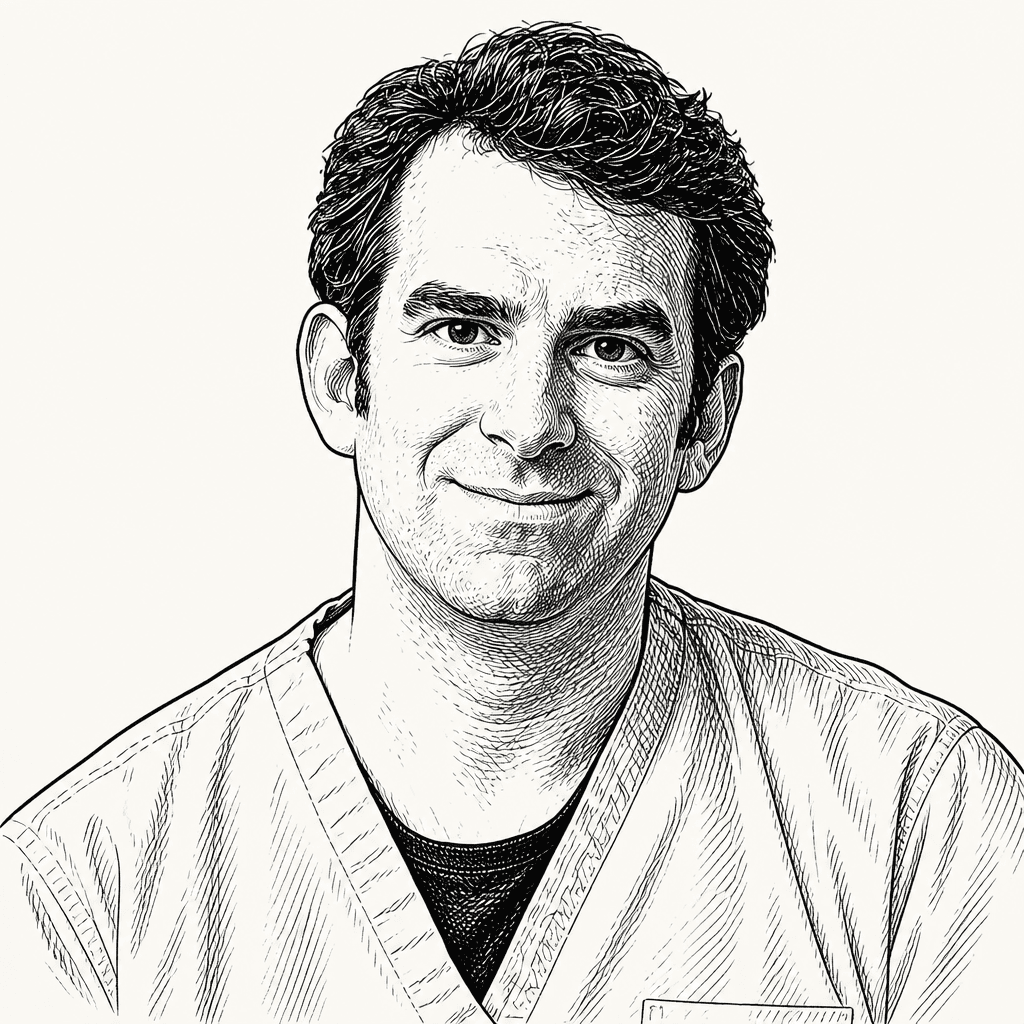 Jeremy Faust
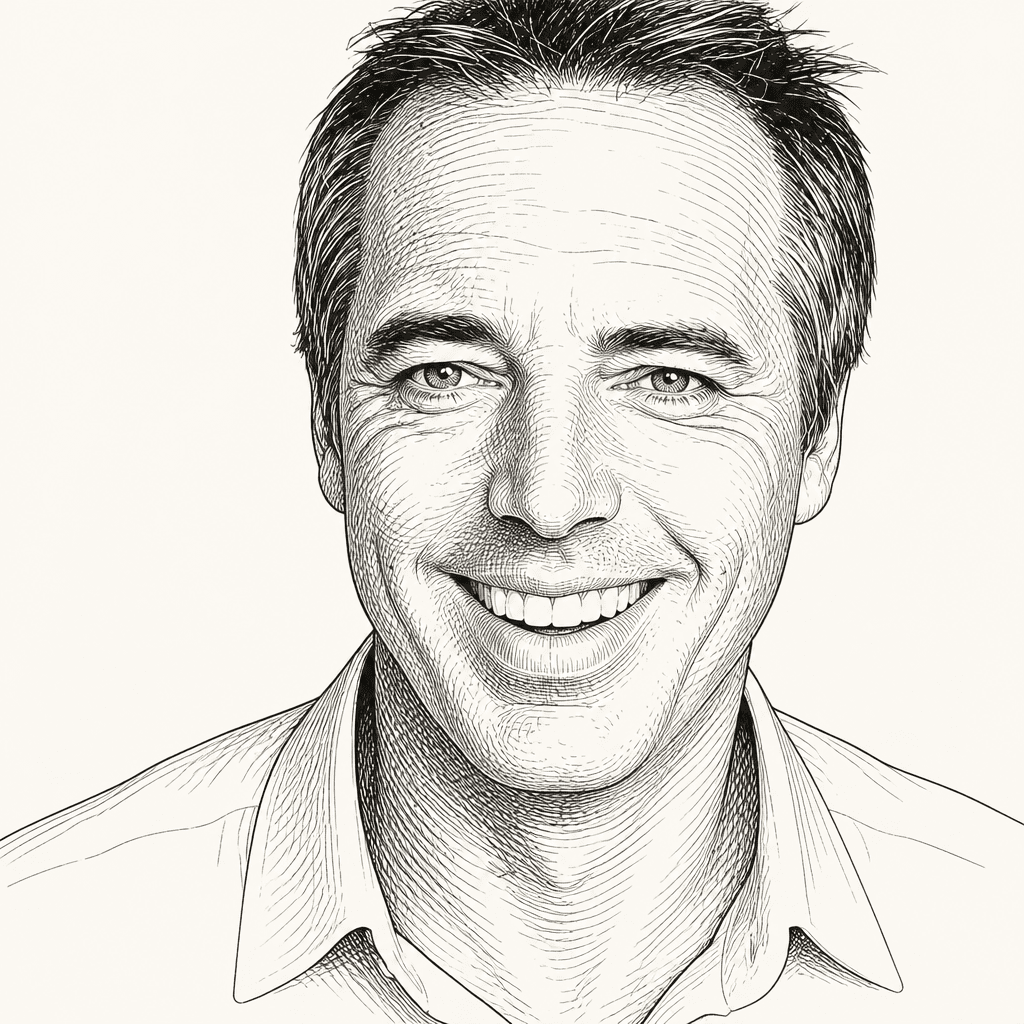 Dan Buettner
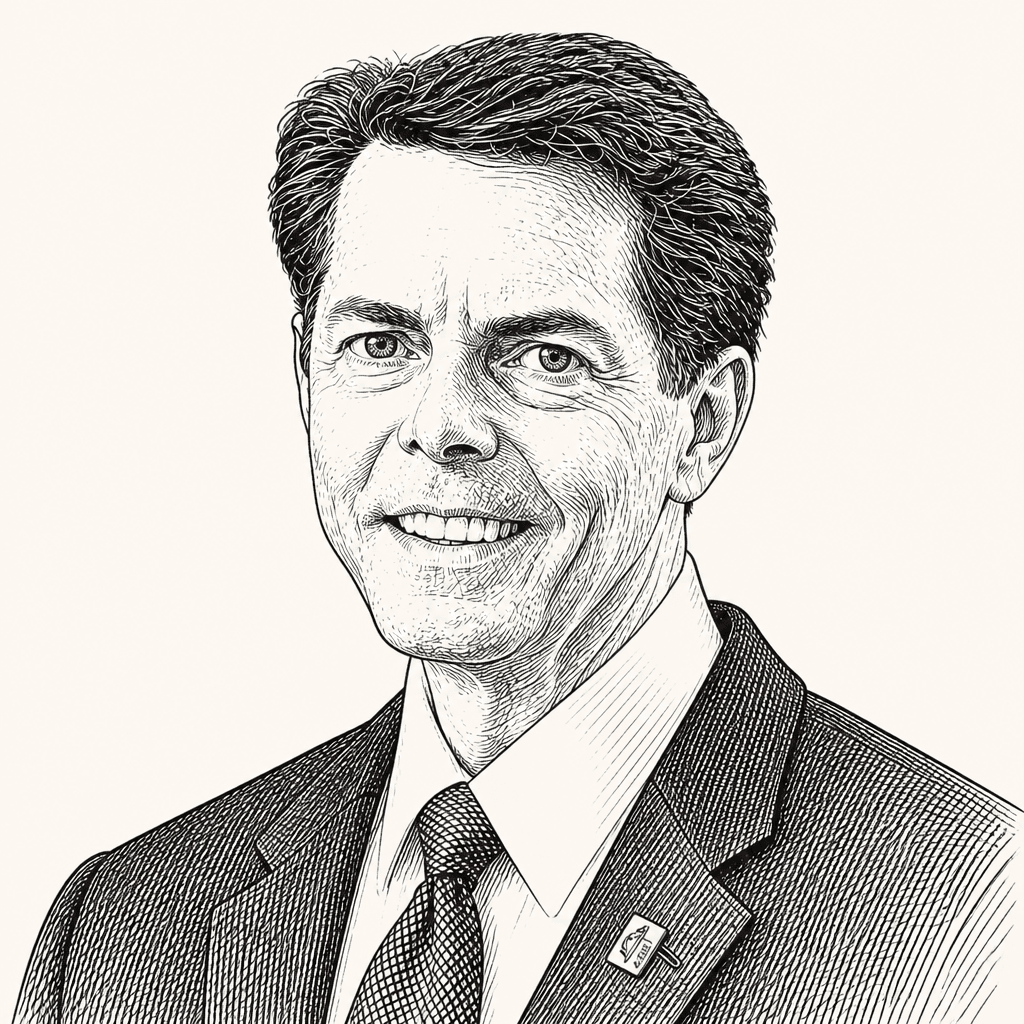 Jaime Wesolowski
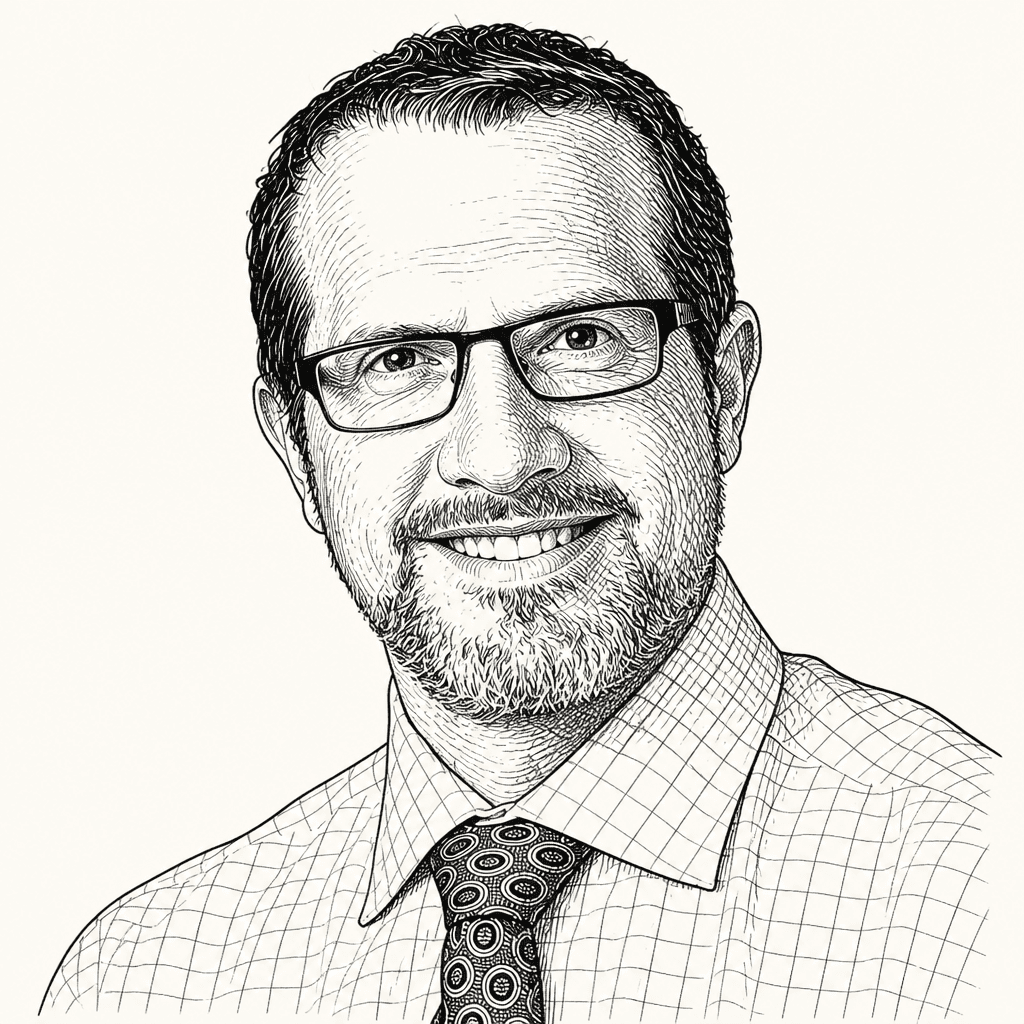 Aaron Carroll
 Nigel Girgrah
 Mani KeitaThe Aspen InstituteThursday, June 25, 202619 min read
Methodist Healthcare Ministries chief executive Jaime Wesolowski and Blue Zones founder Dan Buettner argue that South Texas can become a large-scale test of longevity work built around prevention rather than clinical care. In a session at Aspen Ideas: Health, they described a potential seven-city Rio Grande Valley effort that would use local institutions, city policy, food environments, walkability, faith groups and social networks to make healthier daily choices easier for roughly 1mn people. Their case is that the region’s severe chronic-disease burdens coexist with cultural assets — family, faith, connection and traditional foodways — that could be amplified rather than replaced.

A South Texas longevity experiment may become a million-person test of prevention
Jeremy Faust opened with two mortality rates meant to make longevity concrete: Utah at 613 deaths per 100,000 people per year, West Virginia at 1,371. Even after age adjustment changes the state comparison — Hawaii leads and Mississippi falls to the bottom — Faust’s point was that how Americans live and die varies enough to show that mortality is modifiable.
Some of the causes are blunt: smoking, seatbelts, drunk driving, metabolic health, shootings. Faust referred to work by Megan Ranney and Atul Grover and said that if the United States closed gaps with peer nations on firearm safety, alcohol use disorder, and opioid use disorder, it would begin to perform more like stronger international counterparts. But the South Texas work under discussion pushes beyond individual advice. It asks whether institutions can change the daily settings in which health risks accumulate.
Jaime Wesolowski said Methodist Healthcare Ministries and Blue Zones began with a narrower ambition: assess four cities in Hidalgo County, in the Rio Grande Valley, and hope that one would be ready and willing to become a Blue Zones area. The assessment, he said, has gone better than expected. All four cities appear to want the project strongly.
Two other Rio Grande Valley nonprofits then became interested. Wesolowski said Baptist Legacy Foundation’s board approved an assessment in neighboring Cameron County, which includes Brownsville and Harlingen. Knapp Community Care Foundation persuaded its board to support an assessment for Weslaco, still in Hidalgo County but geographically between the other areas.
The result is that a dream of implementing Blue Zones in one Rio Grande Valley city has become a possible seven-city effort. Wesolowski said those cities alone would include 850,000 people; with surrounding areas, he rounded the minimum affected population to about one million.
That scale matters because the project is not being described as a health campaign or a new clinical service line. It is being described as a way to change the defaults that shape daily life: city policies, food environments, walkability, workplace rules, church programs, social connection, and measurement against population health outcomes.
Dan Buettner said the Rio Grande Valley announcement is important precisely because the project could reach about a million people in one of the country’s most health-challenged regions, where the “delta for improvement” is large. He added that the approach disproportionately favors poor people, even though it is not designed exclusively for them.
The long horizon is part of the model. Buettner said this is not a one-year intervention. “If somebody tells you” they are going to change a community in a year, he said, “they’re lying.” Blue Zones learned that the hard way. The work takes five years and likely requires a team of 15 to 20 people: professional staff with good wages, an office, retirement, training, and ongoing mentorship.
Wesolowski’s response was that, compared with the cost of treating chronic disease, prevention is “micro cost.” Cardiovascular disease can cost hundreds of thousands of dollars to treat, he said. Buettner noted that an average heart attack costs $120,000. Against those figures, Wesolowski first hesitated to call the prevention investment cheap. Buettner supplied the word “bargain,” and Wesolowski accepted it: a bargain, a return on investment.
The closing appeal was not only financial. Wesolowski urged others to think about doing similar work in their communities and used the phrase he says often: “be better ancestors.” In his account, the test of the intervention is whether today’s communities can change the defaults that future generations inherit.
Longevity is treated as an environmental design problem, not a discipline problem
Dan Buettner framed longevity less as a matter of individual willpower than as a consequence of repeated, low-friction choices made over decades. His central claim was that the places where people live longest do not produce long lives because residents have better genes, better discipline, concierge physicians, or superior exercise programs. They produce long lives because “the healthy choice is the easy choice.”
Buettner said his work with demographers identified five “blue zones” — places with the lowest rates of middle-aged mortality and where 60-year-olds can expect, in some of them, to live up to 10 years longer than in the United States. Those places, he said, are not rich; they have about a third of the GDP of the United States. Many residents do not have regular primary care as Americans understand it. If they get sick, they go to the doctor. The difference, in his account, is that the built environment, food environment, social environment, and daily routines push people toward behaviors that compound over time.
That led to one of Buettner’s sharper distinctions: for healthy people, longevity does not come from an intervention one can add this week, month, or year. He dismissed much of the anti-aging industry as overpromising, saying the $84 billion industry has not produced a human intervention shown in humans to reverse, stop, or even slow aging. Rapamycin, metformin, stem-cell tourism, and other “biohacking” claims may carry theoretical promise, he said, but mostly amount to “marketing hooey” when sold as silver bullets for healthy people.
The only thing that works with longevity are the things you're going to do almost every day for decades.
The practical implication is that a longevity program cannot depend on persuading thousands of people to make better choices each morning. It has to make better choices more automatic. In Buettner’s description, Blue Zones works with city governments, restaurants, grocery stores, workplaces, schools, and faith organizations to change policies and designs so residents “unconsciously, not consciously” make healthier decisions.
He illustrated the framework by turning to the audience with an eight-question life-expectancy exercise. The questions were ordinary but revealing: whether people move at least 45 minutes a day; eat at least five servings of fruits, vegetables, or grains; sleep at least seven hours most nights; avoid recent smoking; belong to and show up for a faith community; have three close friends with whom they can have meaningful conversations and who care about them on a bad day; avoid risky sexual behavior; and rate their own health as above average or better. Buettner said that with seven of the questions, he can get within about 10% of the best biometrics for estimating life expectancy. He also said self-rated health is the most powerful questionnaire predictor of how long someone will live.
Using an assumed average age of 50, he gave the audience rough life-expectancy estimates. A man who raised his hand twice would have a life expectancy of 72, and a woman 77. At five affirmative answers, the estimates rose to 81 for men and 86 for women. At seven affirmative answers, they rose to 90 for men and 95 for women.
Jeremy Faust noticed what was missing from the list: access to primary care. Faust said he believes primary care matters, but argued that annual checkups do not necessarily extend life expectancy. He referred to a JAMA meta-analysis review and said annual checkups did not add life expectancy. He also described a finding that people with primary care doctors were more likely to die slightly earlier, which he interpreted as possibly reflecting goals-of-care planning: people with primary care relationships may be more likely to decide against prolonged machine-dependent survival and choose quality of life over biological persistence.
Buettner added a blunter possibility: healthy people do not bother with doctors.
Healthcare still matters, especially for people who are sick. But the model being proposed for longevity in South Texas is not organized around more clinical encounters. It is organized around the upstream conditions that determine whether chronic disease emerges in the first place.
The Rio Grande Valley is both a health-risk outlier and a source of longevity assets
Jaime Wesolowski described Methodist Healthcare Ministries as a faith-based nonprofit that owns Methodist Healthcare System, which he called the largest healthcare system in South Texas. He said the organization does downstream work — medical, dental, and behavioral healthcare for uninsured people — but that its board shifted direction in 2020 toward health equity and “doing everything we possibly can to help people before they get sick.” That shift is what brought the organization to Blue Zones.
Dan Buettner called Methodist Healthcare Ministries unusual among hospital-linked organizations. Most hospitals, he said, wait for people to get sick, sell services, and make them well “most of the time.” By contrast, he said, Methodist Healthcare Ministries not only owns hospitals but uses most of its profit to keep people out of the hospital.
The partnership began at Aspen Ideas: Health two years earlier, when Wesolowski secured a 30-minute meeting with Buettner. They met at West End Social, and the meeting stretched to an hour and a half. Wesolowski said he saw a match between Methodist Healthcare Ministries’ 31 years of trust and convening power in the Rio Grande Valley and Blue Zones’ framework. His board approved funding for an assessment in Hidalgo County, with four cities assessed in the hope that one would be ready and willing to become a Blue Zones area.
The Rio Grande Valley, as Wesolowski presented it, carries severe health and infrastructure burdens. He said 25% of the population lives in poverty, compared with a national average of 12.5%. Thirty percent are uninsured, and in some pockets the rate is 40%, compared with an 8% to 10% uninsured rate nationally. One in two people are obese, compared with 34% nationally. One in three has Type 2 diabetes, which he described as triple the national rate.
| Measure | Rio Grande Valley figure cited | National comparison cited |
|---|---|---|
| Poverty | 25% | 12.5% |
| Uninsured | 30%; 40% in some pockets | 8%–10% |
| Obesity | 1 in 2 people | 34% |
| Type 2 diabetes | 1 in 3 people | Triple the U.S. rate |
Wesolowski also pointed to colonias, unincorporated areas common in the Rio Grande Valley. Many lack running water, sewage, paved streets, and street lights, he said. The residents are, in his words, “vast majority United States citizens” who bought land in places where, because the area is unincorporated, public services are not necessarily coming. Methodist Healthcare Ministries, he said, is close to people in the colonias and wants to see what difference a Blue Zones-style environmental intervention can make there.
The “unexpected” premise is complicated. The Rio Grande Valley is majority Hispanic or Latino, and several factors Buettner had named as longevity-supporting — family connection, faith, social support — may already be strong there. Faust asked whether the Rio Grande Valley is unexpected for longevity work or instead “the perfect laboratory.”
Wesolowski’s answer held both ideas at once. By conventional health-risk indicators, the area looks like one of the poorest and least healthy in America. Yet its life expectancy, he said, is actually a little higher than the U.S. average. He connected that to the “Hispanic paradox,” the observation Faust had raised that Hispanic populations in the United States can show lower annual mortality rates despite worse socioeconomic indicators. Faust cautioned that aggregate statistics can mislead: some of the paradox may reflect a healthy immigrant effect, because immigrants often come when they are healthy enough to travel and work. He said disparities become more visible when looking at Hispanic populations born in the United States.
Wesolowski argued that some of the Rio Grande Valley’s relative longevity advantage may come from strengths already aligned with Blue Zones’ “Power 9” principles. Families are strong. Many households are multigenerational. Grandchildren grow up with grandparents. Faith is central. Social connection is intense: people “run to each other’s rescue” when needed. In those dimensions, he said, the community may be a model rather than a deficit case.
That distinction matters because the proposed intervention is not framed as cultural replacement. It is framed as amplifying strengths while changing the conditions that produce chronic disease. Wesolowski made the point explicitly: the problem is not only life expectancy. It is the chronic illness people live with during those years. The goal, he said, is “living longer, better” — not simply adding years marked by Type 2 diabetes, heart disease, cancer, or preventable disability.
The model starts by auditioning communities, not prescribing to them
Jeremy Faust pressed the implementation question directly: how does an outside framework enter a community without arriving “on your high horse”? Wesolowski’s answer was that it cannot begin with telling communities what they need. Methodist Healthcare Ministries, he said, has learned to listen.
He pointed to Prosperemos Juntos, or Thriving Together, a Methodist Healthcare Ministries program that brings organizations and communities together to learn, form coalitions, and work on community improvement. The ideas come from the community; the community implements; the organization walks alongside. Wesolowski said the Blue Zones effort in the Rio Grande Valley has to work the same way.
In his formulation, Methodist Healthcare Ministries and Blue Zones are only two legs of a three-legged stool. Methodist Healthcare Ministries can convene, bring earned trust, and invest. Blue Zones can bring a framework. But the third leg has to be the community: cities, municipalities, churches, healthcare organizations, grocery stores, restaurants, nonprofits, and residents with lived experience. “Communities have the answers,” Wesolowski said. People with lived experience have to be included “every step of the way.”
Dan Buettner described Blue Zones’ own version of that humility as an audition process. The organization does not enter a place saying it will “blue zone” the community. It spends about three months assessing readiness. Borrowing a phrase he attributed to his girlfriend Stephanie’s father, Buettner said the rule is “measure twice, cut once.”
The assessment is concrete. Blue Zones talks with the mayor and city council about policies they would need to spend political capital on. If local leaders fold their arms and say it sounds like a “nanny state,” Buettner said, Blue Zones moves on. The same test is applied to churches: would the pastor remove Coke machines, serve healthier food, host purpose workshops, connect people socially through “moais,” and offer one-pot cooking classes? Employers are asked whether they will pursue Blue Zones workplace certification by optimizing policies and environments for employee health and well-being. Restaurants and grocery chains are assessed for willingness to participate.
The point is not to persuade every institution in theory. It is to determine whether enough institutions will actually act. Buettner said more than 400 cities have applied and Blue Zones has worked in only 70. The organization is willing to tell a funder not to spend money if readiness is not there.
Readiness also depends on informal power. Buettner distinguished official leaders — mayors, CEOs, chambers of commerce — from what he called “activators.” These are the people who can get volunteers, launch a fundraiser, or move others to show up. The way to find them, he said, is not complicated: ask people in the community whom they would call to attend or help with a fundraiser. The same names tend to recur.
Once those people are identified, Blue Zones tries to make two things clear: the benefit to the organization or individual, and the responsibilities involved. At the end of the meeting, Buettner said, the question is direct: if the city is chosen, can Blue Zones count on their participation, yes or no? A no is acceptable and marked down. A yes is captured. On day one of implementation, the team already knows the first 50 people to call.
Measurement is the other condition. Buettner said Blue Zones brings in Gallup to establish a baseline and track outcomes: population-level BMI, subjective well-being or life satisfaction, emotional health, fruit and vegetable consumption, walking, and other measures. He said Blue Zones puts its fees at risk: if outcomes are not achieved, it does not get paid. The outcome claims he cited were presented as Blue Zones’ reported results from prior projects and local calculations, not as a separate audit in the source.
The examples Buettner chose were meant to show that environmental changes can produce measurable effects. In Albert Lea, Minnesota, the first manufactured Blue Zone project, Blue Zones worked with AARP and local institutions in a town of 19,000. Instead of trying to convince every resident to eat better, walk more, or take medication, the project worked through city council policies and institutional certification. Buettner said life expectancy rose by 2.3 years, as measured by the University of Minnesota School of Public Health; residents shed two tons collectively; and the town saved 40% on healthcare dollars according to its own statistics.
In Fort Worth, Texas, he said, Blue Zones lowered BMI by about 3%, which he said “occasions” about 7,000 fewer heart attacks per year. The city itself, he said, calculated $250 million per year in projected healthcare savings. Buettner added that the mayor told him she was re-elected on implementing Blue Zones.
The implementation theory is neither purely grassroots nor purely technocratic. It is a structured readiness test, followed by institutional policy change, backed by local activators and measured against population-level outcomes.
The food strategy is partly a return to older habits
Dan Buettner said major longevity thinkers at the conference were converging around the same basics: mostly whole-food, plant-based diets; natural movement for 30 to 60 minutes a day; purpose; social connection; and adequate sleep. His view was that the healthiest diet “the human species has ever invented” has three ingredients: corn, squash, and beans — the “three sisters.”
He identified that as a traditional staple diet among Hispanic communities in the United States, especially among first-generation immigrants who cook at home. It is affordable, delicious, and healthy, he said. The problem, in his account, is not Hispanic food culture itself but its displacement. The next generation may leave home cooking for Taco Bell or other fast food. That loss of traditional eating, he suggested, may help explain why the Hispanic paradox weakens across generations.
Jaime Wesolowski made a similar point to communities in South Texas: the goal is not to change culture. It is to recognize that many people are no longer eating the way their grandparents and great-grandparents ate. He contrasted beans, corn tortillas, and traditional home cooking with processed flour tortillas and unhealthy meat. The intervention, in that framing, is cultural restoration as much as behavior change.
Buettner said this “stacks the deck” in favor of success because Blue Zones can celebrate the traditional diet and make it “cool again.” He said the organization had done something similar in Hawaii, where he saw a comparable dynamic.
The discussion also challenged the idea that healthy eating is necessarily expensive. Wesolowski said he had often heard that it costs too much to eat healthy, but now sees that as a fallacy. Beans, grains, and greens are inexpensive; they were once called “peasant food.” The harder issue in poor communities, he said, is the food environment. In food deserts, fast food may be the practical food system. If the available cheap meal is a three-dollar fast-food item that is “completely unhealthy,” he said, obesity follows, and other chronic conditions follow from there.
Buettner returned to this point in response to Mani Keita, a Deloitte researcher who asked how organizations and businesses can make the healthy choice the easy choice for themselves, given incentives that often reward the opposite. Buettner said Blue Zones works business by business through a checklist-driven audit: snack policies, vending machines, what is served at meetings and in conference rooms, and incentives for walking, driving, or taking public transportation.
He said there are about 30 options and a 75% threshold for certification. A concierge helps employers implement changes. If the employer reaches the threshold, it receives Blue Zones certification. Buettner argued that the stronger incentive is not the certificate itself but the ability to show lower healthcare costs, better retention, and higher employee satisfaction. He also said that someone who regularly takes the bus to work has about 19% lower cardiovascular mortality than someone who drives every day.
Food at work is only one part. Buettner said it is “almost impossible” for middle-class or lower-income people to eat healthy when going out. On average, he said, each restaurant meal adds about 250 calories compared with eating at home. One Blue Zones strategy is therefore to teach people to cook at home. The requirements, in his view, are simple: hardware such as a pressure cooker, skills gained through cooking a half-dozen meals, and liking the food. “Deliciousness,” he said, “is the number one longevity ingredient.”
Faust joked that he would accept the program if it did not touch his coffee. Buettner answered that coffee is a longevity beverage.
Longer lives raise climate and neighborhood questions
Jeremy Faust introduced two second-order concerns about longevity work. First, if Americans live longer, do they increase their already large energy consumption and worsen the climate crisis, which itself contributes to mortality through wildfire smoke, emphysema flare-ups, heart attacks, and strokes? Second, if neighborhoods become greener and more walkable, do they become more expensive and push out the people the intervention was meant to help?
Dan Buettner answered the climate question by arguing that the behaviors associated with long life also reduce carbon footprint. People who live longer, in his description, are more likely to walk to work, have children walk to school, live in walkable neighborhoods, and eat mostly whole-food, plant-based diets. He said about 60% of the U.S. carbon footprint can be explained by meat eating and driving. The average American eats about 230 pounds of meat per year, he said; in Blue Zones, where people “manifestly” live longer, the figure is about 20 pounds per year. If Americans shifted in that direction, he argued, the aggregate carbon footprint would be much lighter.
On gentrification, Buettner said Blue Zones is focused on making a population measurably healthier, not controlling rents. He also pushed back on the idea that walkable neighborhoods should be considered a luxury for rich people. In his response, if a neighborhood becomes greener, safer, and slower for cars, businesses are more likely to benefit because people stop on streets with 30-mile-per-hour speed limits more than on roads where traffic moves at 50 miles per hour. Homeowners in the neighborhood would see property values rise, which he described as doing them a favor. He did not describe rent control or housing affordability as part of the Blue Zones mandate.
Jaime Wesolowski answered more specifically from South Texas. In the Rio Grande Valley, he said, there are many vacant lots. Turning some into parks with trees, walking areas, and places to ride bikes would not be especially expensive. The region has space to do it. Compared with the costs of chronic disease, he saw these interventions as relatively low cost.
Faust also used environmental mortality more broadly to reinforce the core point that health outcomes are modifiable. He pointed to pollution as a driver of cardiovascular mortality and said that during the early pandemic, pollution fell sharply. Outside COVID hot zones in early 2020, he said, cardiovascular mortality went down. For Faust, that was another example of environment shaping population outcomes more powerfully than many clinical interventions.
His broader framing was that “your zip code is much more determinant than your genetic code” for outcomes. The Rio Grande Valley project, in that sense, is a test of whether place-based risks can be altered without erasing place-based strengths.
The financing question is whether health systems will pay for prevention before disease arrives
The question from an Ochsner Health physician executive sharpened the issue for other regions. He described Louisiana and Mississippi as places near the bottom on obesity and other health measures and asked whether Blue Zones had work underway there, and what funding would look like if a health system wanted to get involved.
Dan Buettner answered operationally. The model takes five years. It likely requires standing up a team of 15 to 20 people for that period. Those staff members need wages, an office, retirement, training, and ongoing mentorship. “You can kind of do the math,” he said. He also said fewer than 3% of the $5 trillion U.S. healthcare budget is spent on prevention, making prevention money rare and heightening Blue Zones’ obligation, in his view, to be careful about where it invests.
Jaime Wesolowski answered morally as well as financially. Prevention, he argued, is a bargain compared with paying for avoidable cardiovascular disease, Type 2 diabetes, and other chronic conditions after they have taken hold. His plea to the audience was to consider similar work in their own communities — not as a short-term project, but as a way to leave healthier defaults to the next generation.