Environment Design Beats Willpower in Closing the Intention-Behavior Gap
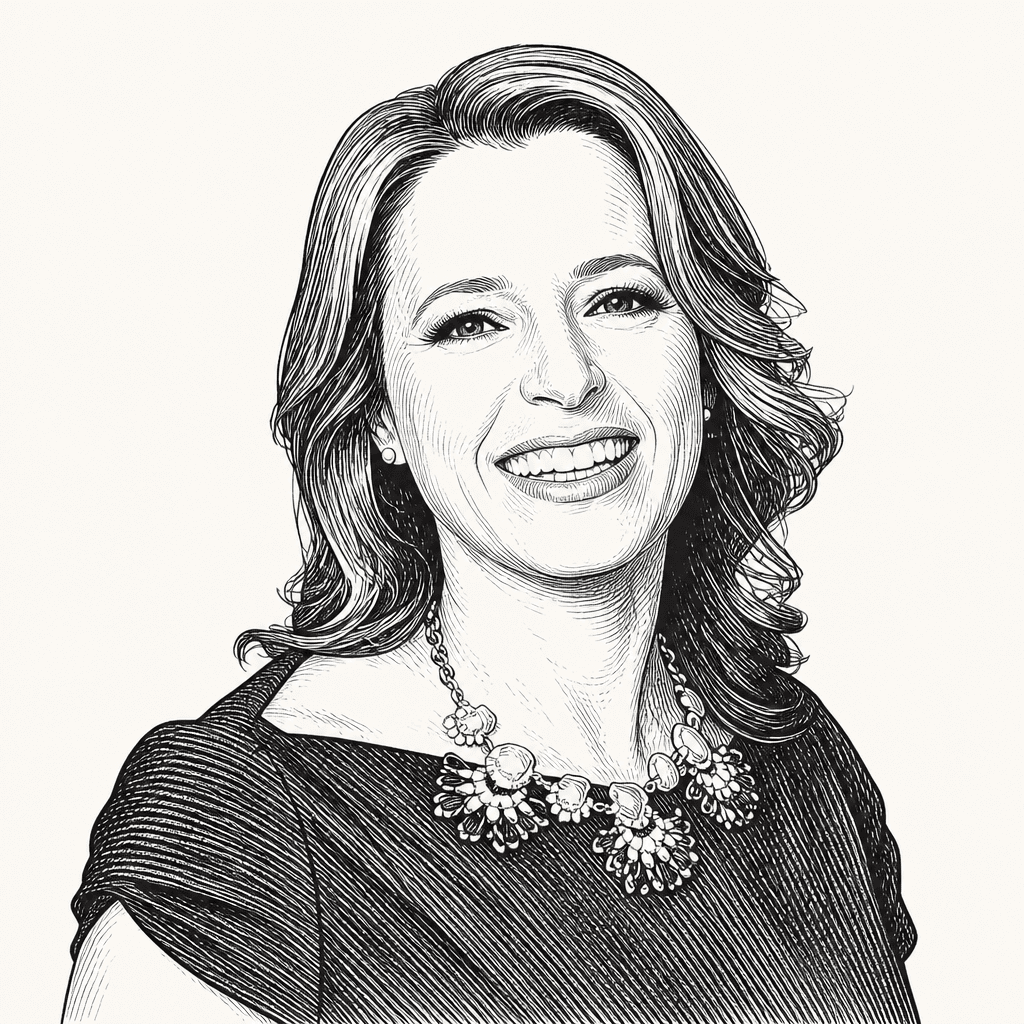
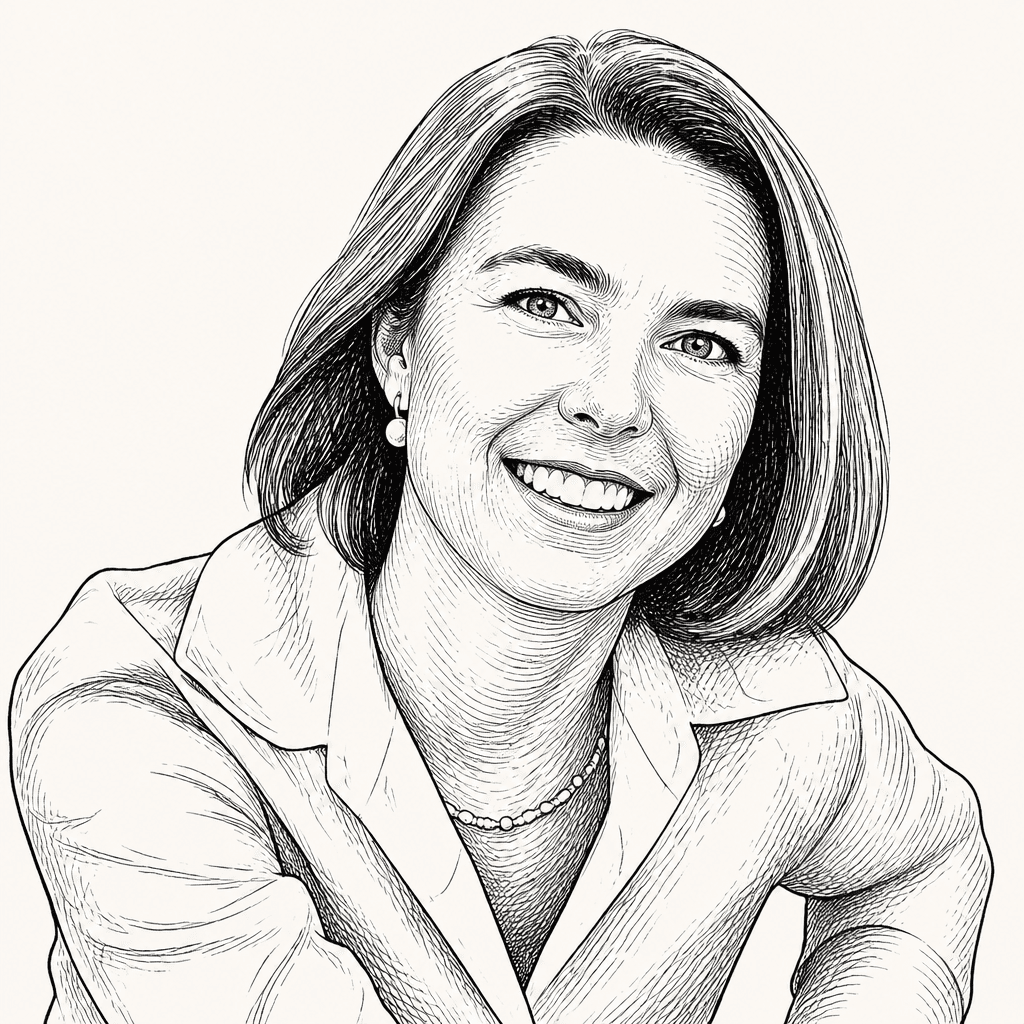
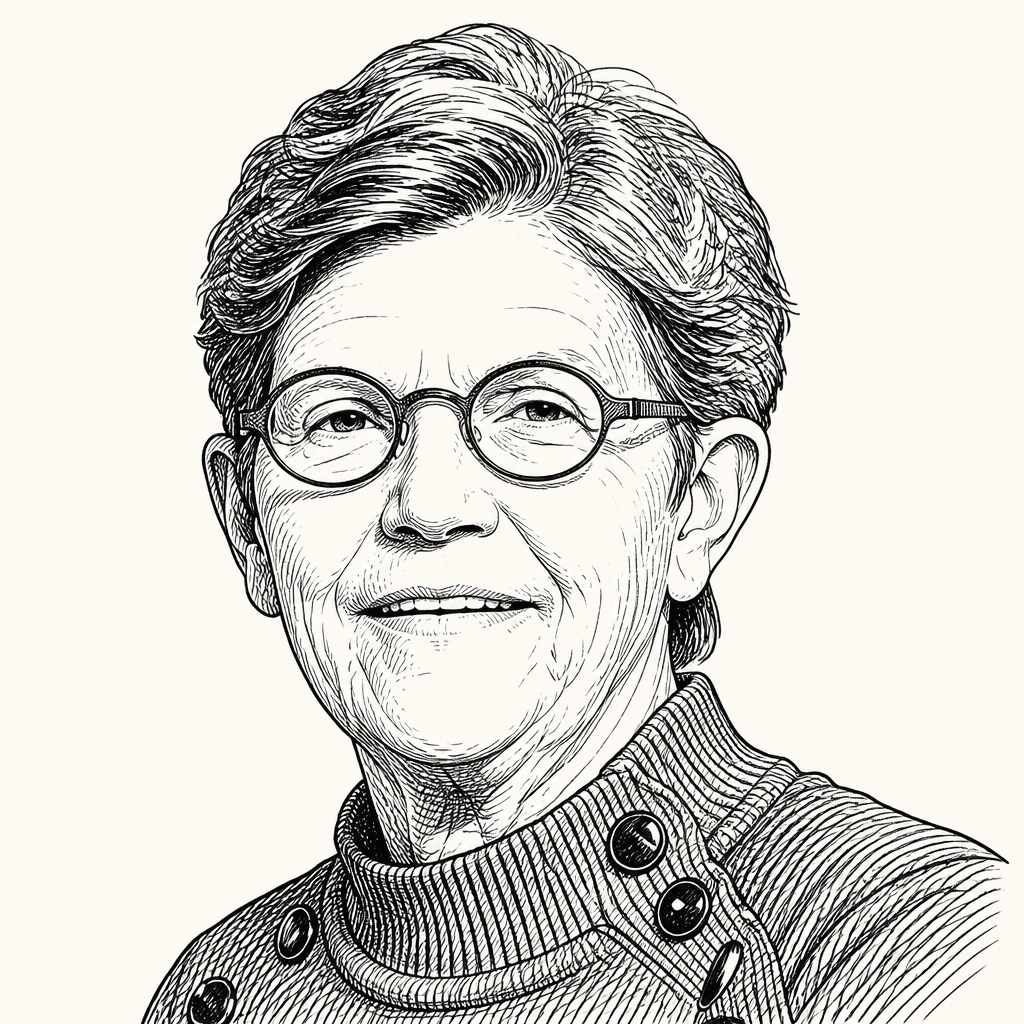
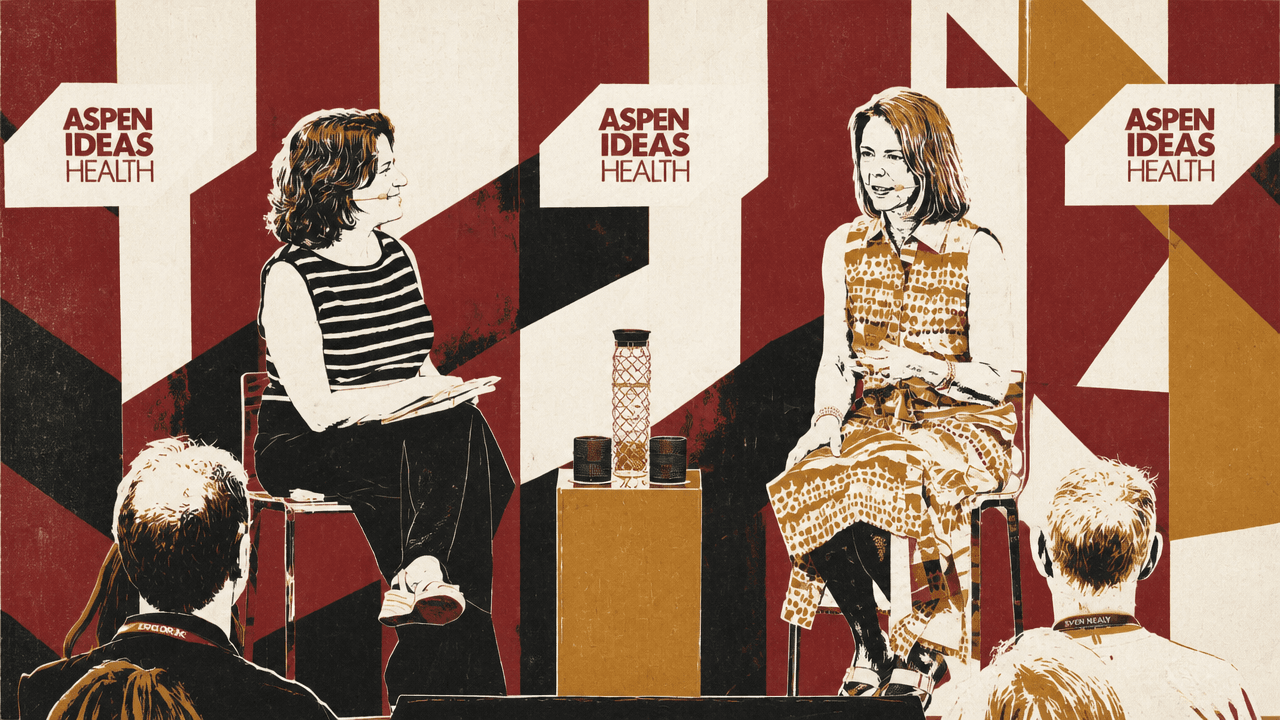
Psychologist Beth Cabrera argues that the usual language of discipline and willpower misunderstands why people struggle to live healthier lives. Drawing on her forthcoming book, Being Well, she makes the case that the gap between intention and behavior is better closed by designing environments, routines, and social conditions that make good habits rewarding in the present. Positive emotion, self-compassion, social support, and small sources of agency are not ancillary to well-being, she argues, but part of what makes healthier behavior sustainable.
The problem is not knowing what to do
Beth Cabrera’s central claim is that most advice about health and happiness fails at the point where people actually fail: not at knowing what would help, but at doing it consistently. Her earlier work, including Beyond Happy, offered strategies for becoming happier and healthier. Over the past decade of speaking about those strategies, she said, she repeatedly saw the same reaction: people understood the advice, but felt overwhelmed by the implied demand to add more duties to already crowded lives.
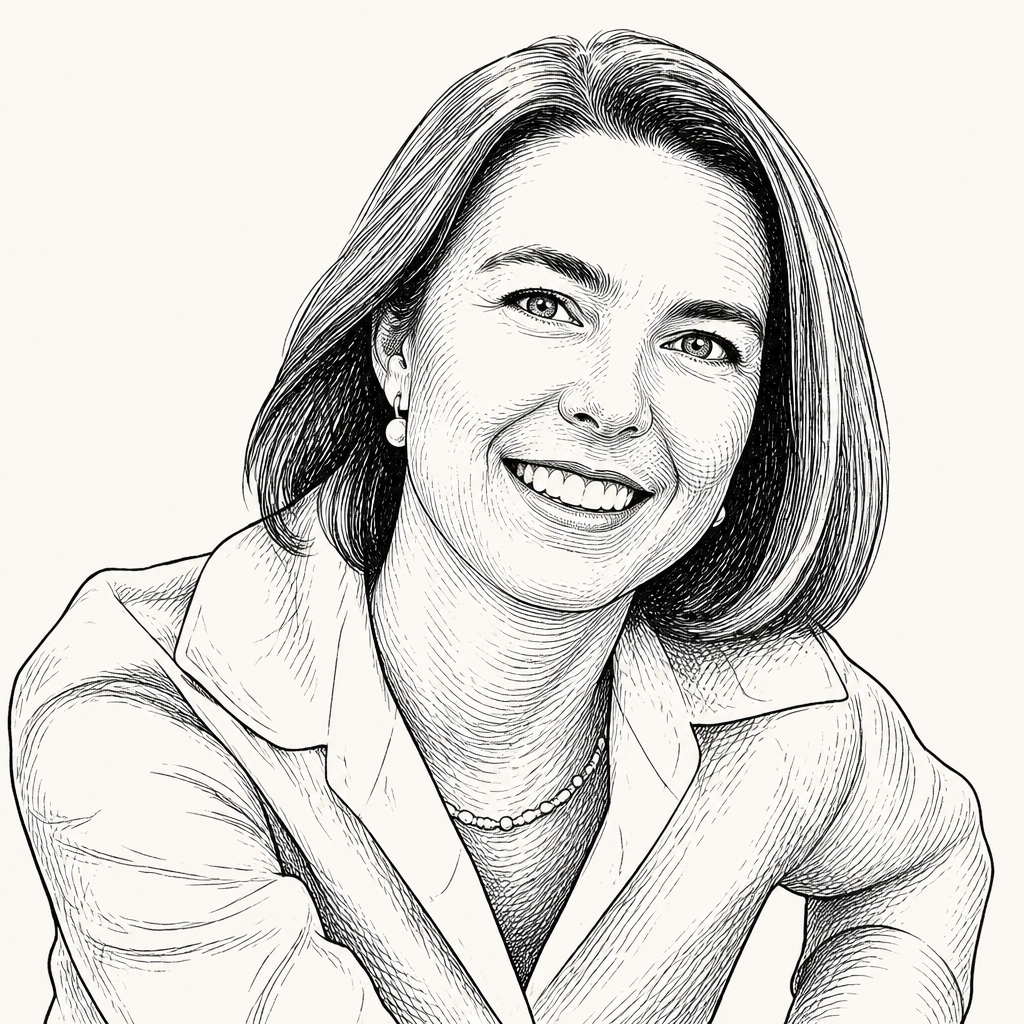
The list was familiar: meditate, exercise, avoid ultra-processed foods, eat better, sleep more, socialize more. Cabrera said much of that advice assumes people will use willpower, discipline, and self-control to close the gap between intention and behavior. For many people, that assumption makes well-being feel like another source of stress.
Her new work reframes the problem as the “intention-behavior gap,” or “knowing-doing gap.” The question is not simply what practices improve well-being; it is how people can make those practices easier to perform in real life. Cabrera said her answer comes from behavioral science and positive psychology: sustainable change is less likely to come from forcing oneself through self-control than from designing experiences and environments that feel rewarding.
The best way to do something is not through discipline and willpower and self-control. It’s actually through feeling good.
Cabrera described positive emotion not as decoration around the real work, but as a source of psychological capacity. When people feel better, she said, they tend to have more energy, confidence, and resilience. Those resources help them persist when they encounter setbacks. In that sense, well-being is not only an outcome of better habits; it can be a cause of better follow-through.
She pointed to two recent longitudinal studies as especially important to her argument. In those studies, researchers measured self-control and well-being at one point, then measured them again six months later. Cabrera said higher self-control at the first point did not predict greater well-being six months later. The reverse relationship did appear: higher well-being predicted greater self-control later. For Cabrera, that finding supports the idea that feeling good can generate the resources people often try to summon through discipline.
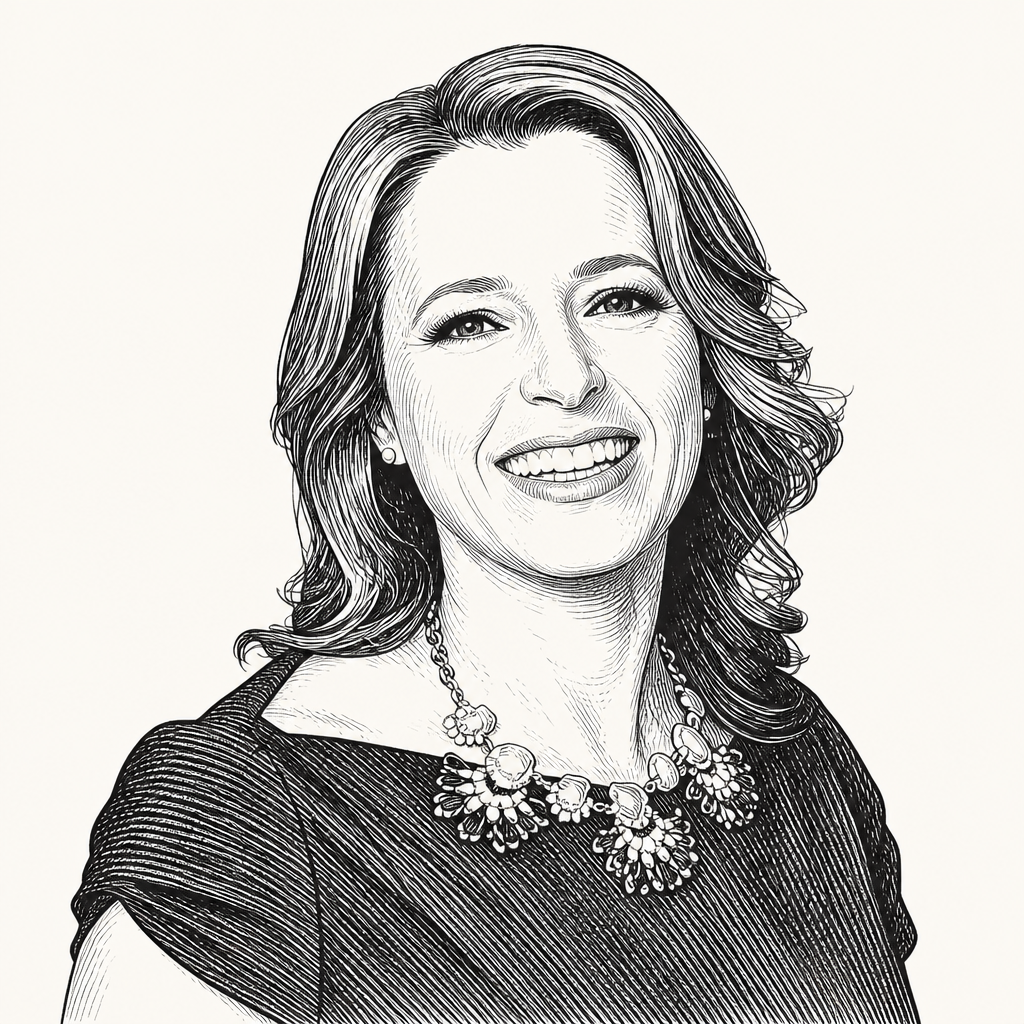
Elizabeth Cohen framed the contrast with conventional wisdom: many people believe they need to “get themselves” to eat better, go to bed on time, or socialize more. Cabrera agreed that this is the common assumption, but said it works against the way human brains are built.
Present bias makes discipline a weak strategy
Cabrera’s explanation begins with evolution. Human beings, she said, have a present bias: they value what is available now more than what might benefit them later. In a foraging environment, that bias helped survival. If people found sweet berries, it made sense to eat as many as possible because the next meal was uncertain. The future mattered less than surviving the present.
The environment changed much faster than the brain. A bias that once helped humans survive can undermine long-term health in a world of abundant food, streaming entertainment, delivery apps, and constant stimulation. Cabrera’s point was not that people today have weaker character than previous generations. She argued the opposite: people have roughly the same brains, but now live in environments where unhealthy behaviors are easier and more rewarding in the moment.
That is why she views discipline as an unreliable foundation. To thrive in the future, people often need to resist immediate temptation and delay gratification. But, in Cabrera’s account, the brain was not designed to prioritize distant benefits over immediate rewards. A strategy that depends on fighting the brain’s present bias is therefore structurally fragile.
The alternative is to make healthy actions more enjoyable in the present. Cabrera called this the “Mary Poppins approach”: the spoonful of sugar helps the medicine go down. If a behavior is enjoyable now, it no longer feels like a burden performed for a remote future benefit. It becomes something people want to do.
Her examples were deliberately practical. Music can make exercise more appealing. Friends can make walking, going to the gym, or attending yoga more enjoyable. Cabrera said she hated running and was not especially good at getting cardio in, but cycling classes with a fun playlist changed the experience. Country music, 1980s music, or Latin music could make her look forward to being on the bike.
She also described “temptation bundling”: pairing a desired habit with something pleasurable, and allowing the pleasurable thing only while doing the habit. After living in Madrid for 10 years, Cabrera missed watching the Today show in the morning. When she returned to the United States, she told herself she could watch it only on the elliptical. That rule, she said, got her to the gym five days a week because she wanted her morning news.
The same logic applies to food. Cabrera gave the example of someone who wants to eat salads for lunch but dislikes salads. Instead of demanding an immediately ideal meal, she suggested making the salad appealing enough to start the habit: use a dressing the person likes, even if it is not the healthiest option; add tortilla chips if that makes the salad enjoyable. The point is to get the behavior started. Over time, she said, the habit can become healthier.
Cabrera described that progression through the gut microbiome in informal terms. If people start feeding their gut microbes vegetables, she said, those microbes begin “wanting” vegetables and sending signals to the brain. In her example, a person who initially needed ranch dressing or tortilla chips may later find salads easier to enjoy with olive oil and vinaigrette. The first version of the habit does not need to be perfect; it needs to be repeatable.
Design the environment before blaming yourself
For Cabrera, environment is as important as enjoyment. She said the brain conserves energy and prefers the easy option. If healthy behavior is difficult and unhealthy behavior is effortless, people should expect the easier behavior to win.
She used Dan Buettner’s Blue Zones work as an illustration of environments where healthy choices are often the easiest choices, or sometimes the only choices. In those places, she said, people walk regularly, often garden, grow food, move throughout the day, and eat vegetables they have grown. Healthy behavior is embedded in ordinary life rather than treated as a special act of discipline.
Cabrera contrasted that with contemporary environments in which unhealthy behaviors have become extremely easy. Previous generations, she said, did not have fast food restaurants on every corner, Netflix encouraging people to stay on the couch, or DoorDash making it possible to get restaurant food without leaving the house. She broadly characterized people today as “so much less healthy” than generations before them on many measures, using the point to argue that the explanation is not a sudden collapse in willpower but a radically changed environment.
One of her most concrete examples came from Google’s snack rooms. Cabrera said Google once had open containers of M&Ms available for employees. In an experiment, the M&Ms remained in the snack room but were placed in an opaque bin so employees could not see them. Over seven weeks, she said, employees ate an estimated 3 million fewer calories of M&Ms.
The lesson was modest but powerful: visibility, proximity, and friction matter. If people see candy in an open bowl, they grab it. If they cannot see it, many do not.
Cabrera applies the same idea at home. She keeps a bowl of fruit on the kitchen counter. She keeps small hand weights by the television so that before she sits down to watch, she is prompted to do a little movement. She does not buy ultra-processed foods or many snacks because, as she put it, if they are in the house, she will eat them. If they are not there, fruit becomes the available dessert.
The point is not that individuals can redesign the entire food system or entertainment economy. It is that they can control parts of their own environment. The goal is to make unhealthy behaviors harder and healthy behaviors easier.
That can be as simple as putting exercise clothes beside the bed. For people who wake up reluctant to get out of bed and exercise, Cabrera said some put clothes right by the bed; some even sleep in part of their exercise clothes. The purpose is not moral seriousness. It is to remove friction from the desired behavior at the moment when the brain is looking for the easy way out.
Optimism is trained by attention
Cabrera treats optimism as a practice of attention, not as denial. There are real reasons not to feel positive all the time, but she said happiness and optimism still involve choice because they require intentional work. The brain naturally emphasizes threat; positivity has to be cultivated against that default.
Cabrera described gratitude as one of the strongest interventions for increasing optimism and positive emotion. The exercise she emphasized was “Three Good Things”: at the end of each day, write down three good things that happened. She acknowledged that it sounds simple, but said its effect comes from changing what the brain looks for during the day.
Humans have a negativity bias, Cabrera said, because the brain evolved to keep people alive. It scans for threat. In an ancestral environment, missing the flowers was less costly than missing a saber-toothed tiger. In contemporary life, she said, an email can activate the same threat-sensitive machinery. The brain treats many modern stressors as danger signals even when they are not physically dangerous.
Three Good Things works, in Cabrera’s account, because it trains attention in the opposite direction. If people know they will write down three good things at night, their brains begin scanning the day for positive moments. Over time, she said, this practice can “rewire” the brain: pathways activated repeatedly become stronger, so negative patterns become more automatic when people repeatedly think and talk negatively, while positive patterns become easier to access when people repeatedly notice what is good.
Cabrera used the phrase “what fires together, wires together” to explain the mechanism. Seeing more good in the present can also change expectations about the future. If the brain notices good things throughout the day, it begins to expect that good things may continue. That expectation is optimism.
If you start seeing more good, then you naturally start expecting to see good. And that makes you more optimistic.
The aim is not to teach the brain that every upsetting email is harmless. Cabrera said that is difficult because the brain tends to classify threat broadly. It does not always distinguish well between physical danger and social, professional, or emotional threat. Her answer was not to argue the brain into perfect calibration, but to shift attention more consistently toward the good.
Catastrophizing requires disputing the story, not denying the feeling
Cabrera also addressed catastrophizing: the tendency to jump from an upsetting event to the worst possible outcome. She described it as another way the brain tries to keep people safe. If a boss expresses dissatisfaction, a person may go home convinced they will be fired the next day. The brain believes worry will help prevent danger, but the resulting stress and anxiety can make calm judgment harder.
She described a process known as A-B-C-D. The “A” is adversity: the situation at hand. The “B” is belief, or the thoughts about the situation: “I’m going to get fired,” “there’s no way out of this.” The “C” is consequence: the emotional result, such as anxiety or stress. The “D” is disputation: deliberately challenging the thoughts.
Disputation does not mean telling oneself everything is fine. It means considering the range of plausible outcomes. What is the absolute worst case? What is the best case? What is the most realistic case? In the example of the unhappy boss, the worst case may be losing the job; the best case may be that the boss forgets about it entirely; the realistic case may be that the issue needs to be addressed but can be resolved. The act of examining those possibilities can interrupt the automatic slide into the worst-case scenario.
Cabrera paired that with “positive reframing,” the practice of looking for a silver lining after something bad happens. Her example was a car accident. A person could focus for days or weeks on the damage: a broken arm, a lost car, a missed meeting or talk. Positive reframing asks what good can still be seen without denying that the event was bad. Perhaps the children had just been dropped off and were not in the car. Perhaps only the left arm was broken. Perhaps the other driver had insurance. Cabrera’s instruction was simple: when going down the rabbit hole of a negative event, pause and ask where the good might be.
The broader pattern is consistent with her advice on gratitude. People do not become positive by denying difficulty. They become more resilient, in her account, by training the brain to notice additional information beyond the threat.
Self-compassion prevents the slip from becoming the collapse
Cabrera distinguished helpful self-correction from the inner critic many people live with. Critical self-talk, she said, is the voice that says a person was dumb, wrong, should not have said something, or should not have done something. Like negativity bias, it can be understood as the brain trying to protect against future harm. If something goes wrong at work, the brain may replay it in an effort to prevent worse consequences.
But Cabrera argued that constant self-criticism does not improve performance. It increases anxiety and stress, which are poor conditions for good decision-making. What people need instead is self-compassion, especially when trying to build healthier habits.
She drew on Kristin Neff’s work to describe three elements of self-compassion. The first is mindfulness: noticing that self-critical talk is happening. For some people, Cabrera said, the criticism is so constant it becomes background noise. She suggested even saying, “Thank you, brain. I know you’re trying to keep me safe, but this isn’t helping me.”
The second is shared humanity: recognizing that making mistakes, slipping up, saying the wrong thing, hurting someone’s feelings, or making a poor decision at work is part of being human. A mistake does not make someone a bad person.
The third is kindness toward oneself. Cabrera suggested imagining that the same mistake had happened to a best friend. Most people would not speak to a friend the way they speak to themselves. That contrast can help people find a more useful response.
This matters for behavior change because self-criticism often leads to giving up. Cabrera used the example of someone trying to eat a salad every day, then eating a donut because donuts were brought in. The self-critical response is, “I knew I couldn’t do this. I don’t have willpower. I’m not a healthy person.” That response can trigger what Cabrera called, using the psychological term, the “what the hell effect”: because the day is already “ruined,” the person abandons the plan and eats a burger and fries for lunch.
Her alternative is to treat the slip as a detour, not as evidence of failure. She illustrated the point with Duolingo’s streak freeze. Cabrera said she has a streak of nearly 1,800 days on the language-learning app, but that does not mean she has practiced every single day without interruption. The app gives users a “streak freeze,” a mulligan that allows them to miss a day and continue. She said she likely would have quit if one missed day had erased the streak. The design communicates: people miss days; come back tomorrow.
For Cabrera, that is the right model for habit formation. A lapse should be absorbed into the system, not allowed to destroy the identity or momentum that supports the habit.
Social influence makes habits contagious
Cabrera’s account of well-being returns repeatedly to social life. She described belonging as a biological imperative rooted in evolution. In ancestral conditions, belonging to a tribe was a matter of survival: food, shelter, and protection depended on the group. The brain therefore treats belonging as safety.
She said the same area of the brain associated with physical pain is activated when people feel lonely or excluded. Feeling left out is not merely unpleasant; in her account, the brain processes it as a threat to survival. That is why social influence is powerful. People want to fit in because fitting in historically meant remaining part of the group.
The practical implication is that people trying to establish healthier habits should spend time with others who practice those habits. A friend who walks in the rain can get someone out the door. A group can provide accountability and support. Cabrera extended that idea beyond close relationships to online environments. She said her Instagram feed is intentionally filled with doctors, trainers, nutritionists, workouts, gut-microbiome content, and healthy cooking. She does not necessarily know those people, but they function as a kind of tribe. Seeing them constantly makes well-being feel normal and widespread.
Cabrera cited Nicholas Christakis and James Fowler’s work on social networks as evidence for how far influence can travel. As she summarized their research, if a friend gains weight or gets divorced, a person’s likelihood of gaining weight or getting divorced rises; she added that the influence extends to a friend’s friend’s friend. Asked whether the positive version is also true, Cabrera said yes: positive behaviors can spread as well.
Her examples were household and ordinary. In a study she discussed in her book, people followed a weight-loss program and their spouses, who were not on the program, also lost weight. Cabrera found that unsurprising because household food choices affect everyone. She described her own decision in January 2020 to stop buying meat after reading Suzy Cameron’s One Meal a Day, which persuaded her with arguments about health and environmental benefits. She expected her husband, Angel Cabrera, could eat meat at work or at dinners. Then March 2020 arrived, and, as he jokes, he “became a vegetarian.” The household environment changed his behavior too.
She also said she does not buy desserts at home. If her husband wants something sweet, berries are the option. Her point was not that everyone must copy her choices, but that the choices of one person in a household shape the behavior of others.
The same principle appeared in a fictional family story from her book. A teenage son named Will used to meet friends at Krispy Kreme after school. After taking up cross-country and beginning to see himself as healthier, he convinced them to meet at a yogurt place instead. Influence works in both directions, Cabrera said, good or bad.
Connection also depends on ordinary daily contact
The social argument is not limited to close friendships or formal support systems. An audience member asked why people tend to isolate as they age, given the importance of social connection. Cabrera said she could not fully explain why, but emphasized that isolation is harmful. She contrasted patterns she sees in the United States with life in Spain.
Cabrera and her husband live near Piedmont Park in Atlanta and often walk their dog there on weekends. She said they see no older people there — not just few, but none. In Madrid, by contrast, older people are everywhere: in parks, on benches, walking to buy bread and newspapers, talking with others. They are moving and socializing as part of daily life.
Her answer was that social connection has multiple layers. People need some close relationships: family members or a small number of close friends. They do not need a large circle, but they do need people with whom they can share important things. Cabrera noted research showing that some people do not have a single person they feel they could tell something important to.
But close relationships are not the only form of connection that matters. Daily interactions with strangers also count. Talking to a barista, greeting neighbors, and exchanging a few words on sidewalks can feed the brain’s sense of belonging. Cabrera said neighborhoods with sidewalks are valuable not only because they encourage movement, but because they create opportunities for small interactions.
Her prescription was pragmatic: whatever a person’s life circumstance, they should recognize that frequent social interactions matter and seek them in whatever ways are available.
Mindsets, tiny habits, and agency change the conditions for follow-through
Rob Koretz asked whether mindsets are habits and whether there is a known time frame for rewiring the brain toward new patterns, such as choosing fruit over M&Ms. Cabrera separated the question into two issues: the power of mindsets and the timeline of habit formation.
She said she is “obsessed” with mindsets because they are powerful. Beyond the familiar growth-versus-fixed mindset distinction, she emphasized mindsets about stress. If a person sees a stressful situation as a threat, she said, the body prepares for fight or flight, including constricting blood vessels in a way that would help prevent bleeding out in a physical fight. If the person sees the same situation as a challenge, the body prepares differently, including increased blood flow to the brain to support thinking and decision-making.
Her favorite illustration was a milkshake study. Cabrera said that when people believed they had consumed a high-calorie milkshake, their ghrelin levels dropped, signaling fullness. When people consumed the same milkshake but were told it was a “sensible” shake, they did not show the same hormonal change. As Cabrera presented it, the study shows that belief can have measurable physiological effects.
On the timing question, she rejected the familiar claim that habits take 21 days to form. Research does not support that fixed number, she said. The timeline is highly variable. Easier habits form more quickly; harder habits take longer. She did not offer a universal time frame for changing neural pathways because the consistency needed to form a habit depends on the difficulty of the behavior and the conditions around it.
The same logic applies to mental friction. When a goal feels insurmountable, Cabrera’s advice is to commit to doing very little. Drive to the gym and then drive home. Often, once there, a person may decide to lift one weight. But the initial commitment should be small enough to defeat the mental block.
She applied the same idea to meditation. People often say they cannot meditate because they have a “monkey mind” or cannot sit still. Cabrera suggested starting with one minute: sit down, assume a relaxed but alert posture, take a long deep breath, and stop. Next time, try two minutes. Do not jump to five just because it feels possible. The point is to build evidence that the practice is not as hard as imagined and may even feel good.
A final question pushed the argument into healthcare: how patients facing diagnoses or waiting for test results can practice positivity, and what providers can do to help. Cabrera answered cautiously, explicitly noting that she is not a health expert, and focused on social support and agency. Patients should be surrounded, where possible, by people who support them and help them remain positive. Providers, she suggested, can help by giving patients as much agency as possible.
Much of the distress, Cabrera said, comes from uncertainty and the feeling that events are out of one’s control. Whenever a healthcare plan allows a patient to make a decision — choosing this or that, taking ownership of diet, or identifying something within their control — that choice can restore some sense of agency. She mentioned diet as important and referred to research involving fasting and immunotherapy, while immediately qualifying that she was not speaking as a medical expert. In context, the point was not clinical instruction; it was that some controllable domains may help patients feel less passive during an uncertain process.
The broader point was not that positivity cures illness or removes fear. It was that even in situations defined by waiting and uncertainty, people benefit from support, from small areas of agency, and from practices that help the brain find something other than threat to hold onto.