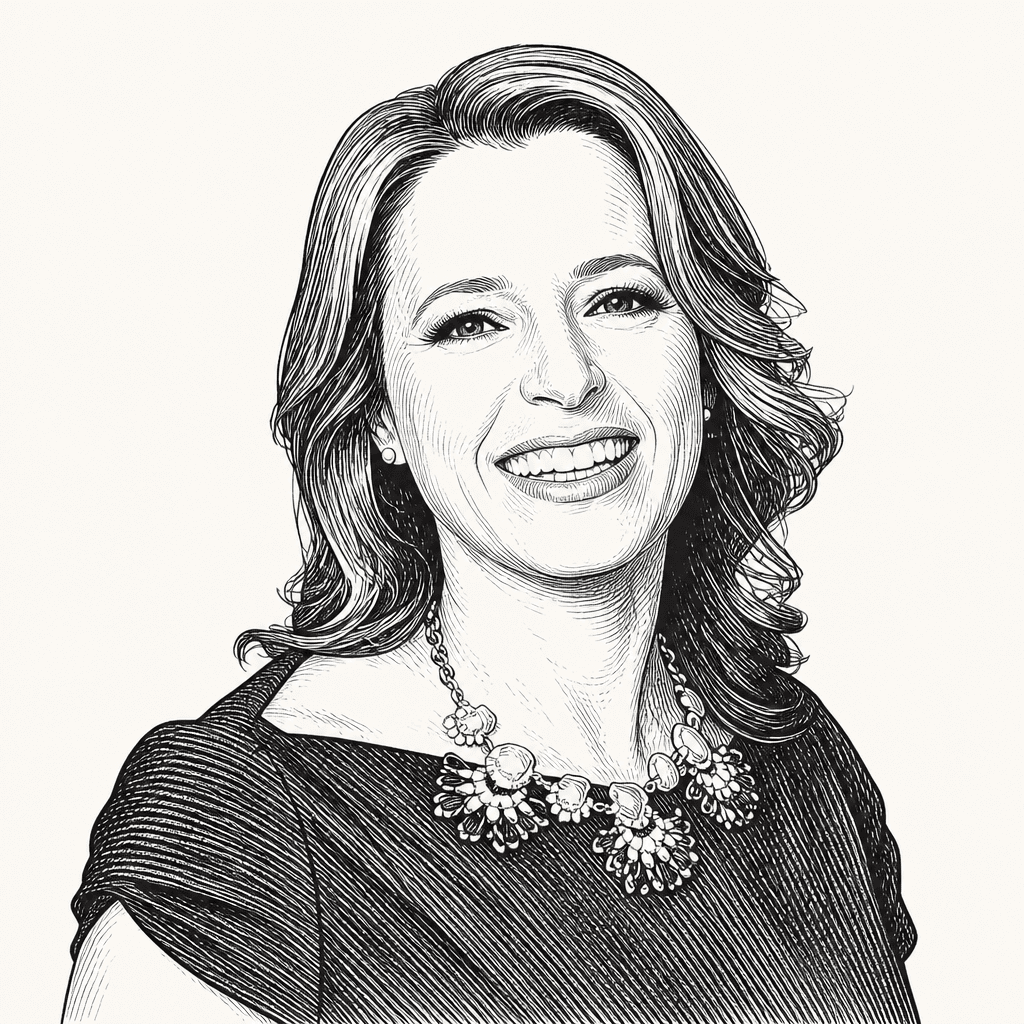
Elizabeth Cohen
Elizabeth Cohen is a Peabody Award-winning medical journalist and contributor to NBC News and AtlanticLIVE. She is the author of “The Empowered Patient” and previously served as CNN’s senior medical correspondent, covering major health and crisis stories including Hurricane Katrina, the Haiti earthquake, and the Ebola outbreak in Liberia.
Feeling Better, Not Willpower, Drives Sustainable Healthy Habits
Psychologist Beth Cabrera’s forthcoming book, “Being Well: A Positive Path to a Healthier, Happier You,” argues that healthier habits are less likely to come from discipline than from making the desired behavior feel rewarding and easy in the present. Drawing on behavioral science and positive psychology, Cabrera says people should design their environments, social cues, and self-talk to work with the brain’s bias toward immediacy, ease, threat detection, and belonging rather than treating those tendencies as failures of willpower.
Environment Design Beats Willpower in Closing the Intention-Behavior Gap
Psychologist Beth Cabrera argues that the usual language of discipline and willpower misunderstands why people struggle to live healthier lives. Drawing on her forthcoming book, Being Well, she makes the case that the gap between intention and behavior is better closed by designing environments, routines, and social conditions that make good habits rewarding in the present. Positive emotion, self-compassion, social support, and small sources of agency are not ancillary to well-being, she argues, but part of what makes healthier behavior sustainable.
Feeling Good Can Close the Gap Between Health Intentions and Habits
Psychologist Beth Cabrera argues in her forthcoming book, “Being Well: A Positive Path to a Healthier, Happier You,” that the main obstacle to better health is not ignorance but the gap between intention and action. In a conversation with Elizabeth Cohen, Cabrera makes the case that lasting behavior change depends less on discipline and guilt than on designing daily environments, relationships, and routines so that healthy choices feel rewarding and become easier to repeat.
Politicized Science Policy Threatens America’s Biomedical Research Ecosystem
Former NIH director Elias Zerhouni argues in Disease Knows No Politics that American biomedical strength depends on a political compact now under strain: science can survive political fights only if evidence, peer review, civil-service independence, immigrant talent, and patient trust remain protected. Drawing on his path from Algeria to Johns Hopkins and the NIH, he warns that separate decisions on funding, universities, immigration, drug pricing, and grant rules can combine to weaken the research system that made the United States a biomedical leader.