Politicized Science Policy Threatens America’s Biomedical Research Ecosystem
 John Noseworthy
 Sarah LaRosa
 Elizabeth Cohen
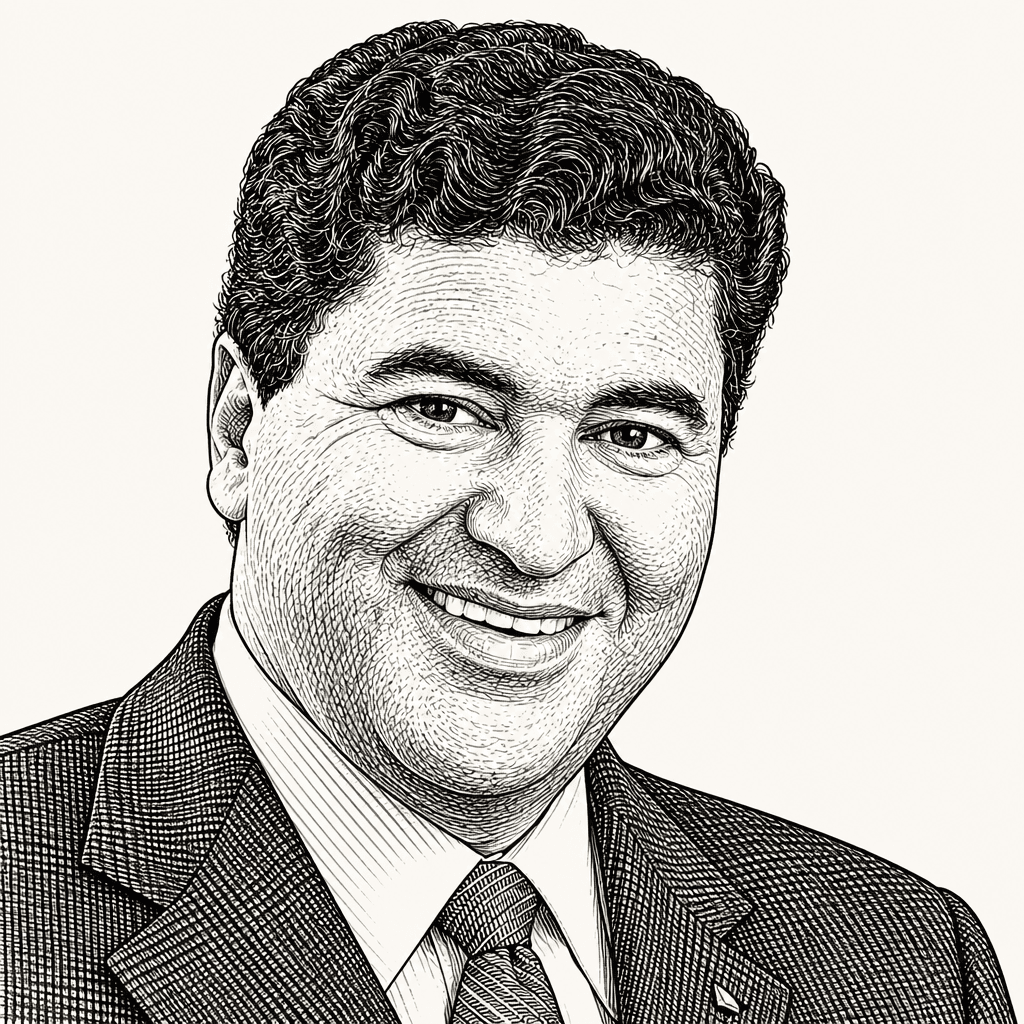 Elias ZerhouniThe Aspen InstituteWednesday, June 24, 202619 min read
Former NIH director Elias Zerhouni argues in Disease Knows No Politics that American biomedical strength depends on a political compact now under strain: science can survive political fights only if evidence, peer review, civil-service independence, immigrant talent, and patient trust remain protected. Drawing on his path from Algeria to Johns Hopkins and the NIH, he warns that separate decisions on funding, universities, immigration, drug pricing, and grant rules can combine to weaken the research system that made the United States a biomedical leader.

Rational political choices can add up to an irrational attack on science
The danger Elias Zerhouni describes for American biomedical research is not a single budget fight. It is a systems problem: separate political decisions, each defensible to its own constituency, can combine into what he sees as an assault on the ecosystem that made the United States dominant in biomedical research.
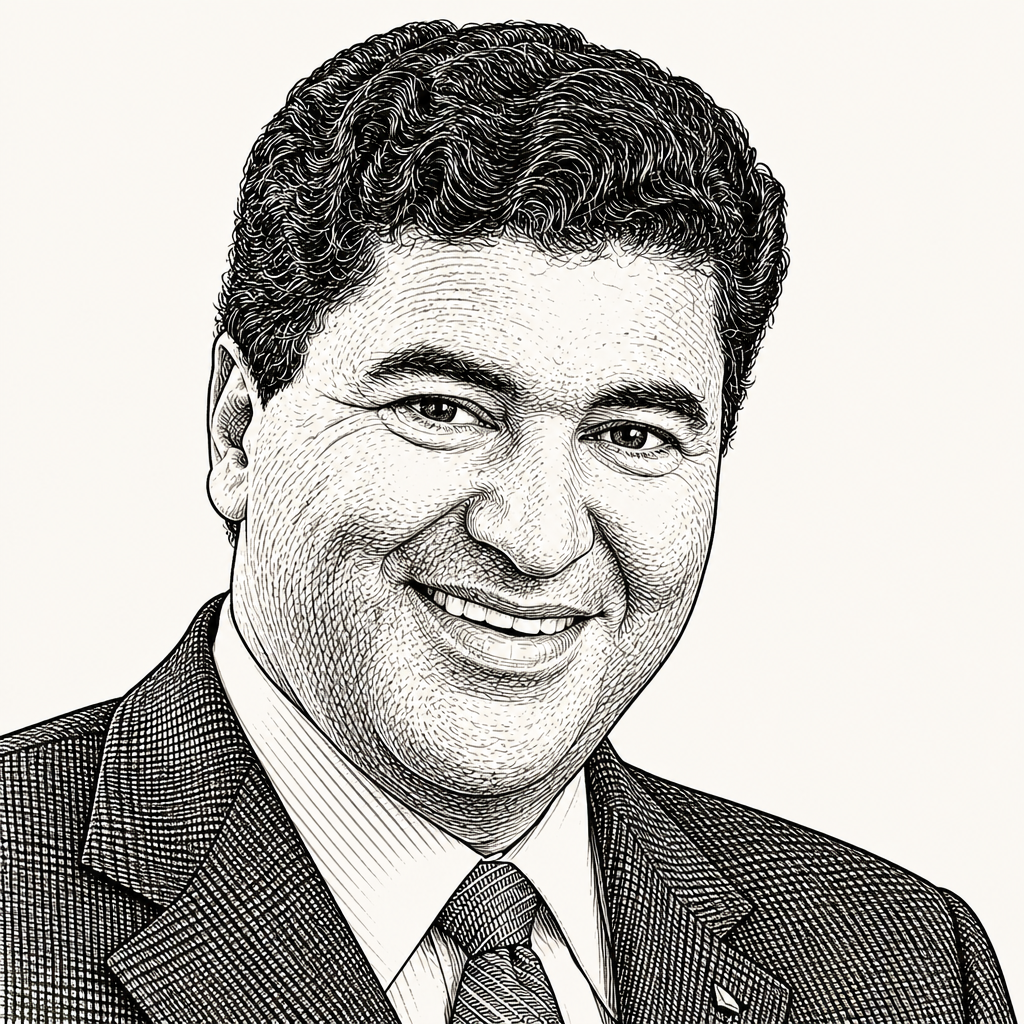
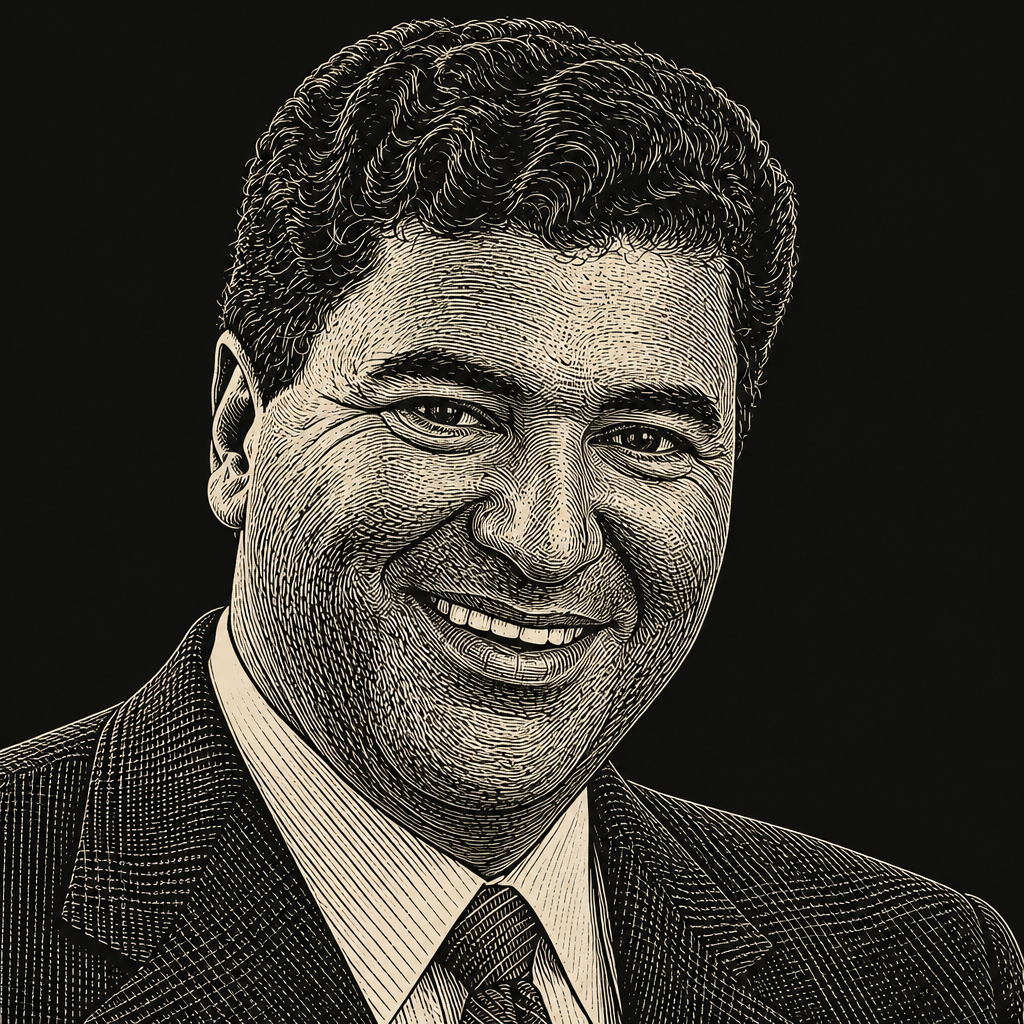
Zerhouni, former director of the National Institutes of Health and author of Disease Knows No Politics, describes that ecosystem as a chain: federal funding supports universities; universities train talent; talent feeds discovery; discovery supports medicine, biotechnology, and pharmaceutical innovation; and the whole structure depends on immigration, capital, public trust, and political protection for science. His worry is that several parts of that chain are being stressed at once.
He points to proposed NIH funding cuts, pressure on universities for ideological reasons, restrictions on immigration, taxation of university endowments, pressure on pharmaceutical companies over pricing, and capital flowing elsewhere. Each may have a political rationale, he says. Taken together, they “shake the machine” that supports both biomedical leadership and the American dream.
You can make very separate decisions in a complex system thinking you're doing the right thing, but the combination of all these right things is a wrong thing.
Zerhouni contrasts the political environment in which he led NIH with the one he sees now. When he became NIH director under President George W. Bush, he says, both President Bill Clinton and President Bush had committed to doubling the NIH budget. Bush also launched the President’s Emergency Plan for AIDS Relief. By contrast, Zerhouni says the current NIH director has been told to cut the agency’s budget in half and “kill PEPFAR.” The change, for him, is not simply fiscal. It is a loss of the bipartisan premise that disease and patients should sit outside ordinary political warfare.
He gives the talent problem bluntly. The United States, with roughly 350 million people, cannot produce enough exceptional scientific talent on its own to compete with countries such as China and India, he argues. He says half of Nobel Prizes are won by people not born in the United States, and half of graduate students today are not U.S.-born. In that context, anti-immigration policy is not merely a cultural or border-policy choice; for science, he says, it is “shooting ourselves in the foot.”
The China figure functions as a warning in his argument: scientific and industrial capacity does not disappear into a void. If discouraged in one country, it moves. Zerhouni says that when he was in industry, zero percent of molecules came from China in 2015; today, he says, the figure is 37 percent.
Zerhouni does not say the risk has already become irreversible. He says advocacy groups fought proposed NIH cuts the prior year and won with Congress. He is active with the Foundation for the NIH, Research!America, patient groups, and advocacy efforts including United for Cures and United for Science. Those groups, he says, educated Congress and the administration, and Congress listened. He also says Congress had recently passed a bill increasing the NIH budget and funding for other agencies.
The tipping point, in his view, lies in proposed changes to grant rules and civil-service protections. He identifies an Office of Management and Budget rule governing grants as dangerous because he believes it would undermine peer review and make funding decisions political. In his description, the danger is a system in which grants can be rewarded or punished based on political alignment rather than scientific merit: “you voted right” becomes a reason to give a grant; disagreement becomes a reason to cut one.
He links that concern to Schedule F, which he describes as an executive order that would strip civil-service protections from employees with budget authority or policy decision authority, making them dismissible by the president “anytime, any day, for any reason.” Since Theodore Roosevelt, he says, the United States has maintained a distinction between political appointees, who serve a president, and civil servants, who serve the country across administrations. His fear is that collapsing that distinction would make the scientific grant-making apparatus politically obedient.
Zerhouni does not present the battle as already lost. He says judges have so far stood by opponents of some cuts, that grant terminations were fought and overturned, that indirect-cost cuts were challenged, and that 16 attorneys general attacked the government over those moves. The legal system, he says, is functioning in a way that is “not what you see in Hungary or Poland or anything like that.” But his warning is clear: if peer review and civil-service independence are politicized, the damage becomes very difficult to fix.
The American dream mattered because it made an immigrant head of NIH
Zerhouni’s defense of American science is inseparable from his biography. Elizabeth Cohen asks him about a remark he made when President Bush nominated him to lead NIH: that he was grateful because the nomination said something about “a great country” that no other country could say about itself.
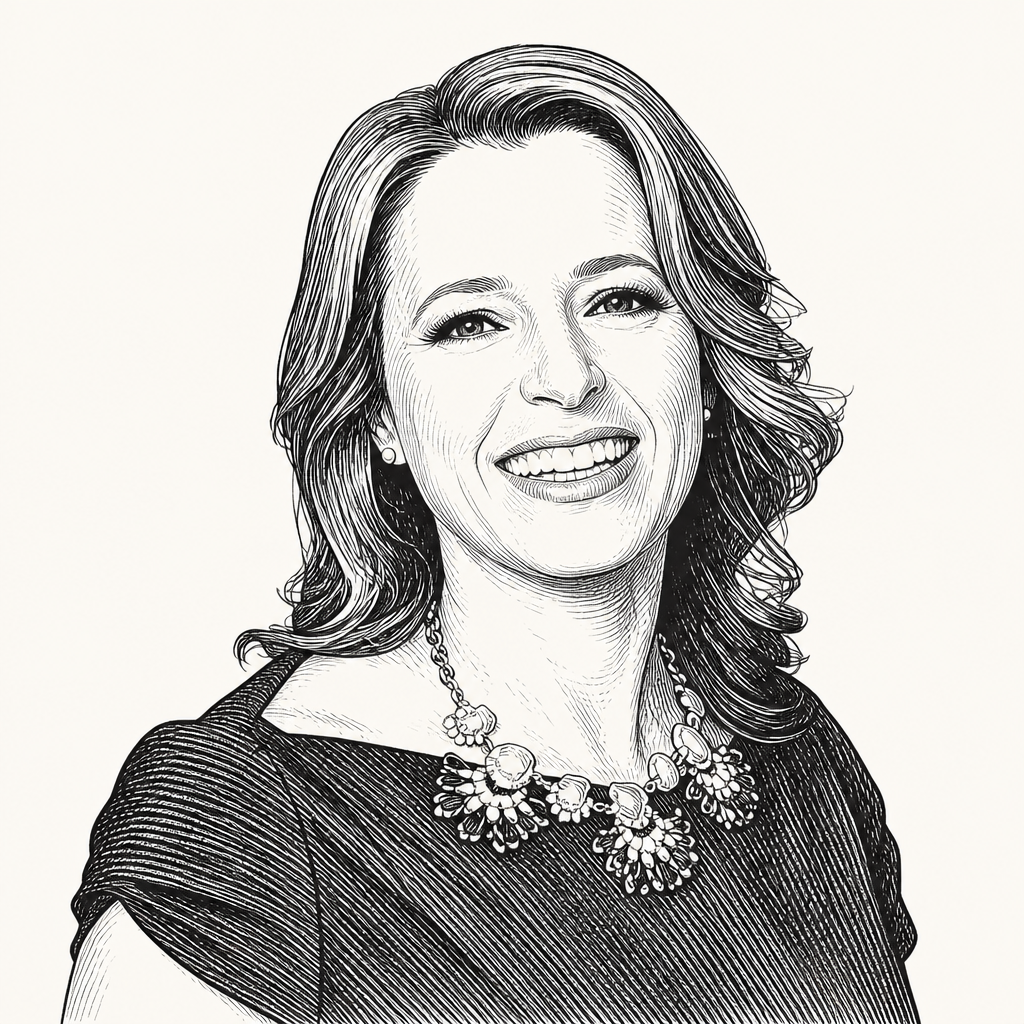
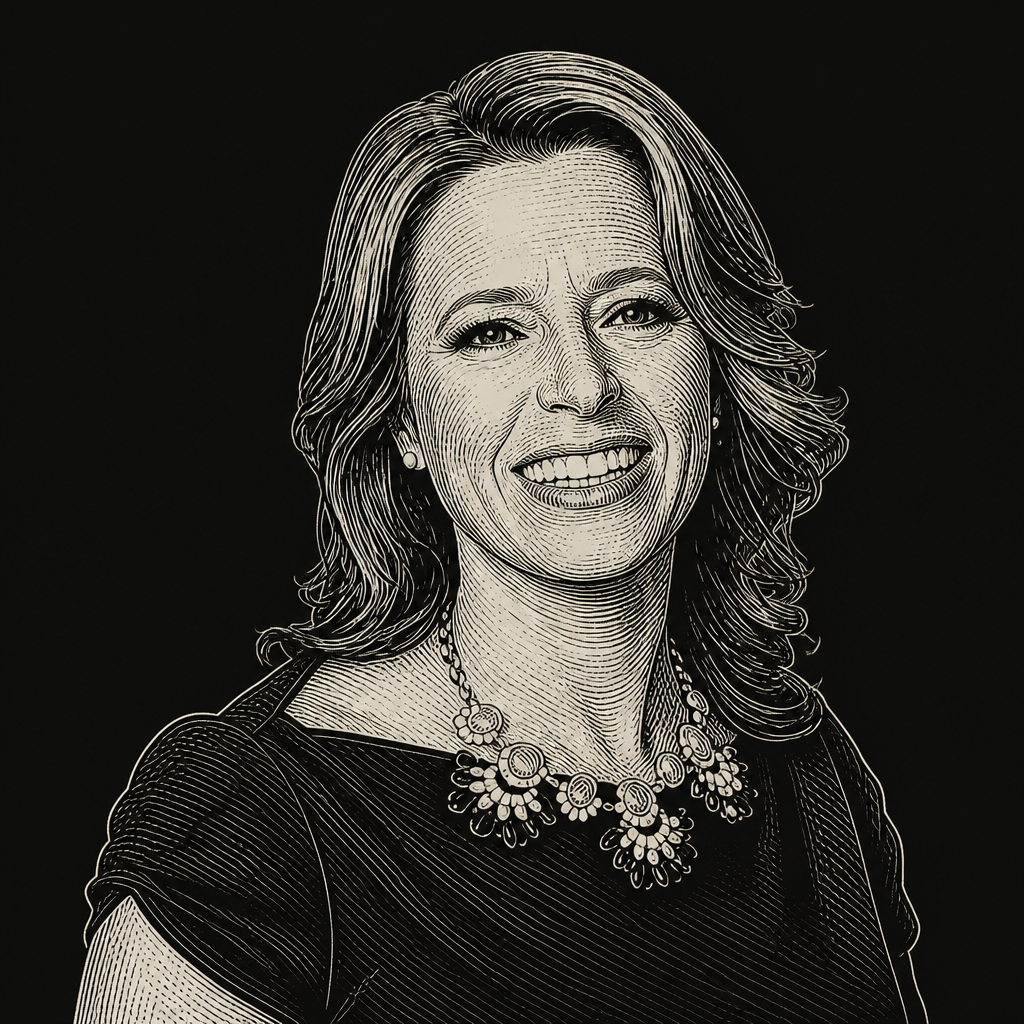
For Zerhouni, the remark was not ceremonial. He came to the United States at 24 with his wife, Nadia, barely speaking English. He had not imagined that he would one day lead what he calls the premier biomedical research agency in the world. He says there had never before been an immigrant in charge of NIH. When Bush described him as a “quadruple threat” — teacher, scientist, and more — Zerhouni’s response was that the appointment said more about America than about him.
That is what he means by the American dream: not a slogan, but a system capable of absorbing an immigrant and letting him rise to one of the highest scientific posts in government. He says a career like his would not have happened anywhere else.
Have we lost it? No. Are we at risk of losing it? Yes.
The risk, he says, comes from cynicism, anti-immigration politics, and the erosion of the institutions that allowed such a career to happen. If the country loses the American dream, it loses one of its fundamental strengths.
His childhood in Algeria gives that claim a sharper edge. Zerhouni was one of seven sons. His father was a teacher of mathematics and physics during the Algerian liberation struggle against France. Schooling was intermittent because of war: schools closed, teachers did not appear, danger disrupted ordinary education. Zerhouni says the key lesson was not merely education but learning how to learn.
His father did not simply provide answers. He asked questions: What is 1 + 1? Why? What do you think? Because formal schooling had gaps, Zerhouni had to fill them himself. What might have looked like a disadvantage became a source of resilience and curiosity. “You can’t fail,” he says, if you educate yourself and learn how to educate yourself.
That childhood also exposed him to political attempts to control identity. Cohen asks about a story from his book in which Zerhouni and a classmate were punished for speaking Arabic. Zerhouni says French colonial power in Algeria aimed to make Algeria “French forever,” which required suppressing local culture and language. If students spoke Arabic in class, they were punished. He remembers answering a friend in Arabic and being punished for it. “You never forget that your identity is being basically destroyed,” he says.
After independence, he says, the reverse happened: students could be punished for speaking French. “So I got it both ways.”
His scientific instincts were formed by computerized medicine
Elias Zerhouni says his scientific path began with frustration. He wanted to practice good medicine; his father thought medicine was a poor choice because it involved rote learning, unlike mathematics and physics. Zerhouni says medical school proved his father partly right: there was too much memorization. Then a radiologist showed him the first CAT scan.
The appeal was the system behind the image: an X-ray rotating around the body, signal detection, digitization, computer algorithms, and image reconstruction. Zerhouni saw in CT scanning a union of mathematics, physics, computing, imaging, and biology. His dean in Algeria told him they could not teach him that because they did not even have a CAT scanner. But the dean connected him with Hopkins and Harvard. Russell Morgan, dean at Hopkins and a radiologist, invited him to come to his lab.
That placed Zerhouni at the beginning of what he calls a wave of computerized medicine. Computers, quantitative sciences, and multidisciplinary methods would eventually permeate medicine. His early work in CAT scanning also produced one of the more revealing episodes Cohen draws from his book.
At 27, while in Algeria to take an equivalency exam so that his American medical credentials would be recognized there, Zerhouni received word that the president of Algeria was unconscious after what was thought to be a stroke. The country needed a CAT scan. General Electric and Siemens were asked, he says, but delivery would take six weeks.
Zerhouni knew another route. A friend’s father had built a business around mobile CAT scanners, putting scanners on trucks so they could travel between hospitals. The father had also anticipated military need and asked Zerhouni and his friend to design something that could fit in a truck and be loaded into a military airplane. Zerhouni knew there was a scanner in San Diego that could be flown to Algiers within 24 hours.
He says President Jimmy Carter ordered a C-5 Galaxy to fly the scanner from San Diego to Algeria. The next day it arrived. Then Zerhouni was called to the hospital because nobody else knew how to operate it. He ran the scanner — and two days later still had to sit for the equivalency exam.
The episode matters less as an adventure story than as a template for how Zerhouni thinks about science policy. Technology becomes useful when disciplines connect, when systems are designed for mobility and scale, and when someone can navigate medicine, engineering, government, and logistics at once.
He extends the point to biology itself. In discussing learning and complexity, he asks the audience to consider the human body: one cell becomes 37 trillion cells; the brain contains 80 to 100 billion neurons; each neuron has 5,000 to 10,000 connections; the brain has roughly a thousand trillion connections. DNA replication is not perfect, he says; each replication contains a few mistakes, producing individuality. To appreciate the scale and connectivity of the body is, for him, to resist narrow silos.
AI is powerful because it scales knowledge, not because it thinks
Zerhouni sees artificial intelligence as a second major technological wave in medicine, analogous in consequence to computerized medicine. Elias Zerhouni draws a hard distinction between usefulness and thought.
AI, he says, does not think. It assembles data and knowledge, cuts them into tokens, maps those tokens into high-dimensional vector space, and uses probabilistic models to generate the next word, and the next, and the next. He describes vector space by analogy: ordinary physical space has three dimensions, while the relevant AI space has 4,096 vectors. In that space, “cat” may be close to “dog,” while “dog” is not close to “car.” The power comes from scale: AI can process amounts of data no person in the room could absorb.
The weakness comes from the same structure. Because the system predicts rather than reasons in the human sense, it can hallucinate. And because it relies on past data, Zerhouni says it cannot generate breakthrough knowledge in the way Einstein, quantum mechanics, or the structure of DNA did. He says experiments have asked whether systems trained on data available in 1905 would produce relativity, whether data available around 1930 would produce quantum mechanics, or whether pre-1950 knowledge would produce the structure of DNA. His answer: no. “It relies on the past. It doesn’t really go forward.”
That does not make AI disposable. Zerhouni says he has used it in his own research for four years and finds it too powerful to reject because of abuse. Every powerful technology has “light and shadows.” The right response, in his view, is management, not politicization. If AI governance is driven by political outcomes, he warns, the United States will freeze while other countries move ahead.
The energy and infrastructure demands are part of the challenge. Zerhouni says the human brain consumes about 20 watts to do what humans are doing in the room. By contrast, he says, the base for an AI machine is 200 kilowatts. Token counts have grown from hundreds of millions, to billions, to trillions, driving the race to data centers. Complex questions cannot be translated into usable human answers without fine probabilistic models, but those models require massive infrastructure.
The validation problem becomes acute when AI learning happens across industry and academic medical centers without moving through traditional peer review and publication. John Noseworthy raises that concern as a scientist and former Mayo Clinic colleague of Zerhouni’s: breakthroughs from the combination of medicine, science, and AI may carry a different degree of validation than the system is used to handling.
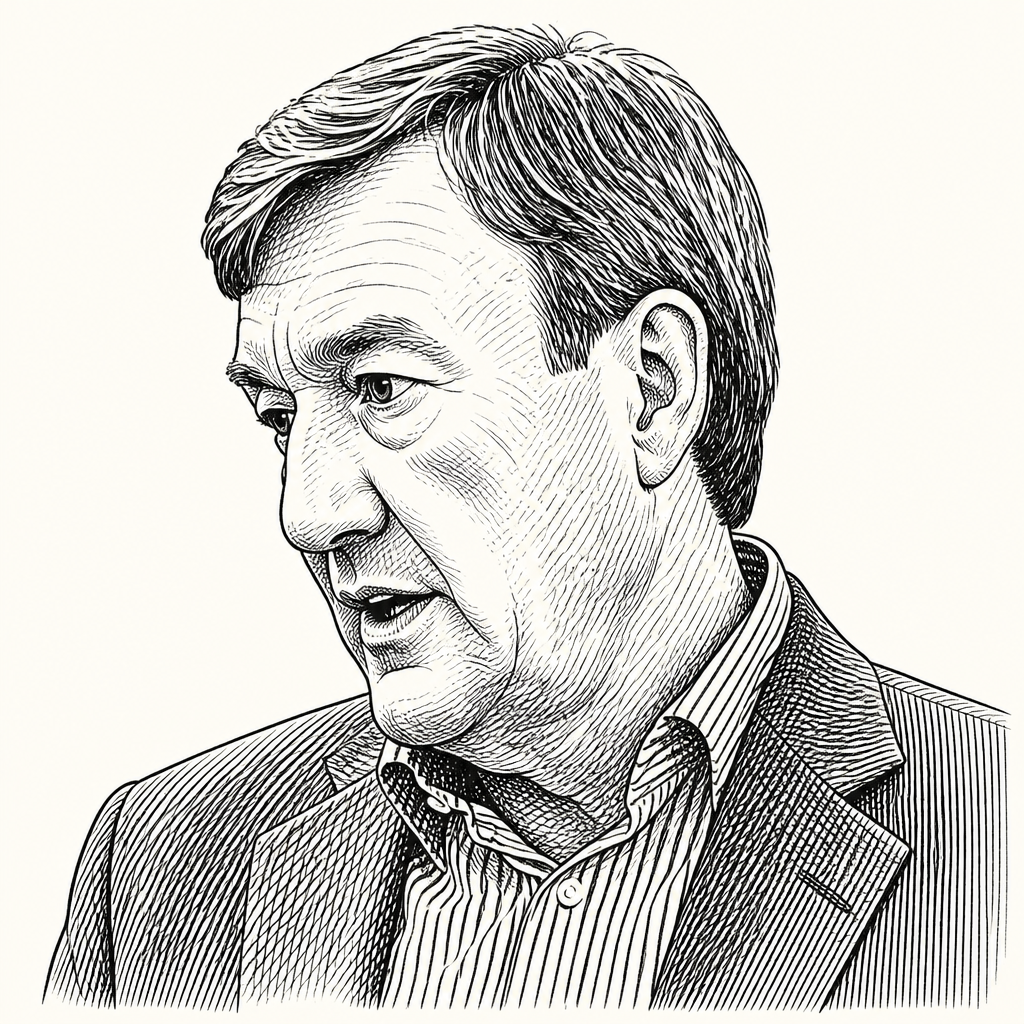
Zerhouni says the question is profound and admits he does not have an answer. He sees two risks: hallucination and pollution of the accumulated body of knowledge. If false information is repeatedly fed into the knowledge environment, he says, the “truth ratio” shifts — the proportion of truthful to non-truthful material declines. Preventing that will require both technical solutions and ethical control.
In his own research on complex multispecific antibodies, AI has improved productivity but not replaced scientific direction. Previously, his team might run 1,000 or 2,000 experiments to find a good antibody. Now, he says, AI eliminates many bad candidates, reducing the experimental burden to about 200. That is acceleration, not autonomous discovery. An unnamed moderator summarizes the point: AI gets you there faster, but you have to know where you are going. Zerhouni agrees.
The stem-cell fight worked because science could speak and politics could remain politics
Zerhouni treats embryonic stem-cell policy under President Bush as an example of a political conflict that did not fully swallow science. Elias Zerhouni says the issue was inherently divisive: embryonic stem-cell lines grew out of embryos, and the politics cut across pro-life and pro-choice commitments. A White House lawyer warned him early to be careful and support the president’s policy.
Zerhouni says the road was tricky, but he accepted it because before Bush’s policy there had been no federal funding for stem-cell research. At Hopkins, where he had been executive vice dean and head of research, he says they received zero dollars for stem-cell research. He had gone to donors to create an institute for cell engineering because he believed the scientific promise was not merely regeneration but understanding how DNA is programmed forward from one cell into a human being and potentially backward through reprogramming.
Bush’s compromise, as Zerhouni describes it, allowed federal funding for 78 existing embryonic stem-cell lines that had already been derived from embryos, while prohibiting funding for new lines going forward. Zerhouni calls it a “Solomonic decision.” It opened funding where none had existed, and over several years NIH increased support by almost half a billion dollars.
But by 2005, scientists concluded the existing lines were not enough. The available lines could not adequately show how a healthy line would develop, he says, and researchers needed access to fresh lines. Zerhouni testified that the United States was “fighting with one hand behind our back” and that countries such as Japan were making significant progress.
A bipartisan bill emerged to reopen the policy, led in part by Senate Majority Leader Bill Frist, a physician. Bush vetoed it. Just before the veto, Senator Tom Harkin asked Zerhouni at a hearing whether the United States was falling behind in stem-cell research. Zerhouni answered yes.
I want you to stand for the science and leave the politics to me.
That, Zerhouni says, was Bush’s instruction to him. In a different political environment, he suggests, his public answer might have ended his job. Instead, he says Bush told others that Zerhouni had told him the same thing privately, that he respected him, that he had done a great job, and that he needed people like him to speak the truth.
For Zerhouni, that distinction is essential. He is not saying politics disappears. The president had a policy; Congress had a bill; the issue was morally contested. But science was allowed to state where the evidence stood, even when it complicated the president’s position. That is the model he contrasts with an environment in which, he says, he would last “about a millisecond.”
NIH, in that period, was what he calls a “safe harbor” for politicians. Democrats and Republicans might fight in public and grandstand, but he says they worked together “in the dark” to help NIH when it came to health, cures, and patients. His NIH Reform Act passed 414 to 0 in 2006. The title of his book comes from testimony in which he said disease knows no politics and NIH should not become a political football.
The conflict-of-interest crisis forced him to choose the public over his tribe
Zerhouni says the hardest period of his NIH tenure was not SARS or H5N1 flu. Elias Zerhouni identifies the harder test as a conflict-of-interest crisis triggered by Los Angeles Times reporting by David Willman. Cohen notes that Zerhouni described it as a train wreck, that he was going through hell, and that he felt betrayed by NIH scientists. Zerhouni corrects the scope: some scientists, not all.
The underlying rule change predated him. NIH scientists, who were not highly paid, were allowed to moonlight. Someone had decided that after five o’clock they were “on your own” and could do what they wanted. Zerhouni says about 30 people out of 10,000 made a business out of it.
The examples he gives are severe. One scientist allegedly took patient samples from NIH libraries without consent, sold them to a company, created a company in the United Kingdom, and used the samples for Alzheimer’s studies. Another advised the Food and Drug Administration while also advising companies on guidelines involving statins and other matters. People did not know these conflicts existed, Zerhouni says, until the reporter found evidence.
When the story first surfaced, some dismissed it as fabricated. Zerhouni asked anyone engaged in such activity to disclose it, saying he could not defend what he did not know. At least 12 did not disclose, he says. Congress then used subpoena power to ask pharmaceutical companies whom they had paid at NIH. In 2003 and 2004, he says, companies produced 527 reports.
At a hearing, members of Congress asked how he could maintain public trust if he could not run his own shop. Zerhouni says he was shocked. As NIH director distributing $30 billion in grants, he jokes, he acquired many friends quickly. But when scandal hit, many disappeared.
His analysis became broader than NIH. The ties among researchers, industry, universities, trips, gifts, and prescribing behavior reflected a world he believed was wrong. The question became whether to stand with colleagues who wanted the “gravy train” to continue or with the public. Some cases, he says, were not merely conflicts of interest but criminal. One scientist took the Fifth Amendment when testifying.
Zerhouni chose the public. He says some colleagues remain angry with him, but he is proud that he resisted, did not back off, and did not stand with his tribe. He connects the episode to the Sunshine Act, which he says later helped clean up many of those financial relationships in healthcare. For him, the lesson is not only about disclosure rules. It is about the obligation of a civil servant: the job was to stand with the public and the country, even when the institution’s own insiders objected.
Patients carry more political force than scientists because they make consequences visible
Zerhouni repeatedly says patient voices have more power than scientists’ voices, university voices, or memos. Elias Zerhouni makes that claim concrete after an audience member says disability, like disease, knows no politics. She describes being assumed to be a Democrat because she is disabled and being told disabled people “just want things for free,” despite the process disabled people and their support teams must navigate to obtain assistive technology and live independently. Science, she says, merits bipartisan support because disease and disability do not discriminate by party.
Zerhouni calls the comment “very, very touching” and says it shows exactly what he means: the most powerful voice is the voice of patients and people affected directly.
He recalls bringing patients to congressional hearings as NIH director. At Hopkins, he says, teams had begun implanting brain pacemakers for Parkinson’s patients. He had video of a father who had been so disabled by Parkinson’s disease that he could not play lacrosse with his children; after the operation, he could play. Zerhouni asked the patient to come to Congress and explain the importance of research support at a time when lawmakers were considering cutting the NIH budget by about $1 billion.
The patient stood with a cane and told members of Congress: “This is how I was, and now this is what I can do. Gentlemen, if you cut the NIH budget, you will be committing a crime.” Zerhouni says some members cried, and the budget was not cut. His memos and arguments mattered less, in his telling, than one person making visible what research had done.
This is also how he thinks advocacy should operate now. In discussing proposed cuts, Zerhouni says patient groups have a voice “way stronger” than scientists’ or universities’. United for Cures and United for Science were built around educating Congress and the administration about the destructiveness of proposed cuts. The patient voice, in his account, cuts through abstraction because it connects appropriations to function, independence, survival, and family life.
Trust collapses when institutional promises no longer match lived experience
When asked how to restore trust in science, Zerhouni begins with an uncomfortable distinction. Elias Zerhouni says surveys show that people still trust their own nurse, doctor, and pharmacist. Individuals at the point of care remain trusted. Institutions do not enjoy the same confidence.
He says trust was relatively strong when he was NIH director, and he was already worried about losing it. Now he believes much of it has been lost — not only in biomedical institutions but in universities, Congress, and institutions generally. But in biomedical science, he identifies a specific cause: the mismatch between what the system promised and what people experienced.
When Zerhouni came to the United States in 1975, he believed the American biomedical research enterprise was the best in the world and rising, and that the healthcare system was also the best in the world and rising. Biomedical research did rise, he says. Many promised cures happened. But the healthcare system went down. People became frustrated and angry. He says 50 percent of economic issues come from medical bills. Access is slow: he asks Noseworthy how long it takes to get someone into Mayo Clinic, suggests three or four months, and says Hopkins is about four or five months. “Not fast enough” is the answer.
That gap breeds distrust. Zerhouni cites the Japanese philosopher Musashi for the definition of trust as the ability to predict someone’s behavior. If what someone says matches what they do, trust follows. When discourse and facts diverge repeatedly, trust erodes.
The vaccine-trust problem sits inside that larger distrust. When an unnamed speaker notes the apparent tension between high trust in doctors and nurses and distrust of vaccines, Zerhouni pushes back on the scale: it is not “that many,” he says; 20 percent distrust vaccines, 80 percent do trust them. But he agrees that vaccine distrust is real and explains it through belief, social media, and lack of lived memory. People have not seen measles and other diseases for decades, so the fear of disease has weakened while suspicion has been reinforced in fragmented media environments.
He also links vaccine distrust to broader frustration with conventional medicine. When people feel the healthcare system is dysfunctional, they look for alternatives. The growth of topics outside traditional medicine reflects, for him, a fragmented perception of reality. Just as media moved from three networks to 150, medicine’s authority environment has splintered.
Advocacy organizations, in Zerhouni’s model, have to work across different layers of trust rather than assume one message will reach everyone. Deneen Siccone of Cancer Support Community asks what decision-making frameworks might help groups rebuild and keep trust when speaking with lawmakers. Zerhouni says he has no magic wand, but offers a model of concentric circles.
At the center is personal trust: the nurse, doctor, family member, or person one knows directly. That is the strongest trust because it is relational and predictive. Beyond that is institutional trust: hospitals, doctors as a group, medical institutions. Beyond that is public trust at large.
No single strategy addresses all three circles. Zerhouni’s practical recommendation is to reinforce the central node — the trusted relationship between patients and the people directly caring for them — while recognizing the role of advocacy groups in the intermediate circle. Cancer advocacy, he says, is a good example: breast cancer, prostate cancer, cancer centers, and community organizations can connect personal trust in an oncologist to broader public support for science.
The argument does not end with an easy restoration plan. Zerhouni repeatedly admits he does not have a complete answer. But the shape of the problem is clear: public trust in science cannot be rebuilt by demanding deference to institutions while patients experience cost, delay, opacity, or disrespect. It has to be rebuilt where behavior can be predicted and consequences can be seen.