Feeling Better, Not Willpower, Drives Sustainable Healthy Habits
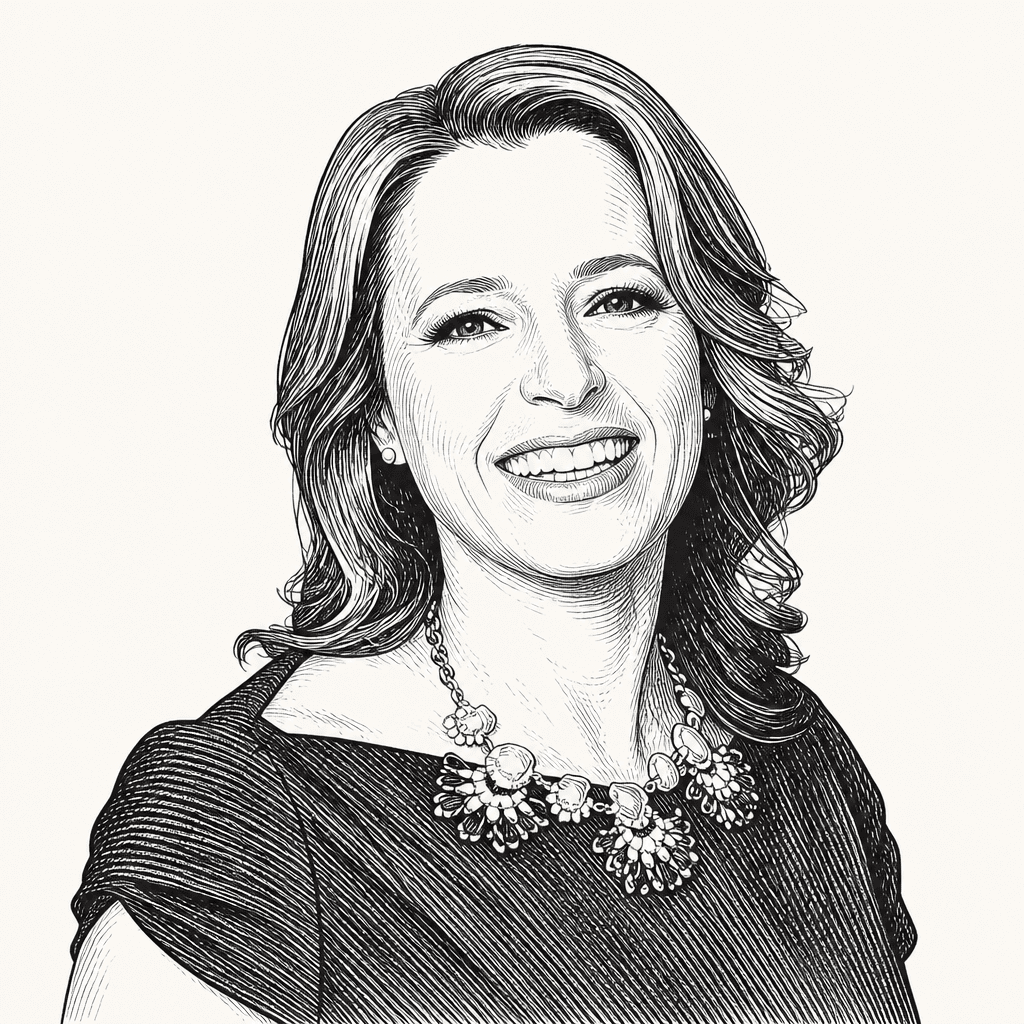
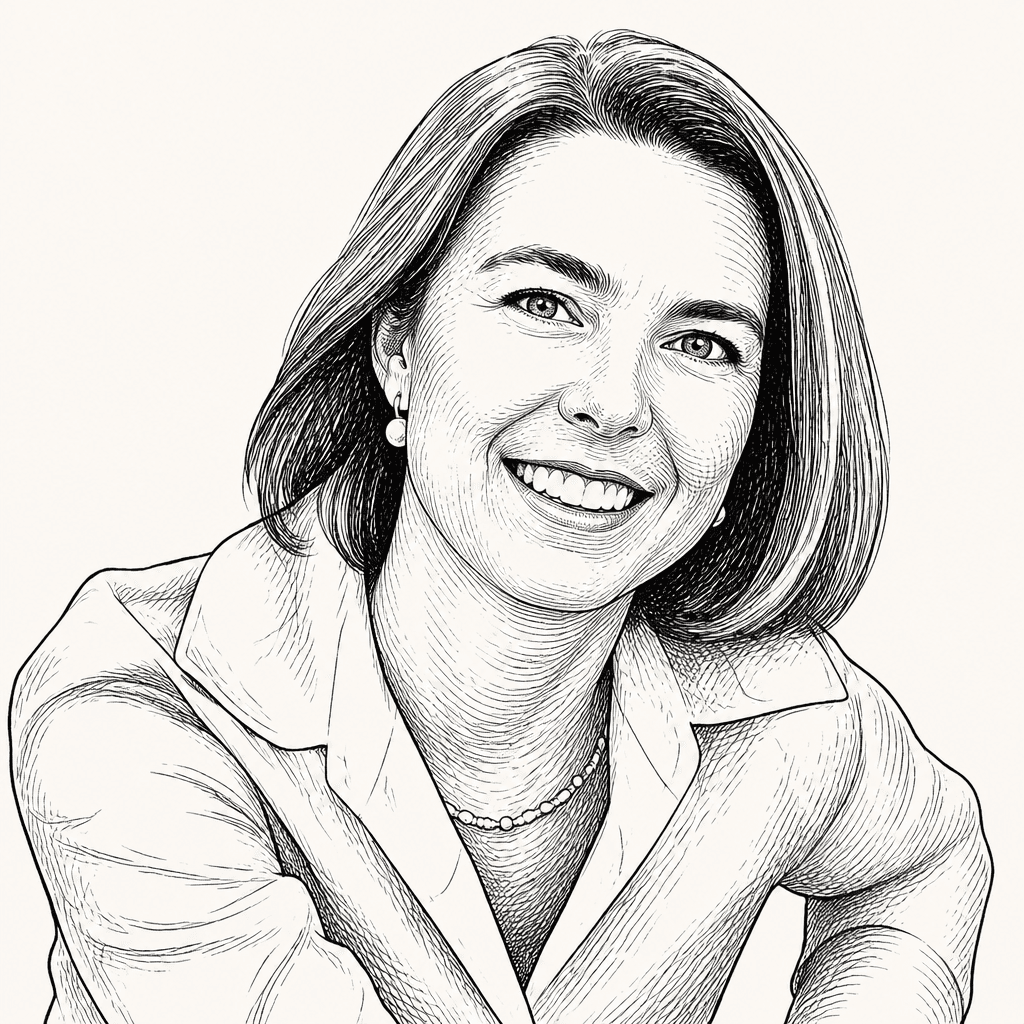
Psychologist Beth Cabrera’s forthcoming book, “Being Well: A Positive Path to a Healthier, Happier You,” argues that healthier habits are less likely to come from discipline than from making the desired behavior feel rewarding and easy in the present. Drawing on behavioral science and positive psychology, Cabrera says people should design their environments, social cues, and self-talk to work with the brain’s bias toward immediacy, ease, threat detection, and belonging rather than treating those tendencies as failures of willpower.
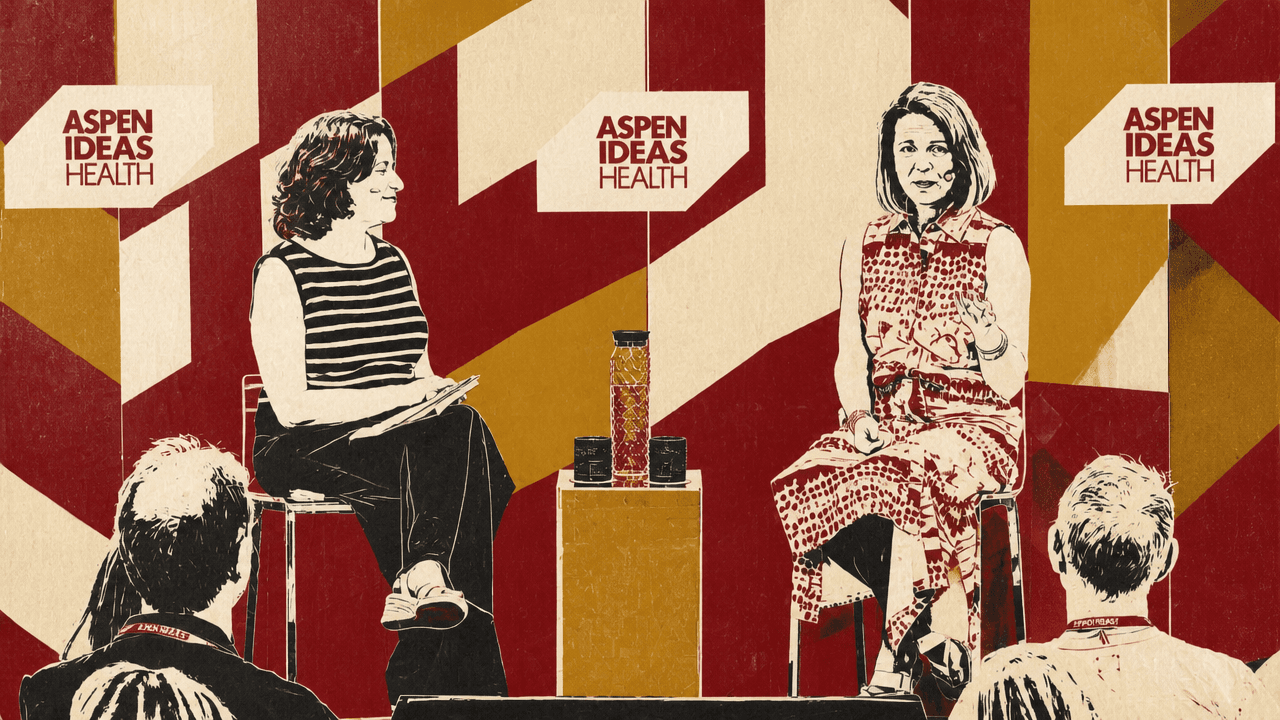
The path to better habits runs through feeling better, not trying harder
Beth Cabrera frames her forthcoming book, “Being Well: A Positive Path to a Healthier, Happier You,” as a response to a practical failure she kept seeing after years of speaking about happiness and health. People did not primarily lack information. They already knew the familiar list: meditate, exercise, eat better, avoid ultra-processed foods, sleep enough, stay socially connected. What they lacked was a way to do those things without turning well-being into another source of pressure.
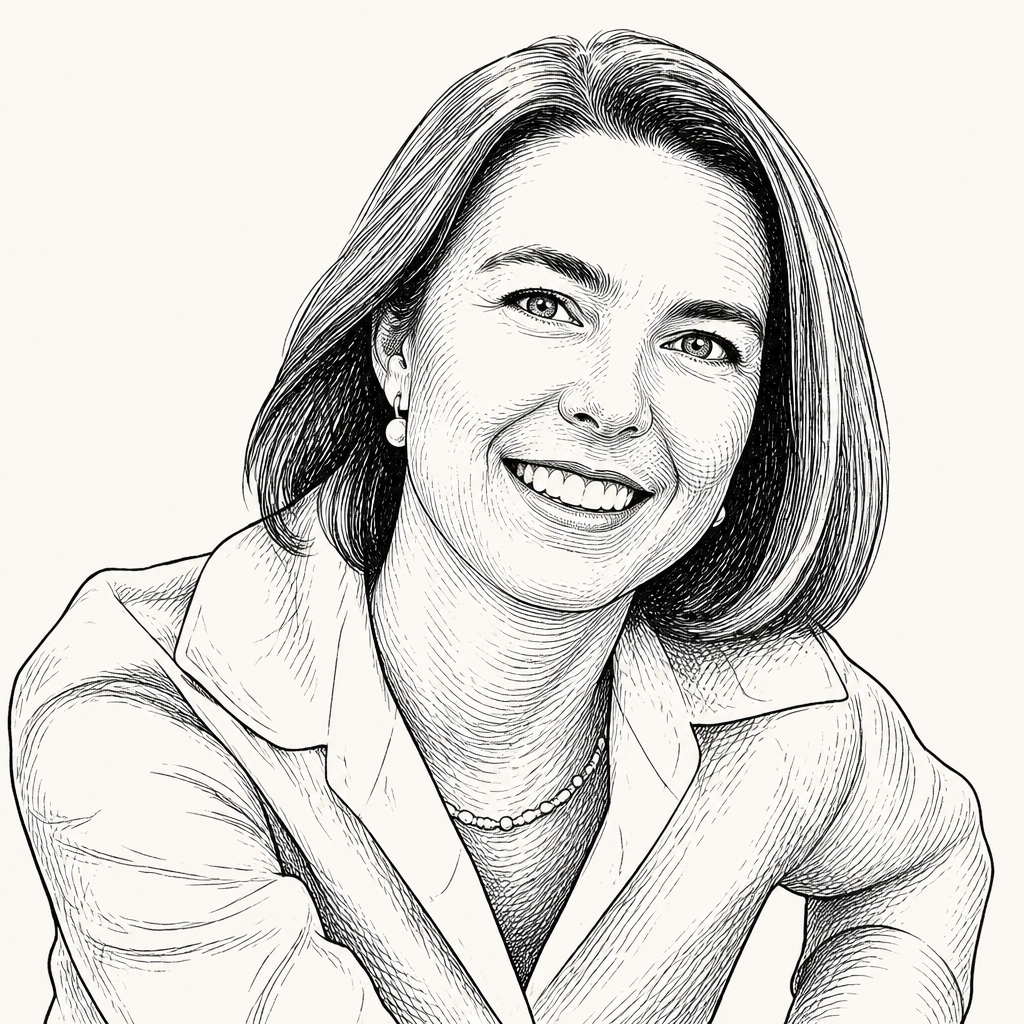
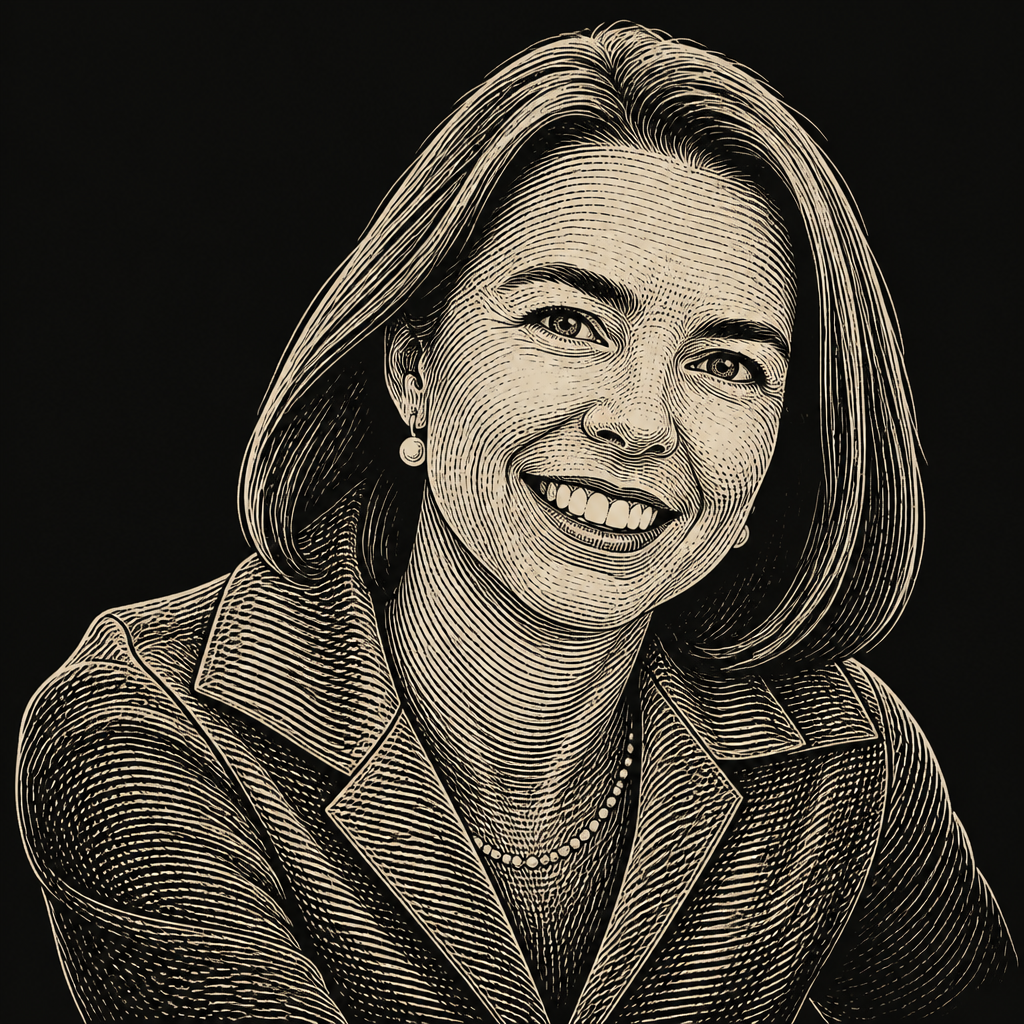
Her first book, “Beyond Happy,” offered what she described as many of those “what to do” strategies. But after talks, audience members would often say they understood the advice and still felt overwhelmed by it. The implicit bargain in many health and happiness books, Cabrera said, is that people must use willpower, discipline, and self-control to add beneficial practices to an already full to-do list. For people “desperate to be happier,” the result could be more stress and anxiety.
That problem is what psychology calls the intention-behavior gap, or the knowing-doing gap: knowing what would help does not make someone do it. Cabrera’s turn, as she described it, was toward behavioral science and positive psychology — not to add more prescriptions, but to find ways that make follow-through more likely.
Her central claim is that discipline is the wrong primary tool. The better route is to make healthy behavior feel good now.
The best way to do something is not through discipline and willpower and self-control, it's actually through feeling good.
Cabrera said positive feeling gives people psychological resources: more energy, more confidence, and more resilience when they hit setbacks. She also cited two recent longitudinal studies that, as she described them, challenged the assumption that self-control produces well-being. Those studies measured self-control and well-being, then measured them again six months later. Higher self-control at the first point did not increase later well-being, Cabrera said. The reverse relationship did appear: people with higher well-being showed greater self-control later, because well-being supplied resources that supported self-regulation.
That reversal changes the practical question. Instead of asking how to force oneself into healthier behavior, Cabrera asks how to make the desired behavior rewarding in the present. If the present feels better, the behavior no longer depends on overriding the brain.
Elizabeth Cohen pressed Cabrera on the conventional understanding: most people assume that if they know they should eat better, go to bed on time, socialize more, or exercise, they must “force” themselves to do it. Cabrera’s answer was that this runs against the way humans are wired.
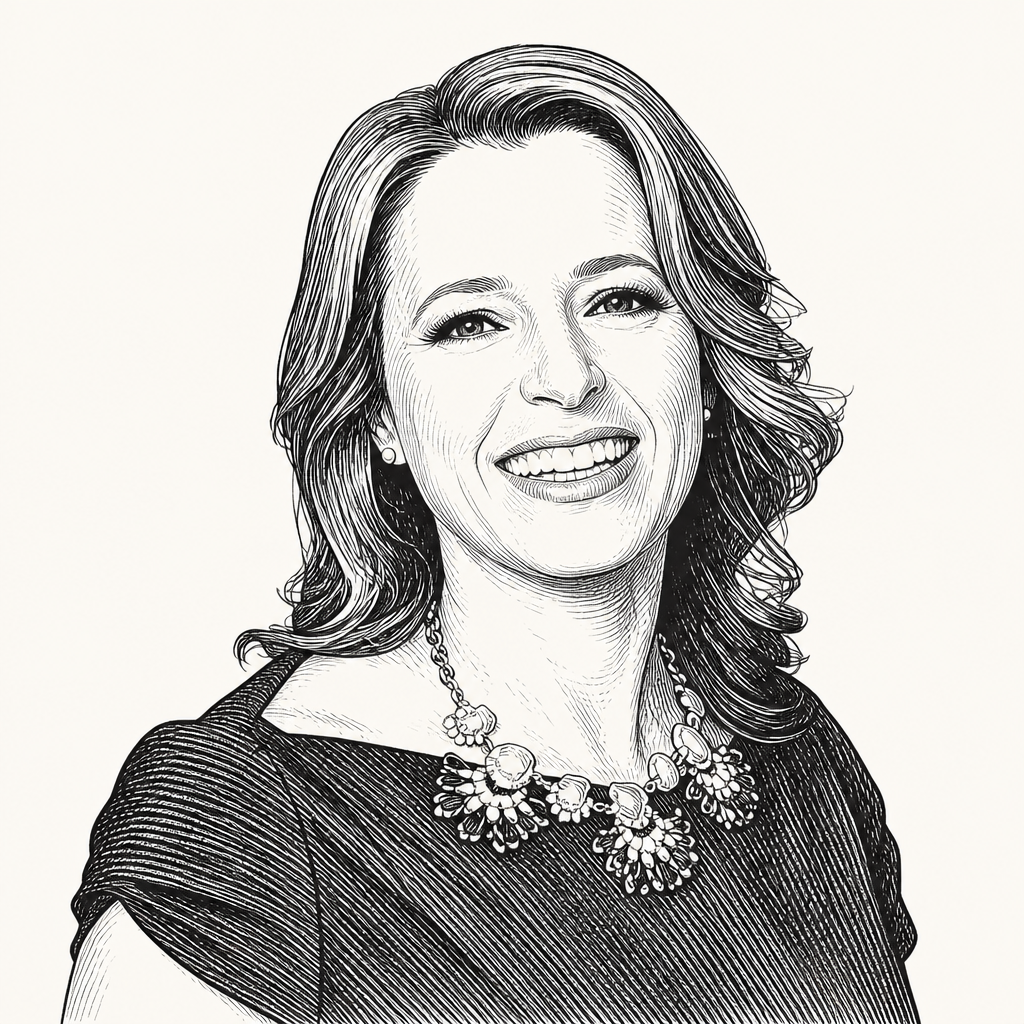
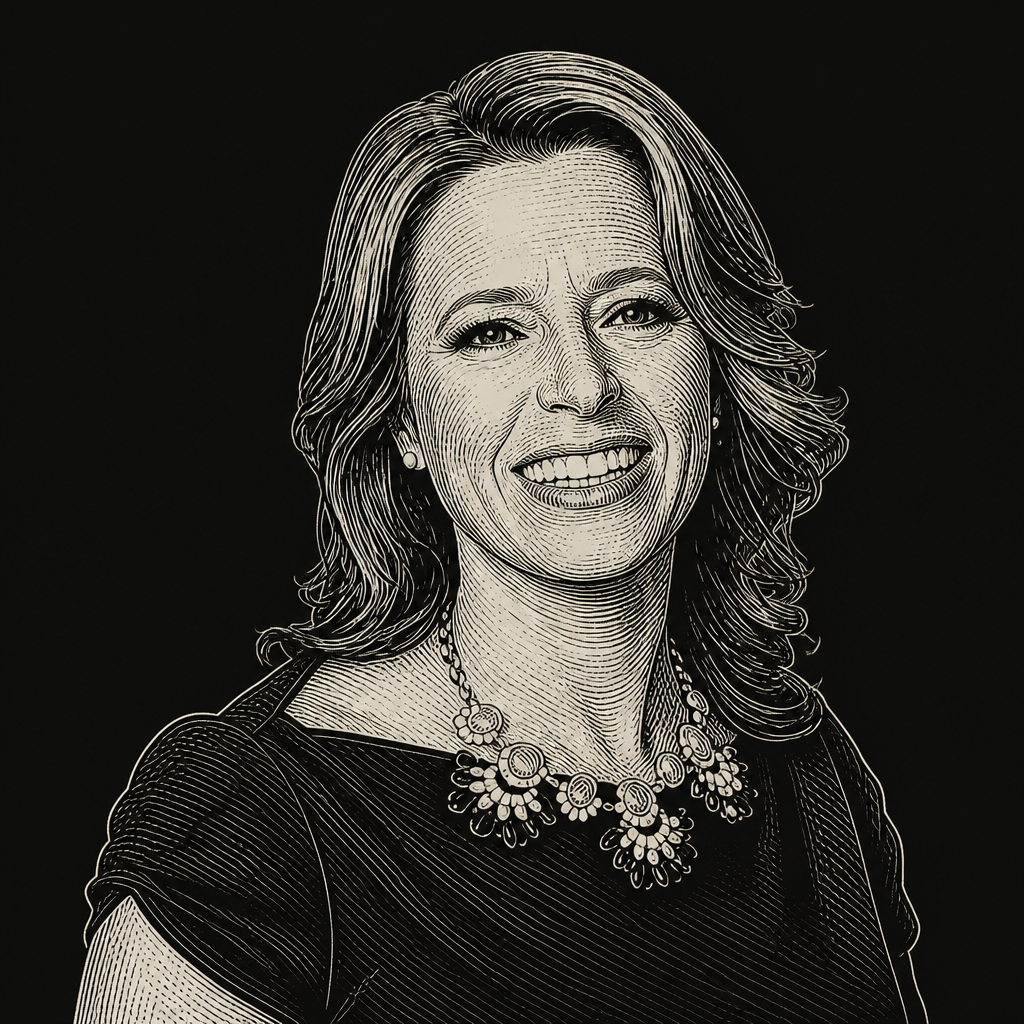
She pointed to present bias. Humans evolved in conditions where immediate survival mattered. If a forager found “sweet delicious berries,” eating as many as possible made sense because the next meal was uncertain. The environment has changed radically; the brain has not kept pace. In a world of abundant treats and sedentary options, the same bias toward immediate reward can undermine long-term thriving.
The implication, for Cabrera, is not moral failure but design failure.
We need to figure out how to work with the way we’re wired, and not against it.
Discipline asks the brain to devalue the present for the future. Cabrera argues that a more durable strategy is to make the present version of the healthy choice enjoyable enough that the brain does not experience it as deprivation.
| Default frame | Cabrera’s alternative |
|---|---|
| Use willpower to add healthy tasks to the to-do list | Make the desired behavior feel rewarding in the present |
| Treat lapses as evidence of poor discipline | Treat lapses as recoverable and return to the habit |
| Rely on motivation against an unhealthy environment | Change the environment so healthy choices are easier |
| Fight the brain’s bias toward ease and immediate reward | Use ease and immediate reward to support the habit |
Healthy behavior has to become something people want to do now
Cabrera’s most direct practical advice is to add pleasure to the habit itself. She called this the “Mary Poppins approach”: “a spoonful of sugar helps the medicine go down.” If a person can make exercise, healthier eating, or another habit more enjoyable, it becomes something they want to do rather than something they must force.
Her examples were deliberately ordinary. Add music. Do the habit with friends. Walk with someone. Meet people at the gym or yoga studio. Cabrera said she herself was never good at getting exercise, especially cardio, and disliked running. But she found she could take cycling classes with a playlist she enjoyed — country, 1980s music, Latin music — and then could “go all day on that bike.” Music transformed the activity into something she looked forward to.
A stronger version is “temptation bundling”: allowing oneself to do a desired indulgent activity only while doing the healthy behavior. Cabrera used her own attachment to the Today show as an example. After living for 10 years in Madrid, she missed watching the show in the morning with coffee. When she returned to the United States, she made a rule: she could watch it only on the elliptical. She would have a quick coffee at home, avoid turning on the television, go to the gym, and watch the show there. That rule got her to the gym five days a week because the reward was immediate.
Food can be approached the same way. Cabrera gave the example of someone who wants to eat salads for lunch but dislikes salads. Her advice was not to begin with the most austere version. Start with a dressing the person loves, even if it is not the healthiest choice. Add tortilla chips if that makes the salad something they will actually eat. In her example, her husband would choose blue cheese; Cohen joked that blue cheese at least has calcium, and Cabrera treated it as cheese rather than a catastrophe.
The first job is habit initiation. A slightly less optimal salad that someone eats every day is more useful than an ideal salad they avoid. Cabrera then offered a more speculative-sounding account of what may happen over time: if people begin feeding their gut microbes more vegetables, those microbes may start “wanting vegetables” and sending signals that make vegetables more appealing. In that telling, healthier versions can become easier later: the dressing can become olive oil and vinaigrette; the chips can disappear. First, the person has to begin.
Ease matters before the behavior starts. Cohen highlighted one of Cabrera’s concrete suggestions: if someone wakes up and does not want to get out of bed to work out, put the exercise clothes right by the bed. Some people even sleep in part of the outfit. That removes one decision and one source of friction before the workout begins.
Cabrera later applied this to mental friction. When a behavior feels too large — going to the gym, meditating, beginning anything that seems difficult — her advice was to make the commitment almost comically small. Drive to the gym and drive home. Sit down to meditate for one minute, take a long breath, and stop. Next time, try two minutes. The aim is to weaken the belief that the behavior is impossible before trying to build a full practice.
These are ways of respecting the brain’s preference for the easy and rewarding option. If the desired action is pleasant, small enough to start, and close at hand, it has a better chance of happening.
The environment is often stronger than willpower
Cabrera’s second major lever is environmental design. If present bias explains why immediate pleasure matters, the brain’s energy conservation explains why ease matters. “We like the easy way out,” she said. If an action is harder to do, people are less likely to do it; if it is easier, they are more likely to do it.
She connected this to Dan Buettner’s work on blue zones, where, as Cabrera summarized it, the healthy choice is often the easiest choice, and sometimes the only choice. In those environments, people walk places, tend gardens, move throughout the day, and eat food they grow. Health emerges partly because daily life is structured to make it ordinary.
Cabrera contrasted that with the contemporary American environment. She rejected the idea that people today are less healthy because they have less willpower than their grandparents. “We have the same brains that they had,” she said, but an environment that has changed radically: fast food restaurants on every corner, streaming services that encourage staying on the couch and delaying sleep, delivery services that allow food to arrive without even leaving the house. Unhealthy behaviors have become easy.
Cohen summarized the practical limit of this argument: individuals cannot change the entire food system or make companies stop producing ultra-processed foods, but they can control some features of their own homes. Cabrera agreed: “your own environment.”
The clearest illustration was the M&M experiment Cabrera described at Google. The snack rooms had open containers of M&Ms. In the experiment as she recounted it, the M&Ms remained in the snack room, but were placed in an opaque bin so employees could not see them. Over seven weeks, the employees were estimated to have eaten 3 million fewer calories of M&Ms simply because the candy was not visible and immediately grabbable.
Cabrera’s home examples followed the same logic. She keeps a bowl of fruit on the kitchen counter. She keeps small hand weights by the television, so that approaching the couch cues her to do a few weights before sitting. She does not buy ultra-processed foods or many snacks because, she said, she will eat them if they are in the house. If they are not there, she cannot.
The intervention may be small — a bowl, a bin, a pair of hand weights, clothes placed beside the bed — but it changes what the brain sees as the default action.
Cabrera also resisted giving a universal timeline for when a redesigned behavior becomes automatic. Asked by Rob Corets whether there is a time frame for rewiring a pathway so fruit becomes easier to choose than M&Ms, she said the old idea that it takes 21 days to form a habit is not true. But she did not offer a replacement number. Her understanding of the research is that habit formation is highly variable: easier behaviors form more quickly, harder behaviors take longer, and consistency depends partly on how easy the behavior is to repeat.
Optimism is trainable because attention and framing are trainable
Cabrera described happiness and optimism as choices, but not in the superficial sense of simply deciding to feel good. They require intentional work because, in her account, the brain’s default is not neutral. It is biased toward threat.
She traced that negativity bias to survival. The brain evolved to detect danger: the saber-tooth tiger, the wild animal, the cue that could mean death. In modern life, she said, an email can trigger the same threat response. The brain does not reliably distinguish between a predator and a message that feels risky; both can produce the sense of danger.
That is why Cabrera recommends practices that redirect attention toward what is good. The intervention she singled out for optimism was gratitude practice, specifically the “three good things” exercise. At the end of each day, people write down three good things that happened. On the surface, Cabrera acknowledged, this can look simplistic. Its effect is to change what the mind scans for during the day. If the person knows they will write down three good things at night, they begin noticing good things as they happen.
Her account of the mechanism was that parts of the brain that are activated more often become stronger. If someone repeatedly thinks and talks about what is bad, those thoughts become more automatic. If they repeatedly notice and record good things, the positive-emotion part of the brain fires more often. “What fires together wires together,” she said. Over time, noticing the good becomes more natural.
Optimism, in Cabrera’s explanation, follows from this altered pattern of perception. A person who sees good during the day begins to expect good in the future. A person who sees only bad expects more bad tomorrow.
This does not mean denying negative events. Cohen asked how people can train “caveman and cavewoman brains” to understand that an alarming email is not a saber-tooth tiger. Cabrera’s answer was that this is difficult because the brain treats threats as threats. The more practical route is to train attention toward more of the good and to interrupt specific patterns of catastrophic thought.
She described catastrophizing as the mind going to the absolute worst-case scenario in response to something upsetting. If a boss is unhappy about something, the person might go home convinced they will be fired the next day. Cabrera outlined an ABCD process: identify the adversity, examine the belief or thought about it, notice the emotional consequence, then dispute the thought.
The disputation step means slowing down and asking: What is the absolute worst case? What is the best case? What is most realistic? In the boss example, the worst case is losing the job; the best case is that the boss forgets the issue entirely; the realistic scenario may be that the problem can be addressed. The aim is not false reassurance. It is to prevent the most negative interpretation from becoming the only interpretation.
Cohen also drew out Cabrera’s example of positive reframing after a car accident. Cabrera described a scenario in which someone has just dropped off their children, then gets into a wreck and breaks an arm. The negative facts are real: the wreck happened, the arm is broken, the car may be unavailable, an important meeting may have been missed. Positive reframing asks what good can still be seen: the children were not in the car; only one arm was broken; it was the left arm rather than the right; the other driver had insurance. Cabrera described it as the familiar “silver lining,” but in psychological terms, positive reframing. When the mind is “going down the rabbit hole” about something negative, the question is: where is the good?
Cabrera’s discussion of optimism also sat beside a broader claim about mindsets: what a person believes about a situation can shape not only interpretation but, in the studies she described, physical response. She mentioned growth versus fixed mindsets, then focused on stress mindsets. As Cabrera summarized the research, if a person sees a stressful situation as a threat, the body prepares for fight or flight, including constricting blood vessels so the person would not bleed out if injured. If the same situation is seen as a challenge, the body prepares to meet it, including increased blood flow to the brain, supporting clearer thinking and better decisions.
She also described a milkshake study as one of her favorite examples of mindset effects. In the study as she recounted it, people who believed they had consumed a high-calorie milkshake showed a drop in ghrelin, signaling fullness. People who had the same milkshake but were told it was a “sensible” shake did not show the same hormonal change. Cabrera’s point was not that mindset alone solves health behavior. It was that interpretation, expectation, and framing can make a behavior or stressor harder to manage or easier to approach.
Self-compassion keeps a slip from becoming an identity
Cabrera’s argument against willpower extends to how people talk to themselves when they fail. Many people carry an inner critic that tells them they were wrong, dumb, careless, or should not have said or done something. Cabrera said the brain can treat this criticism as protective: if something went badly, perhaps worrying will keep it from getting worse. But the resulting anxiety and stress do not help people perform well or recover.
Her alternative is self-compassion, especially when trying to establish healthy habits. The example was simple: someone plans to eat a salad every day, then donuts appear and they eat one. Cabrera’s premise is that people do not have unlimited willpower, so slip-ups are expected. The question is what happens next.
Cabrera credited Kristin Neff at the University of Texas at Austin with a three-part account of self-compassion. First is mindfulness: noticing the critical self-talk. For some people, Cabrera said, it is just background noise, so the first step is recognizing, “I’m doing it again.” She even suggested saying, “Thank you, brain. I know you’re trying to keep me safe, but this isn’t helping me.”
Second is shared humanity: understanding that being human means making mistakes, having slip-ups, saying the wrong thing, hurting someone’s feelings, or making a poor decision at work. Error does not make someone a bad person. Third is kindness: talking to oneself in a way that reduces cruelty and makes repair possible.
Cabrera offered a test: imagine the same mistake happened to a best friend. What would you say to that friend? “I promise it’s not what you’re saying to yourself,” she said. That gap shows how unusually harsh inner speech can be.
The stakes are practical, not merely emotional. Self-criticism can cause people to give up. After the donut, the person may conclude they are not a healthy person, lack willpower, and cannot sustain the habit. Cabrera named the dynamic as the “what the hell effect,” which she said appears in psychological literature: after one slip, a person treats the day as ruined and escalates the deviation. If the donut already “screwed up” the day, why not have a burger and fries for lunch?
Her preferred model is closer to a “streak freeze” in Duolingo, the language-learning app. Cabrera said she has an approximately 1,800-day streak, though not because she has practiced every single day without fail. The app gives users a streak freeze — a mulligan — so a missed day does not destroy the streak. Cabrera said she would have quit if a single miss had erased it. The streak freeze made the lapse survivable.
Her lesson is that people should build the same logic into their habits. A slip is a detour, not proof that the route is closed.
Belonging is biological, and social influence can be designed
Cabrera’s account of social connection also begins with evolution. Thousands of years ago, belonging to a tribe was “live or die”: people depended on the group for food, safety, shelter, and survival. The brain therefore treats belonging as essential. That is why humans have an intense need to be part of a group.
She described loneliness and exclusion as biologically potent. The part of the brain associated with physical pain is activated when people feel lonely or left out, she said. The brain registers social disconnection as a survival risk.
This is what makes social influence powerful. People want to fit in because fitting in once meant remaining in the tribe. The behaviors of others shape behavior, often without explicit pressure. If someone wants healthy habits, Cabrera said, it helps to spend time with people who already practice those habits. A friend who walks even when it rains can provide both accountability and support.
Cabrera extended this beyond in-person friends. Online environments can become a kind of tribe. She said that when she began using Instagram, she filled her feed with doctors, trainers, nutritionists, and well-being-oriented accounts. When she scrolls, she sees people talking about the gut microbiome, demonstrating workouts, and making gut-friendly meals. That gives her the impression that “everyone in the world” is focused on health and well-being, which influences her behavior. Cohen called them her tribe; Cabrera agreed, even though she does not know them.
An audience question about aging and isolation brought the same claim back to physical environments. Cabrera said she could not fully explain why many people isolate as they age, but emphasized that isolation is harmful. She contrasted Atlanta’s Piedmont Park, where she said she and her husband see no older people walking, with Madrid, where older people are visible in parks, on benches, buying bread or newspapers, and talking to others. The point was not Spain as a universal solution; it was that daily environments can either bring people into routine contact or leave them at home.
Cabrera distinguished between close relationships and everyday interactions. People need some close relationships — not necessarily a large group, but at least one or two people with whom they can share important things. She cited research showing some people do not have a single person they feel they could tell something important to. But small interactions with strangers also matter: talking to a barista, greeting neighbors, exchanging a few words on a sidewalk. Those interactions feed the brain the sense that “I’m okay” and part of a group.
Another audience member asked about research suggesting that social effects can extend from a friend to a friend of a friend and even further, including for weight gain or divorce, and whether positive efforts can spread as well. Cabrera referred to the work of Fowler and Christakis as showing “the extent to which” such effects can go, while saying she did not know exactly how the mechanism works. She guessed it may operate like a domino effect: one friend suggests donuts or a bar, then those plans and norms spread through other relationships.
She said she was familiar with research suggesting the positive version is also true. In one study she recalled, people followed a weight-loss program, and researchers looked at their spouses, who were not on the program. The spouses also lost weight. Cabrera presented that as unsurprising rather than as proof of a precise mechanism: if one person in a household cooks healthier meals, the other person’s defaults change.
Her household became another example of social influence meeting environmental design. After reading Suzy Cameron’s “One Meal a Day” in late 2019, Cabrera said she was moved by the health and planetary arguments for eating less meat. In January 2020, she decided not to buy meat. After pandemic restrictions began that March, her husband, Ángel, later joked that he “became a vegetarian.” Her point was not that his conversion was purely voluntary; it was that what one person buys and cooks changes the choices available to others at home. The same applies to desserts: she does not buy them, so when someone wants something sweet at home, berries are the available option.
The social and environmental arguments converge here. People are influenced by what their groups do, what their households contain, and what their routines make normal. Influence can pull toward Krispy Kreme or toward a yogurt shop; Cabrera’s advice is to use that force deliberately.
In health care, positivity requires support and agency, not pressure
Cabrera’s framework becomes more delicate when applied to people facing illness or diagnosis. Asked how patients waiting for test results or navigating conditions such as cancer or women’s health issues can practice positivity, and what providers can do to support them, she did not present positivity as a demand that patients simply be cheerful.
Her answer emphasized conditions that can make positivity more possible. First, surround patients with people who support them and help them be positive. That fits her broader claim that social support is not an accessory to well-being; it is one of the resources that helps the brain feel safer and less alone.
Second, give patients agency where possible. Cabrera said much of the distress in a patient journey comes from uncertainty and the feeling that events are out of one’s control. In a health care plan, any point where a patient can make a decision — choosing this option rather than that one, taking more control of diet, or making another feasible choice — may return some sense of control.
She briefly mentioned diet and fasting in relation to immunotherapy, but immediately cautioned that she is not a health expert. The useful point in her answer was not a medical recommendation. It was that support and agency can matter when patients otherwise feel stuck waiting.
The answer fit the broader structure of Cabrera’s argument. Positivity is not a command to feel optimistic under pressure. It is supported by conditions: social connection, some degree of agency, reduced friction, and practices that help people see more than threat.