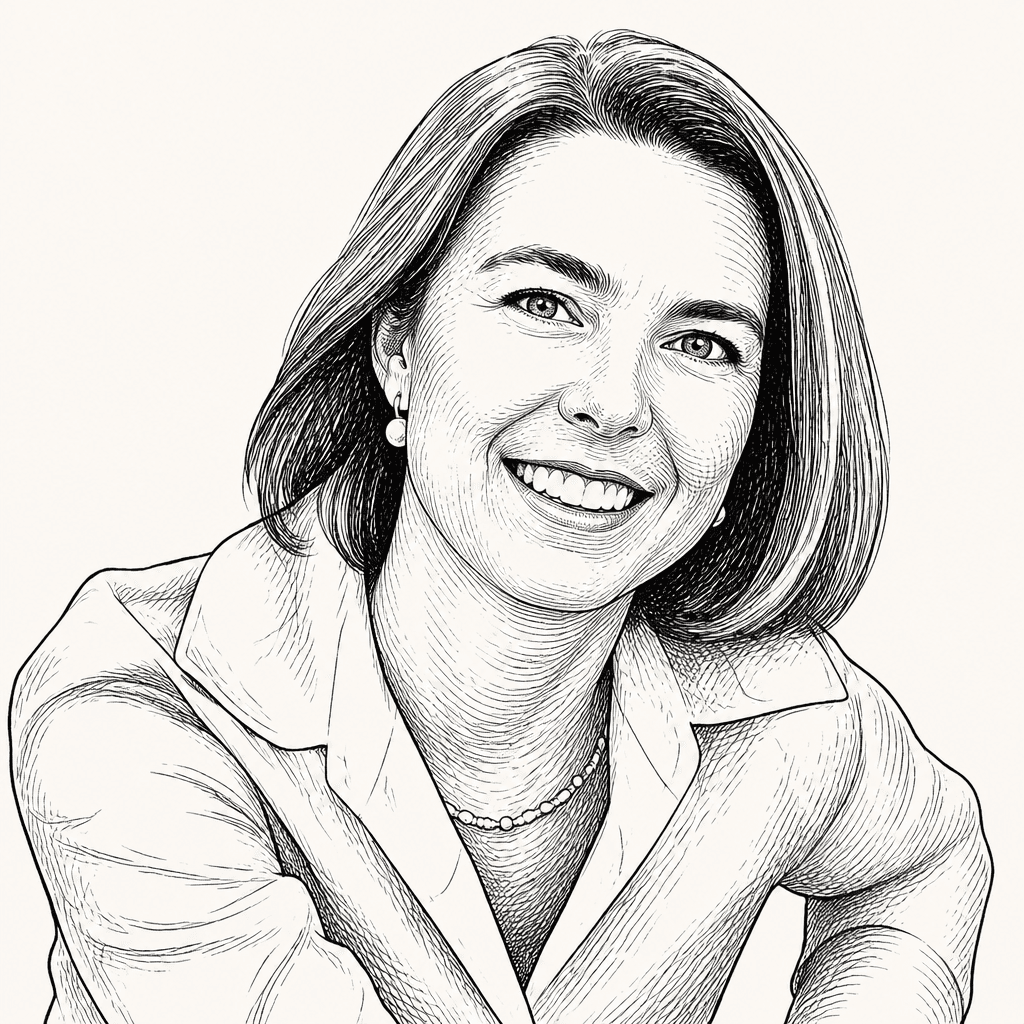
Beth Cabrera
Beth Cabrera is a positive psychology expert, founder of Cabrera Insights, and author focused on well-being, positivity, and leadership development. She is the author of “Beyond Happy: Women, Work, and Well-Being” and has been described as a senior scholar at George Mason University’s Center for the Advancement of Well-Being.
Feeling Better, Not Willpower, Drives Sustainable Healthy Habits
Psychologist Beth Cabrera’s forthcoming book, “Being Well: A Positive Path to a Healthier, Happier You,” argues that healthier habits are less likely to come from discipline than from making the desired behavior feel rewarding and easy in the present. Drawing on behavioral science and positive psychology, Cabrera says people should design their environments, social cues, and self-talk to work with the brain’s bias toward immediacy, ease, threat detection, and belonging rather than treating those tendencies as failures of willpower.
Environment Design Beats Willpower in Closing the Intention-Behavior Gap
Psychologist Beth Cabrera argues that the usual language of discipline and willpower misunderstands why people struggle to live healthier lives. Drawing on her forthcoming book, Being Well, she makes the case that the gap between intention and behavior is better closed by designing environments, routines, and social conditions that make good habits rewarding in the present. Positive emotion, self-compassion, social support, and small sources of agency are not ancillary to well-being, she argues, but part of what makes healthier behavior sustainable.
Feeling Good Can Close the Gap Between Health Intentions and Habits
Psychologist Beth Cabrera argues in her forthcoming book, “Being Well: A Positive Path to a Healthier, Happier You,” that the main obstacle to better health is not ignorance but the gap between intention and action. In a conversation with Elizabeth Cohen, Cabrera makes the case that lasting behavior change depends less on discipline and guilt than on designing daily environments, relationships, and routines so that healthy choices feel rewarding and become easier to repeat.