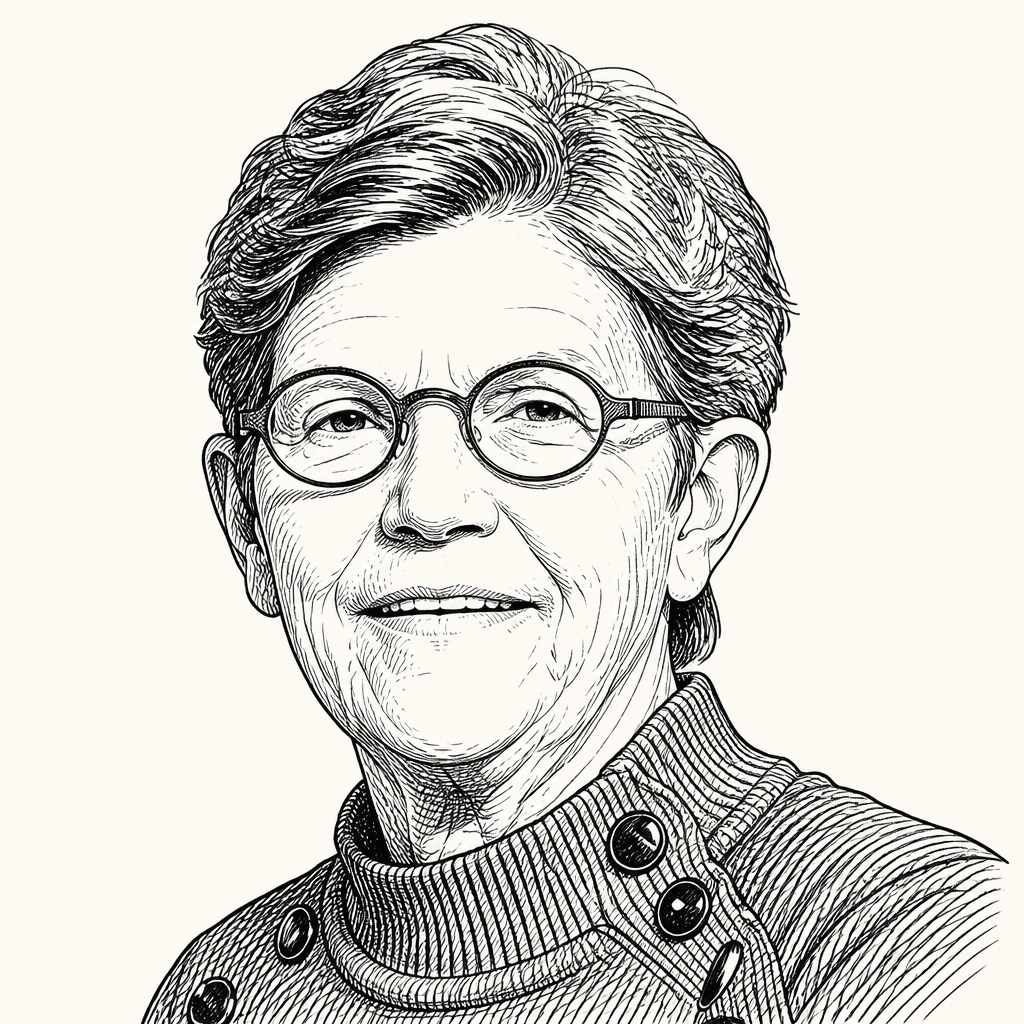
Ruth Katz
Ruth Katz is director of Aspen Ideas: Health, a vice president of the Aspen Institute, and executive director of the Aspen Institute’s Health, Medicine & Society Program. Her work centers on convening leaders and the public around U.S. health challenges and solutions; she previously served as dean of George Washington University’s Milken Institute School of Public Health and held senior health policy roles at Yale and in Congress.
Environment Design Beats Willpower in Closing the Intention-Behavior Gap
Psychologist Beth Cabrera argues that the usual language of discipline and willpower misunderstands why people struggle to live healthier lives. Drawing on her forthcoming book, Being Well, she makes the case that the gap between intention and behavior is better closed by designing environments, routines, and social conditions that make good habits rewarding in the present. Positive emotion, self-compassion, social support, and small sources of agency are not ancillary to well-being, she argues, but part of what makes healthier behavior sustainable.
Feeling Good Can Close the Gap Between Health Intentions and Habits
Psychologist Beth Cabrera argues in her forthcoming book, “Being Well: A Positive Path to a Healthier, Happier You,” that the main obstacle to better health is not ignorance but the gap between intention and action. In a conversation with Elizabeth Cohen, Cabrera makes the case that lasting behavior change depends less on discipline and guilt than on designing daily environments, relationships, and routines so that healthy choices feel rewarding and become easier to repeat.
Roaring Fork Valley Health Agenda Centers Access, Longevity, and Rural Care
Aspen Institute Vice President Ruth Katz and Aspen Valley Health CEO Richard Becker argue that this summer’s Aspen Ideas: Health programming should connect national debates over longevity, rural care, AI and wearables to the practical health needs of the Roaring Fork Valley. Becker’s central case is that rural health innovation should be judged by whether it broadens access, reduces fragmentation and keeps a diverse local population healthier, rather than by whether it delivers new tools only to those already best positioned to use them.