Roaring Fork Valley Health Agenda Centers Access, Longevity, and Rural Care
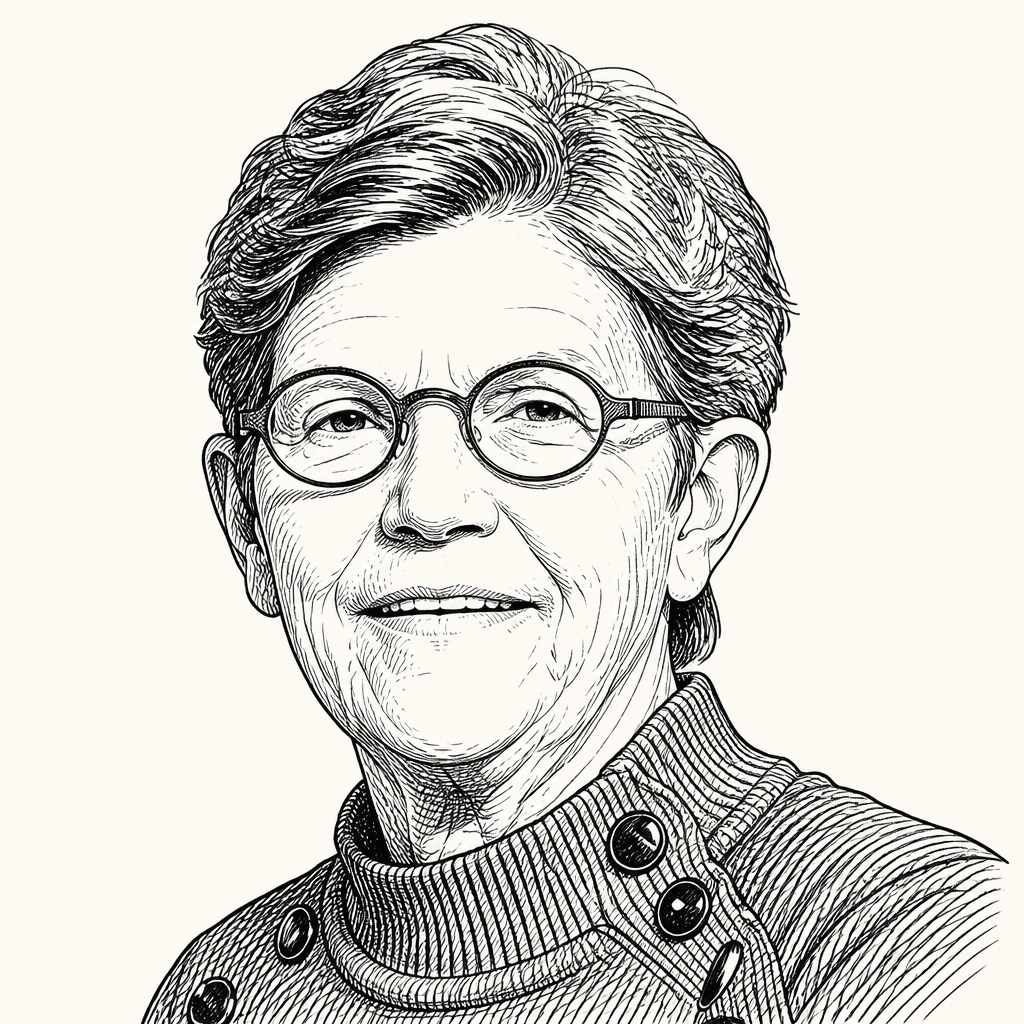
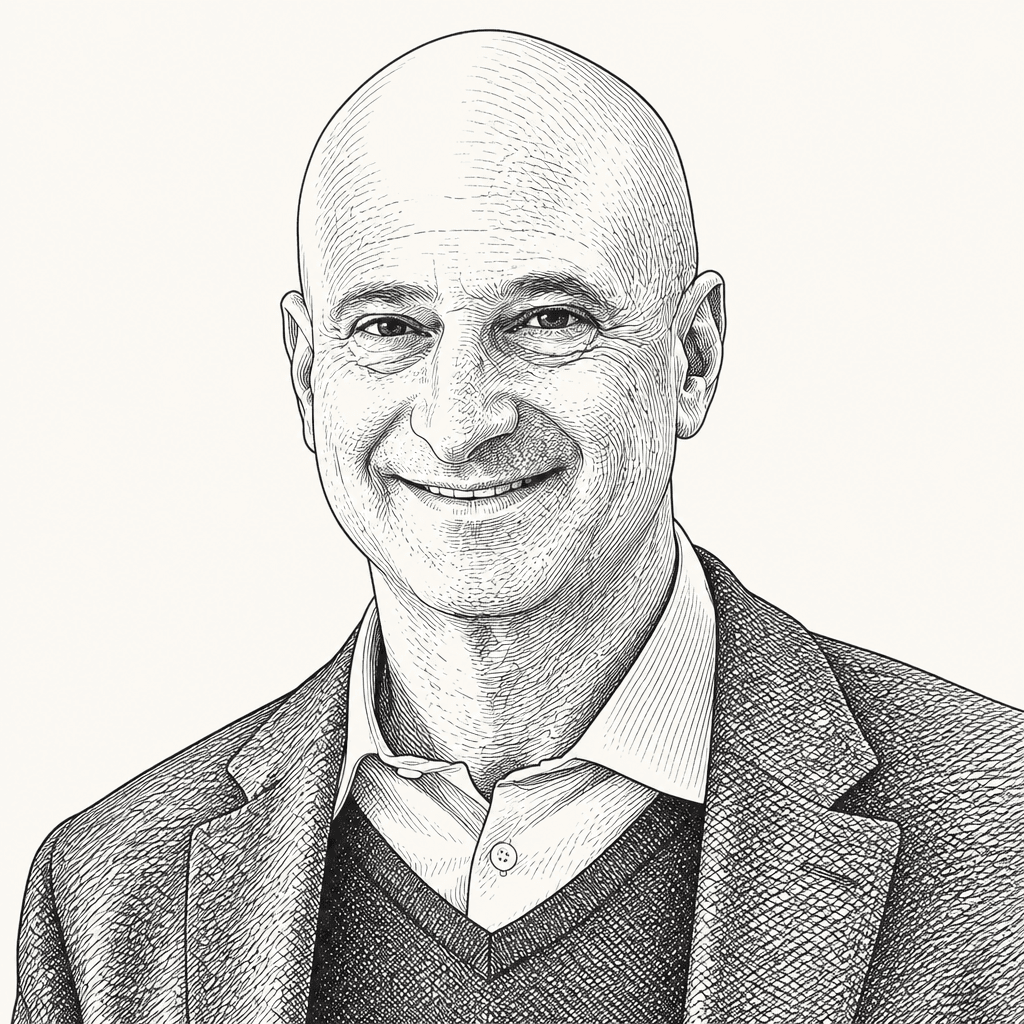
Aspen Institute Vice President Ruth Katz and Aspen Valley Health CEO Richard Becker argue that this summer’s Aspen Ideas: Health programming should connect national debates over longevity, rural care, AI and wearables to the practical health needs of the Roaring Fork Valley. Becker’s central case is that rural health innovation should be judged by whether it broadens access, reduces fragmentation and keeps a diverse local population healthier, rather than by whether it delivers new tools only to those already best positioned to use them.
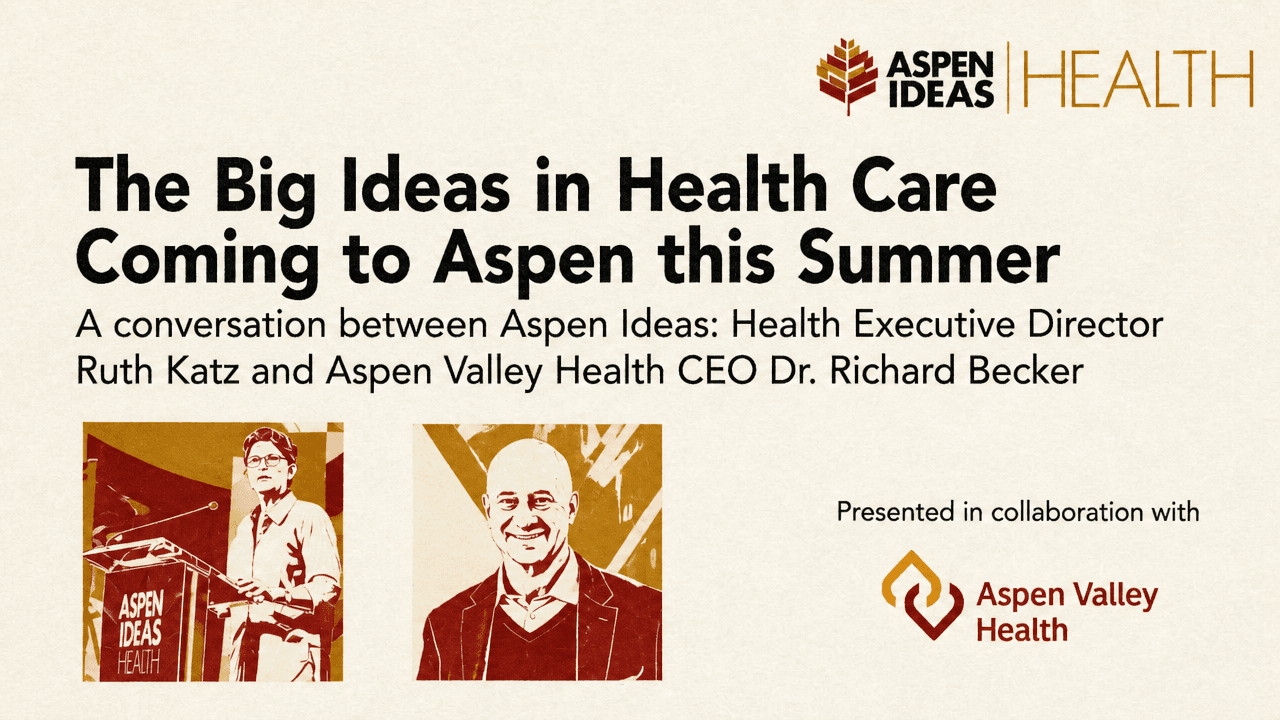
Aspen Ideas: Health and Aspen Valley Health are linking this summer’s programming to Roaring Fork Valley priorities: longevity, rural health, AI-enabled access, and a new community series designed for local residents. Ruth Katz described Aspen Ideas: Health as the three-day opening event of the Aspen Ideas Festival, now in its 13th year, and said this year’s agenda overlaps closely with priorities identified by Aspen Valley Health’s new CEO, Richard Becker.
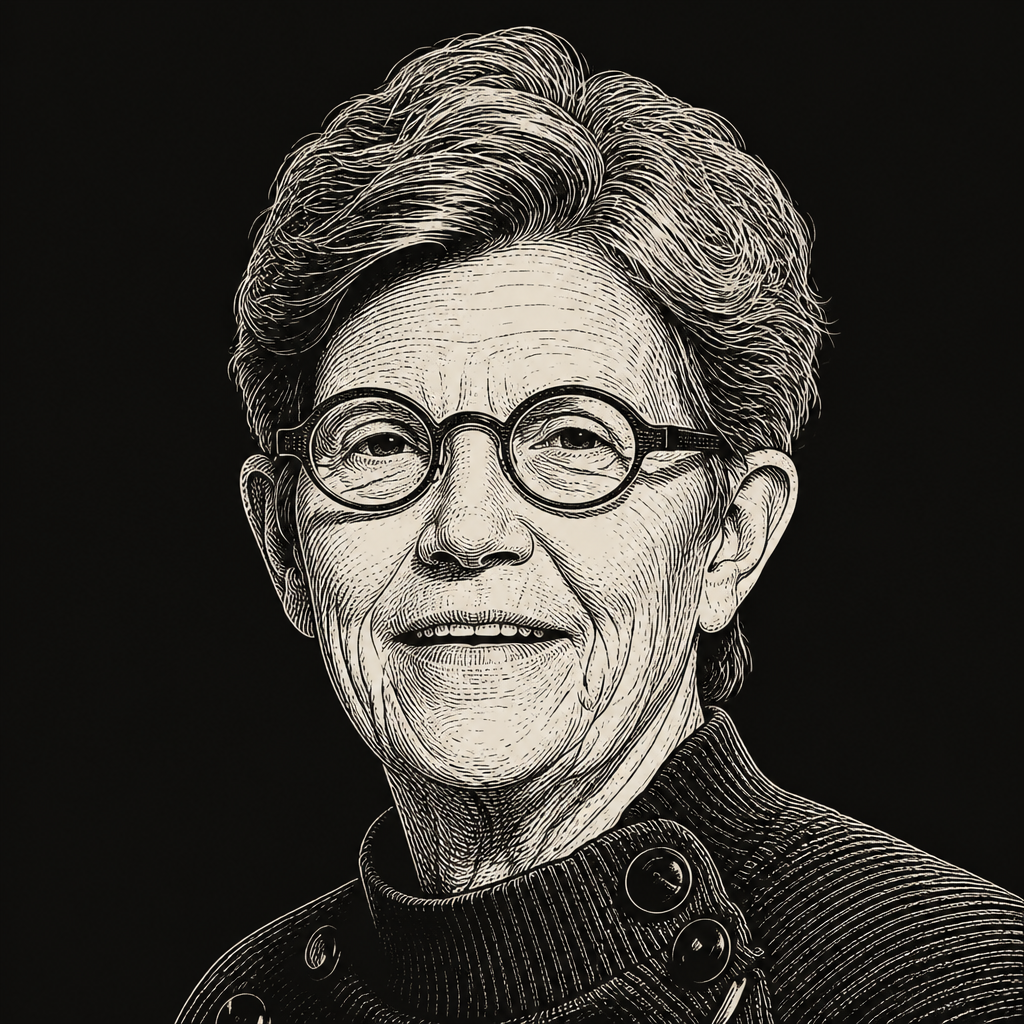
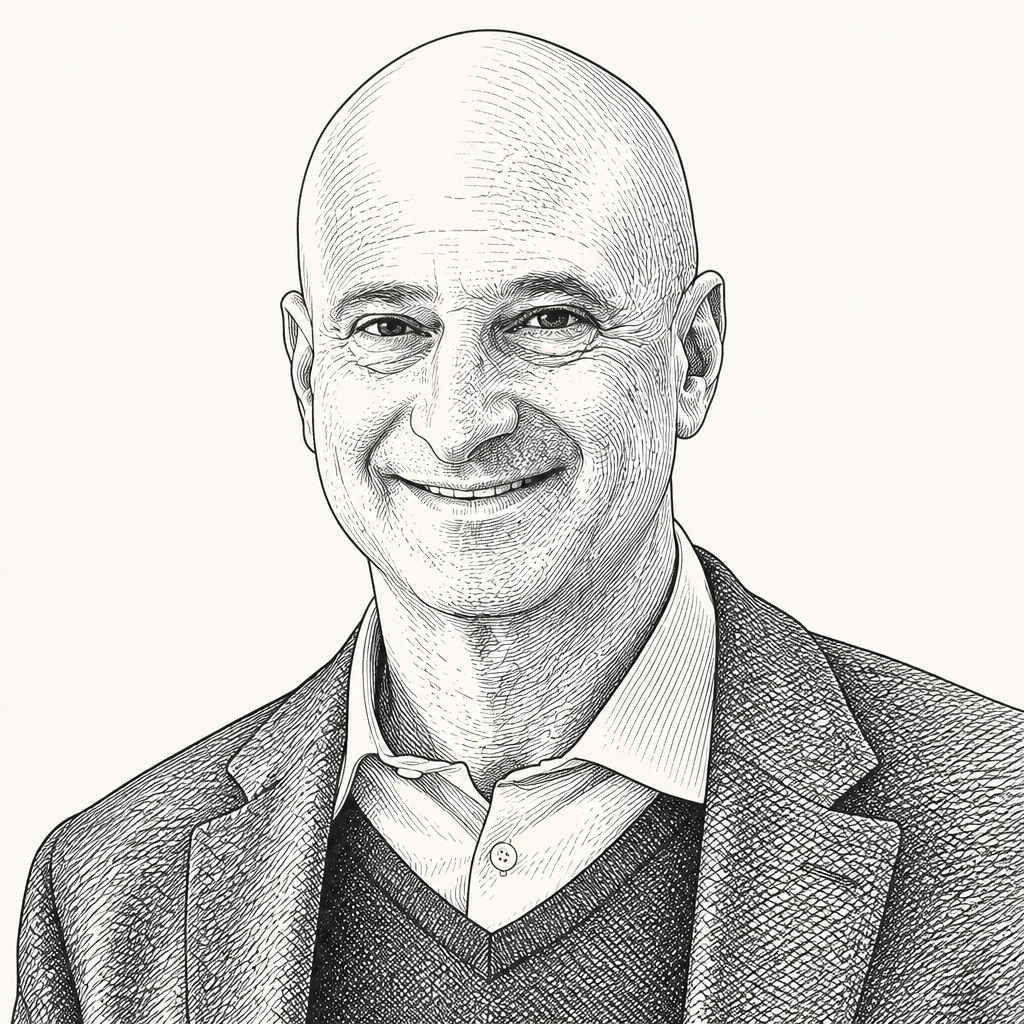
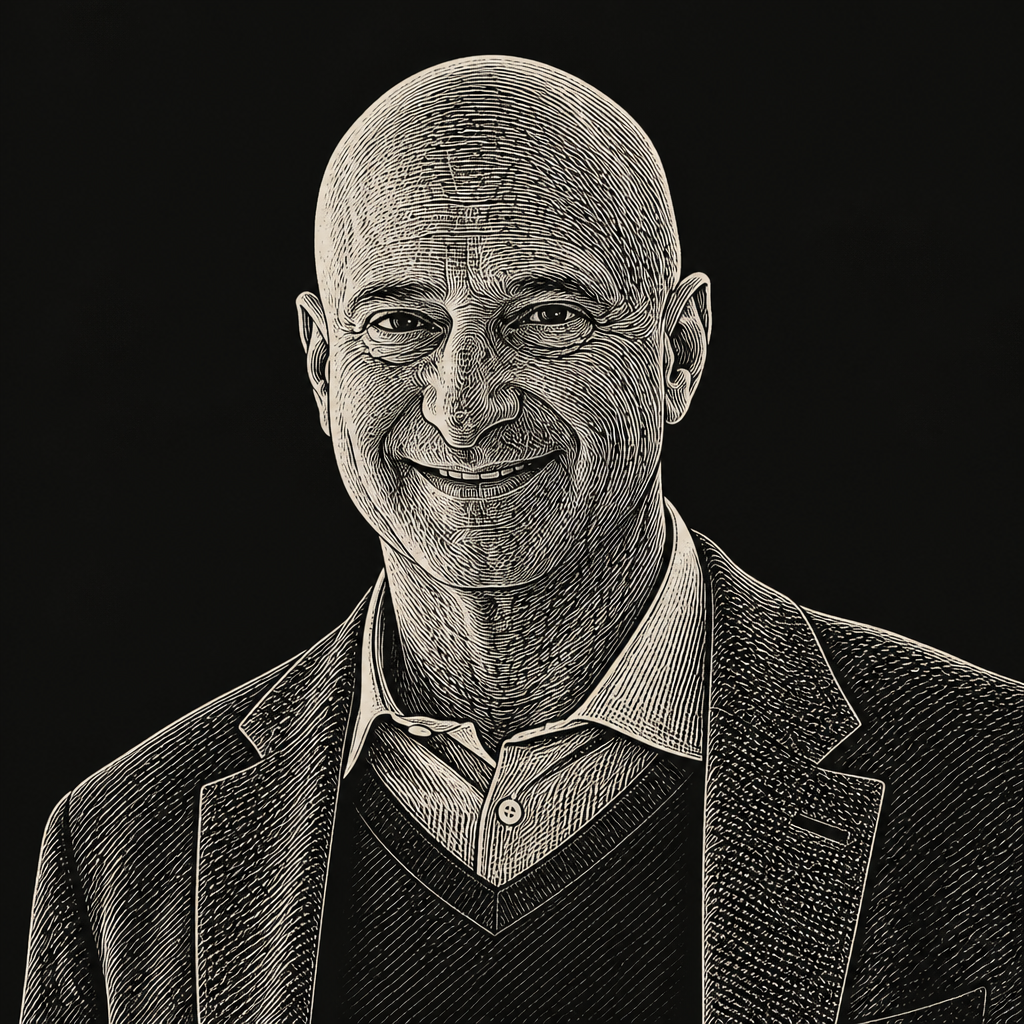
The Aspen Ideas: Health Community Series is scheduled for June 23 and 24, 2026, at the Wheeler Opera House. Public tickets are $25 and go on sale June 11 through wheeleroperahouse.com. Katz described the sessions as a way to bring parts of the Aspen Ideas: Health agenda into a format built for people who live and work in the valley, with sessions on longevity, rural healthcare, and wearable health technology.
Longevity has to mean different things for different patients
Richard Becker frames Aspen Valley Health’s new longevity and wellness work around a problem that is easy to miss when the same words are used for very different populations: “wellness and longevity” do not mean the same thing for every group. In Aspen, he said, there is one cohort of “Uber athletes” and highly resourced residents who can pursue the “latest and greatest” in diet, training regimens, supplements, peptides, and other interventions. For that group, the questions are about the science, access, risk-benefit, and value proposition of adding those tools to already intensive health routines.
But Becker argued that the hospital cannot define longevity only around that population. The challenge is to apply the same ambition through a public-health lens across the Roaring Fork Valley, where the population is more economically, ethnically, demographically, and medically diverse than Aspen proper.
Becker contrasted Aspen proper, which he described as roughly 6,000 or 7,000 people with “much more uniformity,” with the broader valley, where he sees greater diversity in income, background, age, and health status. The hospital’s goal, as he stated it, is not to leave one group out while serving another. If there are supplements, therapies, or other interventions with scientific evidence that can help people live longer or improve quality of life, he said, “our goal is for everyone to have access to that.”
Ruth Katz connected that approach to Aspen Ideas: Health’s programming on longevity, organized this year under a “Vitality Lab” theme. Katz said the program will distinguish between lifespan — how long a person lives — and healthspan — how healthy a person remains during those years. The planned sessions include leaders from ARPA-H, a government agency, and XPRIZE Healthspan, a private effort, both of which Katz described as working on “moonshot” approaches to healthy aging. She also pointed to Zeke Emanuel’s forthcoming discussion of his book Eat Your Ice Cream, which she described as laying out six rules for living a long and healthy life.
The overlap between the hospital’s work and the Aspen Ideas: Health agenda is not simply that both are interested in longevity. It is that both are trying to sort evidence, access, and quality of life across different populations. Becker acknowledged that some science exists around interventions such as supplements and peptides, while also saying “there needs to be probably a lot more science” around them. His position was not to dismiss the high-performance end of longevity culture, but to insist that a hospital serving a valley must ask what the same concept means for residents who do not have the same time, money, or access.
Rural health is becoming a test of whether systems can keep people well
For Richard Becker, rural health strategy begins with the economics of care. Aspen Valley Health, he said, has “strongly leaned into value-based care” through the Western Health Alliance and related smaller organizations. He described value-based care as a model in which a patient’s entire care is managed with the aim of keeping them well and out of higher-acuity settings, while providers are financially incentivized to maintain health rather than deliver more billable services.
The contrast he drew was blunt. In the older, non-value-based model, he said, the economics are effectively arranged so that “the more we do to you, the better the economics are for providers, hospitals, physicians.” Value-based care reverses that logic: keep the patient healthy, keep the patient out of the hospital, help the patient “live a great life,” and the provider is rewarded for that outcome.
Ruth Katz placed rural health in the context of national policy attention, noting that the congressional legislation she referred to as the “big, beautiful bill” included significant support for rural health needs, including for rural hospitals confronting the kinds of issues Aspen Valley Health faces. Becker responded by emphasizing depoliticization. He thanked Katz and the Aspen Institute for focusing on rural health in a way he described as patient-centric rather than partisan. “It’s really not about politics,” he said. “It’s really just about staying patient-centric and patient-focused.”
One of the hospital’s most specific rural-health efforts, according to Becker, is its relationship with Epic, the electronic health record company. Aspen Valley Health is a 25-bed hospital, small by the usual numerical measures but important in its local impact. Becker said Aspen Valley Health is “the only critical access or rural hospital in the country” with which Epic has engaged to create what he called “an Epic Connect site or a primary Epic Connect site.”
He also cautioned that he might “misspeak” in describing Epic’s typical approach, but said Epic generally does not deal directly with hospitals of Aspen Valley Health’s size. Through the relationship, Aspen Valley Health is helping Epic understand what is different about rural health care: what rural patients need from an electronic health record, what support tools are necessary, and how those needs differ from those of suburban or denser urban populations.
Becker said other hospitals “like us” have come to Aspen Valley Health asking for help signing up for Epic through its model. He emphasized that the hospital does not make money from that work. The value, in his view, is that it lets rural health systems scale learning and infrastructure in a way that could become “an incredibly important tool” over time.
We will help Epic and others develop a database, and even more importantly than a database or equally important, a set of experiences around helping rural patients access better care.
What Becker expects from that tool is not only a database. He said the goal is also to build a set of experiences around helping rural patients access better and higher-quality care, while measuring in real time where the model is working and where providers need to change course.
The larger rural-health argument is that electronic records, payment design, and patient access are not separate issues. Becker treats them as connected parts of a system that either keeps people healthy or fails to see the patient until care has become more acute, expensive, and difficult to coordinate.
AI is useful only if it reduces fragmentation without replacing care
Ruth Katz described AI and digital health as a problem of trust as much as a problem of tools. She listed the current pressures on patient-centered care: AI, chatbots, do-it-yourself medicine, wearables, home lab tests, loss of trust in institutions, and misinformation. Aspen Ideas: Health, she said, will devote a block of sessions to “We the Patient,” including experts on AI and digital tools, the DIY movement, and patients who created their own forms of patient-centered care after feeling ignored by the health system. In some cases, she said, those patients developed actual ways to treat rare diseases.
Her question for Richard Becker was how a hospital, as “boots on the ground,” handles that environment while still delivering patient-centered care.
Becker said he is a “big believer” that AI, broadly defined, can help address logistical challenges in health care. His interest is not primarily in replacing clinical judgment, but in using AI to connect with patients, improve access, identify what care they need, help them follow through, and make the experience less fragmented.
The anecdote he used came from his time in New York. After leading health systems there for many years, he said, he would receive calls from people with the means to go almost anywhere for care who still could not get appointments or gain access to the right physician. Becker said he was happy to help, but the calls raised a deeper question: if a well-connected person with resources needs personal intervention to enter the system, how does an average person, or someone “barely getting by,” get health care?
He sees the same problem in Aspen, overlaid with the additional constraints of rural geography. Patients face fragmented care, difficulty getting access, and uncertainty about what they need and when. Becker said some AI companies — including one on whose board he serves — are working on tools to reduce that fragmentation through interactive chat systems that can answer many patient needs quickly, while preserving a path to human help when the tool reaches its limit.
I’ll talk to a bot if I can get to the answer really quickly and effectively.
His test is pragmatic: speed and efficiency are valuable when the issue can actually be resolved that way. But he also described the necessity of a failsafe — the equivalent of being able to say “representative” when an automated airline system is not solving the problem.
Katz pressed the boundary. She said she did not think Becker would suggest that AI could substitute for human interaction with a health care provider. Medicine, she argued, still has an art as well as a science. She pointed even to areas such as radiology, where AI has promise, but where her own experience showed the importance of a person looking at an image and seeing something “a little bit differently” in a way that affected diagnosis.
Becker agreed. AI, in his view, is a tool that must be managed with safeguards. He compared the current anxiety about AI to earlier concerns about electronic health records. Thirty years ago, he said, physicians worried that electronic records would force them into “cookbook medicine.” Now, he argued, no one would want to practice without an electronic health record, and providers who lack one are “way behind” and challenged in their ability to deliver good care.
That analogy is central to Becker’s view. He sees AI as a technology that is arriving quickly, producing understandable anxiety, but capable — if implemented correctly — of complementing care. With the right safeguards, he said, AI should allow physicians to spend more meaningful time with patients and allow clinicians to practice “at the top of our licenses.”
The leadership problem is complexity, not simply difficulty
Ruth Katz asked how a hospital CEO leads toward better health and better health care for the Roaring Fork Valley at a time when health care leadership seems especially difficult. Richard Becker resisted the premise that the current moment is uniquely harder than prior eras. In leadership, he said, the present challenge always feels like “oh my goodness, this is really hard.” His formulation was that the work may not be harder so much as different — and more complex.
That complexity does not discourage him. Becker said the tools available to solve today’s problems are themselves more complex and, in some ways, better suited to the issues at hand. His leadership approach begins by understanding a set of challenges, identifying possible solutions, and then designing a response that becomes a vision. Once there is a vision, he said, a leader can pull a team together around it.
The point of that process is not perfection. Becker described the goal as producing results that address the original challenge well enough that the organization can say things are “better than it was.” On an individual level, he said, if he can leave things better than he inherited them, he will feel “pretty good.”
This leadership philosophy also puts constraints on the earlier technology and systems discussion. Becker’s interest in AI, value-based care, and Epic is not presented as a set of separate innovations. He treats them as tools that become useful only when organized around a coherent institutional goal: better access, better care coordination, better health outcomes, and a stronger rural health system.
Katz responded with confidence that the valley would eventually see Becker’s tenure as having made a difference. Becker deflected the praise toward the organization: “We got a great team.”
The community series makes local residents part of the health agenda
The collaboration between Aspen Ideas: Health and Aspen Valley Health now includes a three-session community series focused on health care issues Ruth Katz described as especially important to local residents. The series is designed for people who live and work in the valley, not only for attendees of the broader Aspen Ideas: Health program.
The topics align with the major substantive threads Katz and Becker discussed: longevity, rural health, and wearable or digital health technology. Katz said the Aspen Institute considers Aspen home in many ways and wants programming specifically designed for the local community.
Richard Becker said Aspen Valley Health is “honored and thrilled” to participate. He described the hospital as the Institute’s “front yard and back yard” and said the series is an opportunity both to contribute insight on rural health care and to help the community understand what Aspen Valley Health does and how it does it. He called the hospital “a real gem” and framed the collaboration as a chance to show it off.
The partnership is intended to extend beyond a June event. Katz said the goal is to build work together throughout the year, not only during Aspen Ideas: Health. Becker said the feeling was mutual.
The practical details are part of the invitation: the Aspen Ideas: Health Community Series is scheduled for June 23 and 24, 2026, at the Wheeler Opera House, with public tickets priced at $25 and on sale June 11 through the venue’s website.