Historical Flood Models No Longer Match Current Climate Risk
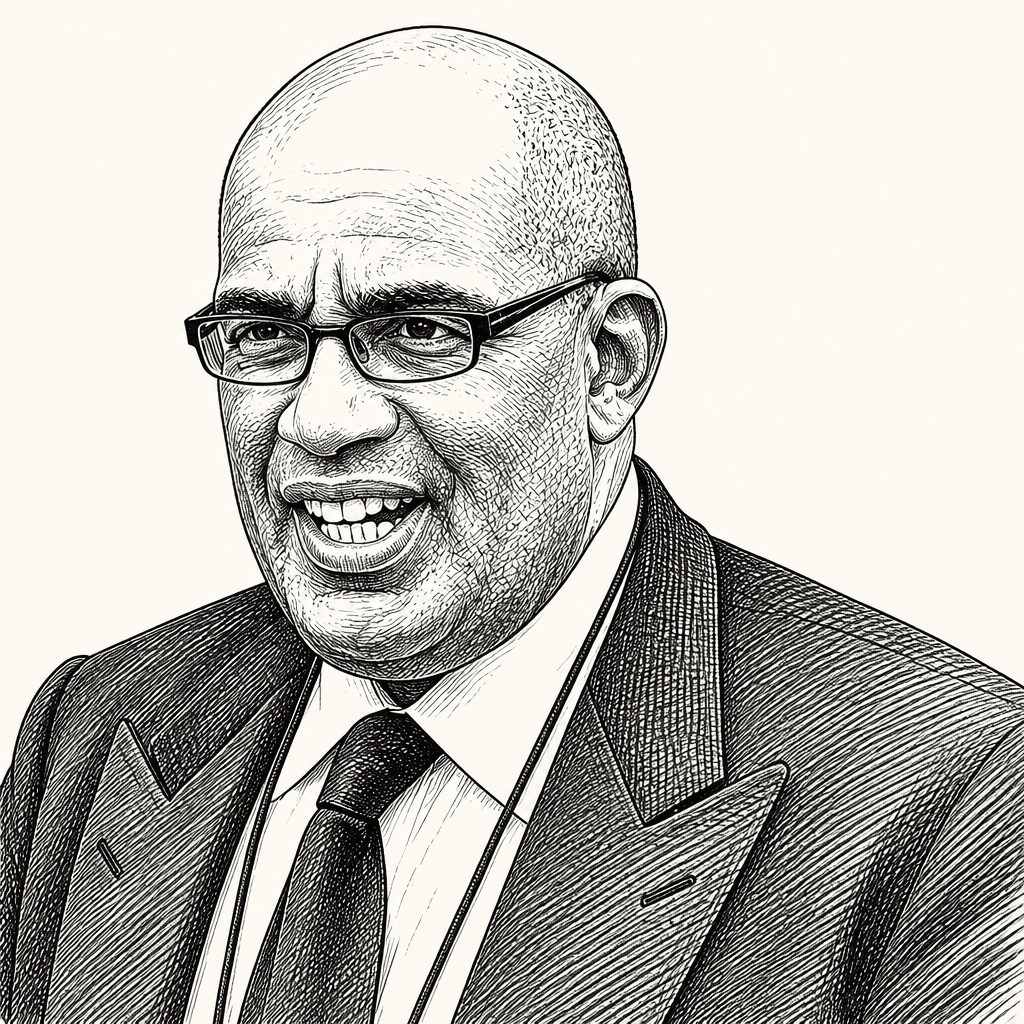
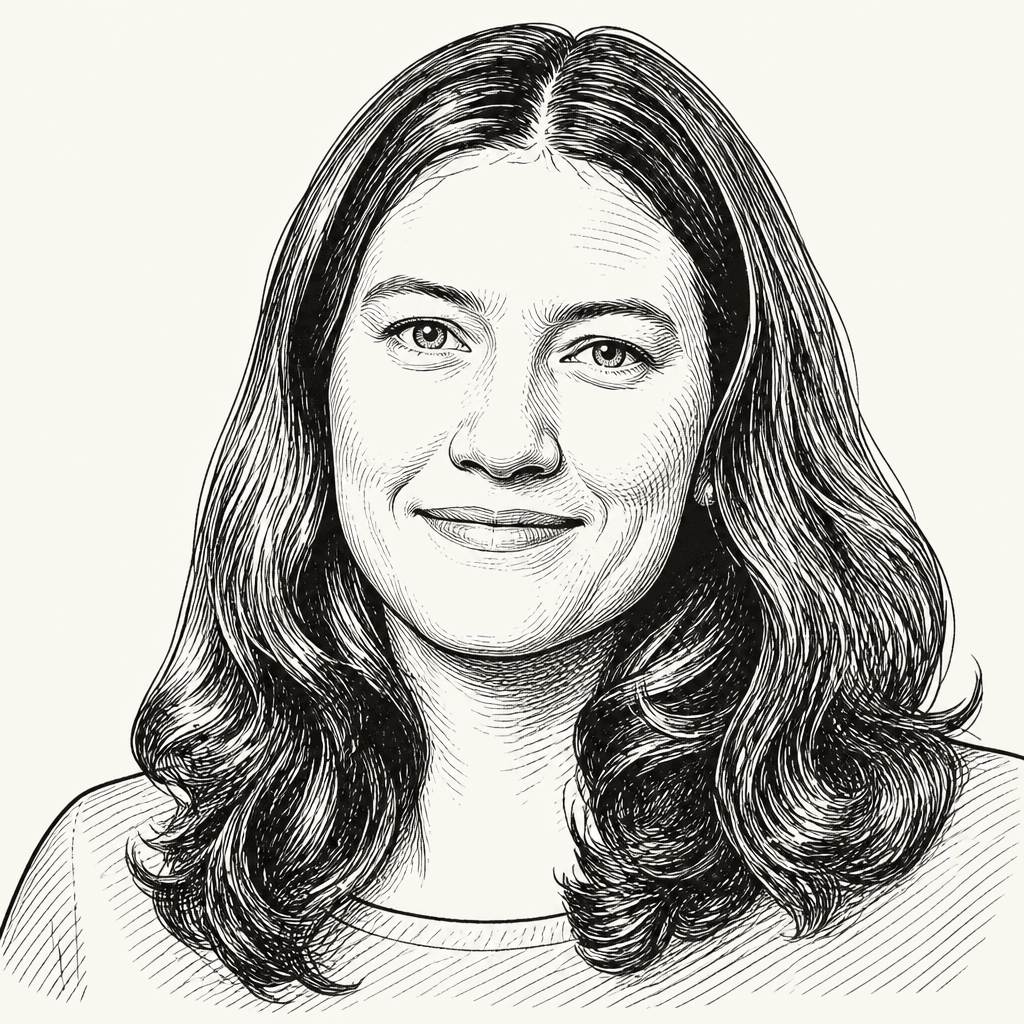

Climate scientist Sarah Kapnick argues that climate adaptation has become a present-tense management problem because the statistical patterns underlying historical weather and infrastructure design no longer reliably describe current risk. She says companies and governments should treat flood protection, operational continuity and financing as revisable planning decisions—made at both asset and community scale—rather than rely on return periods or wait for a disaster to force action.
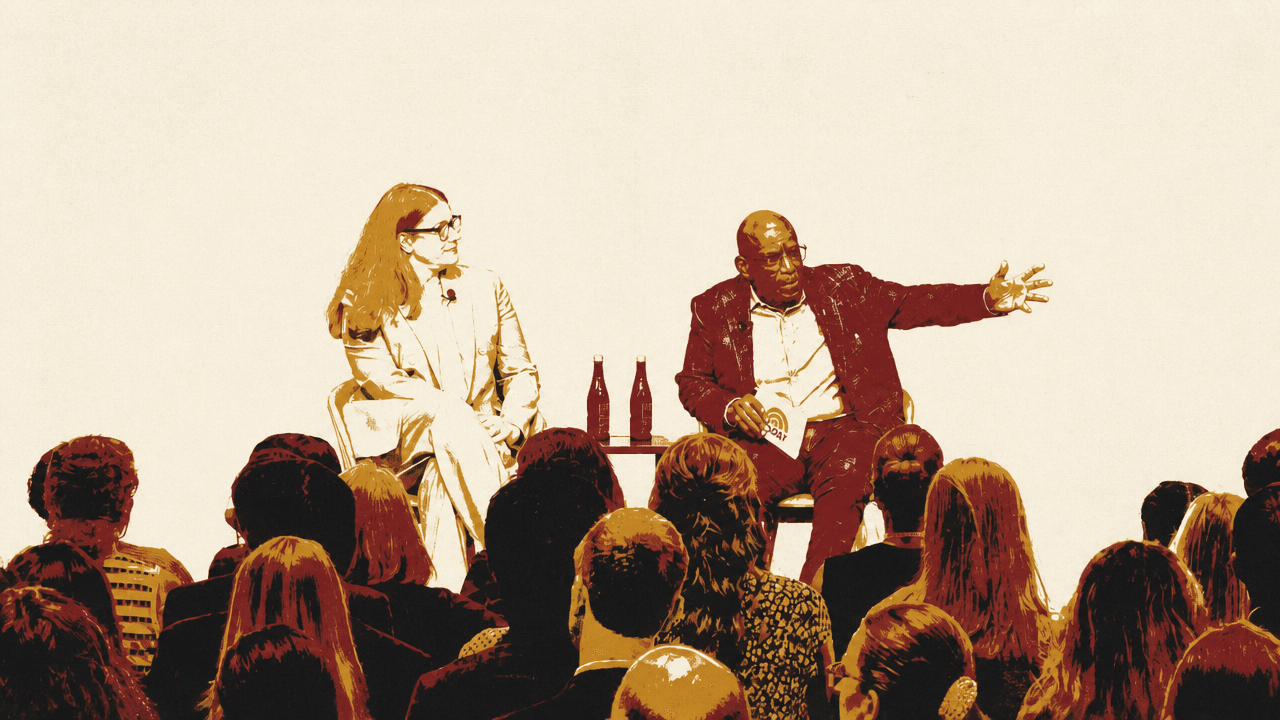
The climate’s statistics have separated from the past
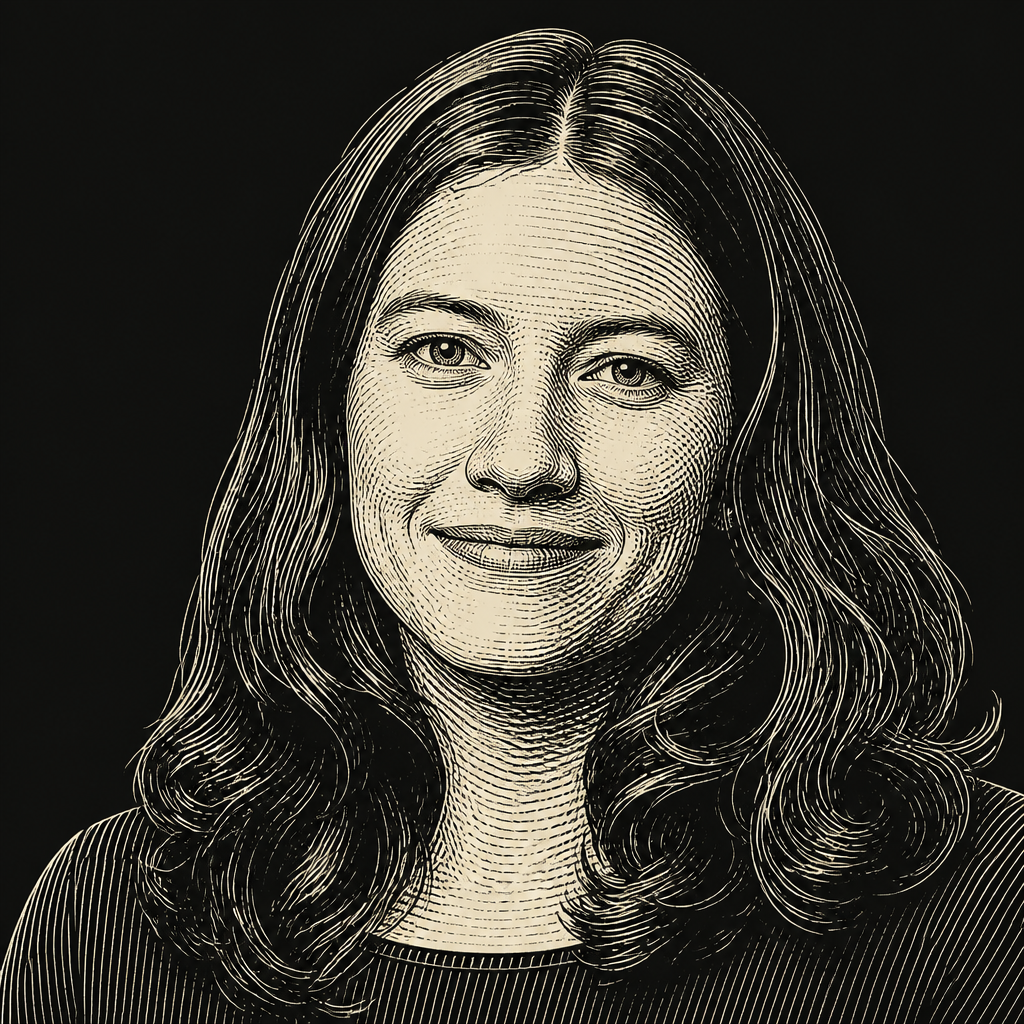
Sarah Kapnick says the central change is no longer simply a matter of projections. “We’ve actually had sufficient climate change that the statistics of the climate have separated from the past,” she said. Earlier climate discussions could remain theoretical: descriptions of what might happen later, without a broadly shared physical experience of it. That has changed as people encounter extremes they have not experienced before and gradual shifts that alter the places where they live and work.
For coastal communities, Kapnick pointed to sea-level rise and faster erosion as changes already visible in daily life. Business leaders, she said, see comparable effects in their own operations and bottom lines. They are asking how much further conditions may change, what they need to prepare for, and how to position an organization in a world where climate conditions continue changing until emissions reach zero and stop accumulating in the atmosphere.
That does not produce a single response. Climate exposure varies by geography and sector, and people do not have a uniform experience of either the risk or the proper response. Kapnick rejected the idea of a “silver bullet.” Instead, she described climate planning as a continuously revised process: strategies need to be reconsidered as new science arrives, events expose vulnerabilities, insurance reprices risk, and new construction or adaptation options become available.
In her work with clients, she said, that process has become “much more robust” even relative to two years ago. The point is not that uncertainty has disappeared; it is that organizations need to establish what the science says, identify what remains unknown, and make decisions that can be revised as conditions and information change.
Here you have the science, here you have the understanding, this is what we think will happen, and then how do you navigate through that and create a plan. And it’s all about readiness.
Return periods are probabilities, not protection from the next flood
A “one-in-1,000-year” flood is not a promise that a community will be safe for the next 999 years. Sarah Kapnick explained that the term conventionally means a 0.1% chance of an event in a given year. It is an annual probability, not a schedule. A one-in-200-year event can occur twice within a decade.
The more consequential limitation is that return-period language assumes stationarity: that the climate producing the historical probability distribution remains stable. Kapnick said that assumption does not hold cleanly in a changing climate. An event categorized as one-in-1,000-year under earlier conditions can become a one-in-300-year or one-in-200-year event as the underlying probabilities change.
Historical records themselves also constrain precision. Kapnick said rainfall observations are not sufficiently comprehensive to quantify every event with high confidence. Better observing systems and more accumulated events improve those estimates. The United States, which she described as among the world’s best rain-gauged countries, is learning more about its precipitation statistics—and often learning that extremes are more likely than previous estimates suggested.
That has direct implications for sewers, tunnels, flood controls, and other systems designed around historical rainfall assumptions. Kapnick said a government effort is expected to release updated precipitation data in the next several years for risk assessment and construction design. Infrastructure owners should begin with a more immediate test: whether an asset is built for the climate it faces today, not only for a distant future scenario.
The weather surrounding the gathering supplied the backdrop for that argument. A satellite animation shown by Tom Skilling traced wildfire smoke across North America; another showed abnormally warm Atlantic, Caribbean, and Gulf waters alongside tropical cloud systems. Skilling cited more than 40,000 U.S. wildfires in 2026, burning nearly 4 million acres, while Canadian firefighting crews confronted as many as 900 fires at once. In Texas Hill Country, he said, more than 28 inches of rain—an estimated 400 billion gallons—had fallen.
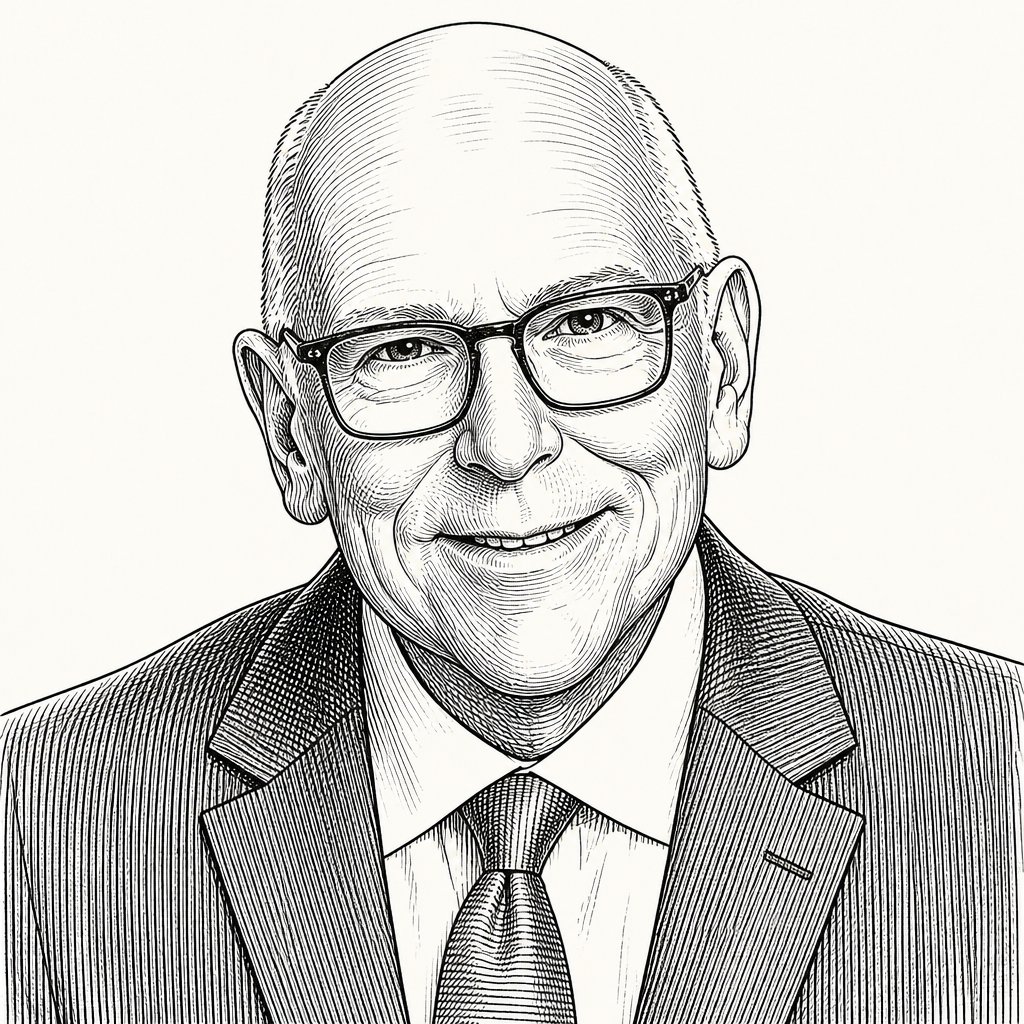

Al Roker added examples of extremes appearing at unusual magnitudes or in places outside familiar expectations. A weather montage he presented included a European jet-stream pattern and heat dome, hurricane tracking, tornado-report maps, and flood footage. Roker described European temperatures more than 30 degrees above average under a heat dome, and a storm whose winds rose from 90 mph at 2 a.m. to 175 mph at 2 p.m.: an 85-mph increase in 12 hours. He also cited 476 reported tornadoes in the Midwest, 120% of the 17-year average, while areas from Texas through the Southeast and mid-Plains were below average.

For infrastructure owners, the implication is that historical baselines cannot be treated as fixed design inputs.
Flood resilience increasingly means creating room for water
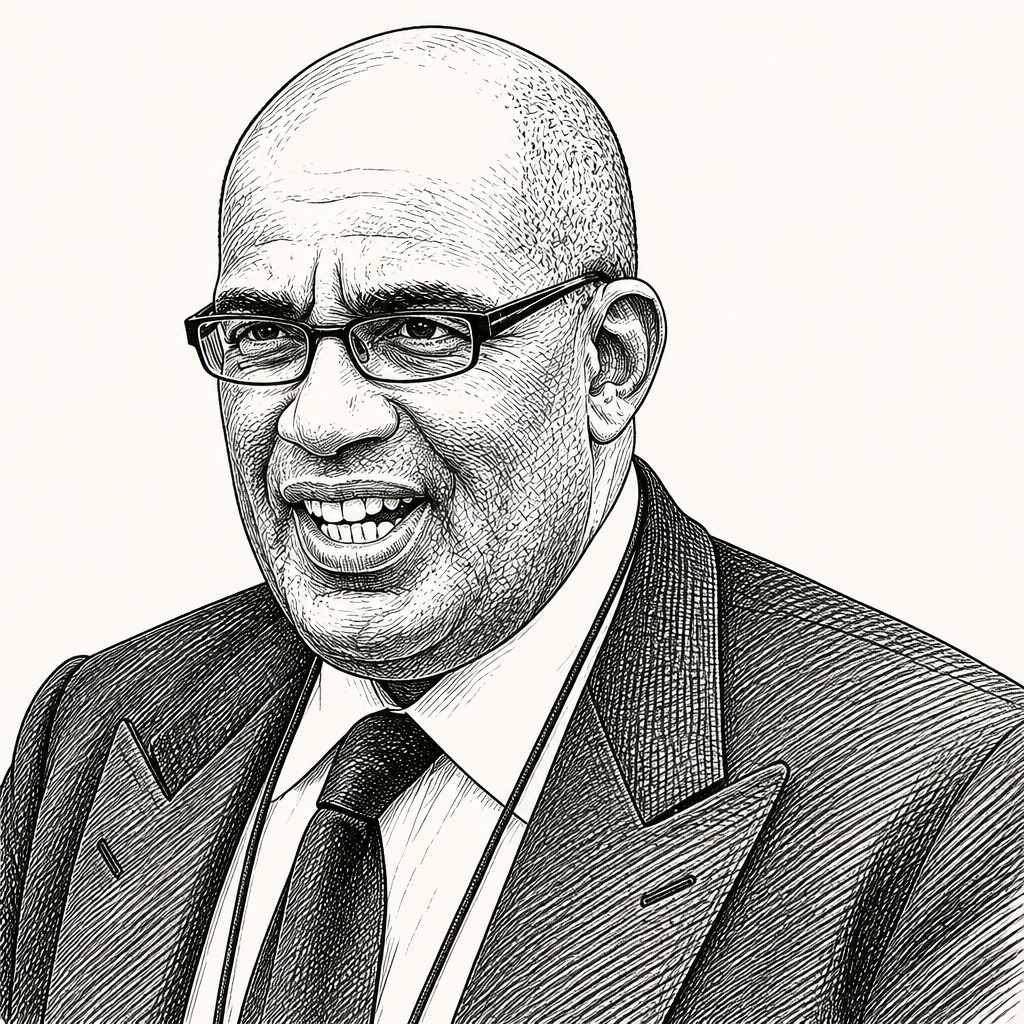
Al Roker raised New York City as an example of the mismatch between existing infrastructure and current rainfall intensity. In an older city whose storm drains may handle roughly 1.75 inches of rain per hour, he said, rainfall rates now routinely exceed that capacity.
Sarah Kapnick argued that the relevant test begins with the present: is infrastructure built for today’s climate? Much of it dates from decades ago, while both scientific understanding of extreme precipitation and expectations for it have changed.
She described a lesson from New York’s tunnels. Engineers had accounted for pressure from roads above, or downward compression. Under extreme flows, water can exert outward pressure into tunnels as well. Some tunnels have broken under stormwater pressure because they were not designed for flows reaching capacity from both directions.
Chicago offers a different adaptation model: retain exceptional stormwater rather than rebuild every part of a sewer system. Kapnick described a civic project begun in the 1970s in response to combined sewer systems, in which stormwater and household wastewater share the same network. During heavy rain, that mixture can flow into rivers and Lake Michigan.
The response has been to create more than 100 miles of tunnels and reservoirs that collect stormwater, store it, then pump and treat it before release. Kapnick said the system held during roughly three inches of rain over the Fourth of July weekend—about a month’s rainfall in a day. Its capacity is expected to expand by roughly 50% into the 2030s.
Other cities are pursuing similar excess-capacity strategies. Kapnick cited New Orleans, where some playgrounds have reservoirs beneath them to hold floodwater and reduce risk in surrounding neighborhoods. The practical choice, she said, is often between reconstructing an entire sewer system and finding places to retain exceptional flows.
Construction companies are beginning to treat that work as a strategic capability. Kapnick said firms are creating floodwater-management teams for public-works and large infrastructure projects, building underground capacity beneath parking lots, roads, and other usable surfaces. The storage is invisible in ordinary conditions but available when a flood exceeds the capacity of conventional drainage.
A business cannot adapt alone if its community cannot operate
Sarah Kapnick frames the business case around a limitation of asset-level resilience. A company may make its own facility exceptionally robust, but it will not operate if employees cannot reach it during a flood. She calls this the “Fortress of Solitude” problem.
If you build your building to be the Fortress of Solitude, your workers aren’t getting there in a flood.
That pushes adaptation beyond a company’s property line. Firms are beginning to ask which protections they should build themselves and which are better provided at the community level. In some cases, Kapnick said, a community can implement a resilience measure more cheaply than an individual company can do alone. Companies may underwrite projects directly or contribute skills and capacity alongside local governments and communities.
Kapnick expects places that know how to adapt and implement those plans to gain a competitive advantage. Her concrete test is whether a place can remain workable when disaster strikes: businesses depend on employees being able to get to work, even when the firm itself has taken steps to protect its building. Those same community capabilities matter under gradual climate change as well as in acute emergencies.
Her experience at NOAA shaped the approach she now takes in climate advisory work at JPMorgan. Working across Alaska, Ohio, Florida, and elsewhere taught her to communicate climate and weather information in terms of the concerns people have where they are. The task is to describe the science, the knowns, and the unknowns, then help people create a plan despite uncertainty.
For companies, this often means bringing business-resiliency planning into strategic discussions. Kapnick said businesses have long had plans for extreme weather and have seen assets lost, but often treated the losses as isolated “acts of God” that would not recur during a leader’s tenure. She said executives now ask why such events have happened repeatedly, what the statistics imply, where additional tools and people are needed, and how to fund implementation.
That last question is integral rather than subsequent. Kapnick said her role at a bank lets her work through both sides: helping clients understand the problem and helping address where the money for solutions can come from.
Advance planning preserves choices that a crisis removes
Sarah Kapnick said the advantage of climate planning is not simply better forecasting. It is that decisions made before a disaster leave organizations with more choices than decisions made in crisis.
When a weather disaster is underway, organizations are generally limited to whatever supplies, contractors, funding, and operating capacity are available off the shelf. Advance planning can identify dependencies beyond the facility boundary, test design standards against present risk, decide whether investment belongs at the company or community scale, and arrange financing before the need becomes urgent. Kapnick said that preparation is often cheaper than trying to respond in crisis mode.
You have a lot more options when you think about things in advance than when you’re dealing with a weather disaster and you’re in crisis mode.
Kapnick calls the habit she wants to build “climate intuition”: treating climate conditions as a planning input in the same way organizations consider other operating constraints. That means considering the issues in advance, updating strategies as evidence changes, and pairing risk recognition with an implementation strategy.