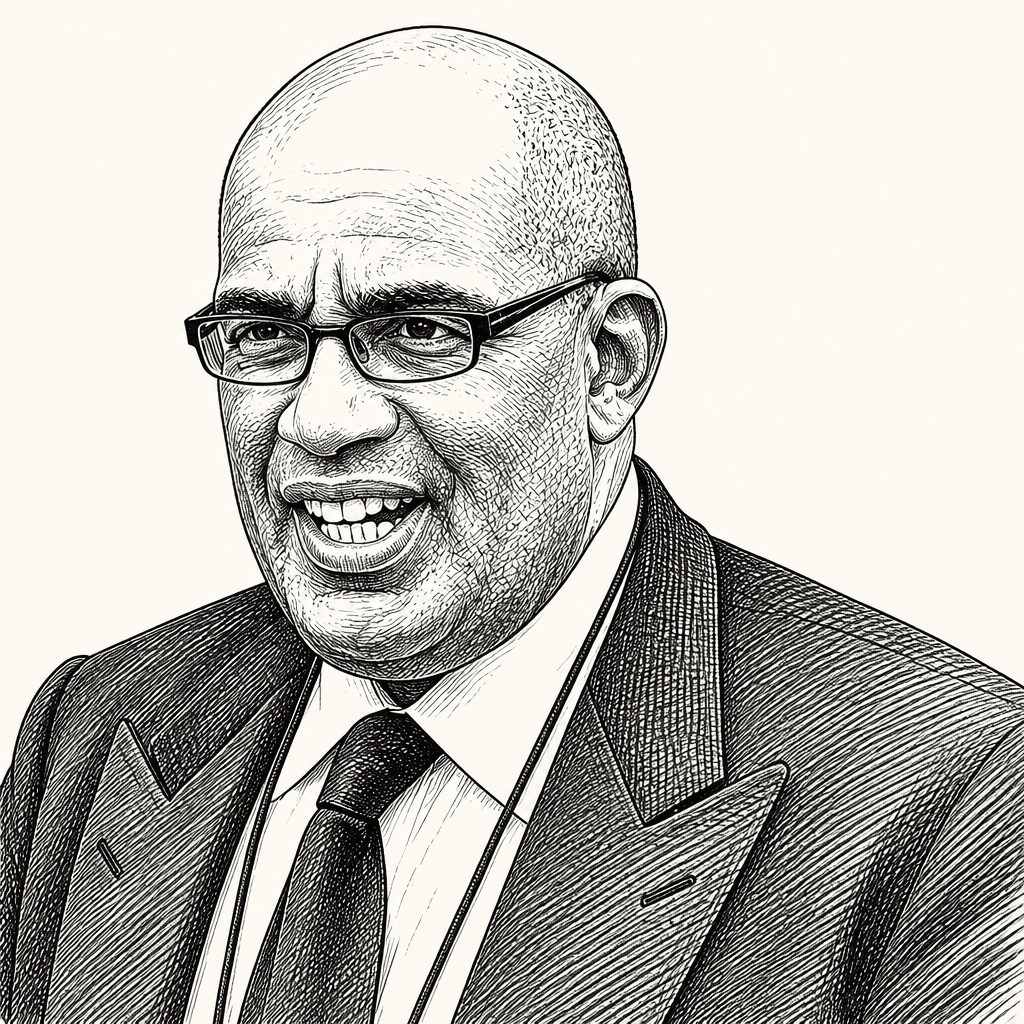
Al Roker
Al Roker is a TODAY co-host, weather and feature anchor, and longtime NBC meteorologist who covers weather and climate stories and conducts public interviews.
Flood Resilience Depends on Building Capacity for Excess Water
Sarah Kapnick, a former NOAA chief scientist now advising clients at a bank, argues that companies and cities must stop treating historical weather data as a reliable guide to climate risk. As extreme rainfall and flooding outgrow infrastructure built for past conditions, she says resilience requires updated probability assumptions, added water-storage capacity, community-level planning and financing arranged before disaster forces improvised decisions.
Historical Flood Models No Longer Match Current Climate Risk
Climate scientist Sarah Kapnick argues that climate adaptation has become a present-tense management problem because the statistical patterns underlying historical weather and infrastructure design no longer reliably describe current risk. She says companies and governments should treat flood protection, operational continuity and financing as revisable planning decisions—made at both asset and community scale—rather than rely on return periods or wait for a disaster to force action.
Children’s Climate Media Must Pair Honest Facts With Agency
Children are already experiencing climate disruption, and adults should not respond by leaving them to make sense of it alone, Laura Schifter argued in an Aspen Ideas: Climate panel with Al Roker, Sesame Workshop’s Kay Wilson Stallings and producer J.J. Johnson. The panelists said children’s media should match facts and emotional stakes to a viewer’s age—from nature and small acts of care for preschoolers to more direct accounts of danger for older children—while giving them characters, trusted adults and practical ways to act rather than asking them to carry the problem themselves.