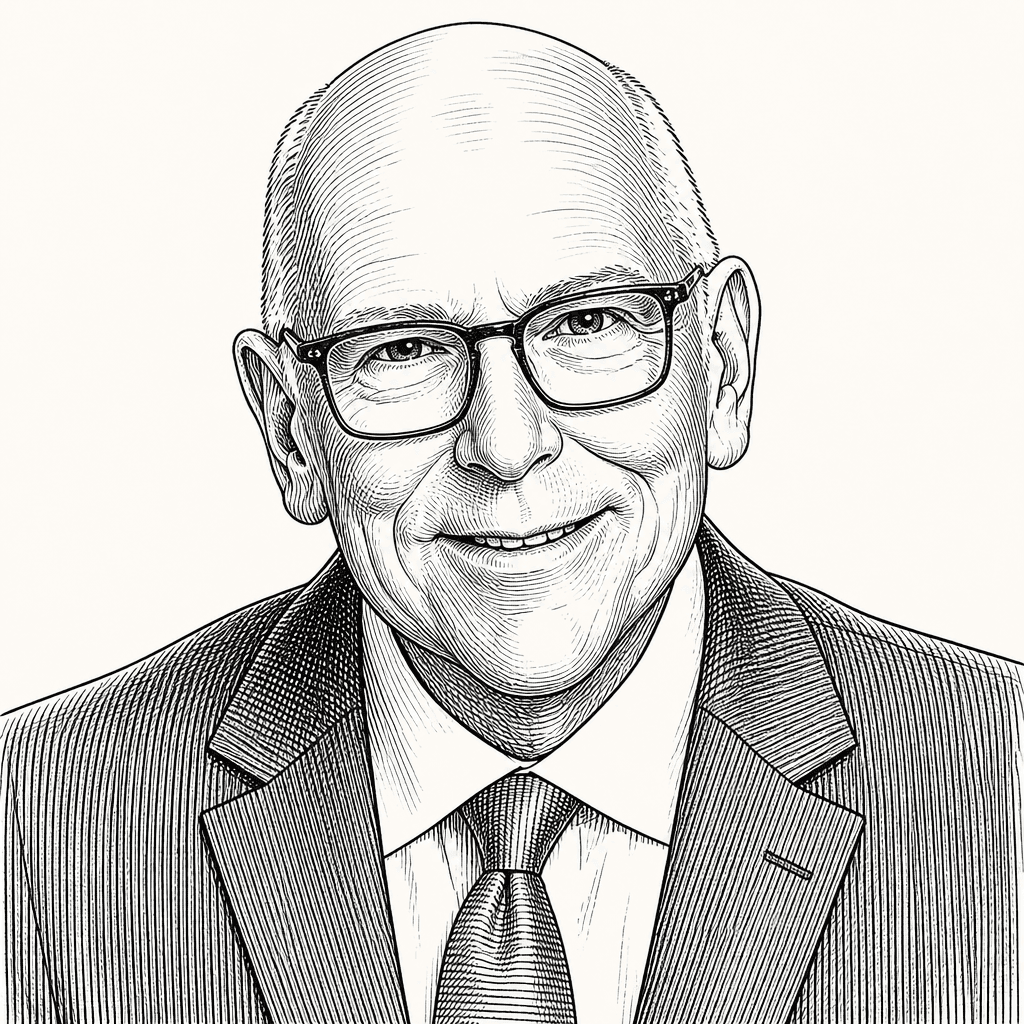
Tom Skilling
Chicago meteorologist and retired WGN-TV chief meteorologist who forecast weather for the station for 45 years, from 1978 until his February 2024 retirement. He has also led public conversations on weather and climate science, including Aspen Ideas: Climate’s opening general assembly.
Flood Resilience Depends on Building Capacity for Excess Water
Sarah Kapnick, a former NOAA chief scientist now advising clients at a bank, argues that companies and cities must stop treating historical weather data as a reliable guide to climate risk. As extreme rainfall and flooding outgrow infrastructure built for past conditions, she says resilience requires updated probability assumptions, added water-storage capacity, community-level planning and financing arranged before disaster forces improvised decisions.
Stopping Carbon Dioxide Emissions Can Stabilize Global Temperatures
Climate scientist Kate Marvel argues that climate models are conditional accounts of human choices, not predictions of an inevitable future: continued greenhouse-gas emissions produce a hotter, more dangerous world, while stopping carbon dioxide emissions can stabilize warming. Drawing on her work and her book *Human Nature*, Marvel also rejects the idea that scientific rigor requires emotional detachment, arguing that facts and feelings both belong in communicating what is at stake on Earth—the “only good planet.”
Climate Projections Show How Human Choices Shape a Hotter Earth
Climate scientist Kate Marvel argues that a warming planet is already intensifying heat, storms, drought, fire weather and sea-level rise, but that climate models describe conditional futures rather than an inevitable outcome. In a live recording of Scientista, Marvel tells co-hosts Sweta Chakraborty and Monica Medina that ending carbon-dioxide emissions would, by the best current estimate, produce no further warming beyond that point—and that communicating the stakes requires scientists to acknowledge feeling as well as fact. Earth, she argues, remains the only “Good Planet” people have to protect.
Historical Flood Models No Longer Match Current Climate Risk
Climate scientist Sarah Kapnick argues that climate adaptation has become a present-tense management problem because the statistical patterns underlying historical weather and infrastructure design no longer reliably describe current risk. She says companies and governments should treat flood protection, operational continuity and financing as revisable planning decisions—made at both asset and community scale—rather than rely on return periods or wait for a disaster to force action.