Stopping Carbon Dioxide Emissions Can Stabilize Global Temperatures
 Kate Marvel
 Monica Medina
 Sweta Chakraborty
 Tom SkillingThe Aspen InstituteMonday, August 3, 20266 min read
Climate scientist Kate Marvel argues that climate models are conditional accounts of human choices, not predictions of an inevitable future: continued greenhouse-gas emissions produce a hotter, more dangerous world, while stopping carbon dioxide emissions can stabilize warming. Drawing on her work and her book *Human Nature*, Marvel also rejects the idea that scientific rigor requires emotional detachment, arguing that facts and feelings both belong in communicating what is at stake on Earth—the “only good planet.”
The climate future is conditional, but the physical stakes are already here
Kate Marvel describes climate models as “very literally world-building machines.” They take a human story—changing atmospheric composition, emissions, and other inputs people impose on the Earth system—and translate it into a language the model can process. The model then produces the world consistent with that story.
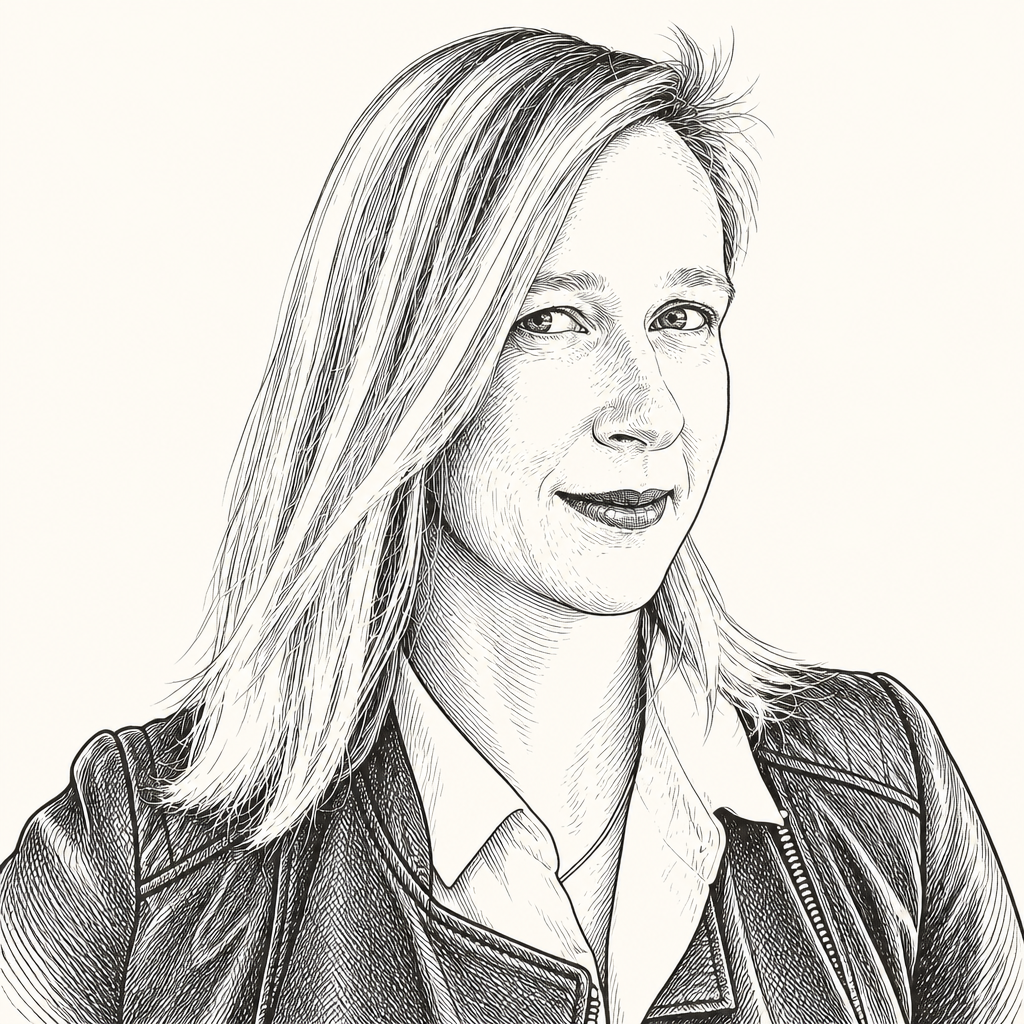
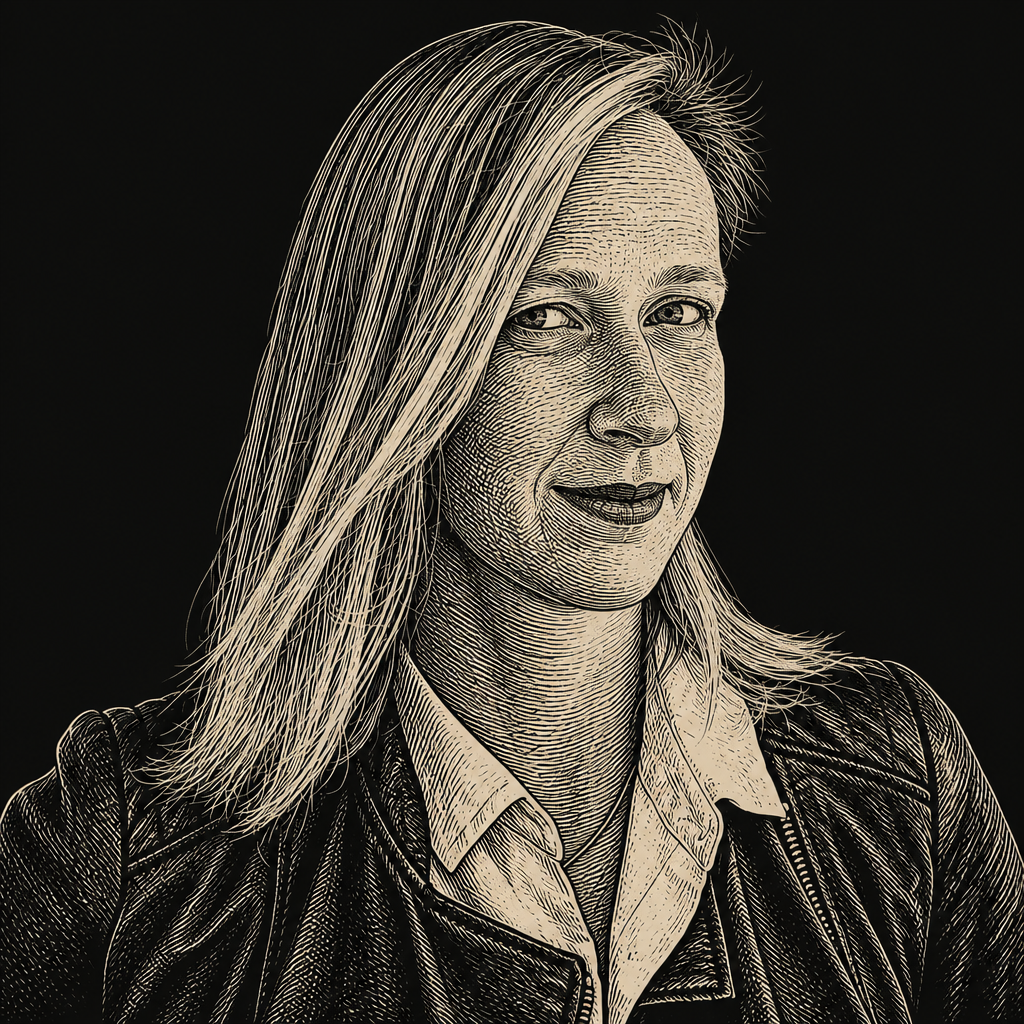
That is why Marvel insists on a distinction often blurred in public discussion: climate scientists make projections, not predictions. A projection is conditional. It specifies what follows if people continue a particular course; it does not declare a particular future inevitable.
Climate scientists like me, we don't make predictions. We make projections. And the reason that that's important is that projections are conditional. We say, if we do this, this is what will happen.
The condition matters because the path of emissions is itself a human choice. If people continue putting carbon dioxide, methane, nitrous oxide, and fluorinated gases into the atmosphere “like it was this infinite garbage dump,” Marvel says, models yield a hotter and more frightening future. If societies advance climate solutions already available and do more, she says, the climate can be stabilized.
Her explanation begins with the atmosphere’s role in making Earth inhabitable. A bare rock receiving sunlight and radiating energy back into space, she says, would be well below freezing and unable to sustain life as people know it. Earth’s average temperature of roughly 60 degrees Fahrenheit depends on the atmosphere—and particularly on a very small share of it. Marvel says naturally occurring greenhouse gases, including carbon dioxide, make up less than one-third of 1 percent of the atmosphere, yet are potent enough to maintain those conditions.
The implication is not that greenhouse gases are intrinsically a problem. They are part of why life exists here. The problem is changing their concentration. Marvel asks what happens when carbon dioxide concentrations rise by 50 percent, then answers: there is no need to imagine it, because people are living through the result. “We exist only because the sky does,” she says.
Global average temperature, Marvel argues, is not the most useful way to communicate that result. “Nobody lives in the global average.” What people experience is the added energy moving through the systems that shape daily life: more widespread and severe heatwaves; stronger hurricanes, for which warm water is “food”; and heavier downpours because warm air can hold more water vapor.
The same warming can intensify hazards that receive less immediate attention. Warm air is also “thirstier air,” Marvel says, increasing evaporation from the surface and elevating drought risk. Monica Medina stresses that drought may lack the visual force of a flash flood or hurricane even as a prolonged dry period can be devastating for food and water. Marvel also points to hotter, drier conditions conducive to fire and to sea-level rise driven both by melting land ice and by the expansion of warmer ocean water.
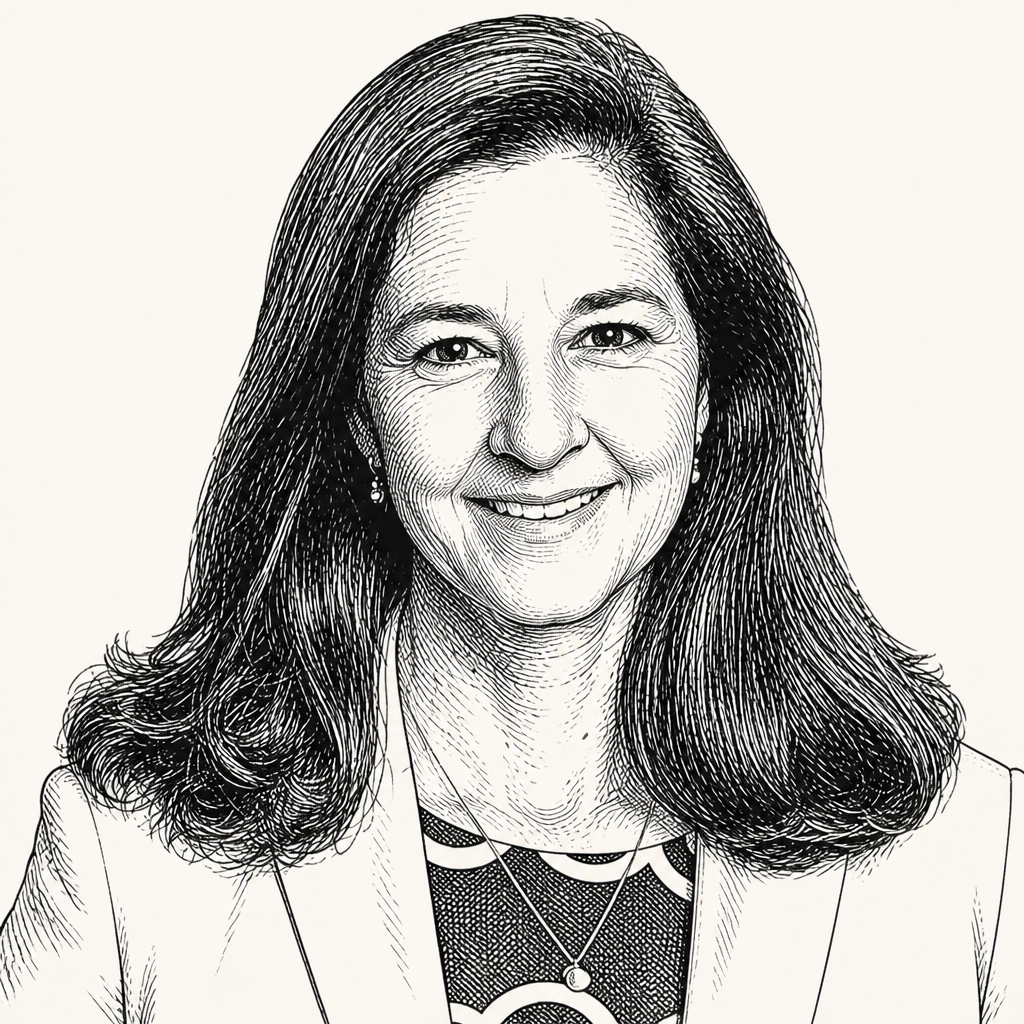
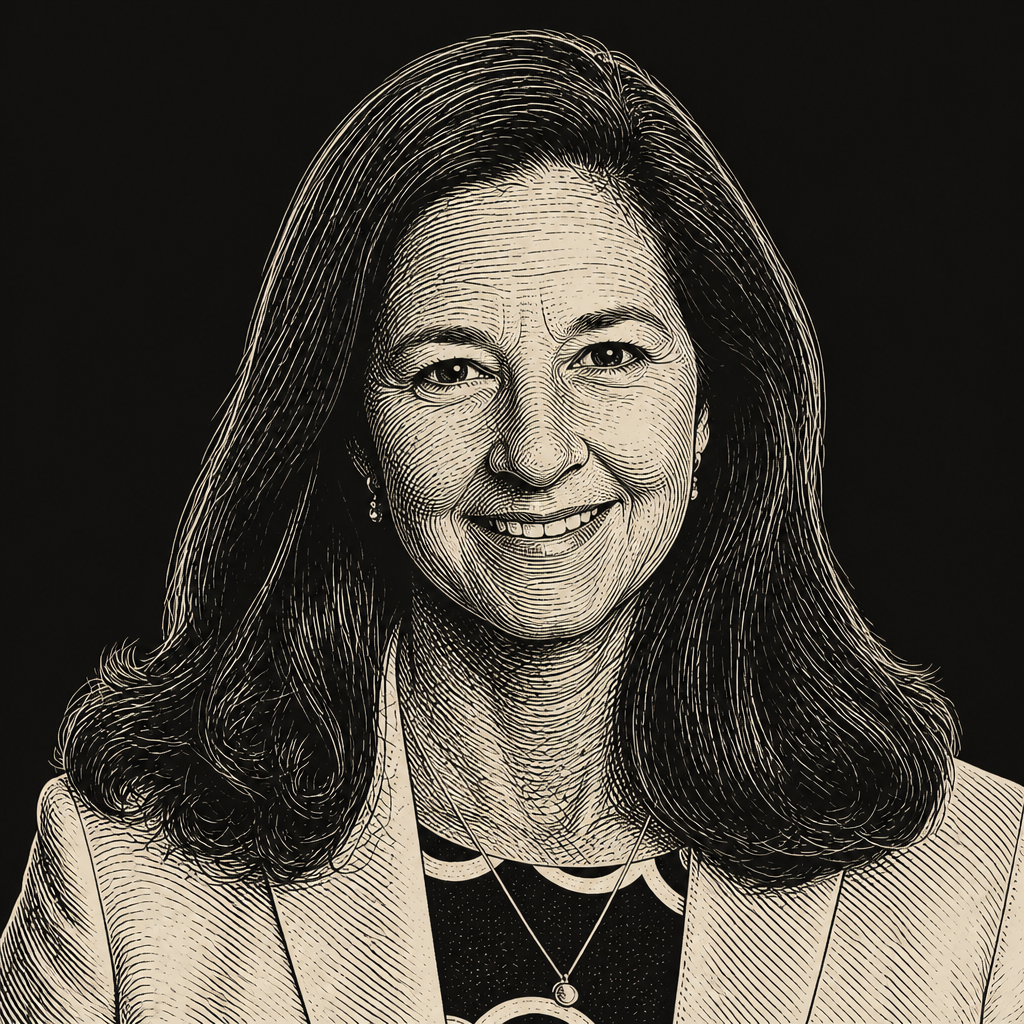
The same models that show worsening outcomes under continued emissions can show a different world under a different course of action.
Stopping emissions changes the outlook sooner than people may assume
A particularly consequential part of Marvel’s account concerns what would happen after carbon dioxide emissions cease. Asked by Sweta Chakraborty whether some additional warming is already “baked in,” Marvel’s answer is emphatic: the best estimate for warming in the pipeline, if carbon dioxide emissions stopped tomorrow, is zero.


We can stop this anytime we want. Our best guess for the warming that's in the pipeline, if we were to stop emitting carbon dioxide tomorrow... Zero. Zero.
Marvel does not deny that the ocean responds slowly. As carbon dioxide accumulates, the ocean warms, and that slow response can appear to imply warming that is already committed. But she says another process operates at the same time once people stop adding carbon dioxide: the biosphere—plants, phytoplankton, and other photosynthesizing life—removes carbon dioxide from the air.
Her claim is that delayed warming associated with the slowly responding ocean and carbon removal by the biosphere would, on the best current estimate she cites, cancel almost exactly. The point is not that past emissions have done no damage, or that atmospheric change reverses automatically. It is that further warming is not, in Marvel’s telling, an unavoidable add-on after emissions stop.
That conclusion gives practical force to the distinction between projections and predictions. Continued emissions lead to a hotter future; stopping emissions changes the path. Marvel frames this as a reason to take existing solutions seriously, not as a claim that the work is easy.
Facts and feelings are not competing ways of understanding climate change
Marvel’s book, Human Nature: Nine Ways to Feel About Our Changing Planet, is organized around wonder, anger, guilt, fear, grief, surprise, pride, hope, and love. Its premise is not that emotion should replace analysis. It is that climate science stripped of acknowledged human feeling can become less candid about what is at stake.
Marvel says scientists are often trained to be objective, neutral, and without emotions. But she studies Earth while “everybody that I love lives here.” In her account, pretending that this produces no feeling does not make scientists more credible. “That makes us liars.”
You don't have to choose between facts or feelings. You can have both.
Marvel calls the book her “coming out as a human being.” A person can feel the full range of emotions associated with a changing planet, she says, and still get the math right. Feeling grief, fear, anger, or love does not negate the physical explanation of a warmer atmosphere, stronger hurricanes, drought risk, or rising seas.
Monica Medina invokes Cassandra, the Greek prophet whose warnings went unheeded, as a figure familiar to people who speak repeatedly about climate change without feeling heard. Marvel uses Cassandra in a less straightforward way as well. Beyond the isolation of not being believed, she asks readers to consider how extraordinary it must have been to be the only person who knew the truth.
When Chakraborty asks why women should claim space and amplify their voices in climate communication, Marvel says women have historically been discouraged from science and adds that men are being discouraged from it in the current political moment as well. Science, in her view, is like journalism and history: a way of finding out what is true and telling people about it. It needs men and women, she says, and the people who get to do it should be representative of the people who live on the planet.
Earth is the only good planet
Marvel came to climate science from astrophysics. In college, an introductory astronomy course revealed to her that physics could be about the universe rather than “balls rolling down an inclined plane.” Her doctoral work concerned the probability that people live in a bubble of a multiverse created through quantum tunneling from another universe. She moved into climate science, she says, because she wanted work that was more useful and relevant—and because studying the universe made clear to her that most of it is inhospitable.
That perspective produced her phrase for Earth: “the only good planet.” It is partly comic, but it also rejects the idea that another destination could substitute for caring for this one.
We can probably make it to Mars. But when we get to Mars, I think people do not understand how boring Mars is.
Marvel’s case against planetary escape is deliberately concrete. There are no puppies or whiskey on Mars, she says; unless someone’s preferred activity is slowly starving or rapidly suffocating, they cannot do their favorite things there. She extends the point to the Moon, Jupiter, and the thousands of exoplanets people have found.
Even the discovery of another habitable planet would not solve the problem, Marvel says, if people moved there and “keep it up”: they would ruin that one too. The task is not to wait for another world. It is to take care of the one people already have.