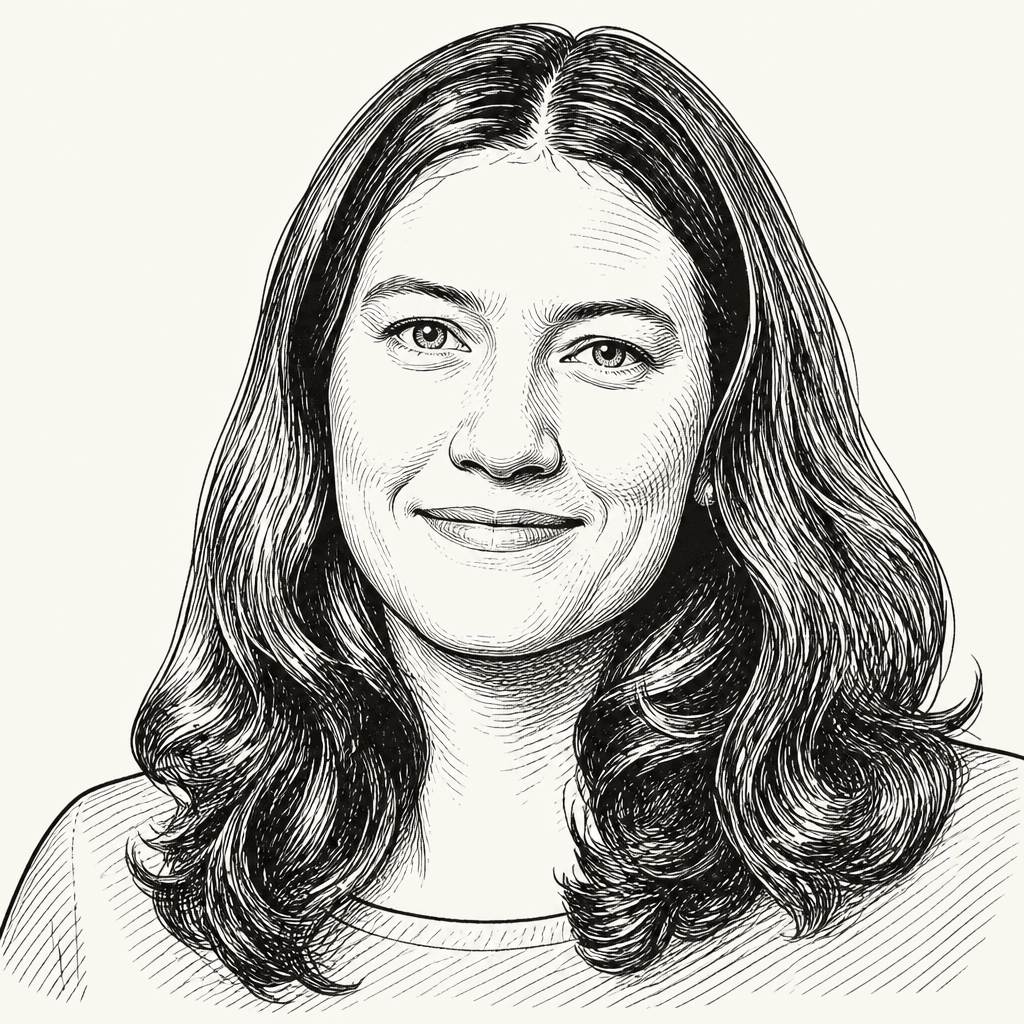
Sarah Kapnick
Global Head of Climate Advisory at J.P. Morgan, advising clients on climate, energy, biodiversity and sustainability; she previously served as Chief Scientist at NOAA and researched climate prediction, extreme weather, water security and climate impacts.
Flood Resilience Depends on Building Capacity for Excess Water
Sarah Kapnick, a former NOAA chief scientist now advising clients at a bank, argues that companies and cities must stop treating historical weather data as a reliable guide to climate risk. As extreme rainfall and flooding outgrow infrastructure built for past conditions, she says resilience requires updated probability assumptions, added water-storage capacity, community-level planning and financing arranged before disaster forces improvised decisions.
Historical Flood Models No Longer Match Current Climate Risk
Climate scientist Sarah Kapnick argues that climate adaptation has become a present-tense management problem because the statistical patterns underlying historical weather and infrastructure design no longer reliably describe current risk. She says companies and governments should treat flood protection, operational continuity and financing as revisable planning decisions—made at both asset and community scale—rather than rely on return periods or wait for a disaster to force action.