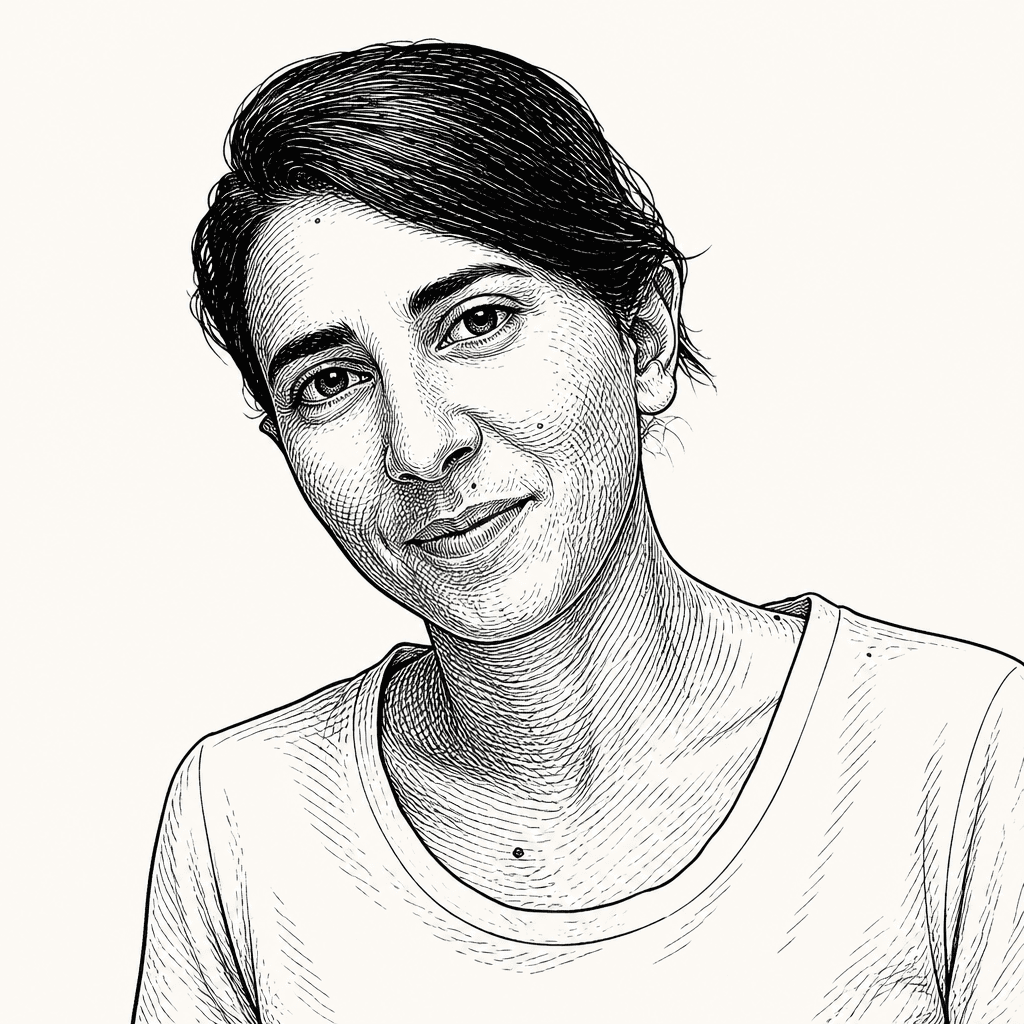
Flora Lichtman
Flora Lichtman is a science journalist and host of Science Friday. She previously created and hosted Gimlet’s Every Little Thing, co-directed the Emmy-nominated New York Times Op-Docs series Animated Life, and has written for Netflix’s Bill Nye Saves the World.
Dying People Teach the Living to Plan, Speak Plainly, and Be Present
Death doula and cultural anthropologist Darnell Walker and comedian Tig Notaro argue that dying clarifies the ordinary obligations of living: to notice small moments, say what should not remain unsaid, plan where possible, and be present when there is nothing to fix. In a conversation centered on Notaro’s documentary about poet Andrea Gibson’s final year, they frame end-of-life care less as a specialized service than as a human practice of attention, honesty, humor, and accompaniment.
Gut-Brain Research Is Recasting Parkinson’s, GLP-1s, and Microbiome Care
At an Aspen Ideas: Health live recording of Science Friday, gastroenterologists Trisha Pasricha and Emeran Mayer argued that the gut-brain connection is not a wellness slogan or a simple two-way pipe between organs. They described a broader brain-gut-microbiome system in which the enteric nervous system, vagus nerve, microbes, immune signaling, hormones, diet and stress interact — a model they said is reshaping how clinicians think about Parkinson’s disease, GLP-1 drugs, mental health, probiotics and early-life development.
A Good Death Requires Specific Wishes and People Who Show Up
Death doula and cultural anthropologist Darnell Walker and comedian Tig Notaro argue that death should make ordinary life more deliberate, not more abstract. In a conversation at Aspen Ideas: Health, Walker describes end-of-life care as presence, planning, honesty and witness, while Notaro draws on the final year and death of poet Andrea Gibson, the subject of Come See Me in the Good Light, to show how humor, community and small daily attachments can shape a good goodbye.
Gut-Brain Signaling Is Reshaping Models of Parkinson’s and Chronic Disease
Gastroenterologist Trisha Pasricha and brain-gut researcher Emeran Mayer argue that the gut should be understood as an active nervous, hormonal, microbial, and immune system in continuous communication with the brain, not as digestive plumbing. In a live Science Friday discussion at Aspen Ideas: Health, they make the case that this bidirectional system may reshape how clinicians think about Parkinson’s disease, GLP-1 drugs, diet, mental health, and early-life development, while warning that much of the consumer “gut health” market has moved faster than the evidence.
Dying Clarifies What the Living Should Stop Postponing
Death doula and cultural anthropologist Darnell Walker and comedian Tig Notaro argue that dying clarifies life less through grand revelation than through specific acts of presence: saying what needs to be said, making plans, laughing when grief allows, and staying with people at the end. In an Aspen Ideas: Health conversation rooted in Notaro’s documentary about poet Andrea Gibson’s final year, they describe death care as practical, relational work that families often already do, whether or not they have a name for it.