Gut-Brain Research Is Recasting Parkinson’s, GLP-1s, and Microbiome Care

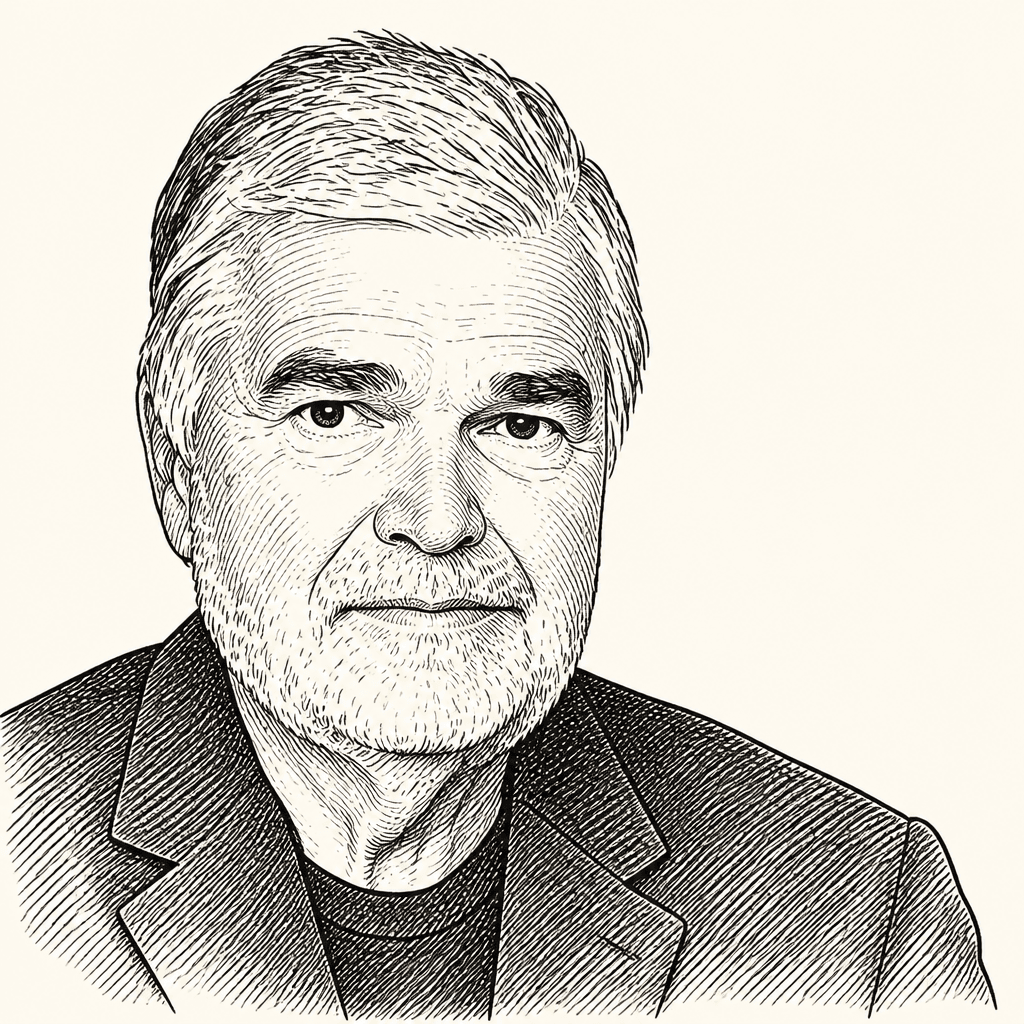

At an Aspen Ideas: Health live recording of Science Friday, gastroenterologists Trisha Pasricha and Emeran Mayer argued that the gut-brain connection is not a wellness slogan or a simple two-way pipe between organs. They described a broader brain-gut-microbiome system in which the enteric nervous system, vagus nerve, microbes, immune signaling, hormones, diet and stress interact — a model they said is reshaping how clinicians think about Parkinson’s disease, GLP-1 drugs, mental health, probiotics and early-life development.

The gut is not plumbing, and the “axis” may be the wrong model
Trisha Pasricha objected to the ordinary image of the gut as a pipe that moves food through the body. The gastrointestinal tract, she said, contains roughly 500 million nerve cells — more than the spinal cord — in what medicine calls the enteric nervous system. For some animals, that is effectively the only brain they have. Humans evolved a brain in the head as well, but Pasricha argued that the evolutionary ordering should change the way people talk about the body: the gut is not the “second brain” so much as the first one.


That claim was not meant as metaphor. Pasricha described the gut as an organ system that produces neurotransmitters also associated with the brain, including dopamine and serotonin, and that sends signals upward through the vagus nerve. Those signals, she said, influence mood, hormones, and disease processes across the body. “Probably most diseases in all of our body, our heart, our lungs, our brain, you can trace the origin to some extent to the gut,” she said.
Emeran Mayer accepted the centrality of the gut-brain connection but pushed against the phrase “gut-brain axis.” His objection was conceptual: “axis” implies a linear system, while the biology he studies is better understood as a brain-gut-microbiome system, with bidirectional interactions among the brain, the enteric nervous system, microbes, immune cells, endocrine cells, and the body’s broader mechanisms of homeostasis.
The evolutionary account mattered to both physicians. Mayer described early marine animals as having a nervous-system-like structure surrounding a digestive tube. As heads evolved, some functions moved upward into the brain while using many of the same cells and neurotransmitters. The enteric nervous system retained substantial autonomy over secretion, motility, permeability, and other gastrointestinal functions. In animal models, he said, the gut can be disconnected from the brain and still perform peristalsis and related functions.
That autonomy has a clinical edge. Pasricha pointed out that people can survive after brain death if the enteric nervous system is still functioning and brain-stem support is maintained with a breathing tube. The gut continues to nourish the cells of the body. For her, that is evidence of how foundational the enteric nervous system is: the body’s ability to sustain itself is not reducible to the brain in the skull.
The brain becomes more involved, Mayer said, when the organism is threatened. In a normal homeostatic state, the gut is largely managing itself. In a fight-or-flight state, the brain recruits the gut into the body’s emergency response. The familiar examples — butterflies before a date, urgent bowel movements before a performance, nausea under stress — are not folk poetry. They are observable features of a nervous system in which the brain can rapidly alter gut function.
Most vagus-nerve traffic is moving up, not down
When Flora Lichtman asked how the gut and brain “talk,” Pasricha divided the communication into two broad routes: hormonal signaling, including through the bloodstream, and neural signaling, especially through the vagus nerve. The vagus is a long cranial nerve that extends from the brain to many internal organs, with a particularly close relationship to the gut.


The asymmetry is important. The brain can send signals down to the gut, but Pasricha emphasized that most vagus-nerve traffic is not top-down. About 80% of it, she said, travels from the gut upward.
The reason people often miss that directionality is that most of the information never becomes conscious sensation. Pasricha contrasted the five familiar external senses with interoception: the body’s internal stream of information from organs and tissues. The brain is receiving those signals continuously, but not in the same way it receives sight, sound, touch, taste, and smell. Much of the gut’s communication with the brain happens below conscious awareness.
Mayer connected that point to the neurologist Antonio Damasio’s work on consciousness. Damasio, he said, has argued over decades that interoception — signals arriving from the body, quantitatively especially from the gut — is the basis of human consciousness. Mayer added that Damasio’s view leads to a provocative implication for artificial intelligence: without a body and an interoceptive system, AI would not have consciousness unless engineers somehow supplied such a body-based signaling apparatus.
The top-down side is better understood, Mayer said, and it is not limited to crude gut symptoms. “Our gut knows whatever goes on within our brain,” he argued. Just as facial muscles express emotion, whether one wants them to or not, the gut changes with every emotion. In his description, emotions have specific motility and secretion patterns in the gut.
That signaling extends to microbes. Mayer said the sympathetic nervous system secretes molecules that act on microbial receptors, changing gene expression and behavior. In stress or anger, microbes can receive what he called a warning signal from the top down. He tied this to studies on microbial virulence, arguing that anger or stress can make a person more likely to experience a more severe or longer-lasting gastrointestinal infection than when relaxed.
This is why Mayer sees the gut-brain-microbiome system as more than a specialty topic for gastroenterology. It is, in his account, a way to rethink the organization of the body: emotion, microbial behavior, immunity, gut motility, and brain function are not separate domains that occasionally influence each other. They are parts of one regulatory system.
Parkinson’s may begin in the gut for a subset of patients
Pasricha’s work on Parkinson’s disease gives the gut-brain model one of its most concrete clinical examples. Parkinson’s is commonly associated with misfolded alpha-synuclein protein in the brain, where the misfolding contributes to the death of dopamine neurons in a particular brain region. But Pasricha said there have long been signs that Parkinson’s is not exclusively a brain disease.
James Parkinson’s original descriptions noted severe constipation in patients, she said. In her own GI fellowship, Pasricha saw many people with Parkinson’s who reported constipation 10 or 20 years before motor symptoms. Literature, and later replication in her lab, supported the pattern: nausea, gastroparesis, constipation, and other GI symptoms can precede tremors and other motor signs by years or decades.
For at least a subset of patients, Pasricha said, researchers now think the disease begins in the gut. The possible triggers remain varied and unresolved. She mentioned pesticides, including paraquat, as one area of research interest; ultra-processed foods as another possible factor; infection as another. The common feature is that many possible triggers enter the body through the gut and might initiate alpha-synuclein misfolding or related changes that are not yet understood.
The proposed path is striking. Misfolded protein may begin to misfold in the stomach and then propagate “like a prion,” inducing the next cell to misfold and then the next. From there, it may travel up the vagus nerve to the brain.
Human observational data strengthen that model, in Pasricha’s telling. In the 1970s and earlier, vagotomy — cutting the vagus nerve — was performed for conditions such as severe ulcers or reflux. Looking at the natural history of people who had that procedure, she said, their risk of Parkinson’s disease was reduced by almost half. She was careful not to present vagotomy as a modern prevention strategy; the point was that interrupting the vagus nerve appears to have changed Parkinson’s risk, which suggests the gut-brain route is biologically meaningful.
Mayer added a clinical vignette from his own practice. A couple from California’s Central Valley came to see him; the region, he said, has intense glyphosate, pesticide, and herbicide spraying. The family had called children indoors when crop-dusting planes approached, shutting windows and doors. During the visit, Mayer noticed the husband making a characteristic finger movement associated with Parkinson’s. The man had not noticed it. Mayer referred him to a neurologist, and he was found to have very early-stage Parkinson’s. He also had new-onset constipation, which Mayer called unusual in a middle-aged man.
The patient-facing implication is not only alarming. Pasricha framed it as a major opening for earlier detection and intervention. If Parkinson’s begins in the gut years before reaching the brain, then the field may have a long window in which to identify biomarkers and act before motor symptoms appear. Her lab is working on questions of what the triggers are, why the gut-originating pattern may occur in some people and not others, and how to distinguish gut-starting disease from cases that may begin in the brain.
GLP-1 drugs are gut hormones acting on a much larger system
Mayer described GLP-1 drugs such as Ozempic and Wegovy as an especially revealing case study in the gut-brain-microbiome system — partly because, in his view, public discussion of these drugs often leaves out the gut itself.
GLP-1, or glucagon-like peptide, is stored in cells lining the gut, he said. Those cells are part of the enteroendocrine system, which he described as the body’s largest hormonal system. Newer versions of these drugs combine multiple gut-derived peptides, and Mayer said one version combines three peptides, all from the gut.
His interpretation is that pharmaceutical science has taken signaling molecules nature developed over hundreds of thousands or millions of years to regulate satiety and has administered them in much higher doses. The natural system once worked to tell the brain what was happening in the body after a meal. Mayer argued that lifestyle changes over roughly the past century have overwhelmed that system, leaving pharmacology to restore or replace a signal that no longer copes with contemporary dietary habits.
It does not surprise him that these medications affect brain function. GLP-1 receptors are found in the brain, including in hypothalamic regions that regulate satiety. He said he was surprised earlier in the field’s development when people treated these drugs mainly as incretins acting in the gut. From his perspective, their brain effects were built into the biology.
His assessment was deliberately divided. Wearing a scientific and clinical hat, Mayer said the drugs are “a great thing”: they can help many people, potentially reduce costs tied to bypass surgery and expensive downstream treatments, and address obesity and its associated diseases. He said a recent panel at the same meeting suggested GLP-1s could transform society, affecting clothing, exercise, and other patterns of life.
But he also questioned the deeper settlement these drugs imply. Humans at a certain age are already commonly dependent on statins and antihypertensive medications, he said; adding GLP-1s raises the question of whether medicine is treating a world “gone out of balance” by creating another lifelong pharmaceutical dependency rather than addressing root causes. He called the drugs potentially life-saving as long as people stay on them, while also noting that such a chronic-use model is “obviously” a dream for the pharmaceutical industry.
Pasricha largely agreed but put more emphasis on the drugs’ possible benefits beyond weight loss. In her lab, she said, GLP-1 medication use has been associated with decreased risk of ulcers and damage to the stomach’s mucosal lining, an effect she said does not appear to be about weight loss. She also referred to large studies associating GLP-1 medications with decreased risk of 13 different cancers, again not necessarily through weight loss.
Her caution was methodological: she repeatedly used “associated with.” The mechanisms are not yet nailed down. GLP-1s, she said, may behave differently in different organs, just as dopamine, estrogen, and other signaling molecules do. What a molecule does in the brain may not be what it does in the gut. She is optimistic about the drugs and “on board” because they may help many people, but she wants more molecular detail about what they are doing and why some benefits appear.
Mayer added that the unknowns include long-term consequences of intervening massively in a system whose full mechanisms are not understood. He linked GLP-1 signaling to what he calls the gut connectome: immune cells, endocrine cells, microbes, and other cell types communicating in the gut. Because roughly 70% of the immune system is in the gut, or travels through it before moving to other organs, he wondered whether GLP-1 agonism could substantially affect immune activation.
He distinguished that from the loose online language of “chronic inflammation.” Pasricha noticed and praised the distinction. Mayer said he means chronic immune-system activation, not inflammation in the sense of leukocytes rushing to an infected wound. This activation may be silent, like hypertension. People may not feel it, but immune-cell-derived molecules circulating in the blood may increase risk for chronic diseases, especially in people with genetic susceptibility or later-life triggers.
“Gut health” went mainstream because medicine left a vacuum
The term “gut” itself became a revealing dispute. Mayer said it is a simplified term for the digestive system and, depending on context, may include the esophagus through the large intestine. In gastroenterology, he said, the term may refer more specifically to the small and large intestine. Lichtman pressed him on whether the stomach counted. Pasricha said that in common parlance the gut means the gastrointestinal tract, from the esophagus to the “exit hatch,” while physicians often think of the bowels.
The loose definition reflects the term’s rapid cultural rise. Mayer said that earlier in his career, the gut was not a public dinner-table subject; IBS in particular carried shame. Now “gut” and “gut health” are everywhere, and gastroenterology has been surprised to find its organ system suddenly “cool.”
Pasricha said that 10 years earlier, when she was in medical school, no mainstream gastroenterologist would have used “hashtag gut health.” Now, she said, the American Gastroenterological Association is forming an advisory group to discuss how physicians should “own this space.” Part of that means defining gut health not only as treatment of disease but also as the absence and prevention of disease — something the standard 15-minute visit is not designed to explore.
She offered two reasons social media has embraced the gut. The first she sees as positive: younger people, especially Gen Z, are less ashamed of bodies and bodily functions. They are destigmatizing both mental health and gut health. The second is darker: patients with common, poorly understood conditions often feel dismissed by health care and turn to influencers who offer recognition, certainty, and products.
Her example was irritable bowel syndrome. Pasricha estimated that roughly 15% of Americans have IBS and called it one of the most misunderstood diseases in medicine, by patients and doctors alike. When patients cannot get a gastroenterology appointment for months, they may go online and find an attractive influencer naming their symptoms — bloating, brain fog, a doctor who does not take them seriously — and offering “leaky gut” or another explanation, along with supplements and a personal journey. Pasricha said many patients feel heard and seen there for the first time. In her estimate, much of the gut-health space is now shaped by people who are not physicians or scientists but who are meeting an emotional and informational need the health care system has failed to meet.
Mayer’s criticism of gastroenterology came from the opposite side of a long fight. For the first 25 years of his career, he said, he battled a dogma within gastroenterology that “it’s the gut” — meaning the brain was not involved. When he lectured on the brain-gut connection, colleagues would remind him not to forget that the problem was in the gut. Now, he said, the discussion has been taken away from gastroenterologists by functional medicine, influencers, and other holistic framings.
He does not think gastroenterology is fully prepared to reclaim it. Gastroenterologists are trained to identify and treat diseases of the gut, often through pharmaceuticals and endoscopy. They are not trained around symptoms such as brain fog or the broader brain-body complaints now attributed to gut dysfunction. Functional medicine, in his view, has grown partly because it incorporated a holistic brain-body-gut concept earlier, even if it does not always have the science.
Pasricha did not defend social-media medicine, but she understood why it works. Patients do not only want a correct mechanism; they want someone to believe them, connect symptoms, and spend time on the broader pattern of their lives. The challenge she and Mayer described is not that rigorous medicine must become wellness TikTok. It is that conventional medicine has to answer questions patients are already asking elsewhere.
A healthy microbiome is less a cast list than an ecosystem
Lichtman asked whether scientists know what a healthy microbiome looks like. Mayer said a general definition has emerged from ecology: a healthy microbiome is diverse, rich, and resilient to perturbation. Richness matters because it is not enough to have many types of bacteria represented by only a few members; there must be substantial populations.
But the field is moving away from simply asking which microbes are present. Mayer said microbiome research is shifting rapidly from “who is there” to “what are they doing” — their functions, metabolites, and genetic capacities. He predicted that microbiome tests focused only on identity will give way to tests focused on function.
The clearest functional marker he discussed was the production of metabolites from complex carbohydrates and fiber, especially short-chain fatty acids such as butyrate. These molecules, he said, have beneficial effects not only in the gut but across the body, including the brain. One of their important roles is anti-inflammatory or counter-inflammatory: a healthy whole-food diet supports microbial functions that help balance insults to the system.
Pasricha agreed with the broad account but criticized how the microbiome is sold to consumers. In social media and direct-to-consumer testing, she said, the picture is often presented as black and white: too much of one bacterium, not enough of another, add a supplement, cut something out. The science is not there yet.
Her preferred analogy was a garden. If weeds appear and roses fail to grow, the answer is not necessarily to pull the weeds and sprinkle rose seeds. The soil pH may be wrong; the sunlight may be insufficient. Similarly, microbes live in an ecosystem that includes the person’s immune system, nervous system, diet, and internal environment. The same microbial species may behave differently in different people because the surrounding milieu differs.
That is why she finds it frustrating when patients bring expensive microbiome-test results and ask what to do next. She can explain principles of more healthful eating and foods that support the microbiome, but she said medicine does not yet have targeted, individualized, microbiome-directed therapy for most cases.
Mayer called the commercial exploitation of uncertainty unfortunate for patients, though not for companies. Probiotics, prebiotics, postbiotics, and synbiotics have become a billion-dollar industry, he said, with new expressions used to justify new supplements. The evidence that these interventions make a significant difference is, in his view, very weak — not the kind of evidence that would win FDA approval for a medication.
Yet Mayer was not dismissing the entire future of probiotics. He distinguished current general products from what he called a coming generation of engineered microbial therapies. Researchers are already manipulating microbial genes to perform specific tasks. He described microbes engineered to survive and even thrive in inflammatory environments, using metabolites produced by the inflammatory process; once inflammation disappears, the engineered microbes die off. In that model, probiotics are vehicles carrying specific cargo to specific parts of the GI tract.
That future is far from the current market of multi-strain products promoted on the basis of test-tube studies rather than human evidence. Mayer’s skepticism was not that microbes cannot be therapeutic. It was that most commercial products are too blunt, too poorly evidenced, and too far ahead of the science.
Diet has stronger evidence than most supplements, but it is not a substitute for treating the brain
When the discussion turned from probiotics to diet for mental illness and neurodegenerative disease, Mayer drew a bright line. Diet, he said, is different from a single-organism “psychobiotic.” Food is an extraordinarily complex delivery vehicle for tens of thousands of molecules, including phytonutrients and thousands of different fibers. A fiber-rich meal does not deliver one molecule such as inulin; it delivers many fibers that do different things to microbes.
That complexity is why he rejected the idea that one probiotic organism could meaningfully treat depression, anxiety, or ADHD. By contrast, he said, dietary patterns have emerging evidence, especially the traditional Mediterranean diet. He also noted specific exceptions in which ketogenic diets have evidence, including refractory epilepsy in children and advanced Alzheimer’s disease.
Pasricha agreed that the Mediterranean diet has been consistently associated with lower rates of depression, mental health disease, and neurodegenerative disorders. But she said this is often not part of the conversation in primary care, at least not in depth. Quick visits tend to emphasize medication, while holistic providers may emphasize lifestyle and supplements. For Pasricha, the right approach is not to abandon medication for diet or diet for medication, but to treat the connection.
She used depression and anxiety as examples of gut-brain disorders rather than purely “head” disorders. At the same time, she warned against swinging entirely toward diet. In her clinical practice, she starts patients on antidepressant medications for GI symptoms and considers GI treatments in the context of mental health. The problem is not that either medication or diet is irrelevant. The problem is that care models often do not support the longer, integrated conversations needed to use both rigorously.
Mayer widened the point beyond diet. Lifestyle medicine and “blue zone” concepts, he said, identify multiple pillars — exercise, meditative practices, happiness, and other factors — that influence the gut and microbiome through the brain-gut connection. Diet may be the best studied and perhaps most important, but these other factors also act on the system. The brain-gut-microbiome system, in his account, translates lifestyle into gut health, brain health, and immune health.
He again gave functional medicine qualified credit. He emphasized that he is not a functional medicine practitioner, but said that field “got this right from the beginning” by looking at health, wellness, and disease from a holistic perspective. His criticism of conventional medicine was not that it lacks technical tools; it was that its model too often separates systems that biology does not separate.
Early-life microbiome disruption is real, but maternal fear can cause its own harm
An audience question raised C-section delivery, vaginal birth, antibiotics around delivery, and antibiotics in newborns. Mayer said the science in this area is well established and begins before birth. The maternal microbiome produces signaling molecules that cross the placenta and affect fetal brain development. Microbial influence therefore starts prenatally, not at birth.
Birth and early infancy remain critical. Mayer pointed to prophylactic antibiotics in delivery rooms and the intensive antibiotic exposure of premature infants in neonatal intensive care units, often during a period when the microbiome is being programmed. Nature, he said, appears to rely heavily on the first thousand days of life to program key systems. That worked in previous environments, but modern medicine and modern living have changed the conditions rapidly.
He described C-section birth as one example: the infant does not pass through the birth canal and therefore misses an early inoculation with the mother’s microbiome. He said that after about a year, the microbiomes of C-section-born and vaginally delivered infants may look the same, but “the damage happened already,” citing increased rates of obesity and allergic disease during the early period.
Mayer argued that medicine could make a major impact by avoiding unnecessary antibiotics and paying more attention to maternal health. He questioned how many pregnant women are informed that their microbiome may affect the brain development of the child.
Pasricha added a necessary caution. Patients ask her about breastfeeding versus formula feeding and other early-life decisions. She does not deny that these choices can influence the microbiome; “the data is the data,” she said. But when a mother is asking what is right for her child, Pasricha said her first answer is what is right for the mother.
Her concern is that fear of hypothetical or even real future risks can push mothers into choices that harm their own health. Maternal health, she argued, is the larger lens. Many factors in childhood will matter over time; clinicians can address them as they arise. But if a mother compromises her own health out of fear for a possible microbiome consequence later, Pasricha has seen that cause greater harm.
Mayer added that many chronic diseases seem to be starting earlier and earlier, and he speculated that some of this may reflect damage done during the first thousand days of life. But Pasricha’s counterweight kept the clinical message from becoming another source of parental burden: early-life microbiome science matters, but it should not be weaponized into maternal guilt.
For probiotics, weak population evidence does not cancel every individual response
The audience returned several times to probiotics. Pasricha’s position was skeptical but practical. She said it is not a false rumor that stomach acid can destroy probiotic bacteria. Many capsules may contain bacteria that are already dead; others may die before reaching the colon; even if they arrive, there is no guarantee they will seed, flourish, and “make friends.” The data for many pill-based probiotics is bad, she said.
Fecal transplants represent a more extreme form of microbial delivery and have shown promising results in some conditions but disappointing results in many others. For Pasricha, that reinforces the same point: delivery, engraftment, host environment, and disease context all matter. No one can guarantee that a probiotic will produce the intended effect.
Mayer added that the stomach evolved as a bacterial killer. Its concentrated hydrochloric acid is designed to kill pathogens and bacteria. He said that if someone asks him which probiotic to take, he advises checking whether studies on that specific product show that it traverses the stomach intact and reaches optimal concentrations in the small or large intestine. Otherwise, he said, “forget it,” and regard any benefit as placebo. Some companies have developed encapsulation techniques and market specialized capsules to move bacteria through the stomach, but his broader reminder was simple: stomach acid is not incidental to the problem; killing bacteria is one of its jobs.
At the same time, Pasricha refused to turn population-level skepticism into individual-level dismissal. An audience member noted that a dog’s probiotics seemed to work “like a charm” for loose bowels. Pasricha answered by analogy to her human patients. Some tell her a probiotic is the thing that helped them. She does not take it away while waving charts. If it is not harming the patient and is not causing clinicians to miss a disease that needs diagnosis or a better treatment, she lets it go.
Her decision point is how strongly the patient feels it helps. If someone has been taking a probiotic and says they are only “kind of” better, she is more likely to revisit the evidence. If they are emphatic that it works, she generally allows it.
That position also reflected her broader view of neurogastroenterology. The placebo effect, she said, is important in disorders involving pain; it is real and clinically relevant. In a field where symptoms, nervous-system signaling, and expectation interact, the task is not to sneer at subjective improvement. It is to avoid substituting weakly evidenced products for necessary diagnosis and care.