Dying People Teach the Living to Plan, Speak Plainly, and Be Present
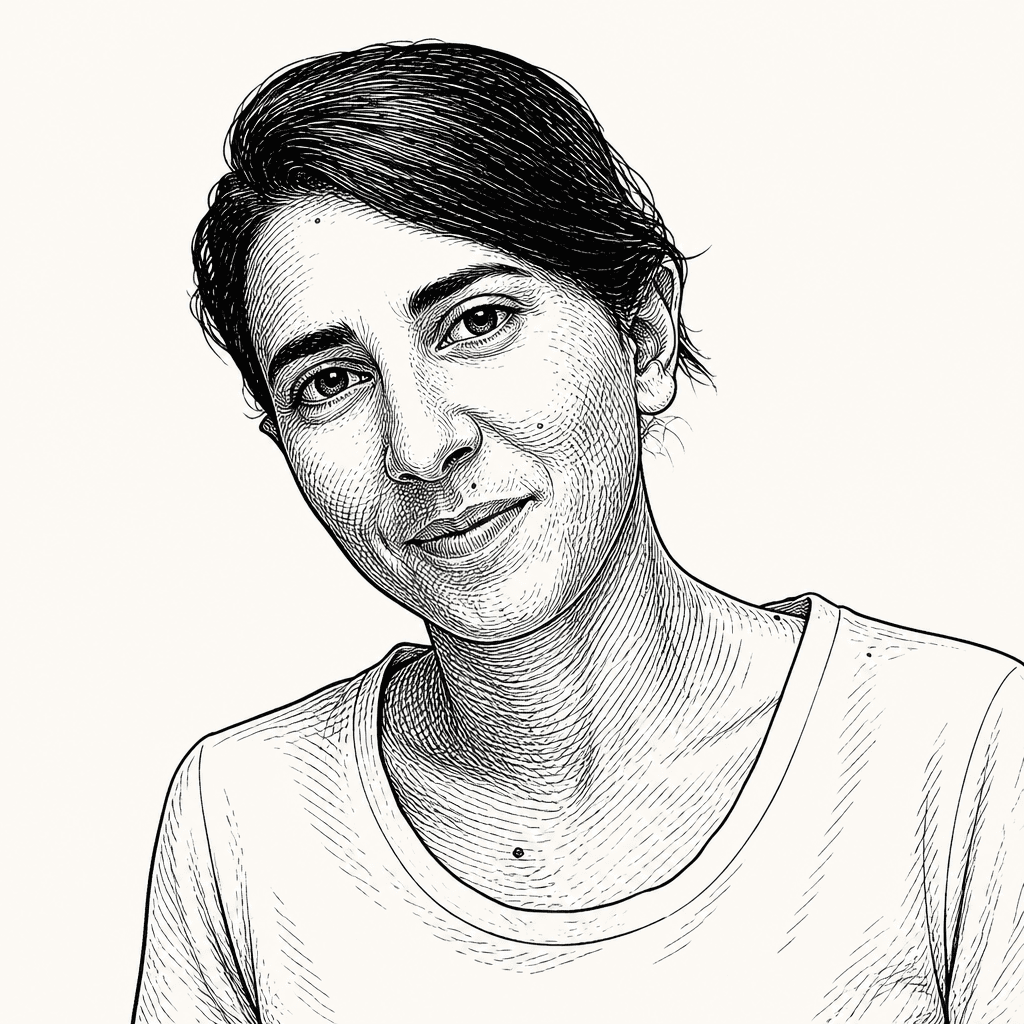
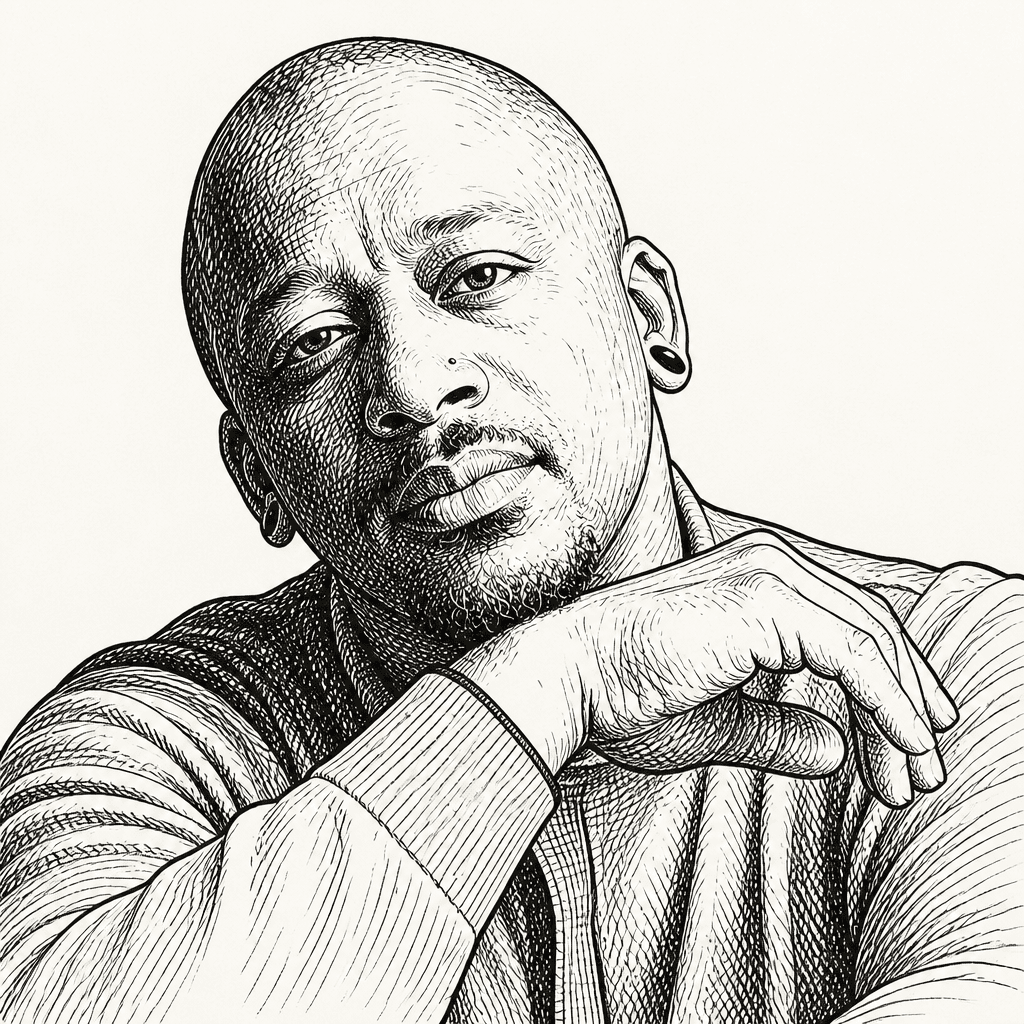
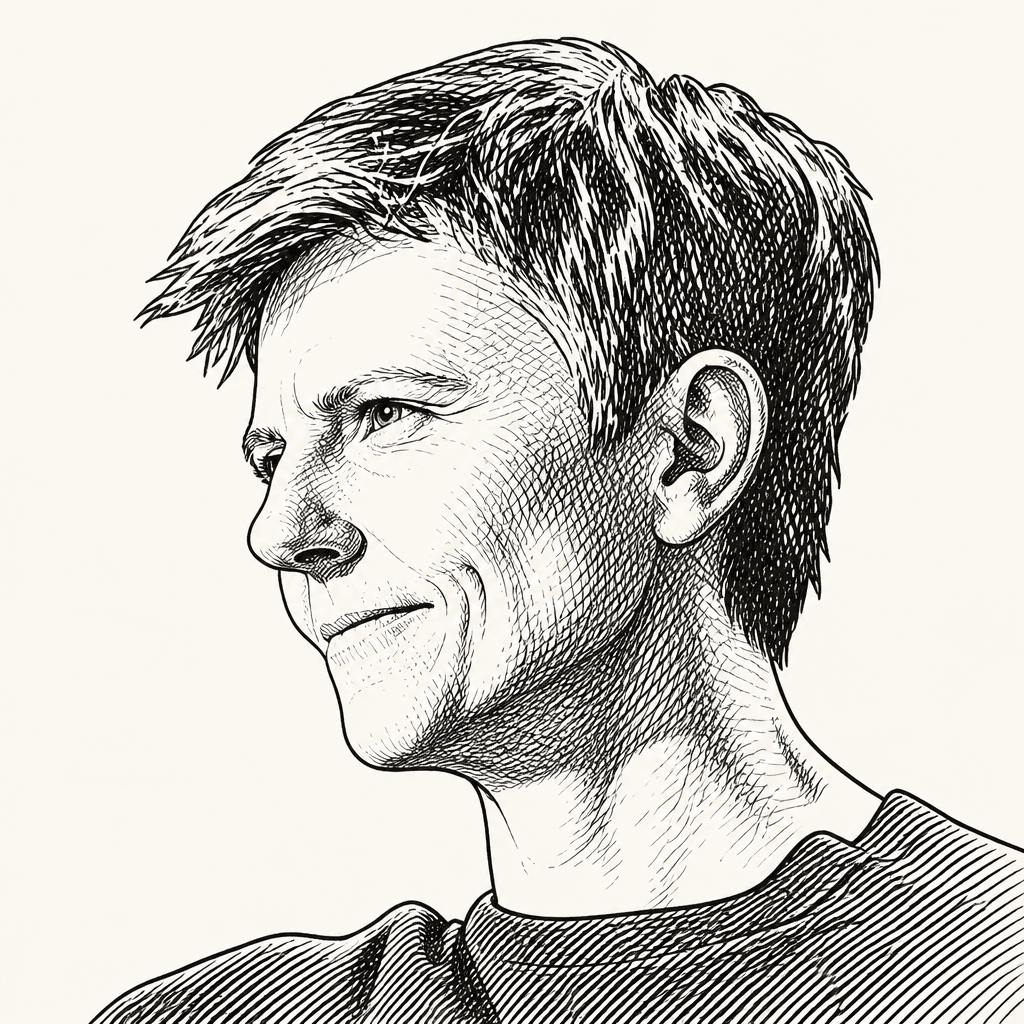
Death doula and cultural anthropologist Darnell Walker and comedian Tig Notaro argue that dying clarifies the ordinary obligations of living: to notice small moments, say what should not remain unsaid, plan where possible, and be present when there is nothing to fix. In a conversation centered on Notaro’s documentary about poet Andrea Gibson’s final year, they frame end-of-life care less as a specialized service than as a human practice of attention, honesty, humor, and accompaniment.

The smallest parts of life are not a consolation prize
Asked what dying can teach the living, Tig Notaro did not reach for transcendence or achievement. She pointed to “the little things”: the day-to-day moments that Andrea Gibson, the late poet and Colorado poet laureate, emphasized in the documentary Come See Me in the Good Light. Notaro said Gibson’s “tiny bucket list” was not built around skydiving, bungee jumping, or traveling the world. It could be watching squirrels eat outside a window.
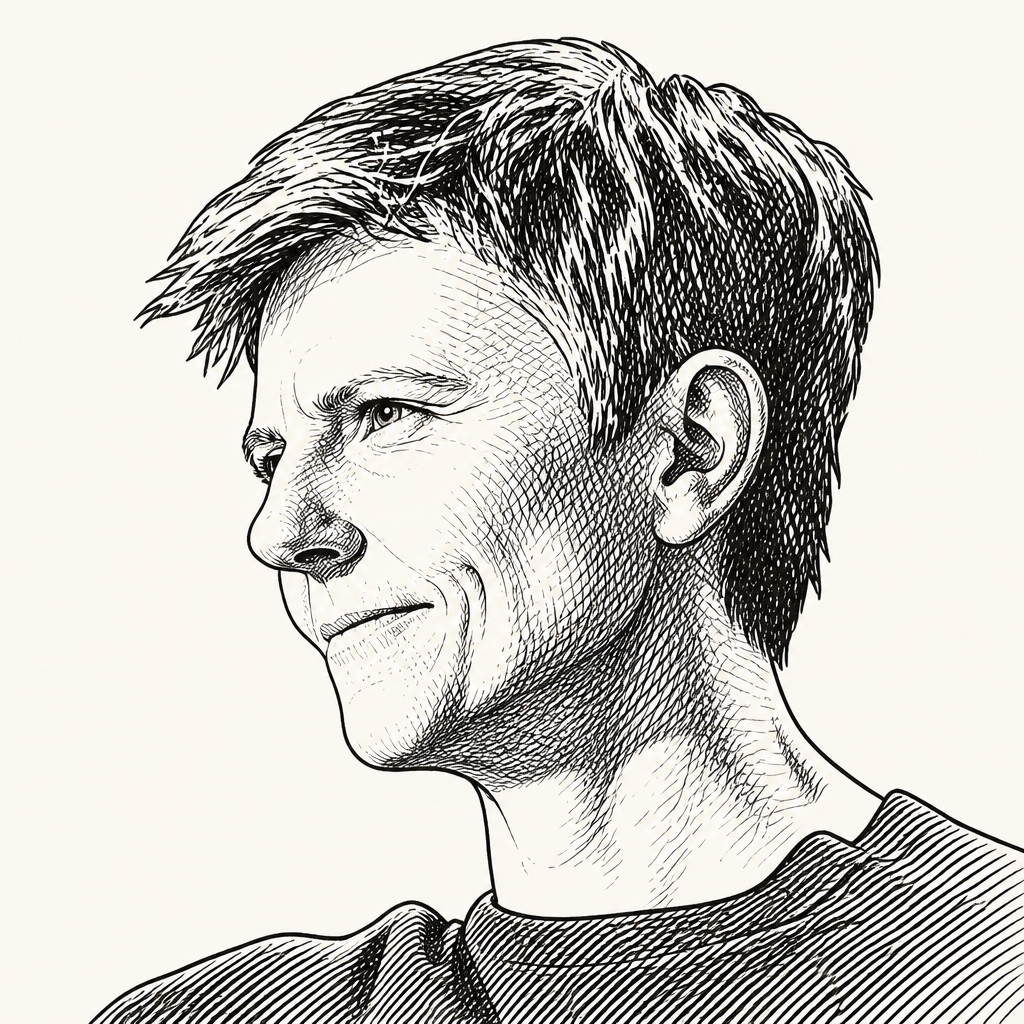
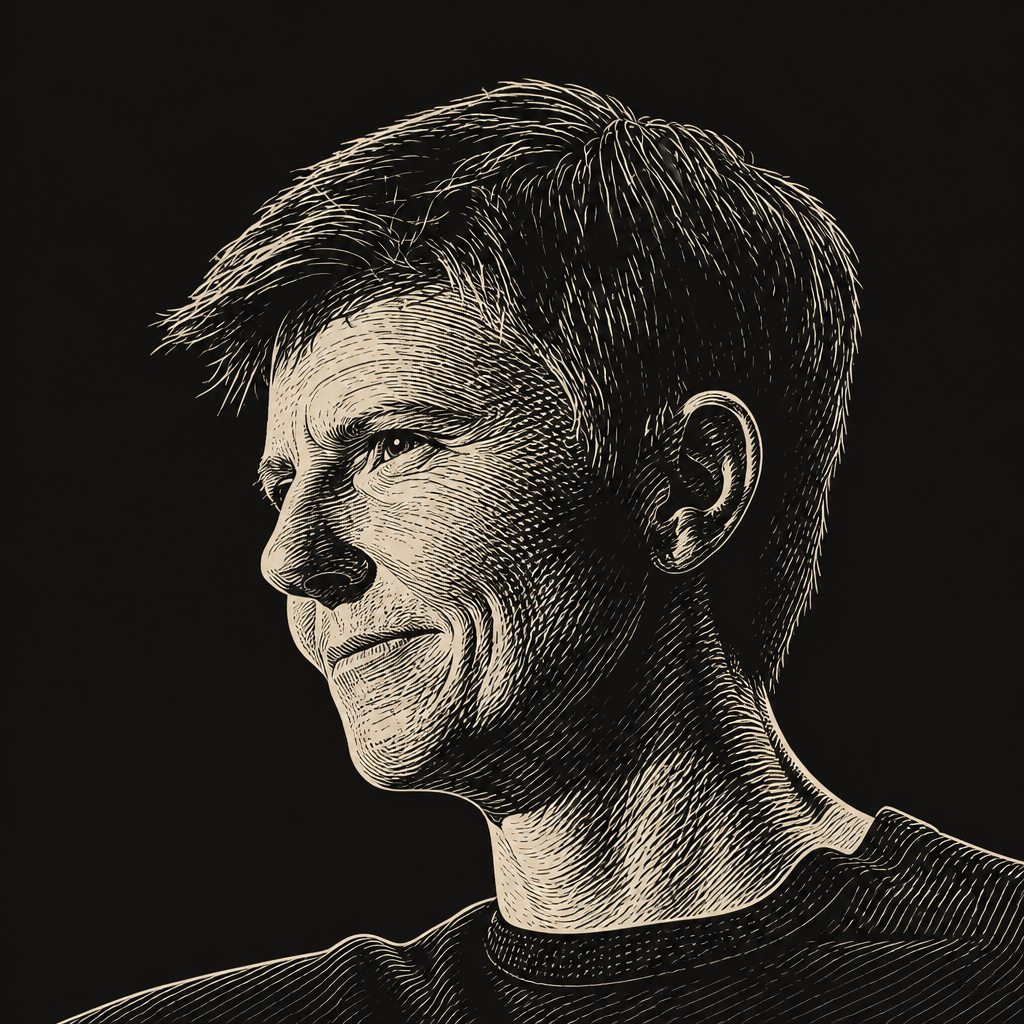
For Notaro, that did not make the idea sentimental or small. She said she had appreciated such moments before, but Gibson’s way of dying deepened it. Notaro travels frequently for work, and described her strongest desire as being home with her family: walking with her wife, talking with her children while they eat breakfast, taking in the small domestic scenes that can be easy to treat as background.
Darnell Walker answered the same question from a different angle. His formulation was “to die empty.” He meant empty not as depleted, but as fully spent in the right way: having given the love, written the letters, made the art, said what needed saying, and left the work in the world. If a book or poem he writes is eventually used to sweep up garbage, he said, that is not the point. The job was to get it out. How others receive it is not up to him.
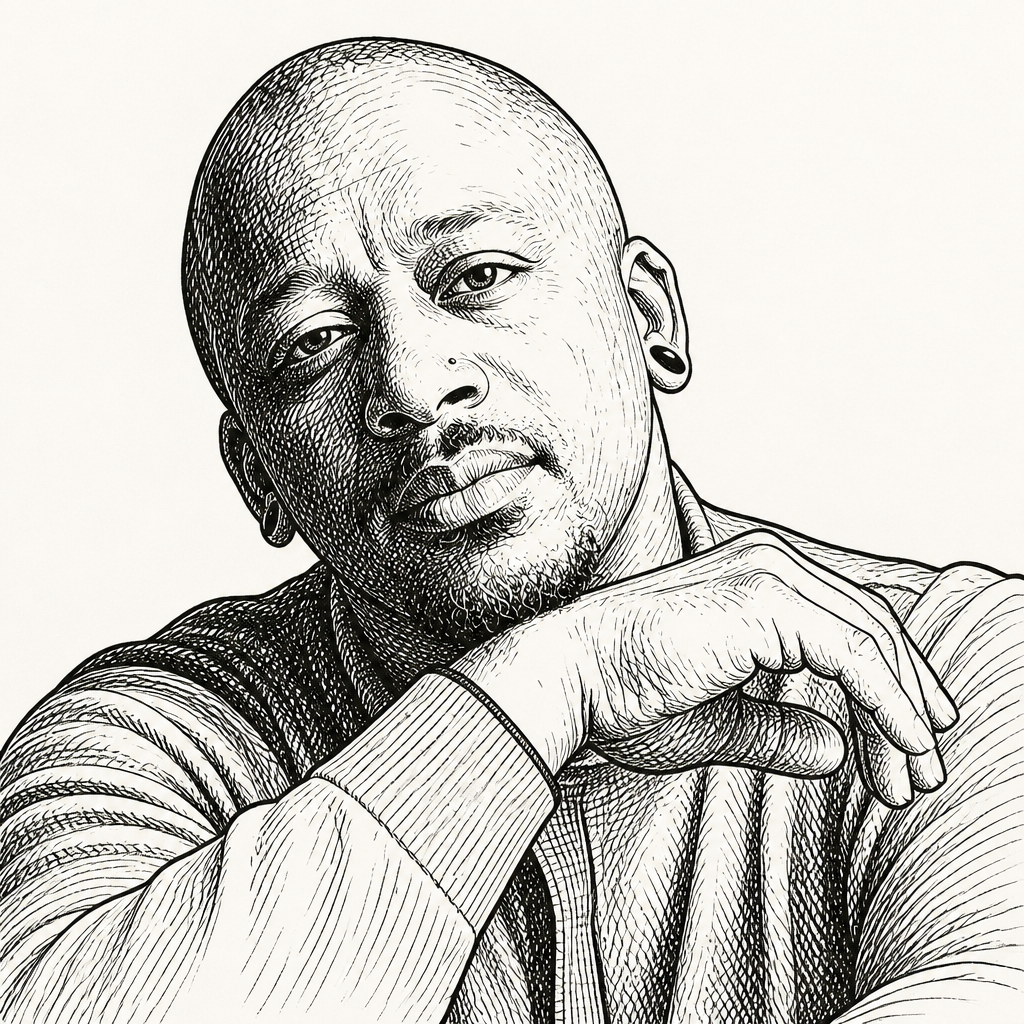
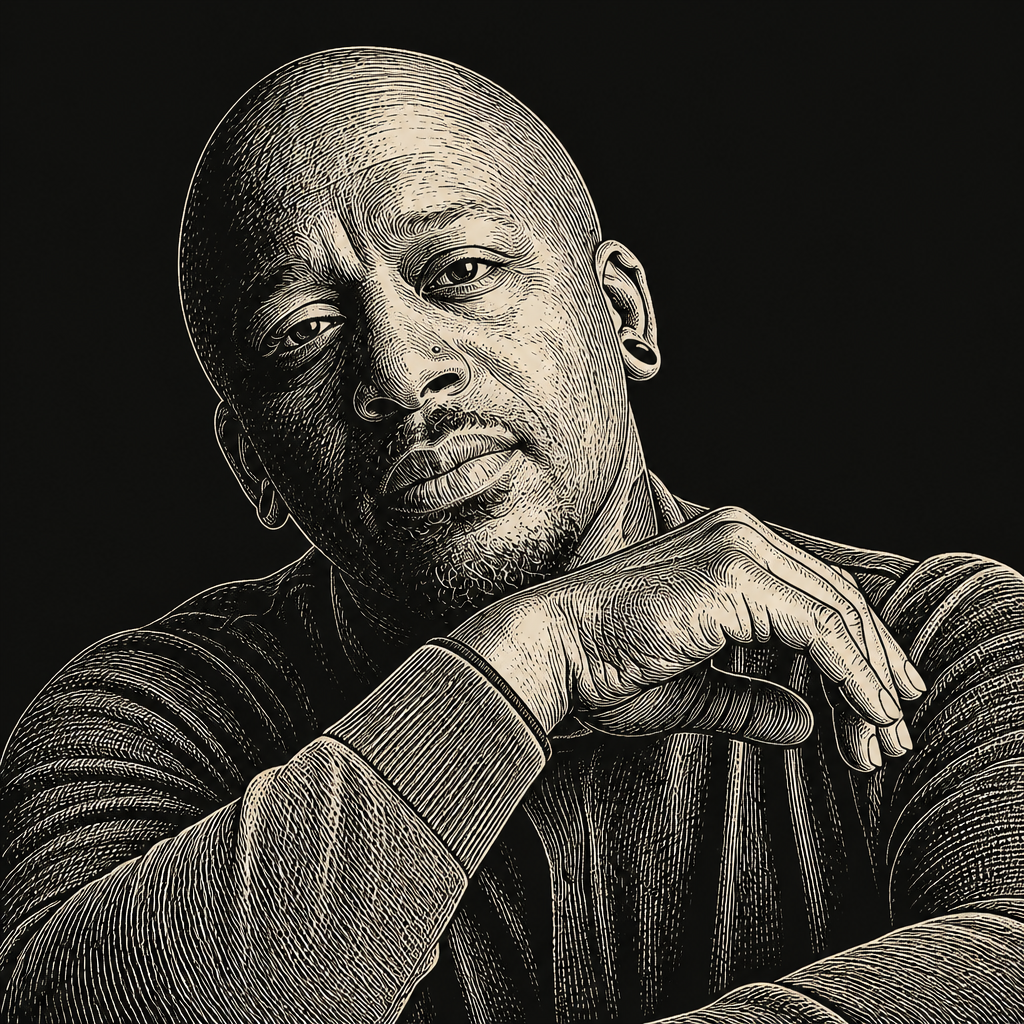
I think the point of all of this is to leave it all here.
Notaro’s emphasis was attention: the squirrels, the breakfast table, the walk. Walker’s was expression: the letter, the poem, the love that should not remain stored inside the person who dies. Both treated mortality less as an abstract problem than as a pressure on what people notice, say, and withhold while they are alive.
Neither answer depended on a fantasy of control. A person may not get to choose when or where they die. Notaro said many of her own losses — her mother, father, stepfather, cousin, and other close people — took place in “sterile hospital situations.” But where choice exists, both speakers argued for taking it seriously: what should be heard, who should be present, what should be said, what should be released, and what ordinary parts of life should be honored before they disappear.
Death work is less specialized than people think
Darnell Walker described a death doula at the simplest level as someone who helps a person at the end of life. That can mean planning a funeral, holding a hand, helping people have hard conversations, offering emotional support, presence, and companionship “right before we slide off into this next great adventure.” But he also framed the work through his own skills as a writer. Many of the people he supports want help telling their stories. In that context, the work becomes a legacy project: helping people get out the memories, letters, accounts, and meanings they want to leave behind.
Yet Walker resisted the idea that death doula work is a rarefied skill only certain people possess. He said people often tell him they could never do what he does, even when they have already been doing it for days or weeks beside a dying loved one. In those rooms, family and friends may say they do not know how he manages the work. His answer is that they have been managing it already.
His grandmother, he said, did not know the term “death doula.” For her, the work was simply what people do to take care of those they love. Walker extended that definition beyond death itself: people practice a version of it at the end of relationships, jobs, identities, or other meaningful chapters. Holding space and being present at the end of something is the work.
Tig Notaro said she did not think she could be a death doula until Gibson’s death. She was not present at the exact moment Gibson died, but she was there for the three days leading up to it. What changed her understanding was not a formal role but an experience of being allowed into an intimate, communal leave-taking.
Before entering Gibson’s house, Notaro spoke with her therapist. There were complicated family dynamics, and Notaro feared she would not be able to say goodbye to her friend in the way she wanted. When asked what that goodbye looked like, she said she imagined crawling into bed and lying next to Gibson. That is what happened — but not alone. She described being in bed with Gibson’s parents, spouse, ex-girlfriends, friends, and community: “just in a pile,” rubbing one another’s backs, crying, saying “I love you” to people who had only just met.
The experience opened Notaro to planning, to death doulas, and to the possibility of a different kind of dying than the hospital scenes she had known. She called it the most beautiful sendoff she had experienced, while being clear that her earlier hospital goodbyes also contained beautiful moments. Where circumstances allow, people can shape the room around the dying person’s needs and wishes.
Walker recognized what Notaro described as the work itself. The pile in the bed, the presence, the willingness to enter the room without fixing it — those were not secondary to professional death care. They were the essence of it.
Planning a death begins before the crisis
Darnell Walker has had a death plan since he was 18. During his freshman year of college, sitting on his dorm-room bunk bed, he had the sudden thought: what if he died that night and there was no plan? He wrote one, and has updated it every year since.
The plan includes music. Walker likes to ask people: if hearing is the last sense to go, what is the last song they want to hear while dying? His song is “Red Dust” by James Vincent McMorrow. He has kept it for the past decade. The timing, in his ideal version, matters: the last breath should land on the last note. There should be no Spotify commercials.
Tig Notaro, naturally, said she would want the commercial: “I like an awkward moment.”
The exchange was funny, but it also made the practical question more specific. Planning for death is not only about legal documents or funeral logistics. It can include sensory and relational details — music, atmosphere, who is present, what a person hopes will be said or avoided. Walker treats those details as part of a person’s agency.
Notaro admitted that despite having just spoken about the importance of planning, she did not yet have a plan for her own death. Gibson’s death had changed her thinking, but not yet translated into her own arrangements. Walker’s example made the question concrete: not “have you accepted mortality?” but “what song should be playing?” Not “what do you believe about death?” but “who should know what to do if you die onstage?”
Notaro returned to the emotional ambiguity of being present near death. Sitting with her mother, stepfather, cousin, Gibson, or anyone else in dying moments was hard and bittersweet. But she said those moments also reveal beauty. With Gibson especially, she understood why people are drawn to the room at that time. She invoked the Ram Dass line that “we’re all just walking each other home,” saying that is what it felt like.
And I don't mean to sound cliche, but it is such an honor to be there in in and I love that Ram Dass quote of like we're all just walking each other home.
Planning does not make death controllable. It gives other people a better chance of accompanying the dying person in a way the person would recognize as their own.
Humor can make the room breathable without making death smaller
Flora Lichtman noted that Gibson’s work, and Tig Notaro’s comedy, often move fluidly between the gut-wrenching and the funny. Notaro said she does not engineer that movement intellectually. Her work is instinct and rhythm.
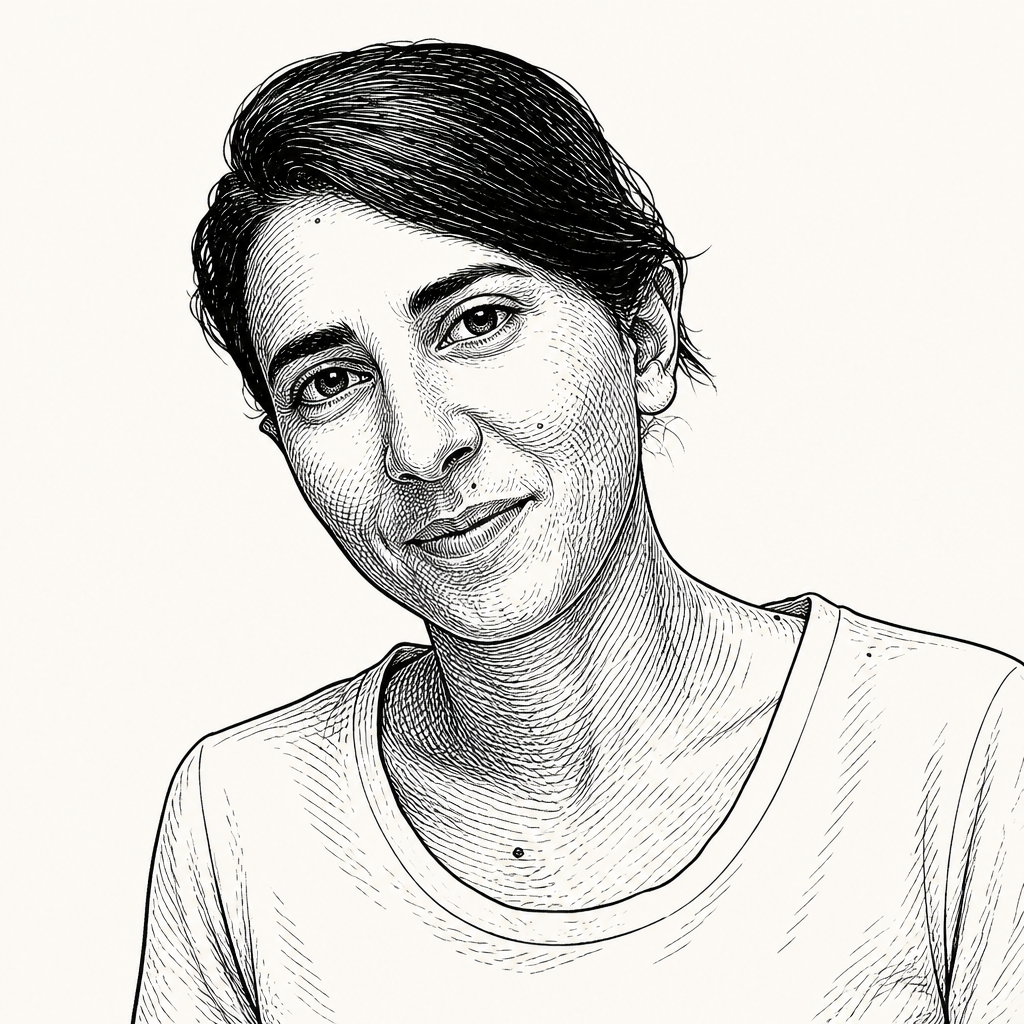
She described the stand-up set she performed after a four-month period in 2012 in which she had pneumonia, C. diff, invasive breast cancer, her mother tripped and died, and her relationship ended. Before the show, she wondered how to begin material so intense that the audience would not be expecting it. She imagined sitting on a stool and matching the gravity of the situation. Then, in the shower, she thought of opening as if with a routine comedy-show greeting: “Hello, good evening, I have cancer, how’s everyone doing tonight?” The line made her laugh “maniacally,” and she knew she had to use it.
It worked, she said, because it cracked the moment open. The audience was initially confused, but then got on board. She did not deny the darkness. She gave the room a way to enter it.
Darnell Walker said humor is often necessary in his work. Many dying people want to laugh. He described a current client who says she wants to die not because she is ready to go, but because her family is awful: they keep coming in with medicine and suggestions when what she wants is laughter. For four months, Walker said, they have been finding ways to laugh.
He often begins with the question, “How do you want to die?” Many clients have never been asked. Their first response can be surprise that there is any choice available. From there, he may ask when they last felt fully alive. Often, he said, that points back to the last time they laughed: who they were with, what they were doing, what made them feel alive. Even if they cannot return to a place — “backpacking through Rome,” for example — the people and jokes from that moment might be brought into the room.
Notaro gave a smaller, vivid example from Gibson’s deathbed. When she first crawled into bed with Gibson, she felt the intensity of the moment. Gibson, weak and near death, noticed a small brown stain on the sheet and said they would blame it on Meg, Gibson’s wife. Notaro said the joke hit her from behind; she was not expecting comedy right then. But of course Gibson, one of the funniest people she knew, was making her laugh from the deathbed. “When you care about somebody,” Notaro said, “you snuggle up on that brown spot.”
Walker called that another instance of comedy cracking open the moment. In that intensity, the laugh is not an escape from reality. It is a small rupture that allows a person to keep being there.
Notaro’s own grief stories pushed the point further. At her stepfather’s burial in Mississippi, she and her brother were preparing to speak. Her stepfather had been rigid and buttoned-up, and their relationships with him were complicated. Her brother was about to go first when he fell into the grave. The cemetery had forgotten to place plywood over it; there was only a tarp. Notaro described him disappearing as if in an elevator, then dragging himself out “like the Night of the Living Dead,” while family members shouted in shock.
She had been working herself up to deliver a two-page speech. Instead, the ceremony was interrupted by something so absurd she initially wondered, in shock, whether people fell into graves all the time. Later, her wife overheard her brother, who had insisted he was fine while dusting dirt off his suit, quietly ask for Advil before bed.
Notaro did not present the story as a detour from grief. She said it was a perfect ending to her stepfather’s life in one sense: he and her mother would have found her brother falling into the grave hilarious. Lichtman wondered whether the stepfather had been trolling him as a final act. Notaro said he was too buttoned-up to troll; if anyone was responsible, it might have been her mother.
Children need practice with endings before the largest goodbye
Darnell Walker sees a direct connection between death doula work and writing for children’s television. Both, he said, are about endings and transitions: helping people get from where they are to wherever they need to go next. In children’s work, his aim is to create stories that give children more room to encounter loss before they become adults who are deeply afraid of death and find grief difficult to face.
The mechanism he described was “millions of little goodbyes.” Walker’s frame from his two jobs is that if children are given chances to experience and name smaller endings along the way, the “big goodbye” may become a little easier. Many adults he works with, he said, did not get that. They were not given space to grieve the loss of a job, a relationship, or an identity, and later death becomes even harder to talk about.
Walker has been asking studios for years to let him write an episode about death, and said one finally agreed. He cited the death of Mr. Hooper on Sesame Street as an “incredible episode,” but noted that it was almost 50 years ago. He said the numbers are now about 8 million children in the United States who have experienced the death of someone very close to them, and asked why children’s media is not talking about that.
When Flora Lichtman described freezing as a parent when her children ask whether she will die or when they will die, Walker’s advice was not to master the perfect answer. It was to have the conversation and be honest about not having all the answers. Children, he said, may ask what death means, receive an answer, and then go do a cartwheel. Three days later, they may return with another question. They are often more open than adults expect. The adult fear is often about getting it wrong.
Walker’s own son grew up with mortality built into his birth story. When Walker was 22, he had been short of breath for about a month and eventually went to the hospital after waking up unable to walk. A doctor asked how long he had been out of breath, then told him they did not know why he was still alive. Walker had three clots in his lungs and 16 from his ankle up. His son’s mother was pregnant at the time. The day Walker learned to walk again was the day she went into labor; both parents were pushed into the hospital in wheelchairs.
That became part of his son’s story. Walker told him repeatedly: he almost died, this is what happened, this is what it means, and one day his son would need to be checked for the hereditary issue involved. At 21, Walker said, the conversation is now easier and mostly involves “touch ups and tune ups.” At six, it was more direct: people die. His son also had a friend who died, killed by a brother a few blocks away, which required another conversation.
Tig Notaro offered a parent’s example of unpreparedness. She and her wife took their sons, then about three, to see The Lion King. Notaro had never seen it either. When Simba’s father fell from the cliff, her son Max was confused and distressed, asking what had happened. They had never talked about death. Notaro’s family used “kerplunking” to describe the kids falling down while playing, so in the moment she told him Simba’s dad “kerplunked.” She immediately wished someone had warned her she would need to explain death during the movie.
Later, after the family cat Fluff was going to be put to sleep, their children handled the impending death with more language and agency. Their son Finn was too emotional to talk about it aloud, so he asked whether he could journal and pass the journal around for the family to read. He wrote that he understood they were doing the right thing, even though he was sad and would miss the cat. Notaro and her wife had also discussed with the children the difficult idea that at a certain point it can become selfish to keep a suffering being alive. Each child wanted a private moment with Fluff to say goodbye and remember special moments.
Walker’s guidance on language was concrete. Euphemisms can be used later, and they may soften the moment or meet people where they are. But in the initial conversation, especially with children, he said adults should be clear: Grandma died; this is what death means. If a child is told Grandma “went to sleep and didn’t wake up,” the child may become afraid to sleep. “Passed away” can be too vague. Kerplunk, he joked, is acceptable “when there’s follow-up.” The follow-up is the point: “He’s not coming back.”
The documentary treated Andrea Gibson’s dying as service, not spectacle
Tig Notaro said the idea for Come See Me in the Good Light began practically and personally. She had been the subject of a documentary herself, Tig, and knew what the process could be like. It did not have to mean a crew living in someone’s home around the clock. It could mean targeted days on the calendar, filming around doctor’s appointments, birthdays, and the events of life.
The initial suggestion came from Steph Wayland, a friend of Notaro and Gibson. The three had met in Boulder around 25 years earlier. When Gibson was very sick, different friends took on different tasks. Notaro and Wayland were helping with Gibson’s podcast, trying to edit and streamline its story. Wayland said Gibson’s life at that moment would make a great documentary. Notaro said she immediately recognized it as obvious once said aloud: Gibson was a compelling person facing not only mortality, but brutal moments and terrible news from doctors.
Notaro was careful to say the film was not about “toxic positivity.” Gibson was not presented as someone simply pushing through. What struck Notaro was how Gibson processed what was happening. She felt there was something important in that, even allowing that everyone thinks their own friend or project is special.
She moved quickly. She called the director and pitched the idea bluntly: her nonbinary poet friend had stage 4 cancer. When the director seemed unsure about “poet,” Notaro sent videos of Gibson, emphasizing that this was not just someone standing onstage reading a poem. Three days later, he asked whether Gibson wanted to do it. Notaro said yes. He said they would fly to Colorado the next week and begin filming. He also told her they could not pitch it in the usual way because it was not a “sparkly Hollywood” film. They would simply have to make the most beautiful film they could.
Notaro said Gibson had always opened themselves up to be of service to others. At Gibson’s memorial, the poet Buddy Wakefield told a story from when he and Gibson first met in Boulder. A marathon was passing by, and they decided to cheer on the runners, though they did not know anyone in the race. Wakefield described that as the epitome of Gibson: their purpose in life was “cheering on exhausted runners in life.”
For Notaro, the documentary belonged in that same category. It was not merely a record of dying. It was another gift Gibson made available to others, in continuity with their poetry.
Religion may shape planning, but Walker says dying people more often ask whether they were connected
In response to an audience question about whether religious belief changes a person’s outlook while dying, Darnell Walker said religion rarely comes into the conversation at the end in his experience with clients. It does come up in planning. He described a case from his book Never Can Say Goodbye in which a man who had converted to Islam wanted a funeral aligned with that faith, and his family refused. In those situations, Walker may have to maneuver, pivot, or advocate against the family’s resistance.
But when people are near death, he said the questions he hears most are not usually doctrinal. They wonder whether they were good people, whether their relationships were witnessed, whether they felt seen. They ask who they were connected to, whether they lived a good life, whether they were good to other people, whether they did the things they wanted to do. Regrets come up. Religion, in his account, is much less common than questions of connection, character, and recognition.
That distinction reframed the work of end-of-life care. The need is not only to settle arrangements or beliefs, but to help people face the questions that become harder to avoid near death: who saw me, whom did I love, whom did I harm, what did I leave undone, what remains unsaid?
Tig Notaro’s account of Gibson’s last days gave one version of what it looks like when a dying person’s relational world gathers around them. An audience member asked about Gibson’s wife, Meg, and whether sharing those final days with so many people created tension with the private claims of a spouse. Notaro said Meg seemed completely on board with serving Gibson’s needs and wants, and that everyone was also there in support of Meg. The room contained fractured relationships, she said, and the experience was healing for many people in ways she still could hardly believe she witnessed.
The audience member pressed the point: when time is so short, a spouse might understandably want not to share the dying person with ten other people. Notaro said those private moments did exist. Meg had them, and many others did too. Notaro herself left before Gibson received a large dose of morphine, without telling Gibson she was leaving. The last thing Gibson said to her was in the past tense.
Andrea said, I loved being your friend, Tig.
Notaro called it beautiful because Gibson was aware they were on the way out. The grammar mattered. It was a goodbye from someone who knew the friendship was closing in time, not in meaning.
Some people die almost entirely alone, and presence can be the whole intervention
Asked whether he has been with people who are alone near death, Darnell Walker described a 21-year-old client. The young man knew he would die when symptoms appeared in April because his mother had died of the same condition. After surgery, he went home to his father and stepmother, then had to return for another surgery. He told the nursing team that when he woke up he could not go home because his father had told him not to come back.
He remained in the hospital from April. Walker arrived in September after the nursing team called and said no one visited; they did not know what he could do, but asked whether he could simply come be with him. By then, the young man was blind and deaf on one side, paralyzed, and unable to speak.
Walker’s work began with observation. He emphasized that “presence is everything” and that the role is not to fix. Looking around, he noticed headphones and a hairbrush. The patient loved music and loved his hair. Over the following weeks, Walker massaged his scalp and called in music therapists to play. That was the work: noticing what remained available and meeting the person there.
Presence is everything.
The family came only at the very end, after the hospital called to say he was completely blind, completely deaf, and could not respond. Walker said they kept him alive an extra week to determine who would get the estate: two cell phones and a PlayStation. He called it a hard death and a hard end to a life.
His commitment to no one dying alone began long before he had language for the work. When he was 12, in 1994, his cousin came home to die from AIDS, at a time when many people did not want to be around those with the disease. Walker’s grandmother said she would take care of him. Walker was always with his grandmother, so they took care of him together. That was the first time he helped someone die. He knew then, he said, that he never wanted anyone to be alone.
He also described being available to people choosing medical aid in dying when they have no family support. He has a doctor friend in California whom he tells: if people are alone, he will come be with them. In many cases, he said, families have not accepted the person’s choice.
His request to the room was direct. If there is someone you can be there for, be there. If you do not know someone personally, go to a hospice, hospital, or nursing home and be present for someone if you have time. The standard he offered was not expertise. It was presence.
Compassion at the end of life requires showing up and speaking up
The final audience question began from pets. The questioner noted that families often show more compassion to animals at the end of life than to humans, and asked what people can do to advocate for more compassion in human death and dying.
Darnell Walker’s answer was practical and civic. Show up for people. Be present. Say aloud that people should not have to be alone. Be loud about caring. He traced his own intentionality in the work to living in New York City when COVID came through and seeing how alone people were. That made him feel he had to advocate where he could.
He also named medical aid in dying as an area for public advocacy, saying more states are saying yes to it, that New York is “on the list now,” and that Colorado is “ahead of the curve.” His prescription was to use one’s voice where possible.
Tig Notaro, in the closing moments, returned to the exercise Lichtman had introduced earlier: the tiny bucket list. Walker’s item was birdhouses. He lives in the Chattahoochee National Forest and has wanted for years to put birdhouses on the trees. The conversation made him decide to do it: build the birdhouses, hang them, welcome birds into his place. Notaro said she had done that years earlier, hanging birdhouses by every window, and found it incredible.
Notaro eventually found her own bucket-list item. That summer, she planned to hike from Crested Butte to Aspen, an 11-mile mountain hike she expected to take six to eight hours. Her sons wanted to go, but they were about to turn 10, and she anticipated complaining if they came before they were ready. Her wife, Stephanie, had no interest and preferred to wait in an Aspen hotel. But down the road, Notaro said, she would love to make that trek through the mountains with Max and Finn when they are actually ready.
The final examples were deliberately ordinary: birdhouses by the windows, a mountain hike with children, squirrels eating outside, a song timed to the last breath, a journal passed around the family before a cat dies. Walker’s civic answer and Notaro’s bucket-list answer met in the same place: do not wait for the large, dramatic version of care if the smaller one is available now.