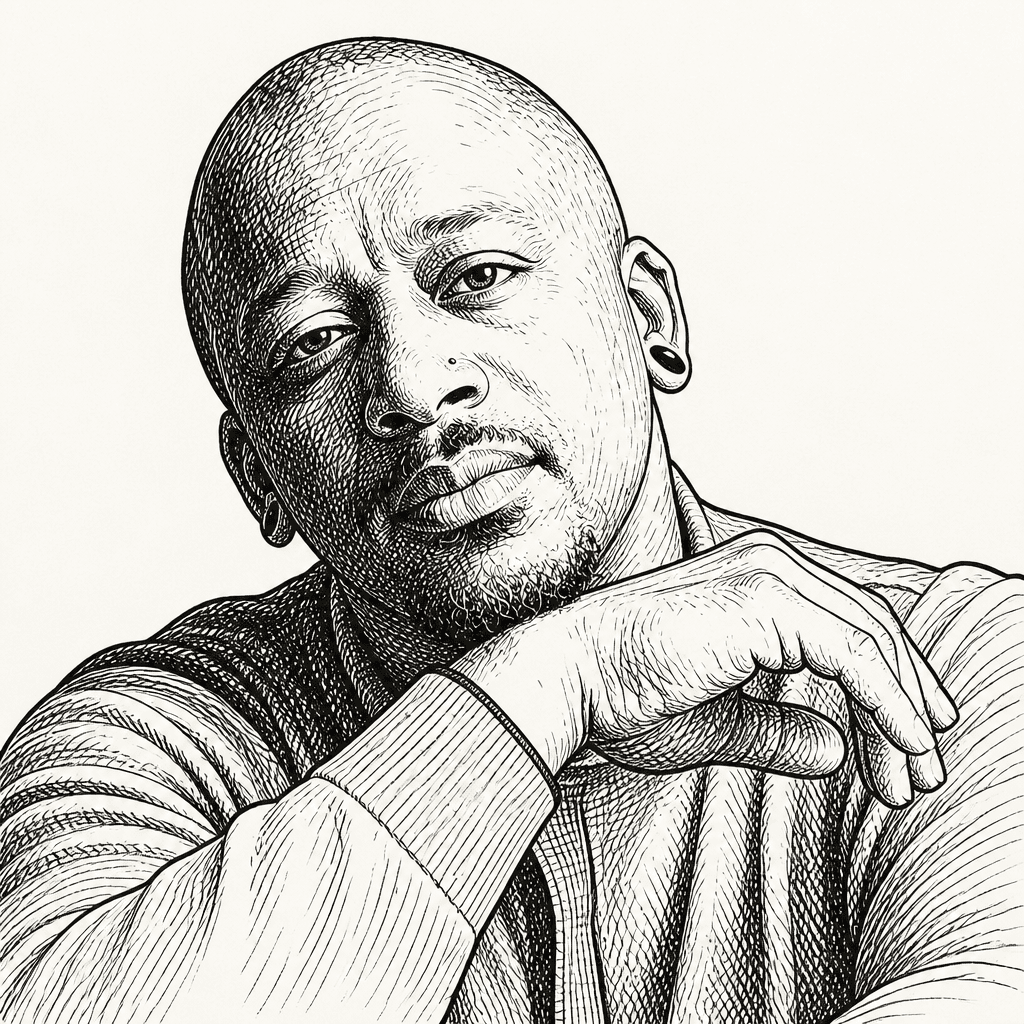
Darnell Walker
Darnell Walker is a death doula, Emmy-nominated writer, filmmaker, and author of Never Can Say Goodbye: The Life of a Death Doula and the Art of a Peaceful End. His public work focuses on end-of-life care, grief, storytelling, and helping families and children talk about death with compassion and humor.
Dying People Teach the Living to Plan, Speak Plainly, and Be Present
Death doula and cultural anthropologist Darnell Walker and comedian Tig Notaro argue that dying clarifies the ordinary obligations of living: to notice small moments, say what should not remain unsaid, plan where possible, and be present when there is nothing to fix. In a conversation centered on Notaro’s documentary about poet Andrea Gibson’s final year, they frame end-of-life care less as a specialized service than as a human practice of attention, honesty, humor, and accompaniment.
A Good Death Requires Specific Wishes and People Who Show Up
Death doula and cultural anthropologist Darnell Walker and comedian Tig Notaro argue that death should make ordinary life more deliberate, not more abstract. In a conversation at Aspen Ideas: Health, Walker describes end-of-life care as presence, planning, honesty and witness, while Notaro draws on the final year and death of poet Andrea Gibson, the subject of Come See Me in the Good Light, to show how humor, community and small daily attachments can shape a good goodbye.
Dying Clarifies What the Living Should Stop Postponing
Death doula and cultural anthropologist Darnell Walker and comedian Tig Notaro argue that dying clarifies life less through grand revelation than through specific acts of presence: saying what needs to be said, making plans, laughing when grief allows, and staying with people at the end. In an Aspen Ideas: Health conversation rooted in Notaro’s documentary about poet Andrea Gibson’s final year, they describe death care as practical, relational work that families often already do, whether or not they have a name for it.