A Good Death Requires Specific Wishes and People Who Show Up
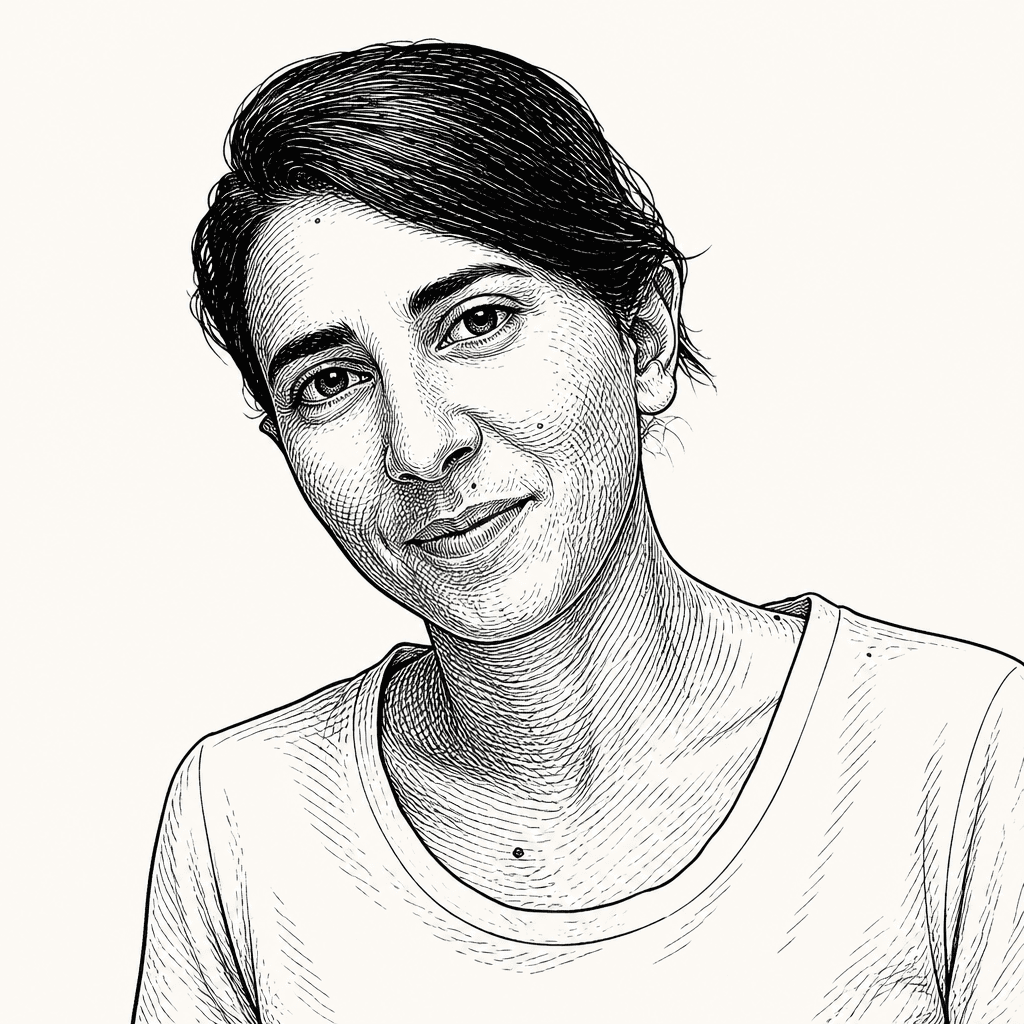

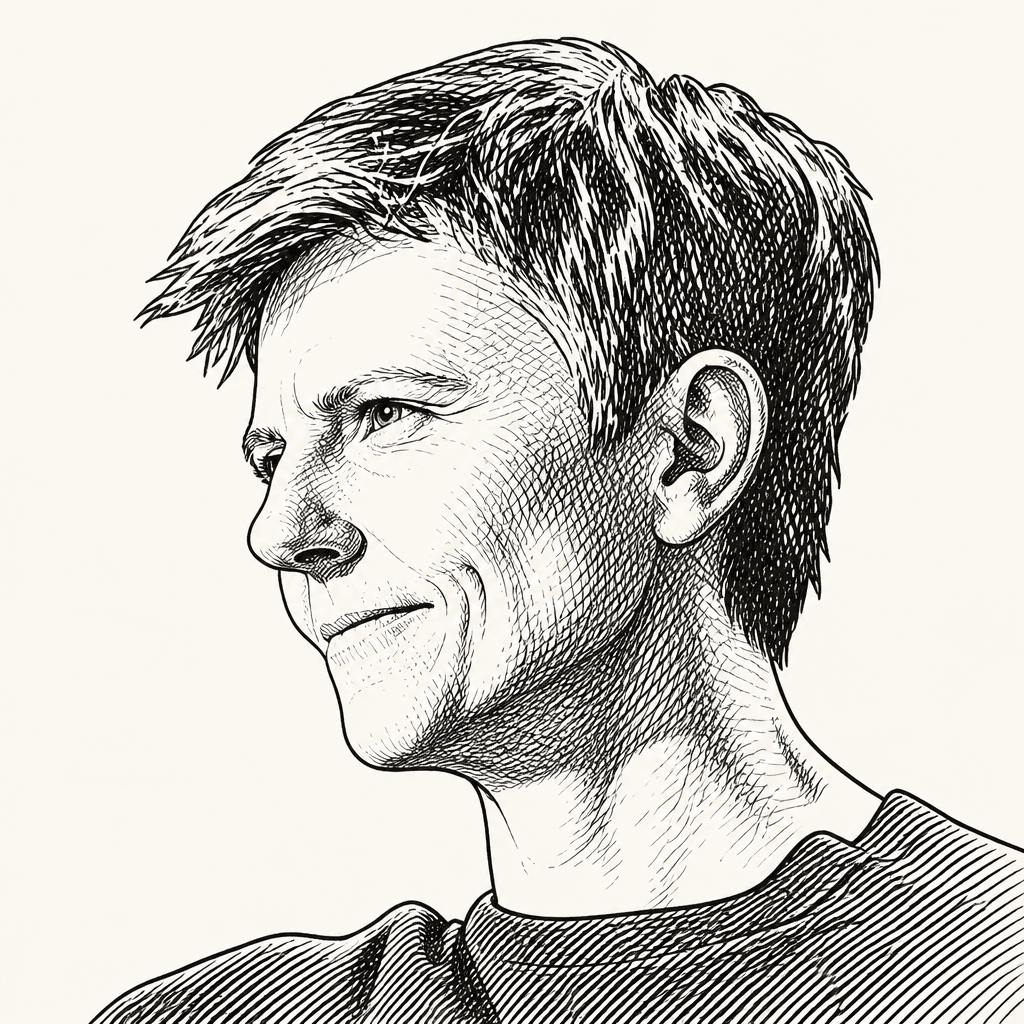
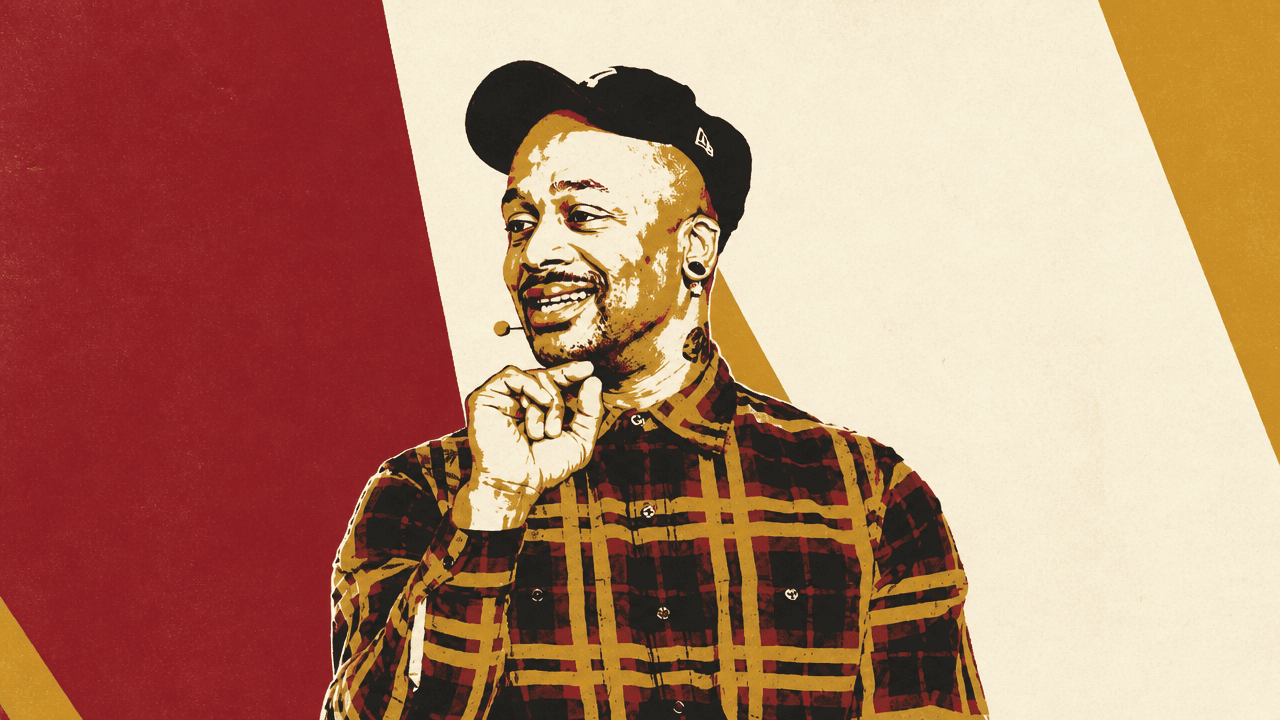
Death doula and cultural anthropologist Darnell Walker and comedian Tig Notaro argue that death should make ordinary life more deliberate, not more abstract. In a conversation at Aspen Ideas: Health, Walker describes end-of-life care as presence, planning, honesty and witness, while Notaro draws on the final year and death of poet Andrea Gibson, the subject of Come See Me in the Good Light, to show how humor, community and small daily attachments can shape a good goodbye.
The meaning of life was made small enough to practice
Flora Lichtman opened with the largest possible question — the meaning of life — and Tig Notaro answered by shrinking the frame. For Notaro, the answer was “the little things,” a lesson she said Andrea Gibson made vivid in the documentary Come See Me in the Good Light. Gibson’s example, as Notaro described it, was not a bucket list built from skydiving, bungee jumping, or global travel. It was “watching squirrels eat outside of your window.”
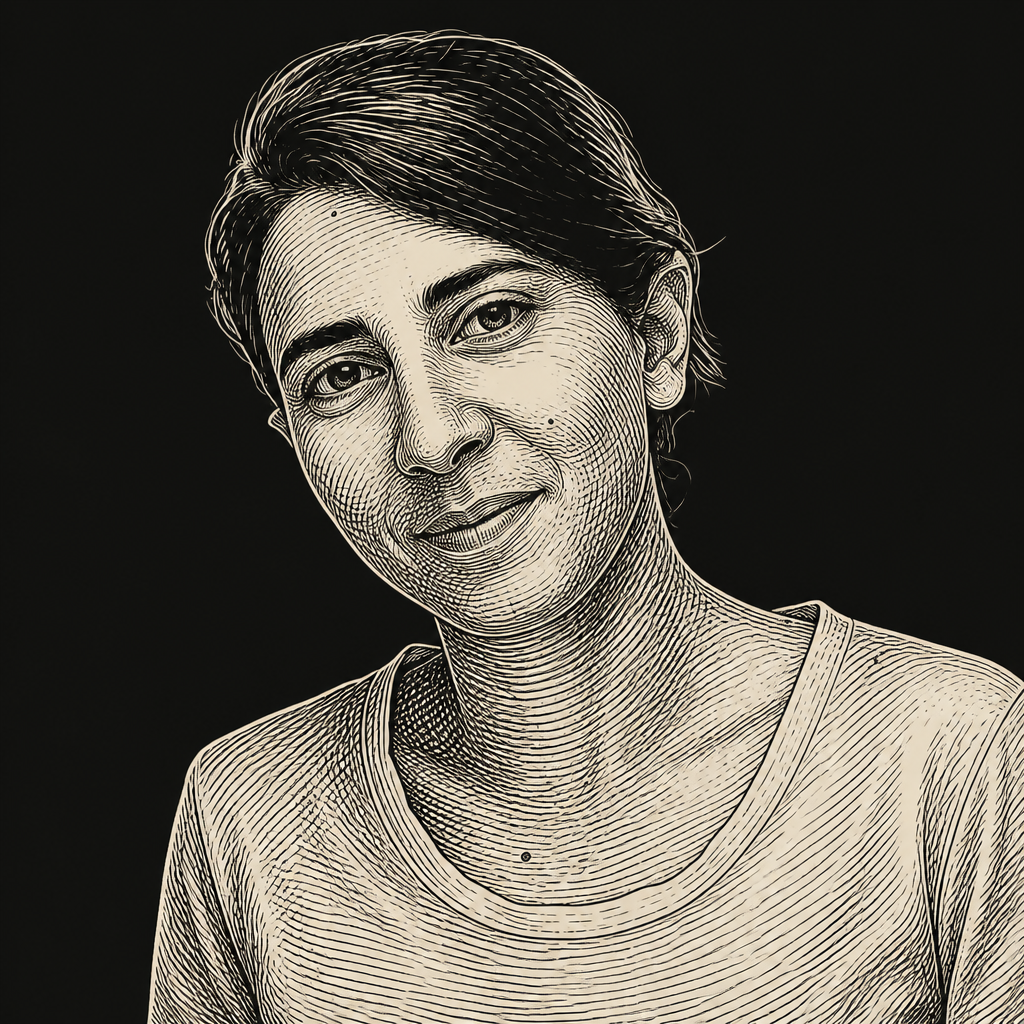
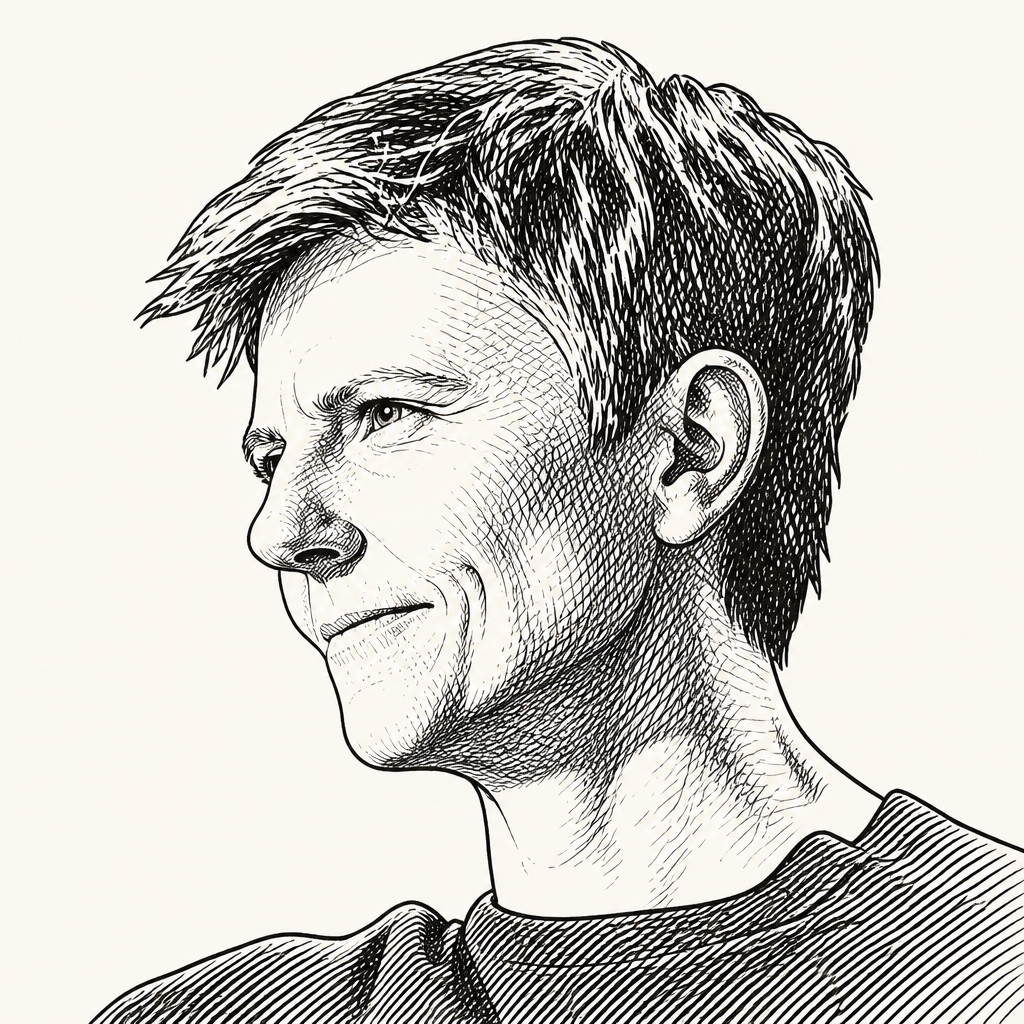
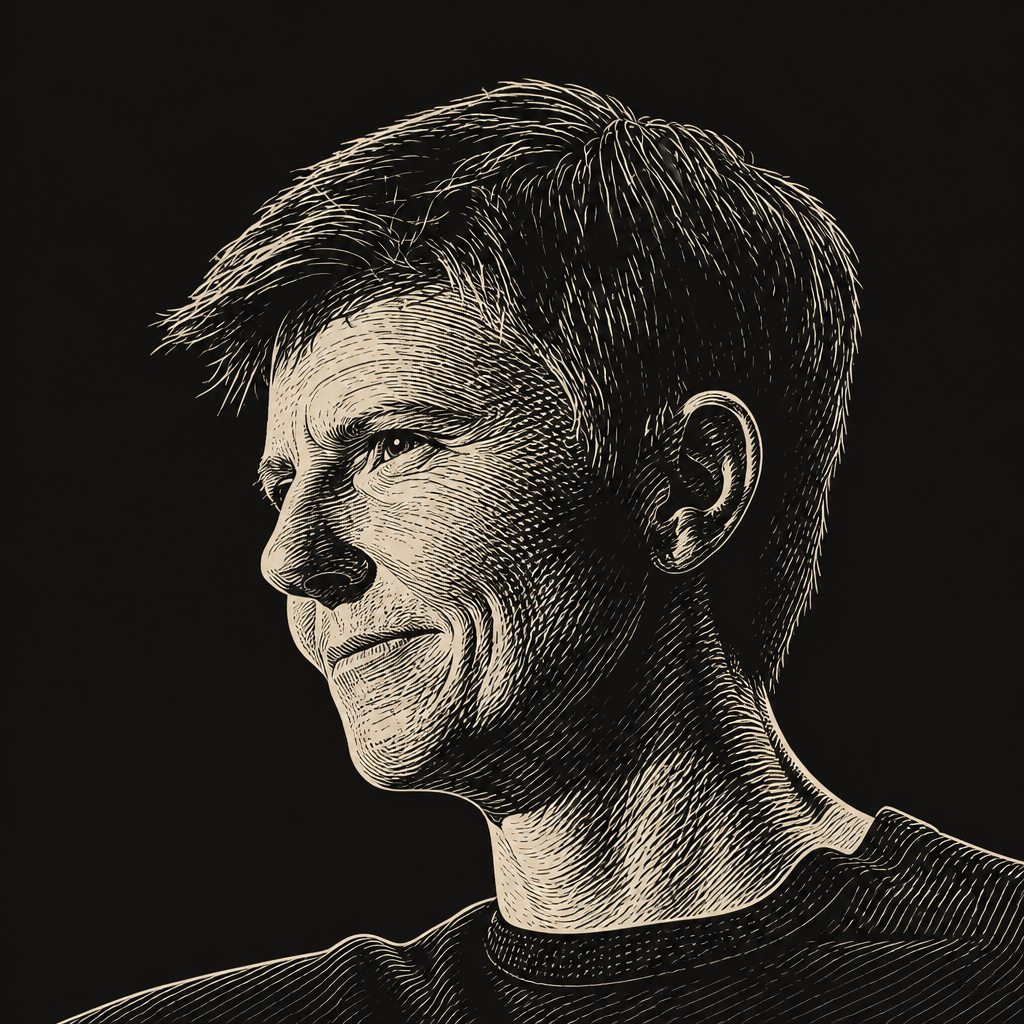
Notaro said she had some appreciation for ordinary moments before, but Gibson’s dying deepened it. Because she travels often for work, her strongest desire is not dramatic adventure but being home with her family: taking a walk with her wife, talking to her children while they eat breakfast, being present for the parts of life that are easy to overlook because they repeat.
Darnell Walker gave a different formulation: “I want to die empty.” By that he meant empty of the work, love, writing, letters, and creative output still inside him. His job, as he put it, is to get those things out into the world. Whether a book or poem is admired, ignored, or “used to sweep up garbage” is not finally up to him. The obligation is to leave it here.
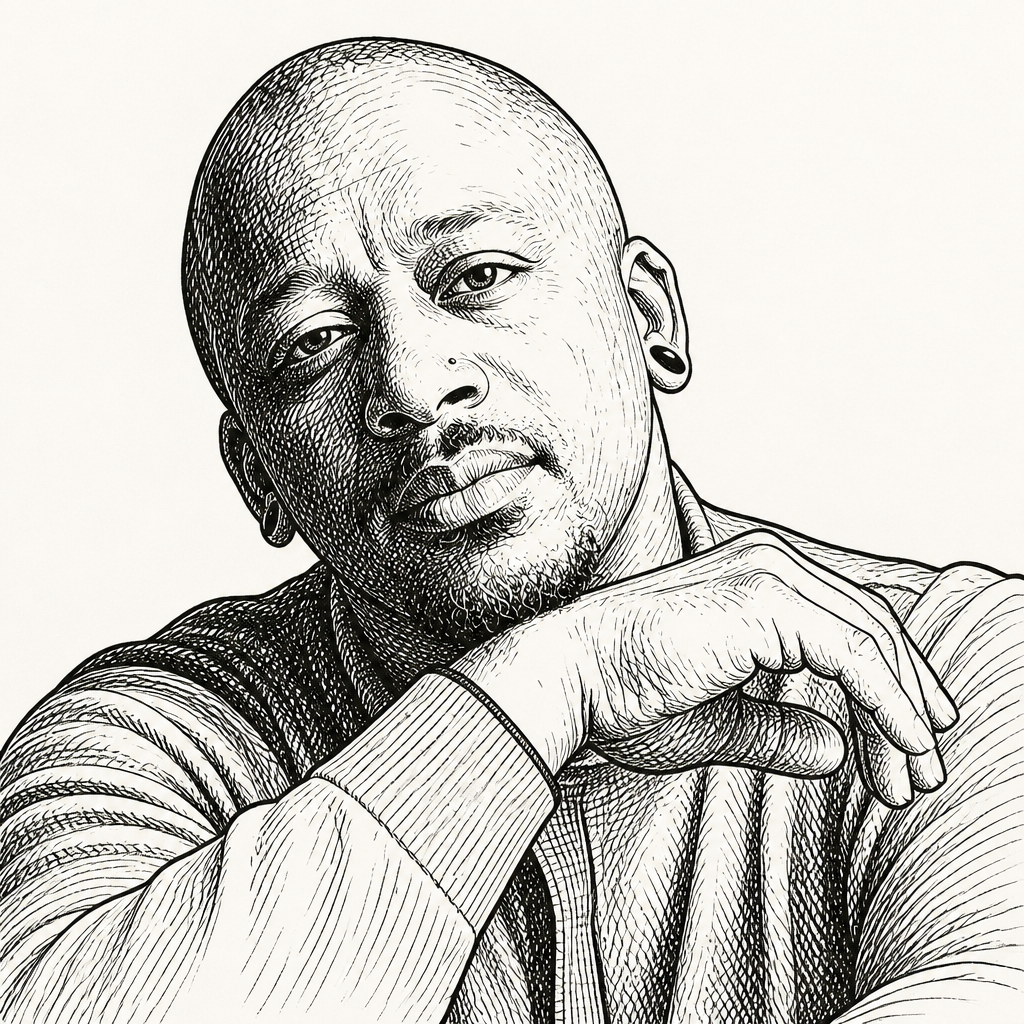
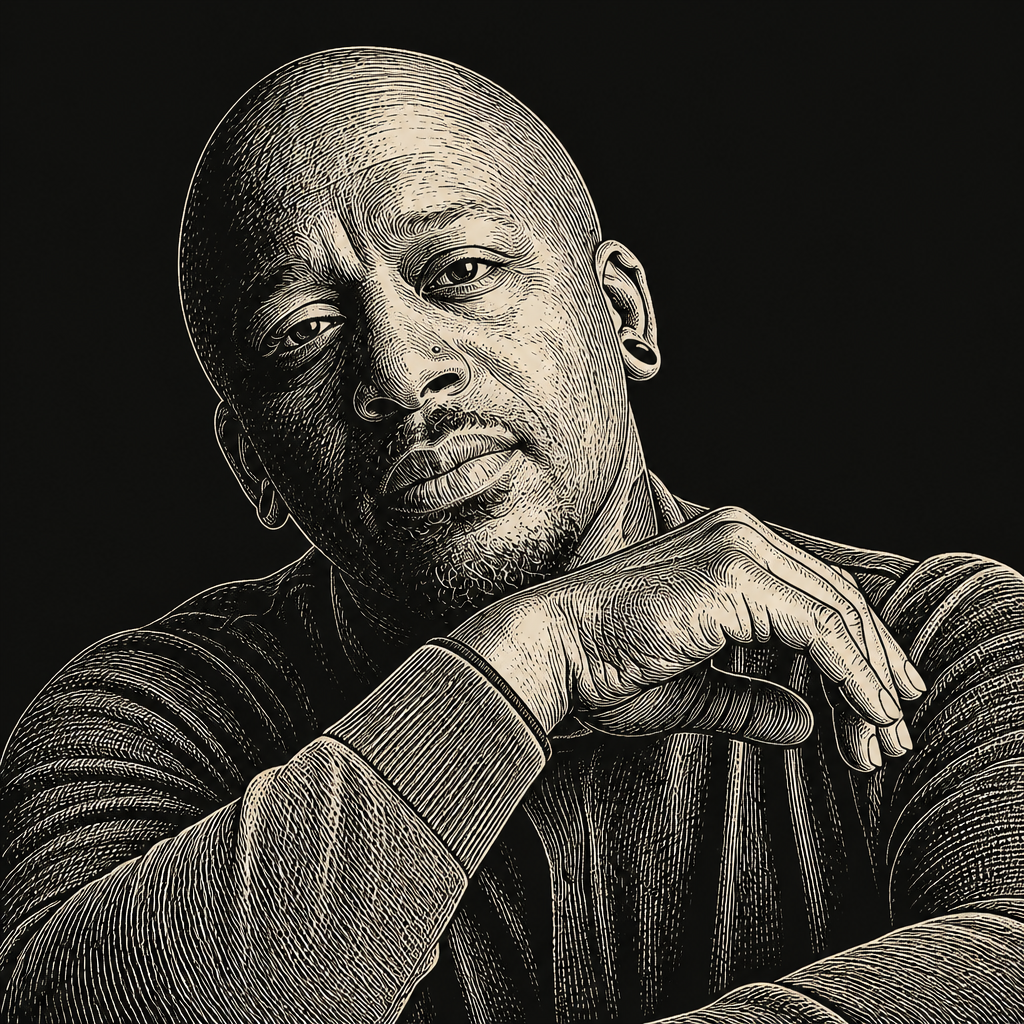
I think the point of all of this is to leave it all here.
Notaro emphasized the capacity to notice breakfast, squirrels, walks, and family life while one has them. Walker emphasized giving away what one has been carrying. Both treated death less as a philosophical abstraction than as pressure on the question of what to do with the life still available.
A death doula is a specialist in presence, not a substitute for love
Darnell Walker defined a death doula first in practical terms: someone who helps a person at the end of life. That can mean funeral planning, holding a hand, helping families have hard conversations, offering emotional support, companionship, and presence “right before we slide off into this next great adventure.” Because Walker is also a writer, his work often includes what he called legacy projects: helping people tell the stories they still want to tell.
But he resisted making the role sound more exotic than it is. When people tell him, “I could never do what you do,” he often points out that they have already been doing it. Family members who have sat for days or weeks with a dying person may not think of themselves as doulas, but they have been holding space, keeping company, and attending to someone at the end of something.
Walker said he came to the work through his grandmother, who never used the term “death doula.” In her world, “this is what we do to take care of people we love.” He expanded that definition beyond death itself. People do similar work at the end of relationships, jobs, identities, and other forms of life. The core skill is being present at an ending without pretending the ending is not happening.
Tig Notaro said she did not think she could be a death doula until Gibson’s death. She had lost her mother, father, stepfather, cousin, and other close people, but many of those deaths happened in sterile hospital circumstances. Gibson’s death was different. Gibson wanted to die at home, surrounded by friends and family, and Notaro said that is what happened.
Before entering Gibson’s house, Notaro told her therapist she feared she would not be able to say goodbye to her friend in the way she wanted. Asked what that goodbye looked like, Notaro said she imagined crawling into bed and lying next to Gibson. She did that — and found herself in bed not just with Gibson but with Gibson’s parents, spouse, ex-girlfriends, friends, and a broader community. They were piled together, rubbing each other’s backs, crying, saying “I love you” to people some of them had just met.
Notaro described it as the most beautiful send-off she had experienced. There had been beautiful moments around hospital deaths too, she said, but Gibson’s death opened her mind to planning and to the role death doulas can play. Walker responded that what Notaro described was the work itself.
Planning a death can be specific, even absurdly specific
Darnell Walker has a plan for his death. He has been making one since he was 18, when, as a college freshman sitting on his dorm-room bunk bed, he suddenly thought: What if you die tonight and there is no plan? He wrote one and has updated it every year since.
The plan includes music. Walker likes to ask people: if hearing is the last sense to go, what is the last song you want to hear as you die? His own answer is “Red Dust” by James Vincent McMorrow. The song has changed many times, he said, but it has been stable for about a decade. The timing, in his ideal version, matters: the people in the room would need to land his last breath on the last note. There must also be no Spotify commercials.
Tig Notaro replied that she would want the commercial because she likes an awkward moment.
Walker’s example made planning concrete: the room, the sound, the people, the tone, the exit. Notaro, after saying Gibson’s death had changed her, admitted that she still did not have a plan and needed to make one.
For her, the experience of sitting with dying people has been “bittersweet.” The difficulty is real, but so is the beauty. With Gibson in particular, she saw why people are drawn to that space. She invoked Ram Dass’s line, “We’re all just walking each other home,” and said Gibson’s death made that feel literal.
Humor did not interrupt grief; it made grief bearable
Tig Notaro and Darnell Walker both treated comedy as a way of opening unbearable moments, not avoiding them. Flora Lichtman noted that Gibson’s documentary could make a viewer laugh and cry at the same time, and asked Notaro whether the emotional movement in her own comedy is constructed. Notaro said it is instinct.
She returned to the standup set she performed after a brutal series of events: cancer, C. diff, an intestinal disease, pneumonia, her mother’s accidental death, and other losses. Before the show, she wondered how to enter material so intense. She considered sitting on a stool and meeting the gravity of the moment directly. Then, in the shower, she imagined walking on stage with a standard comedy-show greeting transformed into: “Hello, good evening. I have cancer. How’s everyone doing tonight?” The line made her laugh “maniacally,” and she knew she had to do it. It was dark and strange, but it “cracked the moment open.”
Walker said humor has the same role in his work. Dying people often want to laugh. He described a current client who says she wants to die not because she is ready, but because her family is awful. The family keeps arriving with medicines and proposed interventions; she tells Walker she just wants to laugh. For four months, he said, they have been finding ways to do that.
When Walker asks clients how they want to die, many are surprised that they have any choice. He often asks when they last felt fully alive. Frequently, he said, that takes them to the last time they laughed: who they were with, what they were doing, what the joke was. Even if the person cannot return to Rome or a backpacking trip or a distant scene, Walker said it may be possible to bring the people into the room and recover some version of that laughter.
Notaro’s most intimate example came from Gibson’s deathbed. When she first crawled into bed next to Gibson, no one else was there. The moment felt intense. Gibson, very weak, pointed out a small brown stain on the sheet and said, “I don’t know what this is, but we’ll just blame it on Meg, okay?” Meg was Gibson’s wife. Notaro said she did not expect comedy at that moment, but immediately thought: of course. Of course Gibson was making her laugh on their deathbed. “When you care about somebody,” Notaro said, “you snuggle up on that brown spot.”
Walker said that is exactly what comedy can do: crack open a moment that has become too intense to breathe inside.
Notaro also described her stepfather’s funeral in Mississippi, where grief and slapstick collided. Her stepfather had been rigid and buttoned up, and his relationships with Notaro and her brother were complicated. At the cemetery, Notaro and her brother were preparing to speak. Her brother went first — and fell into the grave. The grave had been covered only by a tarp; the plywood had been forgotten. He dropped out of sight “like an elevator,” then crawled back up like something from Night of the Living Dead, insisting he was fine while relatives swore and panicked. Notaro still gave her speech. Later, her wife overheard her brother asking for Advil after acting uninjured.
The story was comic because it was shocking, but Notaro also saw in it a strange fit. Her stepfather and mother, she said, would have “died laughing” at the scene. Lichtman asked whether the stepfather might have been trolling Notaro’s brother from beyond the grave. Notaro said her stepfather was too buttoned up to troll — but it might have been her mother.
Children need practice with little goodbyes before the big goodbye
Darnell Walker connects his death-doula work and his children’s television writing through endings and transitions. Both, he said, are about helping people move from here to whatever comes next. In children’s media, he said he is trying to create content so children do not grow into adults who are deeply afraid of death or who find grief incredibly hard.
His phrase for that preparation is “millions of little goodbyes.” Children can be given chances to encounter endings along the way, so that death is not treated as an unspeakable subject when it finally arrives. The adults Walker works with often did not get that kind of space. He said many were not given chances to grieve the loss of a job, a relationship, or an identity.
Walker said he had been asking studios for five years to let him write a children’s episode about death, and one finally said yes. He pointed to the Sesame Street episode about Mr. Hooper’s death as an important precedent, but noted that it was almost 50 years old. He also said roughly eight million children in the United States have experienced the death of someone very close to them, and asked why that reality is not being addressed more directly.
Flora Lichtman, speaking as a parent, admitted to freezing when her children ask whether they or their parents will die. Walker’s advice was to have the conversation and be honest about not having all the answers. Children, he said, may ask what death means, receive an answer, and then go do a cartwheel. They may return three days later with another question. Adults are often more afraid of getting the conversation wrong than children are of having it.
Walker’s own son grew up with mortality built into his birth story. At 22, Walker had been short of breath for about a month and thought he was out of shape or had pulled a muscle. He went to the hospital after waking up unable to walk. A doctor asked how long he had been short of breath and told him they did not know why he was still alive. Walker said he had three clots in his lungs and 16 from his ankle upward. At the time, his son’s mother was pregnant. The day Walker learned to walk again was the day she went into labor; both were pushed through the hospital in wheelchairs.
That story became part of his son’s life. At six, the explanation was simple: people die. At 21, Walker said, the conversation is mostly touchups and tune-ups. His son also had to face the death of a friend, who Walker said was killed by a brother a few blocks away. The point was not to deliver one perfect speech but to keep the subject speakable.
Walker’s practical guidance for parents was plain: be honest, admit when you do not know, and use concrete language before euphemism. He warned that telling a child “grandma went to sleep and didn’t wake up” can make the child afraid to sleep. “Passed away” can also obscure the basic fact. Softer language can come later, but children need the direct foundation first: this is what death means; grandma died; this is what that means.
Tig Notaro offered a contrasting parental story. She and her wife took their sons, then about three, to see The Lion King. Notaro had never seen it. When Mufasa dies, one son asked what had happened to Simba’s dad. Notaro had never talked with them about death, and when the boys fell while playing she called it “kerplunking.” In the theater, she said, all she could come up with was: “He kerplunked.”
The family has since experienced more loss, including the death of their cat, Fluff. Notaro said one son was too emotional to speak but asked whether he could write in a journal and pass it around for the family to read. In it, he said he knew they were putting Fluff to sleep the next day and felt they were doing the right thing, even though he was very sad and would miss her. Notaro and her wife had talked with the boys about how, at a certain point, keeping a suffering being alive can become selfish. Each child wanted private time with Fluff to say goodbye and share memories.
Walker endorsed “kerplunk” only with follow-up. “Kerplunk,” in his answer, was not the problem. Leaving a child without a concrete explanation was.
Notaro understood Andrea Gibson’s film as another act of service
Tig Notaro said the idea for Come See Me in the Good Light came from her friend Steph Willen, not from her. Notaro, Willen, and Gibson had met in Boulder about 25 years earlier. When Gibson became very sick, friends took on different tasks. Notaro and Willen were helping with Gibson’s podcast, thinking through edits, structure, and what the story was trying to say. Willen then said Gibson’s life at that moment would make a strong documentary.
Notaro immediately saw it. Gibson was not only compelling; they were facing mortality, brutal medical moments, and devastating news from doctors without what Notaro called “toxic positivity.” The film, as she described it, was about processing — about how Gibson handled what was happening.
Notaro’s own experience as the subject of a documentary helped her understand the logistics. She knew a film crew would not have to move into Gibson’s house around the clock. It could mean targeted filming days around medical appointments, birthdays, and other real events. She moved quickly, called the director, and described the situation: a nonbinary poet friend with stage four cancer. The director was initially intrigued but perhaps unsure about the cinematic possibilities of a poet. Notaro sent videos of Gibson. Three days later, he asked whether Gibson wanted to do it and said they would fly to Colorado the next week to begin filming.
The director also told Notaro they could not pitch it as a “sparkly Hollywood” story. They would simply have to make the most beautiful film possible. Notaro said that is what they did, and that others later saw what they had seen.
For Notaro, Gibson’s participation fit a larger pattern of service. She said Gibson had always opened themselves up to be of use to others. At Gibson’s memorial, poet Buddy Wakefield told a story about meeting Gibson in Boulder while a marathon passed by. Gibson and Wakefield decided to cheer for runners they did not know. Wakefield described that as the epitome of Gibson: a life spent cheering on exhausted runners. Notaro said the film was the same kind of gift.
What dying people ask for is not always what outsiders expect
Darnell Walker said religion rarely becomes the central subject in the final conversations he has witnessed. It can matter in planning, including funerals and rituals, but in his experience clients more often ask whether they were good, whether their relationships mattered, whether they were witnessed, and whether they felt seen.
The recurring questions, as Walker described them, are relational and moral before they are doctrinal: Did I live a good life? Was I good to other people? Did I do the things I wanted to do? What do I regret? Religion is not absent from his work, but he said it is uncommon as the main thing dying people raise near the end.
He gave one planning example from his book Never Can Say Goodbye: a man who had converted to Islam wanted a funeral consistent with that conversion, and his family refused. In such cases, Walker said, his role may include fighting with family members or helping to find another path. The issue was not abstract belief. It was whether the person’s stated identity and wishes would be honored after he could no longer enforce them himself.
Tig Notaro’s account of Gibson’s death complicated another assumption: that a well-attended death is simply better in every respect than a private one. Gibson wanted to die at home surrounded by friends and family, and Notaro described that as beautiful. But the presence of a community did not remove the need for private grief, especially for Gibson’s wife, Meg.
Notaro said Meg seemed committed to serving Gibson’s needs and wants, and that the people present were also deeply supportive of Meg. She also said the room contained fractured relationships whose presence became healing in ways she still found astonishing. But within the communal scene, there were private, one-on-one moments: Meg had them, and so did many others.
Notaro herself left shortly before Gibson received a large dose of morphine. She did not tell Gibson she was leaving. The last thing Gibson said to her was in the past tense, with the awareness of someone on the way out: “I loved being your friend, Tig.” The sentence captured a tension running through the discussion: dying people may ask for community, but an attended death still requires room for individual goodbyes.
Walker’s work added another layer. When he asks clients how they want to die, many are startled by the premise that they have any choice. Some want ritual. Some want music. Some want laughter. Some want a family conversation that has never happened. Some want a funeral their relatives may resist. The practical task, as he described it, is not to impose a model of a good death, but to ask what the person wants while they can still answer, and then help create as much of that as circumstances allow.
The obligation to show up is clearest when no one else does
Darnell Walker described presence as the central intervention when a person is dying alone. His example was a 21-year-old client who knew he was going to die when symptoms appeared because his mother had died of the same condition. After one surgery, he went home to his father and stepmother. Before another, he told the nursing team that when he woke up he could not go home because his father had told him not to come back.
He remained in the hospital from April onward. Walker arrived in September after the nursing team called and said no one visited and they did not know what else to do. By then, Walker said, the young man was blind and deaf on one side, paralyzed, and unable to speak.
Presence is everything. You sit there and you’re not there to fix, but to observe.
Observation, in Walker’s telling, was not passive. It was how he learned what care could still mean. He saw headphones and understood the young man loved music. He saw a hairbrush and understood he cared about his hair. For weeks, Walker massaged his scalp and called in music therapists to play.
The family came only at the very end, after the hospital told them the young man was completely blind, completely deaf, and unable to respond. Walker said they kept him alive an extra week to determine who would get the estate: two cell phones and a PlayStation. He called it a hard death and a hard end to a life. But even in that case, he said, there was one thing he could hold onto: at least the young man did not do it by himself.
Walker connected that commitment to the origin of his work. At 12, in 1994, he helped care for a cousin who came home to die of AIDS. At the time, he said, people often did not want to be around someone with AIDS. His grandmother said she would take care of him, and Walker was always with his grandmother, so he helped too. He knew then that he never wanted anyone to be alone.
His plea was not limited to professionals. If there is someone one can be there for, he said, be there. If there is time, go to a hospice, hospital, or nursing home and be present for someone, even someone unfamiliar. The claim was modest and demanding: companionship is not a cure, but in some deaths it may be the whole difference between abandonment and witness.
That same ethic shaped Walker’s answer about compassion for dying people more broadly. Asked what people can do when society often seems to give pets more compassion than humans, he answered: show up, say why you are showing up, and use your voice. Be explicit: “I care about people. This is why I’m here. I don’t want you to be alone.”
Walker said he became more intentional about the work while living in New York City during COVID, when he saw how alone people were. That experience made advocacy feel unavoidable. He also named medical aid in dying as an area where, in his view, public voice matters. He said more states are saying yes to it, that “New York is on the list now,” and that Colorado is “ahead of the curve.” His point was not presented as a legal briefing; it was an instruction about attention: speak up where and when one can.
Flora Lichtman had earlier asked everyone to make a tiny bucket list, modeled on Gibson’s attention to small things. Walker’s item was birdhouses. He lives in the Chattahoochee National Forest and has wanted for years to put birdhouses on the trees. The conversation made him decide he should go home and do it: welcome the birds into his place. Tig Notaro said she had done that years earlier, hanging birdhouses by every window, and called it incredible.
Notaro’s own tiny bucket-list answer came at the end. She planned to hike from Crested Butte to Aspen that summer, an 11-mile mountain hike she expected to take six to eight hours. Her children wanted to come, but she knew there would be complaining if they came before they were ready. Her wish was to do that trek with Max and Finn someday, when they actually wanted and were able to do it. Her wife Stephanie, she said, had no interest and would be waiting in a hotel in Aspen.
The smallness of those wishes mattered. Birdhouses and a mountain walk were not evasions of death. They were examples of what remained available to choose: a song, a conversation, a joke, a private goodbye, a hand held, a child told the truth, birds welcomed into the trees.