Gut-Brain Signaling Is Reshaping Models of Parkinson’s and Chronic Disease


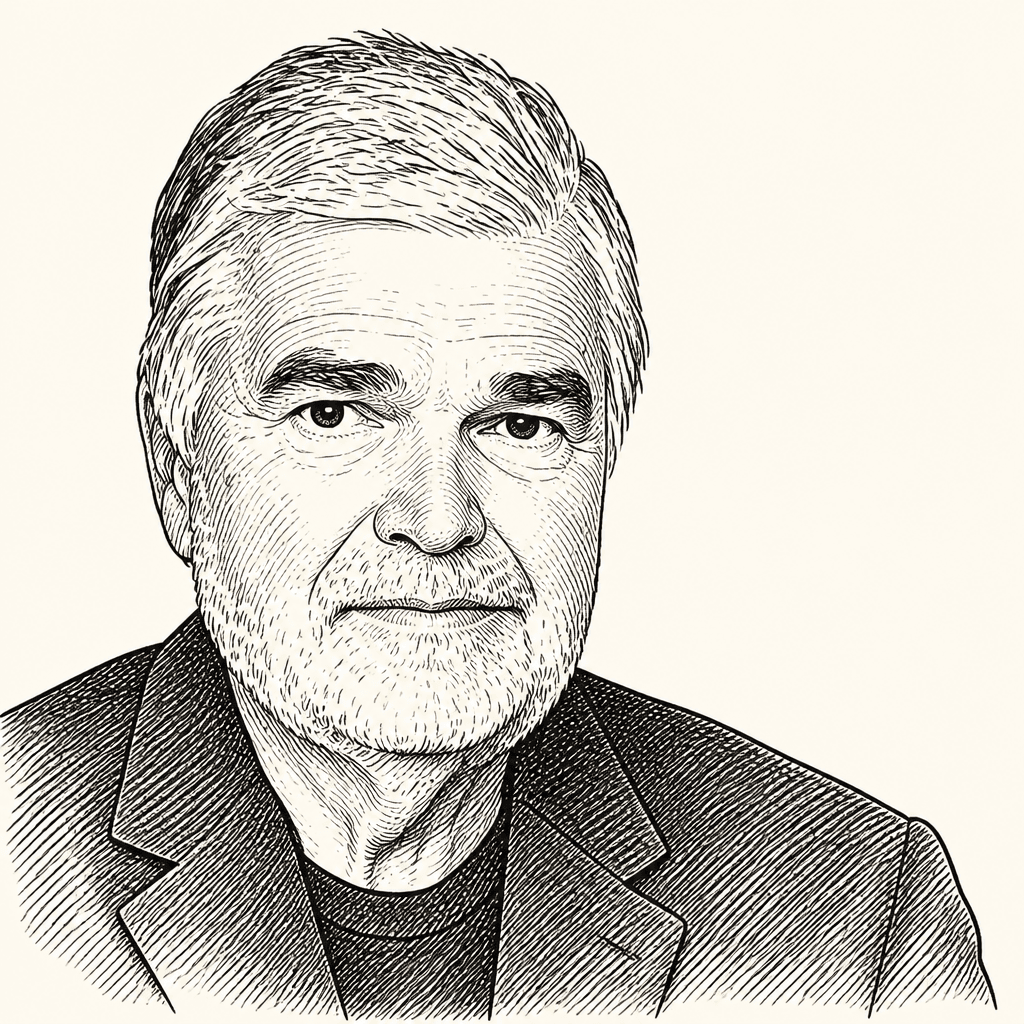
Gastroenterologist Trisha Pasricha and brain-gut researcher Emeran Mayer argue that the gut should be understood as an active nervous, hormonal, microbial, and immune system in continuous communication with the brain, not as digestive plumbing. In a live Science Friday discussion at Aspen Ideas: Health, they make the case that this bidirectional system may reshape how clinicians think about Parkinson’s disease, GLP-1 drugs, diet, mental health, and early-life development, while warning that much of the consumer “gut health” market has moved faster than the evidence.

The gut is not plumbing
Trisha Pasricha wants the common model of the gut revised from the start. The gut is not simply a tube that moves food through the body and turns it into waste. It contains the enteric nervous system, with roughly 500 million nerve cells — more than the spinal cord.


It contains 500 million nerve cells. That is more nerve cells than are in your spinal cord.
That nervous system is old in evolutionary terms. For some animals, Pasricha said, it is the only brain they have. Humans evolved a second brain in the head, but the nervous system in the gut remains deeply intertwined with it. Pasricha rejects the familiar phrasing that the gut is the “second brain.” In her framing, the gut brain came first.
Some people call the one in our guts the second brain. That's not what I call it. This is the first brain.
Her claim was biological, not just metaphorical. The gut produces neurotransmitters also associated with the brain, including dopamine and serotonin. It sends signals upward through the vagus nerve. It operates largely outside ordinary conscious awareness, but Pasricha described it as continually influencing mood, hormones, and disease processes across the body.
Emeran Mayer pushed the terminology further. He said he has been trying to move people away from the phrase “gut-brain axis,” because “axis” implies a linear system that can be understood through a simple cause-and-effect chain. Mayer’s preferred description is a “brain-gut-microbiome system”: not a straight line, but a bidirectional network whose parts interact and help regulate homeostasis.
The enteric nervous system, Mayer said, autonomously runs core intestinal functions: secretion, motility, permeability, and other gastrointestinal processes. In animal models, the gut can be disconnected from the brain and still maintain peristalsis. The brain intervenes more forcefully when the organism is threatened — for instance, during a fight-or-flight response — but in ordinary homeostatic conditions, the gut has substantial operational independence.
Pasricha added a clinical way to understand that independence: people can survive despite being brain-dead if enough brainstem function and ventilatory support remain, because the enteric nervous system continues nourishing the body’s cells. The statement was deliberately uncomfortable, but central to her argument. The gut is not auxiliary plumbing; it has autonomous control over intestinal function and supports whole-body physiology.
Most vagus nerve traffic runs upward
The gut and brain communicate through hormonal signaling and neural signaling, especially through the vagus nerve. Trisha Pasricha began with familiar top-down experiences: butterflies before a date, a sudden urge to use the bathroom before karaoke, or stress-induced changes in digestion.
Gut-to-brain signaling is different because the brain is protected by the blood-brain barrier. Some molecules can cross, but Pasricha said most gut-to-brain communication travels through the vagus nerve, the long cranial nerve extending from the brain to many internal organs and maintaining a particularly close relationship with the gut.
The direction of that traffic matters. According to Pasricha, about 80% of vagus nerve communication is bottom-up — from the gut toward the brain — rather than top-down. The gut is “talking all the time,” even though people do not consciously perceive most of it.
That unperceived internal stream is interoception: the body’s ongoing report to the brain about its internal state. Pasricha contrasted it with the five senses, which dominate conscious experience. While the brain handles visual, auditory, tactile, olfactory, and taste information, it is simultaneously receiving information from inside the body every second. Much of that internal information comes from the gut.
Emeran Mayer connected this to the neurologist Antonio Damasio’s view of consciousness. He said Damasio has argued for decades that interoception — information coming from the body and internal organs, quantitatively much of it from the gut — is a basis of human consciousness. Mayer noted Damasio’s implication that artificial intelligence would not have consciousness without a body and an interoceptive system.
Top-down signaling is better understood than bottom-up signaling, Mayer said, but the top-down side already shows how intimate the system is. The gut “knows whatever goes on within our brain,” he said. Emotions do not only show up in facial muscles. They appear in the gut as emotion-specific motility and secretion patterns.
That signaling extends to microbes. Mayer said stress and anger activate sympathetic nervous system pathways that secrete molecules acting on receptors on microbes. Those signals can change microbial gene expression and behavior, including virulence. In his account, being angry or stressed can increase the likelihood of a more severe or longer-lasting gastrointestinal infection because microbes receive physiological “warning signals” from the host.
This is why Mayer thinks the gut-brain-microbiome system requires a systems-biology lens rather than a reductionist one. The gut is not only receiving instructions from the brain, and the microbiome is not merely a passive ecosystem living inside the intestine. Brain states, intestinal signaling, immune activation, microbial behavior, and metabolic outputs are linked in loops.
Parkinson’s makes the clinical stakes visible
Trisha Pasricha described Parkinson’s disease as one of the clearest examples of why the gut-brain relationship matters clinically. Parkinson’s is usually understood through motor symptoms and misfolded alpha-synuclein protein in the brain, where the misfolding contributes to the death of dopamine neurons. But Pasricha said the signs that Parkinson’s involves the gut have been visible for a long time.
James Parkinson’s early case descriptions noted severe constipation in patients. Pasricha said that when she began her gastroenterology fellowship, she saw many people with Parkinson’s who reported constipation beginning 10 or 20 years before motor symptoms. The literature, she said, supports that pattern: nausea, delayed stomach emptying or gastroparesis, constipation, and other gastrointestinal symptoms can appear years or decades before tremor and other motor manifestations.
For at least a subset of patients, Pasricha said, “the disease itself begins in the gut.” The model she described is that some trigger enters or acts through the gut — perhaps a pesticide such as paraquat, ultra-processed foods, infection, or another factor — and initiates misfolding of alpha-synuclein in the stomach or elsewhere in the gastrointestinal tract. The misfolded protein then propagates in a prion-like pattern, inducing misfolding in adjacent cells and moving upward through the vagus nerve to the brain.
Pasricha cited human evidence from vagotomy, a procedure once used more commonly for severe ulcers or reflux that involved cutting the vagus nerve. Describing the natural history of people who had the procedure, she said their risk of Parkinson’s disease was reduced by almost half. She was careful not to present vagotomy as a recommended preventive intervention; the point was that the finding, as she described it, is consistent with the gut-to-brain transmission model.
Emeran Mayer added a clinical vignette from his practice. A couple from California’s Central Valley came to see him; Mayer noted the area’s intense pesticide and herbicide spraying and described the family’s habit of calling children indoors when crop-dusting planes approached. During the visit, he noticed the husband had a characteristic finger movement associated with Parkinson’s. The man had not noticed it himself. Mayer referred him to a neurologist, who diagnosed very early-stage Parkinson’s. The man also had new-onset constipation, which Mayer described as unusual in a middle-aged male.
For Pasricha, the frightening part of this model is also the opportunity. If Parkinson’s can begin in the gut years before reaching the brain, then there may be a long window for detection and intervention. The field’s task, as she framed it, is to identify biomarkers in the gut that could warn of future disease and to develop ways to intervene before the disease reaches the brain.
She did not claim the gut-origin model explains every case. Some Parkinson’s cases, she said, may start in the brain. One of the questions her lab is pursuing is what distinguishes those pathways: why gut-origin disease may occur in some people and not others, and what triggers the initial process.
GLP-1 drugs expose how much gut signaling reaches beyond digestion
The rise of GLP-1 drugs, including Ozempic and Wegovy, served as a case study in the biological reach of gut signaling. Emeran Mayer stressed that GLP-1 — glucagon-like peptide — is a gut hormone stored in cells lining the gut. He said the gut contains about 40 types of endocrine cells and described the gut endocrine system as the largest hormonal system in the body.
Mayer noted that newer versions of these drugs combine multiple peptides, and that the three peptides in the version he referenced all come from the gut. Industry, in his account, has taken signaling molecules that evolved to communicate satiety and internal state to the brain and administered them at much higher doses because the natural system has been overwhelmed by modern lifestyle and dietary changes.
The brain effects do not surprise him. GLP-1 receptors are located in the brain, including the hypothalamus, which regulates satiety. Mayer said he was surprised that some initially framed these drugs chiefly as incretins working in the gut, because a major site of action is neural.
His assessment was double-sided. With his scientific and clinical “hat” on, Mayer said the drugs are a great thing: they can help many people, reduce costs associated with other interventions, and potentially transform society. He referenced discussion at the meeting about effects beyond health care, including clothing and exercise patterns.
But he also asked whether society should respond to a world “gone out of balance” by adding another long-term medication to the list many people already take, such as statins and antihypertensives. If people must remain on GLP-1 drugs to sustain benefits, the drugs may prevent death and disease consequences while leaving root causes intact. Mayer called that “obviously a dream for the pharmaceutical industry.”
Trisha Pasricha largely agreed but placed more emphasis on near-term patient benefit and the need to understand mechanisms. Her lab studies GLP-1 drugs, and she said emerging findings suggest associations with effects not obviously related to weight loss. In her lab, GLP-1 medication use was associated with a decreased risk of ulcers and damage to the stomach’s mucosal lining. She also referred to large studies in which GLP-1 medications were associated with a decreased risk of 13 different cancers, again not necessarily explained by weight loss.
Pasricha repeatedly used the word “associated.” The mechanisms are not yet nailed down, she said, and she wants a clearer molecular understanding of what the drugs are doing and why some benefits appear. Hormones and neurotransmitters can behave differently in different organs and environments: dopamine in the brain is not the same story as dopamine in the gut; estrogen also behaves differently across tissues. GLP-1s, she said, will require similar unpacking.
Mayer added that the unknowns matter because these are among the most popular drugs ever, yet the long-term consequences of interfering so massively with the gut signaling system are not fully known. He connected that concern to the gut immune system. About 70% of the immune system, he said, is in the gut rather than the bone marrow, spleen, or liver, and many immune cells travel through the gut before moving elsewhere.
His hypothesis is that GLP-1 intervention could significantly affect immune activation, a process he sees as central to many chronic diseases. He distinguished this from the influencer-favored phrase “chronic inflammation.” Pasricha noticed the distinction and joked that he had avoided “hashtag chronic inflammation.”
Mayer’s phrase was “chronic immune system activation”: molecules circulating in the blood, produced by immune cells in the gut, that a person may not feel but that can increase risk for later disease, especially in people with genetic risk factors. He compared it to hypertension: a silent state that may be present for years before a visible event such as a heart attack. Inflammation, by contrast, involves leukocytes moving into an injured or infected area through a different mechanism.
| Area | What the panel emphasized | Practical line |
|---|---|---|
| Parkinson’s | For at least a subset of patients, gut symptoms and gut-to-brain transmission may precede motor disease by years or decades. | Potential biomarkers and intervention windows are under investigation; the model does not explain every case. |
| GLP-1 drugs | Benefits may extend beyond weight loss, but mechanisms and long-term consequences remain unresolved. | Association is not yet mechanism. |
| Immune signaling | Mayer distinguished silent chronic immune activation from ordinary inflammation. | Gut-based immune signaling may matter before symptoms appear. |
Gut health became popular because medicine left a vacuum
The term “gut” itself turned out to be contested. Emeran Mayer said it is a simplistic term for the digestive system, often including everything from the esophagus to the end of the large intestine in common usage, though in more technical gastroenterology it may refer primarily to the small and large intestine. Trisha Pasricha took the broader common-language view: the gastrointestinal tract from esophagus to “exit hatch,” while acknowledging that doctors often use “gut” to mean the bowels.
The lack of an agreed definition reflects the speed with which “gut health” entered popular culture. Mayer said that earlier in his career the gut was not discussed publicly, especially not at dinner, and conditions such as IBS carried shame. Gastroenterology, he said, was taken by surprise when its organ of interest became culturally ubiquitous.
Pasricha said that even 10 years ago, “no card-carrying gastroenterologist” would have used the phrase “gut health.” Now, she said, the American Gastroenterological Association is forming an advisory group to determine how physicians should “own this space,” including how to define gut health. She suggested that if gastroenterology has historically focused on curing disease, gut health may concern the absence or prevention of disease — a different agenda than a 15-minute visit after symptoms already exist.
She gave two reasons for the popularity of gut health online. The first is positive: Gen Z, in her view, is less ashamed of bodies and more willing to destigmatize both mental health and gut health. Trends such as “fiber maxing” and “poop maxing” may sound unserious, but she saw a broader cultural move toward openness.
The darker reason is that patients with common gastrointestinal conditions often feel dismissed by medicine. Pasricha used irritable bowel syndrome as the example: roughly 15% of Americans have IBS, she said, and it remains deeply misunderstood by both patients and doctors. When patients cannot get a gastroenterology appointment for months and then encounter an attractive influencer saying, “Do you have bloating? Do you have brain fog? Does your doctor not take you seriously? Leaky gut,” they may feel heard for the first time.
That feeling of being seen is powerful. Pasricha estimated that much of the gut-health space is driven not by physicians or scientists but by people connecting with patients who have been dismissed by the health care system. That does not make the advice scientifically sound, but it explains why the advice spreads.
Mayer was less optimistic that mainstream gastroenterology can easily reclaim the space. He described spending the first 25 years of his career fighting the gastroenterology dogma that “it’s the gut” — meaning the brain was not involved. Now, the public discussion has moved toward functional medicine and influencers, widening the concept of gut dysfunction to include symptoms such as brain fog that gastroenterologists are not trained to evaluate.
In Mayer’s view, gastroenterology developed alongside pharmaceuticals and endoscopy into a specialty very effective at identifying and treating gut diseases, but not necessarily brain-gut problems. Functional medicine, he said, does not always have the science, but it has incorporated a more holistic concept that includes the brain and body. Pasricha positioned herself differently: the goal should be to preserve rigorous science while expanding medicine’s ability to discuss diet, lifestyle, mental health, and gut symptoms together.
The microbiome is real; consumer precision is ahead of the evidence
Asked what a healthy microbiome looks like, Emeran Mayer said the field has borrowed concepts from ecology: diversity, richness, and resilience. A healthy microbiome is not merely a long list of bacterial types, but a robust ecosystem with many organisms and the ability to recover from perturbations.
The field is also moving, Mayer said, from asking “who is there” to asking what microbes are doing. He predicted that microbiome tests focused only on identifying organisms will give way to tests assessing microbial function and genetic capacity.
One functional marker he emphasized is production of metabolites from complex carbohydrates and fiber, especially short-chain fatty acids such as butyrate. Those molecules, he said, have beneficial effects not only on the gut but also on the brain and other body systems. He described their effects as partly anti-inflammatory and compared the body’s capacity to produce them through the microbiome to having an internal production site for aspirin. A whole-food diet supports this function by nurturing microbes capable of generating these metabolites.
Trisha Pasricha agreed with the broad principles but criticized the way microbiome science is marketed to consumers. The science, in her view, is still tempered and associative: researchers can identify links between diseases and certain microbes or microbial functions, but that does not translate into simple consumer decisions. Online and commercial messaging often makes the microbiome sound binary: too much of one bacterium, not enough of another, cut this out, add that supplement.
She used a garden analogy. If the desired flowers are not growing, the problem may not be the absence of seeds or the presence of weeds. It may be the soil pH, sunlight, or broader environment. Similarly, microbes live in a person’s ecosystem, interacting with that person’s immune system, nerves, diet, and physiology. The same microbial species may behave differently in different people because the surrounding milieu differs.
That is why Pasricha is frustrated when patients bring expensive microbiome tests and supplement regimens and ask what to do next. She can offer principles of healthful eating that support the microbiome, but she said targeted individualized microbiome-directed therapy is not yet available in routine care.
Mayer called the commercial exploitation of uncertainty unfortunate for patients, though not for companies. Probiotics, prebiotics, postbiotics, and synbiotics form a billion-dollar industry, he said, but he characterized the evidence that current interventions make a significant difference as weak. No medication, in his view, would win FDA approval on evidence as weak as that behind many “biotic” products.
At the same time, he is optimistic about the next generation. He described engineered microbes designed to tolerate or even thrive in inflammatory environments, grow only while inflammatory metabolites are present, and die off once inflammation resolves. He also described probiotics as potential vehicles carrying specific cargo to specific regions of the gastrointestinal tract. That future, he said, is very different from current products combining multiple strains based on test-tube results rather than strong human evidence.
Diet is not a capsule, and mental health is not only in the head
The panelists drew a sharp distinction between probiotic supplements and diet. Emeran Mayer described diet as an extraordinarily complex delivery system for tens of thousands of molecules, including phytonutrients and thousands of different fibers. A fiber-rich meal is not one molecule such as inulin; it contains many fibers with different effects on microbes.
That complexity is why Mayer dismissed simplistic “psychobiotic” claims that one organism can alter depression, anxiety, or ADHD. Diet is a different matter. He said emerging studies support benefits from certain dietary patterns, with the strongest evidence currently for the traditional Mediterranean diet. He also mentioned ketogenic diets in specific contexts, including advanced Alzheimer’s disease and refractory epilepsy in children, but described those as exceptions rather than a general rule.
Trisha Pasricha agreed that the Mediterranean diet has been consistently associated with reduced rates of depression, mental health disease, and neurodegenerative disorders. But she did not present diet as a stand-alone prescription for mental illness. Her point was that these conversations often do not happen in ordinary primary care visits, or happen only briefly. Alternative and holistic practitioners may attract patients partly because they spend more time discussing lifestyle and diet.
Her caution was against replacing one narrow model with another. Depression and anxiety should not be viewed as purely in the head, she said, but neither should they be treated as purely dietary problems. For Pasricha, they belong within the gut-brain connection: sometimes a connection, sometimes a disconnection, sometimes a vicious loop. She starts patients on antidepressant medications for GI symptoms, she said, and also thinks about diet.
The right model, in her view, lies between brief conventional visits that offer only medication and holistic encounters that may offer only supplements or lifestyle advice. A rigorous science-based middle ground exists, but the clinical system is not set up for the longer conversations it requires.
Mayer broadened the frame beyond diet. He connected the gut-brain system to lifestyle-medicine pillars and Blue Zone-style models: exercise, meditative practices, happiness, and other social or behavioral factors can all influence the gut and microbiome through brain-gut pathways. Diet may be the best studied and perhaps most important factor, but it is not the only one. The system translates these inputs into gut health, brain health, and immune health.
Early-life disruption is a concern, not a reason to punish mothers
An audience question raised C-section delivery, vaginal delivery, antibiotics before or after birth, and newborn gut development. Emeran Mayer said the science in this area is well established in showing early microbiome influence, and he emphasized that the process begins prenatally. In his account, the mother’s microbiome produces signaling molecules that pass through the placenta and affect fetal brain development, so the relevant exposures start before birth.
He described the first thousand days of life as a programming period for the microbiome and related systems. Modern medical practices can disrupt that programming, he said: prophylactic antibiotics in the delivery room, antibiotics for premature infants in intensive care, and C-section delivery that bypasses the infant’s first inoculation through the birth canal.
Mayer’s concern is that early disruptions may have consequences even when later microbiome snapshots appear to converge. He said one argument against concern is that after a year, the microbiomes of C-section-born and vaginally delivered infants may look similar. His response was that the relevant effects may already have occurred during the earlier programming window. He linked that early disruption, in his characterization of the evidence, to increased rates of obesity and allergic diseases during childhood, while also noting the broader uncertainty around why many chronic diseases appear earlier and earlier.
He said medicine could have a major impact by avoiding unnecessary antibiotics and paying closer attention to maternal health. He was not sure how many pregnant mothers are informed that their microbiome may play a role in their child’s brain development.
Trisha Pasricha added a patient-centered warning. She said she often hears concern about breastfeeding versus formula feeding and other early-life microbiome choices. The data show those factors influence the microbiome, but when advising a mother, she prioritizes what is right for the mother. She worries that some women make decisions about delivery mode, breastfeeding, or formula feeding based on hypothetical or real future risks while harming themselves in the present.
The most important thing, Pasricha said, is for the mother to treat herself well and protect her own health. Many factors in childhood will play out over time; compromising maternal well-being because of fear about a future child risk can cause greater harm.
Probiotics are where evidence, placebo, and patient experience collide
Audience questions about probiotics forced the panelists to separate population-level evidence from individual experience. One person noted that probiotics helped a dog’s loose bowels “like a charm.” Trisha Pasricha said she hears a human version of that often: patients say a probiotic helped them. In those cases, she does not take it away.
Her clinical rule is pragmatic. If a probiotic is not causing harm, and if it is not delaying diagnosis or treatment of a disease that should be caught, she allows patients to continue something they say clearly helps. Data fall on bell curves, she said, and placebo effects are real and important in neurogastrointestinal disorders, especially conditions involving pain.
But she rarely starts probiotics. If a patient says they feel only vaguely better, she is more likely to review the evidence and reconsider the product. If someone says it definitely works, she lets it go.
A second question asked whether stomach acid destroys probiotic supplements. Pasricha said that is not a false rumor; it captures a central problem. Bacteria in capsules may already be dead before ingestion, may die on the way through the stomach, may fail to reach the colon, or may fail to take hold once there. Delivery is not guaranteed.
Emeran Mayer agreed and underscored why. The stomach produces concentrated hydrochloric acid largely to kill pathogens and bacteria. It has been optimized as a bacterial killer. If someone asks which probiotic to take, Mayer said he advises looking for studies showing that the actual product survives passage through the stomach and reaches the small or large intestine at optimal concentrations. Without that, he said, any benefit may be a pure placebo effect.
Current probiotic products generally lack strong evidence, and biological delivery is more difficult than marketing suggests. Yet Pasricha also refused to dismiss patients who experience benefit. The clinical issue is not whether every supplement can be validated by a broad claim, but whether a given patient is safe, properly evaluated, and not being diverted from better care.