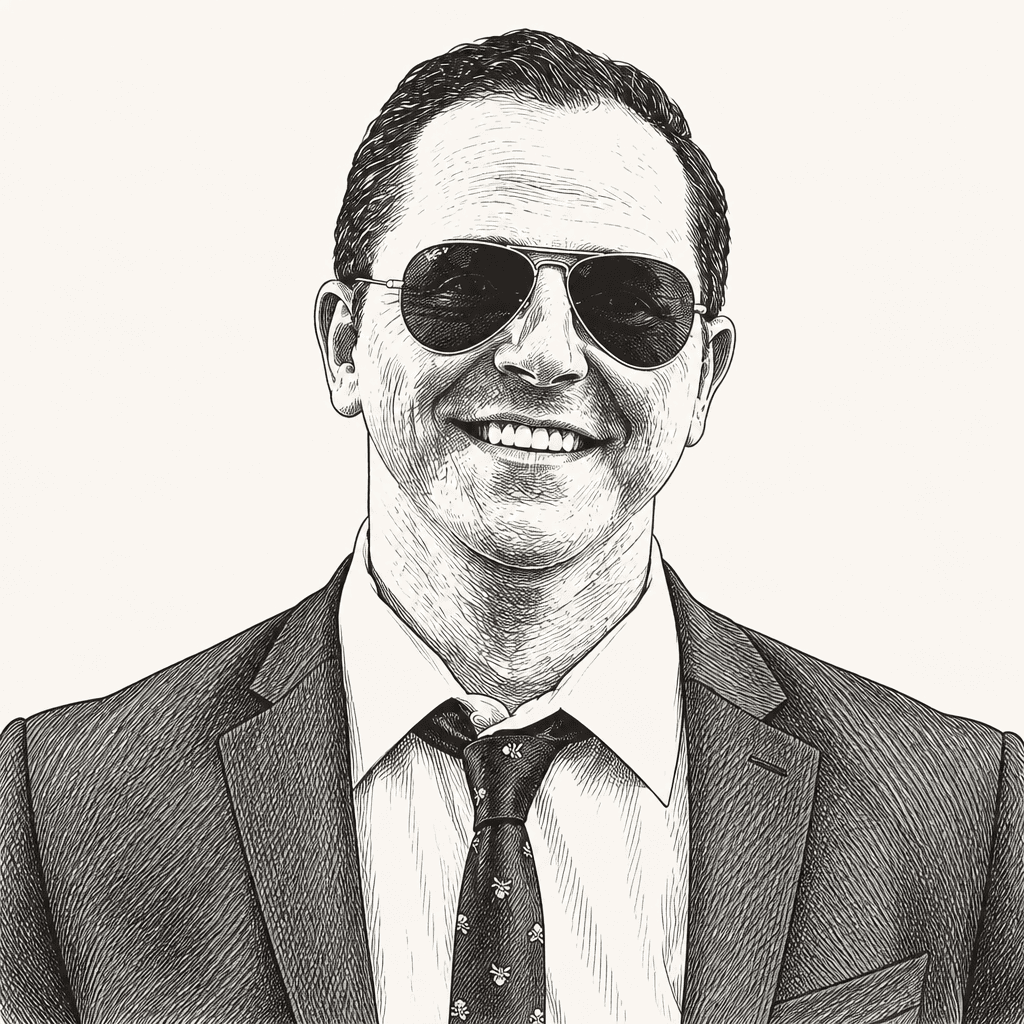
Chase Hughes
Chase Hughes is a retired U.S. military veteran, author, and NCI University founder who teaches behavioral profiling, interrogation, influence, persuasion, and human-behavior skills.
Baseline Changes Matter More Than Universal Body-Language Tells
Behavior analyst Chase Hughes argues that insecurity is less a visible performance of nervousness than a protective bodily pattern: reduced movement, lowered eye contact and postures that shield vulnerable areas. In his discussion with Chris Williamson, Hughes warns against treating any single gesture as proof of insecurity or deception. The useful work, he says, is to establish a baseline, watch for changes around topic shifts, check context and look for clusters of signals across body language, facial movement and speech.
Algorithms Exploit Fear, Novelty, and Social Judgment to Shape Behavior
Former U.S. Navy chief and influence specialist Chase Hughes argues that modern manipulation works less by changing minds directly than by engineering the conditions in which certain choices feel automatic. In a wide-ranging conversation with Chris Williamson, Hughes says social media, interrogation, leadership, body language and shame all turn on the same mechanics: attention, fear, context, pressure and permission. His central claim is that people become easier to move when they are destabilized, performing for imagined judgment, and offered a simple release from uncertainty.
Wade Wilson’s Courtroom Body Language Signaled Defiance, Not Fear
Chase Hughes, speaking with Chris Williamson, reads courtroom footage of Wade Wilson, known as the Deadpool Killer, as a display of defiance and attempted control rather than simple calm. Hughes argues that Wilson’s leaned-back posture, exposed neck, lip-licking and low blink rate point to challenge, appearance management and focused self-possession inside a setting where his autonomy was visibly constrained.
Confession Tactics Reframe Guilt Before Asking Suspects to Admit It
Chase Hughes, speaking with Chris Williamson, describes a five-step confession method used in military and law-enforcement-style questioning to move a suspect toward admission without directly demanding guilt. Hughes argues that the process works by changing the suspect’s available story: testing their responses, then reframing the alleged act as understandable, less severe, externally pressured and finally as a choice between two motives that both assume guilt.