Baseline Changes Matter More Than Universal Body-Language Tells
Behavior analyst Chase Hughes argues that insecurity is less a visible performance of nervousness than a protective bodily pattern: reduced movement, lowered eye contact and postures that shield vulnerable areas. In his discussion with Chris Williamson, Hughes warns against treating any single gesture as proof of insecurity or deception. The useful work, he says, is to establish a baseline, watch for changes around topic shifts, check context and look for clusters of signals across body language, facial movement and speech.
Insecurity shows up first as protection, not performance
Chase Hughes describes insecurity less as a theatrical display of nervousness than as a mammalian protection pattern. The first signs he names are reduced arm swing, incomplete movements, and reduced eye contact that tends downward. Someone may begin reaching for something, stop partway through, then continue; the movement is not fully committed.
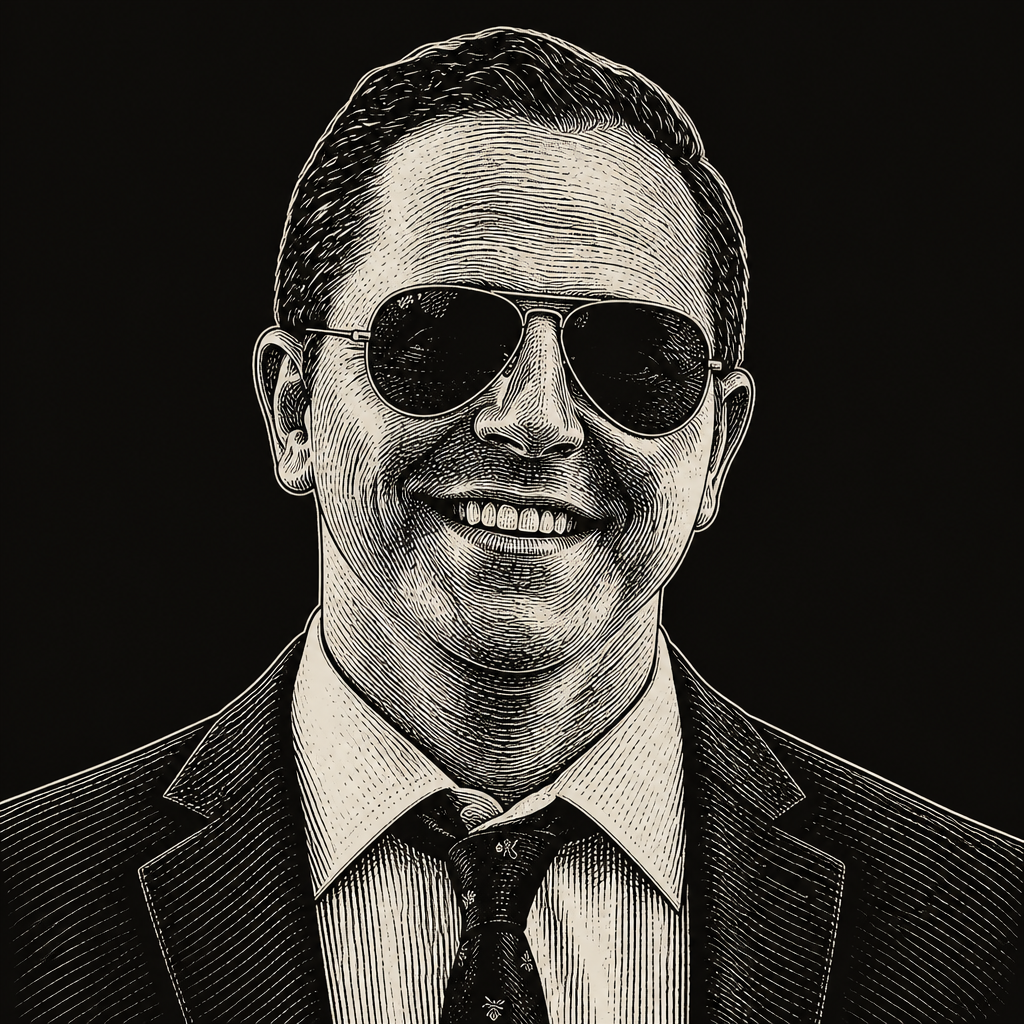
The larger pattern, Hughes says, is that the body moves toward protecting vulnerable areas. The upper arm may sit closer to the torso, protecting the brachial artery. Shoulders may rise slightly in social situations, while the head comes down, reducing exposure around the carotid arteries. Arms may move in front of the body.
One version is the “fig leaf” gesture, a term Hughes attributes to Alan Pease: hands or arms placed in front of the lower body. Chris Williamson notes the obvious interpretation — that it covers the genitals — and Hughes says it also protects the femoral arteries. Hughes says men are more likely to use that posture, while women are more likely to wrap a single arm around the abdomen while talking when insecure, which he describes as protecting the uterus area. He mentions studies but says he does not know who conducted them.
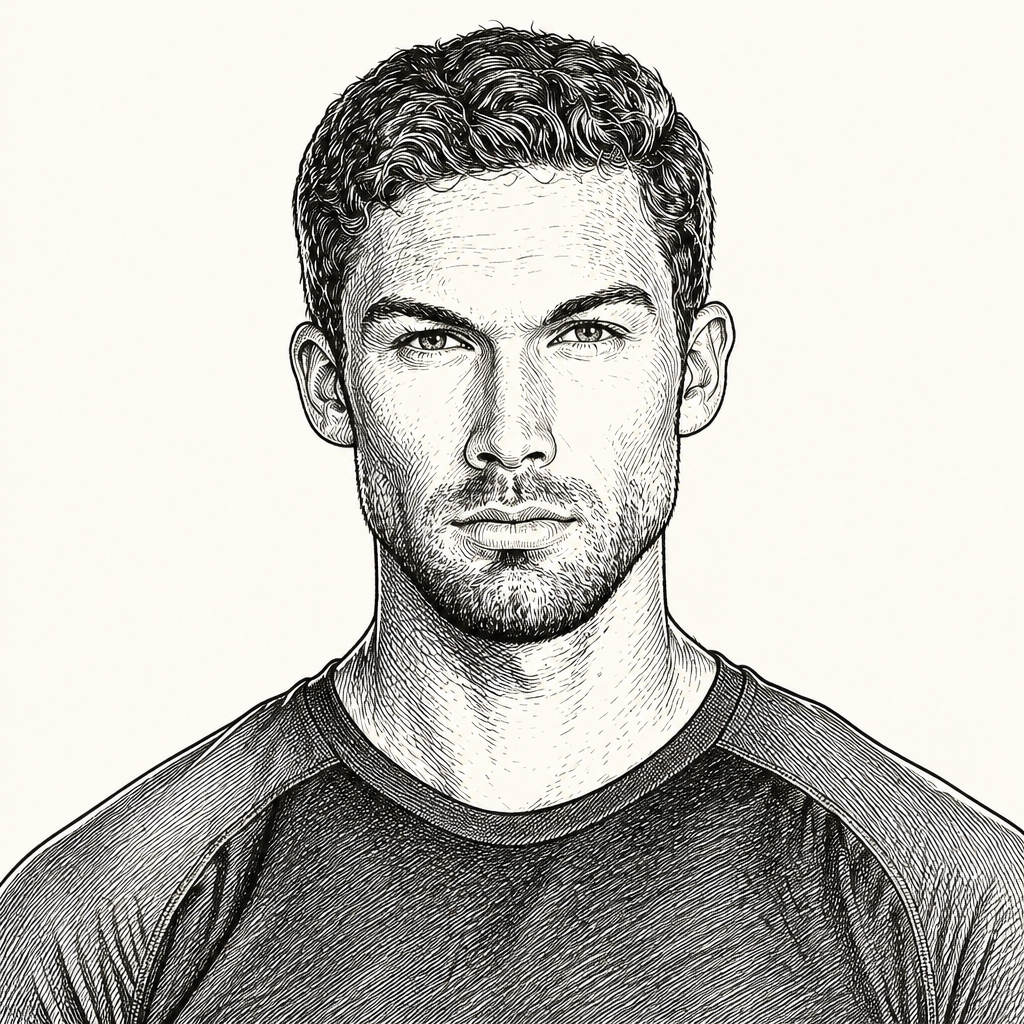
Hughes ties this style of observation to Desmond Morris and The Naked Ape, which he describes as a book about observing humans as animals — “the hairless monkey,” in Hughes’s phrase. The point is not that every guarded posture means the same thing. It is that insecurity, in Hughes’s account, often looks like partial withdrawal: smaller motion, less exposure, and less bodily openness.
The practical rule that follows is broader than insecurity: establish the person’s baseline, watch for changes around topic shifts, rewind to what was just being discussed, check the context, and only then look for a cluster of signals.
The better question is who needs something from whom
When two people are interacting, Hughes says the more useful question is not simply “who looks insecure?” It is “which person needs something more from the other person, and which person is reacting to the other person?”
That frame matters in settings where one side is making a case to the other. Hughes says he teaches venture capital people who receive pitches to watch for lip compression; he also says he has never been to one of those pitches himself.
Lip compression, in Hughes’s description, is a small tightening or pressing together of the lips that often appears when someone is withholding information or emotion. His example is casual: a friend is asked how a new job is going and replies, “Oh, it’s great,” while compressing the lips.
Hughes’s instruction is to treat the gesture as a rewind cue. When the compression appears, ask what the person had just been talking about. If it happens immediately after a founder says the financials are strong or that projections look good for the next few quarters, Hughes would treat that moment as worth revisiting.
The moment you see it, just rewind. What were they just talking about right before you see it.
Williamson presses on why that particular expression would be associated with withholding. Hughes gives a developmental account that he presents as part of Morris’s theory: lip compression is “our first way of withholding,” originally a way to hold milk in the mouth. In the same frame, Hughes says a quick tongue jut after a lie can function as an early “no,” connected to the infant action of pushing a nipple out of the mouth.
Hughes’s practical claim is narrower than the developmental story: some small facial actions are worth noticing because they may mark a moment where the person is restraining something.
Appearance-management gestures matter most before the answer
Chase Hughes separates a quick tongue jut from licking the lips. Lip licking, he says, belongs to a class of “hygienic gestures”: actions intended to make a person look more attractive or composed. Examples include sitting up straighter, pulling a shirt down, rubbing lint away, or licking the lips.
The timing is what gives these gestures value. Hughes says to watch for them before someone begins speaking, especially when the topic is already known. If a person hears, “Next we’re going to get into financials,” and then begins adjusting posture, clothing, or lips before answering, Hughes reads that as an attempt to improve appearance before delivering something potentially questionable.
Chris Williamson summarizes the motive as trying to “stack the deck in their favor.” Hughes agrees.
There is no deception gesture; there are changes, context, and clusters
Chase Hughes’s strongest corrective is aimed at simplistic body-language claims. Finger tapping does not mean someone is lying. Folded arms do not automatically mean defensiveness. A single behavior, detached from baseline and circumstances, is weak evidence.
There is no behavior that’s like this is deception. None, zero.
What behavior can measure, Hughes says, is stress and change. If someone taps a finger all day, the meaningful event may not be the tapping. It may be when the tapping stops. The basic skill is detecting change from the person’s normal pattern.
Chris Williamson compares this to a polygraph establishing a baseline first. Hughes accepts the comparison, extending it beyond visible movement to verbal behavior as well. Cadence, volume, tense, fluency, and word choice all matter because shifts may reveal pressure points.
One example Hughes gives is a parent speaking publicly about a missing child. If the person repeatedly describes the child in the present tense — “he is” — and then suddenly shifts to past tense — “he was a good kid” — that tense change matters because it departs from the claimed belief that the child is alive. Hughes presents this as an example of a meaningful linguistic shift, not as a universal rule.
Context remains necessary. If someone brings their arms into the torso, the room may have become colder. A door may have opened. The person may be hungry. Without context, a gesture is easy to overread.
Hughes also emphasizes clusters. In high-stakes situations, he says, he wants to see “a mountain of behaviors”: increased breathing rate, pupil dilation, lip licking, a new finger tap, a language shift, reduced verbal fluency, and more hesitant speech. One signal is not much. Several changes across body, face, and language increase the likelihood that something important is happening.
His final analogy is meteorology. Body language, as he describes it, deals in likelihood, not certainty. It does not say, “It will rain at 3:15 p.m.” It compares historical patterns with current conditions and estimates what may be going on.