Hoover’s Policy Boot Camp Marks a Decade of Preparing Civic Leaders
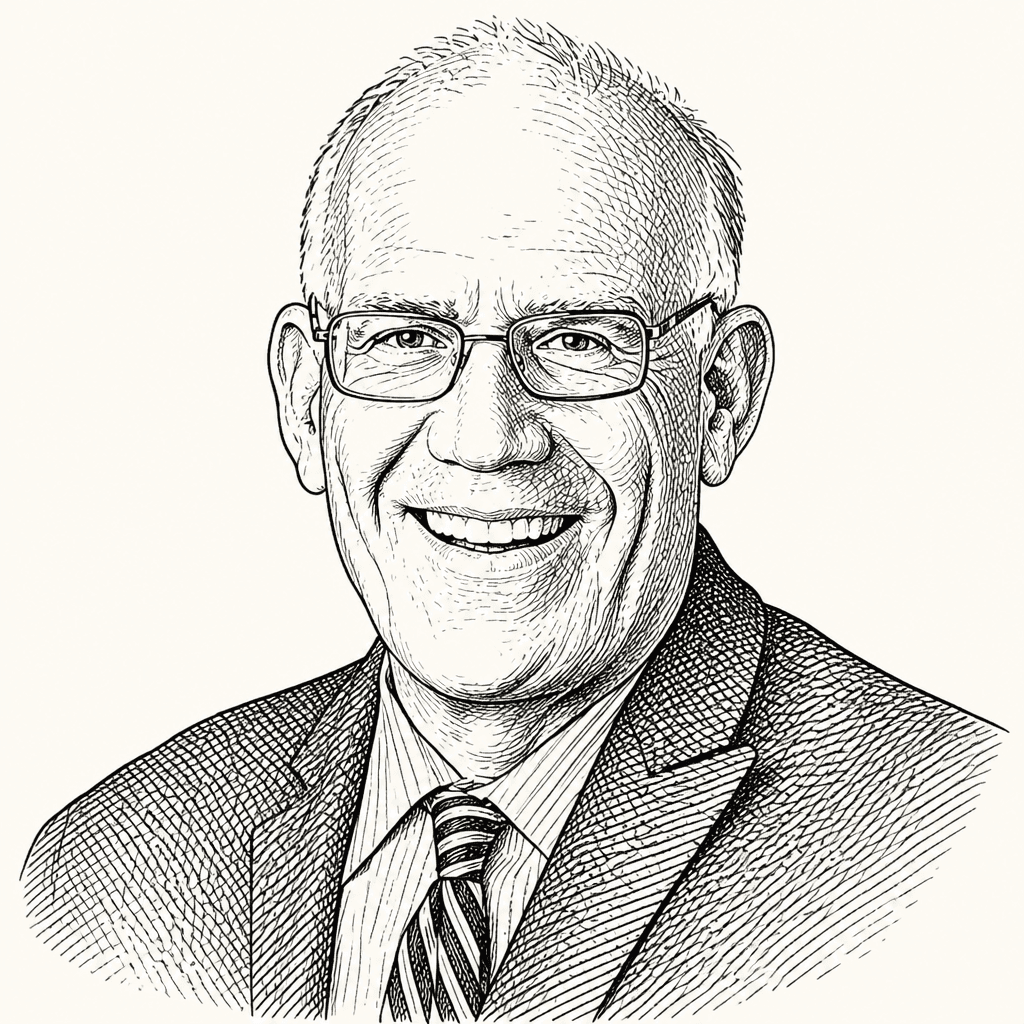
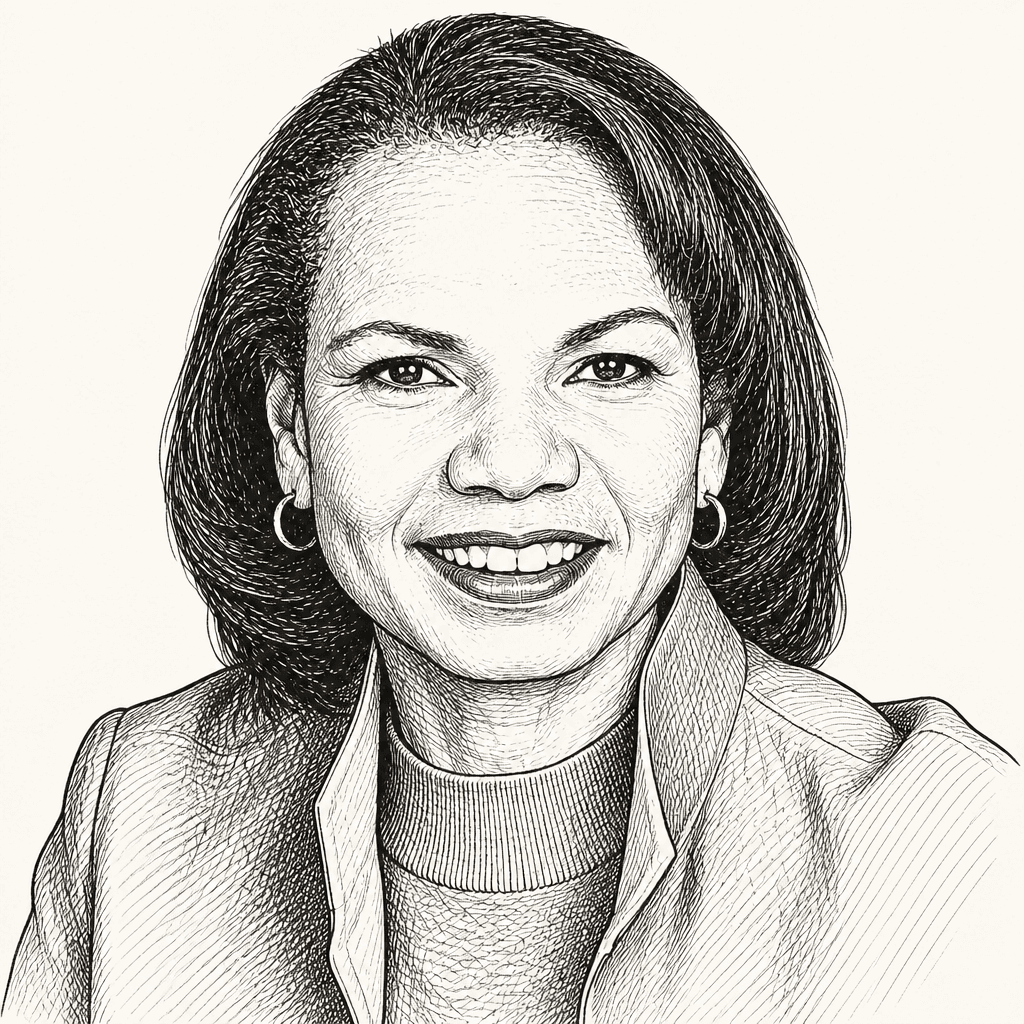
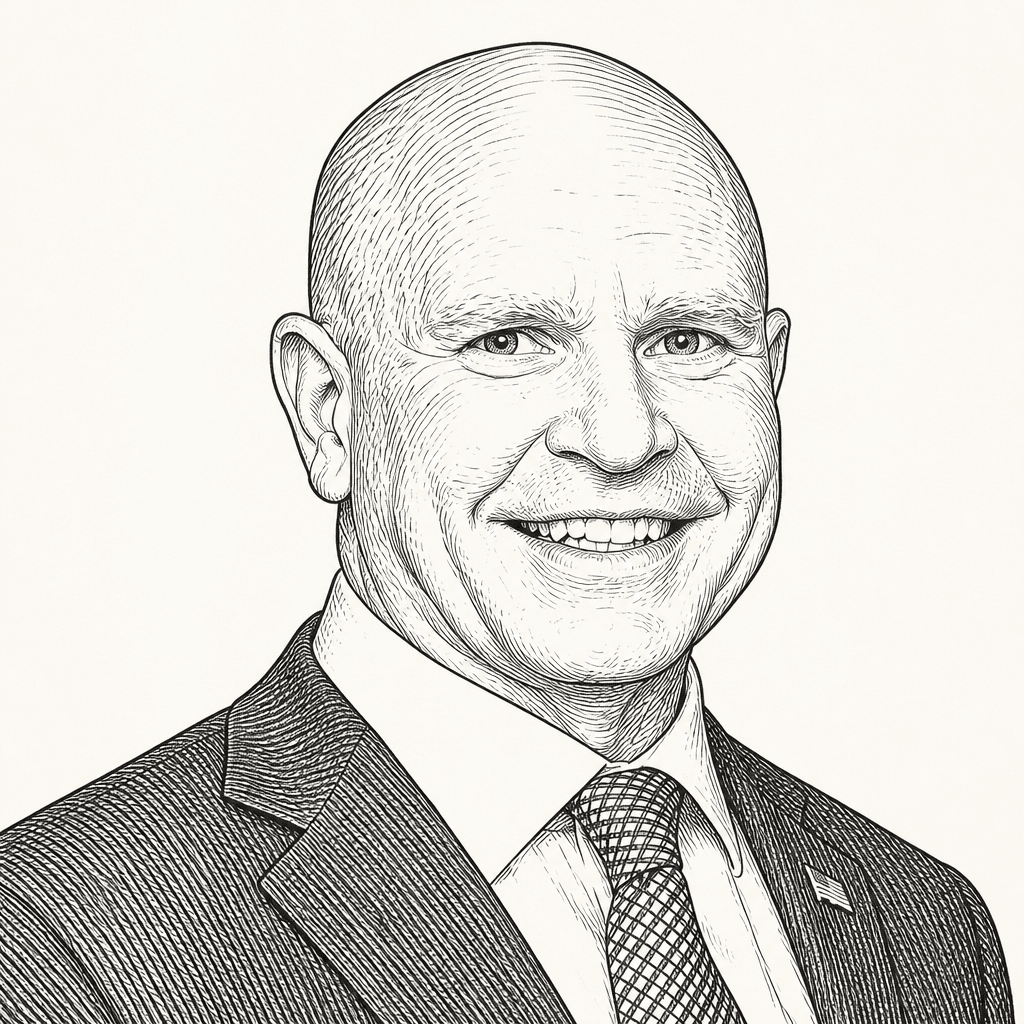
At its tenth anniversary, the Hoover Institution Summer Policy Boot Camp made the case that civic leadership is a present responsibility, not a future role. Speakers raised distinct questions about public judgment, participation and career uncertainty, while Condoleezza Rice pointed to the continuing need for informed, passionate and compassionate leaders.

Ten years in, the case for civic leadership is immediate
The Hoover Institution Summer Policy Boot Camp marked its tenth anniversary with a call to treat leadership as a present responsibility, not a future title. “You’re not tomorrow’s leaders, you’re today’s leaders. It starts now,” one speaker told participants, asking how citizens can intervene in public life.
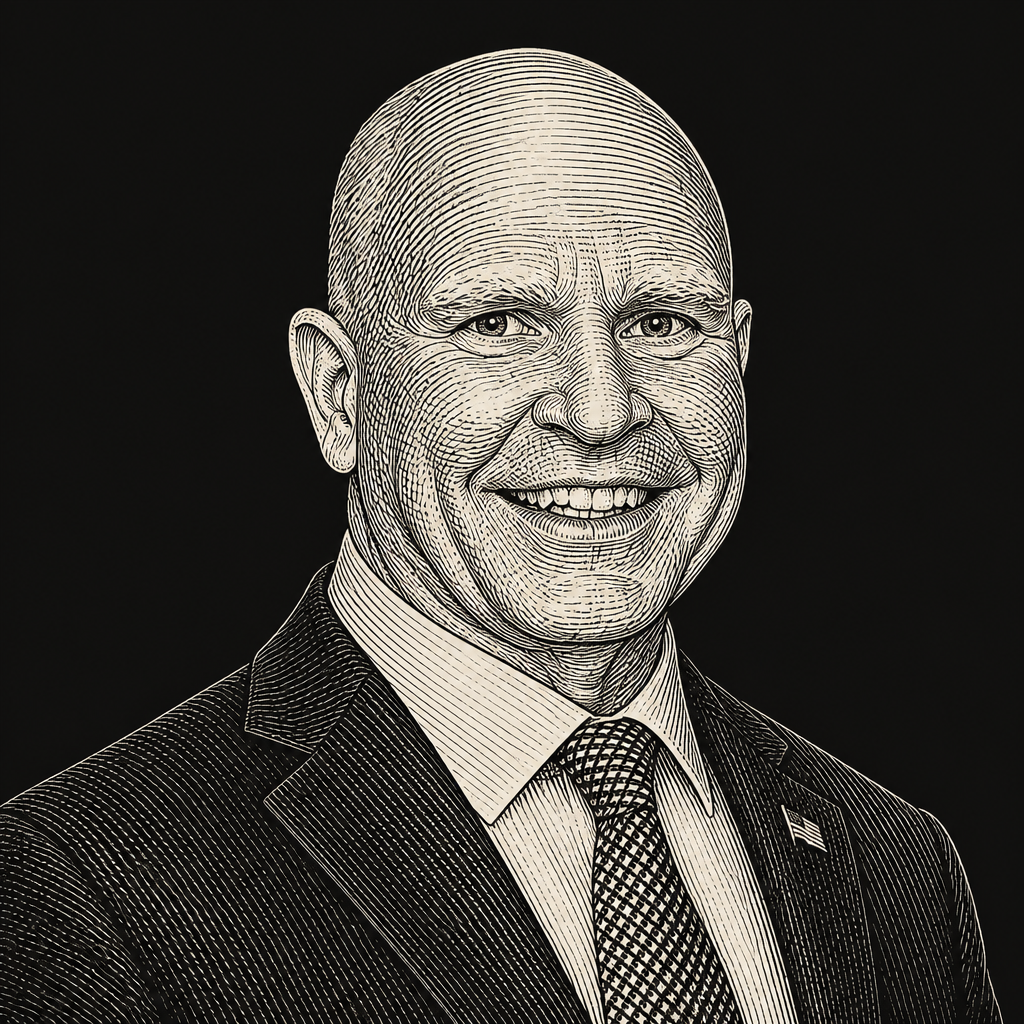
The anniversary program included presentations by H.R. McMaster, on “The Greatest Threats to American Security,” and Victor Davis Hanson, on “The Fracturing of the Right.” Their titles situated the gathering amid questions of national security and political division; the remarks to participants also addressed how citizens judge policy, understand the country, and find their place in public life.
The speakers did not offer one shared policy program. Their examples instead ranged across the choices citizens face and the questions those choices raise: what government should do, how public costs and benefits are weighed, and what people need to know to participate.
Policy choices call for public judgment
One speaker described the optimal size and scope of government as a public-choice question. Government involves more than taxes and spending, the speaker said, but deciding how far it should reach is not for an economist to settle. That choice belongs to citizens and voters.
Other remarks raised distinct questions about public policy. Interest payments on the debt, one speaker said, are not a major expense right now but are the fastest-growing part. Another argued that better infrastructure can make private capital and labor more productive. A separate criticism was that climate policy in the United States, Europe, and elsewhere has often lacked cost-benefit discipline.
These comments point to different considerations: the growth of debt interest, the possible productivity gains from infrastructure, and the need to account for policy costs as well as intended benefits. They leave the choice of priorities with the public.
A question about teacher pay made the measurement problem concrete: “Is it doable to try to compensate teachers with respect to their value added?” The question asks how compensation might reflect a teacher’s contribution, putting the challenge of defining and measuring value at the center of the policy decision.
An example about work offered a different view of choice. Before the pandemic, one speaker said, someone seeking a good-paying full-time job worked five days a week on-site. Now, many industries offer a wider range of arrangements. The speaker called that change an expansion of choice.
Citizens have to ask questions for themselves
One speaker said the era of blindly trusting people on the basis of credentials is over. The speaker paired that warning with a responsibility: people need to know some information themselves and, at minimum, ask questions.
Herbert McMaster framed problem-solving as a matter of process, arguing for a way to apply design thinking to the challenges the country faces. The remarks on credentials and design thinking were separate: one emphasized citizens’ responsibility to scrutinize what they hear; the other called for a deliberate approach to difficult problems.
Leadership can begin before a career path is clear
Hanson said he hoped people in K–12 and higher education would learn something about America. He described what he sees as a problem: many people, he said, have had what he called a “therapeutic education” through school and their undergraduate years.
For participants considering what comes next, another speaker acknowledged that it can be confusing to know which professional “lane” to occupy, adding that they had felt the same uncertainty. A different speaker recalled finishing an undergraduate degree expecting to know exactly what they wanted to do, and advised participants not to be afraid if that clarity did not come right away.
The practical advice was to “maximize your surface area of luck in life.” The speaker connected that idea to the relationships formed among participants: people who have gone through the experience together may feel some affection for one another. The advice offered no fixed career route; it emphasized that shared experience and relationships can matter while a person is still working out the next step.
The program’s next decade depends on continuing need
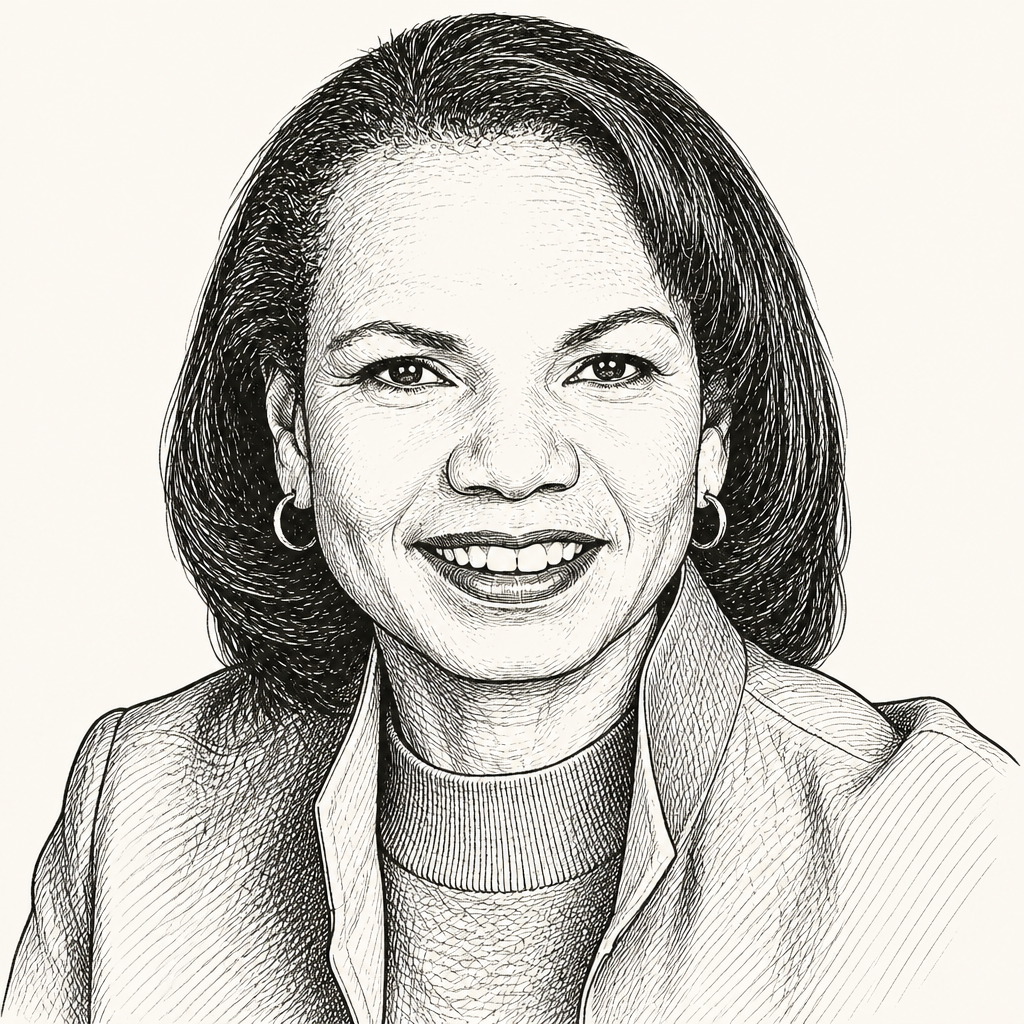
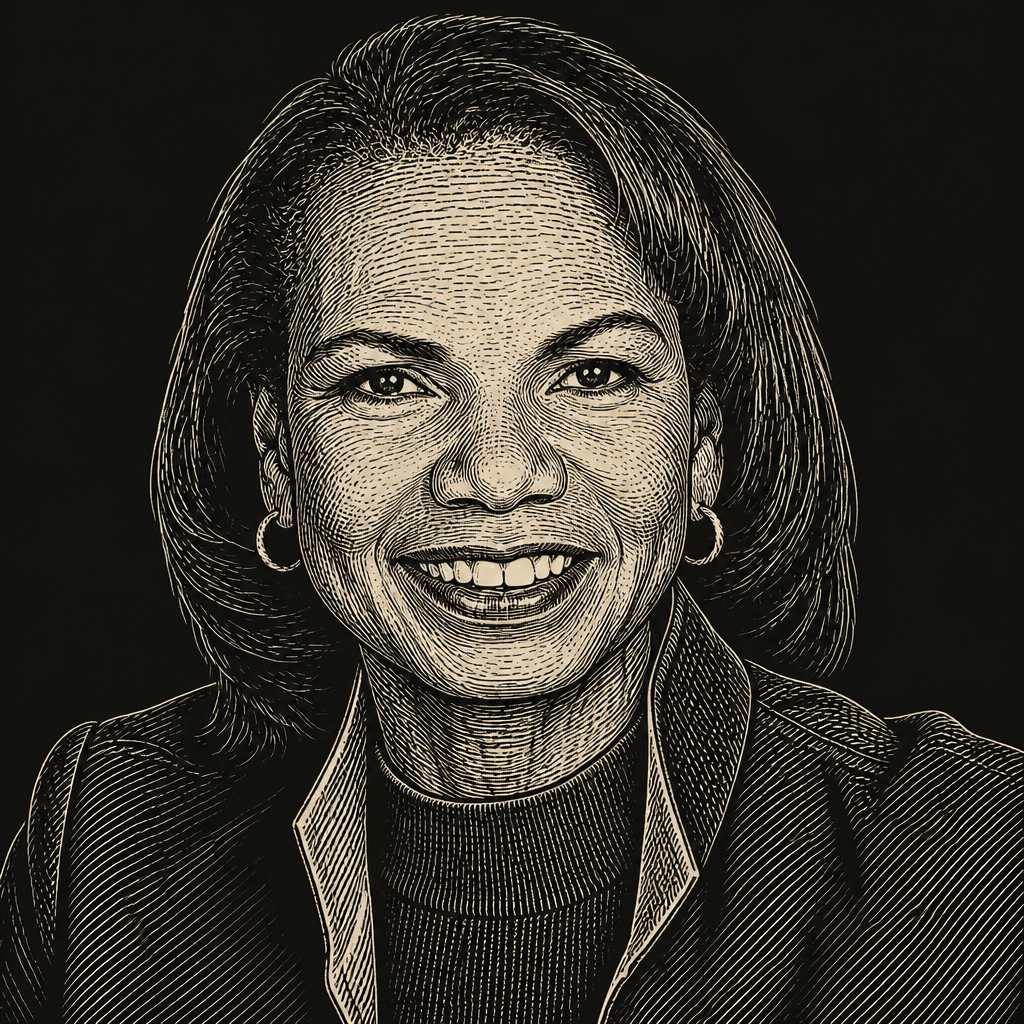
Condoleezza Rice said the program had done a great deal in its first ten years and looked ahead to the next decade and the one after it. Her reason was the continuing need for “informed, passionate, and compassionate leaders.”
That long view complements the anniversary’s immediate charge. Participants may not yet know where their careers will lead, but the speakers treated civic judgment and public participation as responsibilities that begin now.