George Shultz Combined Cold War Pressure With Diplomacy
 Rowena He
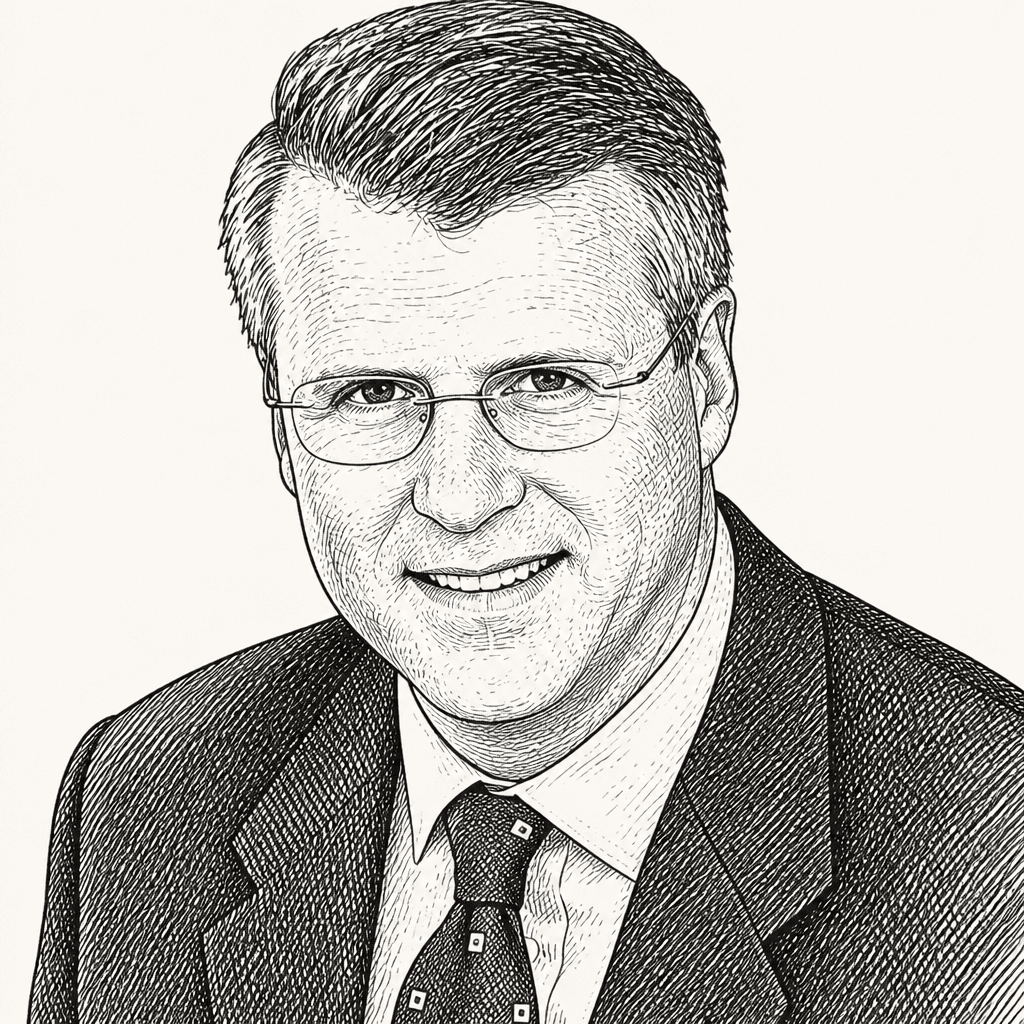 Peter Robinson
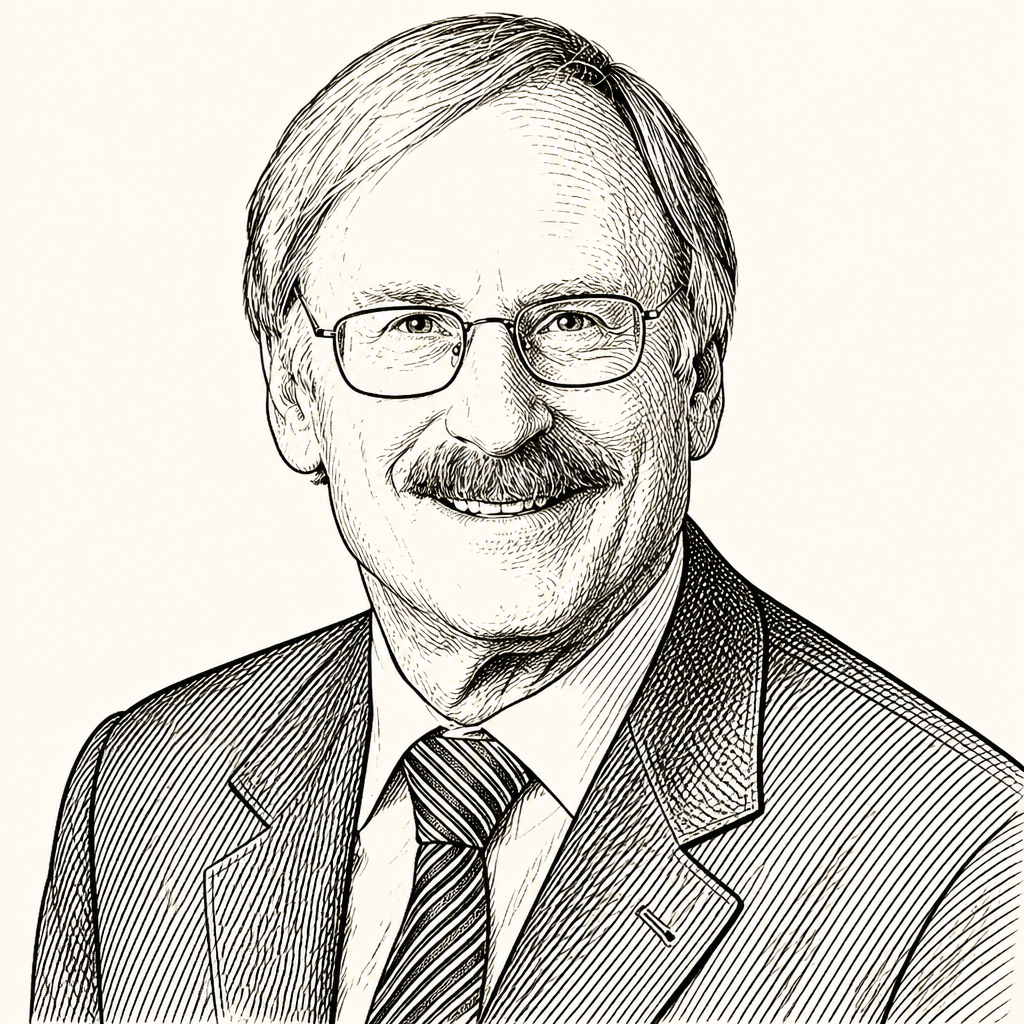
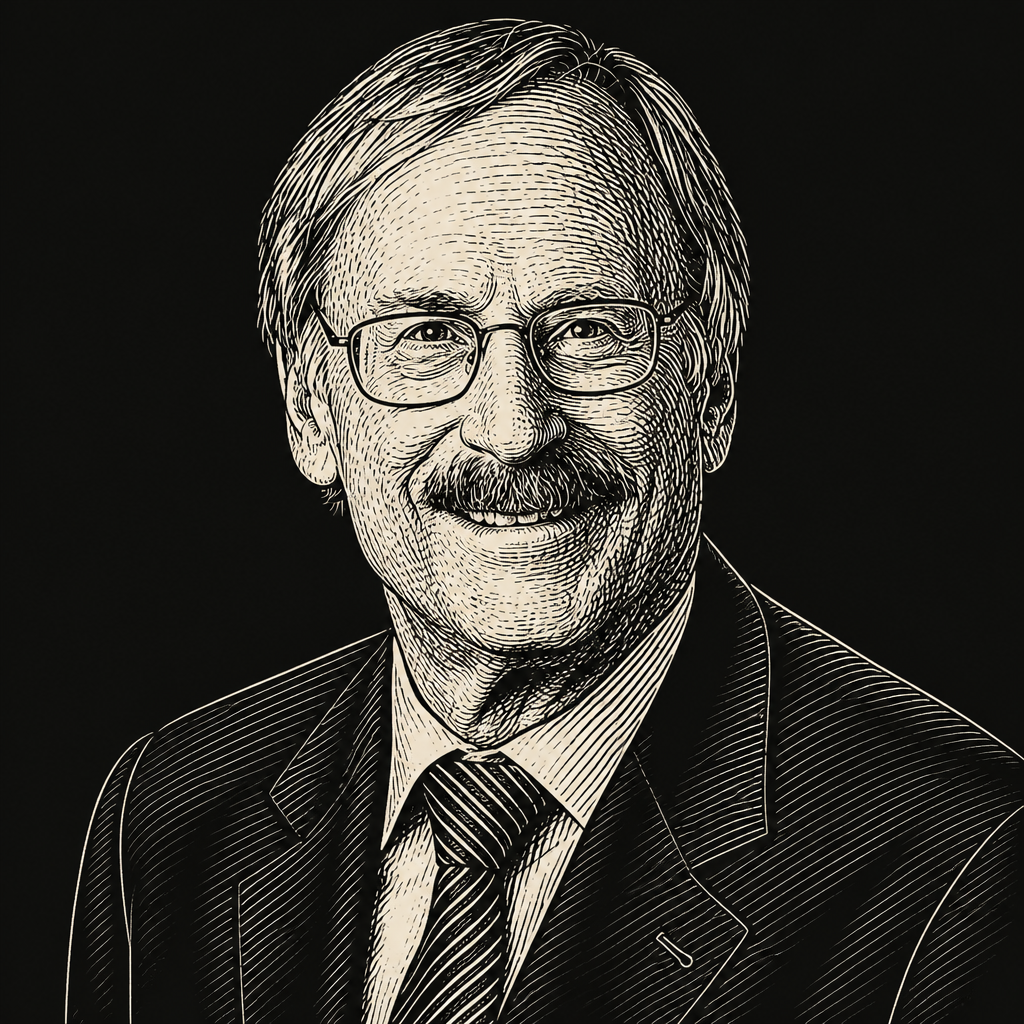
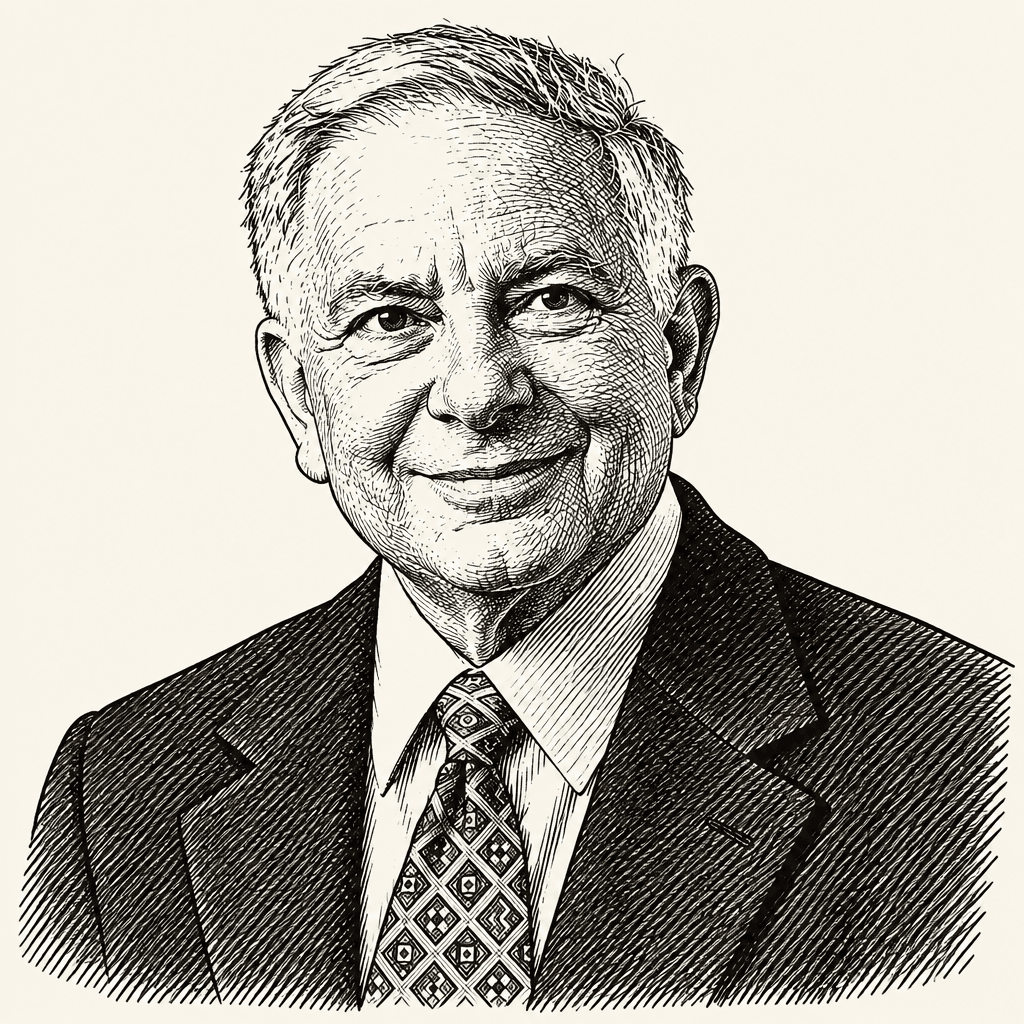 Abraham Sofaer
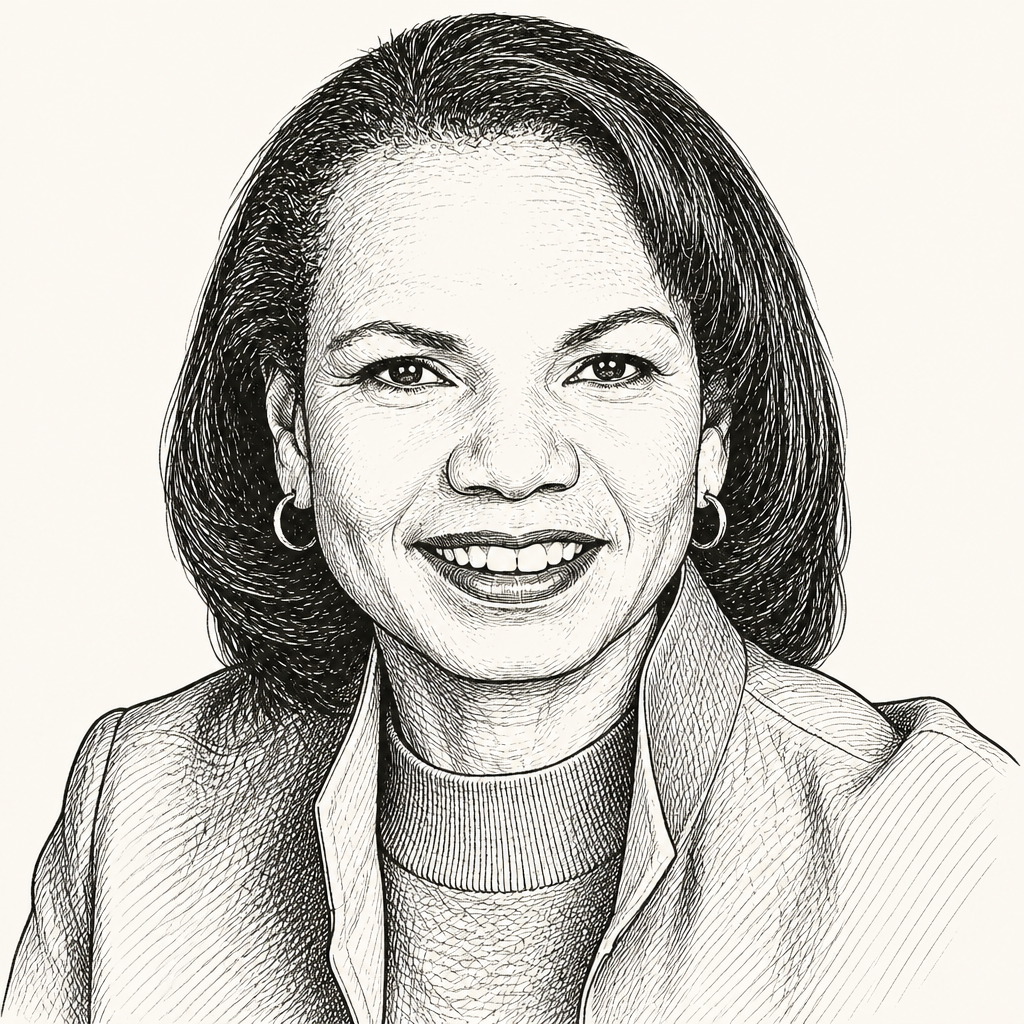
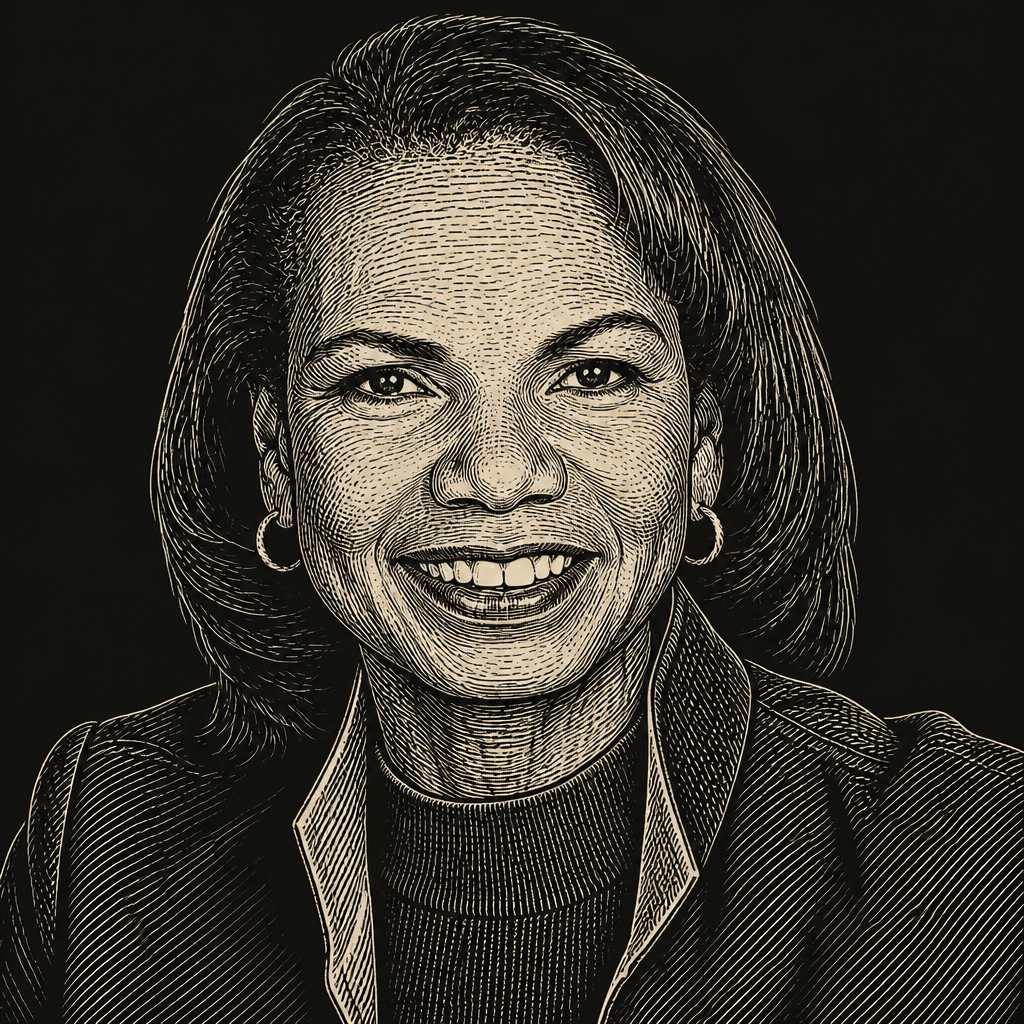
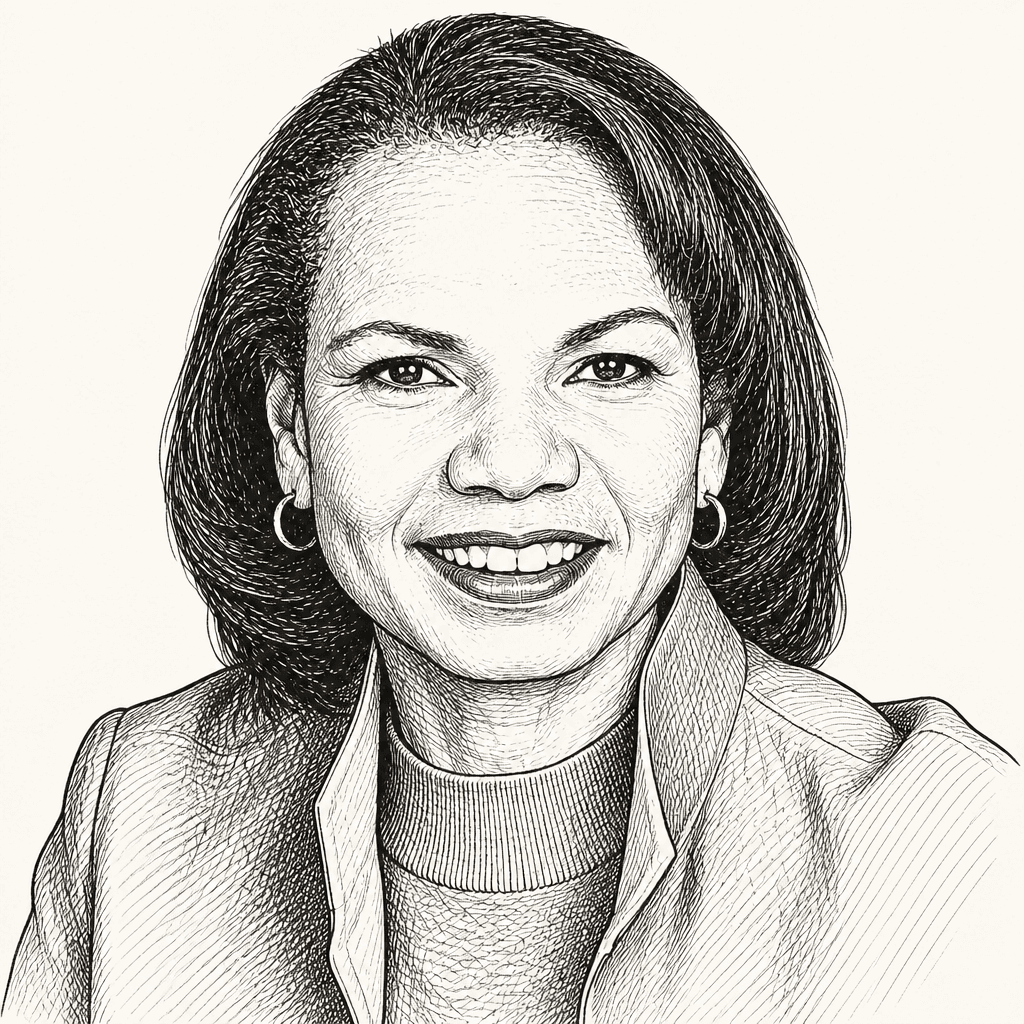 Condoleezza Rice
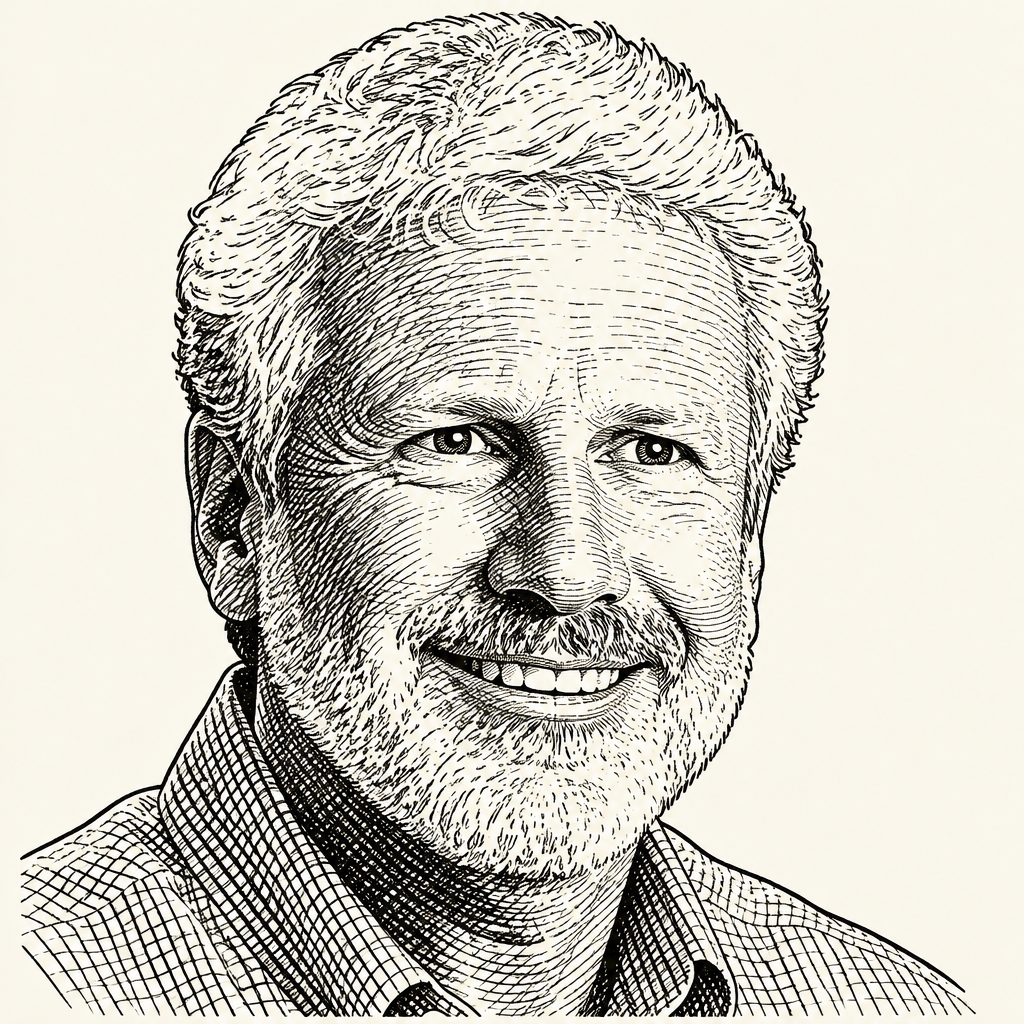
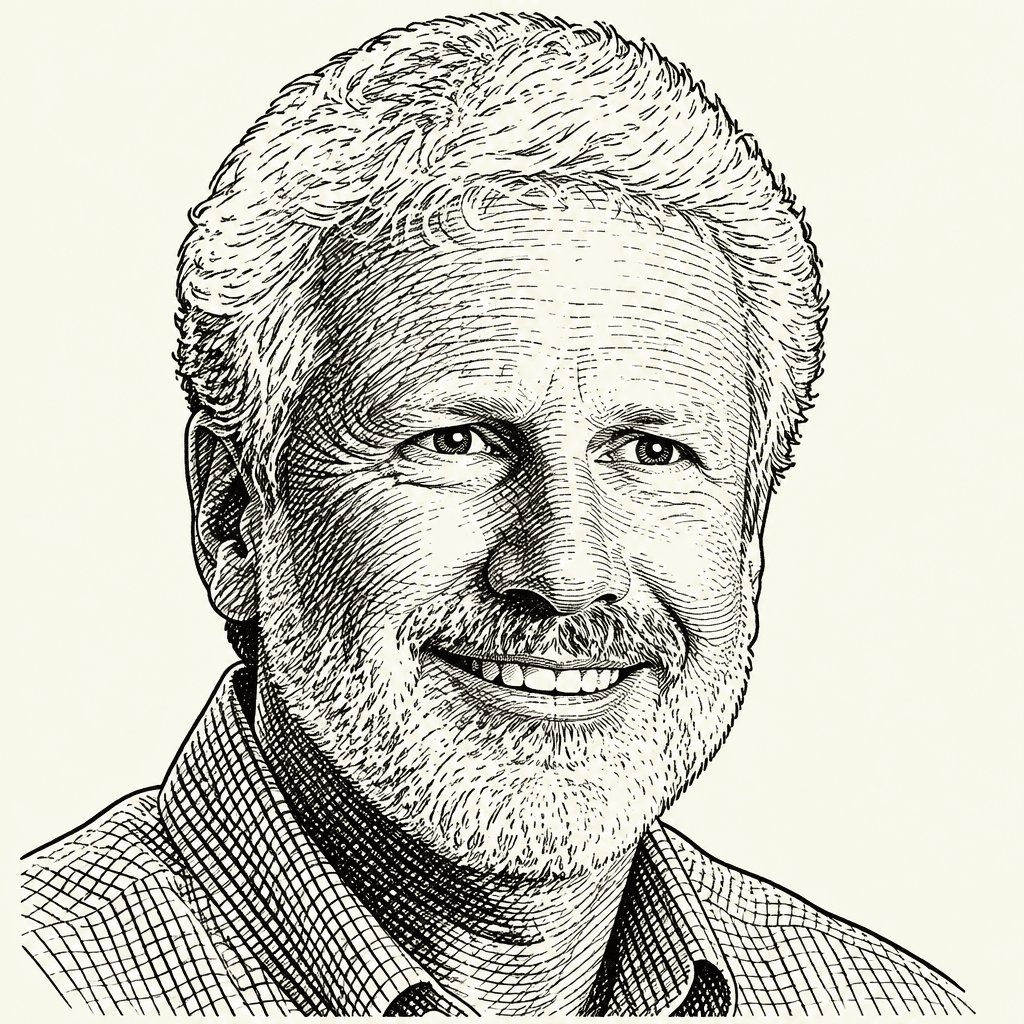 Philip Taubman
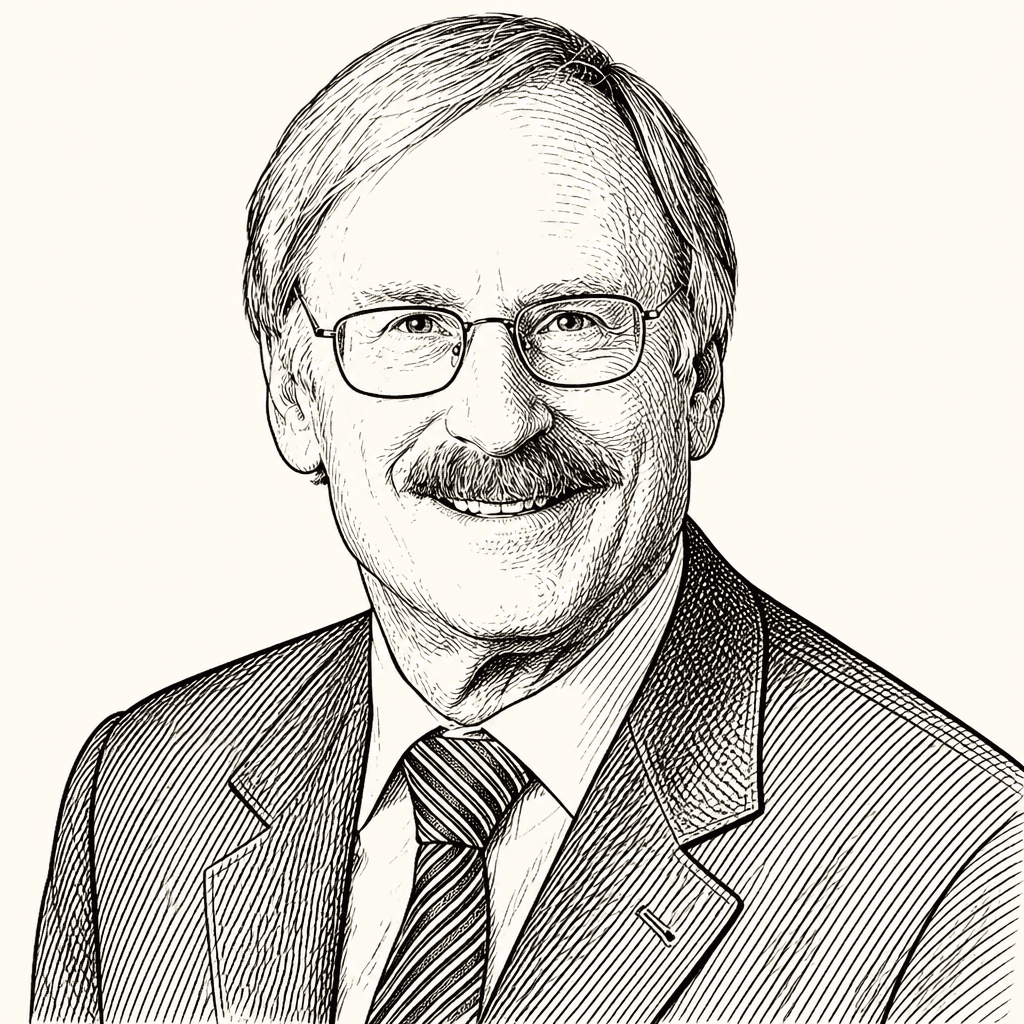 Michael Boskin
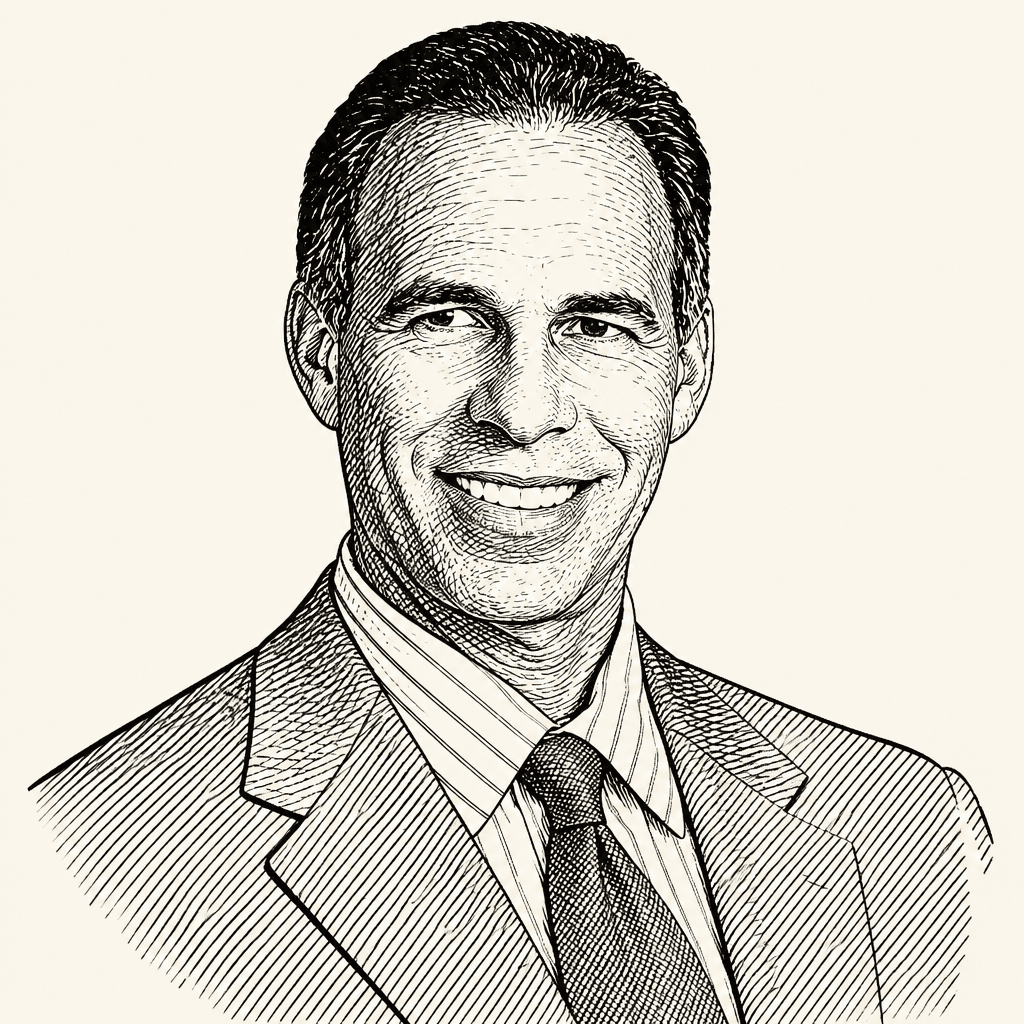 Jack GoldstoneHoover InstitutionSunday, October 11, 202623 min read
At a Hoover Institution memorial lecture, Condoleezza Rice, Philip Taubman, Michael Boskin and Abraham Sofaer portrayed George Shultz’s Cold War diplomacy as a combination of pressure on the Soviet Union and efforts to keep negotiations open. They argued that Shultz strengthened the U.S. position and helped Ronald Reagan pursue arms agreements, while his influence depended on persuading a president who retained the authority to decide. The panel also differed over whether the 1986 Reykjavik summit could have produced a workable deal.
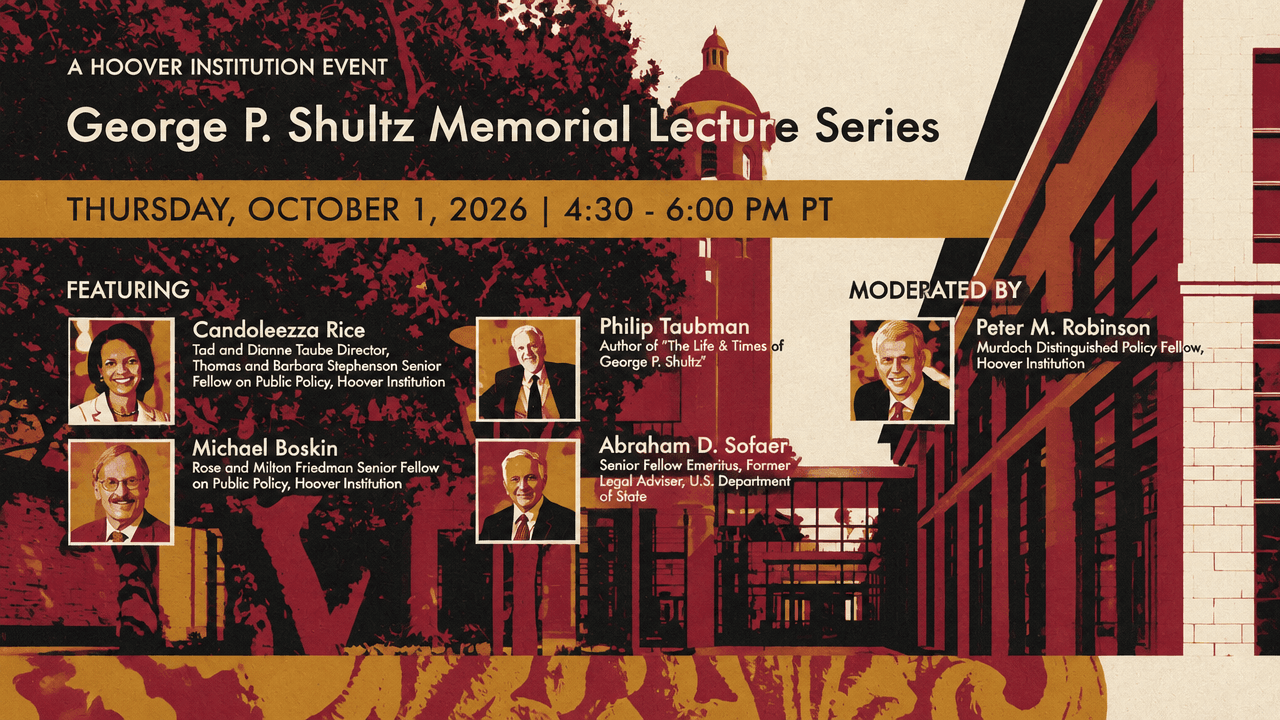
Shultz paired pressure on the Soviet Union with a search for room to negotiate
George Shultz did not see a choice between confronting Soviet power and trying to reduce the danger of confrontation. He wanted a strong defense and a firm response to communism, while also seeking opportunities to lower tensions and avoid a nuclear exchange. The panel’s account of his diplomacy turned on that combination—and on his ability to persuade President Ronald Reagan without forgetting that the president, not the secretary of state, made the decisions.
Shultz’s appointment as secretary of state in 1982 seemed unlikely to some experienced foreign-policy figures. Peter Robinson quoted Henry Kissinger’s assessment, made over dinner with Arthur Schlesinger Jr.: “George has no knowledge of foreign policy. He just doesn’t think in terms of foreign policy.” Robinson also recalled that Richard Nixon opposed the appointment on the grounds that Shultz had never dealt with U.S.-Soviet relations.
Condoleezza Rice challenged the assumption that the secretary of state needed a conventional foreign-policy résumé. The job, she said, was not simply a matter of meeting other foreign ministers. The secretary represented the president on a range of issues, including military and economic questions, and needed a department capable of carrying out policy. Shultz had already served as secretary of the treasury, secretary of labor, and director of the Office of Management and Budget. He also assembled a strong State Department team, including experienced diplomats such as Roz Ridgway.
Shultz himself regarded his economic training as relevant to diplomacy. Michael Boskin said that, for Shultz, economics trained the mind to think about constraints, trade-offs, and options. As a labor economist and then secretary of labor, Shultz had dealt with people on opposing sides of disputes: what each side needed, what it would accept, and where compromise might be possible. His years as president of Bechtel also brought him into contact with foreign officials, including energy ministers. He may not have spent as much time thinking about the Treaty of Westphalia as Kissinger, Boskin said, but Shultz was prepared for much of the job and learned quickly what he did not know.
That pragmatic approach met a difficult political environment. The Reagan administration’s national security team included officials who wanted not only to contain the Soviet Union but to defeat it. Philip Taubman described William Clark, Caspar Weinberger, and William Casey as part of a team with a hard line toward the Soviets. Shultz, Taubman said, arrived unprepared for the intensity of the internal conflict. When he sought to cool tensions, he could find himself facing several aides who opposed his approach.
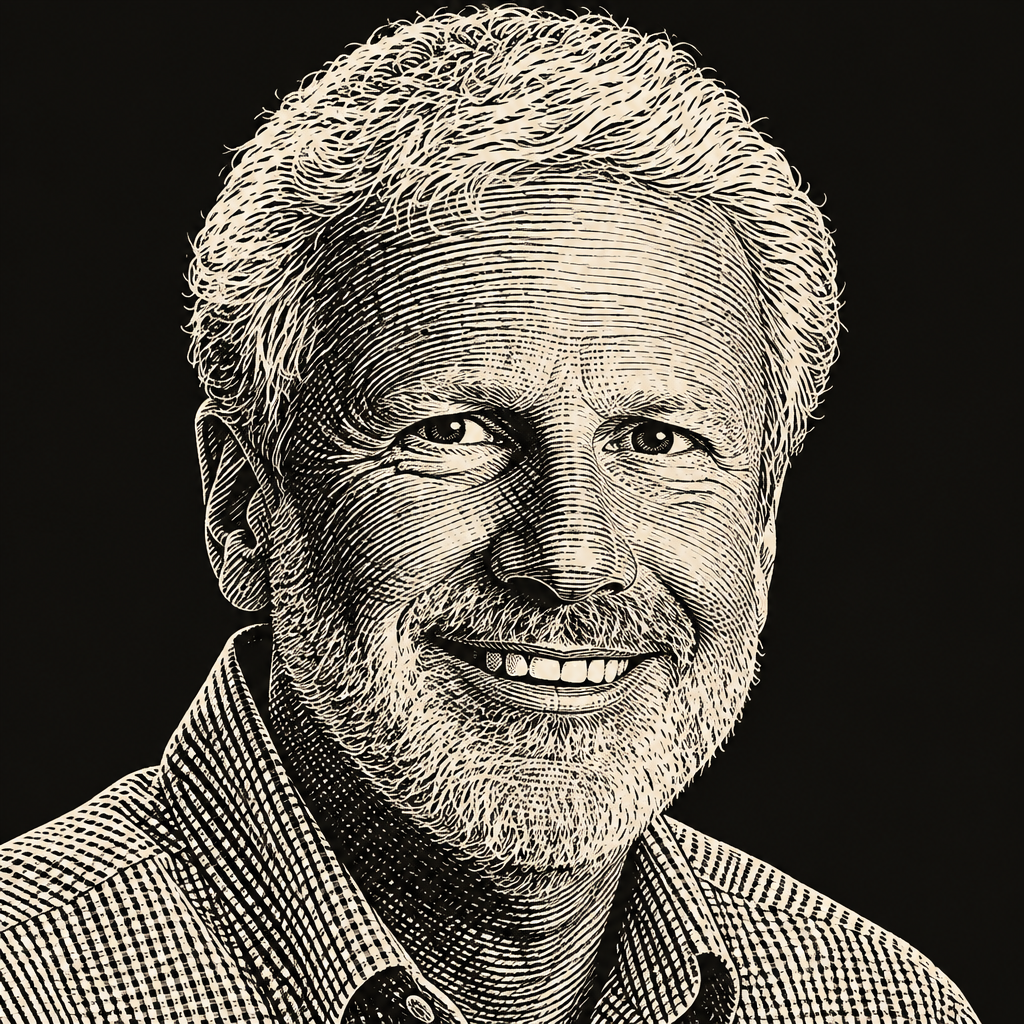
Taubman drew on the diary of Shultz’s executive assistant, Ray Seitz, to describe how those disputes unfolded. The diary records Shultz returning from a White House meeting and telling Seitz that he could not get a private meeting with the president to discuss U.S.-Soviet relations. Taubman said the diary records repeated occasions when Shultz’s efforts to moderate the conflict were blocked.
Abraham Sofaer pushed back on Taubman’s description of the lack of access as “crazy.” Staff knew, Sofaer said, that Shultz might get his way if they were not present, and they were not ready to accept that. Shultz was not soft on communism: he hated it and wanted to defeat it. But colleagues were suspicious of his gentlemanly manner, moderation, and scholarly approach. Sofaer remembered the sophistication of Shultz’s manner and plans.
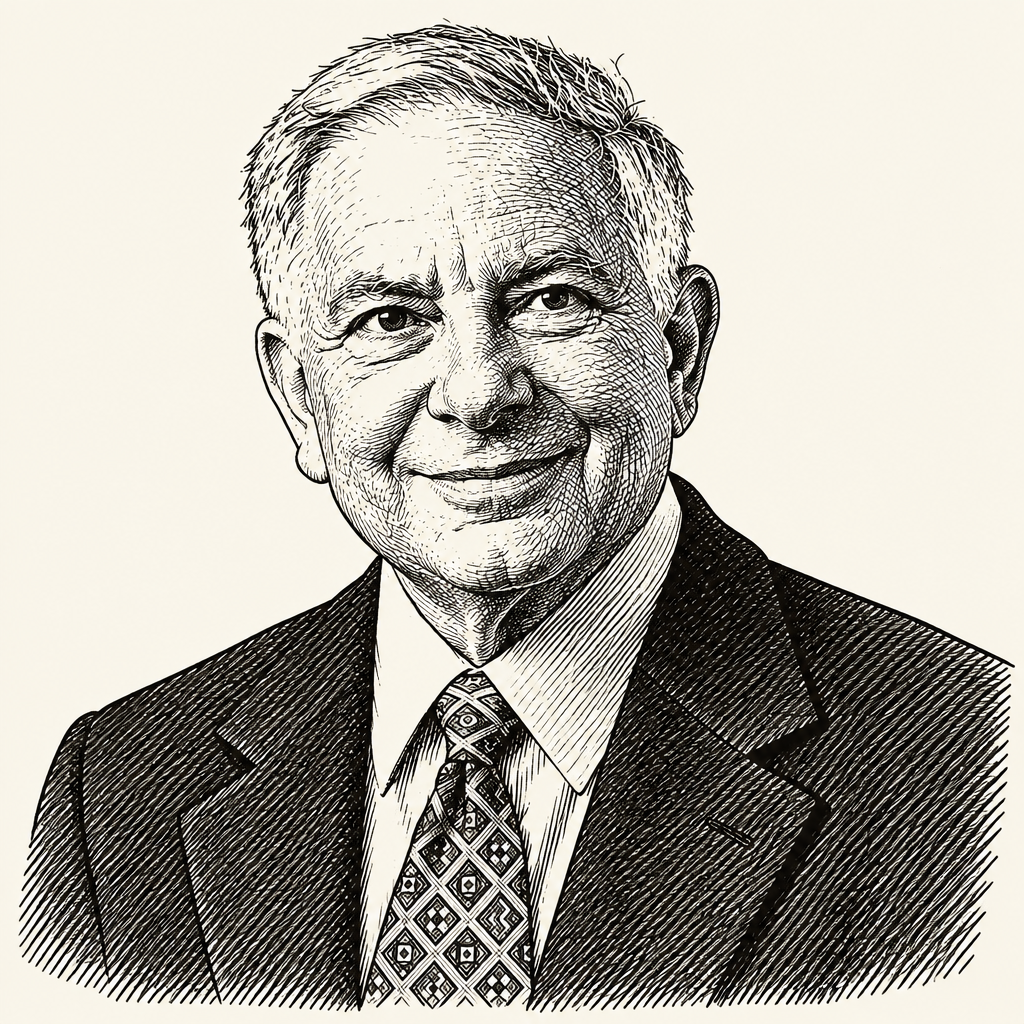
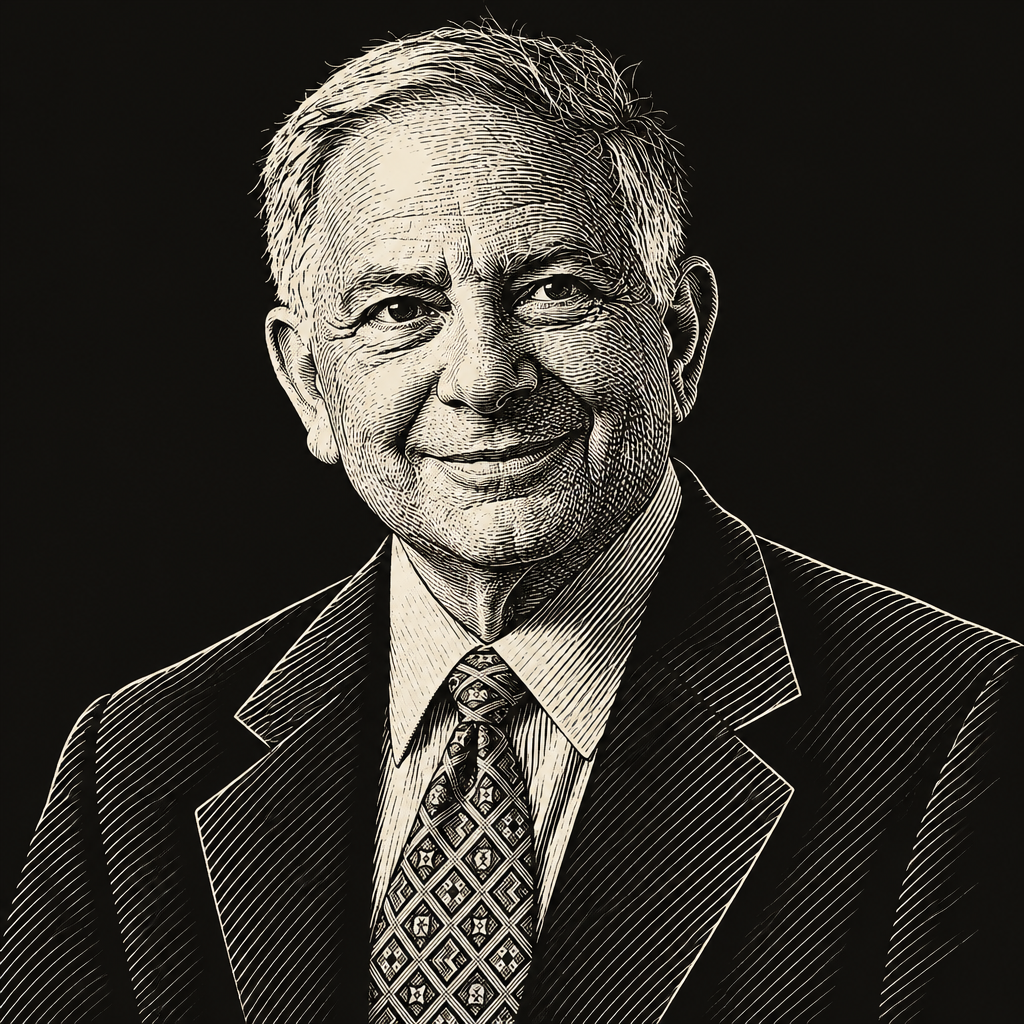
The tension Taubman described was not, in Shultz’s view, a reason to avoid argument. He wanted to oppose the Soviet Union and supported a stronger Pentagon, Taubman said. At the same time, Shultz believed that tensions had to diminish if the two countries were to avoid a nuclear exchange. His approach called for both pressure and a channel through which the sides could negotiate.
That channel depended in part on the working relationship between Shultz and Reagan. Sofaer described them as being on the same team. Shultz liked Reagan, understood him, and believed the president would give him room to work. When Shultz spoke privately with his staff about Reagan, Sofaer recalled, he would say the president had “fire in his belly” and knew what he wanted.
Rice framed the limits of the secretary’s authority directly: “You weren’t the one elected.” The president, she said, was responsible for determining American foreign policy. A secretary of state needed a relationship in which he or she could tell the president honestly, “Mr. President, I think this,” or “I think you’re making a mistake here.” When the president decided, the secretary either carried out the decision or concluded that he or she could not. Shultz did not tell Reagan what he must do; he prepared his arguments and tried to persuade him.
Rice pointed to Reagan’s “tear down this wall” speech as an example. Within the foreign-policy establishment, she said, Shultz was the one who believed Reagan should say it. The speech was still “quintessentially Reagan,” in her view, but Shultz helped shape the president’s instincts. She said Shultz ultimately persuaded Reagan toward his approach to U.S.-Soviet policy.
That account of persuasion should not be mistaken for a claim that Reagan was uninformed. Boskin recalled meeting Reagan at Shultz’s home in 1979, at a dinner with Milton Friedman and other economists. Reagan was more sophisticated about economics than his later portrayal suggested, Boskin said. A president could not know everything about every subject, but needed familiarity with many: missile capabilities, foreign countries, economics, domestic policy, Congress, and political relationships.
Rice added that Reagan spent time at Hoover discussing the Soviet Union with historian Robert Conquest and nuclear weapons with Edward Teller. She recalled that Conquest’s estimates of deaths during the purges were controversial in the Soviet-studies community, and that Reagan’s conversations with Teller informed his interest in the Strategic Defense Initiative. The president’s knowledge was not the same as a secretary of state’s, Rice said. The secretary’s job was to advise and persuade while remembering who had the authority to decide.
You weren’t the one elected.
The distinction between presidential authority and a secretary’s expertise mattered throughout the panel’s discussion of Reagan’s Cold War policy. Shultz could make arguments, prepare for decisions, and try to shape the president’s instincts; he could not substitute his judgment for the president’s. Sofaer’s description of the two men as a team and Rice’s account of the president’s final authority are complementary: Shultz’s influence depended on a working relationship, not on an independent mandate.
The 1983 deployment tested whether the alliance could hold under pressure
The deployment of American intermediate-range nuclear forces in Western Europe was one of two turning points Shultz identified in the Cold War. In the mid-1970s, the Soviet Union began deploying SS-20 missiles, which could strike targets in Western Europe but not the United States. Shultz wrote that, without a countermeasure, Europe would be vulnerable to Soviet pressure and efforts to split the allies from the United States.
At the Williamsburg summit in 1983, the United States and its allies recommitted to deploying intermediate-range missiles in Europe by November unless an agreement with the Soviets was reached. The following six months involved negotiations, public opposition to deployment, and the effort to hold the alliance together. Robinson recalled a nuclear-freeze protest in London’s Hyde Park, a Central Park concert headlined by Bruce Springsteen, and a motorcade carrying Vice President George H.W. Bush through Germany that was pelted with rocks and bricks. The negotiations did not produce an agreement. In November, Pershing missiles were deployed in Britain, Italy, and West Germany.
Rice distinguished those unsuccessful negotiations from the later effort to negotiate zero. She said the successful negotiation came with the 1987 INF Treaty. The deployment decision itself was a watershed in her view, in part because Soviet leaders believed they could prevail. Rice recalled that some officials proposed reducing the missiles by half on both sides. Reagan rejected that proposal with the phrase, “What part of zero do you not understand?” Rice described this as part of the effort to negotiate zero, not as an exchange during the talks that preceded the November 1983 deployment.
Rice connected the deployment and the American defense buildup to Soviet calculations about the costs of competing. She cited writing by Soviet military figures, including Marshal Nikolai Ogarkov, then chief of the general staff. Rice recalled Ogarkov writing about the implications of American defense spending and the use of space-based sensors. She attributed to him the claim that the Soviet Union was spending roughly 45 percent of its GDP on defense and that its military effort was becoming ineffective. Rice said Ogarkov was fired, and argued that Gorbachev took the underlying warning seriously.
Taubman connected the deployment to what Shultz had observed on visits to the Soviet Union while serving in government during the Nixon administration. Shultz understood the country, Taubman said, as economically backward and politically frozen by Communist Party rule, apart from its nuclear arsenal and large ground forces. Taubman presented this as Shultz’s assessment. Shultz believed the deployment could apply pressure both militarily and economically. Gorbachev, then a member of the Politburo, had a clearer view of the Soviet Union’s economic weaknesses than many of his colleagues, Taubman said. Once Gorbachev became general secretary in 1985, he was looking for ways to wind down a conflict that the Soviet Union could not afford to continue.
The American economic recovery also mattered to the panel’s account. Boskin said a strong U.S. economy provided resources for a substantial defense budget. Inflation had peaked at 13 percent in 1980, and the recession ended in 1982. The economy then grew strongly for several years. If growth had remained weak, Boskin said, it would have been harder to win agreement for continued increases in defense spending.
Boskin also recalled that academic analysis was beginning to challenge CIA estimates of the Soviet economy’s size. Production figures could obscure waste, he said, describing steel being produced and then melted down again to meet targets. He added that Shultz believed television coverage of the 1984 Seoul Olympics had helped Soviet citizens see that South Koreans were better off. Boskin said he had never established whether Shultz heard that directly from Gorbachev; he offered it as one of Shultz’s views about pressures on the Soviet system.
European governments were part of the deployment decision as well. Sofaer emphasized that allies cooperated with the United States in allowing the missiles to be deployed in Western Europe. He singled out West German Chancellor Helmut Schmidt for standing by the decision despite opposition within Germany. Schmidt and Shultz remained friends for years. The policy, in Sofaer’s account, depended on European leaders as well as the American administration.
Taubman’s later experience as a correspondent in Moscow made the Soviet economy’s shortages tangible. After moving there in 1985, he recalled seeing long lines outside stores that had little to sell—sometimes only potatoes and cabbage. Boskin added a detail from Hedrick Smith’s book The Russians: people carried the clothing sizes of friends and family in case a queue led to something worth buying. Shoppers might line up once to choose an item, again to pay, and a third time to collect it. Taubman said Shultz had formed his view of the Soviet Union through his own travels; the shortages he later saw in Moscow gave that view a visible form.
The deployment did not itself produce the later treaty. Rice stressed that the negotiations before deployment had failed; the zero agreement came later. What she and Taubman emphasized about 1983 was the pressure the decision created, including the burden of sustaining allied support amid public opposition. Sofaer’s account of Schmidt’s role underscored that alliance cohesion was not automatic.
Reykjavik left the value of SDI—and the limits of Soviet reform—open
At the October 1986 Reykjavik summit, Gorbachev presented proposals for sharp reductions in nuclear weapons. Reagan responded with proposals that went further, including the elimination of entire classes of nuclear weapons. Negotiations appeared to bring the leaders close to agreement, but Gorbachev insisted that the United States keep the Strategic Defense Initiative confined to the laboratory for ten years.
Shultz believed Gorbachev needed to secure a concession on SDI. Robinson quoted Shultz’s account of Reagan responding to Gorbachev’s concern that SDI could give the United States a first-strike capability. Reagan argued that the proposed treaty would require the elimination of ballistic missiles before SDI could be deployed, making a first strike impossible. As Shultz recounted it, Reagan passed him a note asking, “Am I right? Am I wrong?” Shultz whispered back, “No, you’re right.” The summit ended without an agreement.
Abraham Sofaer said Shultz was right to support Reagan. Whether Reagan was right or wrong on the substance was not the point, Sofaer argued: the president needed Shultz’s backing, and SDI was worth the price of missing an agreement.
Rice offered a different view of what Reykjavik might have achieved. She agreed that the United States should not have traded away SDI, but doubted that the leaders were ever going to reach a workable agreement to eliminate ballistic missiles. She also argued that Gorbachev’s concern about SDI was not simply imposed on him by the Politburo. Soviet military leaders viewed the initiative as a challenge to command and control and the ability to respond in a crisis, not only as a system for shooting down missiles. Rice referred to Ogarkov’s writing about space-based sensors and the possibility that American capabilities could enter the Soviet decision cycle.
The disagreement was about both the bargaining and the technology. Sofaer supported Reagan’s refusal to limit SDI, while Rice questioned whether the sweeping disarmament proposal could have been realized. Rice and Taubman also emphasized that Soviet leaders could not know exactly what the United States might achieve. For Rice, the strategic significance of SDI included the wider technological capabilities required to operate in space. Taubman described the contest as one in which the United States was bringing its technological and economic strengths to bear—strengths he said the Soviet Union could not match.
Rice linked that imbalance to the way the Soviet system distributed resources. The military sector received the best of what the country produced, while ordinary people had few choices. She described an economy in which consumers might have to accept the shoes available in a particular size because that was what had been made. She said the Soviet leadership came to recognize that civilian technologies supporting American military capabilities were part of a broader economic advantage. Rice recalled Gorbachev telling Eduard Shevardnadze, “You do know, comrade, that everything is rotten?” and Shevardnadze answering, “I know that everything is rotten.”
Taubman asked whether Gorbachev might have returned from Reykjavik and told the Politburo that he had tried to contain SDI, failed, and now had to pursue economic reform. Rice said that was possible. She also interpreted Gorbachev’s later proposals to reduce Soviet forces in Europe as evidence that he believed the military competition could not continue. Rice recalled that in his December 1987 United Nations speech Gorbachev said the Soviet Union would no longer enforce the Brezhnev Doctrine and proposed major reductions in Soviet forces in Europe. She remembered initially suspecting the proposals were a subterfuge, but said they included reductions in forces stationed in East Germany.
Michael Boskin emphasized a different part of Gorbachev’s choices. In Boskin’s view, Gorbachev put political reform ahead of economic reform, unlike Deng Xiaoping in China, who prioritized economic change while retaining the party’s power. Glasnost—the opening of the Soviet press—allowed greater public discussion, but also helped release nationalist movements in the Soviet Union’s constituent republics. Boskin’s point was that political liberalization exposed forces while the economy continued to stumble.
Rice agreed that Gorbachev made mistakes about the order of reform, but offered a reason he might have chosen that path. She thought he believed economic change was impossible without first weakening the Communist Party apparatus and its corrupt officials. Gorbachev may also have believed that openness and reduced coercion could reform Soviet society. “What he didn’t know was there was no such thing,” Rice said of the idea that a new Soviet citizen would emerge from those changes.
Boskin’s later experience advising Gorbachev on economic reform gave him a view of the practical obstacles. President George H.W. Bush sent him to Moscow to help with a plan for turning the Soviet Union into a market economy in 500 days. Boskin thought the timetable reflected a poor understanding of what the transition required. Gorbachev and his advisers, he said, still thought largely in terms of inputs and outputs, as if the economy were a supply operation. Some Soviet firms had found ways to trade for what they needed by stockpiling goods such as cigarettes and women’s stockings. Barter, Boskin said, filled gaps left by the planning system.
An audience question about the contrast between Soviet and Chinese reform brought another explanation. Historian Jack Goldstone said Russian economists he knew had argued that they could not create a competitive market economy without displacing factory managers and local Communist officials who controlled resources and participated in underground exchange. He suggested Gorbachev faced a similar problem: to revitalize the economy, he believed he had to weaken the people who controlled it. Goldstone contrasted this with China, where the destruction of the professional managerial class during the Cultural Revolution meant Deng faced a different starting point. “Where you go depends not only on where you want to go, but where you start,” he said.
Rice agreed that Gorbachev may have believed he had to break the hold of the party before he could reform the economy. She described the Communist Party he inherited under Brezhnev as deeply corrupt and said Gorbachev’s push for openness was in part an effort to expose that corruption. Boskin added that Poland’s reformers faced a different calculation: Leszek Balcerowicz concluded that gradual change would let political interests obstruct reform, so he pursued “shock therapy.”
The panel did not treat Gorbachev’s intentions as a guarantee of what he could accomplish. Rice believed he sincerely wanted a different Soviet Union, but said the unresolved question in 1989 was whether he could deliver change without being removed by those who saw him as a threat. As Eastern Europe broke away and German reunification came into view, she said, the Soviet Union still had millions of troops in Europe. On the day the Berlin Wall fell, it was not obvious that those forces would simply remain in place.
Rice recalled Gorbachev telling her that he wanted the Soviet Union to become “a normal country.” She believed him, but distinguished his intentions from his ability to carry them out. During discussions of a possible financial rescue for the Soviet Union, she recalled President George H.W. Bush warning that if word got out that Washington had considered a large bailout, Gorbachev might be removed. For Rice, the uncertainty was not whether change had begun, but whether Gorbachev could sustain it at home.
Could he deliver? Was there somebody who was going to come and decide he was a traitor and therefore he would wake up dead in his bed one day? I mean, those were the questions of 1989.
Trust created channels for diplomacy, not certainty about its outcome
The relationship between Shultz and Soviet foreign minister Eduard Shevardnadze was central to the panel’s account of how negotiations proceeded. Boskin said the top-level decisions belonged to Reagan and Gorbachev, but Shultz and Shevardnadze conducted negotiations. Shevardnadze succeeded the hard-line Andrei Gromyko and brought a different style to the role. Shultz recognized an opportunity to build a relationship with him.
Boskin recalled a meeting in Helsinki at Finlandia Hall, where delegations were seated according to the French names of their countries. The American delegation sat near the front; the Soviet delegation was higher up. Before the trip, Shultz had told his wife he wanted to establish a relationship with the new foreign minister. At the meeting, Shultz left the American table and walked up to shake Shevardnadze’s hand. Boskin remembered a hush falling over the hall as people watched.
Years later, while researching his biography of Shultz in Tbilisi, Taubman visited Shevardnadze, who had left office and was suffering from Parkinson’s disease. Shevardnadze had an aide bring him the Christmas cards Shultz and his wife Charlotte had sent after both men had left government. He had kept them. Taubman described the cards as a sign of the personal relationship between two men who had worked together on agreements that wound down Cold War tensions.
Shultz’s first meeting with Gorbachev, in March 1985, also prompted a discussion of his judgment. Gorbachev had been general secretary for only two days when he gave an unusually wide-ranging account of foreign policy at the Kremlin. Shultz later told Vice President Bush that the Soviet Union had a different kind of leader. Sofaer cautioned that the change was apparent to other State Department officials as well; he did not see Shultz’s reaction as an exceptional prediction. What mattered, Sofaer said, was Shultz’s ability to anticipate an opportunity and act on it.
Sofaer believed Gorbachev came to trust Shultz because Shultz was trustworthy. If Shultz was uncertain about something he was saying, Sofaer recalled, he would say so. He explained himself rather than projecting certainty he did not have. His credibility, Sofaer said, helped him respond to the change in Soviet leadership.
Taubman cited Gorbachev’s later assessment: “Without Reagan, the Cold War would not have ended. But without Shultz, Reagan would not have ended the Cold War.” Rice agreed, with a qualification. The conditions for ending the Cold War had been set, she said, but the outcome still depended on whether Gorbachev could deliver change in the Soviet Union. Reagan’s defense spending and positions on conflicts including Afghanistan and Central America helped set those conditions; Shultz’s diplomacy was another part of the process. Rice stressed that the transition still had an uncertain chapter in 1989.
The relationship between disagreement and trust also mattered inside the administration. Shultz wrote that substantive arguments did not worry him; he would worry more about an administration whose members agreed on every subject. Sofaer recognized that as characteristic. Shultz liked a good argument, he said, but disliked phony arguments and “baloney.” In Sofaer’s account, disagreement was useful when it was honest and substantive rather than personal.
Shultz’s idea of a global economic and security “commons” extended his emphasis on cooperation. Taubman quoted Shultz’s 2013 book Issues on My Mind: “The United States must recreate a global and economic security commons that will benefit us as well as the rest of the world.” Rice said Hoover’s Global Commons Initiative took its language directly from Shultz. The idea, she said, was that free people and independent societies could work together on shared problems. If international politics were treated as entirely zero-sum, Rice argued, the result would be conflict at best and war at worst.
Condoleezza Rice described one practical expression of Shultz’s approach as building “habits of cooperation.” She applied it to work with South Korea on North Korea. The United States had not achieved denuclearization, she said, though she believed the effort had slowed North Korea for a time. Her approach was to ensure South Korea was at the table rather than allowing North Korea to negotiate separately with Washington and divide the allies. Japan also needed to be involved, and Rice said Russia and China should be included in any eventual effort. Working together helped the parties secure United Nations Security Council resolutions, she said, including with China and Russia involved.
Rice connected that approach to Shultz’s belief that relationships were cultivated over time. Even when a negotiation did not produce immediate success, working together could make cooperation more likely later. Boskin added a limit: Shultz did not believe every problem could be solved, or solved at a given moment. Some problems, including North Korea’s nuclear program, had to be managed.
Audience questions about China and artificial intelligence tested how far Shultz’s ideas could be carried into different circumstances. Taubman said some people, including Milton Friedman and Singapore’s Lee Kuan Yew, had expected economic liberalization to encourage political change in China. Shultz was close to Lee and, Taubman said, hoped that a generation of leaders trained in the West might eventually move China toward a more open system. Taubman did not think Shultz accepted that prospect without reservation; when Rice asked whether he meant Shultz doubted it, Taubman summarized his stance as “trust but verify.”
Asked what Shultz might have thought about China’s development after 1989, Rice said he lived long enough to see the relationship become more difficult. She thought he would have emphasized American values and strength, the need to find a way to live with China while protecting American interests, and the importance of allies. Shultz maintained relationships with former Japanese and South Korean foreign ministers, she said, and would have seen those relationships as useful in managing the China challenge. He also would have continued speaking about human rights: Rice described his belief that America had to be “a voice for the voiceless.”
Historian Rowena He challenged the idea that China and the Soviet Union simply faced the same choice about reform. She argued that Chinese leaders drew lessons from Gorbachev and decided against political liberalization. In her account, the 1989 crackdown in Tiananmen Square showed the contrast: China chose to preserve party control, while Gorbachev did not use force to keep the Soviet Union together. Rice agreed that Chinese leaders drew lessons from Gorbachev and had resolved not to repeat his course. Taubman recalled that Gorbachev had visited Beijing only weeks before Tiananmen Square.
Rice mentioned earlier moments when Gorbachev could have used force, including the riots in Tbilisi in April 1989. She said it remained uncertain whether he refrained because he thought force would fail or because he did not want to use it; she tended toward the latter explanation. The exchange left the reasons for Gorbachev’s restraint as an interpretation, not a settled answer.
On artificial intelligence, Sofaer said Shultz believed in free markets but also in government action where there was genuine danger. He thought Shultz would have wanted a properly chosen group to advise the president. Rice cautioned that it was hard to project a person from another time into today, but said Shultz believed the United States should lead in important technologies, as it had in nuclear technology. He would have sought scientific expertise rather than assuming political specialists could answer technical questions themselves.
Taubman recalled Shultz bringing technical experts together to discuss drones around 2014 or 2015. One scenario considered how a large number of drones might attack American ships, overwhelming the sophisticated defenses around an aircraft carrier. Taubman offered the discussion as an example of Shultz looking ahead. He also named an instance in which Shultz’s judgment failed: Shultz believed in Theranos because he thought it represented a game-changing technology.
Boskin remembered Shultz as someone who gathered information before making decisions and remained engaged once he took an interest in an issue. He recalled taking Shultz to the Jet Propulsion Laboratory, where, at 95, Shultz watched images from a camera on the Mars rover. Boskin said Shultz had known little about space before the visit, but was curious and attentive to what he was shown.
A public servant’s influence depended on attention to people and ideas
The personal recollections offered a view of the habits the panel associated with Shultz’s public work: listening closely, gathering information, and taking an interest in people. Sofaer said Shultz knew the names of all six of his children and was sincere in wanting to be close to the people around him. He remembered him as a leader of integrity and analytical ability, with nothing phony about him.
Taubman described a professional relationship built around clear boundaries. Shultz asked him to write his biography around 2010. Taubman told him it was Shultz’s life but Taubman’s book: he needed Shultz’s cooperation, but Shultz could not control the contents. Shultz accepted those terms. Near the end of Shultz’s life, Taubman sent him chapters. Shultz pointed out historical errors and sometimes argued for a different interpretation, but left the final judgment to the author. Taubman said Shultz also gave him exclusive access to tens of thousands of papers held at Hoover.
Boskin’s friendship with Shultz began in the early 1970s, when Shultz was treasury secretary and invited him to advise a commission on private philanthropy and public needs. Shultz was concerned about efforts to eliminate charitable deductions from income and estate taxes. Boskin said the work helped end that effort, and their relationship continued through government, Stanford, and business. Shultz sometimes asked Boskin to take on new work; Boskin would object that he was busy, then do it and thank Shultz afterward. He remembered Shultz as a listener who accumulated information, identified what mattered, and stayed engaged.
Rice called Shultz both mentor and friend. When George W. Bush asked her to become secretary of state, Shultz was the only person she called. He told her it was the best job in government and that she should take it. She also recalled their shared interest in golf. After Shultz had stopped playing because he thought his game had left him, friends arranged a round in which he was supposed to play from 100 yards in. When another golfer hit a poor drive, Shultz got out of the cart and offered to show him how it was done.
The memories were not only of a serious public servant. Boskin recalled a photograph in Shultz’s conference room of Shultz in white tie dancing with Ginger Rogers. Taubman described a theatrical joke at San Francisco City Hall, where Shultz and Charlotte staged a scene in which she descended from the ceiling as a damsel in distress and Shultz revealed a Superman shirt beneath his suit. At Shultz’s 90th birthday celebration, Taubman remembered him grabbing the microphone and saying, “I’m still in the game!”
Asked what students without personal memories of the Cold War should retain about Shultz, Rice named the honor of public service, love of country, and skill in diplomacy. Shultz often compared diplomacy to gardening, she said: relationships needed continuing care. He did not see public service as a project about himself, but as work for his country.
Rice applied that principle to the U.S.-South Korean relationship. She recalled a visit to South Korea and a commemoration of the anniversary of the Inchon landing. At an event marking the United States’ 250th birthday, she said, six Korean War veterans in their nineties were shown first as young men who had come from places such as Minneapolis, New Jersey, and Texas to fight for people they did not know, and then as the older men present in the room. Rice said the event made the alliance’s history visible and reinforced the importance of sustaining it.
For North Korea, Rice said, cooperation among the United States, South Korea, and other relevant countries was essential. She credited Shultz’s example with teaching her that habits of cooperation could matter even when negotiations did not achieve their immediate goal. Boskin’s qualification remained: some problems could not be solved at a particular moment and had to be managed. Rice’s account of diplomacy suggested what that management required—keeping relationships and cooperation intact while the outcome remained uncertain.