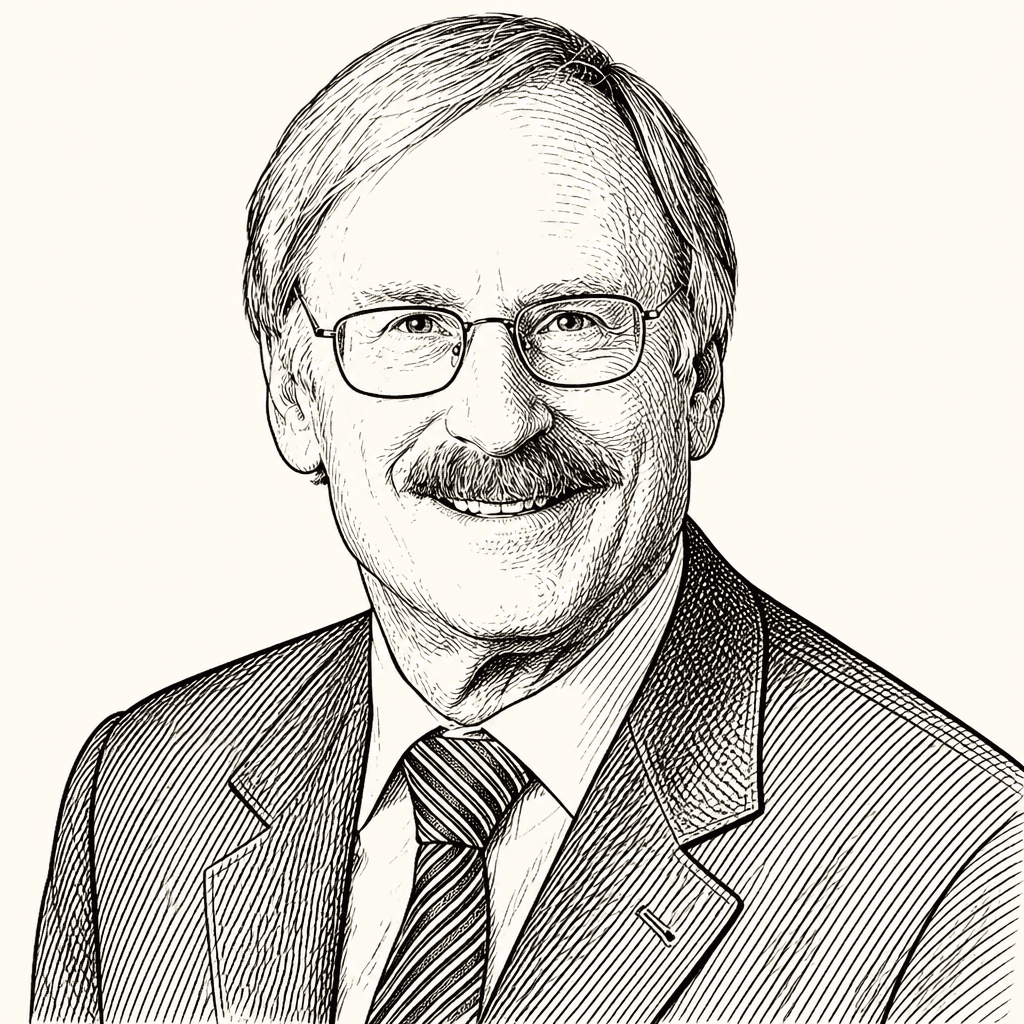
Michael Boskin
Michael Boskin is the Rose and Milton Friedman Senior Fellow on Public Policy at the Hoover Institution and the Tully M. Friedman Professor of Economics at Stanford University. An economist, he previously chaired the President’s Council of Economic Advisers from 1989 to 1993. citeturn1view0
Thomas Sowell Used Economic History and Evidence to Challenge Conventional Wisdom
Hoover economists John Cogan, Michael Boskin and David Henderson trace Thomas Sowell’s influence to a method that joined economic history with close scrutiny of assumptions and evidence. They argue that Sowell used that method to challenge ideas from Say’s Law to Keynesian economics, then brought economic reasoning to a broad readership through clear prose and concrete examples.
Taiwan Deterrence Depends on Allied Industry, Logistics, and AI
Hoover Fellow Eyck Freymann argues that the United States has a narrowing five-to-eight-year window to deter Chinese coercion or military action against Taiwan, as China’s local missile, industrial and geographic advantages outpace many U.S. long-term defense programs. In conversation with economist Michael Boskin, he contends that deterrence will depend less on any single weapon than on a resilient system of allied access, logistics, undersea forces, air defenses, secure supply chains and privately developed AI and space capabilities.
American Strategy Succeeds When Force Serves Bounded Political Aims
Brookings senior fellow Michael O’Hanlon argues in To Dare Mighty Things that American strategy works best when military power, alliances and deterrence serve a bounded political purpose—and fails when force is asked to remake societies or achieve ends leaders have not clearly defined. In a conversation with Hoover’s Michael Boskin, O’Hanlon calls this approach “resolute restraint”: maintain credible power and defend vital interests, but commit to war only when its objectives, means and durable political support align.