Autonomous Driving Race Turns on Architecture, Cost, and Deployment
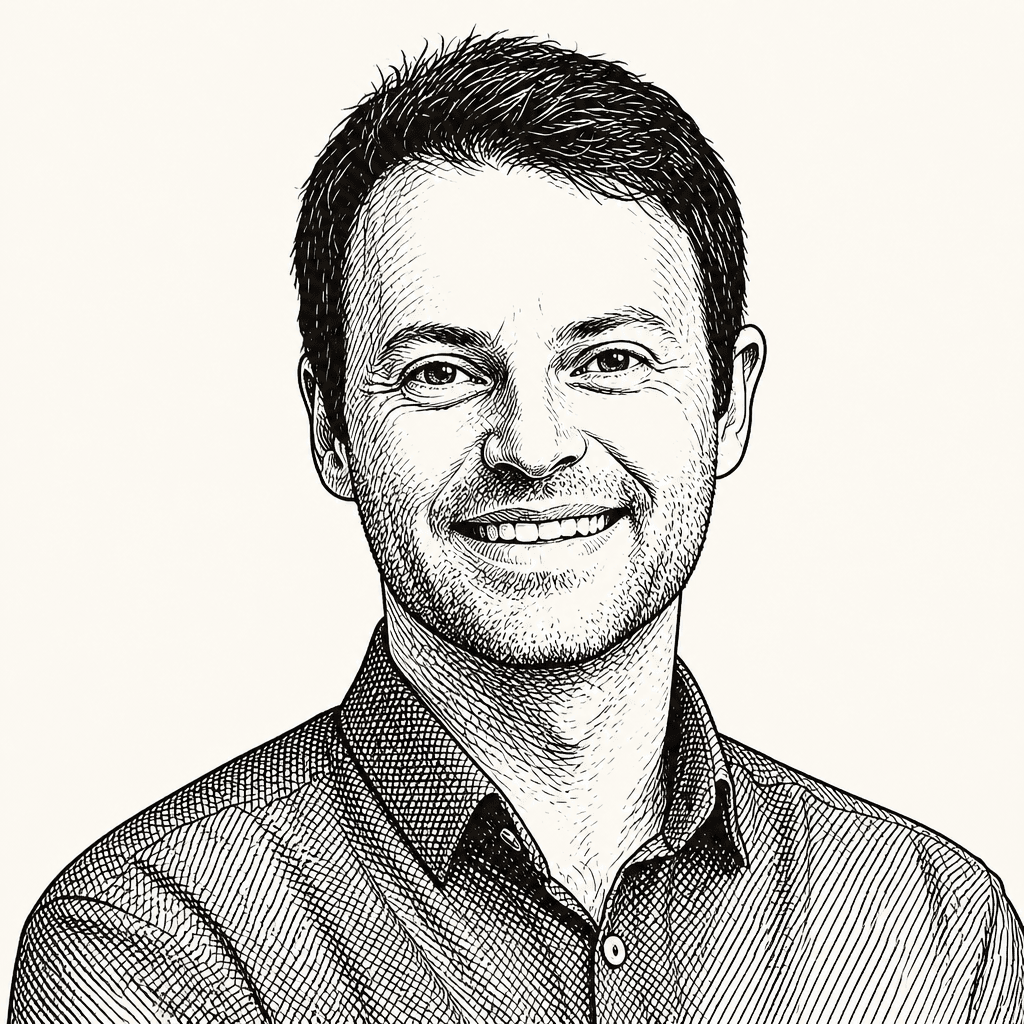 Alex Kendall
 Thomas Ohe
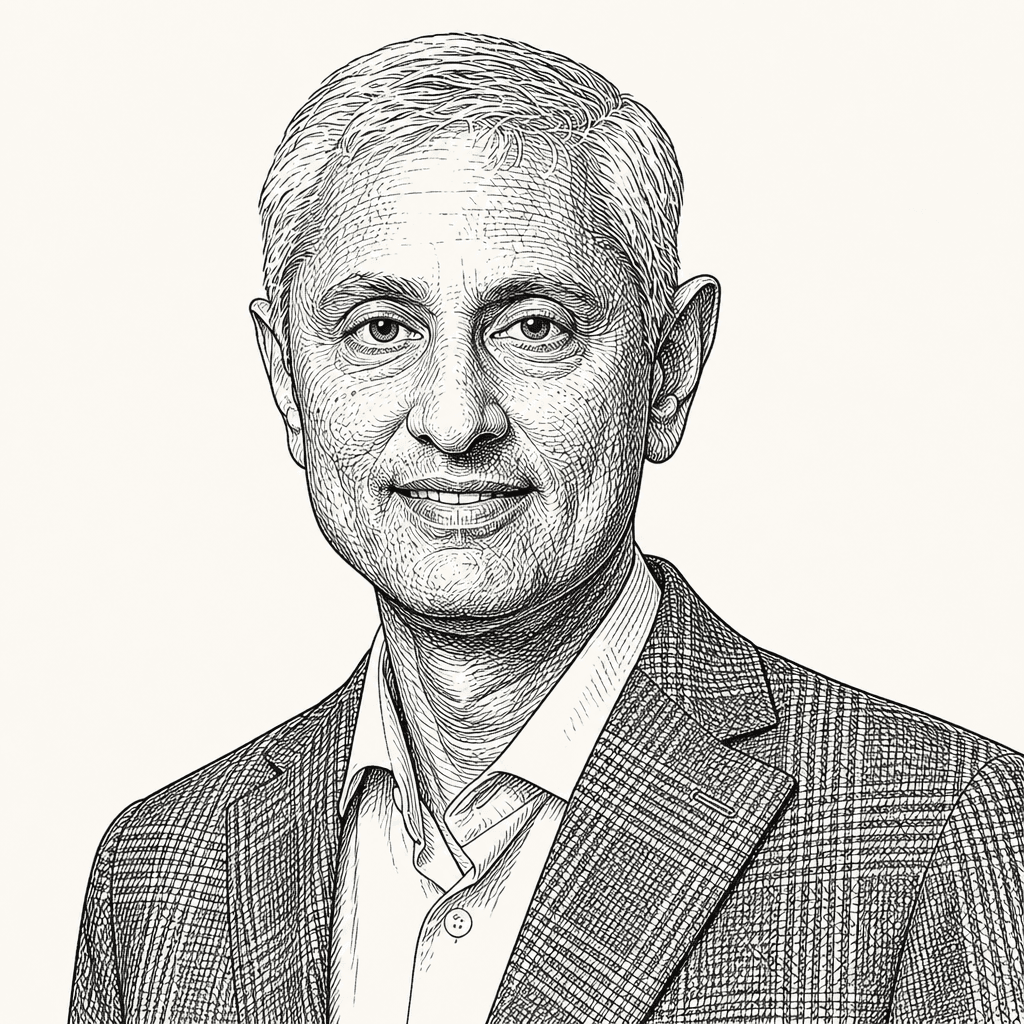 Srikanth Thirumalai
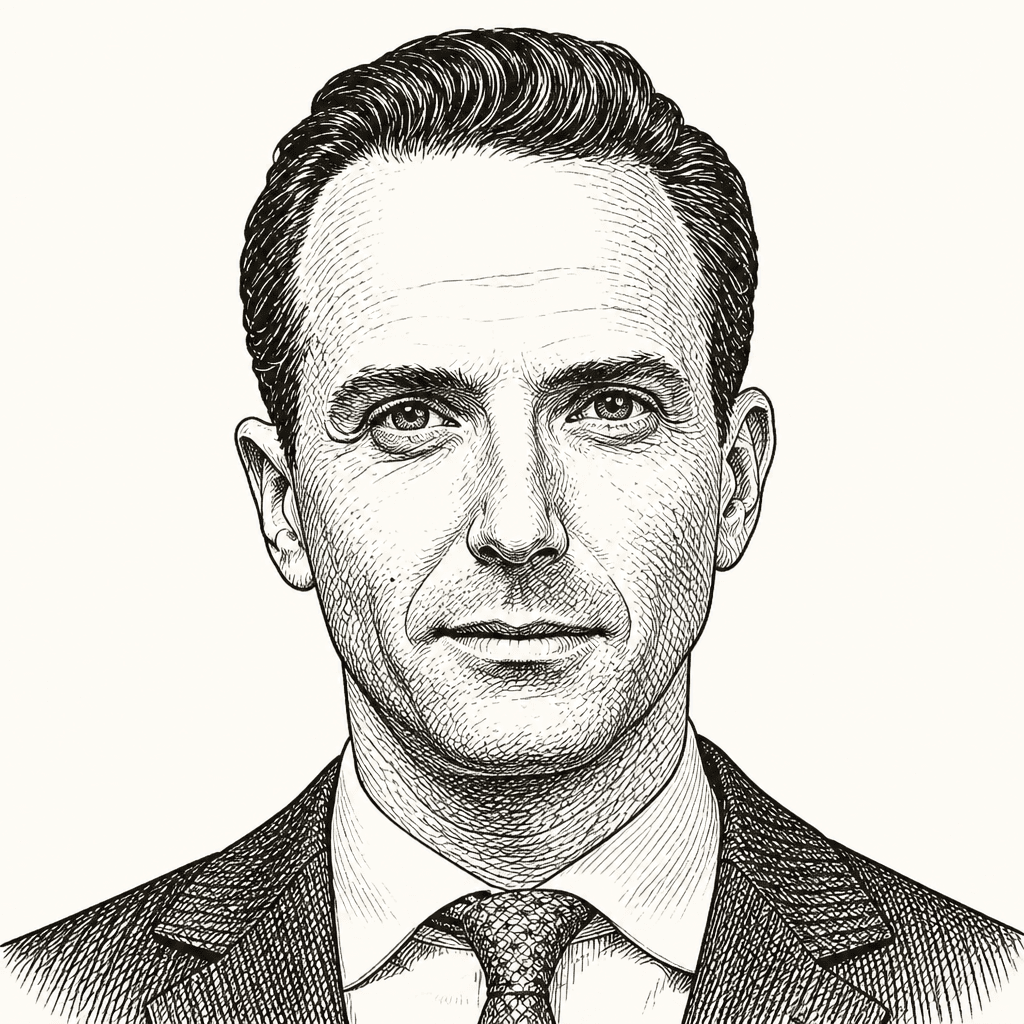 Tom Mackenzie
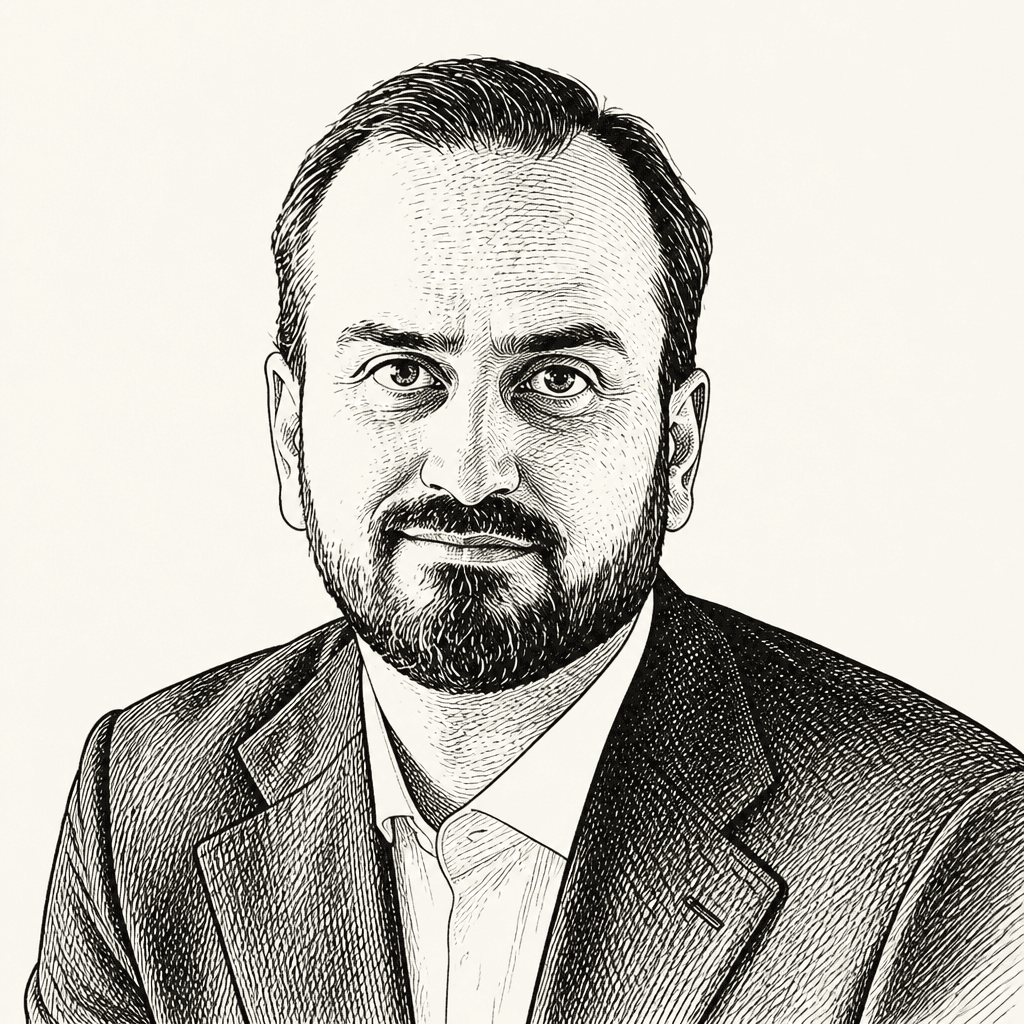 Roozbeh Charli
 Stella LiBloomberg TechnologyFriday, May 8, 202613 min read
Bloomberg’s Tom Mackenzie frames the autonomous-driving race as a contest between systems that work now and systems designed to scale later. In Bloomberg Tech: Europe, he contrasts Waymo’s mapped, sensor-heavy safety stack with Wayve’s end-to-end AI model, while executives from BYD, Einride and Vay argue for other routes through vertical integration, autonomous freight and remote driving. The central question is not only which technology can drive, but which architecture and business model can win regulatory, customer and fleet trust at scale.
The autonomy race is a fight over architecture, cost, and deployment
The current self-driving contest is split among three approaches: systems that use mapping and lidar, systems that rely on end-to-end AI, and hybrid setups that combine elements of both. The practical question is which design can move from technical promise to broad deployment.
Tom Mackenzie set up the contest through Waymo and Wayve, two companies making different bets. Waymo is “leading today,” he said, with a system built from lidar, radar, cameras, detailed maps, and a step-by-step driving stack. Wayve is “banking on what comes next,” using cameras and a single AI model trained to drive from data. The trade-off is immediate deployment versus scalability: Waymo is already operating on roads but needs maps, more expensive hardware, and city-by-city rollout; Wayve is still testing but does not depend on maps, uses cheaper hardware, and could scale faster.
| Company | System described | Deployment position | Scaling trade-off |
|---|---|---|---|
| Waymo | Lidar, radar, cameras, HD maps, step-by-step system | Live today | Needs maps, higher-cost hardware, slower rollout |
| Wayve | Cameras, AI model, one system learns to drive | Testing | No maps, lower-cost hardware, potentially faster rollout |
Mackenzie said both companies are due to launch in London later this year, turning the city into a direct test of the two models. His formulation was blunt: “Waymo works now. Wayve could work everywhere. The future may lie somewhere in between.”
That “somewhere in between” matters because the technical disagreement, as presented through the interviews, is not reducible to cameras versus lidar. Wayve’s Alex Kendall said sensor choice depends on the product and argued for a model that can support multiple configurations. Waymo’s Srikanth Thirumalai argued that hardware and software layers sit inside a broader safety system of simulation, validation, and real-time checks. The unresolved question is whether broad deployment comes from simplifying the stack around a general AI model, building a more elaborate safety and validation system around the driving software, or some convergence between the two.
Wayve’s bet is that a general driving model can scale across vehicles and cities
Alex Kendall said building an end-to-end AI system for driving required “a completely different approach” to safety, infrastructure, simulation, data, and even the embedded architecture on the car. Wayve, he said, has spent the past decade building that system from the ground up.
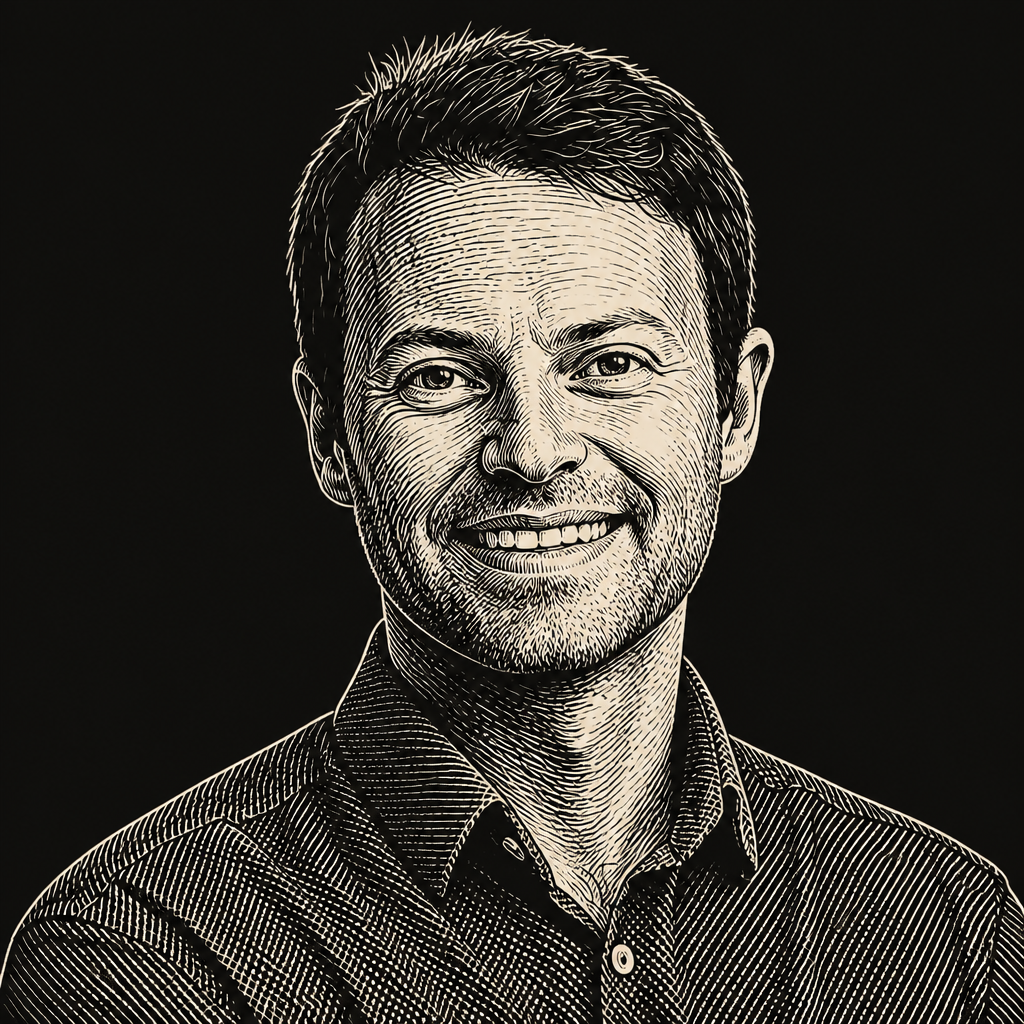
The company’s strategy is not only technical. Kendall separated three business models now emerging in autonomy. Tesla sells its own cars, which he said limits the system to Tesla’s brand and fleet. Waymo builds and operates its own fleets, a model he described as capital-intensive and city-by-city. Wayve has chosen a third path: licensing its embodied AI platform to fleets and manufacturers.
Kendall argued that this model is more scalable because most fleets and manufacturers will find it more efficient to partner with an AI platform than to build a complete autonomy system on their own. In his telling, Wayve’s advantage comes from data and leverage across partners: as the company works with more of the industry, the data it can absorb can support a safer, more cost-effective, and higher-performing solution than any one manufacturer can build on its own.
That licensing model also shapes Wayve’s view of sensors. When Mackenzie pressed Kendall on Waymo’s argument that lidar and radar provide redundancy and therefore safety, Kendall did not reject redundancy outright. He said the answer depends on the product being built. Some products may be better with cameras only; others with radar; others with lidar. Because Wayve wants to deploy “in any vehicle anywhere,” Kendall said, it has to support multiple sensor configurations.
The claim is that the core system is not a fixed sensor package, but a physical AI model that can drive across configurations: camera-only systems in some cars, radar in others, lidar in others. Kendall’s emphasis was less on a doctrinaire rejection of hardware than on making the system work across many vehicle types.
Mackenzie also raised Tesla, whose technology appears from the outside to be closer to Wayve’s than Waymo’s. Kendall said Wayve and Tesla today have “a similar benchmark and performance of safety,” while claiming Wayve has reached that level with “a fraction of the data and compute” seen in Tesla’s solution. As Wayve receives data from large-scale consumer fleets through partners around the world, Kendall said, it expects to scale up.
Today ourselves and Tesla have a similar benchmark and performance of safety. But we've built that with a fraction of the data and compute.
Kendall also treated geography as part of the company’s origin story. As a New Zealander running a global company from London, he said he does not want Wayve to be only a local success. He described the company as a global business trying to compete at the frontier, technically and commercially.
The argument for London is more specific than national pride. Kendall said being outside Silicon Valley helped Wayve avoid the assumptions that shaped many companies descended from the DARPA Grand Challenge and early Google self-driving efforts. London also forced a different approach because it is, in his words, a “2000-year-old city” with a more complex driving environment than San Francisco: far more roadworks, more cyclists and pedestrians, more merging, roundabouts, and interactive traffic scenes.
Kendall claimed London has about 20 times more roadworks and about 10 times more cyclists and pedestrians than San Francisco. For him, those conditions made detailed mapping and remotely supported systems less attractive and pushed Wayve toward a system that could generalize.
The Wayve demonstration was a claim about onboard intelligence, not just a smooth ride
The demonstration in King’s Cross was used to show what Kendall means by a scalable architecture. Mackenzie noted during the drive that the safety driver had not touched the wheel; Kendall replied that they would not do so on that drive. He said the model was running onboard the vehicle, making decisions locally rather than relying on a remote driver.
The car, Kendall said, was driving with six cameras and one radar, using “hundreds of dollars” of compute and sensors. He characterized that as the kind of stack that could go into mass-market vehicles. The route was in North London, with cyclists, traffic, and a diversion ahead. Kendall said all driving decisions were being made onboard using onboard intelligence.
The most important technical explanation came when Mackenzie asked how the car interprets signals such as whether another vehicle is indicating. Kendall contrasted Wayve’s approach with traditional autonomy engineering. A conventional system, he said, might build an indicator detector, a car detector, a traffic-light detector, and then add logic or learned systems to reason over those detected objects. Mackenzie summarized that as: in scenario A, do scenario B.
Kendall said such systems can be built with billions of dollars but become complex and unwieldy. Wayve’s approach, he said, is not to tell the car what features to look for or how to behave in predefined situations. Instead, it defines the desired outcome and lets the data teach the model how to drive. He called this a world model: a learned representation that can reason and predict how scenes will unfold without being explicitly instructed on every feature.
We don't tell the car how to behave. We simply say, hey, here's the end outcome you need. Let the data speak for itself.
Mackenzie described the ride’s return to Wayve as smooth and without mishaps. Kendall said the system felt more confident than the version he had ridden in with Mackenzie roughly a year and a half or two years earlier, adding that it “keeps getting better by orders of magnitude every year.”
Waymo argues safety comes from the full stack: driver, simulator, and critic
Srikanth Thirumalai described Waymo’s system as a triad: the driver, the simulator, and the critic. The driver is the onboard software that runs the car. The simulator is the virtual environment where Waymo tests the car before deploying it on roads. The critic is software that detects suboptimal performance in simulation or the real world, allowing Waymo to identify weaknesses, improve the driver, and verify in simulation that fixes worked.
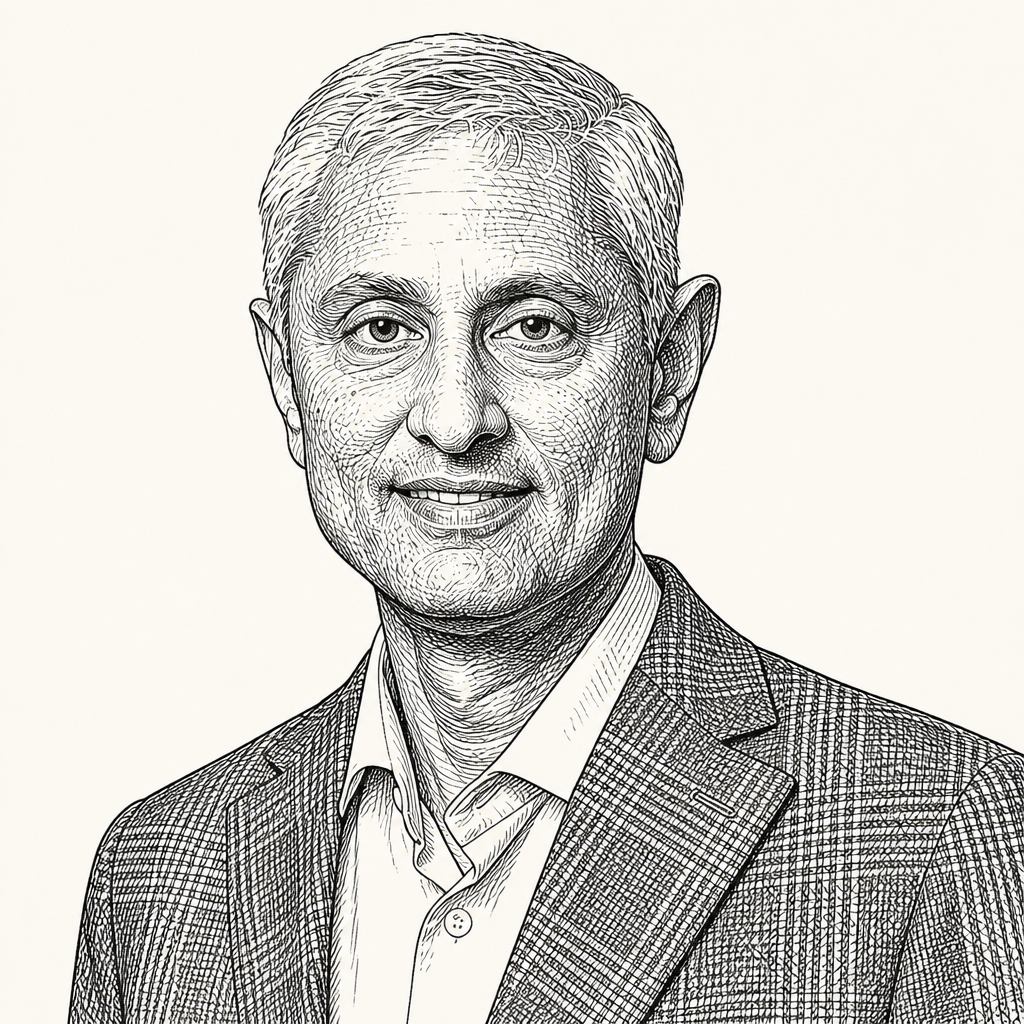
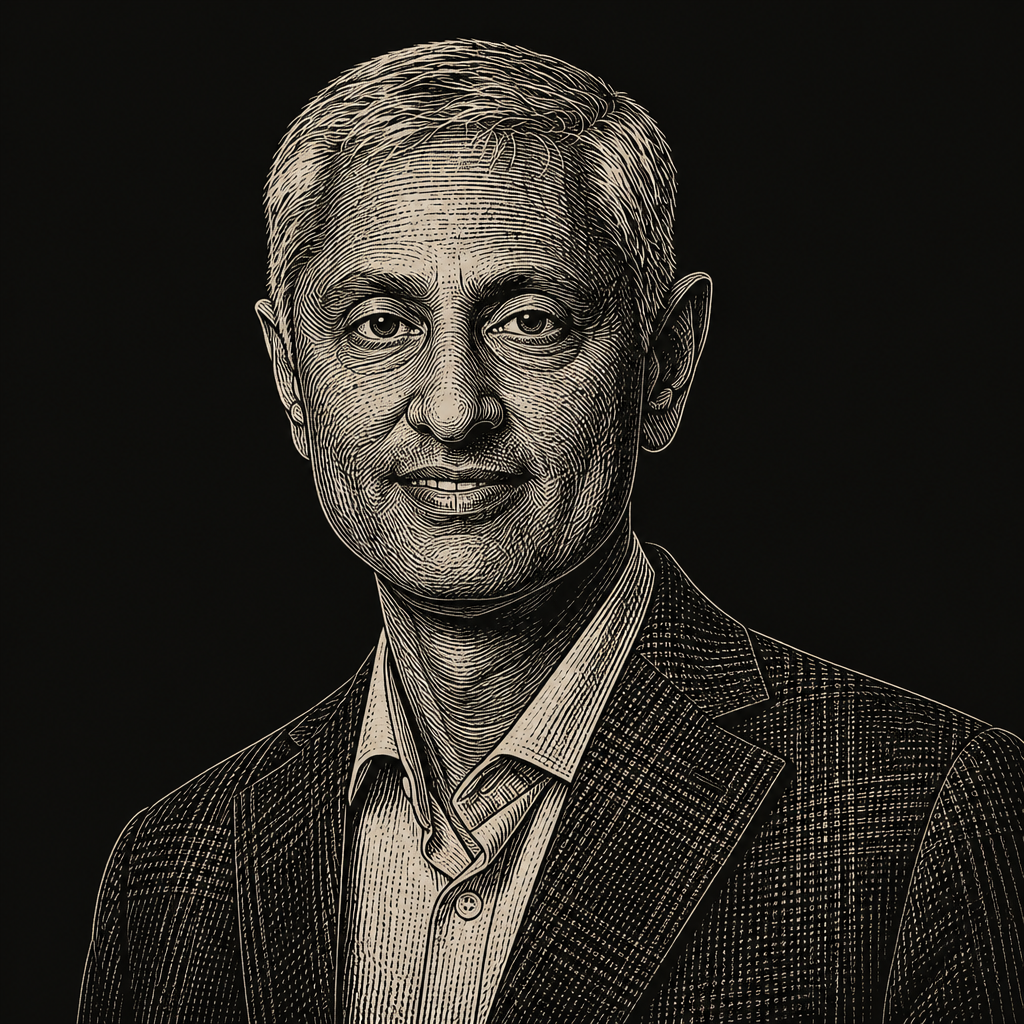
It's really the driver, the simulator, and the critic is that triad in our tech stack that allows us to scale.
When Mackenzie asked why Waymo believes its fuller stack will win against “brain only” end-to-end systems with less hardware and fewer components, Thirumalai returned to safety. Waymo’s system, he said, is not focused only on the driver generating plans. Since the driver uses generative AI, it generates plans; the stack must ensure those plans are safe.
That requires real-time safety checks, onboard validation, and an independent validation layer to ensure the driver “does the right thing.” Thirumalai’s argument is that autonomy is not only about producing a plausible driving action. It is about verifying, constraining, and improving those actions through a system built around safety.
Mackenzie put the competitive challenge directly: some observers might say Waymo is winning the present, while Wayve, Tesla, or others could win the future. Thirumalai answered by describing the “Waymo flywheel,” a continuous learning loop inside the company. Waymo collects experience from real-world miles and simulated miles, discovers issues, learns from them, trains models, simulates, validates, deploys, and then collects more miles.
That is Waymo’s counter to the idea that its system is too heavy to scale. Thirumalai did not frame the system as static rules and maps; he framed it as a learning loop built around the three components. The car improves because the fleet and simulator produce more experience, and the critic focuses attention on suboptimal performance.
On convergence, Thirumalai was cautious but open. Mackenzie asked whether end-to-end companies would add lidar and radar for redundancy while full-stack companies reduce hardware costs, causing the approaches to meet in the middle. Thirumalai said he could not predict the future, but thought convergence was plausible because all companies are solving the same problem: driving safely and finding good solutions to the challenges encountered along the way.
Asked what would happen if Tesla reached Level 4 fully autonomous driving and shipped it across its fleet, Thirumalai called Tesla a formidable competitor and said competition is good. If there is a breakthrough moment, he said, Waymo will be “right there with it.”
China and Europe show both commercial momentum and regulatory friction
Mackenzie placed the Waymo-Wayve contest inside a broader market that is moving unevenly. Europe’s first commercial robotaxi service has started in Croatia, he said, with customers able to book rides for a fraction of the cost of a regular taxi. Local startup Verne operates 10 electric vehicles in Zagreb using autonomous driving software from China’s Pony.ai.
The Verne visuals showed a ride-hailing interface, in-car safety instructions, and a white vehicle marked “ROBO TAXI.” The in-car screen instructed the passenger to close the doors and fasten a seatbelt before departure, and displayed support options for assistance.
At the same time, Mackenzie said Bloomberg understands China has paused new autonomous vehicle licenses after safety concerns in its robotaxi sector. The move followed a disruption involving Baidu’s Apollo Go fleet in Wuhan, and regulators are calling for tighter oversight and a full review of existing pilot programs. Mackenzie said a Baidu representative did not respond to a request for comment.
The contrast is narrow but important: one Croatian commercial service is operating with Chinese autonomous-driving software, while China has paused new licenses after safety concerns in its own robotaxi sector. That does not settle the architectural debate. It shows that autonomy’s deployment depends not only on technical capability but also on regulatory confidence after incidents or disruptions.
BYD’s autonomy argument is vertical integration
Stella Li presented BYD’s advantage as integration. She compared an autonomous electric vehicle to a human body: autonomous driving software is the brain, hardware is the heart, and the system needs a single control center to coordinate movement. BYD’s difference, she said, is that it integrates software, hardware, and the broader intelligent driving experience in-house.
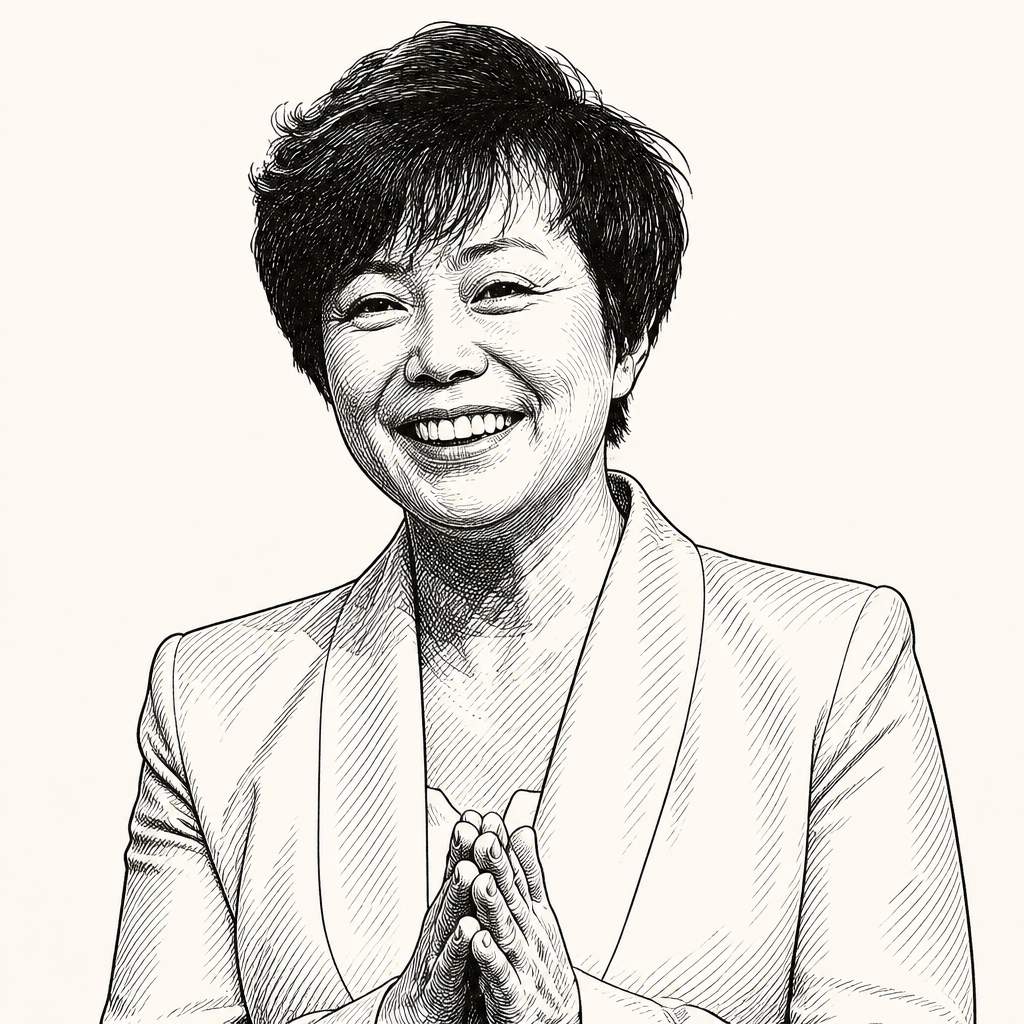
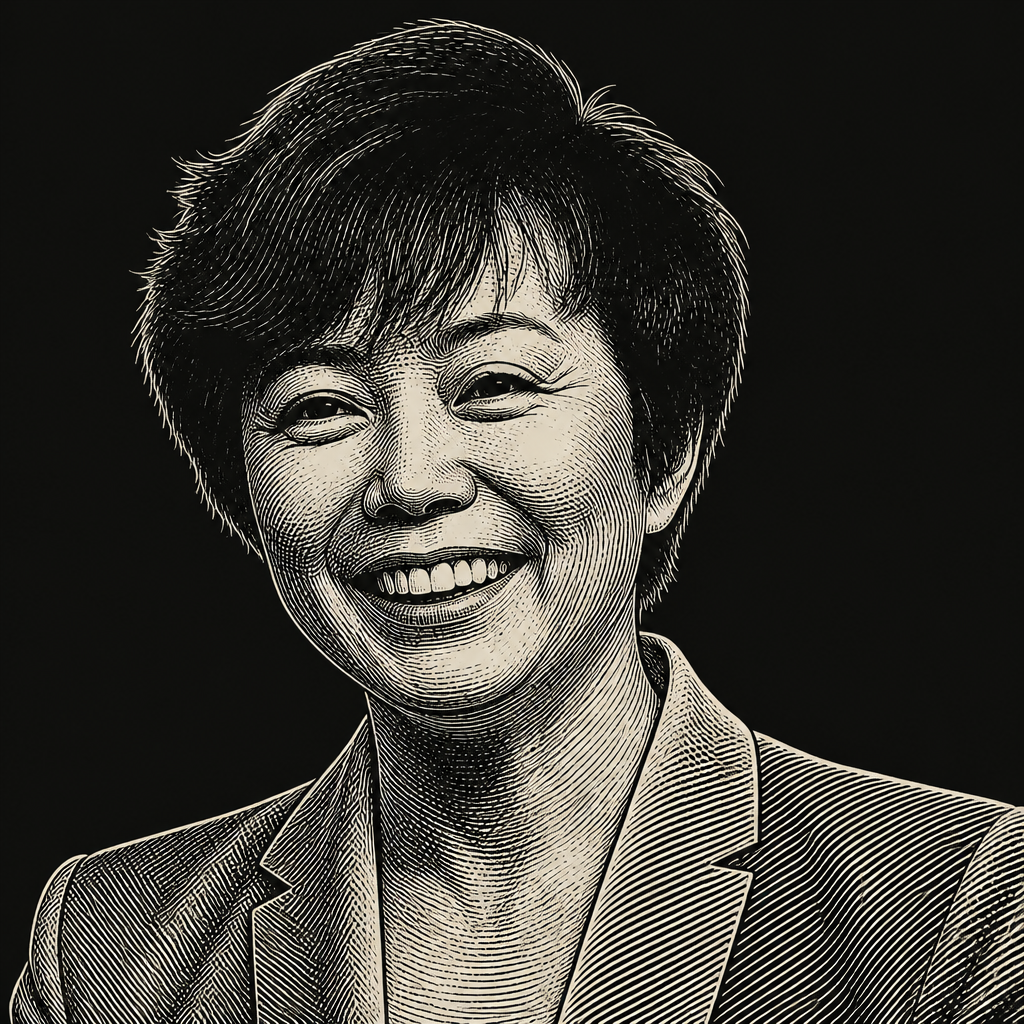
Li argued that many companies split these functions across vendors: one company provides autonomous-driving hardware, another provides the intelligent driving experience, and others supply software. BYD, she said, does everything internally, allowing the company to integrate the system more tightly.
She also said BYD has invested 5,000 software engineers in autonomous-driving software. At the same time, she described BYD as an open platform that can work with outside technology partners. She cited working with computing companies and chipset companies, including Nvidia’s most advanced chipset announced about a month earlier, and integrating intelligent driving experiences such as voice control into BYD’s platform.
Li’s claim sits between the pure platform model and the fleet-operator model. BYD is not arguing only that it can write autonomy software. It is arguing that, as a vehicle maker with in-house integration, it can coordinate the car’s “brain” and “heart” more effectively than companies that assemble autonomy from external components.
Mackenzie introduced BYD as a company that has gone from upstart to what he called the world’s leading EV maker, “outselling even Tesla,” and said it is now targeting autonomous driving as its next frontier. Li’s answer was that the company’s integration gives it a base to pursue the next layer of vehicle intelligence.
Autonomous freight has a different path because the vehicle, the route, and the job are different
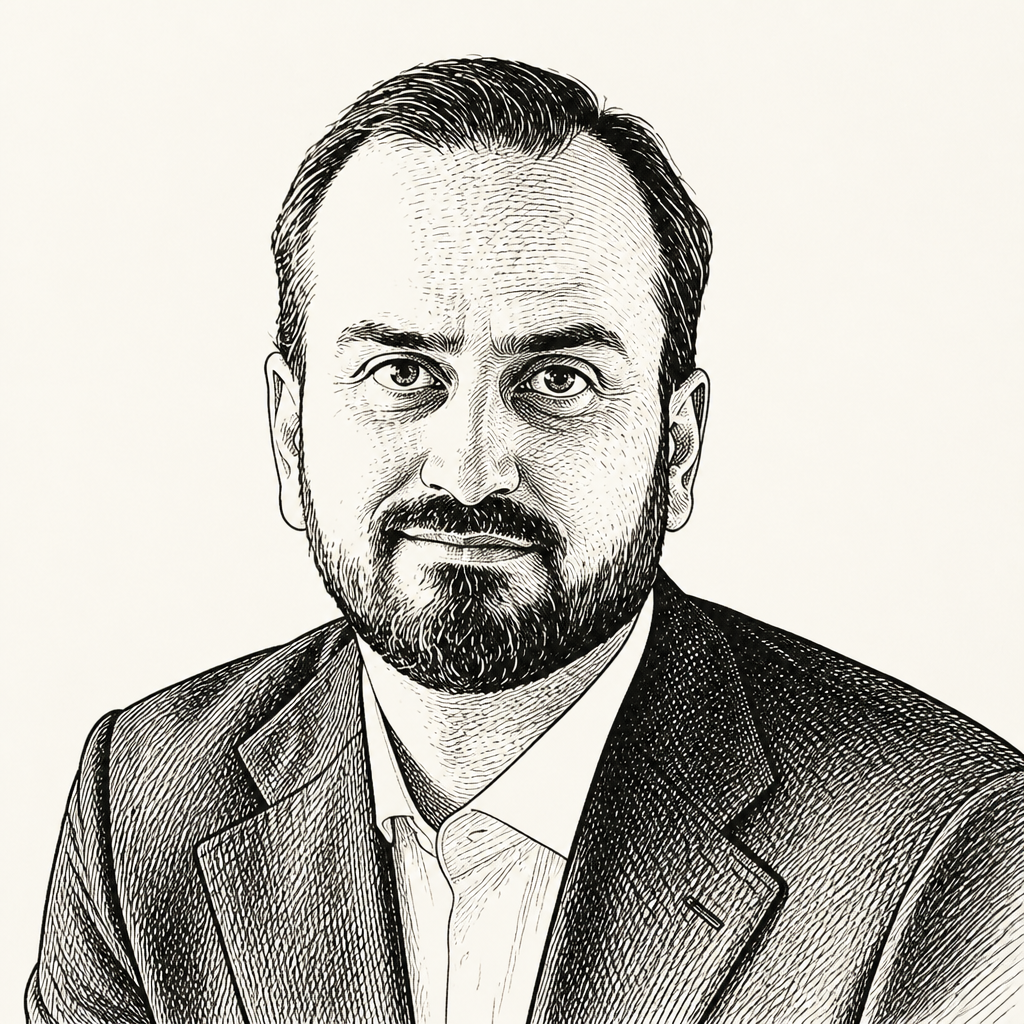
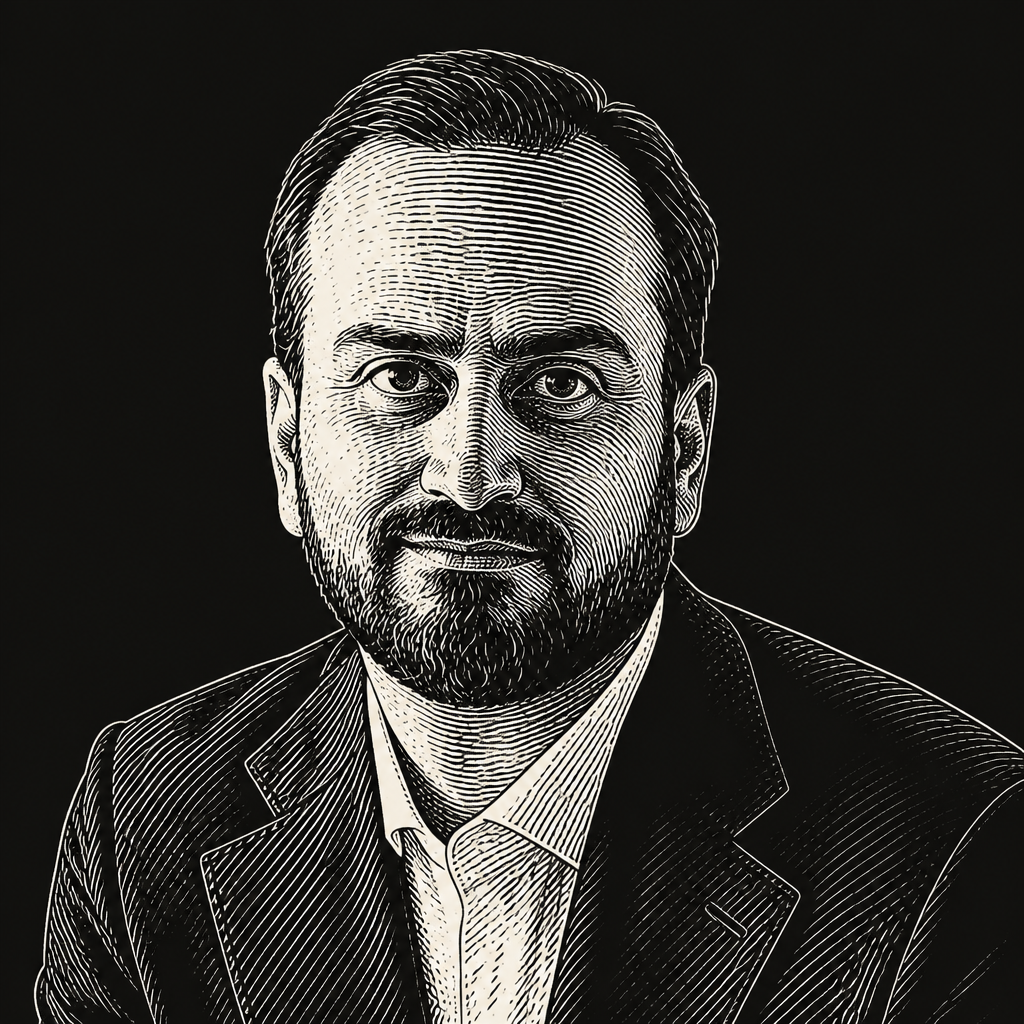
Roozbeh Charli said Einride is “at the core” a freight technology company helping large shippers transition from diesel, manual transportation to electric and autonomous fleets. Its model is not only an autonomous truck, but a platform that orchestrates the technologies and operational steps needed for that transition.
The Einride vehicle shown was a white autonomous truck with no cab. Footage attributed on screen to Einride showed the cabless truck driving on a public road under the caption “Einride’s autonomous trucks.” Charli described it as the company’s generation 2 design, a rigid vehicle built to carry pallets for customers. Mackenzie pointed out that there is no cab; Charli confirmed Einride removed the cab from day one and built the vehicle to be autonomous from the start. Mackenzie also clarified that there is no safety driver in the vehicle. Charli said there is no safety driver inside.
That design reflects the freight context. Einride is not retrofitting a human-centered truck and then automating it. It is designing a vehicle around a driverless use case, while also deploying electric manual trucks as a first step in fleet electrification.
Charli said the United States has taken a clear leadership position over the past 18 to 24 months in autonomy regulation, both in freight and robotaxis. He pointed to at-scale robotaxi rollouts in US cities and regulatory frameworks that are leaning inward, especially at the state level. But he said that US momentum is creating a pull effect in Europe. Einride is working with regulators across several European countries, and Charli said he sees a similar inward-leaning attitude emerging there.
On jobs, Charli resisted the idea that automating freight simply removes humans from the process. He said Einride expects a human to remain in the loop for edge cases and interactions at places such as loading bays. Automating freight, in his framing, is not only about autonomous driving technology; it requires setting up an entire operational workflow.
Einride’s vehicles, he said, drive autonomously when they are driving, but are surveilled by a human sitting at a remote station in an office, far from the vehicle. That human can supervise the transportation, help the vehicle make tactical decisions in edge cases, or interact with people when required. Charli described this as a gradual transition in which jobs shift into a different set of roles rather than disappearing in one step.
Vay uses remote driving to challenge private car ownership
Thomas Ohe described a different route into remote-driven mobility. Vay’s model uses remote drivers to deliver electric vehicles booked through an app. The customer then drives the car personally. At the end of the trip, a remote driver retrieves it.
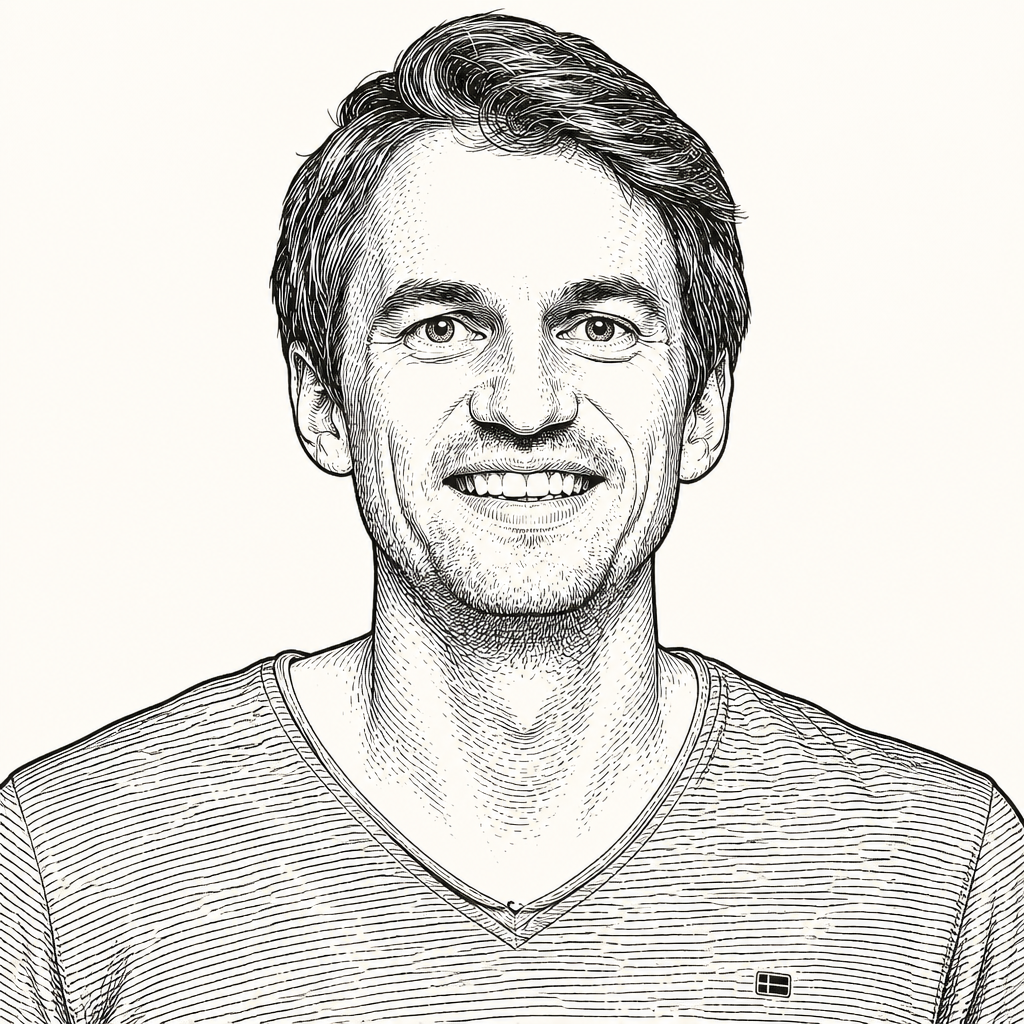
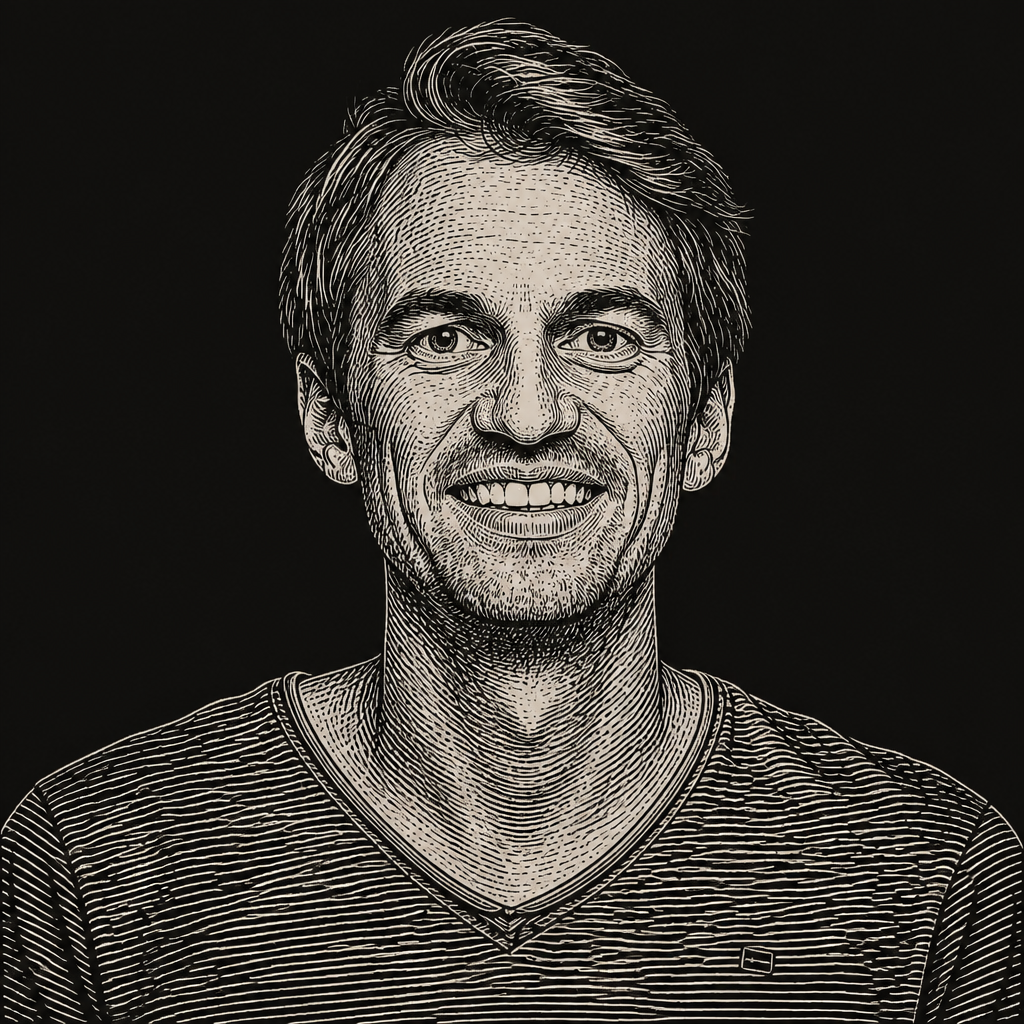
That is not the same claim as a robotaxi. Vay does not require the customer to be a passenger in a fully autonomous vehicle. It removes the need to collect, park, charge, insure, and maintain a privately owned car by making an EV appear when needed and disappear when the trip is done.
Von der Ohe framed the consumer proposition as a direct challenge to ownership: why own a car, pay insurance, charge it, and maintain it if you can press a button and get an electric car you do not have to charge, at a price that could be similar to a personal car over time?
The business claim is that this market is much larger than ride hailing. Von der Ohe said ride-hailing trips may represent only three, four, or five percent of trips in cities. Vay wants to replace private car ownership, which he described as the vast majority of urban trips. At full scale, he said, the market opportunity could be approximately 10 times the size of ride hailing.
We actually really want to be seen as the company that replace private car ownership.
Vay therefore approaches the autonomy race from a different starting point than Waymo and Wayve. Its near-term system depends on remote human drivers, not fully autonomous driving in the vehicle. But its ambition is similarly expansive: change the economics and convenience of urban mobility enough that owning a car becomes less necessary.