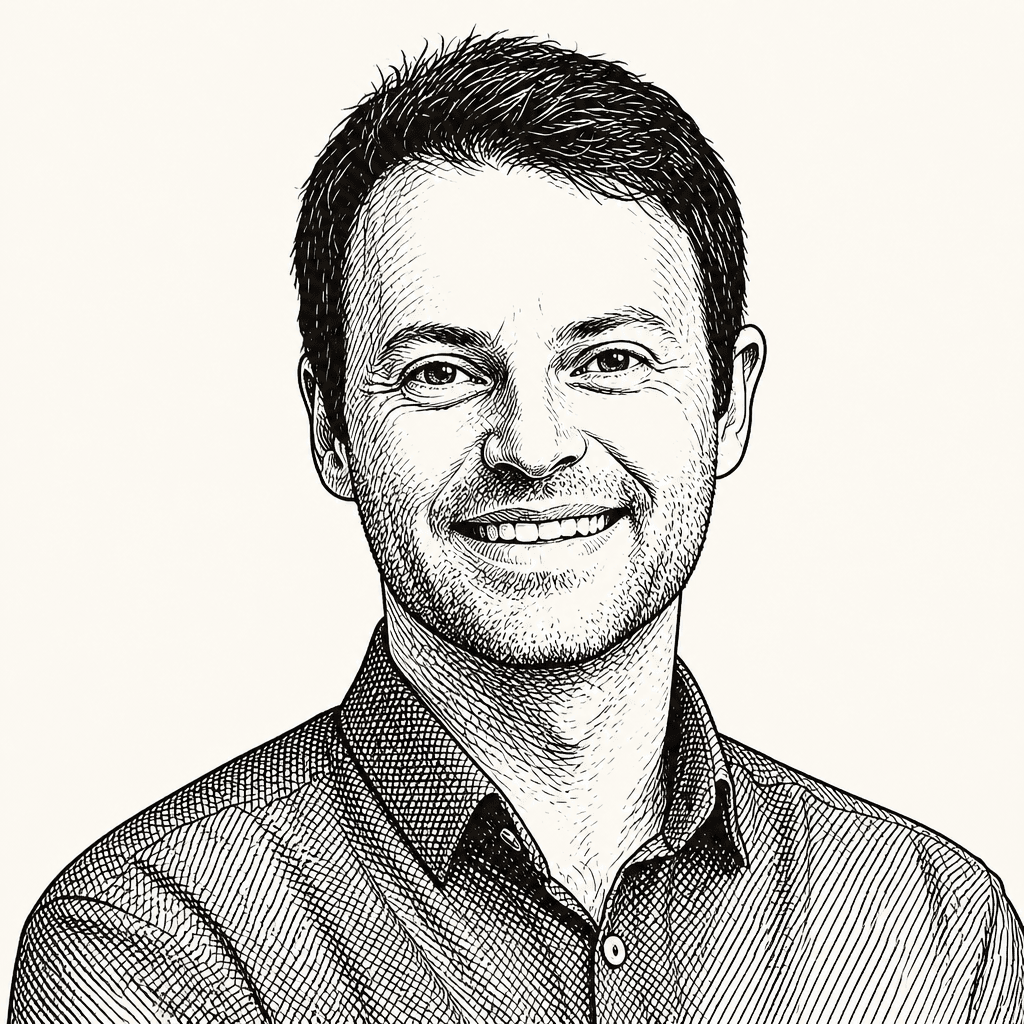
Alex Kendall
Co-founder and CEO of Wayve, the autonomous-driving AI company he co-founded in 2017. Kendall leads Wayve’s work on embodied AI and end-to-end deep-learning approaches for self-driving vehicles, building on his University of Cambridge research in computer vision and robotics.
Wayve Launches Supervised Uber Robotaxi Rides in London
Wayve has begun offering Uber robotaxi rides in London with safety operators aboard, a supervised launch CEO Alex Kendall says is meant to lead to fully driverless service once the company secures production-scale vehicles, validates safety and gains regulatory approval. Kendall argues that Wayve’s end-to-end AI driver can operate across vehicle types and new cities without high-definition maps, supporting a plan to expand its Uber partnership beyond London while supplying the same technology to automakers.
Self-Driving Startups Shift From Science Risk to OEM Deployment
Wayve chief executive Alex Kendall and Waabi chief executive Raquel Urtasun argue that self-driving has moved from a basic research problem to an execution problem built around end-to-end AI, world models, OEM partnerships and deployment economics. In this This Week in Startups discussion, Kendall makes the case for licensing Wayve’s “intelligence layer” across consumer vehicles and robotaxis, while Urtasun says Waabi’s L4-native Driver-as-a-Service model can scale first through trucking and then robotaxis. Both reject the idea that autonomy is simply solved, but they present the remaining challenge as integration, validation, regulation and commercialization rather than a missing scientific breakthrough.
Wayve Bets Licensed Onboard AI Can Scale Autonomous Driving
Wayve chief executive Alex Kendall tells Bloomberg that autonomous driving is shifting from hand-engineered, city-specific systems toward learned AI models that run onboard vehicles and improve from real-world driving data. His argument is also commercial: Wayve plans to license its autonomy platform to manufacturers and fleets rather than build cars or operate robotaxi networks, a model Kendall says can scale across more vehicles, sensor packages and driving environments.
Autonomous Driving Race Turns on Architecture, Cost, and Deployment
Bloomberg’s Tom Mackenzie frames the autonomous-driving race as a contest between systems that work now and systems designed to scale later. In Bloomberg Tech: Europe, he contrasts Waymo’s mapped, sensor-heavy safety stack with Wayve’s end-to-end AI model, while executives from BYD, Einride and Vay argue for other routes through vertical integration, autonomous freight and remote driving. The central question is not only which technology can drive, but which architecture and business model can win regulatory, customer and fleet trust at scale.