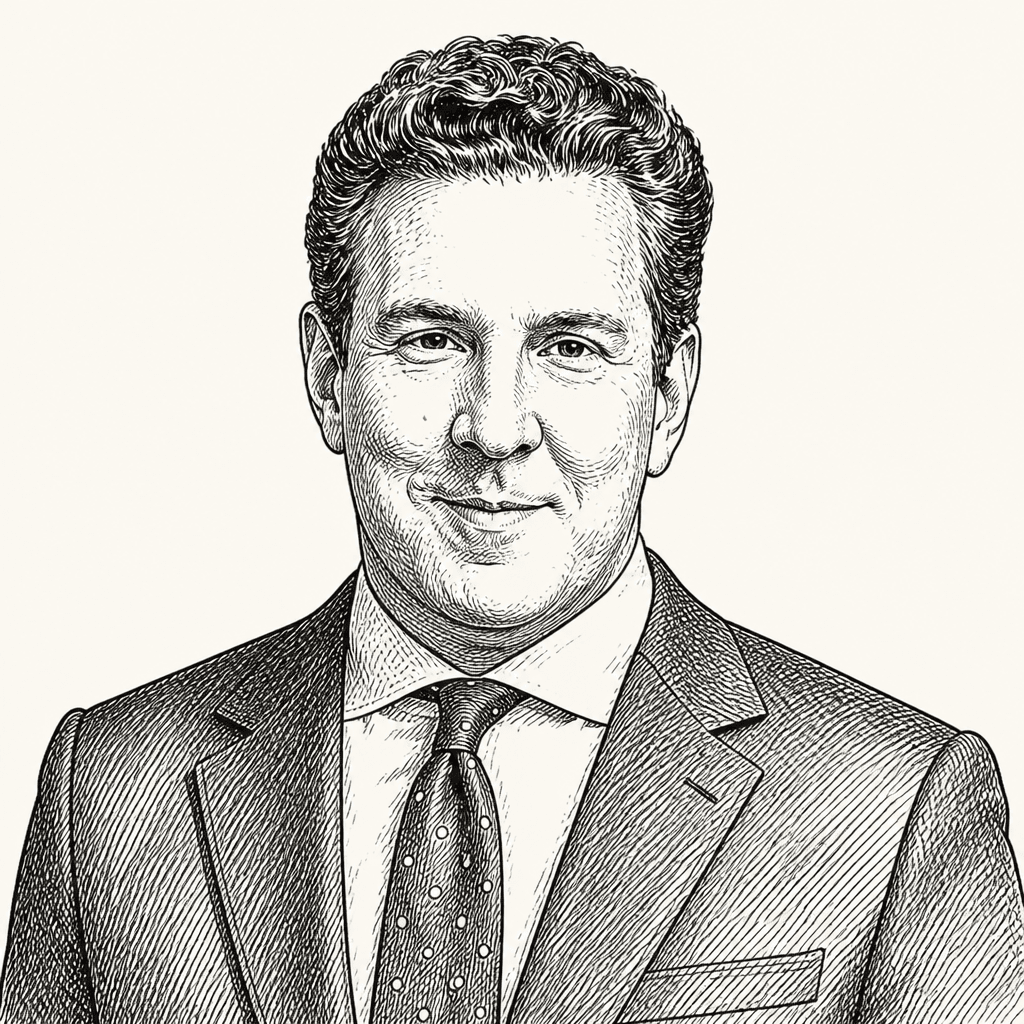
William Brangham
Award-winning PBS NewsHour correspondent, producer, and substitute anchor who hosts Horizons from PBS News, a weekly series covering science, health, climate, and technology.
Psychedelic Therapies Near Approval Before Care Systems Are Ready
Rachel Yehuda of Mount Sinai and Matthew Zorn of HHS argue that the arrival of prescription psychedelic therapies will turn less on the drugs alone than on the clinical systems built around them. In a discussion at Aspen Ideas: Health moderated by William Brangham, they describe a field nearing FDA review while still facing unresolved questions about evidence, training, reimbursement, patient selection and the risk that approval is mistaken for a general green light.
Psychedelic Medicine’s Main Challenge Is Delivery, Not Drug Approval
At Aspen Ideas: Health, trauma researcher Rachel Yehuda and federal health adviser Matthew Zorn argued that the central question for psychedelic medicine is not simply whether compounds such as MDMA and psilocybin can win approval, but what kind of treatment they would become. Yehuda cautioned that the molecule alone is not the intervention: preparation, setting, trained clinicians and integration may be essential to both safety and benefit. Zorn said federal momentum could move the field toward medical use, but approval would leave unresolved the harder problems of delivery, coverage, evidence and access.
Health Care’s Climate Push Moves From Pledges to Accountability
National Academy of Medicine president Victor Dzau and pediatrician Lisa Patel argue that health care’s climate responsibility extends beyond greener buildings to the disease burden, supply chains, procurement, care delivery and community resilience that determine the sector’s footprint. In this Aspen Ideas: Health discussion, they frame climate change as both a growing source of illness and a test of whether hospitals, clinicians and suppliers can make emissions accountability as routine as patient safety.