Psychedelic Therapies Near Approval Before Care Systems Are Ready
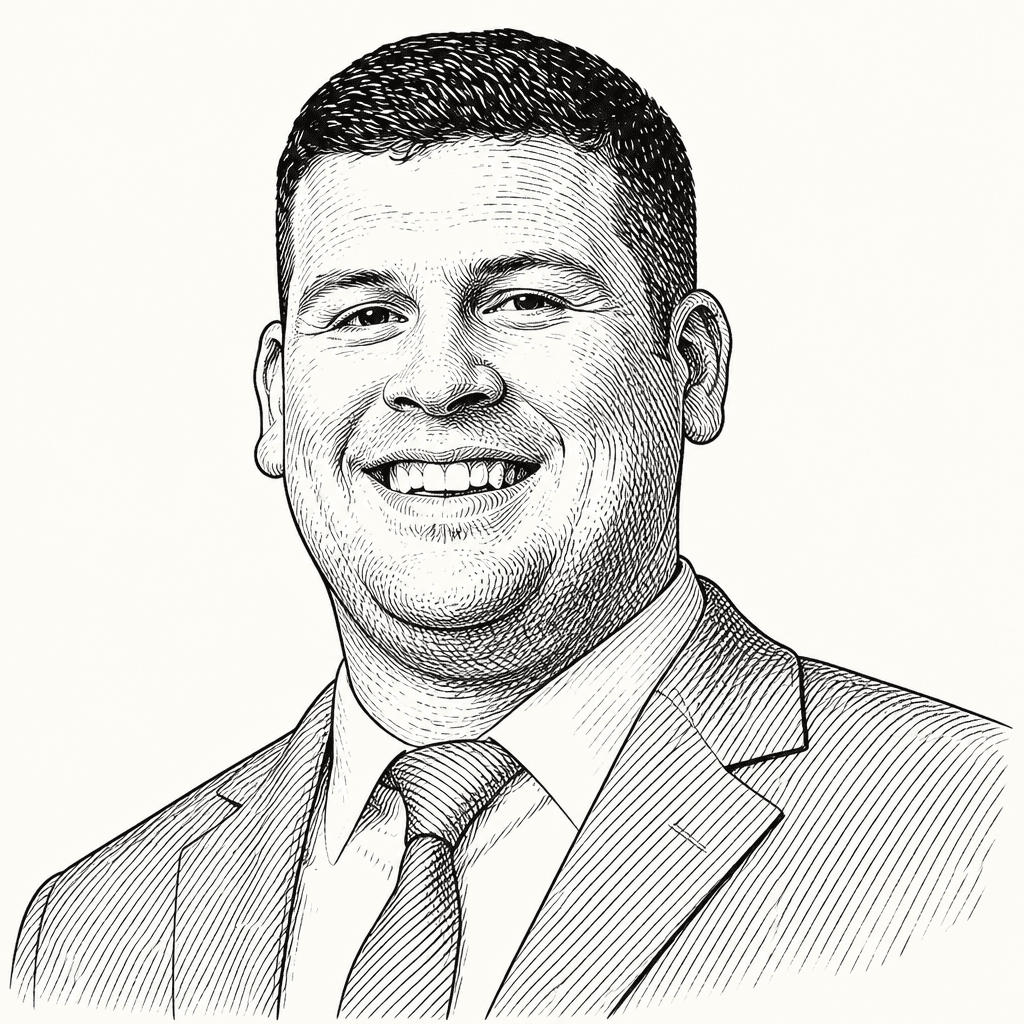 Evan White
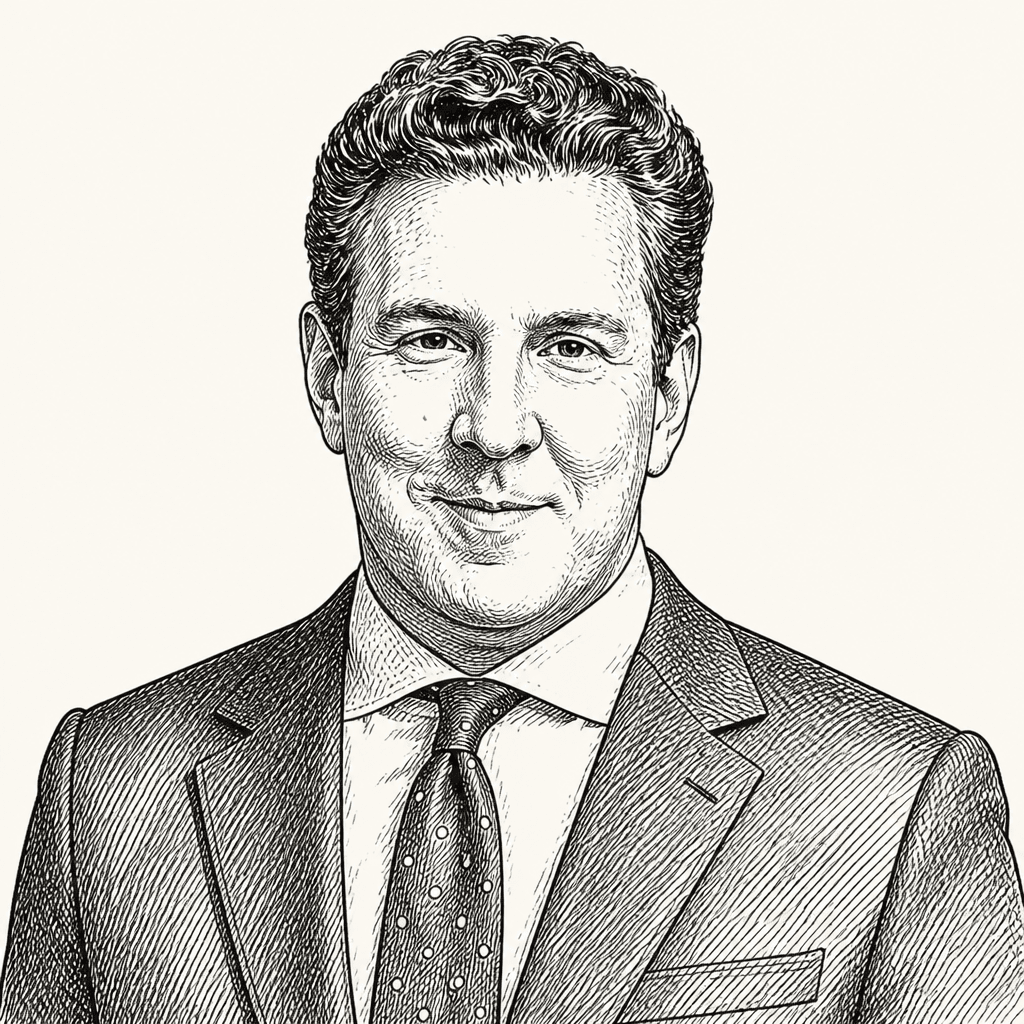 William Brangham
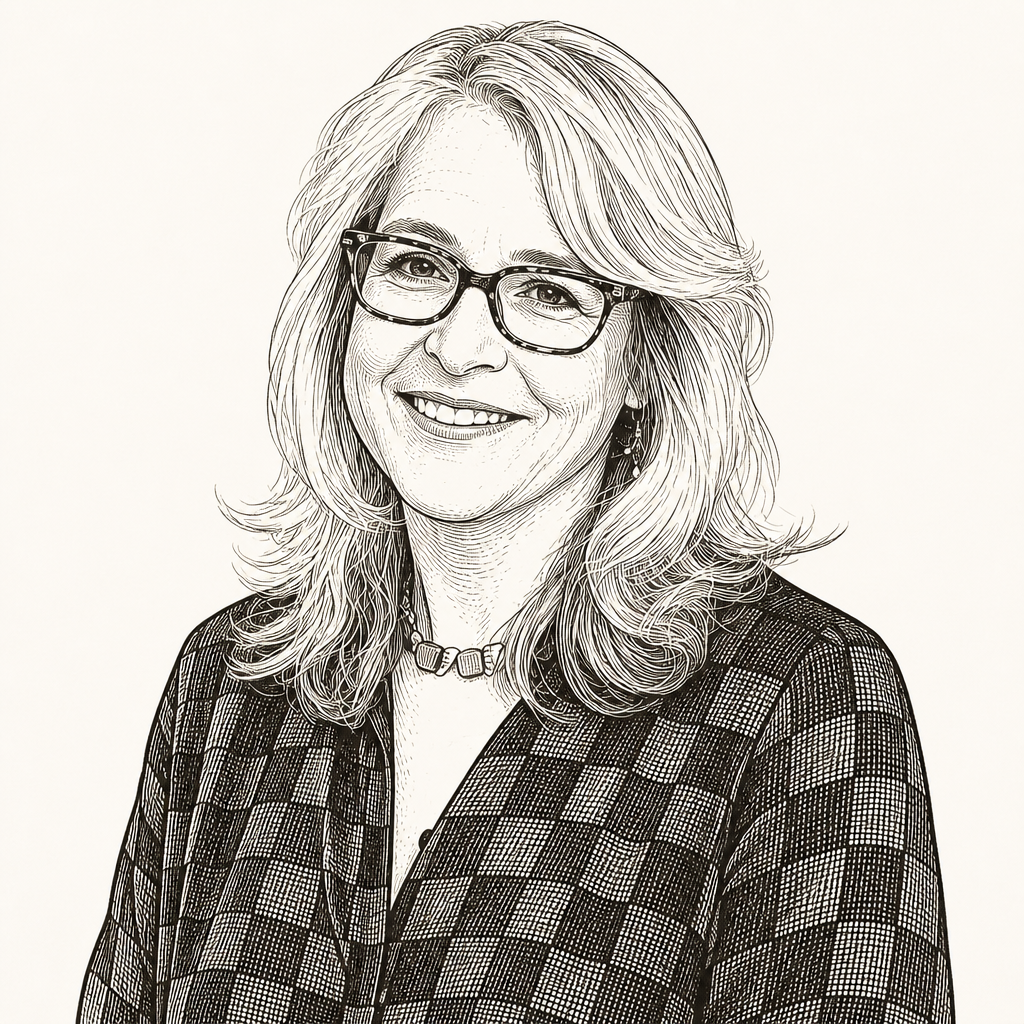
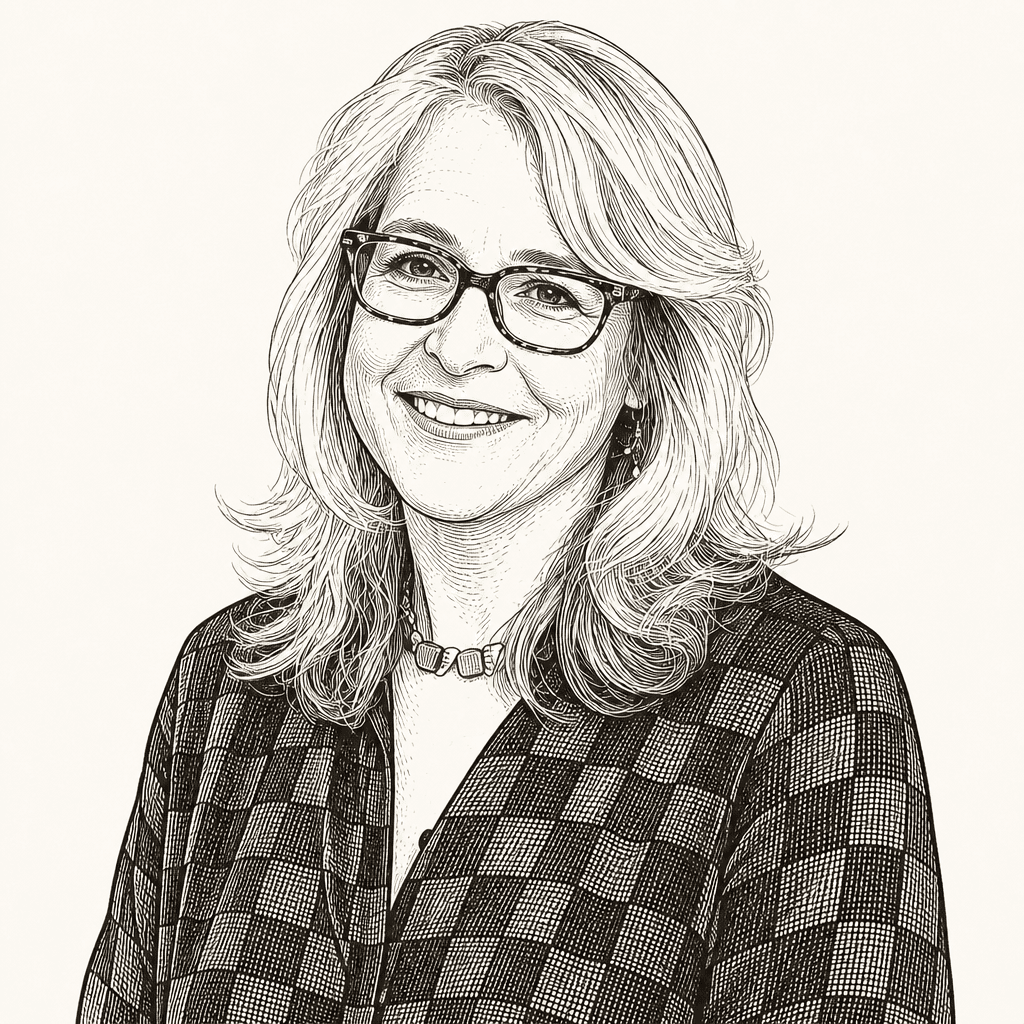 Rachel YehudaMatthew ZornThe Aspen InstituteThursday, June 25, 202625 min read
Rachel Yehuda of Mount Sinai and Matthew Zorn of HHS argue that the arrival of prescription psychedelic therapies will turn less on the drugs alone than on the clinical systems built around them. In a discussion at Aspen Ideas: Health moderated by William Brangham, they describe a field nearing FDA review while still facing unresolved questions about evidence, training, reimbursement, patient selection and the risk that approval is mistaken for a general green light.

The central question is not the molecule alone, but the treatment built around it
The most important distinction in the debate over prescription psychedelics is the one Rachel Yehuda kept returning to: the relevant medical claim is not that a molecule, by itself, is transformative. It is that a treatment — molecule, preparation, setting, therapeutic support, and integration — may be transformative for some patients under the right conditions.
That distinction matters because the field may be nearing a regulatory and commercial threshold. William Brangham framed the moment as one in which an increasing body of evidence suggests these substances may help people with conditions such as PTSD and depression, including cases that have been very hard to treat. He also said the White House has encouraged federal agencies to move review processes along, and that pharmaceutical companies would like to bring products to market. But the path from promising trial results to broad clinical use runs through unresolved questions about misconceptions, insurance coverage, regulation, safety, training, and what exactly counts as effective treatment.
Yehuda, who directs the Parsons Research Center for Psychedelic Healing at Mount Sinai, was careful about the present tense. Her center is not providing psychedelic treatment clinically with federally illegal drugs. It is conducting research trials with compounds including MDMA and psilocybin, and research on ketamine, which is already legal. The work includes training psychiatrists and psychologists to support patients in altered states and studying how the medicine, the therapeutic encounter, and the post-session integration interact.
The first conceptual problem is definitional. Yehuda said the field does not have a fully settled definition of “psychedelic.” Some definitions emphasize biological action in the brain; others emphasize the altered state, out-of-body, or subjective experience. Even a receptor-based definition is not simple: not every drug acting on a receptor associated with psilocybin will necessarily belong in the same category for clinical purposes. The disagreement becomes consequential for drug development. If the altered state is treated as a side effect, developers may try to remove it. If it is treated as part of the therapeutic action, then the subjective experience and the clinical container around it become central.
Matthew Zorn made the legal version of the same point. Under federal law, “psychedelic” is not a term of legal significance. The Controlled Substances Act uses categories such as hallucinogens, and many of the substances people commonly mean by psychedelics — LSD and psilocybin among them — are in Schedule I, meaning they are treated as having no accepted medical use and a high potential for abuse. That status generally limits access to research. Ketamine falls outside that pattern because it is already legal and used in medicine.
Zorn also noted that the word itself has a cultural rather than legal origin. He said “psychedelic” means “mind manifesting” and came out of correspondence between Humphry Osmond and Aldous Huxley. That history matters because the same word is now being asked to do several different jobs: name a family of compounds, identify a subjective experience, mark a cultural memory, and describe a possible class of regulated medical treatments.
The result is a field in which language, law, pharmacology, and therapy do not line up cleanly. “Psychedelic” may mean a cultural category, a receptor profile, a subjective experience, a legal problem, a research protocol, or a future FDA-approved treatment. For Yehuda, that ambiguity is not just semantic. If medicine and regulation focus too narrowly on the molecule, they may miss the thing patients experience as treatment.
MDMA and psilocybin require different kinds of therapeutic work
Rachel Yehuda described psychedelic-assisted treatment not as a standard medication visit but as a process requiring specialized clinical skill. Her center trains clinicians in how to work with patients in altered states, because the appropriate support depends on the drug, the dose, and the patient’s state of consciousness.
MDMA, in her description, can leave a patient relatively “intact.” William Brangham asked her to clarify the word. She meant that the patient knows who they are and can discuss material that matters to them. In that state, a substantial amount of therapeutic processing can happen during the medicine session itself.
High-dose psilocybin can be different. A person may have an experience Yehuda described as mystical or out of body, and may not be able or inclined to construct sentences in the way ordinary psychotherapy requires. In those cases, more of the therapeutic work may happen afterward, during integration: “downloading” what the person saw, learned, or felt, and working through what it means.
That difference has direct implications for training, cost, and implementation. The research at Mount Sinai includes randomized clinical trials and open-label trials. Sessions are videotaped, watched, monitored, and supervised so researchers can learn what clinicians should say, or not say, to a person in an altered state. Yehuda called that an empirical question. The work includes what she described as frame-by-frame analysis and biologic tools to understand whether the therapeutic interaction is necessary, whether the drug starts a process on its own, and how the two interact.
The answer affects whether these treatments can be broadly available. If the drug alone produces durable benefit, delivery might look more like conventional medication. If benefit depends on a comprehensive therapeutic relationship and prolonged support, the model becomes more labor-intensive and expensive. That would shape not only clinical practice but also access, reimbursement, workforce needs, and the kinds of patients who can realistically receive treatment.
Yehuda’s warning was that studying the drug in isolation can produce clean answers that do not explain the treatment. A mechanistic study may show what MDMA does in the brain under controlled conditions. It may not explain why MDMA, in a room with preparation, music, a reclining patient, trained clinicians, and an intention-setting process, becomes a healing experience for some people.
When you say the treatment, when I say it, I don't just mean the molecule.
That is also why she drew a hard line between clinical treatment and unsupervised use. Taking MDMA at a rave, she said, does not cure PTSD. Her point was not merely that setting affects comfort. It was that the therapeutic context may be part of the mechanism by which the treatment works.
The same distinction changes what counts as clinical expertise. A clinician is not only screening, dosing, and observing adverse effects. In Yehuda’s description, clinicians are learning how to support a person who may be processing trauma, shame, fear, memory, or self-understanding in an altered state. For some compounds and doses, that support may involve active conversation during the session. For others, it may involve protecting the experience and helping the patient make sense of it later. Either way, the clinical act is not reducible to handing over a drug.
The federal push is about priority, not a lower evidentiary bar
Matthew Zorn said the White House executive order was important partly because, in his count, it used the word “psychedelic” seven times and placed the term in a treatment context. He described the order as culturally significant because it helped normalize the term within government while framing the issue as medical acceleration rather than recreational use. The title, in his account, was about accelerating treatments.
But he emphasized that acceleration does not mean a shortcut. These compounds, he said, will be subject to the same FDA standards as other drugs. The executive order changes priority and coordination, not the evidentiary standard.
These compounds are going to be subjected to the exact same standards as all other drugs. There's not It's not a shortcut in any way.
For Zorn, the practical question is “the day after” any approval. If an FDA approval arrives, the compounds will enter a medical system not built for this style of care. Psychedelic-assisted therapy raises questions about who is trained to administer the medicine, how clinicians are credentialed, how therapy time is reimbursed, whether insurers cover it, and how agencies coordinate around a treatment that is neither a conventional pill nor a conventional psychotherapy appointment.
That “day after” problem is broader than a single agency action. FDA approval would answer one kind of question: whether a drug is safe and effective for a specified use under a specified evidentiary standard. It would not, by itself, create a trained workforce, a billing model, clinical infrastructure, supervision standards, payer willingness, or public understanding of the difference between approved medical use and informal experimentation. Zorn’s account of the executive order placed those downstream issues at the center of government preparation.
Zorn gave a compressed answer to whether the country is ready: yes and no. His hope was that over the next six to nine months, federal agencies would prepare for what introduction into the medical system would look like in the real world. The implication was not that every implementation question could be solved in that window. It was that the federal government should not wait until approval to begin asking how care would actually be delivered.
Zorn’s current role at HHS is itself part of that shift. Before entering government, he had sued federal and state governments on behalf of patients and researchers seeking better access to controlled substances, including psychedelics-related matters. He said that work was largely pro bono and focused on patients and researchers rather than industry. He also said litigation teaches a person how government works and which levers matter.
Inside government, he described the task as harder. From outside, a lawyer can focus on what the government is doing wrong. From inside, the job is to make something work while balancing the interests and viewpoints of many agencies and constituencies. He called that more difficult than suing the government, but also more rewarding. His stated goal is to leave behind a foundation for these treatments to enter clinical practice in a way that supports people who receive them.
That focus — safe introduction into medical practice — set the boundary for his answers on broader social use. When Brangham asked whether he cared whether psychedelics remain in a medical realm or move through broader commercialization and informal use, Zorn said that in his government role he is focused on safe medical introduction. He did not offer a personal program for recreational or nonmedical policy. He did, however, warn that some substances used unsupervised can cause lasting psychological damage.
The strongest clinical claim is about trauma, self-compassion, and what symptoms do not measure
Rachel Yehuda said she is convinced psychedelics can be potent tools for mental health and may also matter in neurology. She described epilepsy as an area Mount Sinai is thinking about studying. She said psilocybin is being used in stroke in a very different way from mental health treatment: not to ask someone to enter an inward therapeutic process, but to open a critical window of movement after stroke. She also described a Department of Defense-funded study involving psilocybin for depression in patients with spinal cord injury. Her center’s main specialty, however, is trauma and PTSD, and she described several studies looking at MDMA and psilocybin in those contexts.
Her main clinical emphasis was trauma and PTSD, especially among combat veterans. The promise she described was not simply symptom suppression. In her account, the treatment can enable patients to approach material they have avoided because it is bound up with guilt, shame, blame, and self-hatred. For combat veterans, that may include decisions made under impossible conditions. For others, it may include victimization and the shame attached to it.
Yehuda argued that trauma is often discussed as fear conditioning: intrusive thoughts, nightmares, and fear responses after a threatening event. But for many patients, the more difficult material involves guilt and moral injury. MDMA and psilocybin, in the right therapeutic setting, may allow some patients to talk about what happened without the self-recrimination that normally shuts the conversation down. She described the medicines as inducing a strong sense of self-compassion.
The work often does not begin with the event listed on an intake form. Yehuda said many veterans who sign up for military service have childhood trauma. At the VA, a veteran may be asked about combat trauma, and the treatment may process combat trauma. But if childhood trauma remains untouched, “unfinished business” remains. She used a luggage metaphor: the combat trauma is the hand luggage, while the checked bags are still at the airport.
The value of psychedelics, in her description, is partly that the experience is not only cognitive. Patients may see material on multiple levels and do extensive work in a short period of time. She quoted one patient who said a single session felt like “10 years of psychotherapy.” Yehuda did not present that as a literal conversion rate. Her point was that the treatment may allow patients to work simultaneously from what she called the heart and the brain.
The gains she described also extend beyond symptom counts. In a completed MDMA trial, she said, symptoms were dramatically reduced at endpoint, and continued to decline at six- and twelve-month follow-up. But her team also looked at post-traumatic growth, moral injury, life satisfaction, and self-compassion. Those outcomes matter because, in her view, psychiatry and drug development tend to focus on symptom suppression, while recovery from trauma often involves what emerges when symptoms no longer dominate.
Her analogy was a smoke detector. Post-traumatic symptoms can signal that something unresolved is still present. Medication can dampen the noise, like taking the batteries out of the smoke detector, but that does not answer whether there is a fire or why the person is still haunted. When the unresolved experience is understood and integrated, she said, the symptom may no longer be needed in the same way. The symptom count goes down, but the more important question becomes what goes up in its place.
That framing is why Yehuda resisted describing psychedelics as replacements for existing mental health care. She said they are not going to replace what psychiatry already has. The possible value is more specific: for some people who are avoidant, defended, or unwilling to go near what hurts, the treatment may open access to painful material with love and compassion. She noted that “love” is not a word commonly used in discussions of mental health problems, but for patients who feel dead inside, including toward themselves, experiencing love can matter for them and their families.
Coverage will depend on proving who benefits, not just that someone benefits
Matthew Zorn accepted that psychedelic-assisted therapy is unusual in mental health, but he resisted the idea that the health system has no analogs at all. He compared the model, while explicitly calling the analogy imperfect, to cancer care that moves from chronic management toward remission or cure through an intensive episode of treatment. A patient may receive surgery, chemotherapy, radiation, or a drug regimen over a defined period and emerge with a different prognosis. Psychedelic-assisted therapy may similarly compress years of symptom management or psychotherapy into a shorter window for some patients.
The analogy has limits. Zorn acknowledged that in mental health there is not currently anything quite like this. Some conditions are treated almost as if they are incurable, or at least indefinitely managed. In PTSD, he said, the outcome may not be that a person arrives with symptoms and leaves with none. It may be that symptoms become more manageable day to day. William Brangham noted that this can still be lifesaving.
Zorn also raised the possibility that a successful psychedelic intervention could allow some patients to reduce or discontinue parts of a medication “cocktail” used to manage individual symptoms. A patient might be prescribed an antipsychotic for one symptom, an antidepressant for another, and other drugs for sleep or anxiety. If a psychedelic-assisted intervention removes some of those medications from the table, the patient’s quality of life may improve and the healthcare system may save money in some cases. But he presented that as an open question requiring evidence, not as an established economic conclusion.
The reimbursement problem is sharpened by cost. These treatments may require hours of clinician time, preparation, monitoring, and integration. Zorn said insurers will need more than evidence that the treatment works for some population in a clinical trial. A clinical trial can establish safety and efficacy for a defined segment. Coverage decisions require a better understanding of which patients are likely to benefit, because the system cannot afford to pay for expensive treatments for people for whom they will not work.
That is why he emphasized biomarkers, objective data, and implementation research. Mental health measurement often relies on subjective surveys, which he and Brangham described as unreliable or variable. Zorn said ARPA-H has a large initiative to collect biomarkers and objective data. For him, those measures are connected not only to scientific understanding but also to insurance coverage: the more precisely the field can identify responders, durability, and outcome measures, the more plausible broad coverage becomes.
The coverage question also turns the research agenda into a sequencing problem. Zorn said Schedule I status makes downstream research harder. If a substance cannot yet be administered as medicine, then studying ordinary medical administration is difficult. That pushes drug-development and mechanistic research to the front, because that work is what can move a compound toward approval and out of Schedule I if approved. Only then do some implementation questions become easier to study directly.
Rachel Yehuda agreed that the field must know who these treatments are for and who they are not for. She also warned that current enthusiasm can create selection effects and expectancy. People choosing psychedelic trials may be unusually open to the intervention. The research, she said, needs to be “cold sober” about response, nonresponse, and durability.
That caveat matters for access as much as for science. If psychedelics are expensive, labor-intensive, and attractive to desperate patients, the system will need a way to distinguish hope from indication. Yehuda did not deny the healing potential; she emphasized that not everyone who receives a psychedelic drug, even in the context she described, shows a clinical response. A serious coverage model therefore has to answer two questions at once: how to make treatment available to people who may benefit, and how not to oversell it to those unlikely to benefit.
Approval could become a misleading green light
Matthew Zorn and Rachel Yehuda both worried that FDA approval, if and when it comes, could be interpreted too broadly by the public. Zorn compared psychedelics to a sledgehammer: capable of powerful work, but not inherently positive in every use. In the wrong context, a powerful intervention can produce powerful negative outcomes. His concern was to ensure that within the medical system, patients receive these treatments in a trained and supportive container.
Yehuda made the warning more vivid. If a drug opens the heart, mind, or consciousness, she said, the person needs someone present who knows what to do once they are open. She compared the process to a surgeon opening a chest: the patient also needs to be stitched back up. Patients who take these substances alone or with an untrained friend may be left open without proper support.
That distinction becomes politically and clinically important because negative cases can shape public reaction. William Brangham noted that media coverage of a severe adverse event could be used to discredit claims about therapeutic promise. Yehuda’s response was to insist again that she was not saying “the molecule” is transformative. She wants to be quoted as saying that the treatment can potentially be transformative if the field learns who should take it and under what conditions.
I want to be quoted as this treatment can potentially be transformative if we learn who who should take it and under what conditions it should be taken.
She did acknowledge another category of use: people without a mental health condition who want to try psychedelics to expand consciousness or for reasons historically associated with the psychedelic movement. She did not offer a full policy framework for that category. Her clinical claim was narrower. For treatment of a clinical condition, she described psychedelic-assisted therapy as a clinical intervention requiring a clinician.
The concern is that FDA approval may act as a green light in the public imagination. A drug approved for a specific indication under a specific protocol may become, culturally, a permission structure for broader experimentation. Yehuda’s answer was not to deny the broader cultural history. It was to keep repeating the clinical boundary: molecule plus context, for the right patient, under the right conditions.
That boundary also complicates commercialization. Brangham posed the choice as a possible divergence between a purely medical realm, where trained practitioners deliver treatment, and a broader commercial market in which people use the substances in many different ways. Zorn stayed inside his government remit: safe medical introduction. Yehuda’s answer suggested that approval for medical use cannot be treated as proof that informal use is safe, or that the same molecule produces the same outcome in every setting. The risk is not only physical safety. It is psychological harm, misinterpretation of the evidence, and a public backlash that could set back clinical work.
The research agenda is split between mechanisms and real-world treatment
Rachel Yehuda and Matthew Zorn did not fully disagree on mechanism, but they placed emphasis differently.
Yehuda said much current work is mechanistic: how the drugs work in the body and brain. She agreed that this is important for drug development. But she warned that knowing the mechanism of the molecule may not explain why the treatment works, especially if the therapeutic context is necessary for healing. If researchers hold context outside the frame, they may learn a great deal about MDMA or psilocybin and still fail to explain the clinical effect that matters.
Zorn responded that mechanistic research is not merely abstract. Because Schedule I status makes downstream research harder, the research that moves a drug toward approval and rescheduling has to come first in some respects. If a substance is not yet administered in medicine, it is difficult to study how it is administered in medicine. Drug-development and mechanistic research are therefore in the “front seat,” not necessarily because they are the only important questions, but because the legal order of operations pushes them there.
He also argued that some mechanistic questions directly affect clinical practice. If psychedelics create or enhance a critical learning period — whether lasting a week, three weeks, or two months — that would affect how therapy should be timed and structured. Knowing whether there is a period of heightened learning or plasticity is not a laboratory curiosity; it would shape implementation.
Yehuda’s reply was that she did not oppose mechanistic work. Her concern was losing the treatment in pursuit of the molecule. Psychotherapy itself can produce biological change. She said studies of psychotherapy with biomarkers before and after treatment show brain changes, epigenetic changes, and reorganization around recovery. There is a biology of resilience, and changing how a person understands an experience can itself produce biological reorganization. The research question, then, is whether adding the drug creates a synergistic effect or simply produces a biology of recovery that could also arise through other means.
Her team’s MDMA treatment data, she said, suggest epigenetic changes that differ somewhat from those seen with cognitive behavioral therapy. That makes the moment scientifically rich, but also difficult. The molecule is clean to study. The therapeutic relationship, preparation, music, intention, and integration are messier. But if patients say the treatment helped them talk about things they had never told anyone before, or helped them forgive themselves, Yehuda does not want the field to reduce that to “thanks for the molecule.”
The stigma question enters here too. Brangham asked whether the cultural baggage around psychedelics — “tripping,” Timothy Leary, and the associations carried by older generations — affects the field. Yehuda said the history is not helpful, but it is the history the field has. The challenge, in her view, is to retain what psychedelics have taught without carrying forward what is not needed, and without losing the central insight that the molecule may depend on context. That is why the research program has to hold two kinds of knowledge together: the clean, measurable biology of the compound and the messier clinical reality in which meaning, preparation, relationship, and integration may matter.
Placebo is not a side issue when the drug announces itself
An audience member asked whether psychedelics might be understood as a super-enhanced placebo effect: a powerful, unusual experience that makes people believe they are cured. The question mattered because psychedelic trials are difficult to blind. Most people who receive a meaningful dose know they received it.
Rachel Yehuda said expectancy and placebo-like effects are genuine concerns. The first psychedelic experience can produce a “wow” feeling, and she said studies have found first psychedelic experiences can rank among a person’s most significant mystical experiences. The key question, in her view, is durability. Feeling different immediately after an experience is not the same as sustained recovery.
She used ketamine as an example. Ketamine can produce rapid relief, including for difficult symptoms such as suicidality. A person may wake after an hour-and-a-half infusion and feel different. That immediacy can be a major clinical advantage. But the effect can wear off, and the person may return for more. Her center is comparing ketamine administered by infusion without psychotherapy against ketamine-assisted psychotherapy that uses ketamine in a more psychedelic context. At treatment endpoint, she said, the two arms so far look similar. The important question is whether psychotherapy extends the period before a patient feels the need to return for more ketamine.
She also noted the mirror-image problem in psychedelic trials: not only placebo effects among those who receive the active drug, but nocebo effects among those who realize they did not. A participant who knows they were randomized away from the psychedelic may become disappointed and fare worse.
Matthew Zorn named the problem as functional unblinding. In ordinary drug trials, a sugar pill can resemble the active treatment. In psychedelic trials, the subjective effect often reveals the assignment. Developers may use dose-response designs — comparing smaller and larger doses — to observe differences in effect magnitude. But he said the issue raises a deeper question: does it matter, and in what sense?
His analogy was a near-death experience. A person knows they had one, and it can still transform their life. If a psychedelic creates a critical learning period, the confidence, expectation, and subjective significance of the experience may not be separable from the mechanism. Psychedelics challenge the assumptions built into drug development, which Zorn said were shaped in part around models such as antibiotics, where a placebo-controlled efficacy framework maps more cleanly onto the intervention. Psychedelics operate at what he called, invoking Huxley, “the doors of perception,” and that is precisely why blinding is difficult.
Yehuda’s preferred trial question follows from that. She said she does not like placebo-controlled trials for psychedelics. She would rather compare psychedelic therapy against the standard of care. If psychedelic-assisted therapy is expensive and would require a radical change in mental health infrastructure, the relevant question is how much better it is than the current gold standard. She said she wants to know outcomes at treatment end, six months, and a year later compared with standard care. That design would not answer every placebo question, but it would address the implementation question she considers most urgent.
She also pointed out a separate limitation of many clinical trials: the people enrolled are often less complicated than the people most in need of help, because inclusion criteria tend to screen out complexity. That makes the standard-of-care comparison harder but also more important. If the strongest argument for psychedelic-assisted therapy is that current systems are failing some of the most seriously troubled people, the evidence base eventually has to grapple with those patients rather than only with trial participants who are easier to study.
State programs may expand access, but they sit uneasily beside federal law
An audience member working in psychedelic clinical trials and with the Maryland Psychedelic Task Force asked about state-level access pathways. The concern was that future FDA-approved medical treatment might be difficult for many people to pay for, while states are experimenting with programs intended to balance safety, innovation, workforce requirements, and access.
Matthew Zorn separated two issues. First, he said he would like to see states use Medicaid pilots once approvals occur. Medicaid covers low-income populations, and state pilots within the medical system could help test coverage and access models. In his view, the coverage question will move front and center after approval, and states can play a role there.
Second, he said he supports federalism and believes states should be able to experiment. But he noted that state psychedelic programs remain in contravention of federal law and are not federally legal. They also are not medical programs in the same sense as FDA-approved treatments, and therefore do not carry all the protections of the medical system.
Once these substances enter the medical system, he expects some overlap and possible preemption tensions. State programs may not disappear, but the relationship between state access pathways and federally approved medical use will become more complicated. His answer did not reject state experimentation; it placed it inside the unresolved legal structure that still governs Schedule I substances.
The state question is therefore not just a culture-war question about local experimentation versus federal control. It is also an access question. If FDA-approved psychedelic-assisted therapy is costly, time-intensive, and unevenly covered, state programs may look like an alternative route for people priced out of medical care. Zorn’s answer suggested that such routes may continue to matter, but that they will not solve the legal and medical infrastructure questions raised by federal approval. They may instead make the boundary between medical and nonmedical access more contested.
The measures that matter may exceed the measures regulators know how to use
Evan White, from the Laureate Institute for Brain Research in Tulsa, asked how emerging treatments might improve wellness, flourishing, resilience, and other outcomes beyond symptom recovery, including in settings such as Native American communities. He also asked what objective measures might capture those broader benefits.
Rachel Yehuda answered by describing the kinds of things patients say when treatment helps them move beyond symptom reduction. “I am not my mistake.” “I made a mistake, but that doesn’t need to define me.” “I deserve love and happiness.” “I deserve to be in this world.” “I can find joy in my life.” A parent might decide to take their children to crowded places even though crowds feel dangerous. A first responder might return to critical incidents with new skills. These are not merely reductions in nightmares or intrusive thoughts. They are changes in how a person inhabits life.
Symptoms are important, it's the way the FDA needs to make sense of a thing, but we are more than our symptoms and we are more than our diagnoses.
Some of this can be captured in existing measures, Yehuda said, including the post-traumatic growth inventory and resilience-related, flourishing-related, and coping measures. But the deeper point was that psychiatry’s symptom focus misses part of what patients value. The FDA needs symptoms to make sense of efficacy, and symptoms matter. But people are more than diagnoses and symptom clusters.
For trauma, Yehuda described recovery as a problem of meaning as well as distress. People may have had their lives shattered by one or many terrible events. They may have lost faith in systems, culture, or people who were supposed to protect and love them. Their suffering is not exhausted by “I’m having nightmares” or “I can’t sleep.” A meaningful recovery may involve spiritual life, joy, atonement, love, and the desire to help others who suffer.
She also argued that the lessons of psychedelic therapy may filter into psychiatry even when clinicians are not using psychedelics. Mount Sinai offers a week-long training in CAT skills twice a year for free, particularly to therapists in VA and community settings. Yehuda said trainees sometimes return saying they will never treat patients the same way again, even if they cannot administer psychedelics. In her view, the treatment context reminds clinicians what it means to engage pain and suffering.
The closing implication was not that psychedelics are a cure-all. Yehuda explicitly rejected that. The implication was that this field forces psychiatry to revisit questions it has often bracketed: not only whether symptoms fall, but whether people can live meaningfully after devastation; not only whether a molecule acts on a receptor, but whether a supported experience helps a person integrate what has been unbearable.