Health Care’s Climate Push Moves From Pledges to Accountability
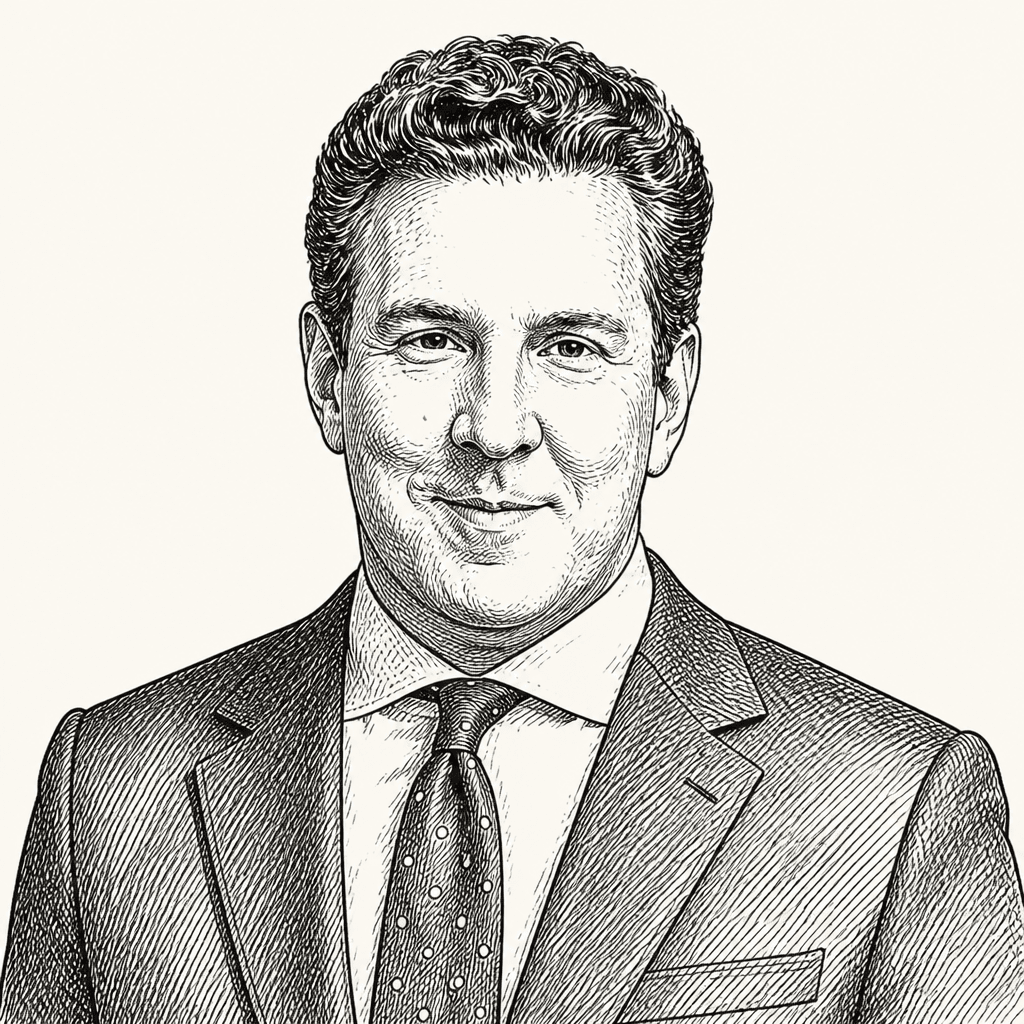
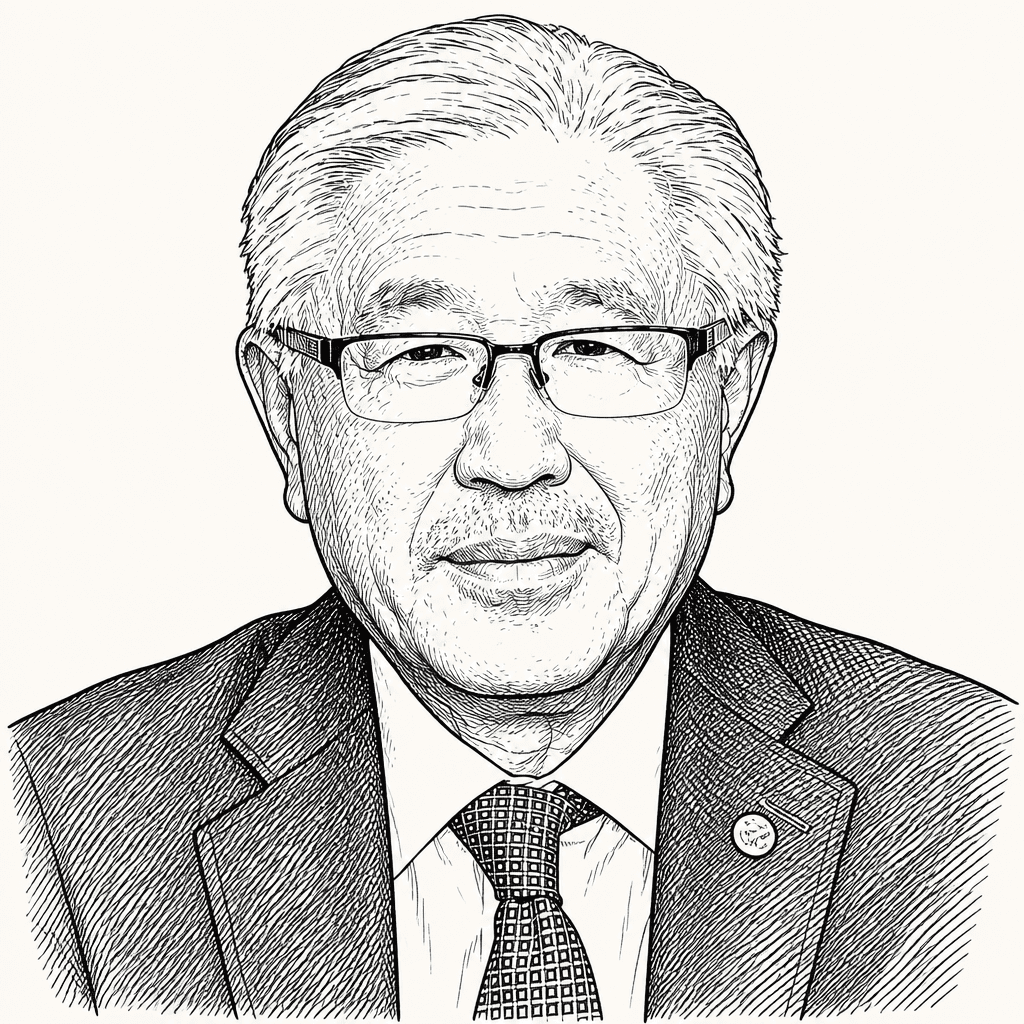
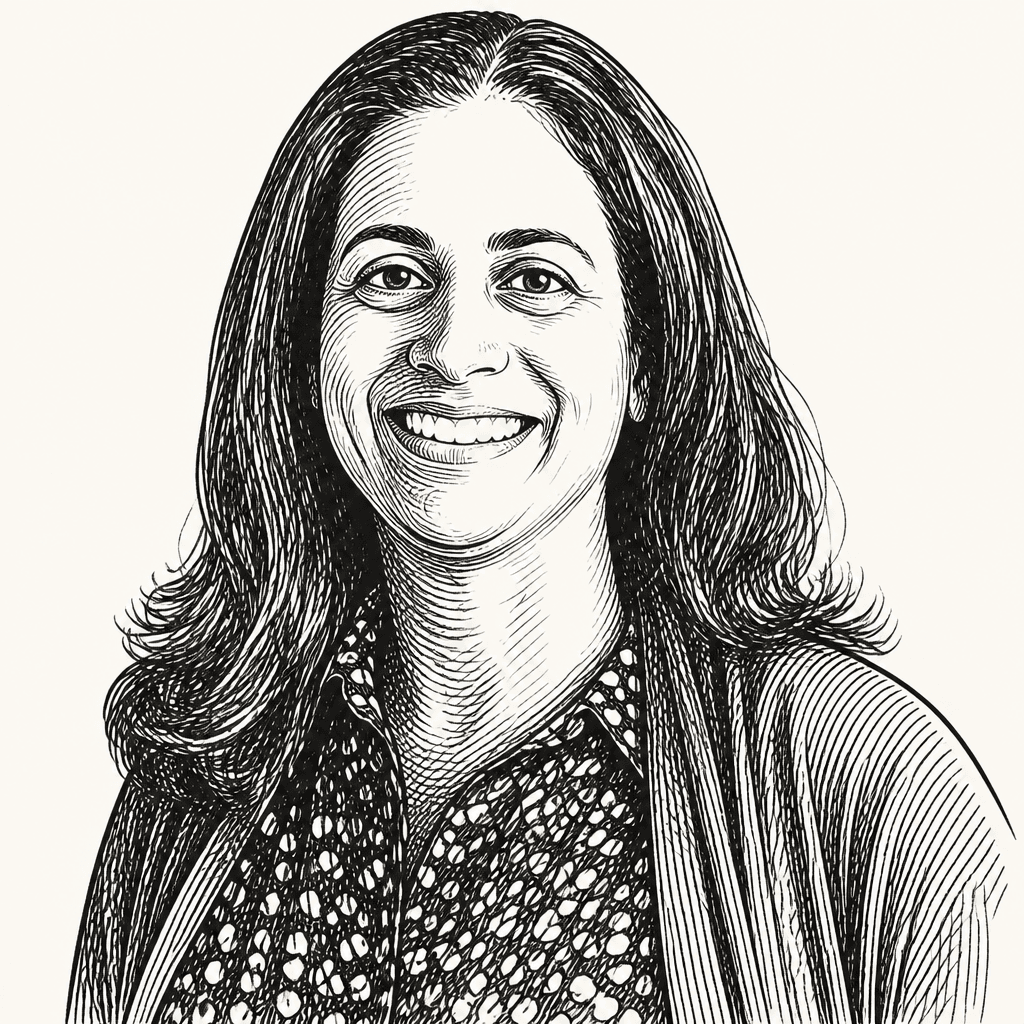
National Academy of Medicine president Victor Dzau and pediatrician Lisa Patel argue that health care’s climate responsibility extends beyond greener buildings to the disease burden, supply chains, procurement, care delivery and community resilience that determine the sector’s footprint. In this Aspen Ideas: Health discussion, they frame climate change as both a growing source of illness and a test of whether hospitals, clinicians and suppliers can make emissions accountability as routine as patient safety.

Health care is both treating climate harm and producing it
The health sector’s climate problem, as Victor Dzau framed it, has two sides that cannot be separated. Climate change is already a health threat: heat, smoke, air pollution, infectious disease shifts, respiratory illness, cardiovascular disease, mental health effects, and the disruption of care during disasters. At the same time, health care itself is a major source of emissions.
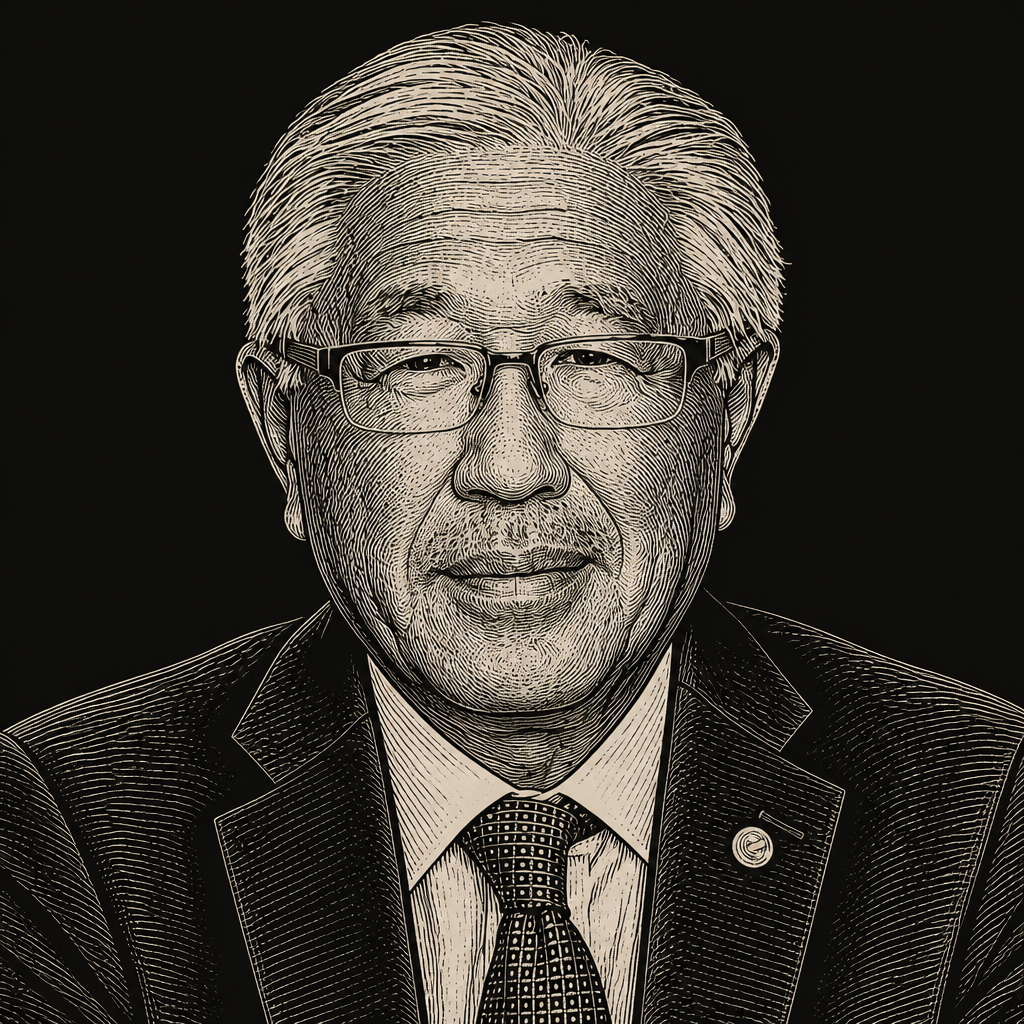
Dzau said the U.S. health sector accounts for about 8.5% of the country’s carbon emissions. Globally, he said, health care is about 5% of emissions and “ranks among the top five countries,” adding “I think” to that comparison. The biggest source is not hospital lights or air conditioning, though those matter. Dzau put 70% to 80% of the sector’s emissions upstream and downstream, in pharmaceutical manufacturing, medical supply chains, devices, and related procurement.
That changes the practical scope of “greening health care.” A hospital can harden its power system, reduce energy use, and prepare for smoke or floods. Clinicians can learn to recognize climate as a health risk factor. But Dzau argued that the sector cannot meaningfully decarbonize unless it involves the companies that make and distribute drugs, devices, supplies, and equipment.
The National Academy of Medicine’s response, he said, was to build a “Grand Challenge” beginning in 2020 after several years of internal organizing. The effort brings together medical societies, public agencies, health systems, industry, supply-chain companies, educators, government officials, and community organizations. Dzau described five pillars: communicating climate-health risks to the public; building resilient health systems and communities; defining research and innovation needs; working with high-risk communities on locally designed solutions; and transforming other sectors — agriculture, transportation, construction, energy, and policy — so that health is considered in their climate decisions.
The point, in Dzau’s account, is not that health care should become another climate constituency speaking only for its own footprint. It is that health should sit at the center of climate and energy choices that are usually evaluated as economic, environmental, or infrastructure questions.
It’s not just the economic issue, it’s not environment issue, it’s affect human suffering.
Lisa Patel pushed the same argument from a different direction. She described health care as “a sick system,” not a “well system”: a system built around treating chronic disease after it appears, constantly adding drugs, therapeutics, products, procedures, and waste. For Patel, the deeper climate solution for health care is prevention. If the country had a healthier population that needed less intensive health care, the sector would produce less waste and fewer emissions.
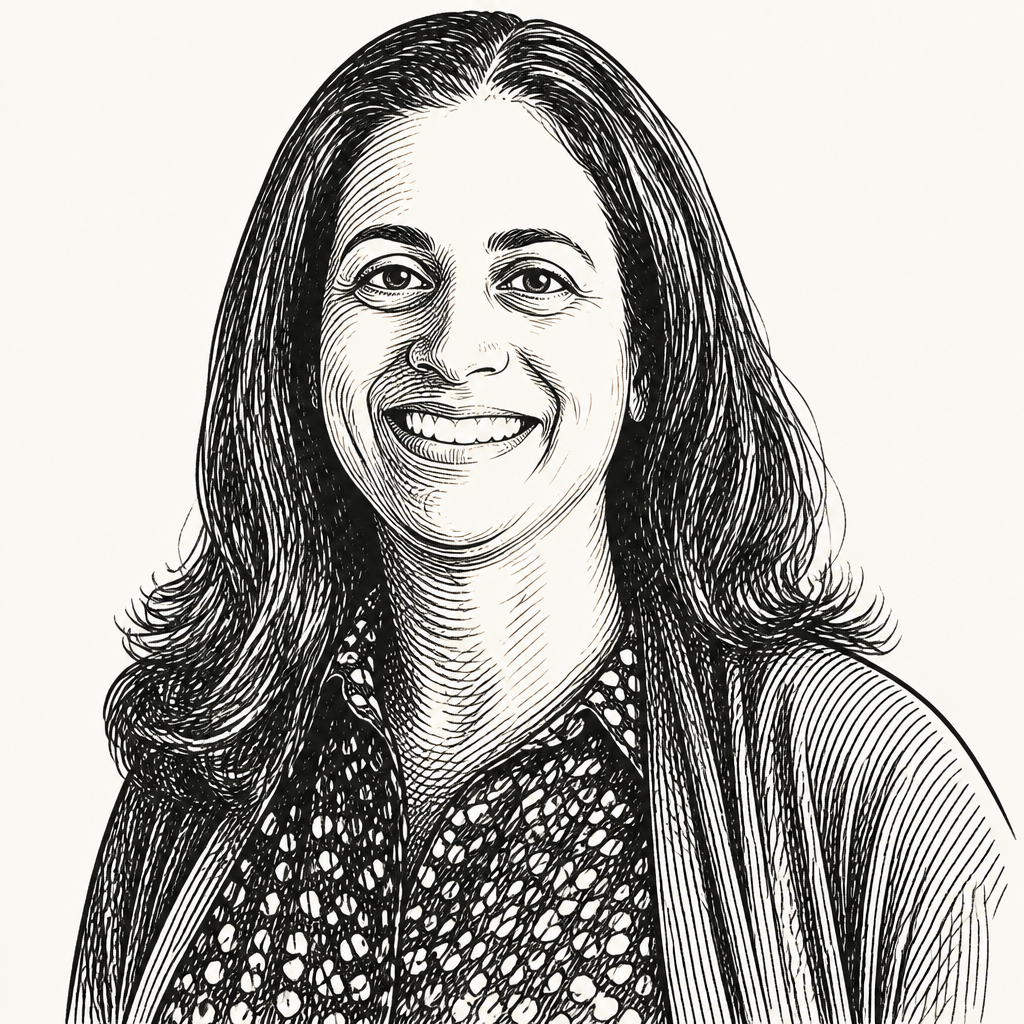
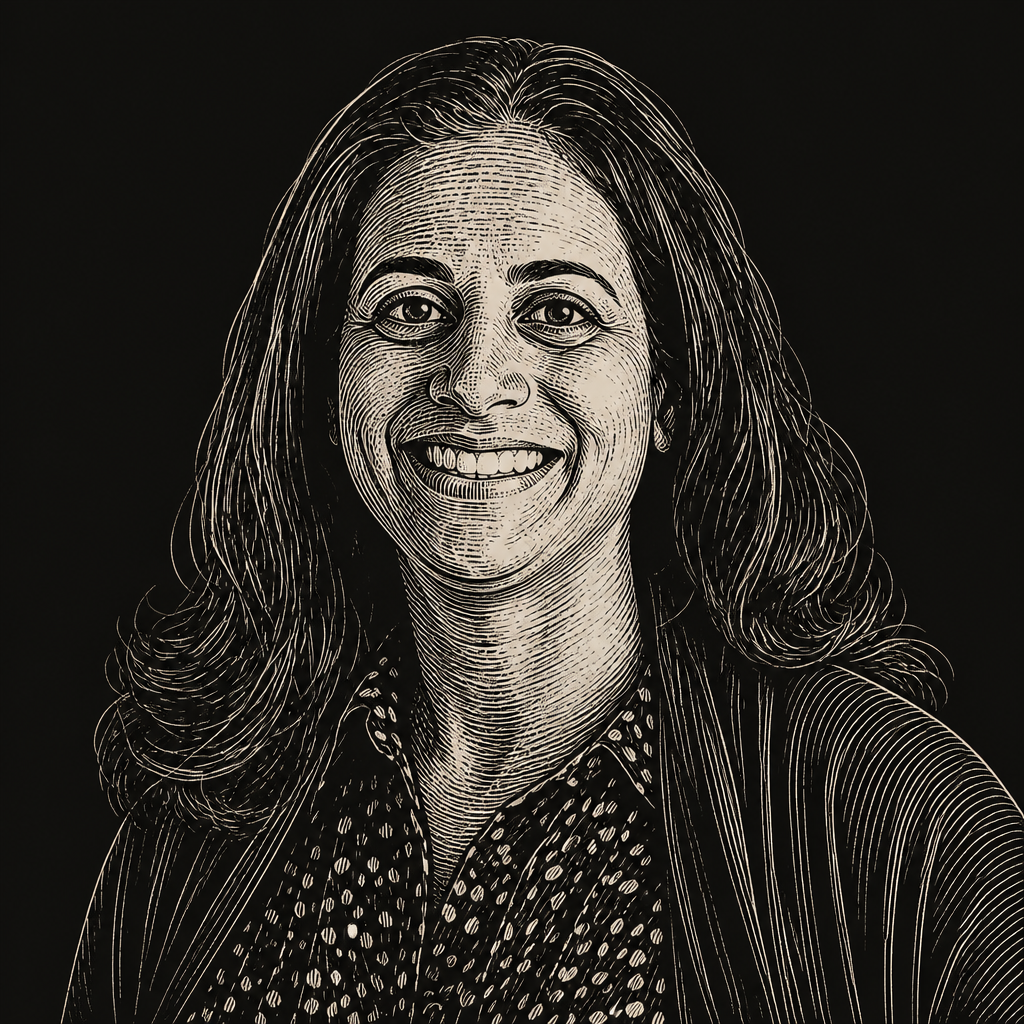
We live in a sick system. We do not live in a well system.
She did not dismiss facilities work. But she treated it as secondary to disease burden. The more illness the system is asked to manage, the more products and services it consumes. “An ounce of prevention is worth a pound of cure,” she said, applying the old public-health maxim directly to the sector’s climate footprint.
Dzau agreed, while adding that operational changes still matter because they can improve patient care and reduce emissions at the same time. He cited telemedicine as an example. During COVID-19, he said, data showed that about 70% of routine outpatient visits could be handled virtually. If patients no longer have to drive long distances into congested medical districts, transportation emissions fall and access may improve. Dzau used Boston’s Longwood medical area as an example: multiple hospitals and research facilities sit close together, yet moving from one street to another by car could take half an hour, while patients drove in from miles away.
The resulting picture is not a single intervention. It is a redefinition of health-sector responsibility: prevent more disease, design care delivery to reduce unnecessary travel and resource use, decarbonize supply chains, and prepare facilities and communities for climate shocks already underway.
| Problem | Where Dzau or Patel located it | Operational lever they described |
|---|---|---|
| Health-sector footprint | About 8.5% of U.S. carbon emissions, according to Dzau | Measurement, accountability, procurement standards, and supplier engagement |
| Supply-chain emissions | 70% to 80% upstream and downstream, according to Dzau | Industry working groups, common reporting, purchaser demands, and green standards |
| Disease burden | A “sick system,” in Patel’s words, built around treating illness after it appears | Prevention, healthier populations, and less avoidable use of care |
| Care delivery | Transportation and routine outpatient visits, according to Dzau | Telemedicine and redesign of routine care where clinically appropriate |
| Facility resilience | Blackouts, fires, smoke, floods, and care disruptions described by Patel and Brangham | Emergency preparedness, reliable power, community resilience, and infrastructure planning |
Medicine recognized the climate-health link slowly, then all at once
Victor Dzau said clinicians had long treated conditions that climate change worsens — asthma, respiratory disease, heat illness, injuries, infectious diseases — but many initially saw them as environmental exposures rather than symptoms of a climate-health system. In his telling, the association between climate change and those health effects became increasingly clear in the 1990s, but the larger shift in medicine happened over roughly the past 15 years.
He pointed to the Lancet’s work on climate and health, including a 2015 commission that became the Lancet Countdown, as a major marker. Within the National Academies, Dzau said, the issue became “fairly clear” around 2017: many health problems the institution was addressing were connected to climate change.
Lisa Patel’s path began outside medicine. She had studied climate change for 30 years as an environmental scientist before becoming a pediatrician. She expected to spend time learning to be a good doctor and a good mother. Then wildfires in Northern California began to shape her clinical life.
She called herself “an unfortunate wildfires expert.” That was not the specialty she imagined, but as an environmental scientist and pediatrician she saw patients and communities trying to understand what smoke and fires meant for their health. Around her, other fields were forced into similar adaptation: emergency medicine physicians became experts on extreme heat; infectious disease specialists began tracking changes in vector-borne illness.
Patel credited the youth climate movement in 2018 and 2019 with bringing many health professionals into public view. The Medical Society Consortium on Climate and Health was founded in 2017, but she described the youth movement and worsening crises as creating momentum across medicine. Medical students, in particular, became a force inside training institutions. Patel cited Medical Students for a Sustainable Future and its planetary health report card, which grades medical schools on planetary-health education and gives students leverage to press for curriculum changes.
The curriculum shift is underway, she said, but not complete. The harder population to reach is clinicians already out of training. Patel and Dzau said they are working through the National Academy of Medicine to reach that group.
Here the two speakers diverged in tone. Dzau said he had not encountered much skepticism inside medicine. To him, the barrier was more often awareness and workload: clinicians and hospitals already feel overwhelmed and may resist another measurement requirement or operational priority.
Patel said she had seen more resistance. She described herself as a “cynical realist” and said a minority of people in medicine still deny climate change is happening. She put that denial in the context of polling suggesting about 10% of the country falls into that category, and said it appears in medicine in different forms.
But Patel agreed that the more common resistance is exhaustion. She works in a small community hospital and described a health care system that is “if not broken then breaking.” In pediatrics, she said, 30% of hospital beds for children in the United States are gone because community hospitals are closing pediatric wards. During respiratory surges or major air-pollution events, the strain becomes acute. Patel said she has had to call Nevada to transfer children because no beds were available in the Bay Area.
That matters for climate adaptation because heat, smoke, flooding, and other climate-linked disruptions add pressure to a system already short on capacity. Patel said clinicians often respond to climate-health work with a plea: “I cannot handle one more thing.”
Her answer is that sustainable health care can restore agency rather than simply add burden. For clinicians distressed by a system that feels overwhelmed, sustainability can reconnect the institution to healing. A health care institution can become, in her words, “part of the solution of healing,” rather than another place where workers feel no control over the system.
Dzau broadened the frame beyond hospitals. He argued that ambulatory care, outpatient care, community health workers, non-physician clinicians, nurses, and other frontline workers are essential because much of the climate-health burden is handled outside hospitals, especially chronic exposures and heat-related risks. Hospitals are important, but the climate-health interface is spread across communities.
The visible disasters are only part of the disease burden
Wildfires, floods, heat waves, power outages, and hospital evacuations make climate change visible. Victor Dzau warned that the less dramatic burdens may be larger: chronic respiratory and cardiovascular disease, mental health effects, infectious disease changes, and the accumulated toll of air pollution. He said about 7 million people die globally each year from air pollution and treated that as part of the climate-health problem, not a separate environmental issue.
That distinction shaped the discussion. Climate change is not only what happens during an emergency; it is also what fills clinics, exacerbates asthma, worsens heart and lung disease, and places older adults and vulnerable patients at risk.
Lisa Patel’s examples showed how acute events expose system fragility. She described a night on the maternity ward when PG&E cut power to her hospital during a high-wind advisory, a fire-risk condition, with no notice. The hospital entered a blackout. Mothers who had just delivered babies were walking around in the dark. She called it a minor event compared with what colleagues in Santa Rosa faced when oncoming flames forced a hospital evacuation.
William Brangham, the moderator, cited a Harvard study indicating that four out of five staff at frontline clinics reported climate-related disruptions to care, including power outages, staff shortages, facility closures, and transportation disruption. In the discussion, the study functioned as evidence that climate change is already operational for health workers: it affects whether patients can arrive, whether facilities can function, whether staff can get to work, and whether beds are available.
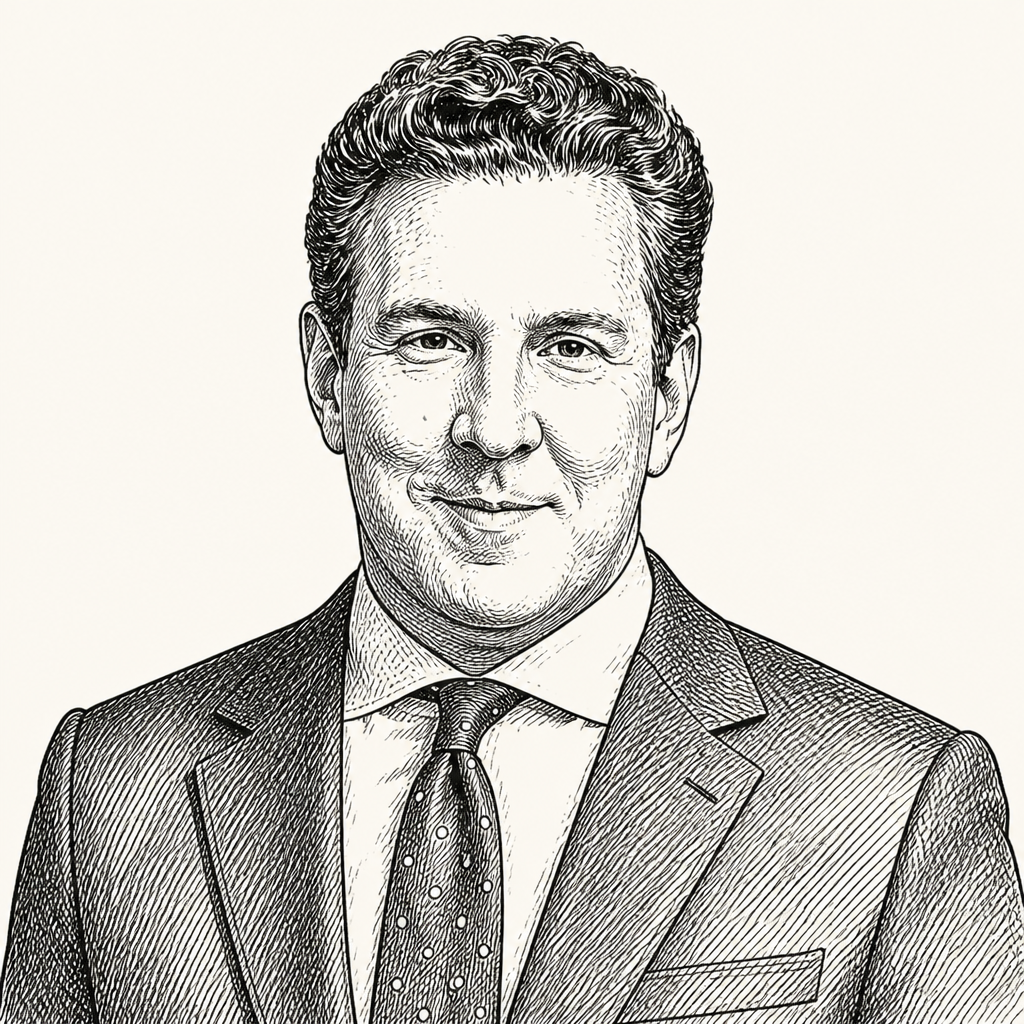
Dzau said resilience must therefore include both emergency preparedness and long-term efficiency. Health systems need power, infrastructure, and operational plans that can withstand the conditions Patel described. But they also need community partnerships, because disaster resilience cannot be solved within hospital walls.
Patel’s examples also made clear that climate events are not evenly distributed. Schools, neighborhoods, and hospitals do not face the same exposure or have the same protections. Some have air filtration, air conditioning, green space, and backup systems; others do not.
Climate change is a health-equity crisis because protection is bought
Asked whether the slow response to climate change reflected the fact that the people most harmed are not the people with the most power, Lisa Patel answered in two parts.
First, she blamed the fossil fuel industry. Patel said the industry had known since 1960, with “great accuracy,” what would happen, and instead of investing in a thoughtful transition to renewable energy, it spread disinformation, denial, and political influence to protect continued fossil-fuel investment. For Patel, any account of the climate crisis that omits the fossil fuel industry is incomplete.
Second, she agreed that unequal protection is central. She compared the response required in climate to running a code on a critically ill child. The time to prepare for a code is not during the code; it is well before. Her anger, she said, is especially on behalf of her children: “60 years we had. 60 years to get this right,” and now society is trying to improvise during crisis after crisis.
The time to prepare for a code is not in the middle of a code. The time to prepare for a code is well before it.
The inequality is visible in everyday infrastructure. Patel’s children attend San Francisco Unified School District schools built for a Mediterranean climate, without HVAC systems or air conditioning. Private schools in the same area, she said, may have filtration, air conditioning, and access to greener spaces that buffer children from heat and smoke.
She gave examples from other cities. In Baltimore, she said, climate-driven flood events broke sewage systems in disadvantaged neighborhoods, leaving feces backing up into bathtubs and sinks. In Phoenix, she said, unhoused people and others exposed to extreme heat have sustained second- and third-degree burns simply from falling on pavement, with burn units filling from such injuries.
Trees, air conditioning, filtration, sewage systems, and green amenities become health infrastructure under climate stress. Communities without them experience climate change as injury, infection risk, disrupted schooling, and preventable illness. Patel described the crisis as one of “the haves and the have-nots,” in which some people can buy safety while many cannot.
Victor Dzau agreed and said climate health should be understood as a social-equity issue. He emphasized the need for stories because many people still think of climate as something happening elsewhere, not as a force acting on their own bodies. In his view, the public needs to hear climate described as human suffering, not only as economics or environment.
That equity frame also shaped the coalition work both speakers described. Dzau said one of the National Academy of Medicine Grand Challenge pillars is entirely focused on communities. The Academy worked with Sacoby Wilson at the University of Maryland to map counties and identify high-risk “hotspots,” as Dzau described them, based on extreme-event exposure and socioeconomic vulnerability. Dzau said the Academy then went to community-based organizations, brought them together with funders, foundations, and agencies, and helped create community action plans. He also described a youth movement within that community work.
Patel was more cautious about scale. She said community-centered work is central to what both organizations do, but “we are a drop in the bucket.” In cities such as Detroit, Memphis, Fresno, and Houston, she said, communities often ask for health data and for doctors and nurses to show up in support. The Climate, Health, and Equity Fellowship, started with the National Medical Association, aims to train physicians underrepresented in medicine to become leaders responsive to their own communities.
Patel stressed that clinicians should not assume they lead. The goal is to listen to what communities ask for and then bring skills — data, talks, resources, clinical credibility — in support. She acknowledged the work cannot always be perfect, but said the value should be community-led and community-grounded.
International declarations help, but domestic politics has moved the fight into courts and standards
William Brangham asked whether the World Health Organization should declare climate change a public health emergency, on the scale of mpox, Ebola, or COVID. Lisa Patel said she might once have answered yes, but not now. She cited “signal fatigue” across society and said emergency declarations no longer feel like the powerful mobilizing tool they once were. She also said the Trump administration had used emergency declarations for “fairly perverse purposes,” making her reluctant to treat emergency status as a reliable lever.
Victor Dzau was more optimistic internationally. He pointed to COP28 as the first Conference of the Parties to recognize climate as a health issue and include a health day. He said COP30 in Brazil put forward an action plan agreed to by countries, and that the G20 under Brazil also developed an action plan. Those moves matter, he argued, because national climate plans can incorporate health when countries set priorities.
Domestically, both speakers described a much more adversarial policy environment.
Brangham described the Trump administration as having taken steps away from renewable energy, toward fossil fuels and coal, and as having undone the EPA’s endangerment finding, the 2009 determination that greenhouse gases threaten human health. Dzau said this hit a sensitive point because the National Academies had been deeply involved. When EPA opened a comment period on rescinding the finding that greenhouse gases have harmful effects, he said the Academy “immediately jump[ed] into action” with an updated evidence report. Its conclusion, he said, was unsurprising: greenhouse gases are harmful.
The Academy then received political pushback, according to Dzau. He said Congress and the administration questioned who asked the Academy to do the study, who supported it, and whether it had conflicts. He also described controversy over a climate-change chapter the Academy wrote for a judicial reference manual. Dzau said some state attorneys general asked for it to be removed; in his telling, the chapter was removed from the manual, but the Academy would not remove it from its own materials.
Dzau said the Academy is also working on an attribution study examining major sources of emissions, a project he expects to be highly controversial because of potential lawsuits and industry objections. He compared the dynamic to tobacco: companies disputing causation, alleging bias, and challenging committees. Congress, he said, has already asked about the study’s status and committee membership.
Patel said her organization has shifted strategy toward the judiciary because, in her view, federal policy is not being made in a way that counts health harms. She said that in December the EPA stopped counting health in its regulations and counted only the cost to industry, which she described as erasing health from the calculation. She said the agency is being sued, and that her organization is writing an amicus brief on the endangerment finding on behalf of youth.
The strategy, as Patel described it, is defensive and preparatory at once: train health professionals to give expert testimony, write amicus briefs, and show up in court, while also helping develop policy blueprints for a future political moment when rebuilding is possible. She mentioned the Thriving Economies Project as part of that future-oriented work.
Dzau agreed that evidence alone is insufficient. The National Academies’ role is to keep producing evidence, but he said advocates must also communicate better. Bar graphs and numbers do not move people the way patient stories can. They must understand what drives politicians, build narratives that speak to those drivers, and assemble coalitions powerful enough to influence decisions. He also emphasized state and regional policy as places where health professionals may have more practical influence than in Washington.
The sector’s climate movement is trying to move from pledges to accountability
Both speakers described a growing health-sector coalition, but both also warned that signing on is not the same as changing operations.
Victor Dzau said the National Academy of Medicine collaborative includes about 80 organizations and hundreds of people. He named participants including Patel, ? jackie-gerhart, and Jeff Thompson, and said the group has launched a national movement called Accelerating Climate Change and Health. About 700 hospitals and more than 80 organizations have signed on, he said.
The next step is measurement. Dzau repeatedly returned to benchmarks, accountability, procurement standards, and certification. If supply chains produce most emissions, purchasers must ask suppliers what they are doing. Hospitals and health systems can use procurement standards to demand information and performance from manufacturers and distributors. Dzau cited McKesson’s “green standard” as an example of a supplier expectation. He also described work on a “journey map” for supply-chain companies and health systems, meant to show organizations how to begin and what actions to take.
Manufacturers of pharmaceuticals, devices, medical technology, supplies, and equipment sit inside the health sector’s climate footprint whether or not their emissions occur inside hospital walls. Dzau said the National Academy collaborative has a working group devoted to industry and is now bringing that group together with health care purchasers. The collaborative, he said, is co-chaired by Senator Bill Frist, McKesson executive Nimesh Jhaveri, and Dzau, with companies such as GSK, AstraZeneca, and Medtronic involved through sustainability officers and CEOs.
The work includes action lists identifying high-emitting areas and efforts to standardize measurement across industry. Reporting is central: companies need common ways to measure and disclose emissions. Procurement is the enforcement mechanism. If hospitals and health systems are major purchasers, they can ask suppliers where they stand and what they are doing.
Dzau framed this as both a climate and business-resilience issue. As an example of extreme weather disrupting the medical supply chain, he cited North Carolina flooding and said IV fluids ran out. Young employees, he added, increasingly want to know what companies are doing about climate change.
Lisa Patel’s experience at Stanford Healthcare illustrated how change can begin internally. In 2020, she and students distressed about climate change organized a symposium. Their CEO attended along with other regional CEOs, and Patel said it turned into a “race to the top” over who could do the best. Six years later, she said, Stanford’s CEO was onstage at CleanMed, a large health care sustainability conference, telling others to talk to their CEOs about climate change.
She treated that as an example of how health-worker advocacy and leadership buy-in reinforce each other. Clinicians and nurses are powerful voices inside institutions, but sustainability efforts can stall if leaders never engage. Conversely, top-down commitments can be hollow if the people inside the system are not activated.
Patel said sustainability can also address burnout because it is aligned with why many health workers entered the field: to care for people and the planet. But she acknowledged that Stanford’s story is not universal. In many systems, people are “toiling along” without anyone in leadership listening. Persistence helps, but both internal champions and executive support are needed.
Her skepticism about pledges came through when she discussed the 2022 Health and Human Services sector pledge. Some health systems signed and then acted as if the work was complete. Patel said her organization is rethinking whether it needs to recruit more people or further activate those already in the coalition. In the current political climate, recruiting new participants is harder. The coalition is already powerful, she said; the question is how to convert it into action.
Dzau’s five-year goal was to see climate performance treated more like patient safety. He recalled the National Academy’s 1999 report, “To Err Is Human,” which identified deaths from medical errors. At first, he said, clinicians resisted the implication that such errors were happening in their institutions. Then came executive orders, hospital quality-improvement demands, measurement, Joint Commission involvement, Medicare scrutiny, and campaigns such as Don Berwick’s 100,000 Lives effort.
Five years, I’d like to see people measuring it, being accountable for it, and the system itself acting like a system in patient quality and safety, likewise.
That is the model Dzau wants for climate and health: measurement, accountability, certification, and eventually systemwide expectations. He said the Joint Commission, through John Perlin’s involvement in the collaborative, has started hospital certification, though he added that hospitals are not ready for accreditation on climate. He also said CMMI, under Liz Fowler, had started an effort he referred to as “TEAMs,” where emissions would be measured and payment considered; he implied its future is uncertain under the new administration.
Voluntary action, Dzau argued, will not be systematic enough. The sector needs the kind of routine, normalized practice now associated with safety checks — the wristband, the patient’s age, the left-side/right-side verification before a procedure. Climate accountability, in his view, has to move toward that level of embedded expectation.
AI adds a new infrastructure conflict, not only a new tool
Data centers have become one of the new places where climate, health, infrastructure, and local power collide. Lisa Patel said data-center proposals have become chaotic across the 30 states where her organization works. Communities and local advocates are asking for help at a pace that has become overwhelming.
Patel said the buildout is reproducing “abusive structures” seen in past industrial projects: companies not disclosing who they are, large amounts of money used to bypass processes, nondisclosure agreements, and, in her account, efforts by the Trump administration to fast-track permits.
For Patel, the process itself is a health issue because lack of agency over one’s community is a determinant of health. Communities that already feel decisions are imposed on them experience new infrastructure fights as another loss of control over their health and well-being.
She identified several direct concerns: construction noise, air pollution, water use, and fast-tracked gas turbines or gas-powered energy to serve data centers. Those gas investments, she warned, will worsen air quality. A child born today, she said, can already expect to breathe poorer air than people in the room had enjoyed, because of fossil-fuel prioritization and wildfire smoke erasing gains from the Clean Air Act.
Victor Dzau offered the optimistic counterweight. AI, he said, could help the health sector make better decisions about energy sources, efficiency, and clinical care. It could support regional learning collaboratives by helping identify the specific climate risks facing different states and regions, since each area faces different hazards and needs customized responses. He mentioned Mass General Brigham’s work looking across Boston and Massachusetts as an example of systems learning that AI might support.
But Dzau did not dismiss the emissions problem. The challenge, he said, is balancing AI’s potential value against the energy and infrastructure burden required to run it.
Patel sharpened that caution with an analogy to single-use plastics. Society once treated them as if they had no impact. AI should not be treated as “free.” It requires resources, and decision-makers need a calculus that weighs advantages against harms and centers communities in the process.