Psychedelic Medicine’s Main Challenge Is Delivery, Not Drug Approval
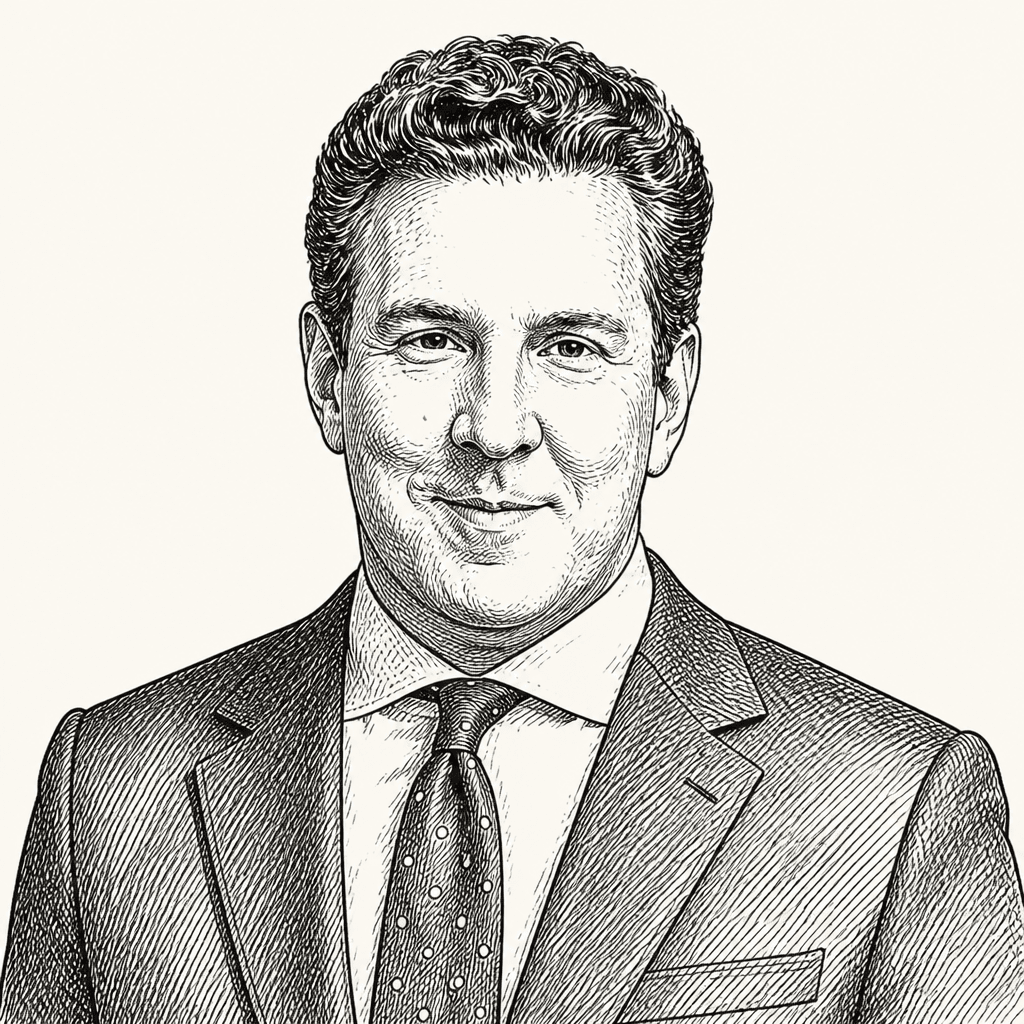 William BranghamMatthew Zorn
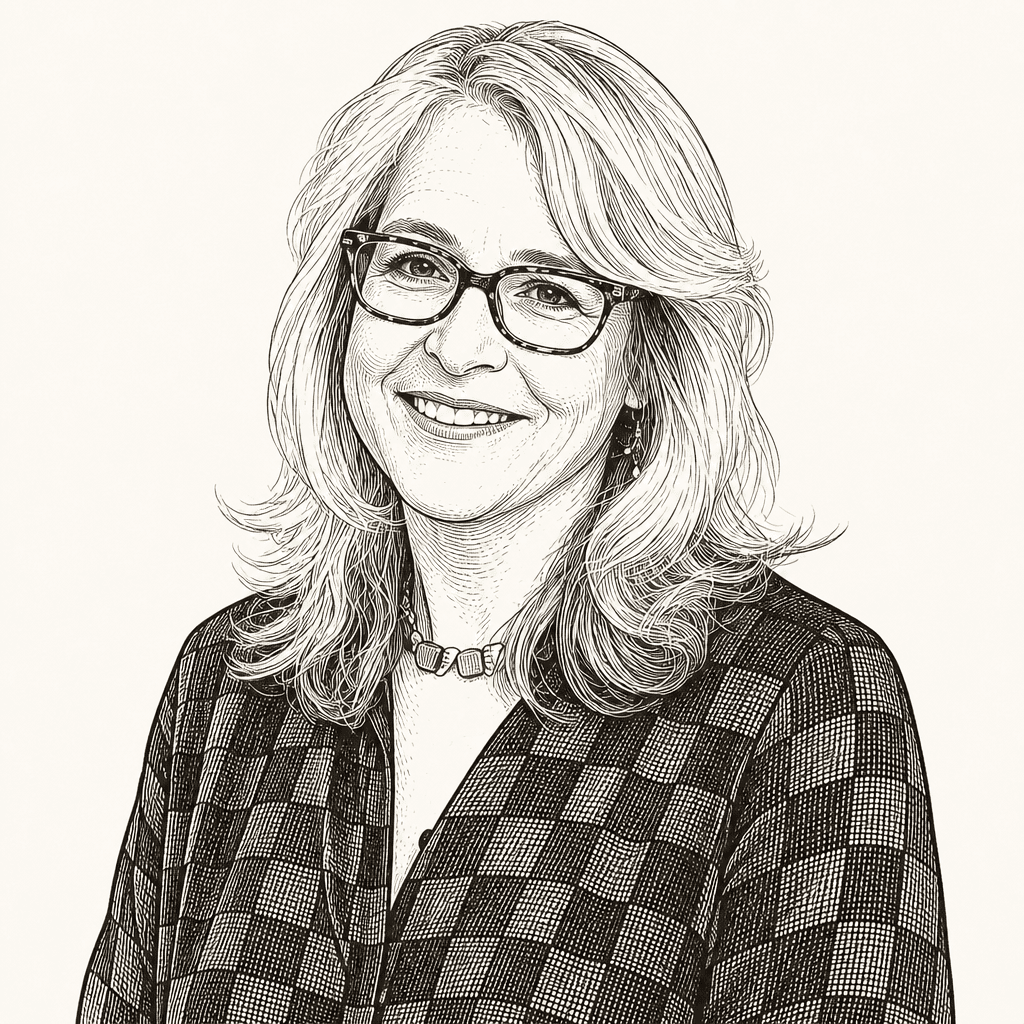 Rachel Yehuda
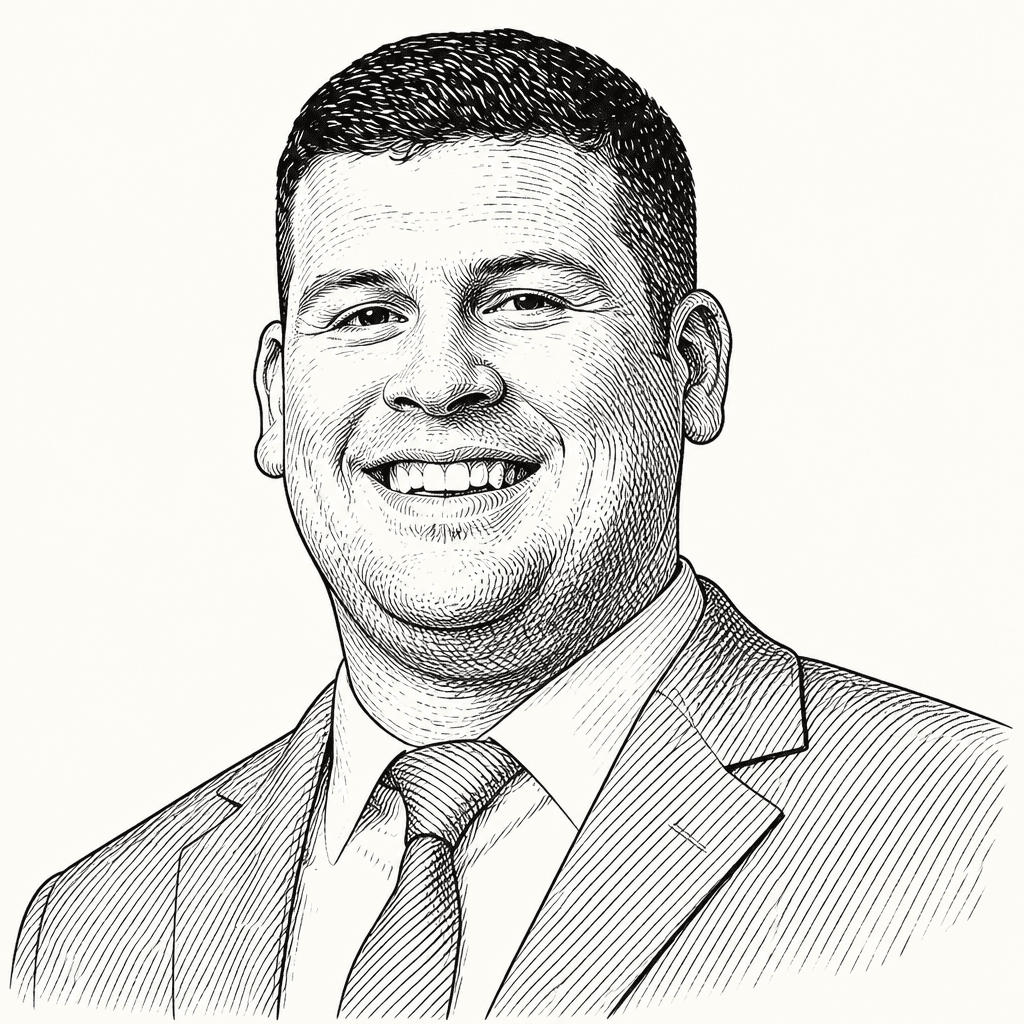 Evan WhiteThe Aspen InstituteThursday, June 25, 202619 min read
At Aspen Ideas: Health, trauma researcher Rachel Yehuda and federal health adviser Matthew Zorn argued that the central question for psychedelic medicine is not simply whether compounds such as MDMA and psilocybin can win approval, but what kind of treatment they would become. Yehuda cautioned that the molecule alone is not the intervention: preparation, setting, trained clinicians and integration may be essential to both safety and benefit. Zorn said federal momentum could move the field toward medical use, but approval would leave unresolved the harder problems of delivery, coverage, evidence and access.

The treatment is not just the molecule
The central dispute around psychedelic medicine is not whether the compounds can produce powerful experiences. It is what, exactly, counts as the treatment.
Rachel Yehuda said the field still has not settled on a definition of “psychedelic.” One possible definition is biological: a drug acts on certain targets in the brain, such as the receptor systems associated with psilocybin. Another is experiential: the drug produces an altered state of consciousness, sometimes described as mystical or out-of-body. Those two definitions do not always line up cleanly. Not every drug that acts on a relevant receptor produces the same subjective experience, and not everyone in the field agrees that the subjective experience is central.
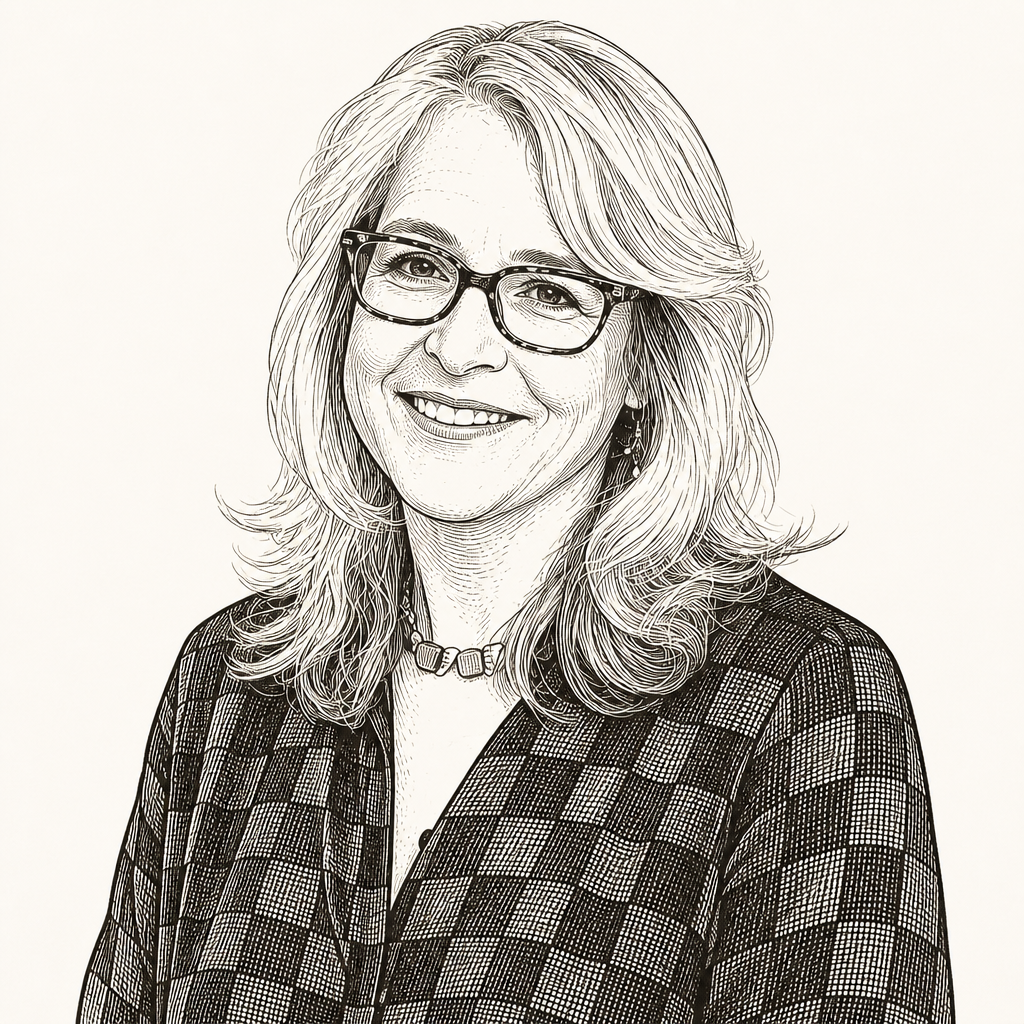
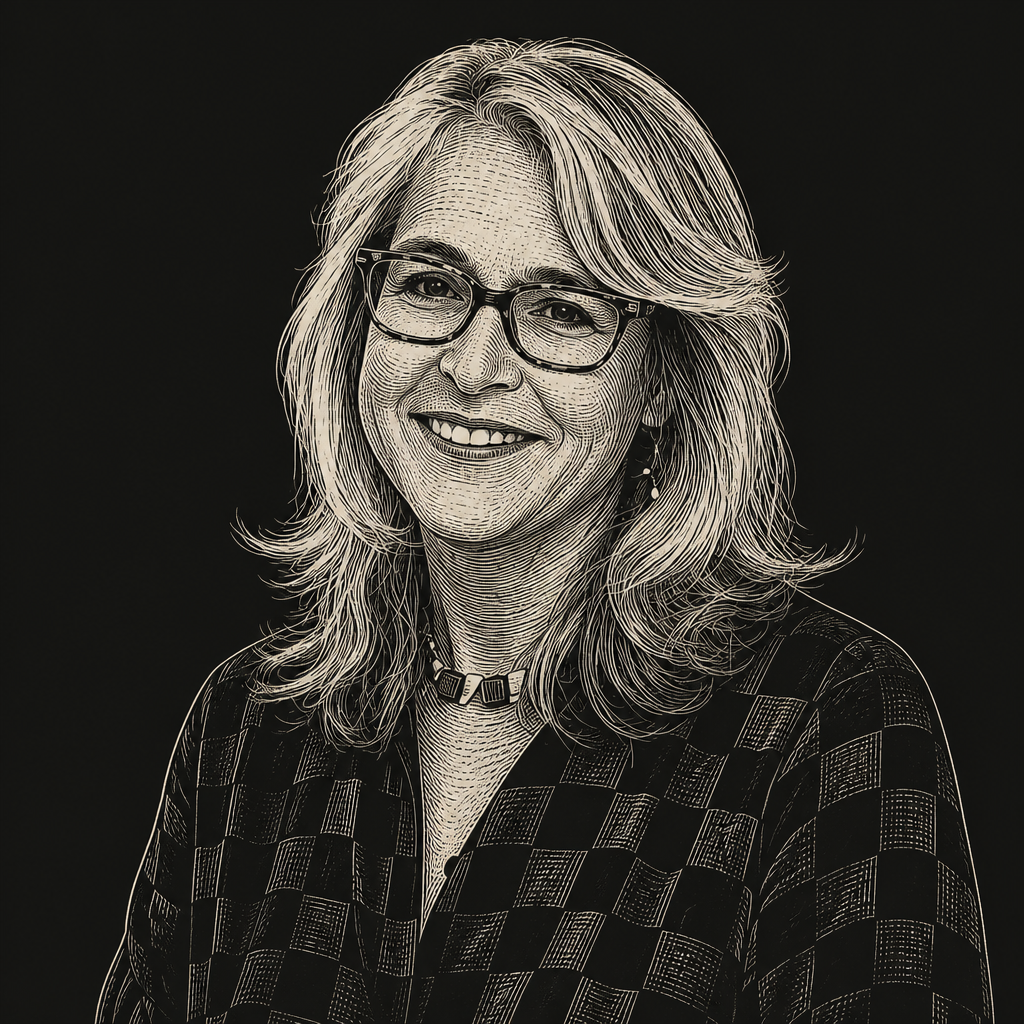
Some researchers and developers, Yehuda said, view the altered state as part of the therapeutic action. Others would prefer to remove it, treating it as a confusing or frightening side effect. That distinction matters because it will shape drug development: whether future products are defined by molecular target, by subjective properties, or by some combination of the two.
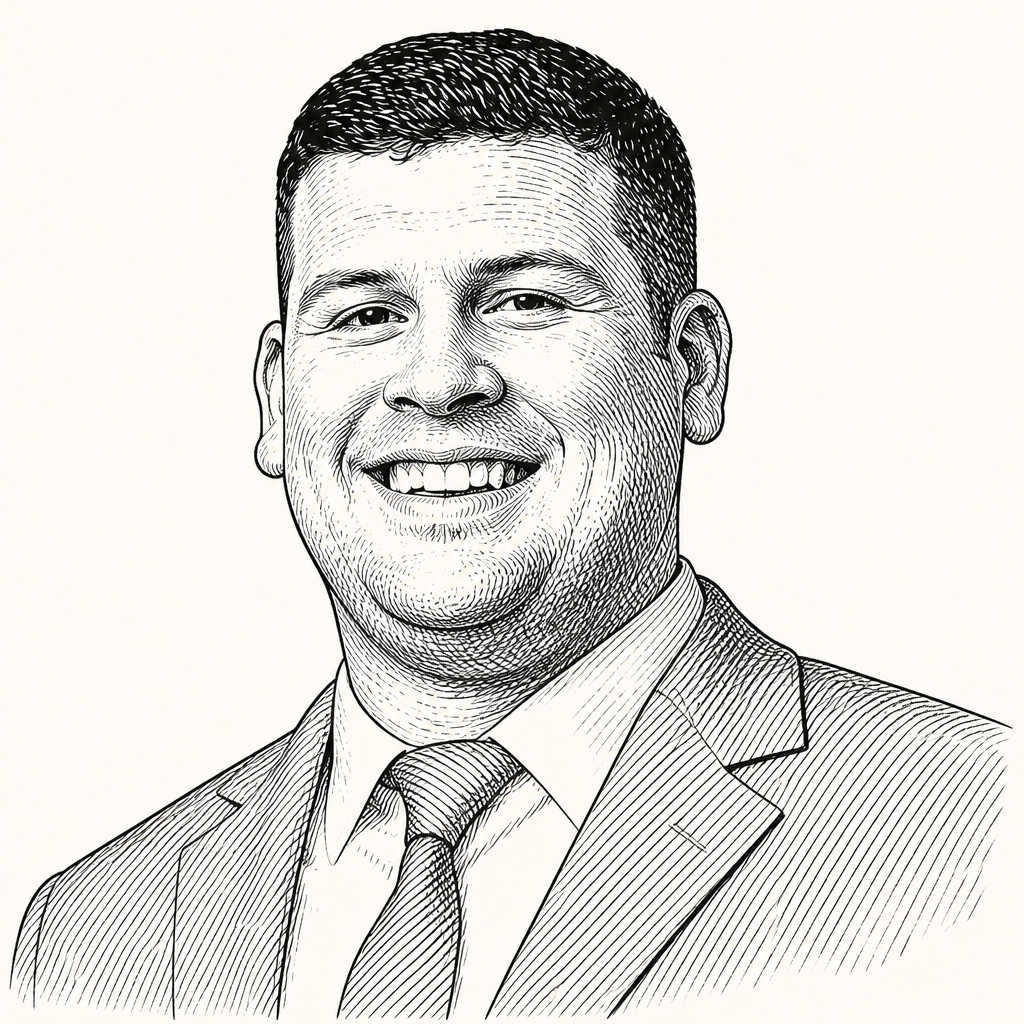
Matthew Zorn made the legal point more bluntly: under federal law, there is no term “psychedelic.” The Controlled Substances Act speaks in terms such as “hallucinogens,” and most of the substances people commonly mean by psychedelics — LSD, psilocybin, and similar compounds — remain in Schedule I. That status means they are legally treated as having no accepted medical use and a high potential for abuse, and are generally available only for research. Ketamine is different: if included in the broader cultural category of psychedelics, it is already legal and used in medicine.
That mismatch between cultural language, clinical research, and law sits underneath the entire problem. The term “psychedelic” can refer to a subjective state, a family of substances, a mode of therapy, a regulatory challenge, or a commercial opportunity. Yehuda kept returning to a narrower and more demanding phrase: psychedelic treatment. At Mount Sinai’s Parsons Research Center for Psychedelic Healing, she said, they are not administering these medicines clinically because the federally controlled substances are not legal for ordinary clinical use. They are conducting research trials with MDMA and psilocybin, and also studying ketamine, which is legally available.
The treatment model she described is not a patient taking a pill and going home. It includes preparation, a controlled setting, trained clinicians, the drug session itself, and integration afterward. Different compounds demand different therapeutic approaches. With MDMA, Yehuda said, a patient may remain “pretty intact” — aware of who they are, able to speak, able to process material during the session. With a high dose of psilocybin, the patient may have a mystical or out-of-body experience and may not be able, or may not want, to form the kind of sentences associated with ordinary psychotherapy. In that case, more of the psychological work may happen afterward, when the patient “downloads” what they saw, learned, and felt.
Yehuda said her center trains clinicians to work with patients in altered states, and is still trying to determine empirically what a therapist should say to someone in that condition. Sessions are videotaped, watched, monitored, and supervised. The research includes close analysis of therapeutic interaction and biological measures, because one unresolved question is whether the interpersonal therapeutic component is necessary, or whether the drugs can initiate a process on their own.
That question is not just academic. If the therapy component is essential, the treatment becomes more expensive, harder to scale, and more dependent on specialized training. If the drug itself does most of the work, the model looks more like conventional pharmacology. Yehuda resisted collapsing the treatment into the molecule.
The woman from Mount Sinai did not say the molecule. The treatment.
She sharpened the point with a warning: “If you take MDMA at a rave, you will not come back from that rave with your PTSD cured.” She presented that not as medical advice, but as a statement about context. In her view, the same molecule in a rave and the same molecule in a prepared therapeutic setting are not the same intervention.
Approval would not solve the delivery problem
Matthew Zorn said the federal executive order on accelerating treatments was important partly because it used the word “psychedelic” repeatedly. In his telling, that matters culturally: it places psychedelics in the context of treatments rather than recreational use. Speaking from his government role, he said federal attention is focused on the medical category.
But he emphasized that faster attention does not mean a shortcut around ordinary drug standards. These compounds, if approved, will be subjected to the same safety and effectiveness standards as other drugs. As Zorn described it, the executive order changes federal priority, not the evidentiary burden for approval. It signals that psychedelic treatments are now a government priority, while leaving the normal approval standards in place.
The harder question, Zorn said, is what happens “the day after” approval. These are not conventional treatments. They raise immediate questions about who is trained to administer them, how treatment is delivered, whether insurers cover them, and how coverage would be structured. His answer to whether the system is ready was “both yes and no.” He hoped that over the next six to nine months, federal agencies would prepare for what medical introduction would look like in the real world.
The big question now is, if there is an approval, what happens sort of the day after?
The reimbursement problem is inseparable from the treatment model. A psychedelic-assisted therapy session may take hours, require trained personnel, and involve preparation and integration. If the relevant therapeutic effect depends on context, music, intention-setting, lying down in a prepared room, and a clinician who can support the patient through difficult material, then insurers are not just paying for a compound. They are paying for a complex episode of care.
Zorn argued that the medical system is not entirely without analogies. In some areas of cancer care, he said, treatment can move from a chronic management posture to an episodic intervention aimed at remission or cure. That is not a perfect comparison, but it shows that payment models can adapt when a costly, time-bound intervention changes the trajectory of an illness.
For mental health, however, he said the shift would be more radical. Some conditions are implicitly treated as chronic or nearly incurable. Psychedelic treatment suggests the possibility that a person might not need indefinite symptom management in the same way. Zorn was careful not to overstate the claim: for many patients with PTSD, he said, the outcome may not be a complete disappearance of symptoms, but symptoms becoming more manageable day to day. That alone can be life-saving.
He also pointed to medication burden. Many veterans and non-veterans with severe psychiatric conditions are on combinations of drugs aimed at individual symptoms: an antipsychotic for one problem, an antidepressant for another, and so on. If one psychedelic intervention allowed some patients to reduce that burden, Zorn said, it could significantly improve quality of life and might save the health system money in some cases. Which cases remain an open question.
That open question is precisely why downstream research matters. Zorn said clinical trials establish that a drug is safe and effective for some identified population. But insurers and public programs will need more precise answers: for whom does it work, under what conditions, with what durability, and at what cost? If treatments are expensive, the system cannot afford to pay for them indiscriminately when they will not help a given patient.
The target is not only symptom reduction
Rachel Yehuda described psychedelic treatment for trauma as different from ordinary symptom control. In her account, the striking feature in combat veterans is not simply that PTSD symptoms decline. It is that patients become able to speak about guilt, shame, moral injury, self-blame, and childhood wounds without the same self-hate that previously made those subjects inaccessible.
Trauma is often framed clinically through fear: conditioned fear, intrusive thoughts, nightmares. Yehuda said that for many patients, the heavier burden is guilt and shame. Combat veterans may have had to make difficult decisions; victims may blame themselves for being victimized. MDMA and psilocybin-assisted work, as she described it, can allow people to approach those experiences with self-compassion rather than recrimination.
She also stressed that combat trauma often sits on top of earlier trauma. A very high proportion of veterans who sign up, she said, have childhood trauma. In a VA setting, the presenting question may be combat-related PTSD, but treating only the combat trauma can leave “unfinished business on the table.” Her metaphor was luggage: combat trauma may be the hand luggage, while the checked bags are still at the airport.
The speed of the work is part of what makes the treatment unusual. Yehuda said a patient told her after one session that it felt like “10 years of psychotherapy,” because they had been able to look at so much. She did not present that as a universal outcome. Rather, she used it to explain why psychedelic therapy can feel categorically different from talk therapy. Ordinary psychotherapy can remain primarily cognitive. Psychedelic treatment, in her description, lets people speak from “both your heart and your brain.”
She said the treatment is not meant to replace existing mental health care. It may be most relevant for people who are avoidant, defended, and unwilling or unable to approach painful material. For them, the experience of love and self-compassion can be clinically meaningful. Yehuda noted that “love” is not a word commonly used in mental health treatment, but for some people who feel dead inside, including toward themselves, experiencing love can matter to them and their families.
Yehuda also challenged the field’s usual dependence on symptom scores. After a completed MDMA trial, she said, symptoms were dramatically reduced at the endpoint and continued to decline at six- and 12-month follow-up. The gains were not merely maintained. Her team also looked at post-traumatic growth, moral injury, life satisfaction, and self-compassion.
Her analogy was a smoke detector. Post-traumatic symptoms can indicate that something remains unresolved. Suppressing symptoms pharmacologically can be like removing the batteries from the smoke detector: the noise stops, but the fire may remain. If a patient resolves the underlying issue, they may no longer need the alarm to sound. In that model, the important question is not only what symptoms go down, but what capacities go up in their place.
That distinction became clearer in response to a question from Evan White, who asked about measuring wellness, flourishing, resilience, and community impact, especially in Native American communities. Yehuda answered with examples of the kinds of statements patients make: “I am not my mistake”; “I deserve love and happiness”; “I deserve to be in this world”; “I can find joy in my life.” Those are not conventional symptom endpoints, but they may reflect a person’s changed way of being.
Some of this can be captured in scales, she said, including the post-traumatic growth inventory and measures related to resilience, flourishing, and coping. But her broader point was that psychiatry’s regulatory and clinical apparatus sees people through symptoms and diagnoses, while patients’ recovery may involve meaning, spirituality, relationships, and the ability to live after life-shattering events.
Symptoms still matter. Yehuda acknowledged that symptom measures are how the FDA needs to make sense of an intervention. But she argued that patients are more than symptoms and diagnoses. One promise of this moment, in her view, is that psychedelic therapy may force psychiatry to recover a wider account of suffering and healing.
She also said the effect may extend beyond psychedelic treatment itself. Mount Sinai offers a free week-long training twice a year, especially for therapists in the VA and community settings. Yehuda said clinicians return saying they will never treat patients the same way again, even if they cannot administer psychedelics. The training, in her account, reminds clinicians that trauma treatment is not only about nightmares and sleep. It is about how people live meaningfully after trust, safety, and love have been broken.
Mechanism and implementation are not separate fights
Rachel Yehuda and Matthew Zorn agreed that more research is needed, but they placed emphasis differently. Yehuda worried that mechanistic research — studying what the molecule does in the brain — could become too clean, too isolated from the messy therapeutic context that may make treatment work. Zorn argued that mechanistic studies are not a distraction from implementation; some are directly relevant to clinical practice.
Yehuda said mechanistic studies are important for drug development, but they may not explain why a healing experience occurs. If healing requires a therapeutic context, studying MDMA or psilocybin apart from that context will reveal what the molecule does in all circumstances, not why it becomes treatment in a particular room, with preparation, music, intention, and a clinician present.
She acknowledged that the field needs to know who responds and who does not. Not everyone who takes a psychedelic in a therapeutic context has a clinical response. The healing can be profound, and she suggested response may compare favorably with other therapeutic contexts, but the field still needs “cold sober research” to separate real effects from hype, expectancy, and selection bias among people eager to try psychedelics.
She also noted a practical barrier: because many psychedelics are in Schedule I, clinical trials are difficult. Yet some of the very research needed to understand real-world implementation cannot fully happen while the drugs are unavailable in medicine.
Zorn agreed that Schedule I makes downstream research harder. If a drug is not being administered in medicine, researchers cannot easily study how it will be administered in medicine. But he said drug development and mechanistic work are currently “in the front seat” for a reason: that is the research that can move a drug out of Schedule I if the FDA approves it. Once that happens, implementation questions become more tractable.
His disagreement with Yehuda was not that context is irrelevant. It was that mechanism can inform context. For example, if psychedelics create or extend a critical learning period — whether for a week, three weeks, or two months — knowing that window matters enormously for clinical practice. It could shape when therapy occurs, how follow-up is scheduled, and how the treatment is reimbursed.
Zorn also pointed to ARPA-H funding for biomarkers and objective data. Mental health research often depends on subjective surveys, which he described as unreliable and variable day to day. Objective markers could help determine who is likely to benefit, how response is measured, and how coverage decisions are made. The coverage issue is not secondary in his account: because psychedelic treatments are likely to be expensive, insurers and public programs will need ways to distinguish populations likely to benefit from those unlikely to benefit.
Yehuda did not reject biomarkers. She said her own work has examined biological changes before and after psychotherapy, including brain changes and epigenetic changes associated with recovery. Psychotherapy alone, when effective, can reorganize biology. That complicates the interpretation of psychedelic treatment: when biological changes are observed after MDMA-assisted therapy, are they caused by the molecule, the therapy, the recovery process itself, or a synergy among them?
Her data on MDMA-assisted treatment, she said, suggest epigenetic changes somewhat different from those seen with cognitive behavioral therapy. That makes the moment scientifically useful, but also methodologically difficult. It is easier to study a molecule than to study a therapeutic context, and the field may be tempted to preserve what is measurable while losing what patients say mattered.
A patient, Yehuda said, is unlikely to say, “Thanks for giving me this molecule.” They are more likely to say, “Thanks for allowing me to talk about things that were really, really hard for me to talk about,” or that they can finally take off their “kevlar,” or forgive themselves.
Placebo is a harder problem when the experience is the intervention
An audience member asked whether psychedelics might be a kind of supercharged placebo effect: an overwhelming experience that leads people to believe they have been cured. The question went directly to one of the central methodological problems in psychedelic trials.
Rachel Yehuda said expectancy and placebo effects are real concerns. A first psychedelic experience can produce a “wow” feeling and may rank among the most mystical experiences of a person’s life. But the key question is durability: what happens next?
She used ketamine as an example. One study at her center compares ketamine administered by infusion without psychotherapy to ketamine-assisted psychotherapy, using ketamine in more of a psychedelic therapeutic context. At the end of treatment, she said, the two approaches so far look similar. The more important question is when patients feel they need to return for more ketamine. Psychotherapy seems to be increasing that period of time.
Ketamine’s immediate effects helped make it clinically important, especially for difficult symptoms such as suicidality. Yehuda described the significance of waking after an hour-and-a-half infusion and feeling different. But the effect can wear off, bringing the patient back for more. For psychedelics broadly, she said, what sustains durability will be crucial.
Matthew Zorn added the trial-design problem known as functional unblinding. In a conventional drug trial, a participant might receive a sugar pill or the active medicine and not know which one. With psychedelics, most people know whether they received the active drug. Developers can try to address this through dose-response designs, comparing smaller and larger doses and looking at the magnitude of effect. But Zorn said the problem raises a deeper philosophical question: does it matter?
He compared it to a near-death experience. A person knows they had the experience, and it can still transform their life. If knowing one received the psychedelic contributes to confidence, openness, or engagement during a period of heightened learning, that may be part of the mechanism rather than merely a confound.
His larger point was that psychedelics strain the assumptions of drug development. The modern efficacy framework, he said, was built with a model closer to antibiotics: a drug can be tested against placebo in a relatively straightforward way. Psychedelics operate at what Aldous Huxley called “the doors of perception,” and that is precisely why blinding is difficult. The subjective experience is not incidental to the measurement problem; it may be part of the treatment.
Yehuda’s proposed solution was to ask a different question. She said she does not like placebo-controlled trials for psychedelics. Instead, she would test psychedelic therapy against the standard of care. “What we should be testing is a psychedelic therapy versus the standard of care,” she said. If implementing psychedelic therapy requires a radical and expensive change to mental health infrastructure, the obvious question is not whether it beats an inert placebo under compromised blinding conditions. The question is how much better it is than the best treatments already recommended.
That comparison is especially important because trials often select less complicated patients through inclusion criteria. Yehuda said the field tends to exclude some of the most seriously troubled people, even though those are the people current systems often fail. Assuming comparable populations, she wants to know the outcome at treatment end, six months, and a year later compared with the gold standard of care. She said psychedelic treatment seems better, but she does not know how much better — and whether that margin justifies what it will take to make it widely available.
Safety depends on the container
Powerful psychological opening can become harmful without support. The caution was not a generic warning against misuse; it was a specific claim about the risks of using these substances outside a trained clinical context.
Matthew Zorn said some substances, when used unsupervised, can cause lasting psychological damage. He worried that publicized cases of harm could be used to discredit medical research: a story of a bad outcome outside clinical care could be held up against claims that psychedelic treatment is transformative. His analogy was a sledgehammer. It can do something powerful, but it does not always have a positive valence. It can produce powerful negative results too.
That is why, in his government role, Zorn said he is focused on safe introduction into the medical system. Training, supervision, and the surrounding “container” matter because the intervention can move people intensely in either direction. He also briefly identified addiction as another promising frontier.
Rachel Yehuda agreed and responded with her own analogy. If a drug opens the heart, mind, or consciousness, she said, it is like a surgeon opening a chest. The patient needs someone who can stitch them back up. “You don’t want to stay open like that.” A person who is open, flooded, or encountering buried material needs someone present who knows what to do next.
She said Mount Sinai receives calls from people who obtained the molecules and tried them at home alone or with a friend. That, in her view, is dangerous. When used to treat a clinical condition, psychedelic treatment is a clinical intervention and requires a clinician.
Yehuda distinguished that from another category: people without a mental health condition who want to try psychedelics for consciousness expansion or other reasons. She did not try to settle how society should handle that category. But she warned that FDA approval for medical use will inevitably send a broader signal. Once these substances are approved, many people may take that as a green light to use them in other ways. That is one reason she insists on speaking about context and treatment rather than saying “the molecule is transformative.”
Her preferred formulation was more conditional: the treatment can potentially be transformative if the field learns who should take it and under what conditions.
Access will be shaped by coverage, state experiments, and safety rules at once
An audience question raised state-level psychedelic programs, especially as possible access pathways for people who may not be able to pay for FDA-approved medical treatment. The question asked what traits such programs should have to balance safety, innovation, workforce needs, and access.
Matthew Zorn answered in two layers. First, after federal approvals, he said he would like to see states use Medicaid pilots inside the medical system. Medicaid covers low-income populations, and states have authority to experiment through pilots. In his view, state Medicaid pilots could become an important access mechanism once the treatments are legally medical.
Second, he said he is a “big fan of federalism” and thinks states should be able to experiment. But he emphasized that current state programs are in contravention of federal law and are not federally legal. They are also not medical programs in the same sense, meaning they do not carry the protections of the medical system.
Zorn predicted that once some psychedelics enter the medical system, state programs that describe themselves in medical terms will become more complicated. Federal medical approval may preempt or reshape parts of what states are doing. That does not mean state programs will have no purpose, he said, but the overlap between state access pathways and federally approved medicine will be legally and operationally messy.
That legal mess is also an access problem. If psychedelic treatment requires extensive clinician time, specialized training, preparation, and integration, it may be costly even after approval. If insurers decline coverage, or cover it narrowly, state programs and Medicaid pilots may become pressure points for whether the treatment reaches only affluent patients or broader populations. But if access expands outside the medical container that Yehuda and Zorn both described as essential for safety, the same effort to broaden availability could increase the risk of harm.
The unresolved policy question is therefore not simply whether to allow more access. It is how to build access without stripping away the conditions that speakers said make the intervention medical: trained support, supervision, appropriate patients, integration, and accountability for adverse outcomes.
Stigma is real, but hype may be the larger distortion
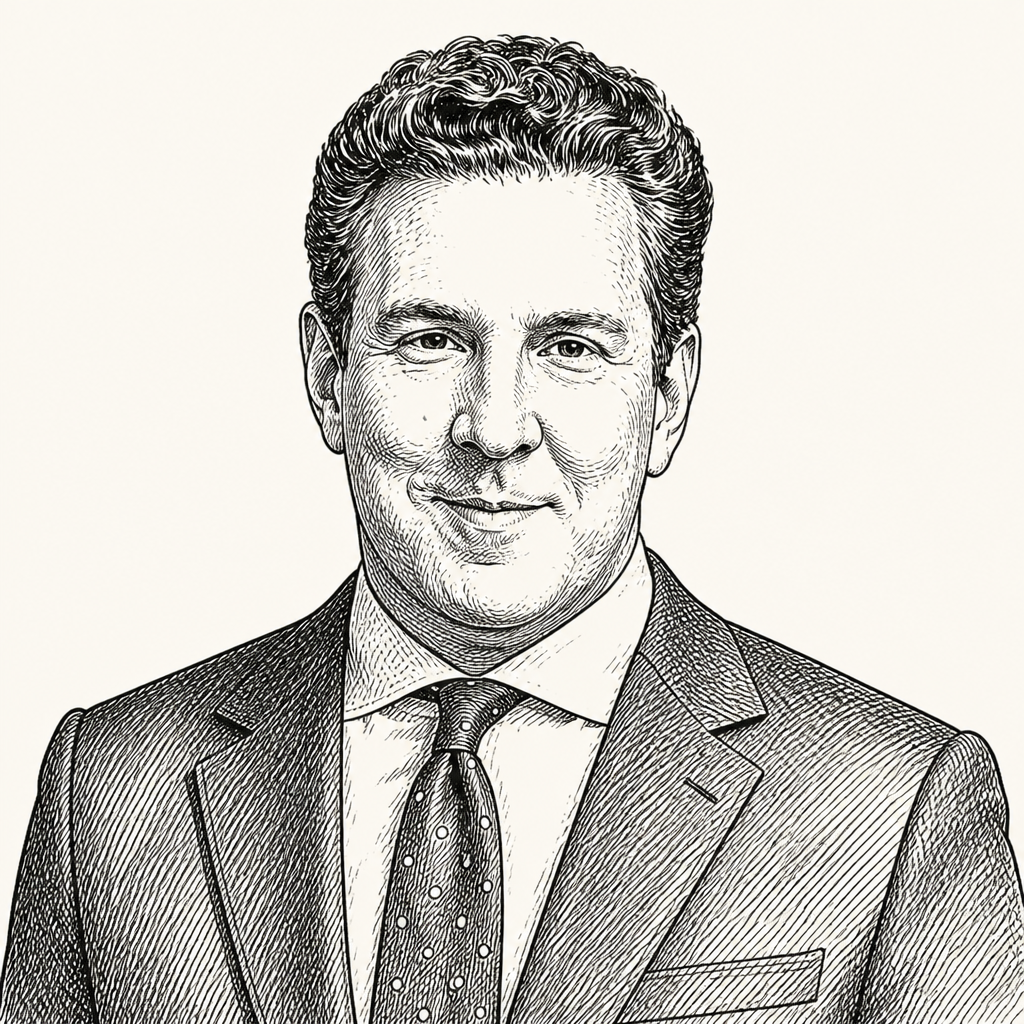
William Brangham asked whether cultural baggage — “tripping,” Timothy Leary, and the associations carried by older generations — still shapes the debate. Rachel Yehuda said the history is not helpful, but it is where the field is starting from. The challenge, in her view, is to retain what psychedelics have taught without importing everything attached to their cultural past.
That means neither dismissing the subjective experience as mere 1960s residue nor romanticizing it. Yehuda wanted to preserve the fact that these are context-dependent molecules. She also wanted to strip away unnecessary stigma and hype so the field can study, regulate, and train responsibly.
Zorn’s description of the executive order suggested one form of destigmatization: using the word “psychedelic” openly in a federal document while framing it as part of treatment acceleration. That normalizes the term without collapsing the distinction between clinical use and recreational or unsupervised use.
But the discussion was at least as concerned with overstatement as with stigma. Yehuda repeatedly rejected cure-all language. She said not everyone responds. She said durability matters. She said the field needs sober research on who benefits and who does not. She said standard-of-care comparisons are necessary before declaring that the disruption and cost are justified.
The careful claim is specific: psychedelic-assisted treatment may offer profound benefit for some people with severe trauma and other conditions. The claim is not that the molecule alone is safe or curative. It is that the molecule, setting, preparation, trained support, and integration may together allow psychological work that ordinary treatment has not reached.