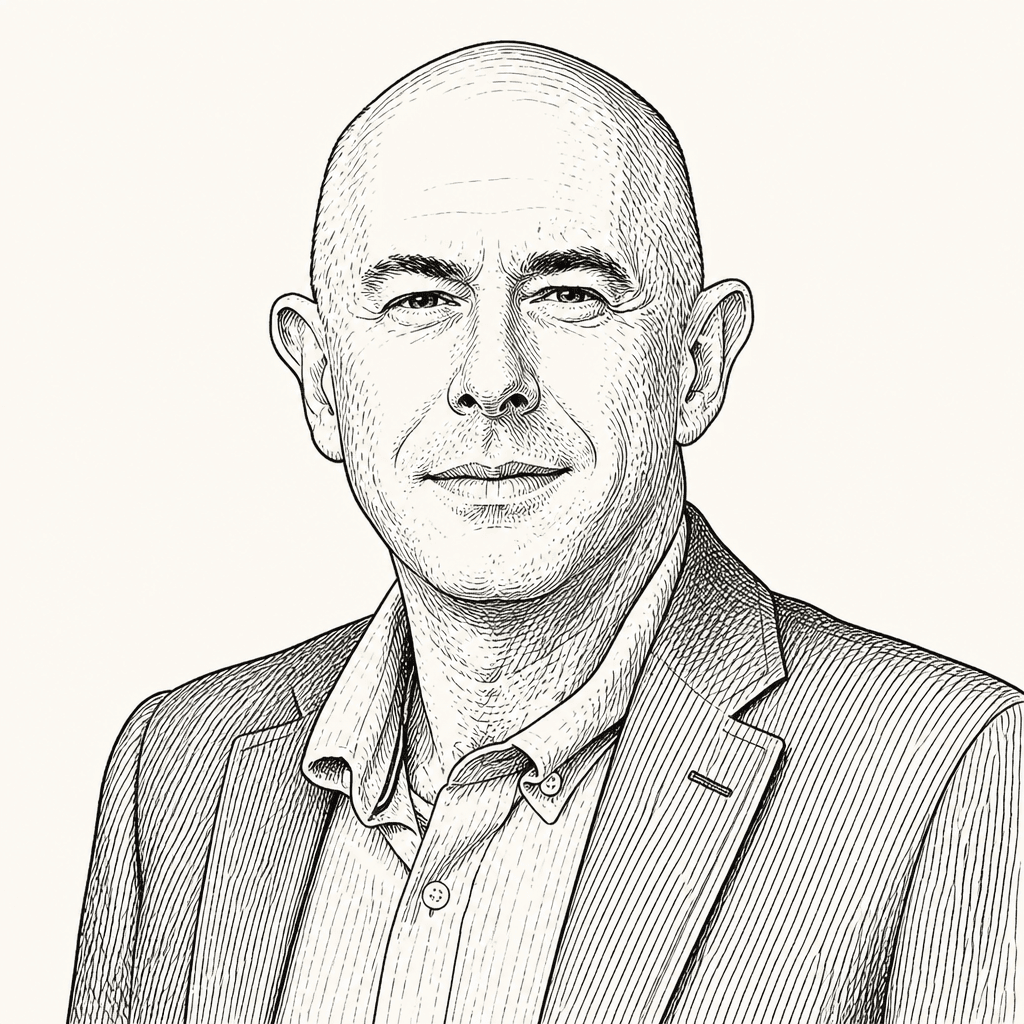
Stephen Redding
Stephen Redding is a professor of economics at Stanford University, a senior fellow by courtesy at the Hoover Institution, and director of the National Bureau of Economic Research’s International Trade and Investment Program. His research focuses on international trade, economic geography, productivity, and urban economics.
US Import Prices Rose Nearly One-for-One With 2018 Tariffs
At the Hoover Institution, economist Stephen Redding argues that the evidence from the 2018 US tariffs points to American businesses and consumers bearing most of the cost. Prices for tariffed imports rose roughly by the amount of the duties, while imports from targeted countries fell and sourcing shifted to other suppliers. Because Redding finds little evidence that foreign exporters cut their prices, he says the tariffs brought no terms-of-trade gain to offset the domestic costs; his estimate of the resulting deadweight welfare loss is $8.2 billion.
Tariffs on Imported Inputs Spread Costs Through Global Supply Chains
Stephen Redding argues that the US turn toward tariffs is a reversal of the postwar push to reduce trade barriers—and that the costs can extend well beyond imported goods. The first Trump-administration tariff rounds show how taxes on components can raise costs for domestic manufacturers while retaliatory measures restrict US exporters. Redding contrasts those relatively defined rounds with the more volatile 2025–26 escalation, and places both in a longer history in which trade openness has risen and fallen with policy.
National-Security Tariffs Make Sense Only for Specific Supply Risks
Hoover Institution economist Stephen Redding argues that tariffs can sometimes serve national security or other strategic goals, but those cases are narrow and depend on the industry and the risk involved. The case for supporting domestic semiconductor production, for example, is different from imposing tariffs on ordinary household goods, he says. Redding cautions that tariffs also distort production and consumption, and that their costs can outweigh their benefits when policy is not targeted.
Dollar Dominance Could Erode Without a Clear Successor Currency
At a Hoover Institution conference on central-bank independence and international risks, Condoleezza Rice, Arvind Krishnamurthy, Stephen Redding and Kenneth Rogoff argued that dollar dominance can no longer be analyzed apart from U.S. security commitments, fiscal policy, technology competition and trade frictions. The central claim running through the discussion was that the United States still benefits from a powerful reserve-currency position, but that privilege depends on confidence in safe dollar assets and stable institutions. Krishnamurthy quantified the reserve-currency asset as a large interest-rate benefit, while Redding and Rogoff warned that tariffs, fiscal strain and political pressure on the Federal Reserve could make erosion costly even without a clear successor to the dollar.