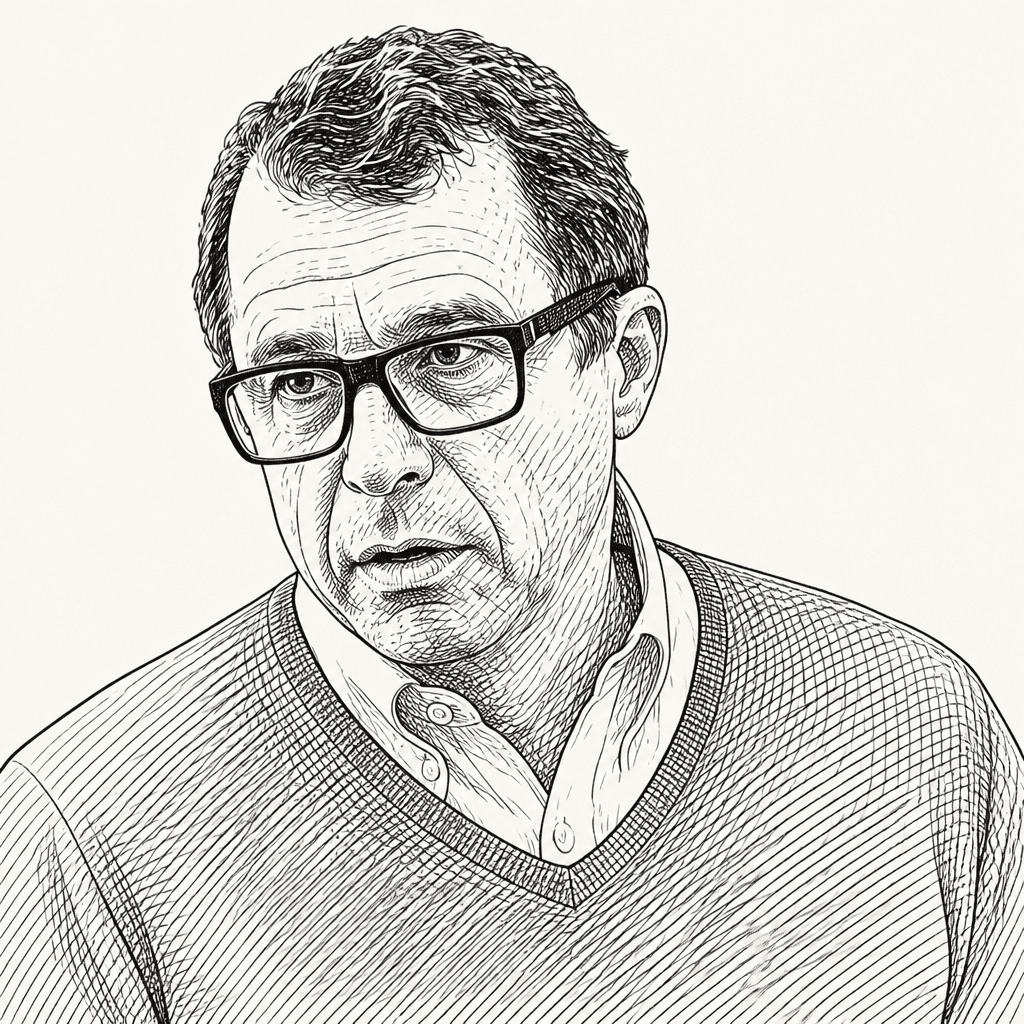
Sebastian Edwards
Sebastian Edwards is a Chilean-American economist and UCLA Anderson School of Management professor, serving as Distinguished Professor of Global Economics and Management, Henry Ford II Chair in International Management, and Faculty Director of the UCLA Anderson Forecast Center. He previously served as chief economist for Latin America and the Caribbean at the World Bank and is known for work on international economics, macroeconomics, emerging markets, currency crises, and Latin America.
Dollar Dominance Could Erode Without a Clear Successor Currency
At a Hoover Institution conference on central-bank independence and international risks, Condoleezza Rice, Arvind Krishnamurthy, Stephen Redding and Kenneth Rogoff argued that dollar dominance can no longer be analyzed apart from U.S. security commitments, fiscal policy, technology competition and trade frictions. The central claim running through the discussion was that the United States still benefits from a powerful reserve-currency position, but that privilege depends on confidence in safe dollar assets and stable institutions. Krishnamurthy quantified the reserve-currency asset as a large interest-rate benefit, while Redding and Rogoff warned that tariffs, fiscal strain and political pressure on the Federal Reserve could make erosion costly even without a clear successor to the dollar.
Central Bank Independence Requires Limits on Tools, Not Just Mandates
At a Hoover Institution conference on central-bank independence, Thomas Drechsel, Luis Garicano and Carolyn Wilkins argued over how far legal insulation can stretch once central banks have large balance sheets, emergency tools and broad theories of monetary transmission. Drechsel used Fed chairs’ calendars to show how the job has become more outward-facing; Garicano warned that the ECB’s narrow mandate has not prevented fiscal, financial and climate-related expansion through its tools; and Wilkins argued that independence can survive only with clearer boundaries, cost-benefit discipline, exit rules and external review.
Chile’s Market Reforms Succeeded, but Success Did Not Defend Itself
Sebastian Edwards, the UCLA economist and author of The Chile Project, argues that Chile’s market reforms were a radical dismantling of state control, not a marginal liberalization, and that their success was later obscured by slower growth and political complacency. In a Hoover Institution conversation with Jon Hartley, Edwards makes the case that Latin America’s growth failures are rooted in institutions, policy choices, and recurring hostility to economic freedom, while pointing to deregulation and renewed market reform in countries such as Argentina and Chile as the region’s clearest path back to faster growth.