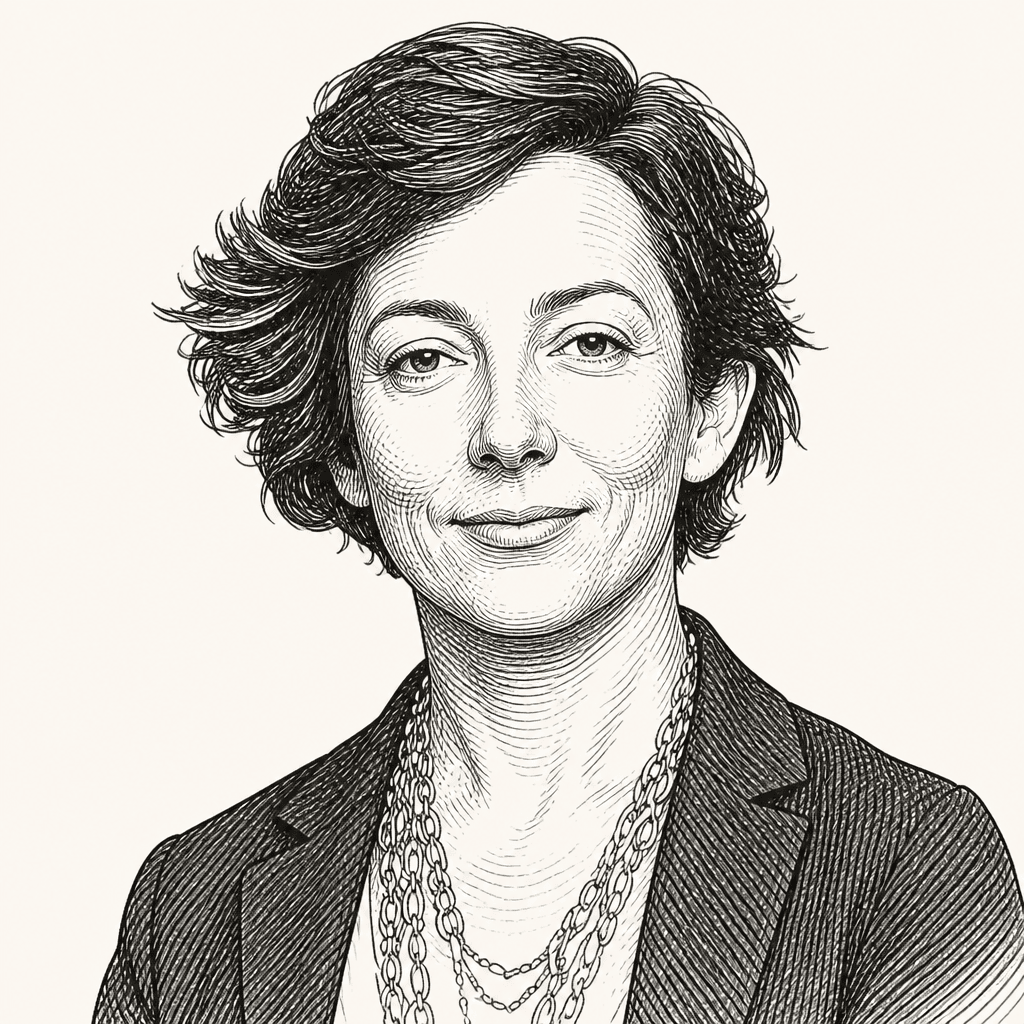
Kim Ghattas
Emmy Award–winning Lebanese journalist, analyst, and author based in Beirut; contributing writer at The Atlantic and author of Black Wave, covering Middle East affairs, international politics, and U.S. foreign policy.
Security Plans Fail Without Legitimate Political Authority
Salam Fayyad, Kim Ghattas, Amaney Jamal and Herro Mustafa argue that the Middle East’s security crises cannot be resolved through military pressure or technocratic arrangements alone. In Lebanon, Gaza and Iraq, they say, armed groups can be constrained only by institutions with the authority, capacity and political legitimacy to govern; regional integration, meanwhile, remains tied to Palestinian statehood rather than efforts to bypass it.
Iran MOU Tests Whether U.S. Strikes Created Leverage Over Tehran
At the Aspen Ideas Festival, Fareed Zakaria, Kim Ghattas, Karim Sadjadpour and Mark Dubowitz debated whether the U.S.-Iran war and the subsequent memorandum of understanding left Washington with leverage or exposed the limits of American coercion. Dubowitz argued that U.S. and Israeli strikes badly weakened Iran’s nuclear, missile and proxy capabilities, while Zakaria and Sadjadpour said Tehran may have gained a new strategic weapon in the Strait of Hormuz and learned that escalation works. Ghattas placed the argument in regional terms, warning that Lebanon, Gulf states, Iranians and Israelis are now living inside an unstable cease-fire whose documents are being read differently by every side.
Trust Is Built Through Repeated Practice, Not Civic Sentiment
At Dan Porterfield’s final Aspen Ideas Festival as president and CEO of the Aspen Institute, leaders of Weave, Aspen Kyiv and the Institute’s network strategy made a shared case that trust is not a civic sentiment but a capacity built through repeated practice. Frederick Riley argued that local trust must be rebuilt neighbor by neighbor; Yuliya Tychkivska described dialogue and leadership formation under wartime exhaustion in Ukraine; and Tommy Loper said Aspen’s dispersed alumni and programs need stronger connective tissue to turn relationships into usable institutional strength.