Security Plans Fail Without Legitimate Political Authority
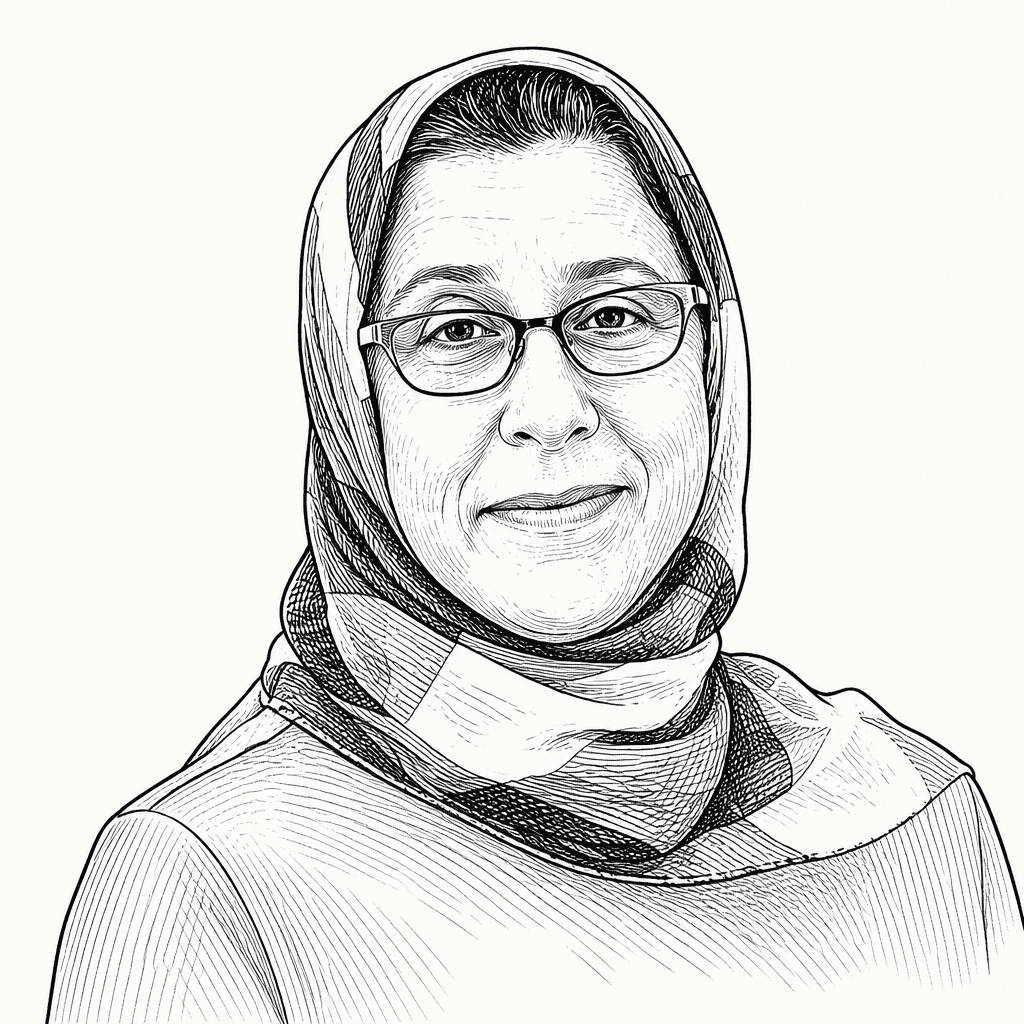 Amaney Jamal
 David Ignatius
 Kim Ghattas
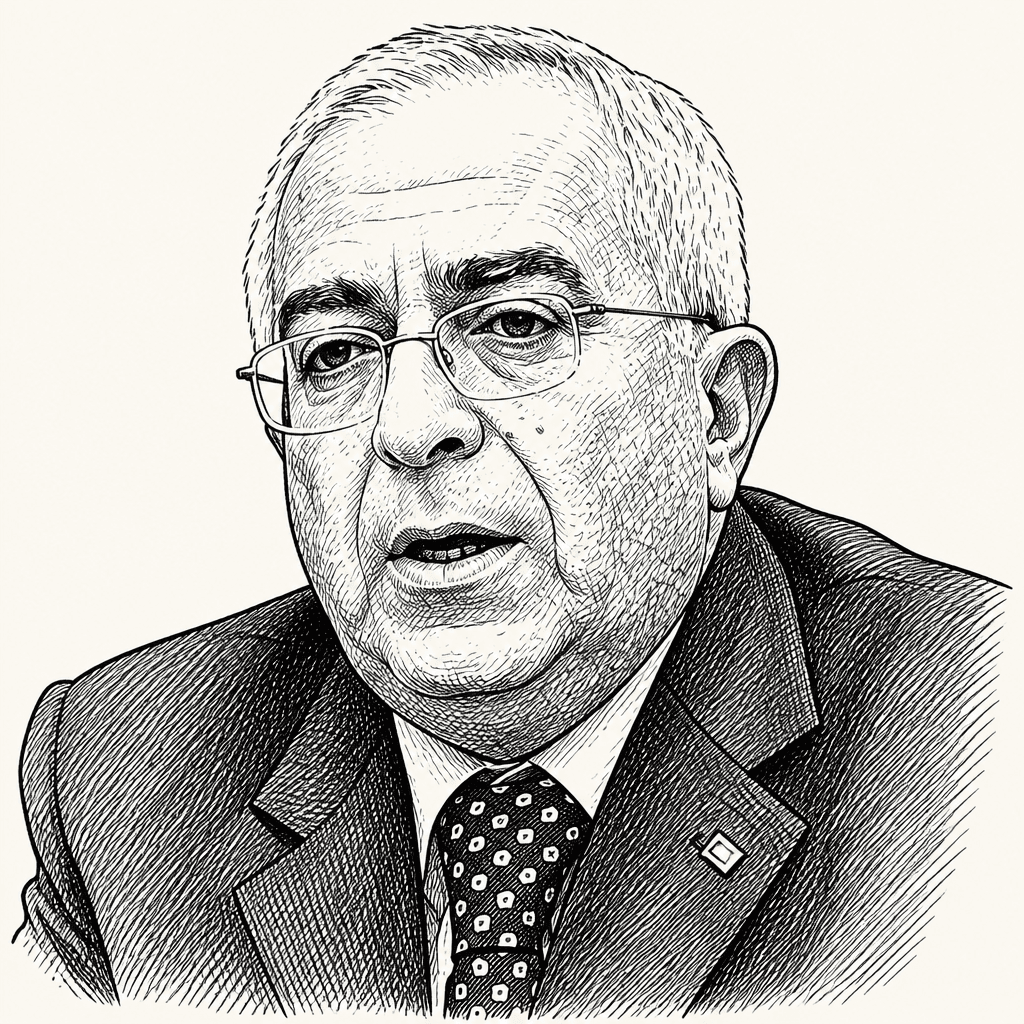 Salam Fayyad
 Herro MustafaThe Aspen InstituteFriday, July 17, 202611 min read
Salam Fayyad, Kim Ghattas, Amaney Jamal and Herro Mustafa argue that the Middle East’s security crises cannot be resolved through military pressure or technocratic arrangements alone. In Lebanon, Gaza and Iraq, they say, armed groups can be constrained only by institutions with the authority, capacity and political legitimacy to govern; regional integration, meanwhile, remains tied to Palestinian statehood rather than efforts to bypass it.

Security arrangements fail when they lack a legitimate political authority
Military pressure can degrade armed groups, but it does not by itself create a state capable of replacing them. Across Lebanon, Gaza, and Iraq, the practical problem is whether institutions can exercise authority, provide services, and command enough political acceptance to avoid turning enforcement into another internal conflict.
Kim Ghattas framed that challenge as the difficult work of holding a middle ground in a region whose politics are often dominated by actors with maximal aims. This is not passive neutrality. In her account, people in the region have repeatedly tried to resist Iranian expansion and, earlier, Saudi proselytizing and support for militants. The alternative is a stronger state, able to enforce law and prevent armed groups from operating independently.


Ghattas called for a regional political imagination broader than the figures dominating current headlines. Israelis and Iranians should appear alongside Arab voices in discussions of the region’s future, she said. From Tel Aviv to Tehran, Beirut, Damascus, and Riyadh, she sees an appetite for a different course even as political leaders project more extreme positions.
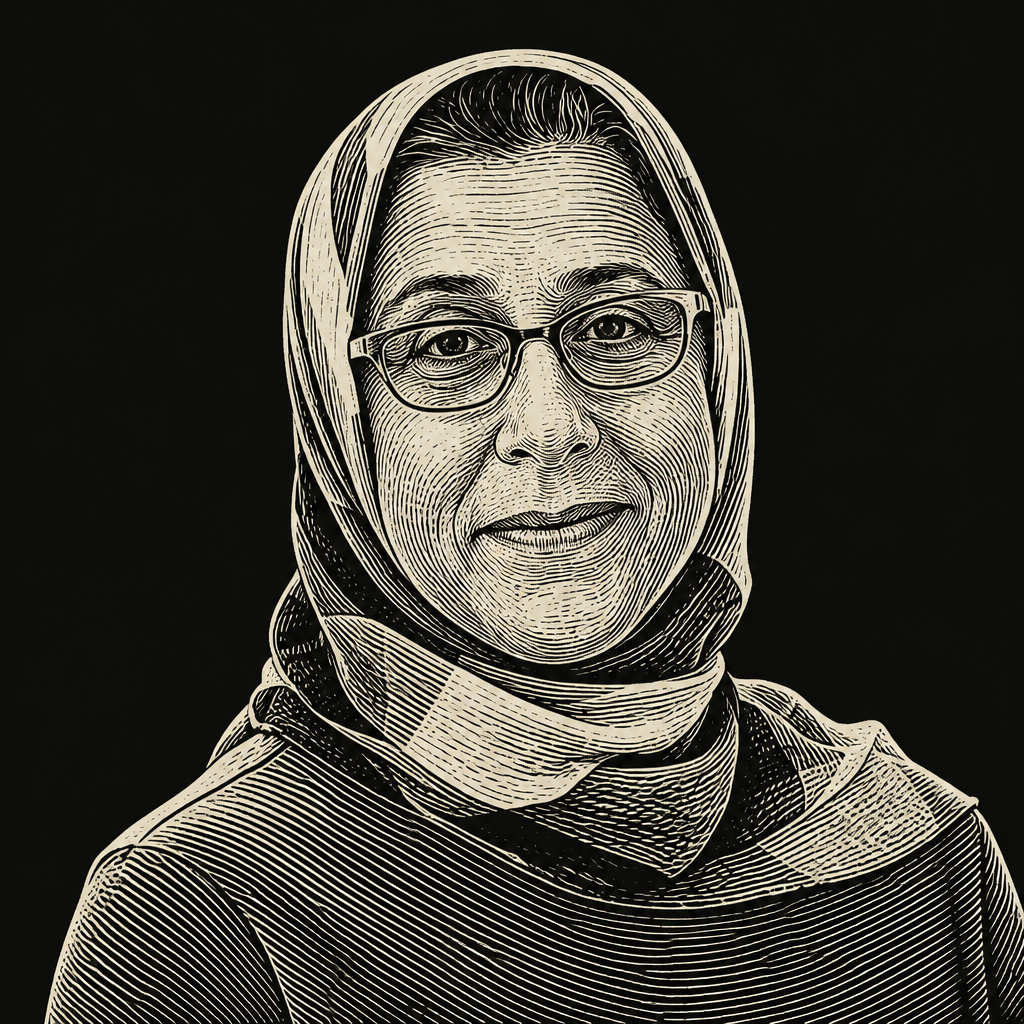
Salam Fayyad cautioned that “middle ground” is inherently subjective: every actor calls its own position moderate, turning political struggles into contests over who gets to define the center. Yet he located many recurring failures in the absence of inclusive politics and good governance rather than in irreconcilable national aims alone.
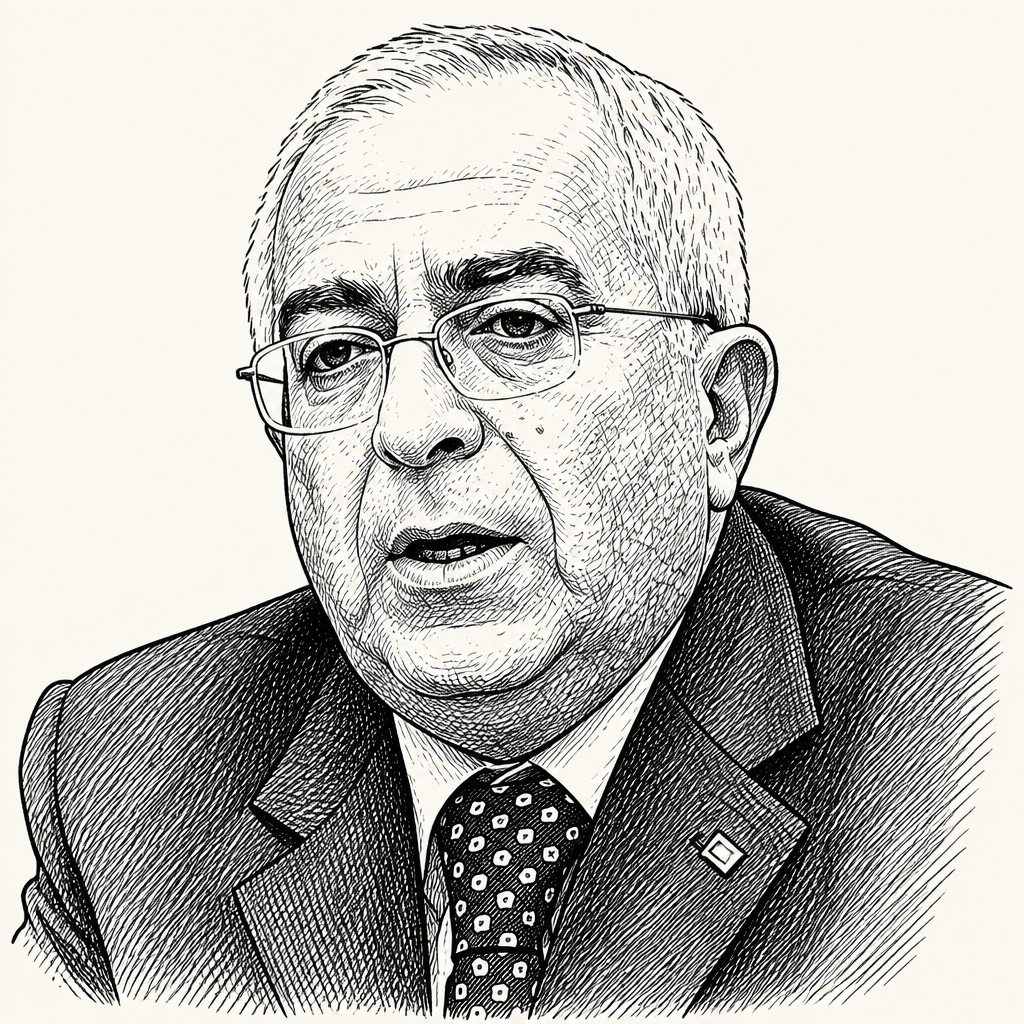
Fayyad returned to the deficits identified in the 2002 Arab Human Development Report, especially what he called the freedom deficit. Those deficits have persisted and may be deeper today, he said. Outside observers often underestimate how much weak governance shapes the region’s problems. Institutions cannot endure, in his view, without attention to how authority is exercised and who has a place within it.
That social demand is visible in Arab Barometer research, which has surveyed citizens across much of the Arab world for more than two decades. Amaney Jamal said ordinary people want what families elsewhere want: the ability to raise children, functioning schools, economies that offer dignified work, and a future that appears better than the past.
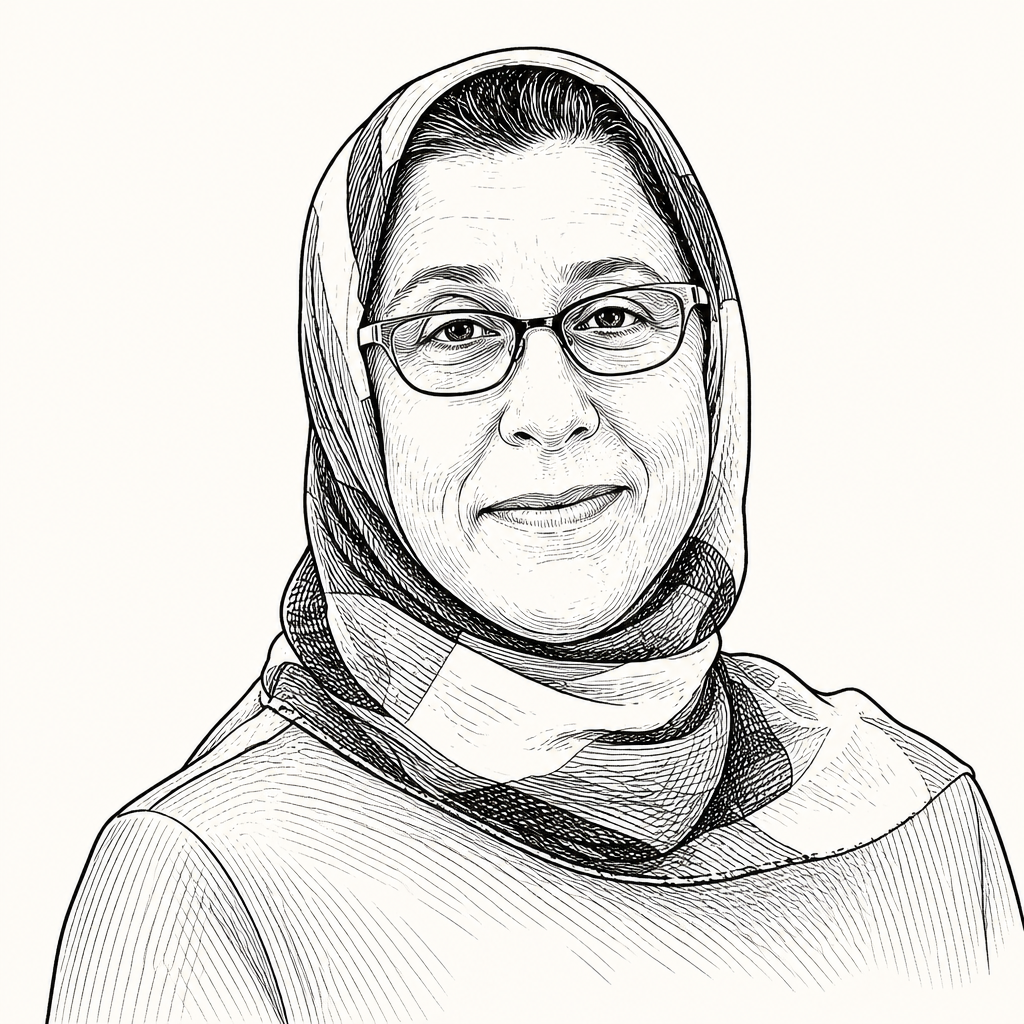
The region has experienced nearly continuous conflict for roughly a quarter century, Jamal said, from Iraq through the Arab Spring and successive wars since. Those wars undermine economic development. When economic conditions become desperate and a new generation sees little hope, people can turn to “the Hezbollahs of the world” and “the Hamases of the world.”
If bombs and military campaigns were gonna reduce Hamas and Hezbollah, we would've been successful by now.
That proposition does not deny the security problem posed by armed groups. It identifies a limit on what military campaigns can accomplish. Lebanon must contain Hezbollah without sending its army into a civil confrontation; Gaza needs a Palestinian authority with political standing, not simply an administrative committee; Iraq needs sustained backing for a reform agenda that can bring militias under state control.
Lebanon’s opening depends on containing Hezbollah without breaking the state
Kim Ghattas says Iran’s regional project has suffered severe setbacks. Hezbollah, Iran’s most consequential partner in Lebanon, is “very down,” she said, though not out. It has gained capabilities including drones, but she described it as no longer having much capacity to fight on the ground. Iran has also lost Bashar al-Assad in Syria, breaking what she called the geographical corridor from Tehran to Beirut.
That weakened position creates an opening for Lebanon, but not an easy one. Iran remains unwilling to give up its forward-defense infrastructure and its most successful regional export, Hezbollah. Ghattas said Islamic Revolutionary Guard Corps personnel continue to operate in Lebanon. At the same time, Israel’s military posture has imposed a burden Lebanon cannot absorb: devastation in the south, civilian casualties, and one million displaced people—roughly a quarter of the country’s population, in her description.
Lebanon is therefore caught “between two fires”: Iranian insistence on retaining Hezbollah’s armed role and Israeli belligerence. Ghattas stressed that Lebanese demands for sovereignty are not simply a response to Israeli pressure. They are domestic demands for a stronger state, army, and presidency.
The direct Israeli-Lebanese negotiations have support, she said, though the framework produced by those negotiations is more contested in its actual details. Ghattas estimated that perhaps 60% to 70% of Lebanese people would prefer Hezbollah to become solely a political party rather than retain its role as an armed militia. She argued that the apparent loss of support for Hezbollah should be used to strengthen state institutions rather than squandered.
The language used to describe that project matters. Ghattas rejects “disarm Hezbollah” as the governing objective, not because Hezbollah’s weapons are unimportant but because she considers forced disarmament by the Lebanese army politically dangerous and operationally unrealistic. Sending the army into neighborhoods, alleys, and villages to seize weapons could create civil strife. Israel has conducted repeated military campaigns since the organization’s emergence in the 1980s, she noted, and those campaigns have not produced the desired result.
Her preferred terms are “neutralize” and “interdict.” Neutralization would limit Hezbollah’s capacity to operate through legal, judicial, and financial restrictions. Interdiction would stop weapons flows. Lebanon’s government would then have to demonstrate that it can deliver for people, including the country’s Shia community.
David Ignatius questioned how easily a heavily armed movement can be neutralized. Ghattas’s answer was that expecting Lebanon’s army to settle the matter forcibly on its own territory would risk weakening the institution that outside powers say they want to strengthen.


She also assigns a role to Israel’s allies. They should press Israeli leaders to make concessions that do not compromise Israel’s security but give Lebanon’s president and government room to negotiate. Such concessions would be difficult before Israeli elections, she acknowledged. Yet Israel’s friends in Washington and the region, she said, need to contain its belligerence and reason with its leaders. More broadly, she tied Israel’s prospects for regional integration to Palestinian sovereignty, dignity, justice, and statehood.
A divided Gulf weakens the response to Iran and spreads conflict outward
Herro Mustafa argues against treating the Gulf Cooperation Council as obsolete. The GCC was founded in 1981 as a counterweight to Iran, and while it is less powerful than some regional groupings, it has had real effects on economic and security issues. Its internal unity remains strategically necessary, she said.

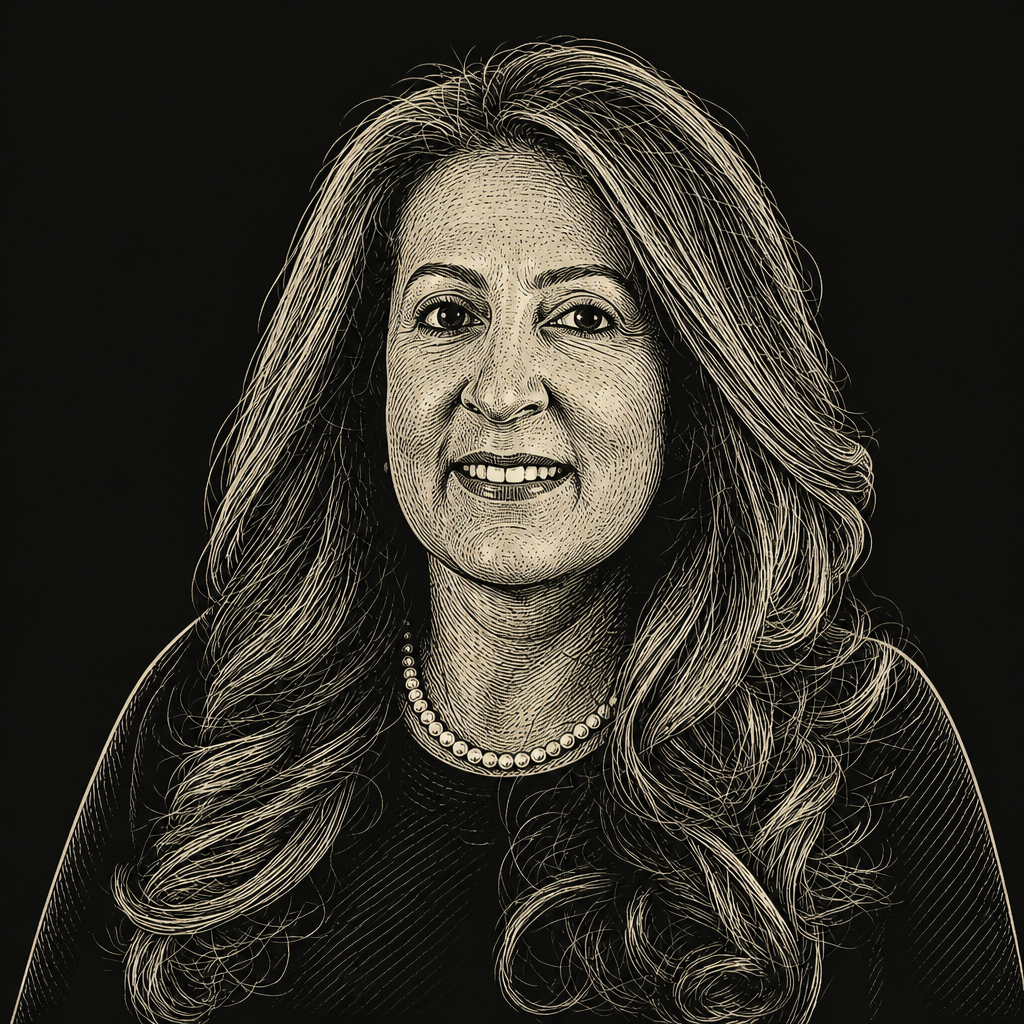
The challenge is the widening rift between Saudi Arabia and the United Arab Emirates. Mustafa described that split as longstanding rather than a product of the latest Iran conflict. The UAE built itself as a regional hub for finance, aviation, logistics, and tourism; Saudi Arabia, led by a young crown prince pursuing Vision 2030, is now competing intensely for many of the same roles. The current confrontation with Iran has sharpened those rivalries rather than bringing Gulf states into closer alignment.
For Mustafa, the costs extend beyond an argument between two capitals. A fragmented GCC encourages unilateral back-channel dealings and deepens suspicion among partners. It complicates responses to Iran and Iraq, widens disputes over oil and OPEC, and exports Gulf competition into already fragile states and regions.
Sudan is one example. Ignatius noted that Saudi Arabia and the UAE have supported opposing sides in its civil war, adding to an already devastating conflict. Mustafa also pointed to Libya and the Horn of Africa as arenas in which Gulf rivalries can play out. The strategic map of the Middle East, she said, is not only about sovereign borders. It includes maritime corridors, electricity grids, LNG terminals, transportation routes, and the political alignments that determine who controls them.
We need a united GCC in order to tackle these important strategic questions.
Mustafa’s prescription is not an end to national competition. The United States and its partners should preserve a forum through which Gulf countries can address shared problems instead of pursuing competing policies through separate channels. “Keep the GCC intact,” she said, is the practical imperative.
That logic applies especially to Iraq. Mustafa sees reasons for cautious optimism in the new Iraqi prime minister, Mustafa al-Kadhimi. She cited his finance background, public commitment to reform, moves against corruption including within Shia political elements, early visit to the United States, and stated intention to bring militias under Iraqi control.
But none of that makes reform automatic. Al-Kadhimi came to power through negotiation and must still work with political parties that may resist his agenda. Bringing militias under state authority is particularly difficult without support. Mustafa also warned against treating tactical damage to Iranian commanders or missile stockpiles as strategic defeat.
The Islamic Revolutionary Guard Corps and Iranian intelligence networks remain strong, she said. Iran may also have resources and weaponry stored in Iraq from earlier periods that outsiders do not fully understand. Mustafa urged the United States and GCC states to support Iraqi sovereignty and reform over time, rather than treating Iraq chiefly as an arena for a bilateral contest between Washington and Tehran.
Gaza cannot be stabilized by a committee without a political home
Salam Fayyad accepts that the Gaza ceasefire agreement described by Ignatius was a landmark. He nevertheless argues that its implementation problems were built into the structure of the deal. His consensus-backed transitional government is the most concrete institutional proposal offered for bridging Gaza’s immediate administration and a durable Palestinian political authority.
David Ignatius presented the architecture as substantial: a Palestinian technocratic body, an international stabilization force, and reported readiness among Indonesian, Azerbaijani, and Jordanian forces to participate. Fayyad did not dispute the significance of the agreement or the desire to implement it. But he said some governments had already become hesitant about deployments, and he focused on the unresolved political terms beneath the security plan.
Both Hamas and Israel, he said, were effectively cajoled into accepting terms each found deeply difficult. Hamas faced the question of its military role and the transfer of governance; Israel faced questions about withdrawal from territory and areas it controls. Those conflicts were not resolved when the agreement was endorsed. They were deferred, leaving a plan that was difficult to execute even after its treatment at the UN Security Council.
The obstacle is not just whether outside troops arrive. It is whether a credible Palestinian political authority exists for them to support. The proposed National Committee for the Administration of Gaza, or NCAG, is not such an authority, Fayyad argues. It is a group of individuals, not a political entity, yet it is being asked to handle extraordinarily difficult governance and security tasks.
Some committee members have not even been able to enter Gaza. Fayyad said that raises questions not only about Israeli restrictions but also about whether sufficient Palestinian agreement exists—including agreement from Hamas—to allow the committee to operate. Hamas has said it would consider a transfer of governance in the context of a Palestinian Authority produced by national consensus. Rather than dismissing that statement, Fayyad treats it as a possible opening for diplomacy.
His proposed route out is a transitional government not composed of factions—neither Hamas nor other factional representatives—formed through agreement among Palestinian factions. That government would administer Palestinian affairs in both Gaza and the West Bank during an agreed transitional period, followed by elections.
The political function of this arrangement is as important as its administrative function. It would give Palestinians in Gaza an identifiable political home and provide a body capable of assuming governance from Hamas. Gaza may need technocrats, but Fayyad doubts that a stand-alone committee can carry security and administrative responsibilities without a political framework Palestinians regard as their own.
Normalization has a Palestinian condition
Amaney Jamal argues that public opinion challenges a common premise of regional diplomacy: that Arab societies broadly reject normalization with Israel as such. The Arab Barometer’s results suggest something more conditional. When respondents are asked whether they would support normalization if a Palestinian state were established in the West Bank and Gaza under parameters associated with 1967, support rises sharply.
The figure is a relative change in support, not a claim that normalization necessarily commands majority support in each country. But it is central to Jamal’s argument: bilateral normalization efforts cannot bypass the Palestinian question and expect broad public acceptance.
Arab citizens may have accepted that Israel is a reality with which the region must contend, she said, but that does not mean they support a process in which relations with Israel proceed while Palestinian claims are indefinitely sidelined. In some countries, the stated support for conditional normalization nearly doubles; in others, it rises threefold or fourfold.
Her argument distinguishes the Israeli government from Israel itself. For many years, Jamal said, Arab and Islamic actors opposed to a settlement were often the principal spoilers. In more recent years, as much of the Arab world moved toward accepting Israel’s permanence, the current Israeli government has appeared unwilling to move toward peace.
She cited the conduct of the war in Gaza, settler violence in the West Bank, and settlement expansion into Arab neighborhoods as actions that do not build conditions for a peaceful settlement. The problem, she emphasized, is not limited to one Israeli leader. The wider international community, including the United States and European Union, has neglected the two-state outcome for roughly 25 years, during which conditions on the ground in Gaza and the West Bank have continued to change.
Those developments are also reshaping opinion in the United States. Jamal said younger Americans across both parties, as well as parts of the Democratic coalition, have been affected by seeing the destruction in Gaza in real time. They want peace and have become less willing to offer Israel the political support it once received.
For governments seeking regional integration, the consequence is concrete: they cannot separate normalization from Palestinian statehood, Gaza’s future governance, or conditions in the West Bank. Jamal’s data suggests that a Palestinian state is not merely an obstacle to normalization; it is a condition under which support for it can rise substantially.