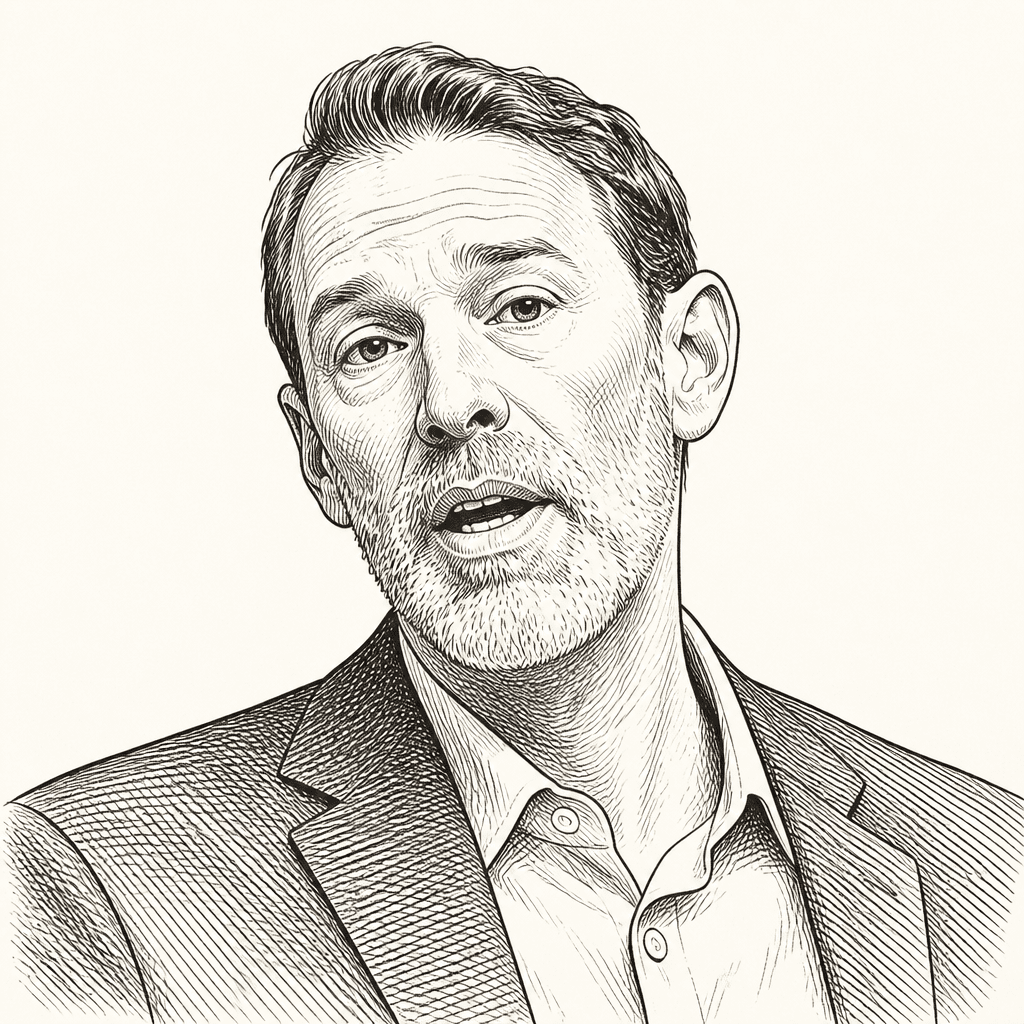
Dominic Parker
Dominic Parker is the Anderson-Bascom Professor of Applied Economics at the University of Wisconsin–Madison and an adjunct senior fellow at Stanford’s Hoover Institution. His work focuses on environmental and natural-resource economics, property rights, markets, governance, and Indigenous economies.
Wildlife Mandates Built for Scarcity Now Struggle With Abundance
At a Hoover Institution session on markets and mandates in conservation, Dominic Parker and James Workman argued that wildlife policy is now confronting problems created partly by its own successes. Parker said land-based mandates that helped restore game species such as deer are poorly suited to managing overabundance, shrinking hunter participation, and conflicts over predators such as wolves. Workman made the parallel case at sea: commercial catch shares rebuilt some fisheries, but recreational anglers increasingly sit outside the monitoring and incentives that made those systems work.
Climate Policy Is Shifting From Net-Zero Mandates to Market-Led Adaptation
At a Hoover Institution session on climate policy, Steven Koonin argued that the net-zero mitigation agenda has failed to cut global fossil-fuel dependence and has overstated the evidence for catastrophe. Koonin, Matthew Kahn, Terry Anderson and other participants made the case for shifting attention toward adaptation: local, incremental responses shaped by insurance, real estate, migration, finance and property rights. Their shared claim was not that climate change is unreal, but that better information and market prices may guide resilience more effectively than mandates, subsidies and apocalyptic politics.
Gigawatt-Scale Data Centers Turn AI Growth Into a Local Fight
At a Hoover Institution discussion on the local effects of the AI boom, energy and policy experts argued that data centers have moved from routine commercial development to gigawatt-scale infrastructure fights. Dado Slezak of QTS said the projects can deliver jobs, tax revenue, grid investment, and local benefits, but Robert Bryce and other panelists warned that communities increasingly see them as vehicles for higher power costs, water risk, farmland loss, and big-tech intrusion. The central issue, the panel suggested, is whether developers and regulators can make the benefits credible before local opposition defines the projects as a loss of control.
American Environmentalism Turns on Markets, Mandates, and Institutional Tradeoffs
Hoover Institution scholars Terry Anderson and Dominic Parker argue that American environmentalism is best understood as a set of institutional tradeoffs between environmental quality and economic freedom, not as a search for final solutions. In their account, mandates can produce gains, as with the Clean Air Act, but they can also restrict choice without meaningful environmental improvement; property rights, federalism, market incentives, technology, trade, and entrepreneurship offer ways to make those tradeoffs more visible and, in some cases, improve both sides.