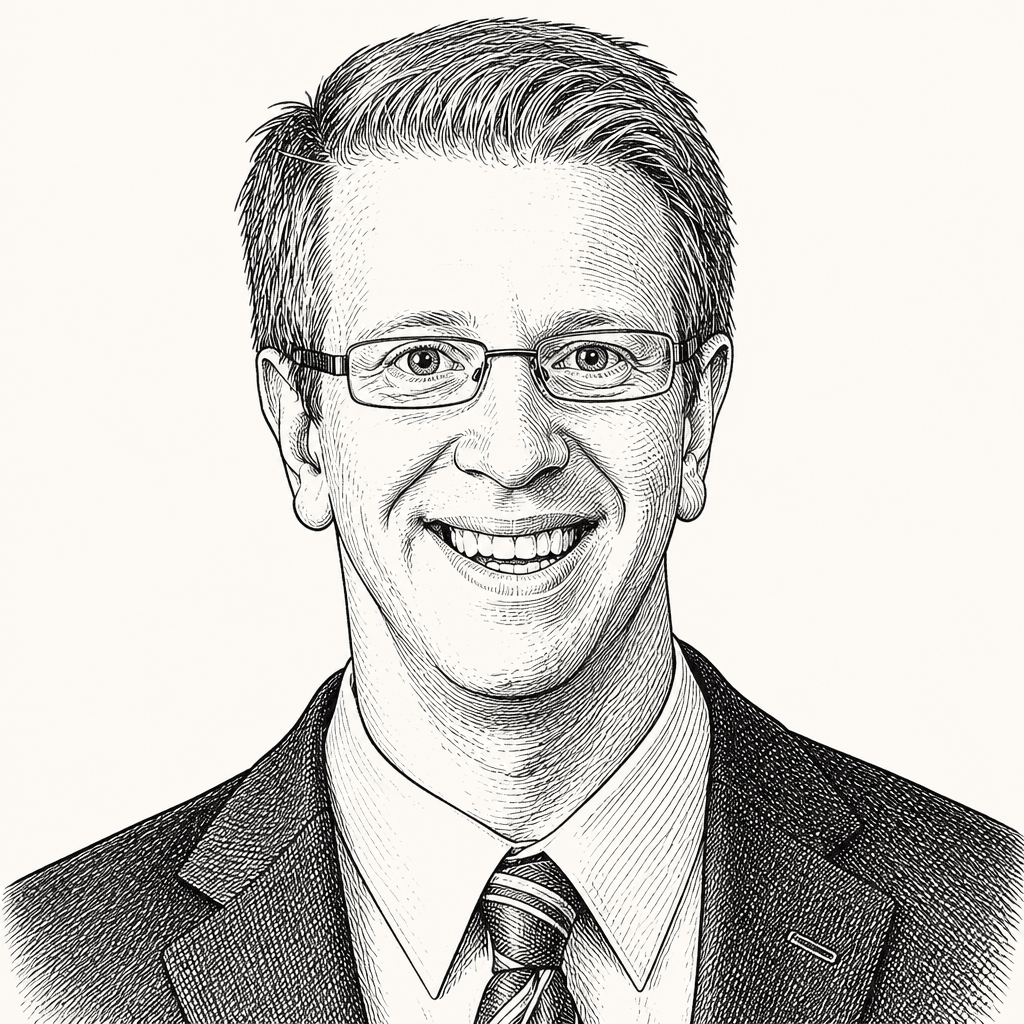
Derek Kilmer
Senior Vice President of U.S. Program and Policy at The Rockefeller Foundation and a former U.S. representative for Washington’s 6th congressional district. His public work includes rural prosperity, economic distress, and access to capital.
Rural Entrepreneurship Depends on Local Capacity, Not Just Capital
Rural entrepreneurship requires more than investment: communities need the capacity and coordination to put capital to work locally. Derek Kilmer of the Rockefeller Foundation identifies capital, capacity and coordination as essential; Danielle Samalin of the Center on Rural Innovation adds connections and argues that housing belongs in economic-development planning from the start. In Bozeman, Mayor Joey Morrison described technology investment as raising the prospect of new jobs while intensifying pressure on affordability and local businesses.
Economic Mobility Depends on Connecting Jobs, Skills, and Local Capacity
At Aspen Ideas: Economy in Tulsa, Derek Kilmer of the Rockefeller Foundation argues that economic growth will not create broad mobility on its own: communities need the capacity to connect workers to jobs and businesses to opportunity. The discussion, moderated by Edward Jones Foundation president David Clunie, makes the case for coordinating infrastructure, workforce training, public services and local institutions—and for directing investment to distressed places, where Kilmer says it can produce more jobs per dollar than in areas already growing.
Rural Opportunity Requires Childcare, Jobs, and Benefits Built Together
At the Aspen Ideas Festival, Cynthia McFadden led a discussion with Derek Kilmer of the Rockefeller Foundation, Save the Children’s Janti Soeripto and South Carolina community leader Pamela McKnight on why rural opportunity policy fails when jobs, childcare, food, housing, broadband and benefits are treated separately. The speakers argued that rural families experience those systems together, and that economic mobility depends on investing in both work and family infrastructure through locally designed partnerships. Their case was that rural America is not a single problem to be solved from Washington, but an underinvested set of communities where access, administrative complexity and inflexible funding often determine whether children and parents can use opportunities that formally exist.