Rural Entrepreneurship Depends on Local Capacity, Not Just Capital
 Danielle Samalin
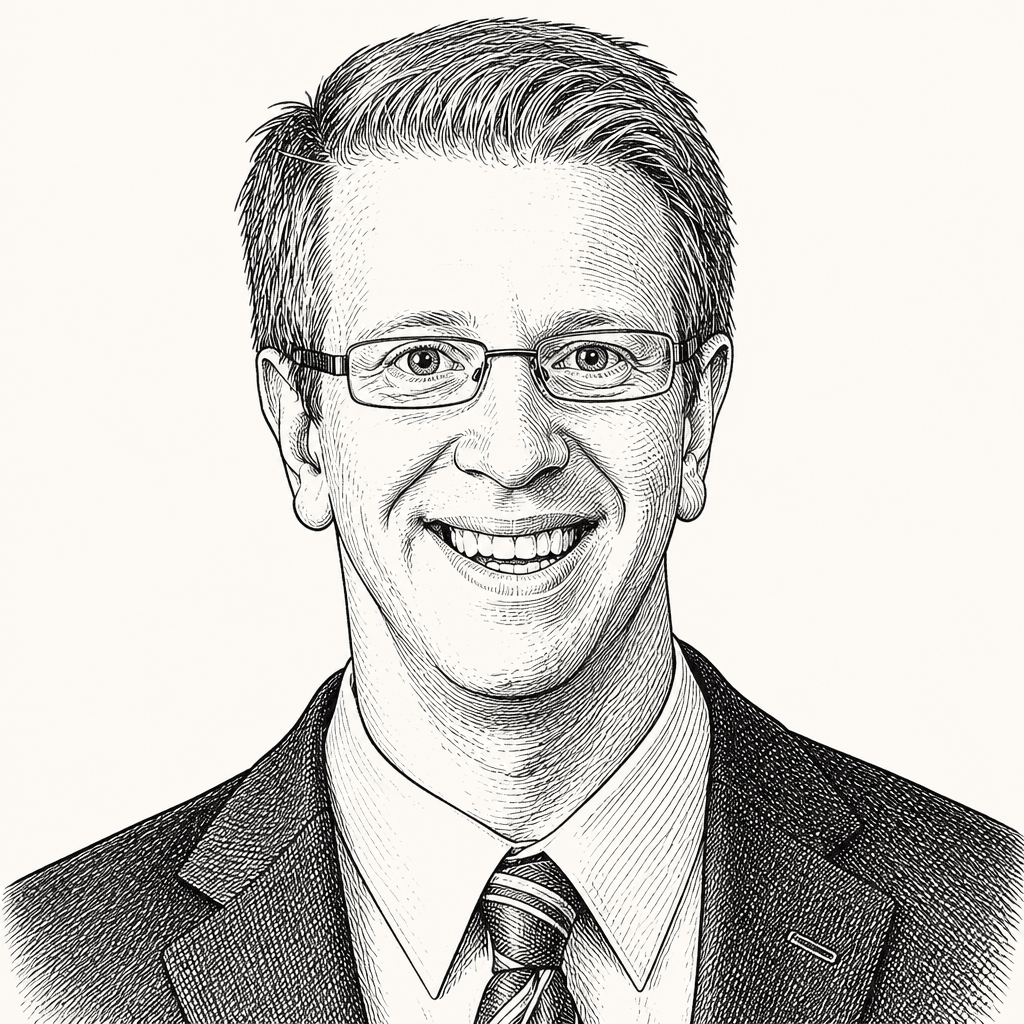 Derek Kilmer
 Kirk Siegler
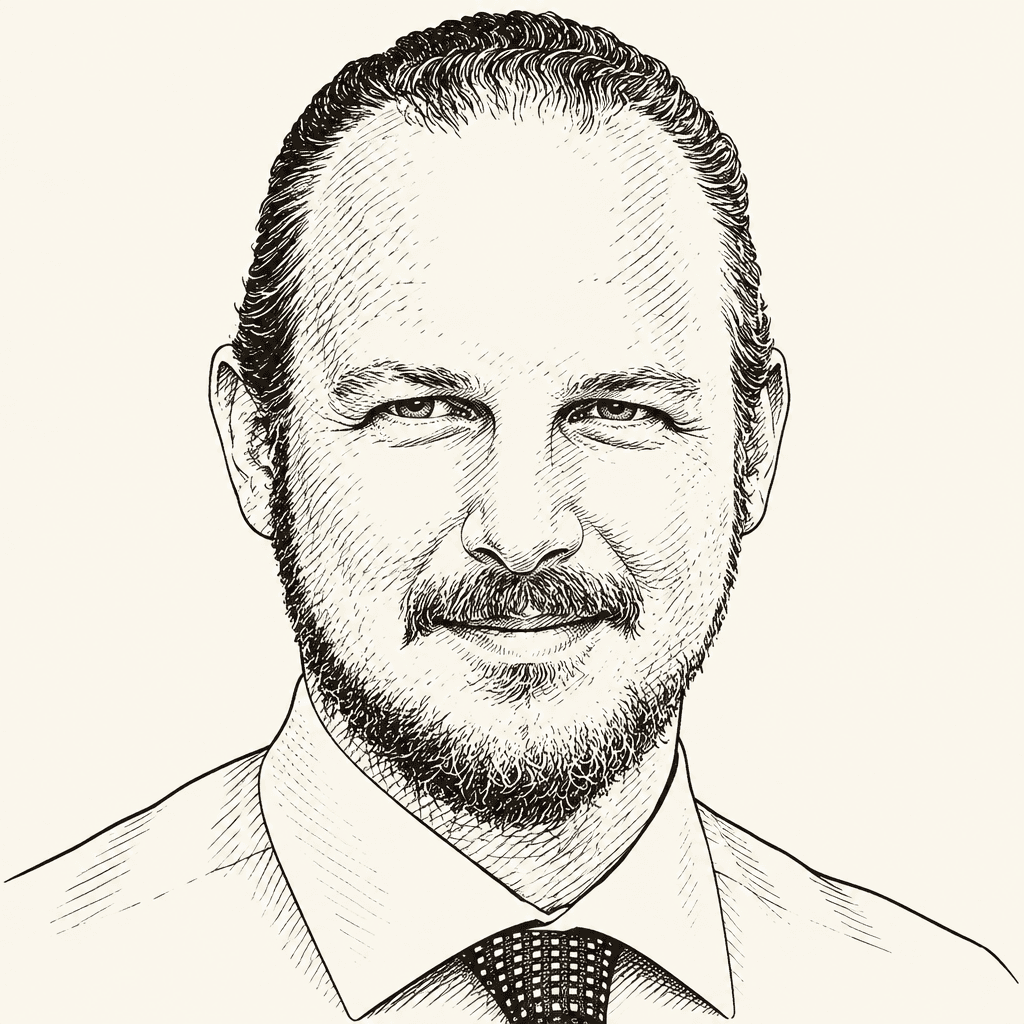 Devin Thompson
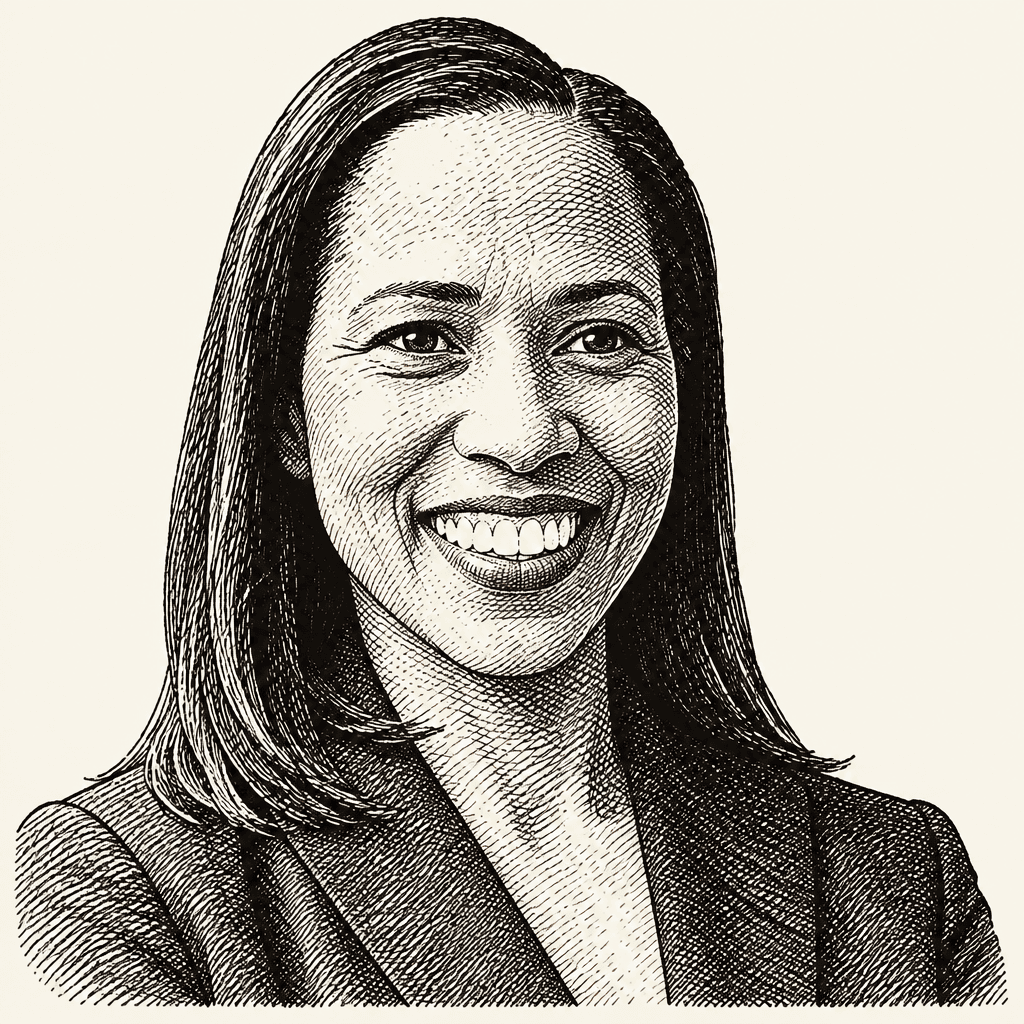 Shena Ashley
 Joey MorrisonThe Aspen InstituteTuesday, October 27, 202613 min read
Rural entrepreneurship requires more than investment: communities need the capacity and coordination to put capital to work locally. Derek Kilmer of the Rockefeller Foundation identifies capital, capacity and coordination as essential; Danielle Samalin of the Center on Rural Innovation adds connections and argues that housing belongs in economic-development planning from the start. In Bozeman, Mayor Joey Morrison described technology investment as raising the prospect of new jobs while intensifying pressure on affordability and local businesses.

Bozeman’s boom makes the distribution question unavoidable
Bozeman’s technology growth has brought investment and the prospect of new jobs, but it has also sharpened a question that applies well beyond the city: when a community succeeds in attracting investment, who can still afford to live and work there?
Mayor Joey Morrison Joey Morrison described Bozeman as both an amenity-rich destination and a place with a technology base that long predated its recent attention. Its mountains and waterways draw visitors from around the world. For decades, he said, the city had also been a center for quantum photonics, crystallography, and remote-sensing technologies. Federal designation as a technology hub, an innovation campus, and new investment have made that activity more visible.


But growth in a small city can change the place quickly. Adding one large employer in a small community, Morrison said, can matter more than adding another employer to a much larger city. Bozeman is now weighing whether the investments arriving there are a tailwind or a headwind—and how they are changing what it means to live in the city.
The boom also has more than one origin. Morrison said businesses are being developed in relationship with the university and local institutions. At the same time, Montana’s governor and senator intentionally worked to bring technology into the state and position Bozeman as its gateway. That push, he said, was not necessarily a decision made with the community’s consent.
Residents’ responses reflect that tension. Some parents welcome the prospect of jobs that could let their children stay in Bozeman. Others say they did not want the city to become a technology hub. Morrison pointed to pressure on the cost of living and losses among locally rooted businesses, including shoe and bag companies. He described these pressures alongside the growth in technology investment. The question, he said, is whether “the juice is worth the squeeze.”
That is not an argument for turning away prosperity. Morrison said Bozeman would not trade its current challenges for economic distress. The city has directed public dollars toward affordable housing and social services, developed transitional-housing capacity, and is working on a revolving loan fund intended to support permanent housing projects. A study a few years earlier found that a household needed a median salary of $218,000 to afford the median home in Bozeman, he said.
Morrison described the city’s approach as a deliberate use of public resources to address homelessness and public safety as well as affordability. He said businesses have continued to invest while the city works on these issues. For him, responding to the pressures of growth is part of the work of making the city a place where investment can continue.
Danielle Samalin Danielle Samalin argued that housing belongs in economic-development planning from the beginning, not as a response once a town is already booming. The goal, she said, should be for the people who make a community thrive to be able to live and thrive there too. Housing is often siloed from economic development, even though rental and ownership options can be built into a comprehensive local strategy early.


Shena Ashley Shena Ashley added that a community organization coordinating economic development can bring housing and capital providers into the same planning effort. Housing solutions, she argued, should not simply be imported from outside. She cited approaches being explored in rural and Native communities, including sweat equity and land trusts. Housing construction can also create opportunities for local builders and skilled trades, connecting the need for homes to entrepreneurship.
Bozeman’s example makes the distinction between attracting investment and deciding how a community changes especially visible. The city is trying to respond to affordability pressures as technology growth proceeds; Morrison described both the opportunities and the costs residents are navigating.
Investment needs local capacity, coordination, and connection
Economic development that starts locally requires more than a plan on paper. It also requires organizations able to coordinate the work, people with time to do it, and connections that make capital and expertise reachable.
Derek Kilmer Derek Kilmer named three parts of this work: capital, capacity, and coordination. Capital is not only a question of putting more community development financial institution, or CDFI, dollars into a place. It also involves whether public entities and private industry engage with communities that need investment.

He pointed to Mountain BizWorks in western North Carolina after Hurricane Helene. The CDFI mobilized resources to help local businesses get out of floodwater and reopen. Kilmer offered it as an example of capital reaching businesses in a form and at a moment that could help them recover.
Capacity determines whether communities can use money that is nominally available. In North Dakota, Kilmer said, the Rural Prosperity Commission saw communities turning away federal funds because they could not complete grant applications or meet grant requirements. He cited Strengthen ND, which supports very small towns with grant writing. Without that kind of assistance, a funding opportunity can remain out of reach even when the money exists.
Coordination means treating economic development as connected to other parts of community life. Kilmer recalled an economic-development official who had not expected to take on childcare. Then the official realized employers could not fill jobs because working parents lacked childcare. “Turns out, 100% my thing,” the official told him. Housing and workforce training, Kilmer added, also affect whether jobs can be filled and businesses can grow.
Danielle Samalin Danielle Samalin added connection as another part of the picture. Local networks matter, but rural communities also need connections to national banks, CDFIs, philanthropy, policy organizations, and one another. Rural residents may already be carrying many responsibilities, she said; distance can make isolation from peers and potential partners more acute. National organizations can connect local leaders to resources and help communities learn from other places.
Ashley described the value of those relationships as “natural collisions”: people encountering ideas and work from other communities and recognizing a possibility they had not considered. She also named colleges, including land-grant universities, as important infrastructure for entrepreneurship. In Bozeman, she said, the university was central to supporting company formation.
The organization that brings these efforts together can take different forms. In response to an audience question about how to establish a local “backbone” organization, Ashley said that role may belong to a community foundation or United Way, but it may also emerge around an accelerator, an incubator, or a person who opened a downtown coffee shop. The institution doing the work may not be the one that would have played that role 15 years ago.
Samalin emphasized the staffing constraint behind the idea. Often, she said, a community has a person wearing many hats who needs to be employed to do the coordinating work. That person needs a salary and the ability to stay in the role over time. A backbone organization cannot coordinate a community’s plans if the work is treated as an unpaid extra. The coordinating person might be an economic-development official in Independence, Oregon, or a mayor.
Those organizations can also connect towns at different scales. Morrison said many organizations based in Bozeman serve 13 or 16 adjacent counties. He offered the city as an example of a place that can function as a regional resource, including for nearby Livingston, which he described as having about 8,000 residents. Larger rural cities may have staff and infrastructure to use investment and serve a wider area, he said, but they need to recognize that their prospects are tied to those of nearby towns. Tulsa’s success, Morrison suggested, depends in part on whether rural Oklahoma succeeds too.
Regional connections can extend entrepreneurship work beyond micropolitan communities. Samalin said the Center on Rural Innovation had worked over the previous year with a cohort of six Kansas communities, exploring how smaller towns could connect to an anchor hub within a rural region rather than having to orient themselves toward a major metropolitan area. She said similar approaches could be relevant in a predominantly rural state such as Oklahoma. The aim is an “ecosystem of ecosystems,” in which smaller towns can connect to a rural anchor and to one another.
A regional strategy does not automatically distribute investment fairly. Samalin cautioned that statewide capital may flow to Tulsa without reaching what she called the “real rural communities.” Connecting rural towns to a larger city, she said, requires a deliberate effort to make sure investment reaches rural places rather than stopping at the metropolitan center.
That concern applies to the broader question of how rural communities can act collectively when capital tends to flow toward density and existing deals attract more deals. Samalin pointed to CORI’s Rural Innovation Network, which she said then included 55 communities across 25 states and aimed to grow to 90 communities by 2030. At that size, she said, it would represent 20% of the rural U.S. population. The network lets communities work on local entrepreneurship ecosystems while learning from and speaking alongside one another.
Ashley said research helps create that collective voice. The Rural Entrepreneurial Index was designed to show conditions in rural communities rather than rely only on generalized accounts of growth. She described place-specific data as a basis for shared identity and policy priorities—and a way for communities to explain their opportunities to potential partners.
Data can also help local leaders make a case for change. Samalin said that in Greenfield, Massachusetts, a micropolitan community in the Rural Innovation Network, some of the work involves convincing local leaders that an entrepreneurial ecosystem can be built and that young people might want to live in apartments above a mixed-use Main Street. The question, as she put it, is often: “Why would they want to come here to our town?”
Comparisons can help make a case without pretending that every town has the same trajectory. Samalin said local leaders can look at communities such as Waterville, Maine, and Aberdeen, South Dakota, and consider how far they have come. Data, combined with stories and residents’ experience, can show that a proposal is not merely an outside promise: similar communities have tried approaches that offer evidence of what could be possible.
The history behind skepticism still matters. Samalin said rural communities have experienced extraction, factory closures, and development that came and then left. Some concerns are grounded in experience, not simply mistaken beliefs. The challenge is to make local possibilities visible while taking that history seriously.
Morrison described the stigma that can compound those concerns. He grew up in a smaller Montana town where people asked whether the state had electricity. The joke, he said, carried a sense that rural places were seen as backward and left behind. He argued that rural communities should be willing to invite industries and participate in decisions, even when they are smaller and their leaders do not fit conventional expectations.
For Morrison, political leadership is part of the answer to resistance. He described himself as an angry young person who ran for office because people could not afford to live where they wanted. He said he had not found an easy solution to opposition to change; the one he offered was to elect younger leaders willing to innovate and solve practical problems, then support them when they face entrenched interests.
That proposal sits alongside the tension he described in Bozeman: state-level efforts helped draw technology investment, while some residents say they did not choose that direction. Locally shaped plans can give communities a stronger role in negotiating investment, but they do not guarantee agreement about what growth should look like. As Morrison put it, rural communities need confidence to say they want investment and to take part in the conversation about it.
Entrepreneurship can build on local assets rather than replace them
A community does not need to resemble Bozeman to support entrepreneurship. The relevant question, as Samalin framed it, is what assets a place has and whether it can organize investment around them. Natural amenities may help, but they are not the only route to economic development.
Danielle Samalin Samalin said the Center on Rural Innovation works with 55 communities across 25 states and primarily focuses on micropolitan places, generally those with populations of 10,000 to 50,000. The organization focuses on these communities because, in its experience, entrepreneurship-driven development can be especially successful there. But “rural” has no single definition: population measures sit alongside differences in identity, culture, and local circumstances.
Shena Ashley Ashley said research for a new report began with questions about what was driving entrepreneurial growth in rural places. Researchers heard examples of high-tech businesses and agricultural technology and wanted to know whether those examples reflected a broader pattern. The Rural Entrepreneurial Index they developed looks at counties across 13 dimensions, including job growth and entrepreneurial activity. Ashley said Bozeman stood out in the data.
During a visit, the team saw both a high-tech environment and the Main Street connections of a community where residents could meet one another readily. Ashley also spoke with people who had first come for a vacation and decided to relocate. Amenities helped draw people, she said, while work and local connections helped make the community more than a place to visit.
Bozeman is not a template that every town can copy. Samalin said a community can sit near Yellowstone and do little to leverage that asset; conversely, places do not need Montana’s scenery to invest in the assets they have. She pointed to work in northeastern Oklahoma involving statewide partners, higher-education institutions, and Black Tech Street. The Cherokee Nation, she said, was exploring health technology in connection with its closed healthcare system. The common element was not a particular natural amenity, but the effort to identify and organize around local strengths.
Samalin said more than 50% of rural people want to start a business one day, compared with 40% in the rest of the country. In her account, the gap is not a lack of ambition so much as limited access to capital, business and social networks, and connections that can open opportunities. She argued for moving the story away from a scarcity frame and toward investment in local people, ideas, and quality of life.
That argument also draws a line between building on local assets and repeating a pattern of extraction. Samalin said rural communities have histories of development that came from outside and then left, including factory closures. Instead of treating a place as a resource to be used and abandoned, she urged investment in its people and quality of life. Communities may build on natural capital or the existing built environment, but local assets matter when local people can benefit from the activity they support.
Broadband illustrates the difference between installing infrastructure and turning it into opportunity. Samalin said the Center on Rural Innovation had spent years connecting micropolitan communities to broadband, and some now have among the highest internet speeds in the country. But, she said, connection by itself is not enough: communities need to adopt the technology. She described broadband adoption as increasing the business impact of that infrastructure, without specifying a precise measure for the impact.
Derek Kilmer Kilmer likewise rejected the idea that rural communities lack talent. He described work in a mill district exploring “timber 2.0,” including cross-laminated timber and combinations of timber with recycled composites from the aerospace industry. The approach builds on an existing asset rather than treating the local industry as something that must simply disappear.
He also challenged the advice that residents should move to where jobs are. Kilmer said Americans are moving less than at any point in 40 years. For someone leaving a rural community for jobs along Washington’s I-5 corridor, he said, housing might cost three, four, or five times more. The calculation does not account for people’s ties to their communities either.
Another example came from the Mississippi Delta, where Kilmer said the Higher Purpose Hub provides entrepreneurs with connections to capital, networks, and business counseling. Its purpose is to supply “connective tissue” for business owners doing the work locally. In his view, that kind of support can matter where the community capacity that may be more readily available in a city has to be built deliberately.
Kilmer cited research by Scott Andes, formerly at the Economic Development Administration, to describe the uneven geography of economic distress. If a county’s prime-age employment rate lags the national level by more than five percentage points, economists classify it as distressed, he said. By that measure, roughly one-third of the country’s 3,000 counties were distressed. About half of U.S. job growth, he said, had occurred in just 100 counties.
But recovery is not confined to already prosperous places. Kilmer said Andes identified 200 communities that were distressed in 2000 and later became non-distressed; many were rural. One was Okanogan County, Washington, which had lost more than half its timber and mining jobs. Kilmer said its recovery came not from Microsoft building a facility or Boeing opening a plant, but “one bite at a time,” through small businesses and entrepreneurship.
Samalin later said that aggregating job creation in those 200 communities yielded 1.8 million prime-age jobs—more than the number of jobs created over the same period in Boston, Austin, Seattle, and San Francisco. She also cited research by Tim Bartik of the Upjohn Institute suggesting that investing in communities that have experienced economic struggle can produce three times the impact of the same dollar invested in a place that is already thriving. Her point was that attention and investment need not be concentrated only in places where growth is already strong; communities with economic struggles can offer a greater return on investment.