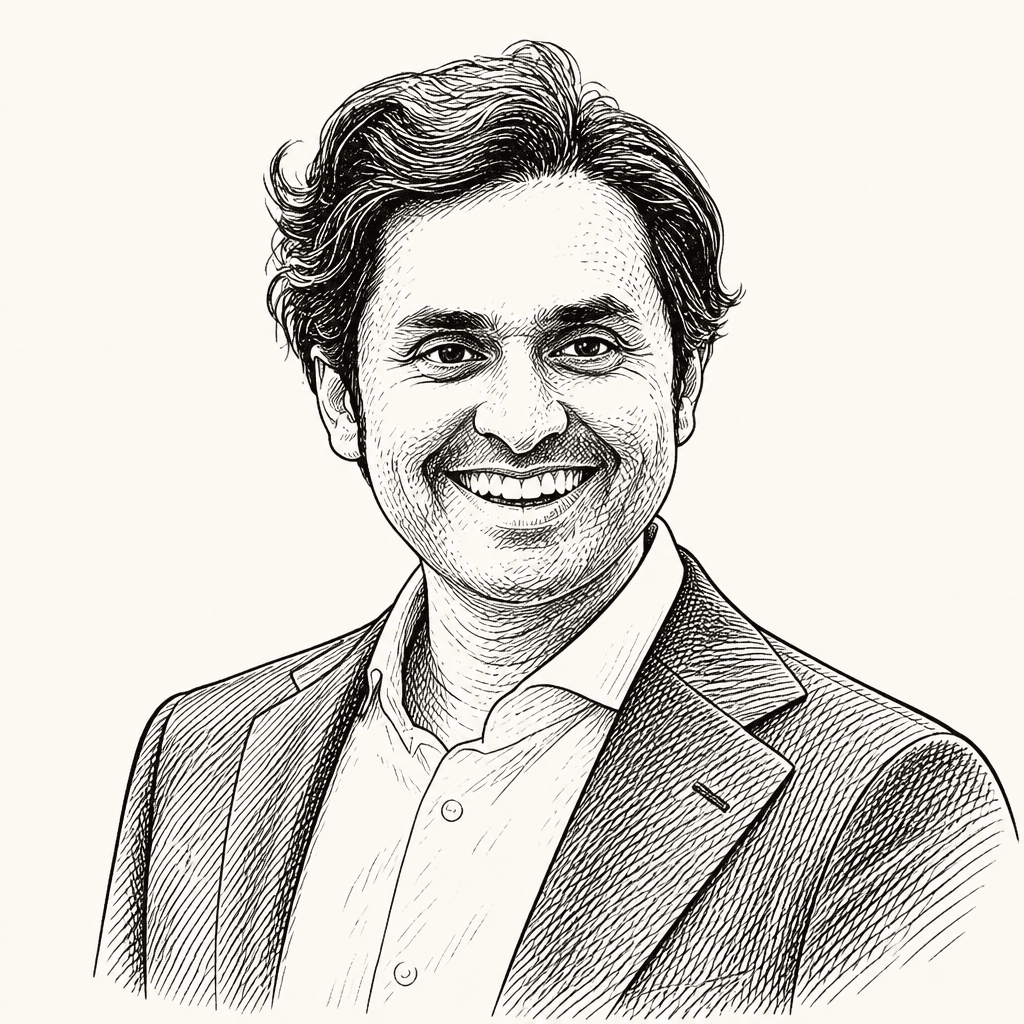
Alok Kanojia
Harvard-trained psychiatrist and cofounder of Healthy Gamer, a mental-health platform and media organization serving the digital generation; publicly known as Dr. K for explaining mental-health topics to gaming and online audiences.
Futile Effort Can Build Resilience Without Becoming Self-Punishment
Dr Alok Kanojia says his lowest point was not failing college while spending most of his days playing video games, but realizing that medical school was unlikely after years of trying to qualify. In an interview with Chris Williamson, Kanojia recalls that the certainty brought grief and an unexpected calm, and argues that sustained effort without the result you want can still teach you something—provided you do not turn failure into self-punishment.
Wanting Becomes Easier to Face When It Isn’t Treated as a Command
Alok Kanojia argues that wanting becomes uncomfortable because it exposes needs and desires people cannot control. Rather than immediately satisfying a desire or trying to suppress it, he says, people can learn to feel it without treating it as an instruction. Chris Williamson adds that people may redirect longings they fear they cannot fulfill into a substitute goal to pursue, leaving the original want unacknowledged.
Awareness and Emotional Tolerance Offer Different Ways to Interrupt Compulsive Porn Use
Joe Hudson, Alok Kanojia and Connor Beaton argue that some porn use is tied to avoiding difficult feelings, and that interrupting the pattern means changing how a person responds to those feelings. Their proposed approaches target different points: Hudson says to stay present and savor the experience of watching porn, while Beaton suggests pausing before acting on an urge to identify and face the emotion beneath it. Kanojia cautions that Hudson’s exercise also means not masturbating.
Rock Bottom Doesn’t Make Change Inevitable
Psychiatrist Alok Kanojia, coach Joe Hudson and men’s coach Connor Beaton argue that a crisis can become a turning point, but does not force one: they differ on how much change depends on choice, rupture or support from others. Chris Williamson describes a public confrontation with the identity he had built; Hudson recounts a relationship crisis, and Beaton a collapse involving betrayal, homelessness and suicidal thoughts. Their accounts also challenge the idea that ambition, discipline or shame can resolve the pain that may drive them.
Young Men Turn to Gambling as Traditional Paths to Security Weaken
Dr K (Alok Kanojia) argues that gambling can appeal to young men who want ordinary forms of security—such as buying a house, taking a partner out and having more freedom—but cannot see a dependable way to achieve them. In his clinical experience, a bet can seem to bypass years of effort when education and work feel less reliable routes to success. Chris Williamson connects that appeal to the growing popularity of fast-money themes in financial content, while distinguishing that trend from the reasons individual people gamble.
Erectile Dysfunction in Younger Men May Reflect Conditioning, Anxiety, and Vascular Health
Dr. Alok Kanojia argues that erectile difficulties among younger men often reflect an inability to sustain an erection during partnered sex rather than a simple failure to become erect. He attributes the pattern primarily to conditioning from habitual masturbation and pornography, cardiovascular health and anxiety—not, in most cases, to low testosterone—and proposes a short abstinence period followed by lower-pressure, lubricated masturbation without porn, alongside exercise and relaxation.
Gambling, Pornography, and Games Fill a Growing Void of Purpose
Psychiatrist and Healthy Gamer co-founder Alok Kanojia argues that pornography, gambling and video games become most damaging not because pleasure is inherently suspect, but because they can substitute for agency, intimacy, purpose and a believable future. In conversation with Chris Williamson, he frames young men’s high-frequency use of such outlets as a response to pain, boredom and blocked opportunity—and warns that AI, gambling apps and other low-friction tools can offer relief while displacing the capacities people need to build a life.
Psychosis Can Change the Beliefs That Govern Action
Psychiatrist Alok Kanojia argues that the Lindsay Clancy case cannot be understood through a model of ordinary judgment overwhelmed by weak impulse control. Drawing on his clinical experience and familiarity with the hospitals involved in her care, he says severe psychosis can alter what a person believes is real, so actions that appear incomprehensible from outside may follow from delusions or hallucinations experienced as fact. Kanojia’s account also frames postpartum psychosis as a rare but recurring clinical emergency that public discussion often confuses with more familiar forms of mental illness.