Wanting Becomes Easier to Face When It Isn’t Treated as a Command

Alok Kanojia argues that wanting becomes uncomfortable because it exposes needs and desires people cannot control. Rather than immediately satisfying a desire or trying to suppress it, he says, people can learn to feel it without treating it as an instruction. Chris Williamson adds that people may redirect longings they fear they cannot fulfill into a substitute goal to pursue, leaving the original want unacknowledged.
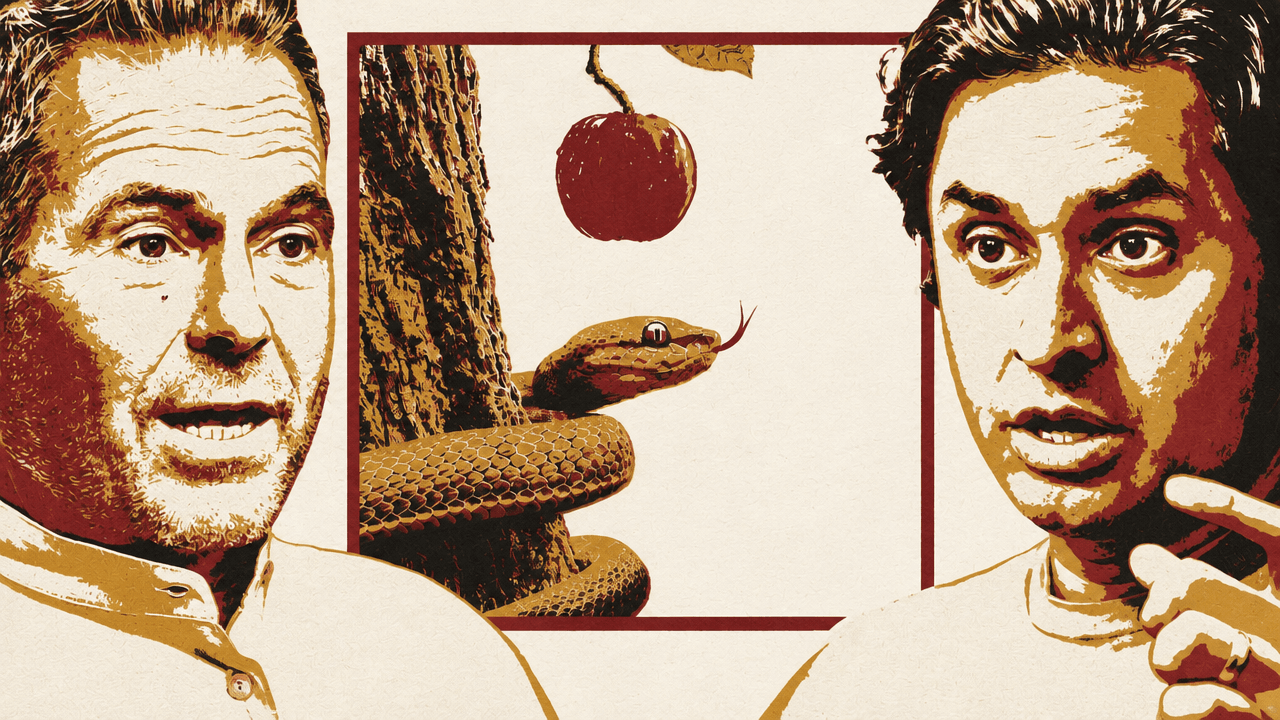
Wanting exposes a lack of control
Alok Kanojia argues that wanting is uncomfortable because it makes people confront something they cannot simply command: what they need and desire. Two familiar responses—satisfy the want immediately or try to suppress it—can both keep a person fixed on it. His alternative is to notice the wanting without treating it as an instruction.


Kanojia illustrates the distinction with a piece of nicotine. In his example, taking it ends that particular feeling of wanting; keeping it in view without taking it leaves the feeling present. The exercise is not a test of whether the desire is good or bad. It is a way to see whether you can feel it without immediately acting on it.
That distinction also changes the question of which desires to trust. Kanojia says the first question is not whether to trust or distrust a want, but whether you are willing to feel it fully. Acting on it and suppressing it are separate choices.
I'm not saying trust or distrust, I say feel.
The feeling can unsettle an identity organized around self-reliance and self-blame: the sense that everything is “me,” and every outcome is mine to fix. Kanojia connects this to self-referential thought and suggests that allowing a want to be felt can loosen that way of seeing yourself.
Suppression can hide the need beneath a surface want
A concrete desire may be a strategy for reaching a more basic need. Kanojia’s example starts with wanting pornography. Asked what need lies beneath that want, the answer might be calm; beneath calm, a wish for connection. The surface desire is not necessarily the need itself. It may be an immediate route toward something harder to name or feel.
If the underlying need is painful, a person may move toward the surface-level substitute instead. The question is not simply whether to grant the desire, but what it is trying to provide—and whether the person can stay with that question rather than automatically satisfying or disowning the want.
Chris Williamson frames a related avoidance in terms of wanting what may be unattainable. Someone who fears they cannot get their parents to love them might redirect that longing into trying to make their parents proud. The substitute goal gives them something to pursue while leaving the original want unacknowledged.

Williamson also points to the selectivity of people’s willingness to endure discomfort. An ultrarunner may train hard for a race but avoid a difficult conversation with a spouse. Doing hard things in one chosen domain does not mean being willing to face the difficulty directly in another. “The work is not always the work,” he says.
Trying to conquer desire can become another fixation
Kanojia offers a broader account of why wanting is hard to sit with: in his framing, wanting is bound up with life itself. Hunger disturbs contentment by producing a want for food; even a simple organism encountering a harmful environment, he says, moves away from it. He reads fear as a want for safety, anger as a want for territory or safety, and avoidance as a want not to do difficult work.
Kanojia connects this account to the Buddha’s teachings. As he explains them, pain is unavoidable, but a person’s reaction to pain shapes whether it becomes suffering. Pleasure, too, is not fully under a person’s control: someone may encounter something beautiful and feel pleasure without choosing that response. Kanojia’s concern is what happens when a person attaches to pleasure or uses it as an antidote to pain. In his account, trying to hold on to pleasure can become obsession.
The same pattern can appear in efforts to eliminate desire. Kanojia recounts a meditation teacher who believed overcoming his attachment to potato chips was a step toward enlightenment. He resisted the craving repeatedly, then gave in when he encountered freshly fried chips and felt ashamed. His teacher’s instruction was not to keep resisting. He told him to get the chips if he wanted them, and to notice what happened when the desire arose and when it was satisfied.
The exercise was to observe the wanting and the satisfaction, rather than make either one a command or a personal failure. Kanojia says sometimes change requires action, but sometimes awareness is the method. The point is not that awareness always replaces action, but that observing a desire can itself be part of how a person responds to it.