Young Men Turn to Gambling as Traditional Paths to Security Weaken

Dr K (Alok Kanojia) argues that gambling can appeal to young men who want ordinary forms of security—such as buying a house, taking a partner out and having more freedom—but cannot see a dependable way to achieve them. In his clinical experience, a bet can seem to bypass years of effort when education and work feel less reliable routes to success. Chris Williamson connects that appeal to the growing popularity of fast-money themes in financial content, while distinguishing that trend from the reasons individual people gamble.
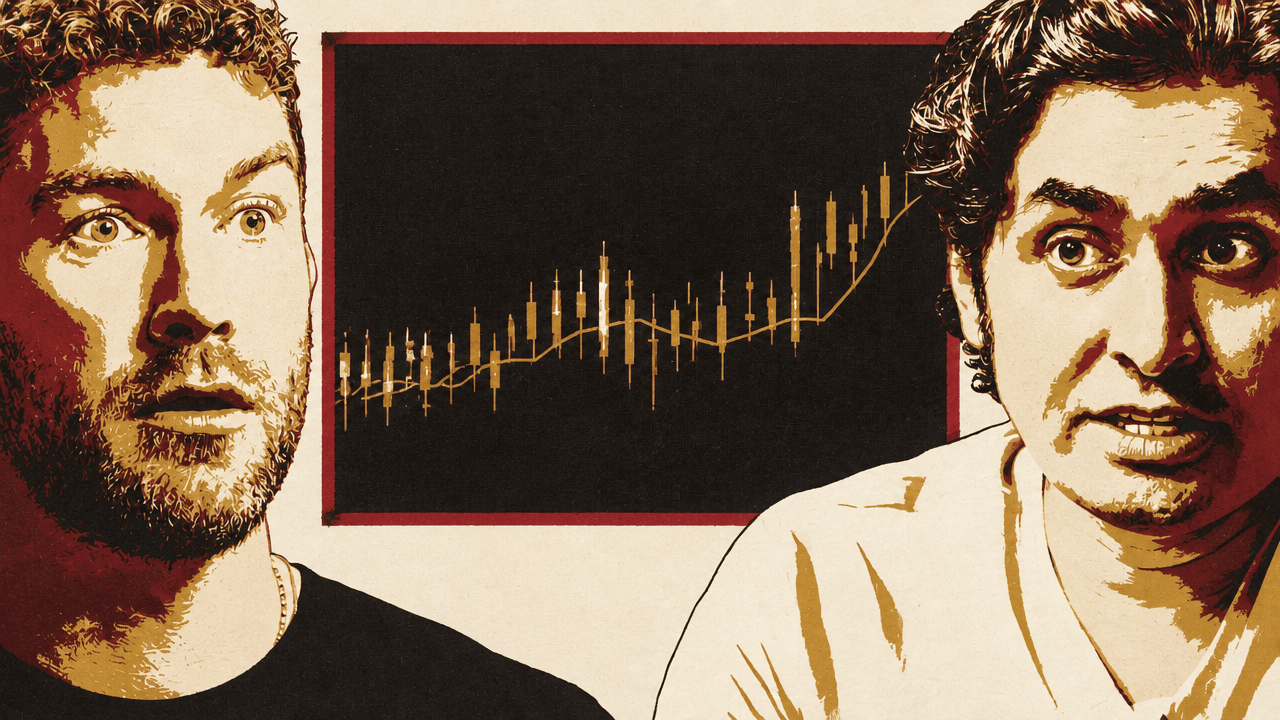
Gambling promises the security men feel they cannot reach
Alok Kanojia argues that gambling can appeal to young men because it offers a shortcut across a widening gap: the gap between what they think society expects of them and what they believe they can achieve. He says some men still face expectations to earn more than a female partner, while fewer men are going to college. In his clinical experience, many men who gamble want to “make it big” but do not know how.
The goal, he says, is often ordinary security rather than extravagant wealth: buying a house, taking a partner out, and having more freedom. Gambling can look like a simple way to get those things. For Kanojia, the desire underneath the bet is not necessarily a taste for luxury; it is the hope of becoming someone who can meet the standards he sees around him.
The root of gambling is, I want to be someone one day. I want to have what everyone says I should have.
That promise has a particular force when the slower routes feel uncertain. Education, career-building and years of effort require a person to trust that the payoff will come later. A bet offers the possibility—however uncertain—of closing the distance now. Kanojia’s account is that this possibility can make gambling attractive to people who want security but cannot see a reliable way to get there.
Chris Williamson connects that appeal to a shift in the financial content people seek out. He says YouTube creator Patty Galloway described the largest finance niches in 2018 and 2019 as focused on slow investing, dollar-cost averaging, the S&P, 401(k)s and tax efficiency. By 2026, Williamson says, popular themes included making money fast, prediction markets and crypto. He sees this as a possible response to uncertainty about AI, geopolitics and the future: when people do not know what comes next, they may try a “fast money strategy” instead.


The change Williamson describes is in the kinds of financial topics gaining attention, not a direct account of why particular people gamble. But it gives context to Kanojia’s explanation: when long-term security feels harder to plan for, the appeal of a fast outcome can grow.
When effort no longer looks like a dependable route
Kanojia places gambling within a broader loss of confidence in the idea that effort reliably produces security. He describes the familiar advice for young men as a contest they can influence through their own effort: practice harder, train harder, build skills, and use time to develop a career and a family life. When someone is young, he says, there can be decades in which that effort compounds. The task is to draw out one’s potential.
A midlife crisis, in his account, can come when working harder no longer seems enough to solve the problems ahead. Kanojia says he sees a similar crisis in society: the belief that merit and hard work will lead to success is losing force. He points to college as one route that used to be associated with financial security. He and Williamson agree that the promise now feels less dependable; Williamson calls college, for some, “a path to financial ruin.”
Kanojia also describes young men as facing pressures in work and relationships. He mentions AI taking jobs, loneliness, sexlessness, and fewer people having three close friends they could call in a crisis. These pressures matter to his account because they narrow the routes a person may feel are available. If education no longer seems to guarantee security, work seems vulnerable, and relationships feel harder to establish, then the old instruction to keep working may not feel like a sufficient answer.
That is the opening a bet can occupy. It appears to offer a way to skip the long interval between effort and reward: rather than spend years trying to build a stable life, a person can imagine winning enough to reach it quickly. Kanojia’s point is not that every young man faces the same expectations, or that every gambler is pursuing the same goal. It is that, in his clinical experience, the wish to “make it big” often sits alongside uncertainty about how to succeed by ordinary means.
The shortcut trades a gradual payoff for a sudden possibility
Kanojia’s comparison between effort and convenience sharpens this concern. He says that using muscles makes them stronger and writing essays oneself can build intelligence; he compares relying on AI for cognitive work to taking an elevator instead of the stairs. The analogy is not evidence about gambling, but it clarifies the value he places on the slow route: effort is not only a cost on the way to a result. It is part of how a person develops the capacity to reach that result.
Gambling reverses that sequence. It makes the desired outcome—money, freedom, a house, the ability to take a partner out—seem reachable without first building the resources and stability that normally take time. That is why the wager can feel like more than entertainment or a chance at extra cash. In Kanojia’s account, it can offer a substitute for a path to adulthood that no longer feels clear or dependable.
Williamson’s account of online finance content and Kanojia’s clinical observations meet on this point, though they describe different things. One concerns the popularity of fast-money themes; the other concerns the hopes he hears from people who gamble. Together, they make the appeal legible: when the expected markers of success remain in view but the means of reaching them seem less attainable, a sudden win can look like an alternative to waiting.