ButcherBox Reached $600 Million by Keeping Every First Box Profitable
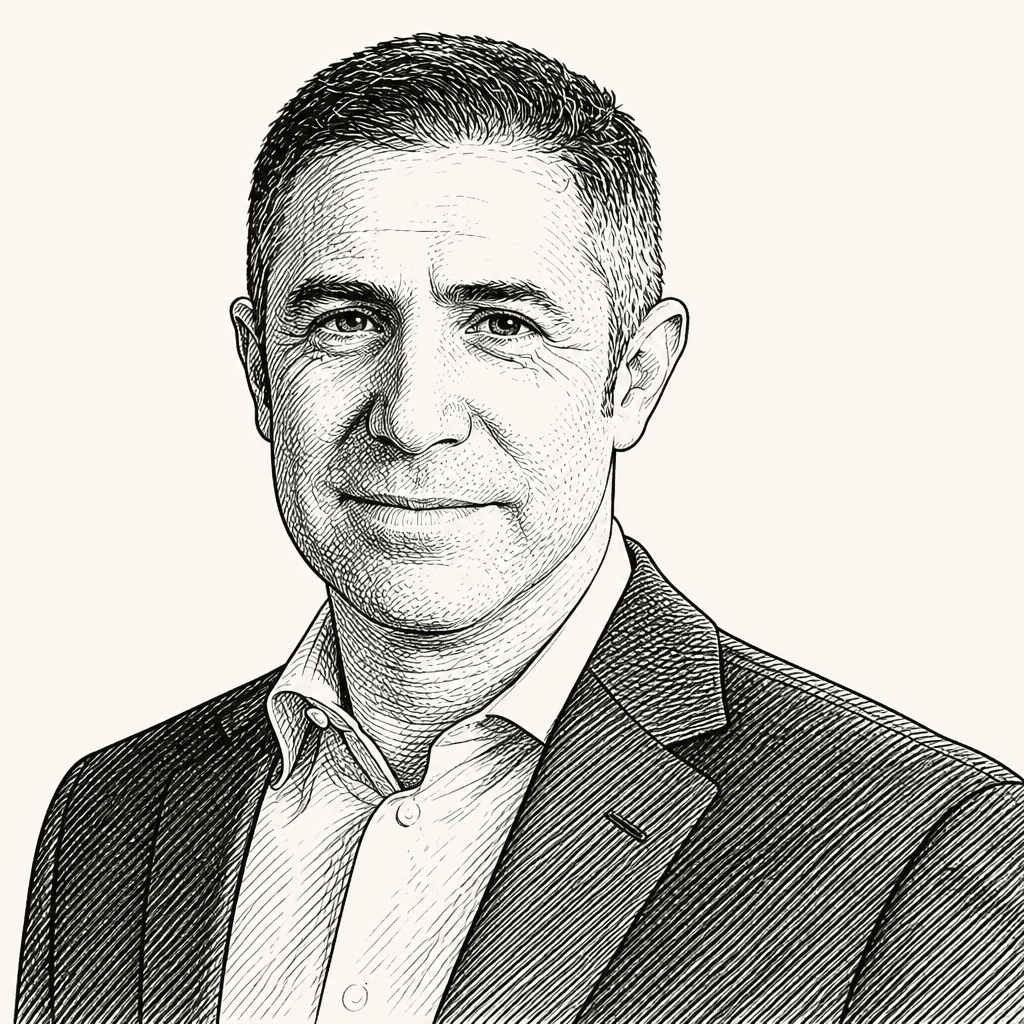

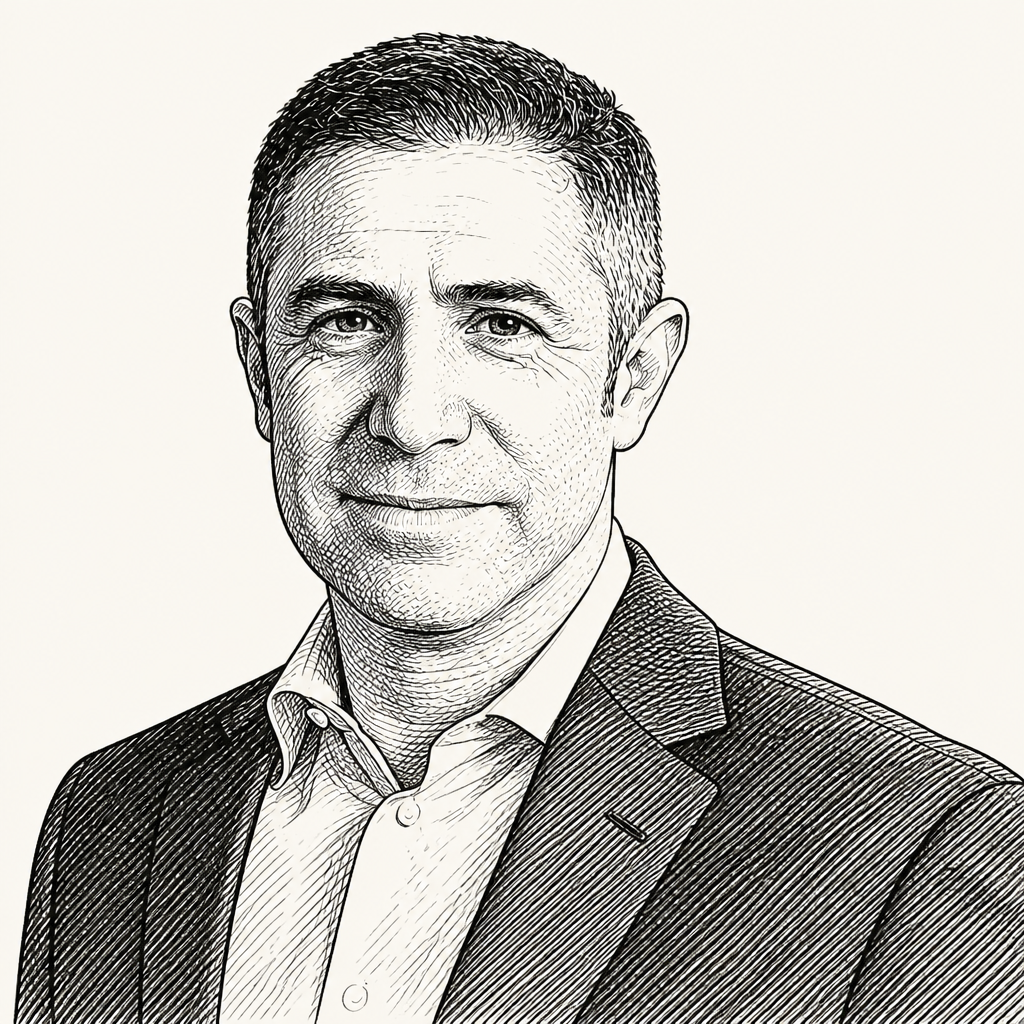
ButcherBox founder Mike Salguero argues that bootstrapping gave him the freedom to change course that he lost after raising roughly $30 million for his previous company, CustomMade. He built the meat-subscription business around first-box profitability, creator partnerships and tightly managed operations rather than venture-funded customer acquisition, growing it to more than $600 million in annual revenue. Salguero now sees B Corp commitments and private ownership as ways to preserve the company’s standards beyond his own tenure.
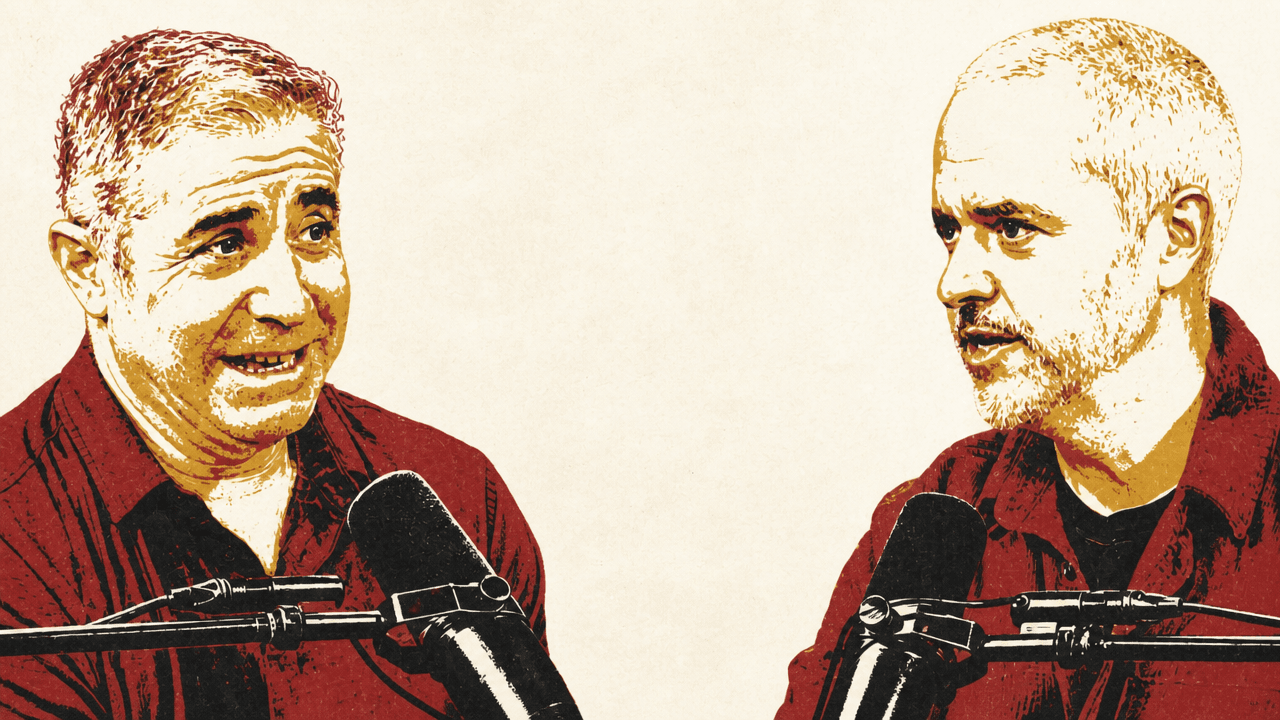
Bootstrapping was a way to preserve the ability to change course
Mike Salguero built ButcherBox without outside capital not because investors were unavailable, but because his first venture taught him how financing can narrow a founder’s room to act.
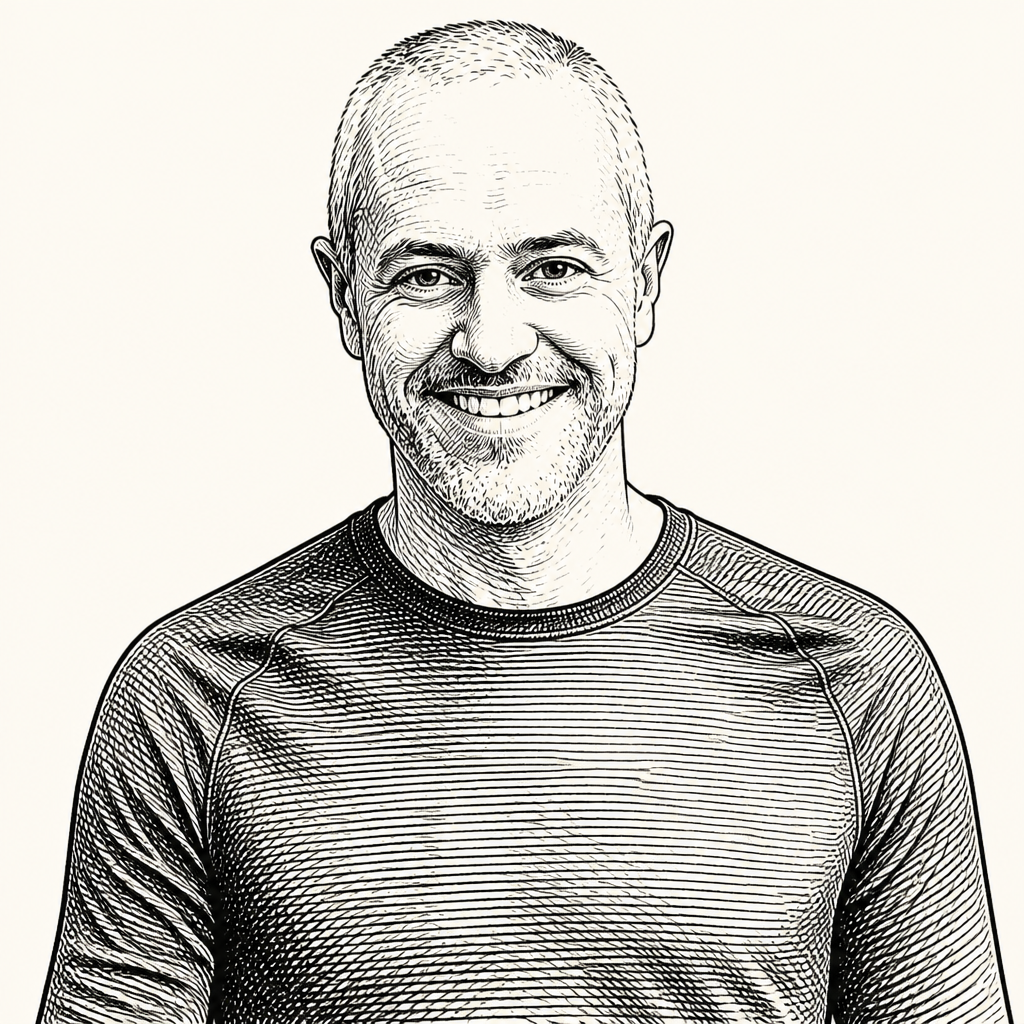
Before ButcherBox, Salguero co-founded CustomMade, a service connecting customers with craftspeople. He and his co-founder bought the business in 2008 from a woodworker who had assembled a network of 350 makers. The plan was to modernize the site and expand it beyond woodworking. Instead, the company became a marketplace that took a fee on transactions between buyers and makers.
That model misread the transaction it was trying to mediate. A customer commissioning a custom dining table needed substantial back-and-forth with the maker, while many makers were not especially comfortable using technology. CustomMade was asking them to conduct that relationship through its platform so it could collect a fee. Once buyers and makers had connected, they often went around the platform. Makers also objected to paying a fee after doing the substantive work themselves.
CustomMade raised roughly $30 million, including money from Google and First Round Capital, on the marketplace proposition. Salguero said the company had 60 employees at its peak and was burning about $500,000 a month while “flooring it towards a wall that we kind of all saw.”
The problem, in his account, was not simply that a pivot would have been difficult. The marketplace vision was what investors had funded. When he and his co-founder considered returning to a listing-service model or pursuing another approach, they met resistance: investors had backed a marketplace, not a directory.
Salguero said, “I would say that I lost my integrity. I knew what was—well, I thought I knew what was better for the business.”
He describes the founder-investor relationship as one founders can enter too quickly. After about 75 pitches, a check can feel like relief rather than the beginning of a long partnership. CustomMade had governance protections that prevented investors from simply outvoting the founders, but those rights did not eliminate the pressure to follow the original plan.
The company ultimately completed a transaction with Wayfair, where its employees were able to get jobs. Salguero was not among them. CustomMade closed in May 2015.
He began exploring meat delivery almost immediately. He and his wife had been buying grass-fed beef while trying to improve their diets, and he knew Omaha Steaks had already established that meat could be shipped to homes. But his aim was to operate differently: with control over the business’s direction and without a financing structure that could make an outdated plan harder to abandon.
That decision became consequential as ButcherBox grew. Salguero says the company developed a positive cash conversion cycle and did not require large cash infusions. He believes that if ButcherBox had raised money in 2015, it would have been on an 18- to 24-month spending runway and seeking another round around the time Blue Apron went public in 2017 and its stock subsequently fell—an event Salguero says caused capital for food-box subscriptions to disappear.
A small test established demand and set the limits of the model
Mike Salguero approached ButcherBox’s launch as a constrained test. He intended to put $10,000 into the company and use Kickstarter to learn whether customers wanted the product before building a more elaborate operation.
A former Omaha Steaks operations leader introduced him to a Wisconsin facility that could both cut and ship meat. That gave the business a single fulfillment partner. The Kickstarter campaign asked customers to pre-buy a box.
It sought $25,000, raised $50,000 on the first day, and finished with $210,000 in 30 days.
Salguero credits timing as part of the result. Two days before the campaign launched, Consumer Reports ran a cover story making the case for grass-fed beef.
The initial proposition also changed before launch. Salguero had planned to sell grass-fed beef, but an early employee went outside a Whole Foods and asked shoppers whether they would pay $129 a month to have it delivered. The feedback was that beef alone was not compelling enough at that price; chicken, pork, or seafood would make the offer more attractive.
That shifted ButcherBox from a single-product offer toward a broader alternative to a butcher counter. The Wisconsin facility could handle beef, chicken, and pork, though seafood came later because it was more complicated. Kickstarter customers could choose an all-beef box, a beef-and-chicken box, or a beef-chicken-and-pork box.
They could not specify every item. ButcherBox chose the contents of its curated boxes. Salguero saw that constraint as essential: unrestricted customer choice would require more inventory and operational complexity. The model resembled the meal-kit businesses that shipped customers a set selection rather than a fully customized order, but its success depended on making each box good enough that customers would want another.
Jeff Berman noted that subscription revenue is not really committed when customers can leave each month. Salguero agreed. The operating task, he said, was to delight customers in the current shipment and earn the next month’s revenue.
After Kickstarter, ButcherBox launched its website and began converting campaign backers into subscribers. The company shipped Kickstarter orders early and followed up by phone, offering help such as recipes and asking customers whether they wanted to continue. Salguero said about 30% converted. Within four or five months, ButcherBox had 1,000 subscribers paying $129 per box—more than a $1 million revenue run rate.
First-box profitability forced a different acquisition strategy
Mike Salguero says the absence of outside capital imposed a clear acquisition rule: every first box had to be profitable.
ButcherBox was making about $20 on each box, according to Salguero. Its cost to acquire a customer therefore had to be below $20. He called this being “box one profitable.” The constraint ruled out the obvious route available to many venture-backed subscription-food companies at the time: spending heavily on Facebook advertising.
Instead, ButcherBox went to nutritionists, paleo writers, and other health-focused creators whose work Salguero had read while trying to improve his own diet. The company’s pitch was personal: he had started the business partly because he could not find a dependable source for grass-fed beef. It was also structured around cash discipline. ButcherBox could not pay large upfront sponsorship fees, but it could pay creators a residual for every month that a referred customer remained subscribed.
The arrangement gave creators an incentive to send customers likely to stay. A referral that became a three- or four-year subscriber could continue generating monthly payments for the creator over that period.
Salguero said that channel accounted for nearly all of the company’s marketing through about $50 million in revenue. ButcherBox did $5 million in its first year, $35 million in its second, and then $100 million.
The same constraint carried into operations. When contribution per box is narrow, small procurement improvements become material: a cheaper box, dry ice, or tape can improve economics without changing what the customer receives. Salguero describes the company as combining creative marketing with exacting operational work. The best cost reductions, he said, preserve the product while lowering the cost of delivering it.
He ties that discipline to a broader brand position. Salguero says ButcherBox has tried not to cut corners and has aimed to be transparent in a meat market where labels and production practices can be difficult for customers to understand. He characterizes the conventional system as having been built around cheap, food-safe protein and limited consumer scrutiny. Customers, he argues, increasingly want more information and products they believe align with their own ethics.
The early team paired grit with expertise rather than replacing one with the other
Mike Salguero uses a jungle metaphor for startup hiring. In the beginning, a company needs people willing to “hack” through uncertainty without knowing where the path is. As a path becomes visible, it needs more experienced people who can navigate. Eventually, when the company reaches a road, it needs people who know how to drive.
The mistake, he says, is hiring only the car drivers too early.
At CustomMade, after raising venture capital, Salguero said the company effectively told the people who had helped build it that they did not know how to operate at the next stage. It hired people with prominent resumes and large-company experience, including people from AOL. In retrospect, he said, CustomMade staffed itself as though it had product-market fit when it did not.
ButcherBox initially took a different approach. Its early team had little direct experience in meat. Salguero selected people for what he called grit: Division I athletes, people with a chip on their shoulder, and others he believed would do what was needed to get the company moving.
That included hiring before he believed he could define every role himself. On the Tuesday after Memorial Day weekend, a college freshman arrived to work for $10 an hour. The employee, Bobby, eventually gathered customer feedback that changed the company’s offer from grass-fed beef alone to boxes that could include chicken and pork. For Salguero, the practical value was not merely delegation. He said he needed people around him to push him through the doubt and failure he carried from CustomMade, and he doubted he would have launched the company if he had started alone.
He does not argue for grit alone. About a year into the business, ButcherBox hired its first meat specialist, a 65-year-old retiree who had spent 27 years at BJ’s. Salguero valued both the employee’s experience and what he saw as a lack of careerist ego. The employee was not trying to climb a promotion ladder; he was looking for meaningful, enjoyable work.
Salguero calls the pairing a “barbell strategy”: early-career people with energy and drive at one end, late-career people with deep expertise at the other, and comparatively few mid-career hires in between. “You don't want to just have people who have a lot of grit and no experience,” he said, “but you also don't want just people with a lot of experience because they kind of forget the grit as they go along.”
B Corp status is Salguero’s answer to founder dependence
Mike Salguero says ButcherBox’s standards are easier to sustain while he remains in charge. The harder question is what happens if he steps down or is no longer able to lead.
In 2020, ButcherBox became B Corp certified. Salguero describes the certification as a rigorous third-party review of a company’s practices, partners, environmental and community impact, and broader commitments. He said the B Corp framework can be accompanied by corporate bylaws that state the company is not making decisions solely for shareholders.
That structure matters to him because he does not believe a company trying to “do the right thing” can be built exclusively around making shareholders more money. It also informs his reluctance to take ButcherBox public. An IPO is technically possible, he says, but not a preferred path. He sees few public companies taking the kind of stakeholder-oriented approach he associates with B Corp status, and questions why a company should sell or list if it does not need liquidity and its leaders do not want to leave.
Salguero says the company has changed what the meat industry responds to
Mike Salguero says the meat industry has responded to ButcherBox’s growth. He says pasture-raised, grass-fed beef was difficult to find in local grocery stores when ButcherBox began and has since become easier for consumers to find, though he maintains ButcherBox’s product is higher quality.
Large companies are paying more attention, he says, and an industry conference where ButcherBox was once unknown now invites the company to join committees and discuss claims-based products and customer relationships. He also says the company has found that customers looking for more information about food production can be more resilient customers.
The company says it wants to help smaller family farmers grow while working with larger producers that are willing to improve their practices. Salguero’s stated condition is willingness to “do the right thing”; he says ButcherBox can help smaller suppliers scale and help larger companies change their practices.
Retail puts an online brand where its customers already buy meat
Mike Salguero frames retail as necessary if ButcherBox is to become a broader consumer brand. He says online grocery buying represents roughly 14% to 20% of the market, depending on how it is measured, but even ButcherBox customers typically go to grocery stores twice a week. Meat and produce remain purchases many customers make in stores.
Target became an initial retail partner, and Salguero says ButcherBox is speaking with other retailers. The company offers a wide assortment across species and products under one label, rather than a narrow supplier relationship built around a single protein. That, he says, is distinctive for retailers.
The retail thesis also draws on marketing ButcherBox has already paid for. Salguero says the company expected shoppers who had encountered its advertising to recognize the brand in a local store and try it there. He says that is working well: the marketing dollars are already in the market, while retail places the product closer to where customers shop.
Salguero said he cannot cleanly isolate whether nationwide retail availability has increased subscriptions because the rollout was national rather than regional. But the indicators that would suggest customers are trying the product and purchasing it are up, he said.